Giorgia Meloni su Instagram segue solo 55 persone, tra Sinner e Le Pen c'è Nancy Brilli che diventa "titolare" di Un giorno da pecora al posto di Geppi Cucciari. https://t.co/LB5ulaFWBX #politica #Instagram #Meloni

Giorgia Meloni su Instagram segue solo 55 persone, tra Sinner e Le Pen c'è Nancy Brilli che diventa "titolare" di Un giorno da pecora al posto di Geppi Cucciari. https://t.co/LB5ulaFWBX #politica #Instagram #Meloni

la súper moderna nancy marrón cuando le preguntas por el sáhara y su gente https://t.co/zuhCwb7Ufs #Sáhara #JusticiaSocial #DerechosHumanos


Donald Trump, who previously opposed Nancy Grace Roman's space telescope project, praised the team after the successful launch and thanked them for the achievement, although the telescope had experienced several cuts and attempts to cancel it by the White House over the years before his support. (translated)


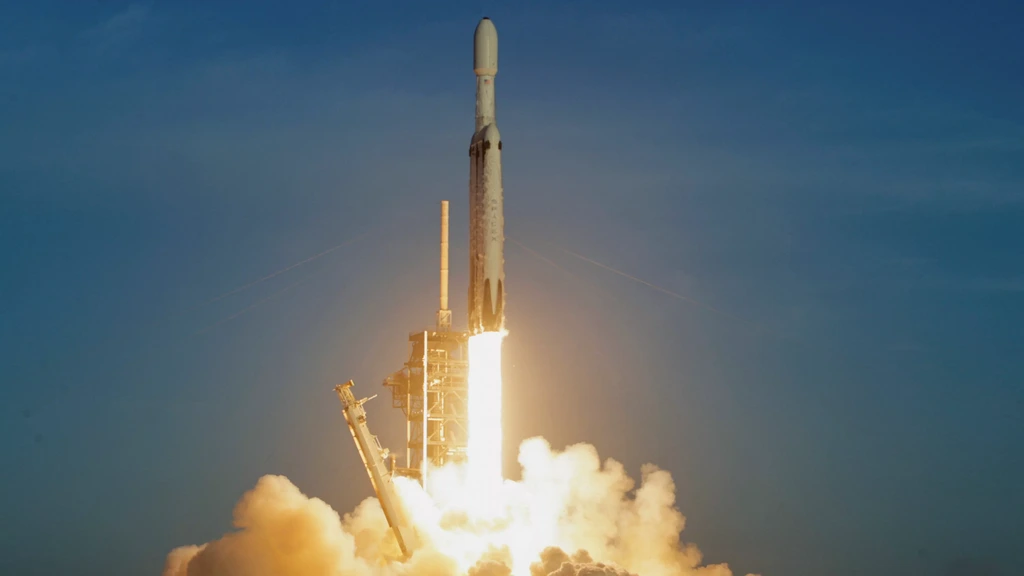
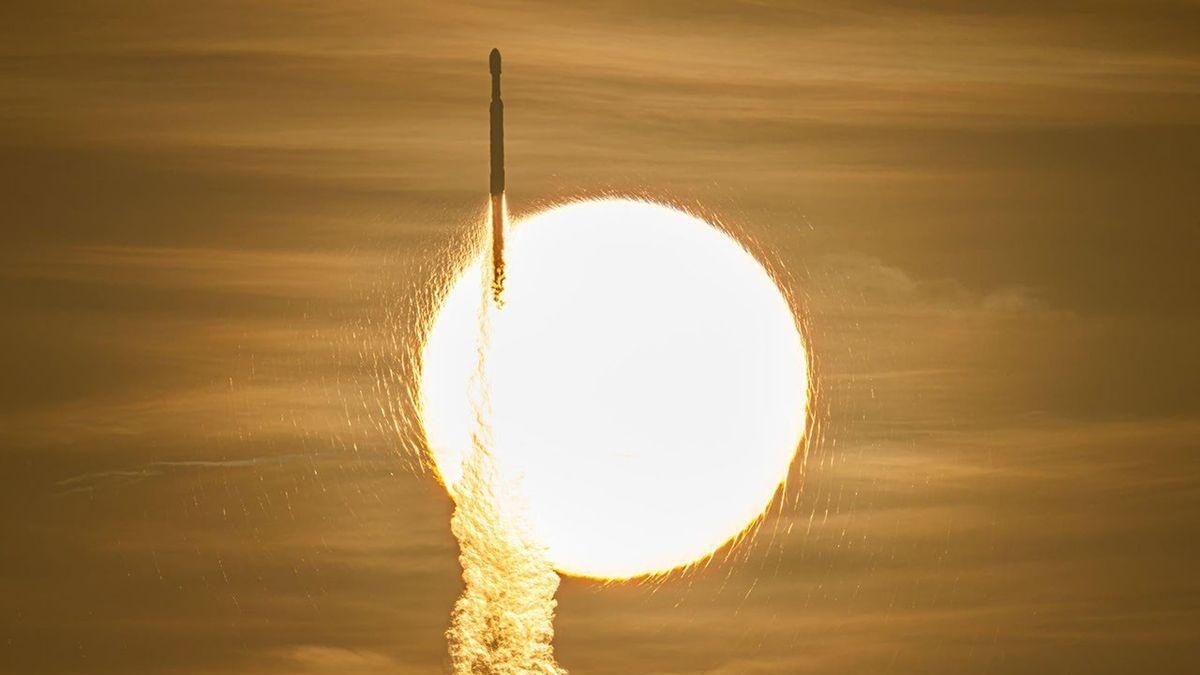
The Nancy Grace Roman telescope successfully launched on August 30, 2026, marking a milestone in space exploration by offering open and free data for the public and the global scientific community, which promises to revolutionize our understanding of the universe. (translated)

I learn that a lawyer from the Paris Bar, Laure Alice Bouvier, has bribed a clerk and a member of the prosecution to obtain information about me and my client @Marvel_Fit. I learn that neither the Nancy prosecution, nor the Paris bar, nor the general prosecution (translated)
I learn that a lawyer from the Paris Bar, Laure Alice Bouvier, has corrupted a clerk and a member of the prosecution to obtain information about me and my client @Marvel_Fit. I learn that neither the Nancy prosecutor's office, nor the Paris bar, nor the general prosecutor's office... (translated)
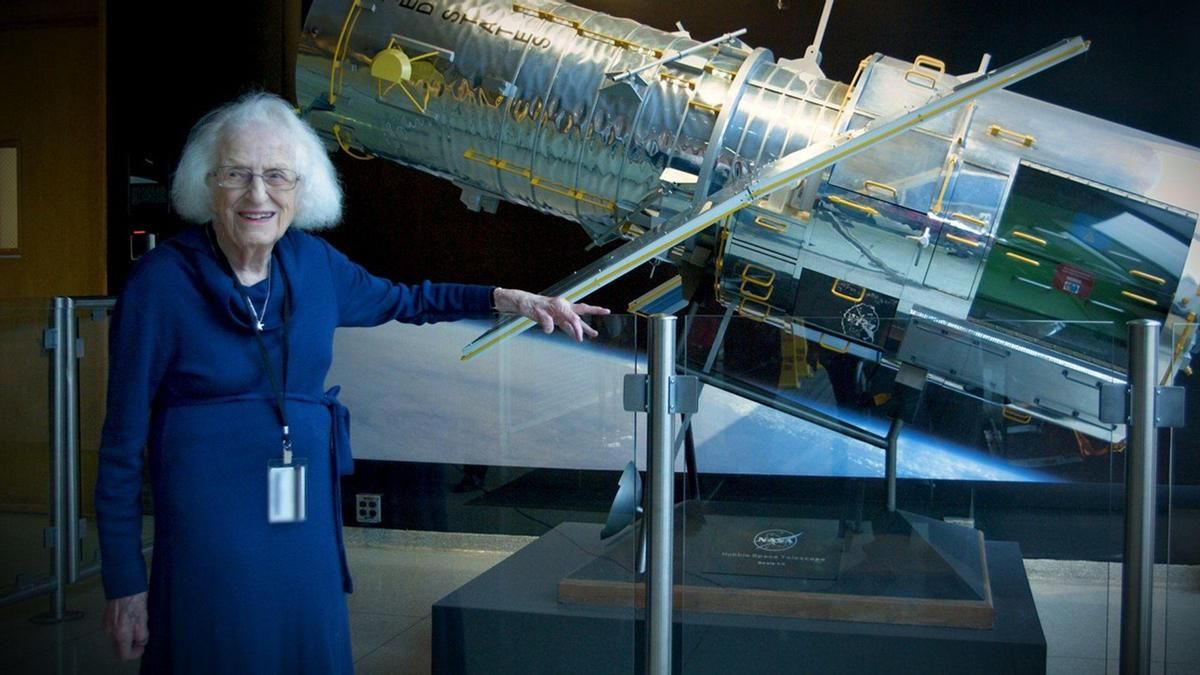
Nancy Grace Roman, born in 1925, stood out from her childhood as a pioneer in astronomy by founding an astronomy club and later becoming an executive at NASA, being recognized as the mother of the Hubble telescope, despite facing severe gender barriers in the academic field. (translated)
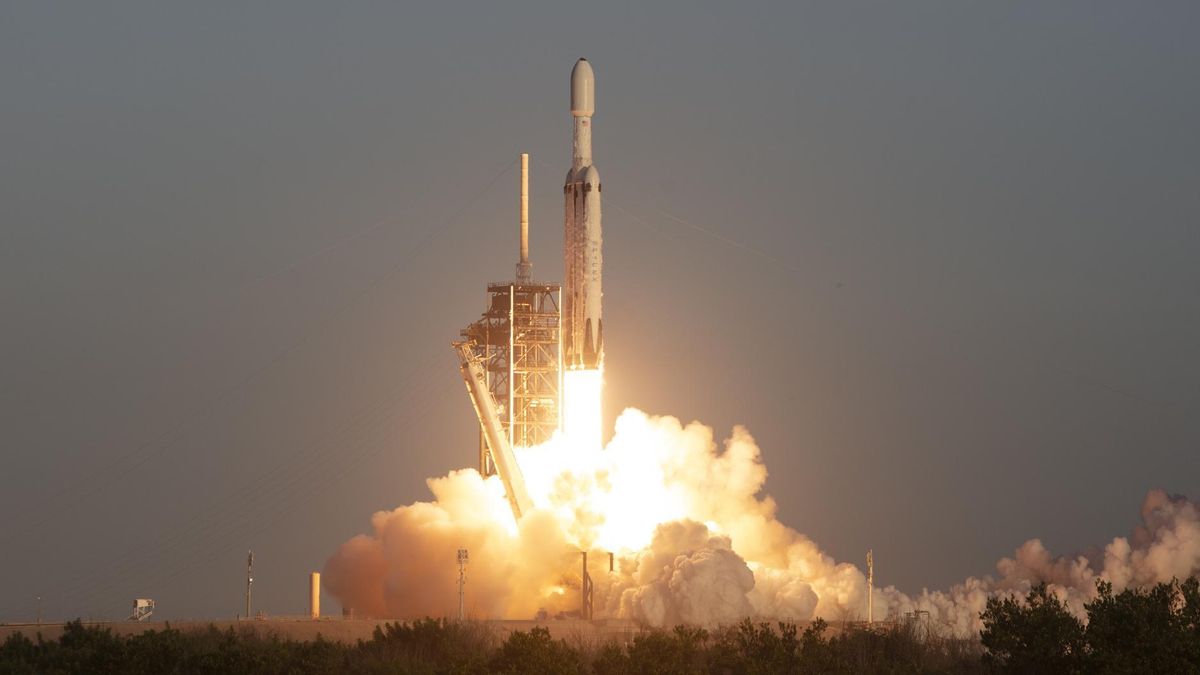
NASA has launched the Nancy Grace Roman Space Telescope, a $4.3 billion observatory that will study billions of galaxies and search for new planets from a point located 1.6 million kilometers from Earth. (translated)

@nancypecoitz60 Hola, avísenle a Messi que se equivocó en sus redes sociales. https://t.co/9pHBLoS87e #Messi #Fútbol #RedesSociales


Nancy Grace Roman, known as the mother of Hubble, was a pioneer in astronomy and became the first woman to hold an executive position at NASA, where she played a crucial role in the development of large space observatories such as the space telescope that bears her name. (translated)
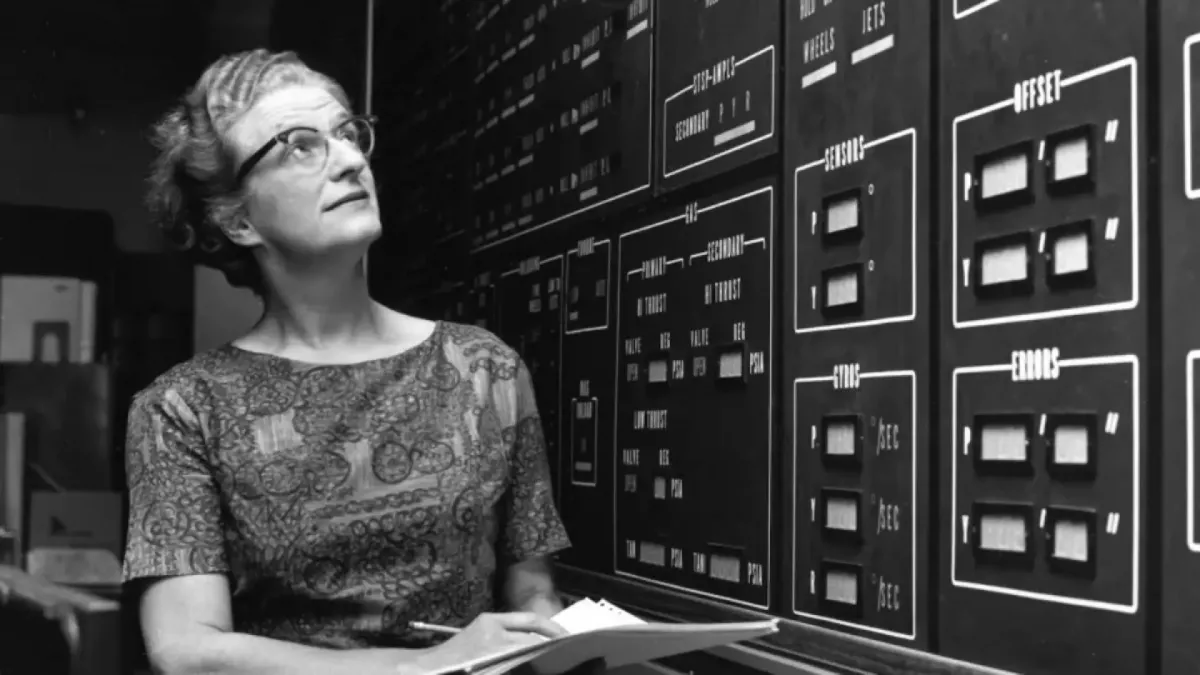

NASA has launched the Nancy Grace Roman Space Telescope into orbit, which is expected to deliver its first images in 2027 and will enable the exploration of exoplanets, black holes, and the mysteries of dark matter and dark energy. (translated)
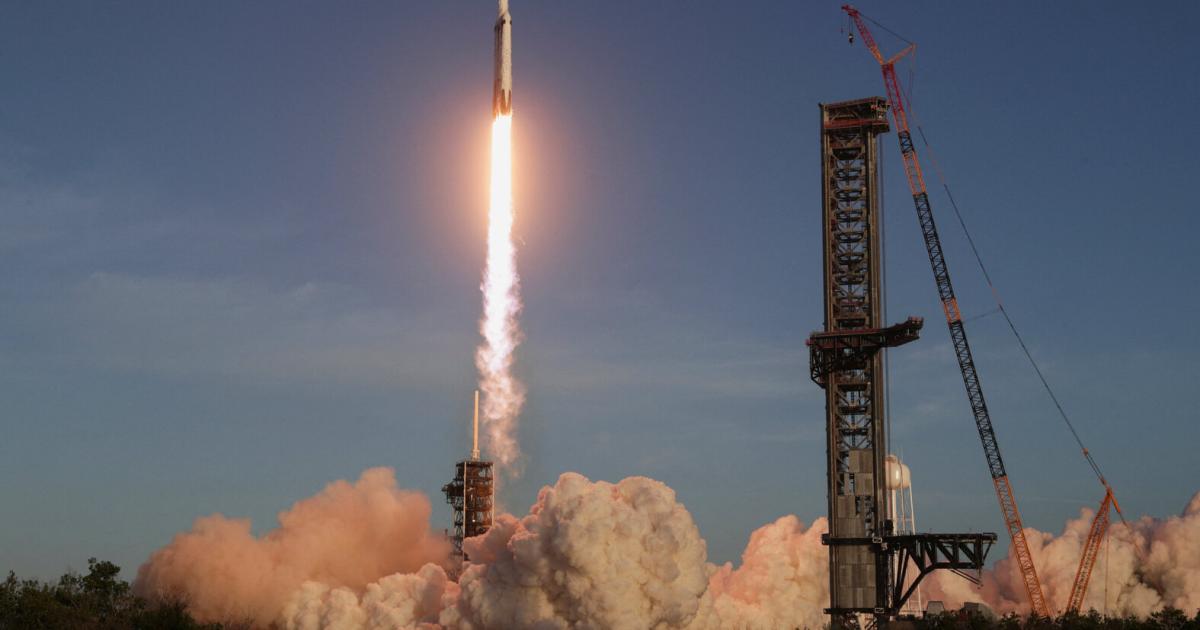

NASA successfully launched the Nancy Grace Roman telescope into space, which aims to study exoplanets, dark matter, and energy from an orbit around the second Lagrange point during its five-year mission. (translated)
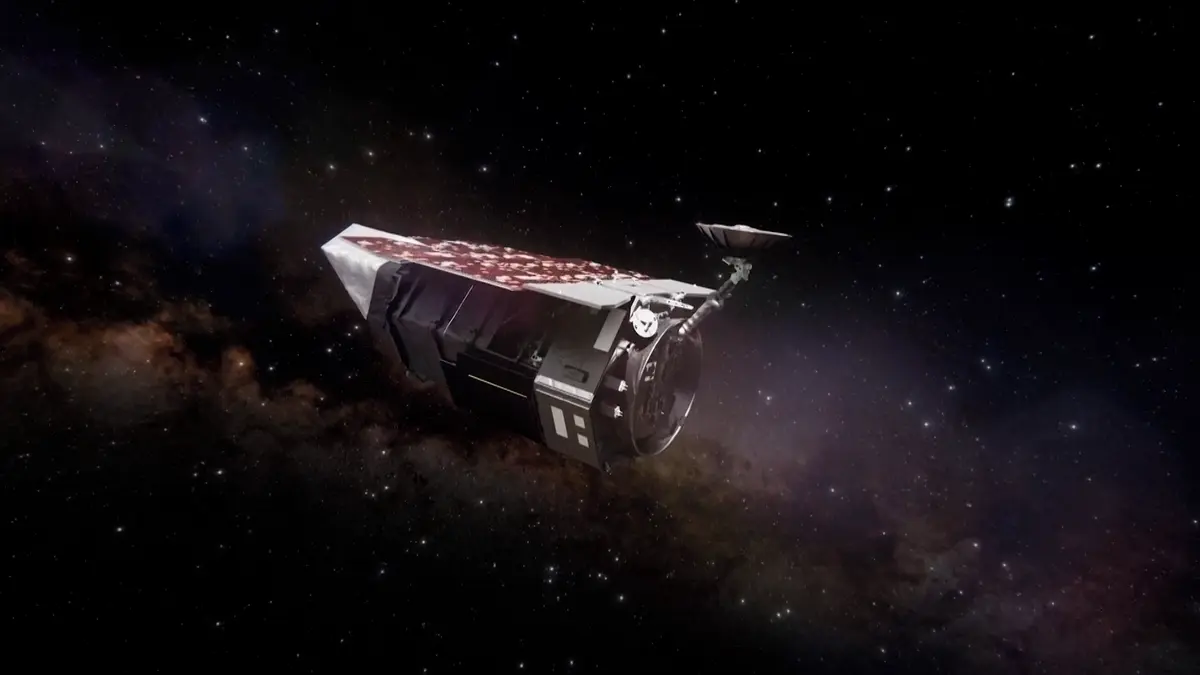

The NASA's new super telescope, the Nancy Grace Roman Space Telescope, is already traveling in space, which is expected to publish its first images in early 2027 while researching the secrets of dark matter and energy. (translated)

NASA has successfully launched the Nancy Grace Roman space telescope, which will investigate dark energy and dark matter, discover exoplanets, and map billions of galaxies. (translated)


NASA has successfully launched the new Nancy Grace Roman telescope, which will investigate dark energy, black holes, and other mysteries of the universe, with the expectation of discovering tens of thousands of exoplanets. (translated)

NASA has launched the Nancy Grace Roman space telescope, which will explore the Universe and could discover up to 100,000 exoplanets, with a field of view 100 times larger than Hubble and James Webb. (translated)

NASA unveils a new look at the universe 🔭✨ The Nancy Grace Roman space telescope will study dark energy and dark matter, chart millions of galaxies, and search for thousands of exoplanets. A telescope designed to view the cosmos on an unprecedented scale. (translated)

NASA has begun the search for 100,000 new exoplanets using the Nancy Grace Roman telescope, which was launched into space to conduct detailed observations and analyses of dark energy and black holes. (translated)
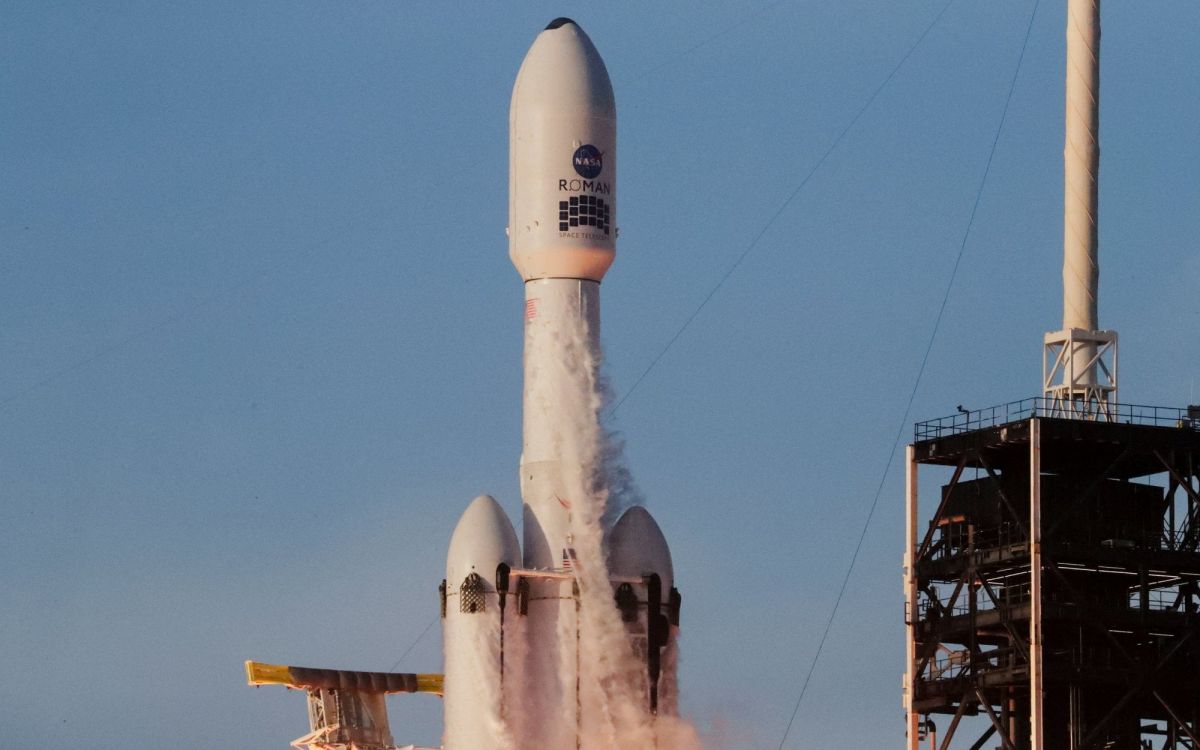

NASA has launched the Nancy Grace Roman space telescope, designed to map the universe and study phenomena such as dark matter and dark energy, with the goal of identifying over 100,000 exoplanets. (translated)
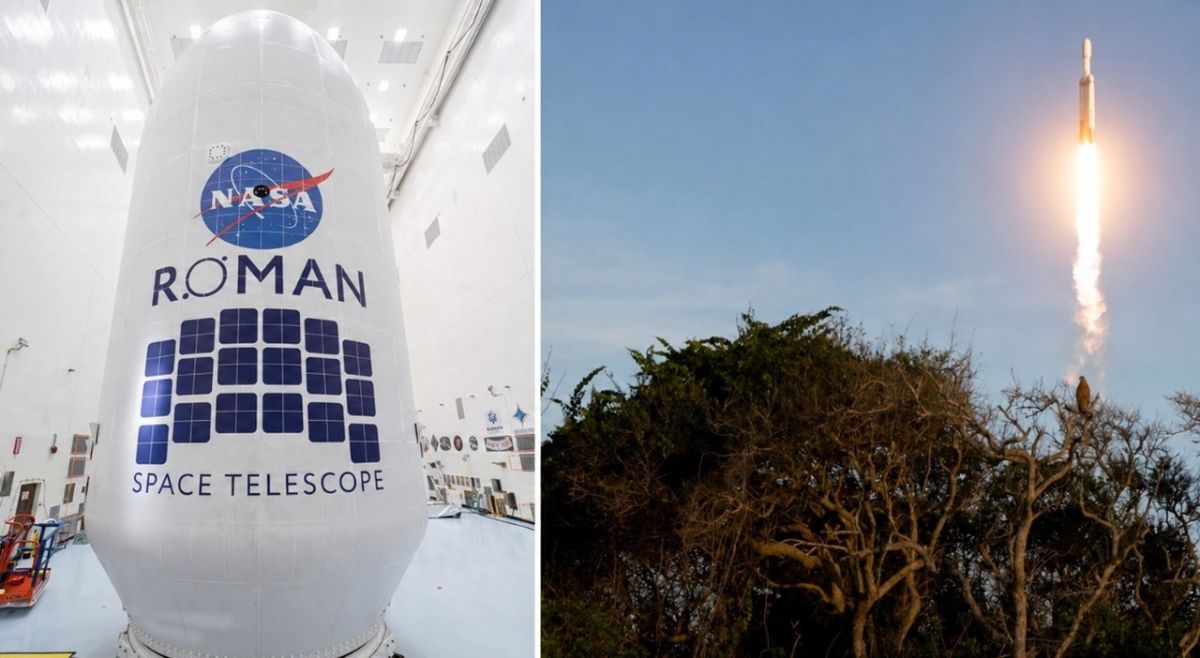

NASA has launched the Nancy Grace Roman Space Telescope, an advanced space telescope that will help investigate dark matter and energy, as well as map billions of galaxies beyond our solar system. (translated)