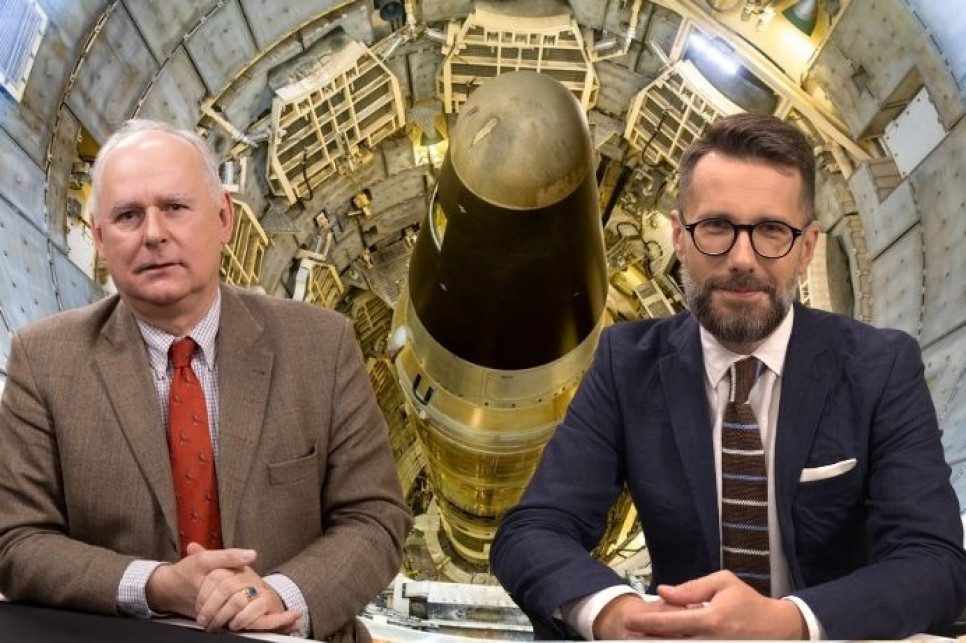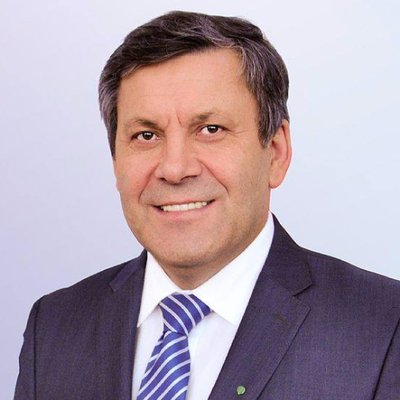
Deputy Minister of National Defence, Paweł Zalewski, declared in Brussels that Poland does not want to have nuclear warheads on its territory, which was corrected by his boss, Deputy Prime Minister Władysław Kosiniak-Kamysz, stating that Poland is consistently interested in the nuclear sharing program. (translated)
Ministers of Defense - one says that we don't want nuclear warheads, another corrects him. The third says that 100 drones landed in Poland in April, another corrects that it was actually not, because there were 20 before. 😳 What kind of team is this? If they themselves can't agree on basic issues in key matters. (translated)
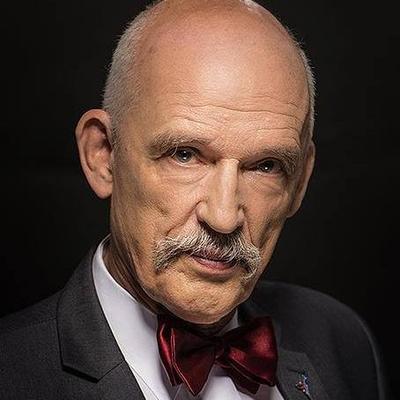
Deputy Minister of National Defense Paweł Zalewski caused controversy by claiming that Poland does not want nuclear warheads on its territory, which has faced strong criticism from the opposition and other representatives of the government and military, who pointed out that such a position undermines the foundations of Polish security. (translated)

The whole of Europe is writing that Deputy Minister Paweł Zalewski stated that Poland does not want to have nuclear warheads on its territory. A few hours ago, Władysław Kosiniak-Kamysz tried to awkwardly clarify this. Zalewski's words are unambiguous. In practice, they mean a resignation from (translated)
Poland remains interested in participating in NATO's Nuclear Sharing program, despite earlier statements by the Deputy Minister of National Defense, who stated that the country does not want to have nuclear warheads on its territory. (translated)

Rozwiewając wszelkie wątpliwości: Polska jest niezmiennie zainteresowana udziałem w programie NATO Nuclear Sharing. Prowadzimy także rozmowy na temat propozycji uczestnictwa w europejskim nuklearnym parasolu ochronnym. Stanowisko naszego rządu jest w tych kwestiach jednoznaczne. #NATO #Bezpieczeństwo #Polska
A public declaration by a government representative that Poland does NOT WANT to have nuclear warheads on its territory is an incomprehensible strategic mistake in the field of deterrence. We do not need to have them with us, but we should be able to have them, and that is exactly what Putin should know. (translated)

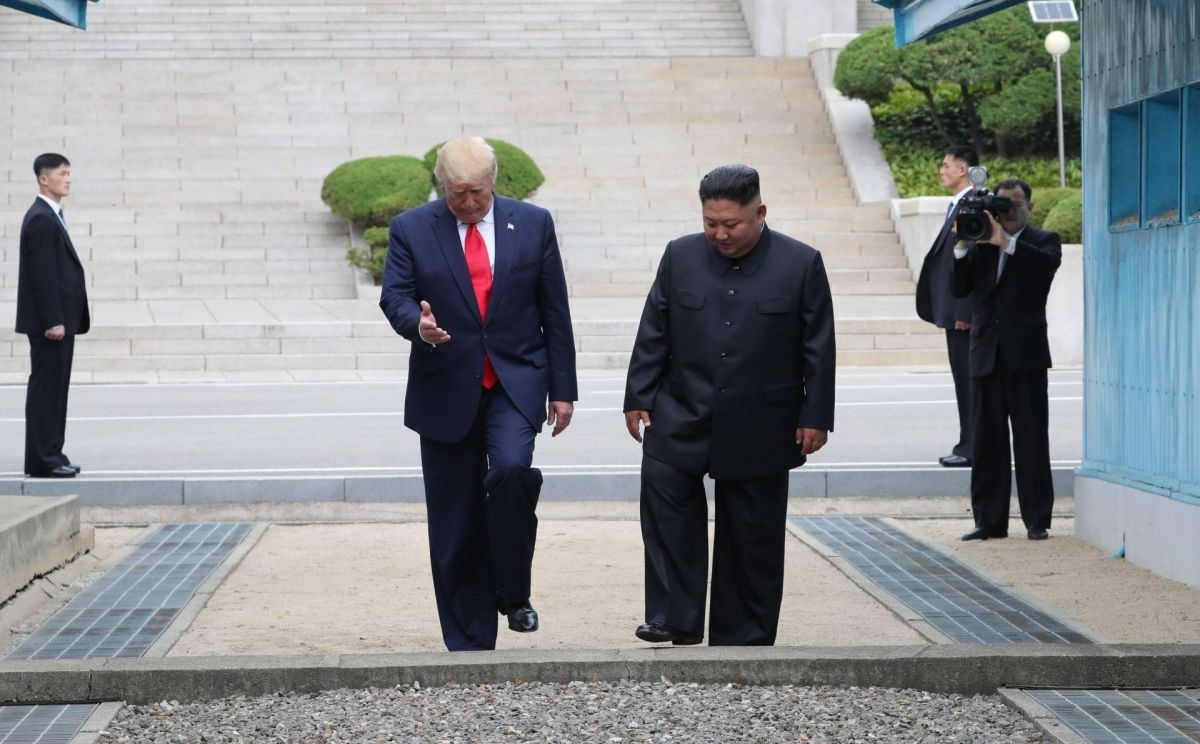
Seoul is worried that Donald Trump may accept North Korea's nuclear program, which raises concerns about further concessions from Washington, especially after his suggestion to limit joint military exercises with South Korea. (translated)

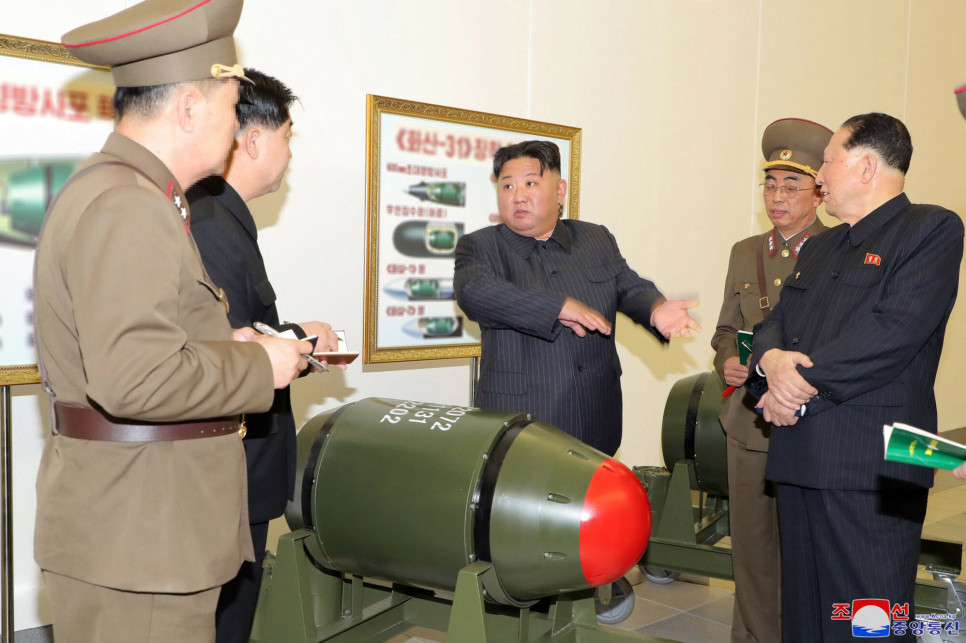
Minister An Gju Bak revealed that North Korea may possess between 80 and 120 nuclear warheads, but this data comes from independent analyses, not official military sources, which has sparked controversy following recent statements by Donald Trump about Pyongyang's nuclear arsenal. (translated)

„57 głowicami nuklearnymi”
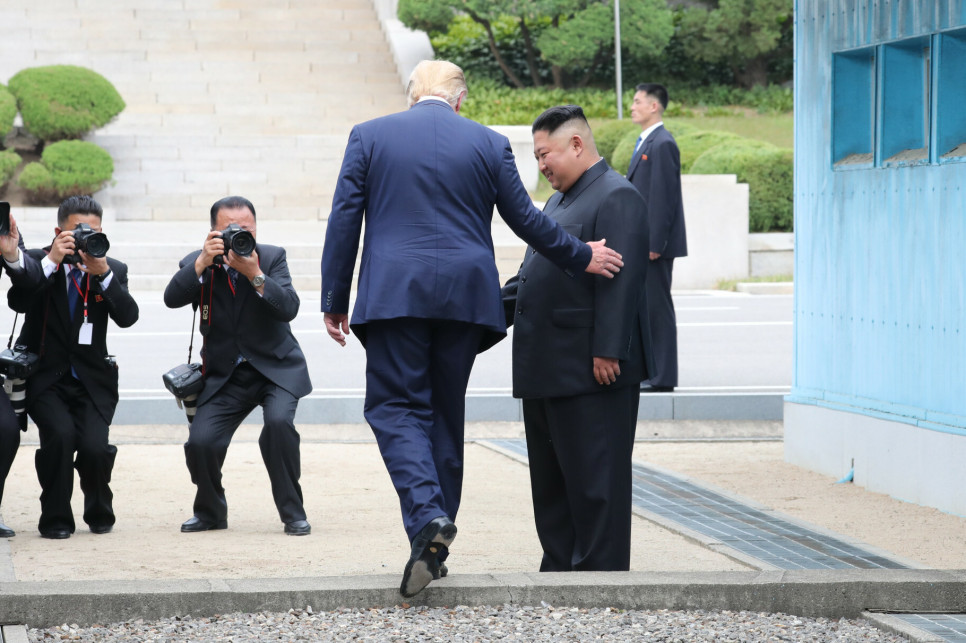
Donald Trump confirmed his interest in meeting with Kim Jong Un, stating that he gets along with him "very well," and noted that North Korea has 57 nuclear warheads. (translated)

Donald Trump confirmed that he will meet again with Kim Jong Un and emphasized that he maintains a good relationship with him, while Pyongyang has 57 nuclear warheads and discussions are ongoing about limiting joint military exercises with South Korea. (translated)
The Russian Navy has begun sea trials of the new submarine Khabarovsk, which has the capability to carry nuclear Poseidon torpedoes and is the second such submarine in Russia, with construction starting in 2014. (translated)
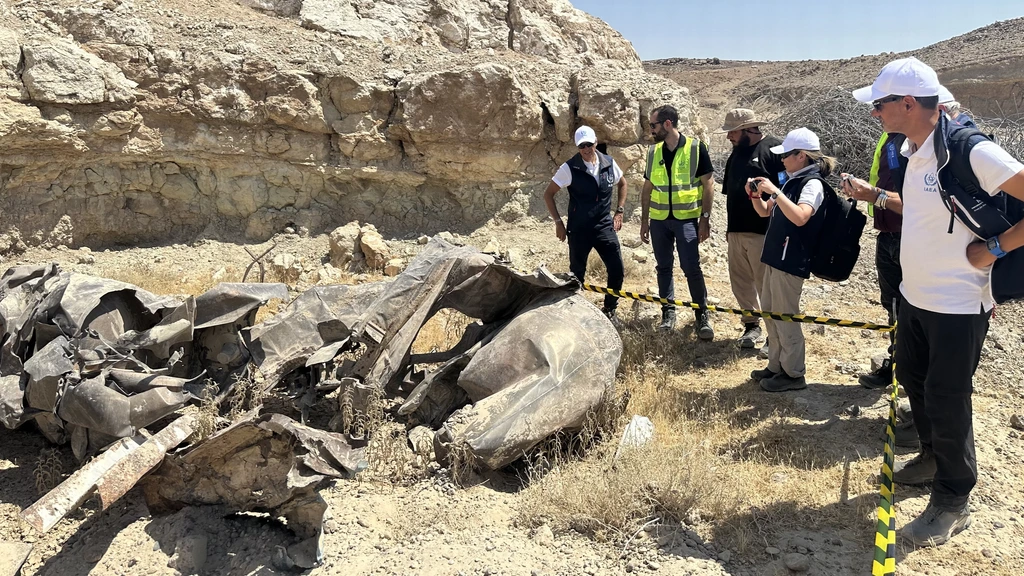
Tons of nuclear materials have been found in Syria, remnants of the former president Assad's secret atomic program, and the International Atomic Energy Agency (IAEA) is conducting inspections in cooperation with the Syrian government, including investigating sites where natural uranium that could be used for dangerous purposes has been detected. (translated)

Continuation of the comedy: Former President Donald Trump announced that he would declare the Strait of Hormuz "U.S. territory." In Iran's place, I would give even Mr. President of the Netherlands. P.S. P. Jakób Dawid Vance announced that the war is no longer about Iran's nuclear program, but about high gasoline prices in the U.S. (translated)
The world has entered a new atomic era, in which European countries, due to uncertainty related to American nuclear guarantees, are seeking to increase their deterrent potential, as evidenced by France's plans to expand its nuclear arsenal and Finland's preparations for deploying atomic weapons. (translated)
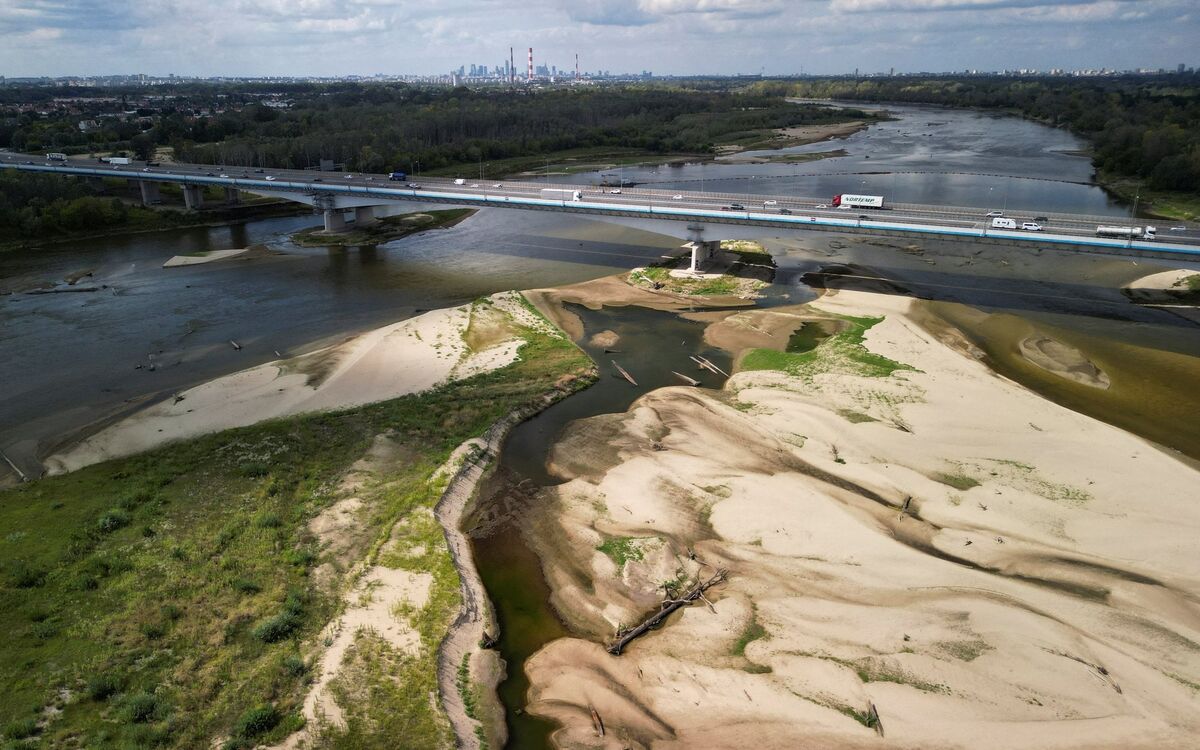
Experts point out that instead of giving up conventional and nuclear energy sources, it is crucial to adapt existing and new power plants to the challenges posed by a changing climate and ensure their safe operation under all weather conditions, which has become particularly important in the context of recent energy crises in Europe, such as the blackout in Spain and cooling issues at Hungarian power plants. (translated)

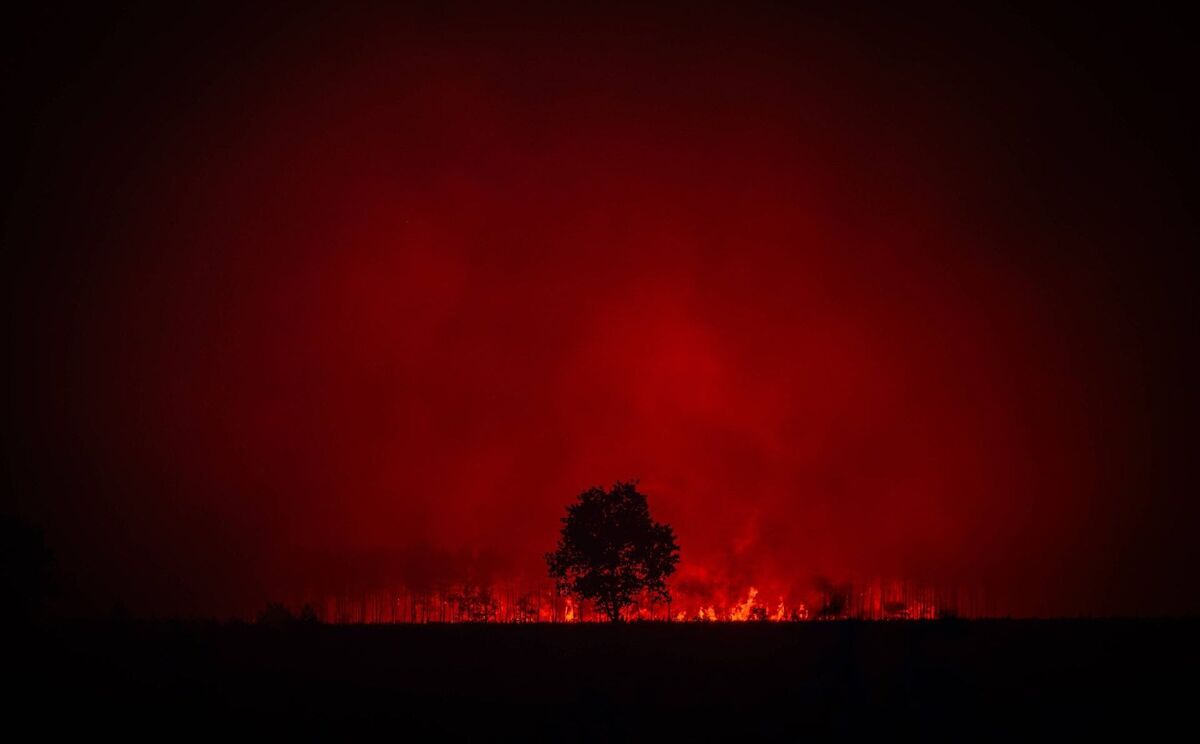
Pożary, które od kilku dni niszczą okolice Bordeaux, zbliżyły się do kluczowych francuskich obiektów nuklearnych i zbrojeniowych, co zmusiło władze do ewakuacji części zakładów oraz zaangażowania wojska i służb ratunkowych w ochronę infrastruktury. #Pożary #Francja #KlęskiŻywiołowe