WRLD

Search

#predator
Rachel Cunliffe 1d

I despise this framing. The issue is predatory men being pandered to and protected by institutions. That's going to continue even if you ban them meeting alone with "young women". All that will happen is those women miss out on career opportunities young men get www.thetimes.com/uk/politics/...

www.thetimes.com
Young women should not meet adults alone at work, says minister

2244
Joel Morris 2d

Edgelord male comedians who bang on about freedom of speech could start lobbying for the new law on NDAs to be retrospective, so that women who’ve suffered abuse from lawyered-up showbiz predators can get their voices back. Or is that not the sort of freedom of speech they like?

1631
Kate from Kharkiv 4d

Sen. Kennedy: “Putin and Xi are predators. They want to eat America’s liver with some fava beans and a nice Chianti. Pretty talk doesn’t help. You’ve got to show strength and resolve. Here’s what I would do. You go into a meeting like that and say, ‘Look, Putin. Look, Xi. I know you guys are

2474
MikeJePan Wrld summary 5d
Czech YouTuber

The author stated that after today's case of a person he labeled as a predator, who ended up in a detention cell following a positive breath test, they acquired four Dräger devices. He added that they would propose an amendment to the law that would require predators to undergo a breath test. https://t.co/ii9QbnBxEQ #bezpečnost #dýchání #zákon #CZ (translated)

2709
Luciano Magaldi Sardella (PhD) 5d

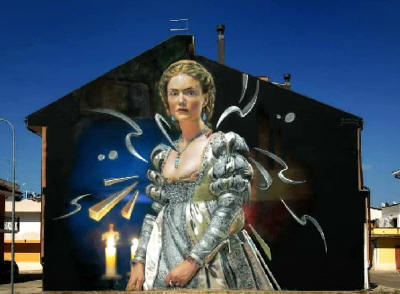
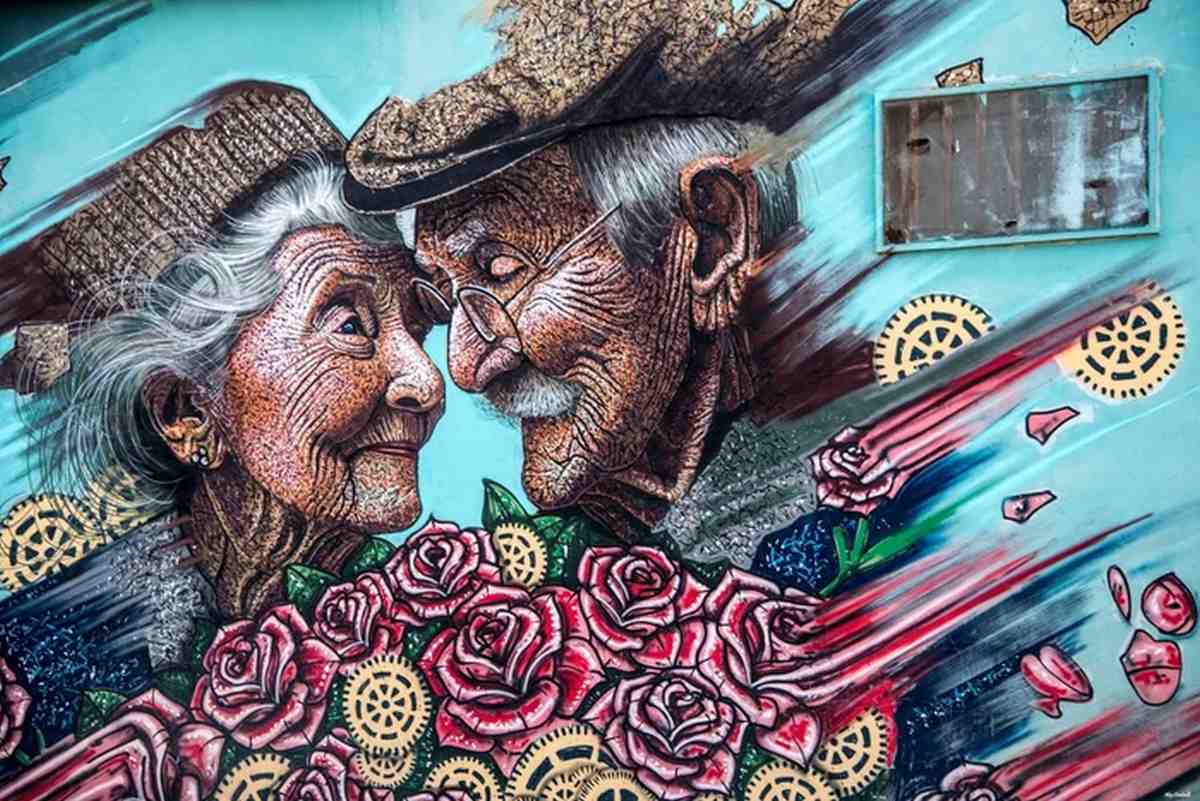
"BOSS STREET ART — THE BOSS OF THE STREET": STORNARA IN THE “GLOBAL TOP 20” OF WIPO: THE VILLAGE OF 6,000 INHABITANTS THAT BEATS METROPOLISES STORNARA (FG) — The report from the “World Intellectual Property Organization (WIPO)” mentions Stornara (Foggia) alongside New York and Berlin. Credit goes to Stramurales: 173 murals, 50 international, and an unmatched density of foreign art compared to megalopolises. Stornara enters the history of global street art. The Gazzetta di San Severo reports that the small municipality in the province of Foggia has been included in the “Global Top 20” of WIPO's report, the United Nations agency based in Geneva. This recognition places it alongside New York, Los Angeles, Berlin, Paris, London, and Melbourne: the world capitals of urban art. What happened The report is titled “From Local Scenes to Global Recognition: Talent Mobility in Street Art” and was published at the end of May 2026 in the series “Creative Industries Insights.” The authors, economists Egbert Amoncio, Alexander Cuntz, and Alessio Muscarnera, analyzed about 74,000 geolocated works on the “Street Art Cities” platform to map the migratory flows of global muralist talents. The questions were simple: Where does street art originate? Who are the artists traveling to paint? Which cities manage to attract creatives from abroad? The answers were surprising. The research dismantles a common belief: street art is a deeply local phenomenon. Only one in five artists works outside national borders. However, among those who cross borders, almost 40% builds an international artistic brand while maintaining ties to their local territory: cases like Banksy, Os Gemeos, and Invader. The authors define this phenomenon as “glocal”: rooted in the local territory but capable of generating global talent circuits. In this scenario dominated by metropolises and capitals, Stornara stands out as an Italian exception, a town in Puglia, in Foggia. An agricultural village of about 6,000 inhabitants that has become a destination for international muralist talents since 2018. The work and the artist: Stramurales The credit goes to the annual “Stramurales International Street Art Festival,” born in 2017 from the initiative of the social promotion association “Stornara Life APS,” founded by Lino Lombardi and the local “Banda dei Fischietti.” The goal was to combat the urban and socio-economic decline of the town. In just a few years, Stornara has accumulated over 173 murals. About fifty are works by high-level foreign artists. “Google Trends” data since 2017 shows a remarkable interest in the destination: the festival has captured national and international attention. The project has also attracted global scientific interest. It has become the first monographic academic case study on a street art festival: the study “Street Art as Public Health Infrastructure,” authored by Puglian researchers Luciano Magaldi Sardella and Matteo Mantuano, was published in the Harvard Health and Human Rights Journal of Harvard University. Where to see it: the secret of density Stornara can be reached in the province of Foggia, in Capitanata. The town, once not used to visitors, now welcomes international tourists, groups, and school classes who come to see the murals. The fact that has ignited local pride is this: it's not about absolute volume; it's about proportion. The organizers propose a simple indicator: the works by foreign artists divided by the inhabitants, multiplied by 100,000. With over 50 international murals and a population of a few thousand residents, Stornara reaches several hundred foreign works for every 100,000 inhabitants. This is a value that metropolises, with millions of residents, cannot approach. No one claims that Stornara has more foreign murals than New York. The point is that, relative to its size, few places in the world concentrate as much international art per capita. The impact does not disperse in a megalopolis; it settles in every street, on every facade, in the daily life of its inhabitants. The global model The WIPO report emphasizes that the value of street art extends far beyond the painted surfaces. Cities like Stornara demonstrate how urban art attracts tourism, generates media coverage, and stimulates local business activities, strengthening the sense of community and restoring psychosocial well-being. But the authors add a valuable caution: success depends on careful implementation and involvement of artistic communities. Top-down initiatives risk being perceived as “predatory” by artists who care about the credibility of street art. Stramurales seems to have avoided this pitfall. The model is based on walls spontaneously donated by residents, artist residencies, and open dialogue on social themes. A bottom-up lesson that WIPO recognizes as a concrete response to the depopulation of the internal areas of Southern Italy. (translated)

www.bosstr.it
Stornara nella Global Top 20 della WIPO: il borgo di 6.000
565
Luciano Magaldi Sardella (PhD) 5d

BOSS STREET ART — THE BOSS OF THE STREET": STORNARA IN THE WIPO "GLOBAL TOP 20": THE VILLAGE OF 6,000 INHABITANTS THAT BEATS THE METROPOLISES SOURCE: https://www.bosstr.it/blog/stornara-nella-global-top-20-della-wipo-il-borgo-di-6000-abitanti-che-batte-le-metropoli -------------------------------------------------------------------- STORNARA (FG) — The report of the "World Organisation for Intellectual Property (WIPO)" cites Stornara (Foggia) alongside New York and Berlin. Merit of Stramurales: 173 murals, 50 international, and a density of foreign art unreachable for the megalopolises. Stornara enters the history of world street art. La Gazzetta di San Severo reports that the small municipality in the province of Foggia has been included in the "Global Top 20" of the WIPO report (World Organisation for Intellectual Property), the United Nations agency headquartered in Geneva. A recognition that places it alongside New York, Los Angeles, Berlin, Paris, London and Melbourne: the world capitals of urban art. -------------------------------------------------------------------- What happened The report is entitled "From Local Scenes to Global Recognition: Talent Mobility in Street Art" and was published at the end of May 2026 in the Creative Industries Insights series. The authors, the economists Egbert Amoncio, Alexander Cuntz and Alessio Muscarnera, analysed about 74,000 geolocalised works on the "Street Art Cities" platform to map the migratory flows of global mural talents. The questions were simple: where is street art born? Who are the artists who travel to paint? Which cities manage to attract creatives from abroad? The answers surprised. The research dismantles a commonplace: street art is a profoundly local phenomenon. Only one artist in five works outside national borders. But among those who cross borders, almost 40% build an international artistic brand while keeping their roots in the territory: the cases of Banksy, Os Gemeos and Invader. The authors define this phenomenon as "glocal": rooted in the territory but capable of generating global circuits of talent. In this scenario dominated by metropolises and capitals, Stornara emerges as an Italian, Puglian, Foggian exception. An agricultural village of about 6,000 inhabitants which since 2018 has become a destination for international mural talents. -------------------------------------------------------------------- The work and the artist: Stramurales The merit is of the annual festival "Stramurales International Street Art Festival", born in 2017 from the will of the social promotion association "Stornara Life APS", founded by Lino Lombardi and by the local "Banda dei Fischietti (=The Whistling Gang"). The objective was to combat the urban and socio-economic decline of the town. In a few years, Stornara has accumulated over 173 murals. About fifty are works by high-level foreign artists. "Google Trends" data from 2017 show a remarkable interest in the destination: the festival has captured national and international attention. The project has also attracted the world scientific community. It has become the first monographic academic case study on a street art festival: the study "Street Art as Public Health Infrastructure," signed by the Puglian researchers Luciano Magaldi Sardella and Matteo Mantuano, was published in the Harvard Health and Human Rights Journal of Harvard University. -------------------------------------------------------------------- Where to see it: the secret of density Stornara is reached in the province of Foggia, in Capitanata. The town, once little accustomed to visitors, today welcomes international tourists, groups and school parties come to see the murals. The figure that has ignited local pride is this: the absolute volume does not count, the proportion counts. The organisers propose a simple indicator: the works by foreign artists divided by the inhabitants, multiplied by 100,000. With over 50 international murals and a population of a few thousand residents, Stornara reaches several hundred foreign works per 100,000 inhabitants. It is a value that the metropolises, with millions of residents, cannot approach. Nobody maintains that Stornara has more foreign murals than New York. The point is that, in relation to scale, few places in the world concentrate so much international art per inhabitant. The impact does not disperse in a megalopolis: it settles in every street, on every facade, in the everyday life of those who live there. -------------------------------------------------------------------- The global model The WIPO report underlines that the value of street art extends well beyond the painted surfaces. Cities like Stornara demonstrate how urban art attracts tourism, generates media coverage and stimulates local commercial activities, strengthening the sense of community and restoring psychosocial well-being. But the authors add a precious warning: success depends on careful implementation and on the involvement of the artistic communities. Initiatives imposed from above risk being perceived as "predatory" by artists who have street credibility at heart. Stramurales seems to have avoided the pitfall. The model is based on walls donated spontaneously by residents, artist residencies and open dialogue on social themes. A lesson from below which WIPO recognises as a concrete response to the depopulation of the inland areas of the Mezzogiorno. (translated)

www.bosstr.it
Stornara nella Global Top 20 della WIPO: il borgo di 6.000
791
Novinky 6d

Model Naďa Marcinková selected women for the sexual predator Jeffrey Epstein at casting courses in Prague, and through her connections in the modeling industry, she contributed to his activities in the USA. #modeling #Epstein #casting (translated)

www.novinky.cz
Modelka Marcinková vybírala ženy pro predátora Epsteina i na kurzech v Praze, uvádějí svědkyně
2379
Sylvie Goulard Wrld summary 1w
French politician

Threatened by large predators, Europe risks submission. #Guerra #Bambini #Africa (translated)

Nel mondo del 2026 un bambino ogni quattro vive nella guerra
www.lastampa.it
2388
Irish Independent 1w

A music tutor testified in court that she once expressed to a murder suspect, described as 'predatory and sadistic,' that she could not live without him. #SeguridadOnline #BloqueoAcceso #Cookies

www.independent.ie
Music tutor Sonia Exelby told ‘predatory and sadistic’ murder suspect she ‘could not live without him’, court hears
2160
Sylvie Goulard Wrld summary 1w
French politician

Threatened by large predators, Europe risks subjugation. #Europa #nazionalismo #sottomissione (translated)

“Minacciata dai grandi predatori, l’Europa rischia la sottomissione”
www.lastampa.it
2729
Graham Linehan Wrld summary 1w
Irish comedy writer (born 1968)

The author claimed that the Australian government was using the courts to harass women for speaking out about a man the author described as predatory. #Australia #WomensRights #Justice #AU

2958
Alfons López Tena 🦇 Wrld summary 1w
Spanish politician and lawyer

The post said new evidence of fatal attacks by eagles on adult baboons in the African desert suggested that aerial predators may have threatened early hominins and influenced their evolution over 55 million years. https://t.co/iGxtATuT2b #Eagles #Evolution #Hominins #AF

3869
Socratis Famellos Wrld summary 1w
Greek politician

The author argued that the filing by the Supreme Court of the complaint against an agent of the National Intelligence Service regarding the Predator scandal and the wiretaps highlighted, in his opinion, serious responsibilities of the leadership of justice for covering up the case and shielding government responsibilities. #Δικαιοσύνη #Σκάνδαλα #Υποκλοπές #GR (translated)

3416
Luciano Magaldi Sardella (PhD) 2w

“THE STRAMURALES OF STORNARA IN THE “GLOBAL TOP20” OF THE UNITED NATIONS REPORT (WIPO)” STORNARA (FG) - There is a South Italy that makes little noise. It lies among the wheat fields and rural roads of Capitanata, far from the major routes of mass tourism. Until a few years ago, Stornara, in the province of Foggia, was the typical village that statistics dismiss with a cruel adjective: “peripheral.” Today, its name appears in an analysis by WIPO, the World Intellectual Property Organization, a United Nations agency in Europe based in Geneva, alongside Berlin, New York, Los Angeles, Paris, and Melbourne. A Report that Looks at the Walls of the World The text is titled "From Local Scenes to Global Recognition: Talent Mobility in Street Art." It is authored by three WIPO economists, Egbert Amoncio, Alexander Cuntz, and Alessio Muscarnera, and was published at the end of May 2026 in the “Creative Industries Insights” series. To build it, the authors started from the data of the “Street Art Cities” platform. The technical note speaks of about 74,000 geolocated works, collected and shared by street art enthusiasts worldwide. The fundamental questions are simple. Where does street art originate? Who travels to paint it? Which cities manage to attract talent from outside? The first answer dismantles a cliché. Street art is a profoundly local phenomenon. About one in five artists also works abroad, while the vast majority paints in their own city or nearby. Among the few who cross borders, nearly 40 percent is “highly mobile”: they build an international artistic brand without severing their roots. These are the cases of Banksy, Os Gemeos, and Invader, whose walls appear on multiple continents. The authors use an effective term: street art is “glocal,” rooted in its territory but able to generate global circuits of talent and recognition. The “Magnets” of the World When asked which cities most attract foreign artists, the map is fascinating. North America weighs in for size, with New York, Los Angeles, and Miami. Western Europe offers a dense network of opportunities, from Berlin to Amsterdam, from Vienna to Ghent, from Basel to Rotterdam, favored by the circuit of festivals and the freedom of movement of the Schengen area. Lisbon and Barcelona have focused on municipal support policies. Melbourne is the sole representative from Oceania, while Northern Europe relies on Bergen, London, Belfast, and Stavanger. In this scenario of capitals and metropolises, the report includes an Italian exception, from Puglia, Foggia: Stornara, a small agricultural town of about 6,000 souls, has been a destination for muralist talents since 2018. It shows how street art can trigger the revival of a community: thanks to the annual “Stramurales International Street Art Festival,” born in 2017 from the strong will to combat urban and socio-economic decline by the founders of the social promotion association “Stornara Life APS,” Lino Lombardie and his Stornarese “Banda dei Fischietti,” over 173 murals have been accumulated. About fifty are works by high-level international artists, with Google Trends data showing significant interest in the tourist-muralist destination since 2017, a sign that the international festival has now captured national and international attention. It has also become the first monographic academic case study in the world on a street art festival, “Street Art as Public Health Infrastructure,” published in the prestigious academic journal “Harvard Health and Human Rights Journal” of Harvard University, by researcher Luciano Magaldi Sardella from Orta Nova and professor Matteo Mantuanodi Lucera. All of this corresponds to demonstrating that an idea, an association, and the availability of a community can change the identity of a “God-forsaken” place. This is also recounted by those who followed the story from the outside: the town, once unaccustomed to visitors, now welcomes international tourists, individuals, groups, and school classes who come to see its more than 173 murals. The Secret Lies in Density The data that has ignited the pride of Stornara is this: it’s not about volume, it’s about proportion. The organizers propose a simple indicator: the works of foreign artists divided by inhabitants, multiplied by 100,000. With around 50 international works and a population of a few thousand residents, Stornara reaches several hundred foreign works per 100,000 inhabitants. It’s a value that metropolises, with millions of residents, cannot approach. The significance must be read precisely, and this is where the beauty of the matter lies. No one claims that Stornara has more foreign murals than New York. The point is that, in relation to its scale, few places in the world concentrate so much international art per inhabitant. The impact does not dissipate in a megalopolis; it settles in every street, on every facade, in the everyday lives of those who live there. The most interesting part of the report looks beyond the ranking. The authors write that the value of street art extends well beyond the painted surfaces. Cities like Stornara demonstrate how urban art attracts tourism, generates media coverage, and can stimulate local business activities, reinforcing the sense of community and restoring the psychosocial well-being that would counteract the everlasting southern decline. However, the report adds a valuable warning: success depends on careful implementation and the involvement of artistic communities. Initiatives imposed from above risk being perceived as “predatory” by artists who care about street credibility. The global Stramurales model seems to have avoided this pitfall. Field studies tell of walls donated by residents, one-week artist residencies, and public discussions on the issues to be addressed. The Lesson from a Former “Ghost Town” The report concludes with an idea that applies to Stornara as much as to Berlin: the vitality of street art is rooted in local roots. It emerges from communities, speaks to their issues, and is made by artists immersed in their urban contexts. The artistic family of “Stornara Life APS” understood this before many regional and local politicians, turning their walls into an open-air museum, a promise, and opening them to the world without ceasing to be themselves. In this official report from the Geneva-based United Nations agency in Europe that measures the ability to attract talent, this is likely the most valuable outcome: being mentioned alongside the great capitals of urban art while remaining, after all, a rural provincial town where every wall tells a colorful world of glocal stories. (translated)

www.puglialive.net
“LO STRAMURALES DI STORNARA NELLA “GLOBAL TOP20″ DEL RAPPORTO DELLE NAZIONI UNITE (WIPO)”
686
Luciano Magaldi Sardella (PhD) 2w

"PUGLIA LIVE": "THE STRAMURALES OF STORNARA IN THE 'GLOBAL TOP 20' OF THE UNITED NATIONS (WIPO) REPORT" https://www.puglialive.net/lo-stramurales-di-stornara-nella-global-top20-del-rapporto-delle-nazioni-unite-wipo/?fbclid=IwY2xjawVnuqxleHRuA2FlbQIxMABwZG9mAWJyaWQRMHE3R3FDUWVMVnBtN1NiRGRzcnRjBmFwcF9pZBAyMjIwMzkxNzg4MjAwODkyAAEfni1MQUzX2dzoWLqtWWHtMYqwUPhHeEq7K6Bd4vgL94rnoP1BSa7Ym7l1FfU_aem_eXw5MR6pm0H_OojUfdq2CA -------------------------------------------------------------------- STORNARA (FG) – There is a southern Italy that does not make little noise. It stands between the wheat fields and the rural roads of the Capitanata, far from the great routes of mass tourism. Until a few years ago Stornara, in the province of Foggia, was the typical town that statistics dismiss with a cruel adjective: "peripheral". Today its name appears in an analysis by "WIPO", the "World Intellectual Property Organization", agency of the United Nations of Europe based in Geneva, alongside Berlin, New York, Los Angeles, Paris and Melbourne. -------------------------------------------------------------------- A Report That Looks at the Walls of the World The text is titled "From Local Scenes to Global Recognition: Talent Mobility in Street Art". It bears the signature of three WIPO economists, Egbert Amoncio, Alexander Cuntz and Alessio Muscarnera, and it was published at the end of May 2026 in the series "Creative Industries Insights". To construct it the authors started from the data of the platform "Street Art Cities". The technical note speaks of about 74,000 geolocalized works, collected and shared by street art enthusiasts all over the world. The underlying questions are simple. Where is street art born? Who travels to paint it? Which cities manage to attract talent from outside? The first answer dismantles a commonplace. Street art is a profoundly local phenomenon. About one artist in five also works abroad, while the great majority paints in its own city or in those nearby. Among the few who cross borders, almost 40 per cent is "highly mobile": it constructs an international artistic brand without severing the roots. They are the cases of Banksy, Os Gemeos and Invader, whose walls appear on more than one continent. The authors use an effective term: street art is "glocal", rooted in its own territory but capable of generating global circuits of talent and recognition. -------------------------------------------------------------------- The "Magnets" of the World When one asks which cities attract foreign artists most, the map is fascinating. North America weighs by size, with New York, Los Angeles and Miami. Western Europe offers a dense network of opportunities, from Berlin to Amsterdam, from Vienna to Ghent, from Basel to Rotterdam, favoured by the festival circuit and by freedom of movement in the Schengen area. Lisbon and Barcelona have focused on municipal policies of support. Melbourne is the only representative of Oceania, and Northern Europe relies on Bergen, London, Belfast and Stavanger. In this scenario of capitals and metropolises, the report inserts an Italian exception, Apulian, from Foggia: Stornara, a small agricultural town of about 6,000 souls, since 2018 is a destination of mural talents. It shows how street art can trigger the rebirth of a community: thanks to the annual festival "Stramurales International Street Art Festival", born in 2017 from the iron will to fight urban and socio-economic decline on the part of the founders of the social promotion association "Stornara Life APS", Lino Lombardi and his Stornarese "Banda dei Fischietti", it has accumulated over 173 murals. About fifty are works by high-level international artists, with Google Trends data that since 2017 have shown a remarkable interest for the tourist-mural destination, a sign that the international festival has by now captured national and international attention. Having also become the first monographic academic case study in the world on a street art festival, "Street Art as Public Health Infrastructure", published in the prestigious world-level academic journal, the "Harvard Health and Human Rights Journal" of Harvard University, by the researcher Luciano Magaldi Sardella of Orta Nova and the professor Matteo Mantuano of Lucera, all this corresponds to the demonstration that an idea, an association and the availability of a community can change the identity of a place "forgotten by God". It is also told by those who have followed the affair from outside: the town, once little accustomed to visitors, today welcomes international tourists, individuals, groups and school parties come to see its over 173 murals. -------------------------------------------------------------------- The Secret Is in Density The datum that has lit Stornarese pride is this: volume does not count, proportion counts. The organizers propose a simple indicator: the works of foreign artists divided by inhabitants, multiplied by 100,000. With about over 50 international works and a population of a few thousand residents, at Stornara one arrives at several hundred foreign works per 100,000 inhabitants. It is a value that the metropolises, with millions of residents, cannot approach. The meaning must be read with precision, and precisely here lies the beauty of the thing. Nobody maintains that Stornara has more foreign murals than New York. The point is that, in relation to its scale, few places in the world concentrate so much international art per inhabitant. The impact does not disperse in a megalopolis: it deposits itself in every street, on every façade, in the everyday life of those who live there. The most interesting part of the report is the one that looks beyond the ranking. The authors write that the value of street art extends well beyond the painted surfaces. Cities like Stornara demonstrate how urban art attracts tourism, generates media coverage and can stimulate local commercial activities strengthening the sense of community and restoring the psychosocial well-being that would drive away the imperishable southern decline. The report adds however a precious warning: success depends on a careful implementation and on the involvement of the artistic communities. Initiatives dropped from above risk being perceived as "predatory" by artists who have street credibility at heart. The global Stramurales model seems to have avoided the pitfall. Field studies tell of walls donated by residents, one-week artist residencies and public discussion on the themes to be addressed. -------------------------------------------------------------------- The Lesson of an ex-"Ghost Town" The report closes with an idea that is valid for Stornara as much as for Berlin: the vitality of street art sinks its roots in local roots. It is born from communities, speaks of their problems, is made by artists immersed in their urban contexts. The artistic family of "Stornara Life APS" understood it before many regional and local politicians, making of its own walls an open-air museum, a promise, and it opened them to the world without ceasing to be itself. In this official report of the Geneva agency of the United Nations of Europe that measures the capacity to attract talent, this turns out to be, probably, the most precious result: to be cited alongside the great capitals of urban art and to remain, after all, a rural provincial town in which every wall tells a multicoloured world of glocal stories.

www.puglialive.net
“LO STRAMURALES DI STORNARA NELLA “GLOBAL TOP20″ DEL RAPPORTO DELLE NAZIONI UNITE (WIPO)”
1143
MikeJePan Wrld summary 2w
Czech YouTuber

The author of the post labeled the man a predator and wrote that he had a blood alcohol level of 1.33 and arrived at the meeting with a thirteen-year-old girl with his eleven-year-old son. https://t.co/zqKIbYP2HG #predátor #rande #bezpečnost #CZ (translated)

3438
Scott Horton 2w

Putin demands that the UK not interfere with his plans with Trump to be a predator over Europe, dividing it into zones of interest. As usual, unreported in US corporate media.

2407
mtvuutiset.fi 2w

Juuse Saros led the Nashville Predators to victory over the Vegas Golden Knights by stopping 40 shots, making him the game's first star and contributing to the team's seven-game winning streak in the NHL. #NHL #JuuseSaros #NashvillePredators (translated)

www.mtvuutiset.fi
Juuse Saros säkenöi NHL:ssä – Nashville liitää upeassa voittoputkessa
2753
Luciano Magaldi Sardella (PhD) 2w

"GAZZETTA H24": STREET ART, STORNARA JOINS THE WIPO REPORT ALONGSIDE THE GREAT CITIES OF THE WORLD SOURCE: https://www.gazzettah24.it/street-art-stornara-entra-nel-rapporto-wipo-accanto-alle-grandi-citta-del-mondo/ ------------------------------------------------------------------- From "ghost town" to global model cited in Geneva: the cultural bet of Stornara Life APS captures the attention of WIPO. --------------------------------------------------------------------  STORNARA (FG) - There is a Southern Italy that makes little noise. It lies among the fields of wheat and rural roads of Capitanata, far from the main routes of mass tourism. Until a few years ago, Stornara, in the province of Foggia, was the typical town that statistics dismiss with a cruel adjective: "peripheral." Today, its name appears in an analysis from WIPO, the "World Intellectual Property Organization", the United Nations Agency in Europe based in Geneva. "Stornara Life APS" alongside Berlin, New York, Los Angeles, Paris, and Melbourne. ------------------------------------------------------------------ A report that looks at the walls of the world The text is titled "From Local Scenes to Global Recognition: Talent Mobility in Street Art". It is authored by three WIPO economists, Egbert Amoncio, Alexander Cuntz, and Alessio Muscarnera, and has been published in the "Creative Industries Insights" series. To build it, the authors started from data from the "Street Art Cities" platform. The technical note talks about approximately 74,000 geolocated works, collected and shared by street art enthusiasts worldwide. The fundamental questions are simple. Where does street art originate? Who travels to paint it? Which cities manage to attract outside talent? The first answer dismantles a common misconception. Street art is a profoundly local phenomenon. About one in five artists also works abroad, while the vast majority paint in their own city or in nearby ones. Among the few who cross borders, almost 40 percent are "highly mobile": they build an international artistic brand without severing their roots. These include the cases of Banksy, Os Gemeos, and Invader, whose walls appear on multiple continents. The authors use an effective term: street art is "glocal," rooted in its territory but capable of generating global circuits of talent and recognition. -------------------------------------------------------------------- The magnets of the world When asked which cities attract the most foreign artists, the map is fascinating. North America weighs heavily, with New York, Los Angeles, and Miami. Western Europe offers a dense network of opportunities, from Berlin to Amsterdam, from Vienna to Ghent, from Basel to Rotterdam, favored by the festival circuit and the freedom of movement within the Schengen area. Lisbon and Barcelona have focused on municipal support policies. Melbourne is the only representative from Oceania, and Northern Europe relies on Bergen, London, Belfast, and Stavanger. In this scenario of capitals and metropolises, the report includes an Italian exception, from Puglia, Foggia: Stornara, a small agricultural town of about 6,000 inhabitants, has been a destination for mural talents since 2018. It shows how street art can spark the rebirth of a community: thanks to the annual "Stramurales International Street Art Festival," born in 2017 from the strong will to combat urban and socio-economic decline by the founders of the social promotion association "Stornara Life APS,” Lino Lombardi and his local "Banda dei Fischietti," it has accumulated over 173 murals. About fifty of these are works by high-level international artists, with Google Trends data since 2017 showing notable interest in the mural tourism destination, indicating that the international festival has now captured national and international attention. It has also become the first academic case study in the world on a street art festival, "Street Art as Public Health Infrastructure," published in the prestigious academic journal "Harvard Health and Human Rights Journal" from Harvard University. Written by researcher Luciano Magaldi Sardella from Orta Nova and professor Matteo Mantuano from Lucera, this corresponds to the demonstration that an idea, an association, and the willingness of a community can change the identity of a place "forgotten by God." This is also recounted by those who have followed the story from the outside: the town, once little accustomed to visitors, now welcomes international tourists, individuals, groups, and schoolchildren who come to see its over 173 murals. ----------------------------------------------------------------- The secret is in density The data that has sparked pride in Stornara is this: it's not the volume that matters, it's the proportion. The organizers propose a simple indicator: works by foreign artists divided by the number of residents, multiplied by 100,000. With about over 50 international works and a population of a few thousand residents, Stornara reaches several hundred foreign works for every 100,000 inhabitants. This is a value that metropolises, with millions of residents, cannot approach. The meaning must be read accurately, and this is where the beauty of the matter lies. No one claims that Stornara has more foreign murals than New York. The point is that, in relation to its scale, few places in the world concentrate so much international art per inhabitant. The impact does not disperse in a megalopolis: it settles in every street, on every facade, in the daily life of those who live there. The most interesting part of the report looks beyond the ranking. The authors write that the value of street art extends well beyond the painted surfaces. Cities like Stornara demonstrate how urban art attracts tourism, generates media coverage, and can stimulate local businesses while strengthening community bonds and restoring the psychosocial well-being that could counter the perpetual Southern decline. However, the report adds a valuable warning: success depends on careful implementation and the involvement of artistic communities. Top-down initiatives risk being perceived as "predatory" by artists who care about the credibility of street art. The global model Stramurales appears to have avoided this pitfall. Field studies tell of walls donated by residents, week-long artist residences, and public discussions on the themes to be addressed. -------------------------------------------------------------------- The lesson of a town The report concludes with an idea that holds true for both Stornara and Berlin: the vitality of street art sinks its roots in local contexts. It arises from communities, speaks of their problems, and is made by artists immersed in their urban environments. The artistic family of "Stornara Life APS" understood this before many regional and local politicians, creating their walls into an open-air museum, a promise, and opening them to the world without ceasing to be themselves. In this official report from the Geneva Agency of the United Nations in Europe that measures the ability to attract talent, this results in, perhaps, the most precious value. Being cited alongside the great capitals of urban art while remaining, after all, a rural provincial town where every wall tells a colorful world of glocal stories. (translated)

www.gazzettah24.it
Street art, Stornara entra nel rapporto WIPO accanto alle grandi città del mondo
574
Luciano Magaldi Sardella (PhD) 2w

"GAZZETTA H24": STREET ART, STORNARA ENTERS THE WIPO REPORT ALONGSIDE THE GREAT CITIES OF THE WORLD SOURCE: https://www.gazzettah24.it/street-art-stornara-entra-nel-rapporto-wipo-accanto-alle-grandi-citta-del-mondo/ -------------------------------------------------------------------- From 'ghost town' to global model cited in Geneva: the cultural wager of Stornara Life APS wins the attention of WIPO. STORNARA (FG) - There is a Southern Italy that makes no little noise. It stands among the wheat fields and the rural roads of the Capitanata, far from the great routes of mass tourism. Until a few years ago Stornara, in the province of Foggia, was the typical town that statistics dismiss with a cruel adjective: 'peripheral'. Today its name appears in an analysis by WIPO, the 'World Intellectual Property Organization', the United Nations Agency of Europe headquartered in Geneva. 'Stornara Life APS' alongside Berlin, New York, Los Angeles, Paris, and Melbourne. -------------------------------------------------------------------- A report that looks at the walls of the world The text is entitled 'From Local Scenes to Global Recognition: Talent Mobility in Street Art'. It bears the signature of three WIPO economists, Egbert Amoncio, Alexander Cuntz, and Alessio Muscarnera, and was published in the series 'Creative Industries Insights'. To build it the authors started from the data of the platform 'Street Art Cities'. The technical note speaks of about 74,000 geolocalized works, collected and shared by street-art enthusiasts all over the world. The underlying questions are simple. Where is street art born? Who travels to paint it? Which cities manage to attract talent from outside? The first answer dismantles a commonplace. Street art is a profoundly local phenomenon. About one artist in five also works abroad, whereas the great majority paints in its own city or in those nearby.  Among the few who cross the borders, almost 40 per cent are 'highly mobile': they build an international artistic brand without severing their roots. They are the cases of Banksy, Os Gemeos, and Invader, whose walls appear on more than one continent. The authors use an effective term: street art is 'glocal', rooted in its own territory but capable of generating global circuits of talent and recognition. ---------------------------------------------------------------- The magnets of the world When one asks which cities attract foreign artists most, the map is fascinating. North America weighs by size, with New York, Los Angeles, and Miami. Western Europe offers a dense network of opportunities, from Berlin to Amsterdam, from Vienna to Ghent, from Basel to Rotterdam, favoured by the festival circuit and by freedom of movement of the Schengen area. Lisbon and Barcelona have staked on municipal policies of support. Melbourne is the sole representative of Oceania, and Northern Europe relies on Bergen, London, Belfast, and Stavanger. In this scenario of capitals and metropolises, the report inserts an Italian, Apulian, Foggian exception: Stornara, a small agricultural town of about 6,000 souls, since 2018 has been a destination for mural talent. It shows how street art can trigger the rebirth of a community: thanks to the annual festival 'Stramurales International Street Art Festival', born in 2017 from the iron will to combat urban and socio-economic decline on the part of the founders of the social promotion association 'Stornara Life APS', Lino Lombardi and his Stornarese 'Banda dei Fischietti', it has accumulated more than 173 murals. About fifty of them are works by high-level international artists, with Google Trends data which since 2017 have shown a remarkable interest in the tourist-mural destination, a sign that the international festival has by now captured national and international attention. It has also become the first monographic academic case study in the world on a street-art festival, 'Street Art as Public Health Infrastructure', published in the prestigious journal of world academic standing, the 'Harvard Health and Human Rights Journal' of Harvard University. Through the work of the researcher Luciano Magaldi Sardella of Orta Nova and of Professor Matteo Mantuano of Lucera, all this corresponds to the demonstration that an idea, an association, and the availability of a community can change the identity of a place 'forgotten by God'. He who has followed the affair from outside also tells it: the town, once little accustomed to visitors, today welcomes international tourists, individuals, groups, and school parties come to see its more than 173 murals. -------------------------------------------------------------------- The secret is in density The datum which has kindled Stornarese pride is this: volume does not count, proportion counts. The organizers propose a simple indicator: works by foreign artists divided by inhabitants, multiplied by 100,000.  With about over 50 international works and a population of a few thousand residents, at Stornara one arrives at several hundred foreign works per 100,000 inhabitants. It is a value which the metropolises, with millions of residents, cannot approach. The meaning must be read with precision, and precisely here stands the beauty of the thing. No one maintains that Stornara has more foreign murals than New York. The point is that, in relation to its scale, few places in the world concentrate so much international art per inhabitant.  The impact does not disperse itself in a megalopolis: it deposits itself in every street, on every façade, in the everyday life of those who inhabit it. The most interesting part of the report is that which looks beyond the ranking. The authors write that the value of street art extends well beyond the painted surfaces. Cities such as Stornara demonstrate how urban art attracts tourism, generates media coverage, and can stimulate local commercial activities, strengthening the sense of community and restoring the psychosocial well-being which would distance the imperishable southern decline.  The report adds, however, a precious warning: success depends on careful implementation and on the involvement of the artistic communities. Initiatives dropped from above risk being perceived as 'predatory' by artists who have street credibility at heart. The global Stramurales model seems to have avoided the snare. Field studies tell of walls donated by residents, one-week artists' residencies, and public discussion of the themes to be addressed. ----------------------------------------------------------------- The lesson of a town The report closes itself with an idea which holds for Stornara as much as for Berlin: the vitality of street art sinks in local roots. It is born from communities, speaks of their problems, is made by artists immersed in their urban contexts. The artistic family of 'Stornara Life APS' understood it before many regional and local politicians, making of its own walls an open-air museum, a promise, and opening them to the world without ceasing to be itself. In this official report of the Genevan Agency of the United Nations of Europe which measures the capacity to attract talent, this turns out to be, probably, the most precious result:. To be cited alongside the great capitals of urban art and to remain, after all, a rural provincial town in which every wall tells a variegated world of glocal stories.

www.gazzettah24.it
Street art, Stornara entra nel rapporto WIPO accanto alle grandi città del mondo
803