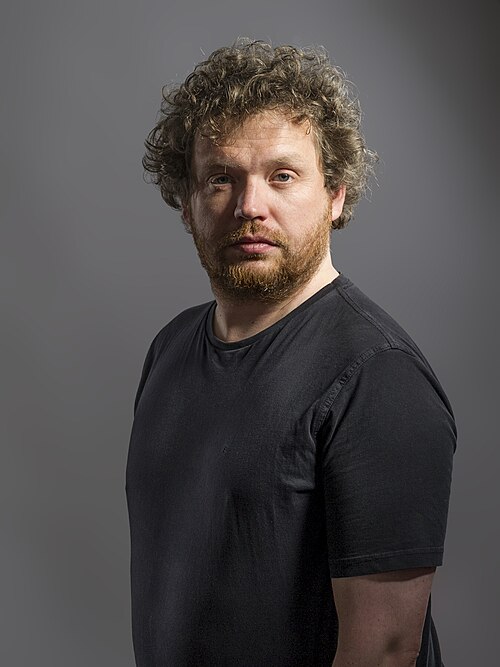
Ondra Černý, who stated that he is studying for a master's program in public law in France and is also dealing with internal security law, explained the differences between three French security components. According to him, the municipal police fall under the mayor and focus mainly on local order, prevention, supervision, and handling misdemeanors. He does not believe they are primarily intended to suppress large-scale violent riots. Černý wrote that municipal police officers may face hundreds of aggressive individuals during violent demonstrations and typically lack the training, equipment, or manpower of specialized state units. Therefore, he described their retreat as a possible security necessity, not necessarily cowardice. He stated that the national police fall under the Ministry of the Interior and that its CRS units are trained for interventions during large demonstrations. He characterized the gendarmerie as an armed force of a military nature; its mobile units intervene during riots and also use Centaure armored vehicles. He described the CRS and mobile gendarmerie as the backbone of the French system for managing large demonstrations. He added that the municipal police cannot conduct general identity checks based solely on suspicion, but they can do so when dealing with legally defined offenses. If a person refuses to cooperate, according to him, the municipal police officer must contact the relevant officer from the national police or gendarmerie. Černý also mentioned that in France there are joint workspaces and coordinated patrols of municipal and national police, aimed at improving cooperation and information sharing; however, he noted that a joint workspace does not mean the same powers. #Francie #veřejnéprávo #bezpečnost (translated)