The article describes how specialized AI models are revolutionizing chemical research by making it faster, more efficient, and more resource-saving, thereby contributing to the development of new medications, materials, and batteries. (translated)

The article describes how specialized AI models are revolutionizing chemical research by making it faster, more efficient, and more resource-saving, thereby contributing to the development of new medications, materials, and batteries. (translated)

Kaum beachtet von der Öffentlichkeit ermöglicht die neue Geheimdienstreform den Zugriff von @BfV_Bund & @BND auf Patientenakten & vertrauliche Arztgespräche. Ich fragte bei den zuständigen Ministerien @BMI_Bund & @BMG_Bund nach. Die Antwort: Das sei "nichts Revolutionäres"...🫣 https://t.co/1eXyfgKXjP #Geheimdienstreform #Datenschutz #Öffentlichkeitsarbeit
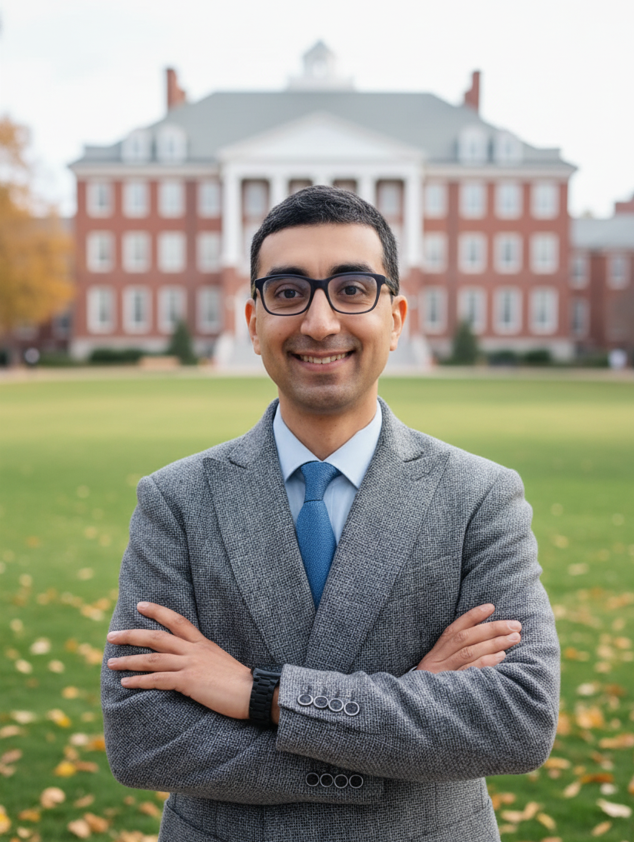
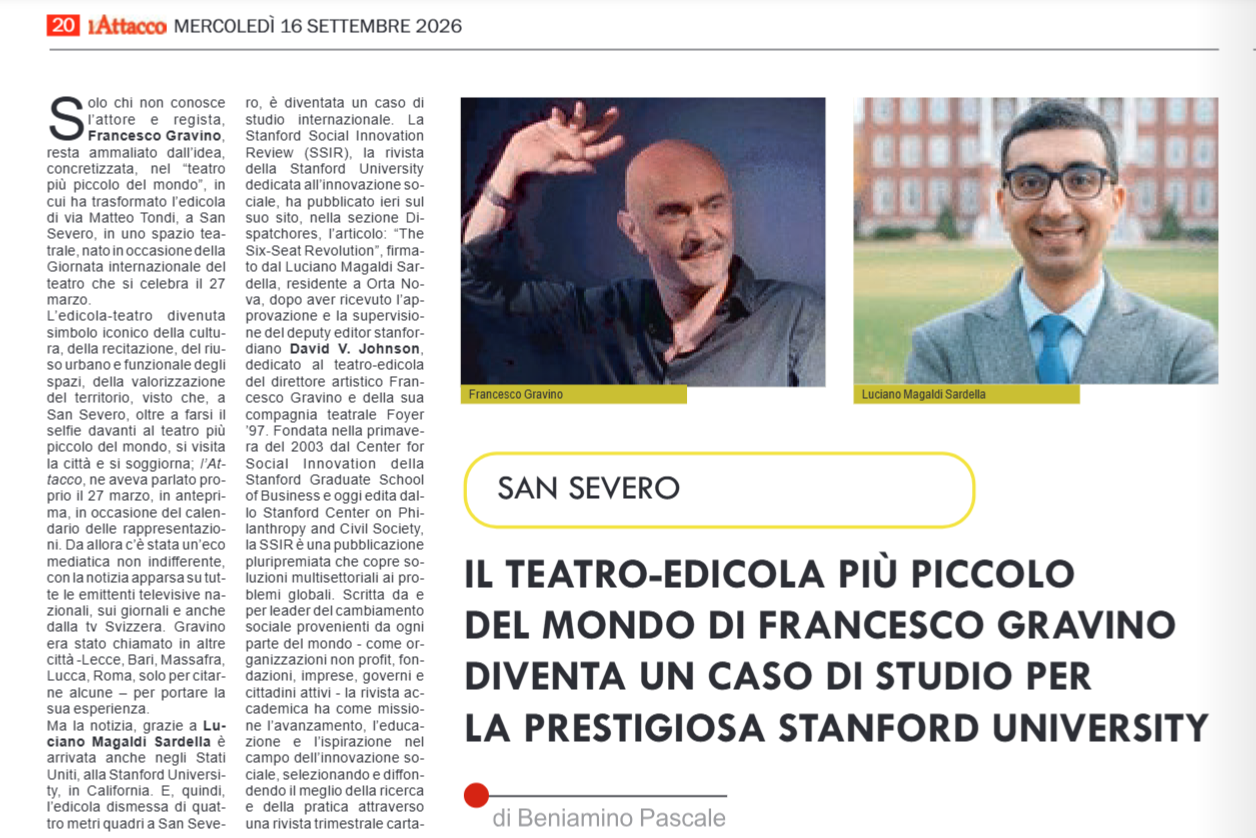
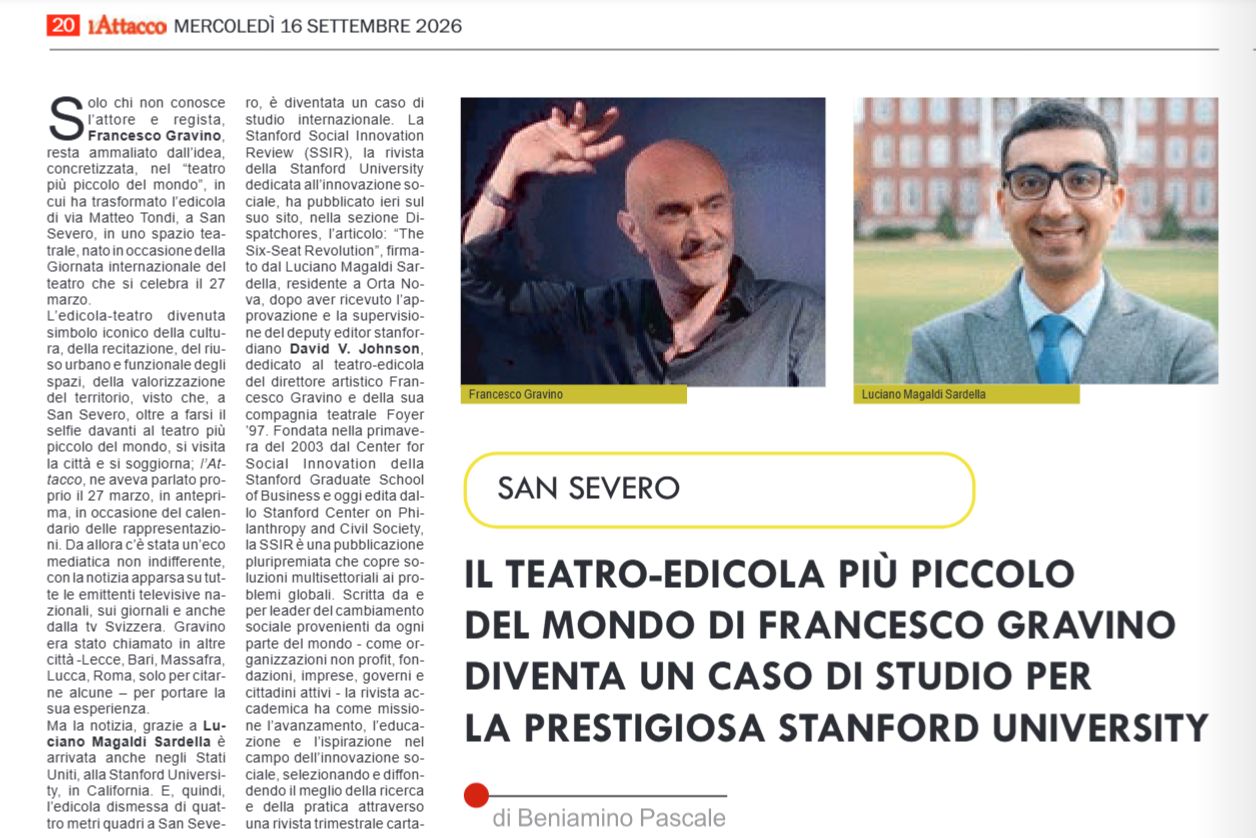
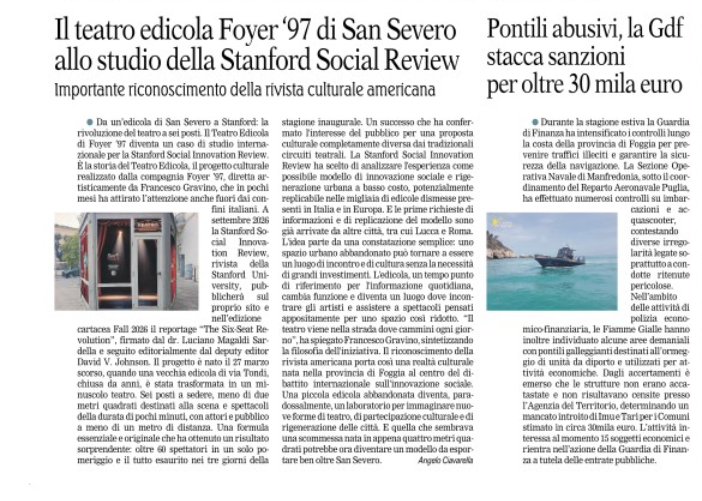
L'ATTACCO DI FOGGIA - IL TEATRO-EDICOLA PIU PICCOLO DEL MONDO DI FRANCESCO GRAVINA DIVENTA UN CASO STUDIO PER LA PRESTIGIOSA STANFORD UNIVERSITY Il Teatro-Edicola Foyer '97 diventa caso di studio internazionale per la Stanford Social Innovation Review SAN SEVERO, 16 settembre 2026 - Da un'edicola abbandonata di quattro metri quadrati in via Tondi a modello di innovazione sociale studiato dalla Stanford University. È la parabola del Teatro Edicola Foyer '97, il progetto culturale realizzato dalla compagnia Foyer '97 diretta artisticamente da Francesco Gravina, che in pochi mesi ha varcato i confini nazionali. La notizia, riportata oggi da La Gazzetta del Mezzogiorno, è che la prestigiosa Stanford Social Innovation Review, la rivista culturale della Stanford University dedicata all'innovazione sociale, pubblicherà a settembre sul proprio sito e nell'edizione cartacea Fall 2026 il reportage "The Six-Seat Revolution", firmato dal dr. Luciano Magaldi Sardella e seguito editorialmente dal deputy editor David V. Johnson. Il progetto è nato il 27 marzo scorso, in occasione della Giornata Mondiale del Teatro, quando una vecchia edicola chiusa da anni è stata trasformata in un minuscolo teatro: sei posti a sedere, meno di due metri quadrati di scena, spettacoli di pochi minuti con attori e pubblico a meno di un metro di distanza. Una formula essenziale e originale che ha sorpreso tutti: oltre 60 spettatori in un solo pomeriggio e tutto esaurito nei tre giorni della stagione inaugurale. Un successo che ha dimostrato l'interesse del pubblico per una proposta culturale fuori dai circuiti tradizionali. Per questo la SSIR ha scelto di analizzarla come possibile modello di rigenerazione urbana a basso costo, potenzialmente replicabile nelle migliaia di edicole dismesse in Italia e in Europa. Richieste di informazioni e di replica sono già arrivate da altre città, tra cui Lucca e Roma. Alla base, come spiega Gravina, un'idea semplice: "Il teatro viene nella strada dove cammini ogni giorno". L'edicola, un tempo punto di riferimento per l'informazione quotidiana, cambia funzione e diventa luogo di incontro con gli artisti. Un riconoscimento che porta una realtà nata nella provincia di Foggia al centro del dibattito internazionale sull'innovazione sociale. Quella che sembrava una scommessa di quattro metri quadrati, può ora diventare un modello da esportare ben oltre San Severo.
L' ATTACCO DI FOGGIA - FRANCESCO GRAVINA'S TEATRO-EDICOLA, THE WORLD'S SMALLEST THEATRE, BECOMES THE SUBJECT OF A CASE STUDY AT STANFORD UNIVERSITY The Teatro-Edicola Foyer '97 Becomes an International Case Study for the Stanford Social Innovation Review SAN SEVERO, 16 September 2026 - From a derelict newsstand of four square metres in Via Tondi to a paradigm of social innovation examined by Stanford University. Such is the trajectory of the Teatro Edicola Foyer '97, the cultural project realized by the Foyer '97 company under the artistic direction of Francesco Gravina, which in the space of a few months has transcended national boundaries. The news, reported today by La Gazzetta del Mezzogiorno, is that the prestigious "Stanford Social Innovation Review", the cultural journal of Stanford University dedicated to social innovation, will publish in September, both on its website and in its Fall 2026 print edition, the reportage "The Six-Seat Revolution", authored by Dr Luciano Magaldi Sardella and overseen editorially by Deputy Editor David V. Johnson. The project was inaugurated on 27 March last, on the occasion of World Theatre Day, when a former newsstand, shuttered for years, was transmuted into a diminutive theatre: six seats, a stage of fewer than two square metres, performances lasting but a few minutes, with actors and audience separated by less than a metre. A formula at once essential and original that has taken all by surprise: more than sixty spectators in a single afternoon and full houses throughout the three days of the inaugural season. A success that has evinced the public's appetite for a cultural proposition beyond the conventional circuits. It is for this reason that the SSIR has elected to analyse it as a potential model of low-cost urban regeneration, conceivably replicable across the thousands of disused newsstands throughout Italy and Europe. Enquiries regarding its replication have already been received from other cities, including Lucca and Rome. At its heart, as Gravina explains, lies a simple notion: "The theatre comes to the street where you walk every day". The newsstand, once a locus of daily information, changes its function and becomes a place of encounter with artists. An accolade that brings a reality born in the Province of Foggia to the centre of the international discourse on social innovation. What appeared to be a four-square-metre wager may now become a model to be exported far beyond San Severo.
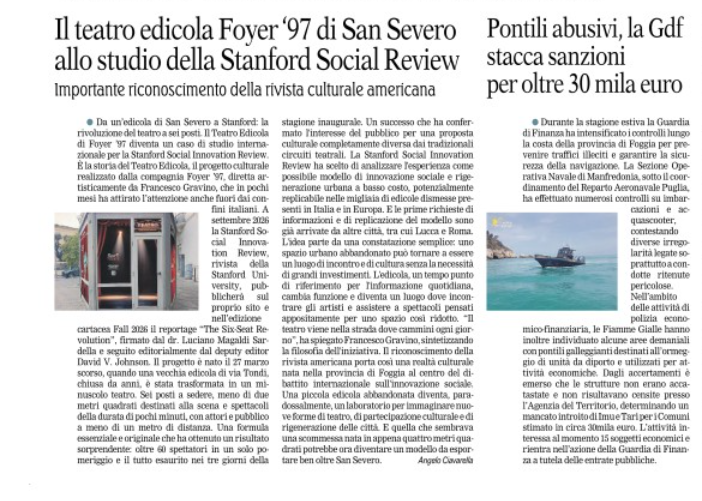
LA GAZZETTA DEL MEZZOGIORNO - IL TEATRO EDICOLA FOYER'97 DI SAN SEVERO ALLO STUDIO DELLA STANFORD SOCIAL I. REVIEW Il Teatro-Edicola Foyer '97 diventa caso di studio internazionale per la Stanford Social Innovation Review SAN SEVERO, 16 settembre 2026 - Da un'edicola abbandonata di quattro metri quadrati in via Tondi a modello di innovazione sociale studiato dalla Stanford University. È la parabola del Teatro Edicola Foyer '97, il progetto culturale realizzato dalla compagnia Foyer '97 diretta artisticamente da Francesco Gravina, che in pochi mesi ha varcato i confini nazionali. La notizia, riportata oggi da La Gazzetta del Mezzogiorno, è che la prestigiosa Stanford Social Innovation Review, la rivista culturale della Stanford University dedicata all'innovazione sociale, pubblicherà a settembre sul proprio sito e nell'edizione cartacea Fall 2026 il reportage "The Six-Seat Revolution", firmato dal dr. Luciano Magaldi Sardella e seguito editorialmente dal deputy editor David V. Johnson. Il progetto è nato il 27 marzo scorso, in occasione della Giornata Mondiale del Teatro, quando una vecchia edicola chiusa da anni è stata trasformata in un minuscolo teatro: sei posti a sedere, meno di due metri quadrati di scena, spettacoli di pochi minuti con attori e pubblico a meno di un metro di distanza. Una formula essenziale e originale che ha sorpreso tutti: oltre 60 spettatori in un solo pomeriggio e tutto esaurito nei tre giorni della stagione inaugurale. Un successo che ha dimostrato l'interesse del pubblico per una proposta culturale fuori dai circuiti tradizionali. Per questo la SSIR ha scelto di analizzarla come possibile modello di rigenerazione urbana a basso costo, potenzialmente replicabile nelle migliaia di edicole dismesse in Italia e in Europa. Richieste di informazioni e di replica sono già arrivate da altre città, tra cui Lucca e Roma. Alla base, come spiega Gravina, un'idea semplice: "Il teatro viene nella strada dove cammini ogni giorno". L'edicola, un tempo punto di riferimento per l'informazione quotidiana, cambia funzione e diventa luogo di incontro con gli artisti. Un riconoscimento che porta una realtà nata nella provincia di Foggia al centro del dibattito internazionale sull'innovazione sociale. Quella che sembrava una scommessa di quattro metri quadrati, può ora diventare un modello da esportare ben oltre San Severo.
LA GAZZETTA DEL MEZZOGIORNO - SAN SEVERO'S TEATRO EDICOLA FOYER '97 ON THE STANFORD SOCIAL INNOVATION REVIEW The Teatro-Edicola Foyer '97 Becomes an International Case Study for the Stanford Social Innovation Review SAN SEVERO, 16 September 2026 - From a derelict newsstand of four square metres in Via Tondi to a paradigm of social innovation examined by Stanford University. Such is the trajectory of the Teatro Edicola Foyer '97, the cultural project realized by the Foyer '97 company under the artistic direction of Francesco Gravina, which in the space of a few months has transcended national boundaries. The news, reported today by La Gazzetta del Mezzogiorno, is that the prestigious Stanford Social Innovation Review, the cultural journal of Stanford University dedicated to social innovation, will publish in September, both on its website and in its Fall 2026 print edition, the reportage "The Six-Seat Revolution", authored by Dr Luciano Magaldi Sardella and overseen editorially by Deputy Editor David V. Johnson. The project was inaugurated on 27 March last, on the occasion of World Theatre Day, when a former newsstand, shuttered for years, was transmuted into a diminutive theatre: six seats, a stage of fewer than two square metres, performances lasting but a few minutes, with actors and audience separated by less than a metre. A formula at once essential and original that has taken all by surprise: more than sixty spectators in a single afternoon and full houses throughout the three days of the inaugural season. A success that has evinced the public's appetite for a cultural proposition beyond the conventional circuits. It is for this reason that the SSIR has elected to analyse it as a potential model of low-cost urban regeneration, conceivably replicable across the thousands of disused newsstands throughout Italy and Europe. Enquiries regarding its replication have already been received from other cities, including Lucca and Rome. At its heart, as Gravina explains, lies a simple notion: "The theatre comes to the street where you walk every day". The newsstand, once a locus of daily information, changes its function and becomes a place of encounter with artists. An accolade that brings a reality born in the Province of Foggia to the centre of the international discourse on social innovation. What appeared to be a four-square-metre wager may now become a model to be exported far beyond San Severo.
"Il y a une colère sociale qui doit être entendue (....) C'est une forme de révolution à laquelle j'appelle. Il faut changer de logique"
Quarante ans après Bardot, une blonde aux seins assumés suffit à déclencher l’infamie. Le wokisme n’a pas tué le désir. Il a juste remplacé le curé. On ne supporte plus qu’une femme assume d’être désirée. On crie à l’infamie pour un jeu de mots sur un jean et une pub où une actrice pose avec des ballons. Le wokisme n’a pas « progressé ». Il a juste changé de moraliste. Bardot, 1956. Et Dieu… créa la femme. Cheveux en bataille, jupe fendue jusqu’à la hanche, mambo improvisé sur la plage. Les censeurs s’étranglent. On parle de scandale, de danger pour la jeunesse, de décadence. Elle devient quand même l’icône. Le look tient encore : cheveux décoiffés, ras de cou tombant, bouche pulpeuse, corps qui n’excuse rien. On l’a copiée pendant des décennies. Aujourd’hui encore. Sweeney, 2025-2026. Même silhouette, mêmes codes. Blonde, yeux clairs, poitrine assumée, jeans American Eagle et le slogan « great jeans » qui sonne comme « great genes ». Une partie d’Internet hurle à l’eugénisme. Elle n’a presque rien dit. Le crime réel, être exactement le type de femme que le cinéma vendait sans complexe il y a encore quinze ans. Trop « ça ». Trop évidente. Trop peu désolée. Puis septembre 2026 : pub Novig. Elle est nue, cachée par des ballons de foot, un panier, une raquette. Des sportives crient au recul, à la sexualisation, au manque de respect pour le sport féminin. Comme si le problème était son corps et pas le fait que le sport féminin se bat encore pour exister hors des discours. Quand Serena ou d’autres posaient nues pour ESPN, c’était empowerment. Là, c’est une infamie. La règle a changé. Elle dépend de qui regarde et de qui a le droit de commenter. La différence n’est pas Bardot contre Sweeney. C’est l’époque. Hier, on s’offusquait qu’une femme montre trop. Aujourd’hui, on s’offusque qu’elle soit trop conforme à ce qu’on appelait autrefois la beauté, trop blonde, trop proportionnée, trop peu intersectionnelle, trop peu repentante. On a remplacé la pudeur catholique par la pudeur identitaire. Le résultat est le même : on veut contrôler le corps des femmes, juste avec un vocabulaire plus savant et plus vicieux. Sweeney n’est pas une révolutionnaire. Elle produit, elle joue, elle vend. Elle est calculée, parfois cynique. Mais le traitement qu’on lui réserve dit autre chose. On ne supporte plus l’idée qu’une femme puisse être regardée sans passer par le sas de la repentance. Qu’elle refuse de s’excuser d’exister telle qu’elle est. Quarante ans ont passé. On n’a pas gagné en liberté. On a juste changé de dogme. Les nouveaux gardiens de la vertu crient à l’infamie dès qu’une femme refuse de jouer le rôle qu’on lui assigne. Bardot a choqué les moralistes d’hier. Sweeney choque ceux d’aujourd’hui. Les deux camps se ressemblent plus qu’ils ne l’avouent : ils détestent que certaines femmes refusent de s’excuser d’être désirées. #Féminisme #Wokisme #Liberté
Demokratiet skal ikke give sine fjender nøglen til døren Man kan mene næsten hvad som helst i et frit samfund. Man kan ønske Kapitalisme afskaffet, arbejde for et socialistisk samfund eller ønske, at samfundet i højere grad bygger på religiøse principper. Det er ikke i sig selv et problem for demokratiet. Det afgørende spørgsmål er, hvordan man ønsker at gennemføre forandringen. Hvis vi accepterer, at man demokratisk må arbejde for en socialistisk revolution, må det samme princip gælde for mennesker, der ønsker en samfundsorden baseret på sharia. Ellers har vi ikke længere et princip, men forskellige regler for forskellige ideologier. Derfor bør Grundloven være målestokken. Man skal kunne arbejde for at ændre samfundet grundlæggende. Man skal endda kunne arbejde for at ændre selve Grundloven. Det er netop derfor, Grundloven indeholder en procedure for grundlovsændringer. Men der må være en grænse ved det punkt, hvor man ikke længere ønsker at ændre systemet gennem dets demokratiske spilleregler, men ønsker at bruge systemet til at afskaffe disse spilleregler. Det er forskellen mellem at sige: “Jeg vil ændre demokratiet.” og: “Jeg vil bruge demokratiet til at afskaffe demokratiet.” Det første er en legitim politisk ambition. Det andet er en direkte udfordring af den forfatningsmæssige orden. Og hvis staten skal reagere på det, bør den ikke spørge: Er du muslim? Er du socialist? Er du kommunist? Er du konservativ? Den bør spørge: Respekterer du den forfatningsmæssige orden og de demokratiske spilleregler? Det er efter min mening den eneste konsekvente måde, et liberalt demokrati kan forsvare sig selv på uden samtidig at blive det, det forsøger at forsvare sig imod. Et frit samfund skal ikke være bange for ideer. Men det skal heller ikke være så naivt, at det frivilligt afskaffer de regler, der gør friheden mulig.
Catherine Ringer, half of Rita Mitsouko, has passed away at the age of 68, and the article suggests rediscovering her iconic voice through five notable tracks from her groundbreaking musical career. (translated)

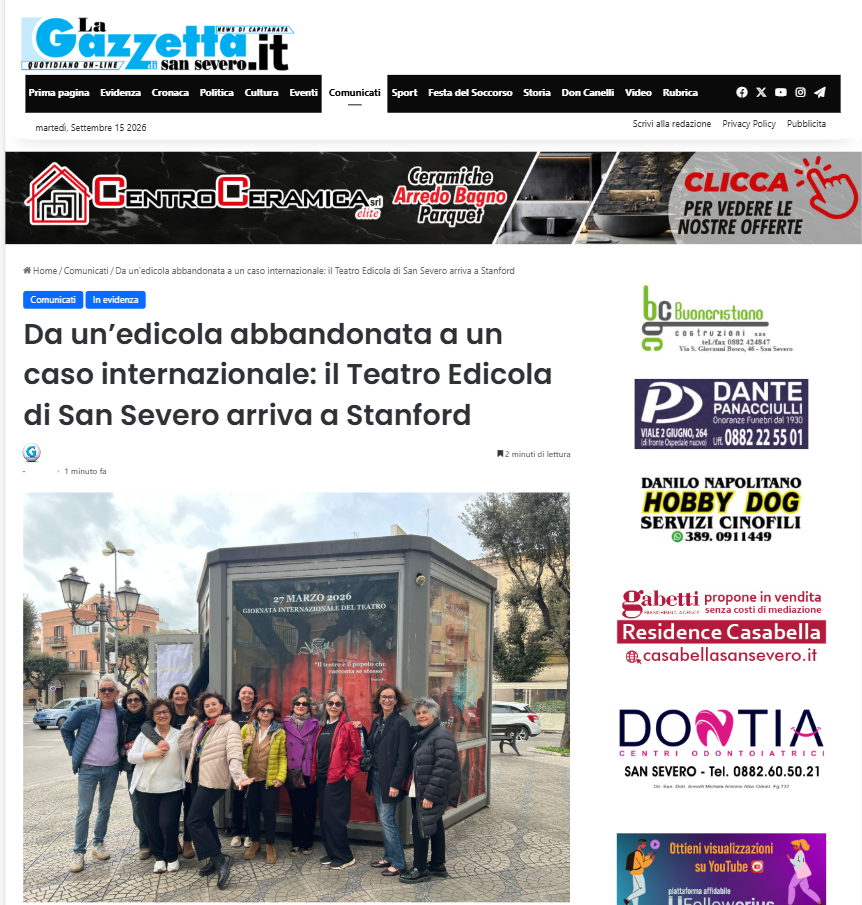
“TEATRO EDICOLA” OF SAN SEVERO BECOMES AN INTERNATIONAL CASE STUDY IN THE “STANFORD SOCIAL INNOVATION REVIEW (SSIR)” — STANFORD UNIVERSITY SOURCE: https://l1nq.com/rruntbb LA GAZZETTA DI SAN SEVERO SAN SEVERO (FG) — Six persons enter a news kiosk. Before them lie no newspapers, magazines, or tobacco, but a theatrical stage measuring less than two square metres. The actors stand but a few paces from the spectators, with scarce any separation betwixt those who perform and those who behold. It is in this manner that in San Severo a place abandoned for years hath begun to live anew. And today that diminutive theatrical experiment hath fallen beneath the glare of international attention. It is the story of the “Teatro Edicola”, the project realised by the company Foyer ’97, under the artistic direction of Francesco Gravino, which hath transformed an old news kiosk in Via Tondi into one of the smallest stages ever conceived. The project commenced on 27th March last, with a formula as simple as it is original: six seats, a stage of most exiguous dimensions, and performances lasting but a few minutes. A minimal distance betwixt public and performers that doth wholly alter the traditional relationship betwixt spectator and theatre. The wager, however, was forthwith rewarded by the public. More than 60 persons attended the performances in a single afternoon, and the three days of the inaugural season registered a complete sold-out. From a local experiment, the “Teatro Edicola” hath thus become a case capable of attracting attention far beyond the confines of the Province of Foggia. In September 2026, the Stanford Social Innovation Review (SSIR), the journal of Stanford University, shall publish upon its website and in its Fall 2026 print edition the reportage “The Six-Seat Revolution”, authored by Dr Luciano Magaldi Sardella and edited by Deputy Editor David V. Johnson. The interest of the American review concerneth not merely the originality of the theatrical proposition. The Teatro Edicola is, in fact, observed as a potential paradigm of social innovation and low-cost urban regeneration. Become a Medium member The idea is particularly compelling in a country such as Italy, wherein numerous news kiosks have ceased their activity and risk becoming vacant interstices within the urban fabric. The question, at bottom, is simple: can a place born to sell newspapers become once more a locus of encounter? In San Severo, the answer hath been entrusted to the theatre. The kiosk hath not been merely restored in a physical sense. It hath changed its function, transforming itself into a place where artists encounter the public directly and where the performance becometh part of the quotidian life of the street. “The theatre cometh into the street wherein thou walkest every day,” Francesco Gravino hath explained, thus synthesising the philosophy underpinning the project. And it is precisely this aspect that hath rendered the experience interesting also upon the plane of its potential replicability. Initial requests for information have already arrived from other cities, amongst them Lucca and Rome, interested in learning of the model and the modalities for its realisation. The strength of the Teatro Edicola resideth also in its apparent disproportion: a minimal investment and space to produce a cultural effect far greater. There is no need for a grand theatre, an auditorium of hundreds of seats, or complex structures. An unused space sufficeth, together with an idea and the will to restore it to the community. That old kiosk in Via Tondi, therefore, recounteth something that goeth beyond the theatre. It recounteth the possibility of rethinking the spaces of our cities, restoring a social function to places that seemed to have definitively lost it.
IL “TEATRO EDICOLA” di SAN SEVERO DIVENTA “CASO STUDIO” INTERNAZIONALE sulla “STANFORD SOCIAL INNOVATION REVIEW (SSIR) — STANFORD UNIVERSITY” SOURCE: https://l1nq.com/rruntbb “LA GAZZETTA DI SAN SEVERO” SAN SEVERO (FG) — Sei persone entrano in un’edicola. Davanti a loro non ci sono giornali, riviste o tabacchi, ma una scena teatrale di meno di due metri quadrati. Gli attori sono a pochi passi dagli spettatori, quasi senza separazione tra chi recita e chi guarda. È così che a San Severo un luogo abbandonato da anni ha ricominciato a vivere. E oggi quella piccola esperienza teatrale è finita sotto i riflettori internazionali. È la storia del “Teatro Edicola”, il progetto realizzato dalla compagnia Foyer ’97, diretta artisticamente da Francesco Gravino, che ha trasformato una vecchia edicola di via Tondi in uno dei palcoscenici più piccoli probabilmente mai immaginati. Il progetto è partito il 27 marzo scorso con una formula tanto semplice quanto originale: sei posti a sedere, uno spazio scenico ridottissimo e spettacoli della durata di pochi minuti. Una distanza minima tra pubblico e interpreti che modifica completamente il tradizionale rapporto tra spettatore e teatro. La scommessa, però, è stata subito premiata dal pubblico. Più di 60 persone hanno assistito agli spettacoli in un solo pomeriggio e le tre giornate della stagione inaugurale hanno fatto registrare il tutto esaurito. Da esperimento locale, il “Teatro Edicola” è diventato così un caso capace di attirare l’attenzione ben oltre i confini della provincia di Foggia. A settembre 2026 la “Stanford Social Innovation Review (SSIR)”, rivista della Stanford University, pubblicherà sul proprio sito e nell’edizione cartacea Fall 2026 il reportage “The Six-Seat Revolution”, firmato dal dr. Luciano Magaldi Sardella e seguito editorialmente dal deputy editor David V. Johnson. L’interesse della rivista americana non riguarda soltanto l’originalità della proposta teatrale. Il Teatro Edicola viene infatti osservato come possibile esperienza di innovazione sociale e rigenerazione urbana a basso costo. L’idea è particolarmente interessante in un Paese come l’Italia, dove sono numerose le edicole che hanno cessato la propria attività e che rischiano di diventare spazi vuoti nel tessuto delle città. Subscribe to the Medium newsletter La domanda, in fondo, è semplice: può un luogo nato per vendere giornali diventare nuovamente un punto di incontro? A San Severo la risposta è stata affidata al teatro. L’edicola non è stata semplicemente recuperata dal punto di vista fisico. Ha cambiato funzione, trasformandosi in un luogo dove gli artisti incontrano direttamente il pubblico e dove lo spettacolo diventa parte della vita quotidiana della strada. “Il teatro viene nella strada dove cammini ogni giorno”, ha spiegato Francesco Gravino, sintetizzando la filosofia alla base del progetto. Ed è proprio questo aspetto ad aver reso l’esperienza interessante anche sul piano della possibile replicabilità. Le prime richieste di informazioni sono già arrivate da altre città, tra cui Lucca e Roma, interessate a conoscere il modello e le modalità per realizzarlo. La forza del Teatro Edicola sta anche nella sua apparente sproporzione: un investimento e uno spazio minimi per produrre un effetto culturale molto più grande. Non servono un grande teatro, una platea da centinaia di posti o strutture complesse. Basta uno spazio inutilizzato, un’idea e la volontà di restituirlo alla comunità. Quella vecchia edicola di via Tondi, dunque, racconta qualcosa che va oltre il teatro. Racconta la possibilità di ripensare gli spazi delle città, restituendo una funzione sociale a luoghi che sembravano averla definitivamente perduta.
The new Russian drones Gerań-4 and Gerań-5, which are entering the battlefield with a revolution, are faster, have a greater range, and possess advanced technologies, which poses a serious challenge to Ukrainian defense. (translated)

An oil tanker named "El Gaia" caught fire in the Strait of Hormuz after colliding with a mine, while the Iranian Revolutionary Guards claim that the entire outbound route is mined and thus closed. (translated)

Artificial intelligence, as a major technological and political revolution, must become a central topic of the 2027 presidential campaign, rather than a secondary theme, in order to ensure democratic control in the face of its impacts on society and democracy. (translated)

An oil tanker named "El Gaia" has exploded in the Strait of Hormuz after colliding with mines, leading to a fire and the closure of this passage by the Iranian Revolutionary Guard, while the US military is making other accusations, claiming that the ship had already been attacked before. (translated)

The Iranian Revolutionary Guard announced that it shot down an American MQ-1 drone over the Strait of Hormuz, escalating tensions between Iran and the United States in this strategic area. (translated)

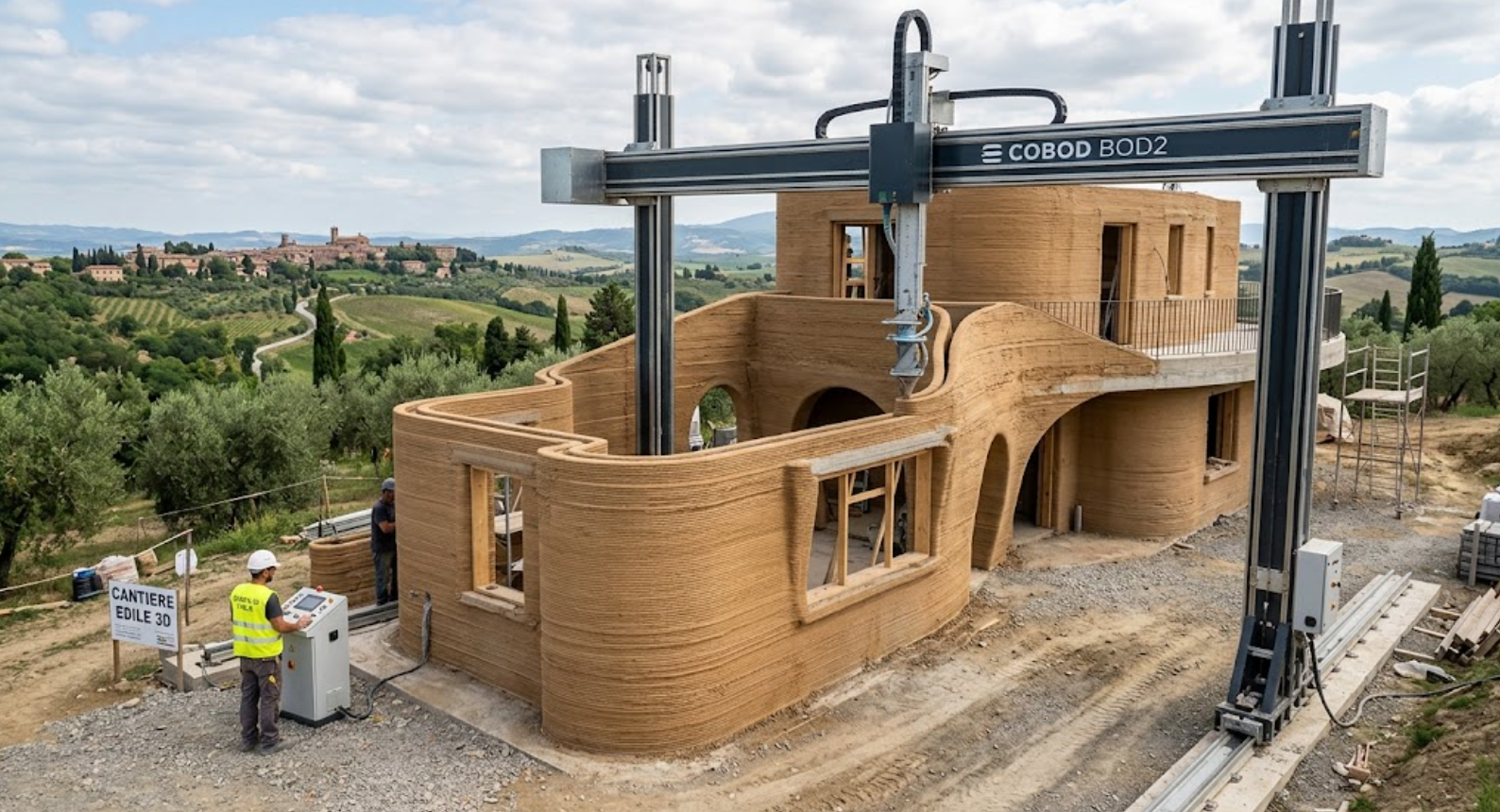
Would you inhabit a 3D-printed house erected in eight days? An affordable / mould-resistant / fire-resistant / seismic-resistant / climate-disaster-resilient house. SOURCE: https://www.facebook.com/reel/1420242892872158 A 3D-printed house that genuinely resolves the global housing crisis!!! What you are viewing in the video is no mere exhibition prototype. It is House Zero — the first luxury 3D-printed residence realised in Austin, Texas, by the American firm ICON in collaboration with the practice Lake|Flato Architects. Two hundred square metres, three bedrooms, a drawing room with exposed beams, a designer kitchen, and an independent casita in the garden. Its iconic undulating walls were extruded in a mere eight to ten days. A project so revolutionary as to have been included in TIME's list of the Best Inventions of 2022. But what does it truly signify to dwell in a 3D-printed house? WHAT A 3D-PRINTED HOUSE IS: No bricks or formwork are employed. An enormous robotic arm — ICON's Vulcan system — deposits, layer upon layer, a proprietary special concrete, Lavacrete, a material engineered to be eminently resistant, insulating, and printable. The entire process is governed by software that adjusts the formula every fifteen minutes according to weather conditions. Plaster and structure become one and the same. WHY IT IS THE FUTURE OF CONSTRUCTION: ALL THE ADVANTAGES 1. Record times: The walls of House Zero were completed in eight days, as opposed to the months required by a traditional building site. The site operates twenty-four hours a day, seven days a week, and never ceases for lack of labour. 2. Less waste and greater sustainability: Additive printing uses only the material that is necessary. Site waste and emissions from material transport are reduced to nigh on zero. Moreover, Lavacrete is designed for superior energy efficiency. 3. Lower costs (potentially): Fewer workmen on site, fewer deaths and injuries at work, less time, fewer errors. According to ICON, the system can substantially curtail construction costs and render housing more accessible. 4. Total architectural liberty: The curves, the fluted walls, the integrated niches you see in the video would be exorbitantly expensive or impossible by traditional methods. With 3D printing, form truly follows function. 5. Resilience and insulation: The walls in printed reinforced concrete are more resistant to fire, water, mould, and extreme atmospheric agents, typical of Texas. The thermal inertia of the material guarantees superior insulation. 6. A solution to the housing crisis: It is the technology that ICON is already employing to build entire neighbourhoods of one hundred houses in Texas and for social housing projects in Mexico. The question now is this: having seen it within, would you live in it?
The more artificial intelligence responds, the more we need to know how to ask it the right questions. The more it writes, the more we need to know how to read. The most radical revolution of our century brings us back to the most ancestral culture of our civilization. Grammar, calculation (translated)
Frérot t'a été désigné par 17 000 personnes et tu deviens une serpillère quand on te dit de respecter ton programme et de prôner les 32h, quelle révolution tu comptes faire ? (Mélenchon aurait dit ça, ça aurait déclenché un scandale national et ça appellerait à dissoudre LFI). #Réforme #Politique #32h