New Russian jet drones Geran-4 represent a serious threat to Ukrainian air defense, reducing the response time from 70-80 to just 40-50 seconds, which forces Ukraine into costly adjustments and the development of new technologies. (translated)
Ukrainian President Volodymyr Zelensky stated that all available intelligence data suggests that Russian leader Vladimir Putin does not want peace, but rather the continuation of the war, despite the wishes of the majority of Russian society to end the conflict. (translated)
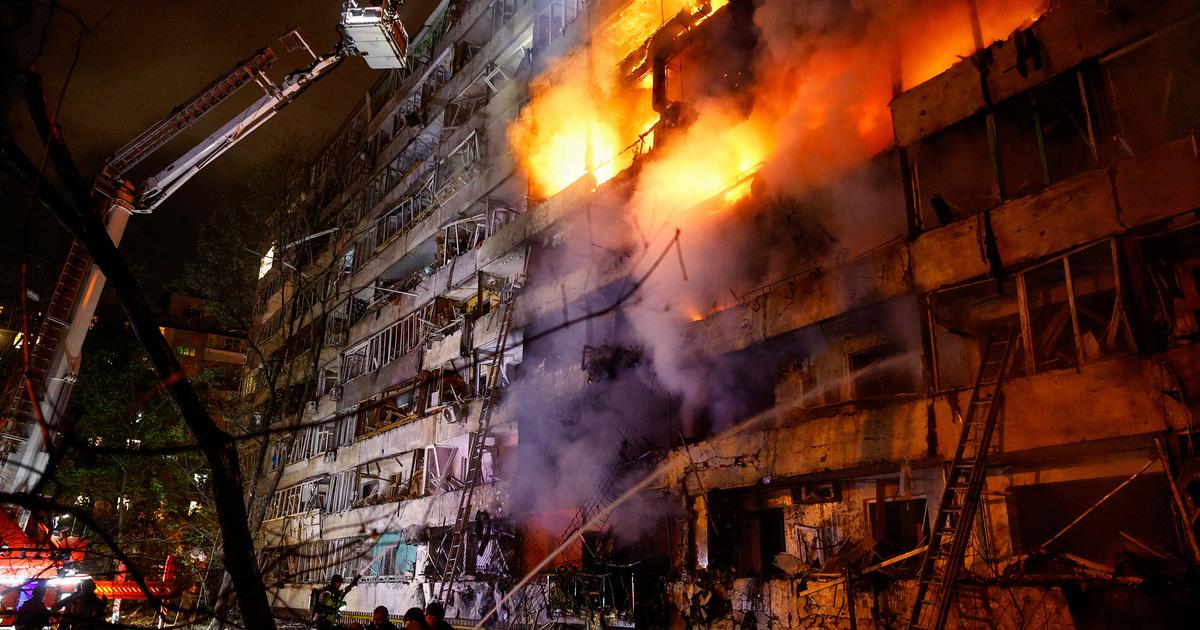
Russia launched a mass missile and drone attack on Kyiv in the early morning hours, resulting in the death of at least four people, including children, and injuring at least 14 others. (translated)
Indian Prime Minister Narendra Modi, in a conversation with Russian President Vladimir Putin in Bishkek, emphasized the need to end the war in Ukraine for the betterment of humanity and promised support for any peace efforts. (translated)
Sources close to the Kremlin suggest that Vladimir Putin is facing tough decisions regarding the escalation of the conflict in Donbas, as Russian military operations lose effectiveness and domestic and international tensions rise. (translated)

Russian attacks have destroyed 12 million books ahead of the start of the school year in Ukraine, crippling the country's publishing sector and cultural heritage. (translated)
Tatjana Sterkhova, a Russian mother who lost her son in the war in Ukraine, publicly condemned Vladimir Putin and the Russian military for the deaths of soldiers and corruption, warning of possible civil unrest as a result of dissatisfaction among citizens. (translated)
The analysis of potential escalations between Russia and NATO includes six scenarios that Vladimir Putin could consider, from targeted attacks on neighbors to cyberattacks, with an emphasis on the risks and reactions of NATO. (translated)

According to an analysis by the Wall Street Journal, the war between Ukraine and Russia has entered a new, more brutal phase with no signs of a closer ending, accompanied by an increase in civilian casualties and destruction on both sides. (translated)

During the mass Russian night offensive on Ukraine, Kyiv was hit by intense attacks from drones and missiles, with Ukrainian air forces managing to shoot down nearly 90 percent of the attacking drones, but the attacks, which resulted in injuries and material damage, once again proved to be an escalation of the Russian military strategy against Ukrainian infrastructure. (translated)
Ukrainian forces attacked the Afipsky refinery in the Krasnodar region, resulting in a large fire, but Russian authorities have not yet released details about the damage, while Ukraine continued its attacks on key energy facilities in Russia to weaken the supply of the Russian army. (translated)
Russia launched a large attack on Kyiv using ballistic missiles and drones, resulting in at least eight people killed, and among the damaged facilities is a children's hospital. (translated)
Russia has threatened the British United Kingdom due to the use of British drones in Ukrainian attacks on Russian territory, claiming that London will face consequences for supporting Kyiv, while American intelligence services have warned that Vladimir Putin could approve an attack on NATO territory to diminish the alliance's support for Ukraine. (translated)

The Ukrainian Ministry of Defense announced that since the beginning of the invasion of Ukraine, 239,354 Russian soldiers have been killed, with July losses amounting to 42,860, the highest since January 2025, and the data on the dead was collected from several sources, including social media and local media. (translated)
Ukraine has carried out strikes deep within Russian territory, hitting important military and space facilities such as the Savasleyka airport and the Progress center in the Samara region, using Flamingo missiles, in order to increase pressure on Moscow and demonstrate the capability for long-range strikes ahead of potential negotiations with Donald Trump regarding additional military aid. (translated)

Russia is facing a serious crisis due to high losses in Ukraine, with an estimated more than 30,000 dead and wounded each month, and while Putin postpones a new mobilization, the pressure on men to sign military contracts is increasing to replenish the exhausted forces. (translated)

Ukraine carried out a significant attack on a Russian naval base in Novorossiysk, targeting several warships, including frigates, resulting in the deaths of at least two people, which has raised fears of disruptions in global wheat supply due to the destruction of grain terminals. (translated)
German journalist Michael Martens provoked strong reactions after he asked a controversial question to Ukrainian President Zelensky at a press conference about how Europeans can help in killing Russian soldiers, which led to condemnation of his statements, as well as a legal response from the newspaper Frankfurter Allgemeine Zeitung (FAZ), which apologized for the poorly formulated question. (translated)

Ukrainian President Volodymyr Zelensky reported that Russian forces used North Korean missiles in the attack on Zaporizhia, which resulted in the deaths of six people, while conflicts between Ukraine and Russia continued despite the escalation of attacks from both sides. (translated)
Russian authorities are resorting to violent methods to force military-capable men to sign contracts for military service, including arrests on the streets and threats, due to a shortage of soldiers and weakening initiative on the battlefield in Ukraine, while protests against such practices are simultaneously emerging. (translated)