WRLD

Search

#segreto
Nicola Porro Wrld summary 3d
Italian journalist (1969-)

The author of the post stated that a secret diary of Bergoglio had been published, in which, according to him, the future Pope recounted having seen the eyes of the devil and having gone through a spiritual crisis lasting two years. https://t.co/qfXOPl0oUD #Bergoglio #Papa #DiarioSegreto #IT (translated)


2898
Mario Sechi Wrld summary 3d
Italian journalist

The author shared a link to an article that, according to the title, reported revelations from the Secret Diary of Pope Francis, including the account of having seen the devil with menacing eyes. https://t.co/cYJ8F8G9Zg #PapaFrancesco #Diavolo #Rivelazioni #IT (translated)

2899
Il Fatto Quotidiano 3d

Journalist Marco Belviso reported to the Prosecutor's Office that he received pressure to reveal the sources of Fatto Quotidiano and La Verità in exchange for the withdrawal of legal actions against him, involving two parliamentarians, while his lawyer invokes professional secrecy. #LibertàDiStampa #FriuliVeneziaGiulia #Giornalismo (translated)

www.ilfattoquotidiano.it
Friuli, l’esposto del giornalista: “Volevano le fonti del Fatto e le chat con due parlamentari in cambio del ritiro delle cause contro di me”
2573
L
lastampa.it 4d

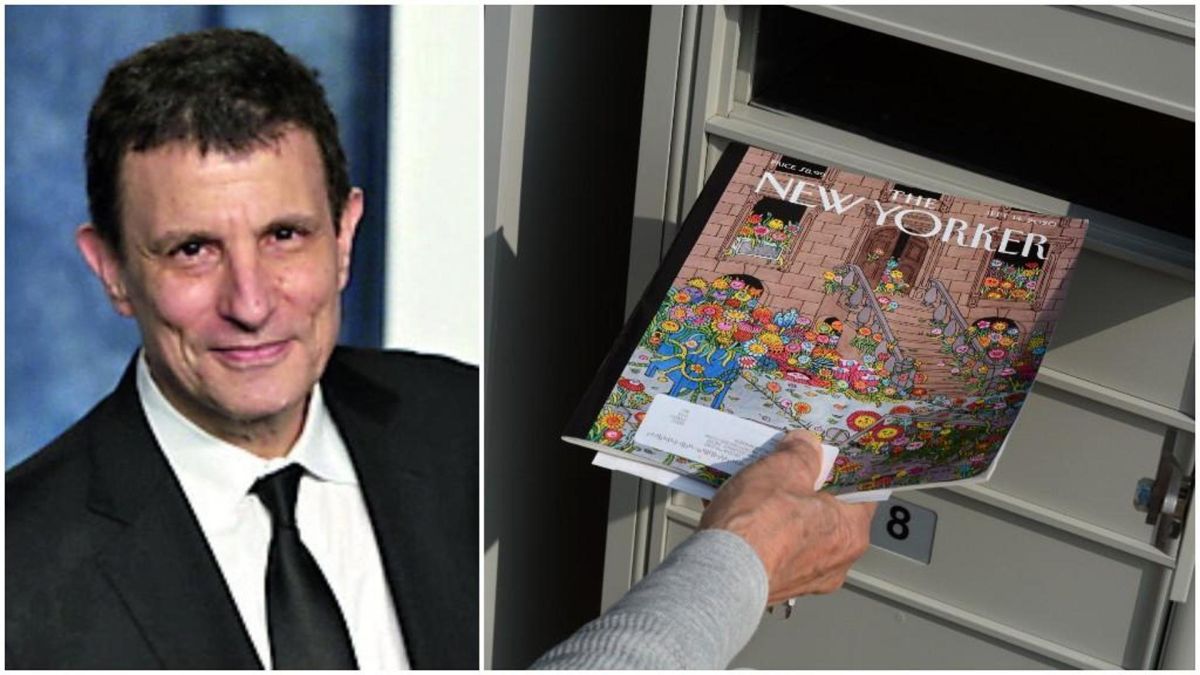
David Remnick, editor of the New Yorker, discusses the magazine's centenary highlighting that its secret lies in always telling the truth, while warning of the dangers posed by Trump and right-wing populists to the media. #NewYorker #DavidRemnick #media (translated)

www.lastampa.it
David Remnick: “Il mio New Yorker compie 100 anni, il segreto è raccontare sempre la verità”
2694
Luciano Magaldi Sardella (PhD) 5d

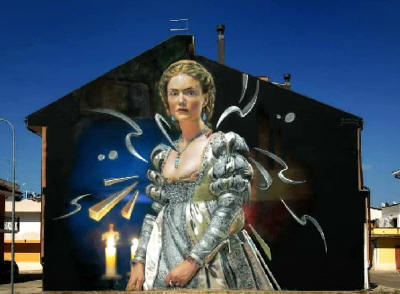
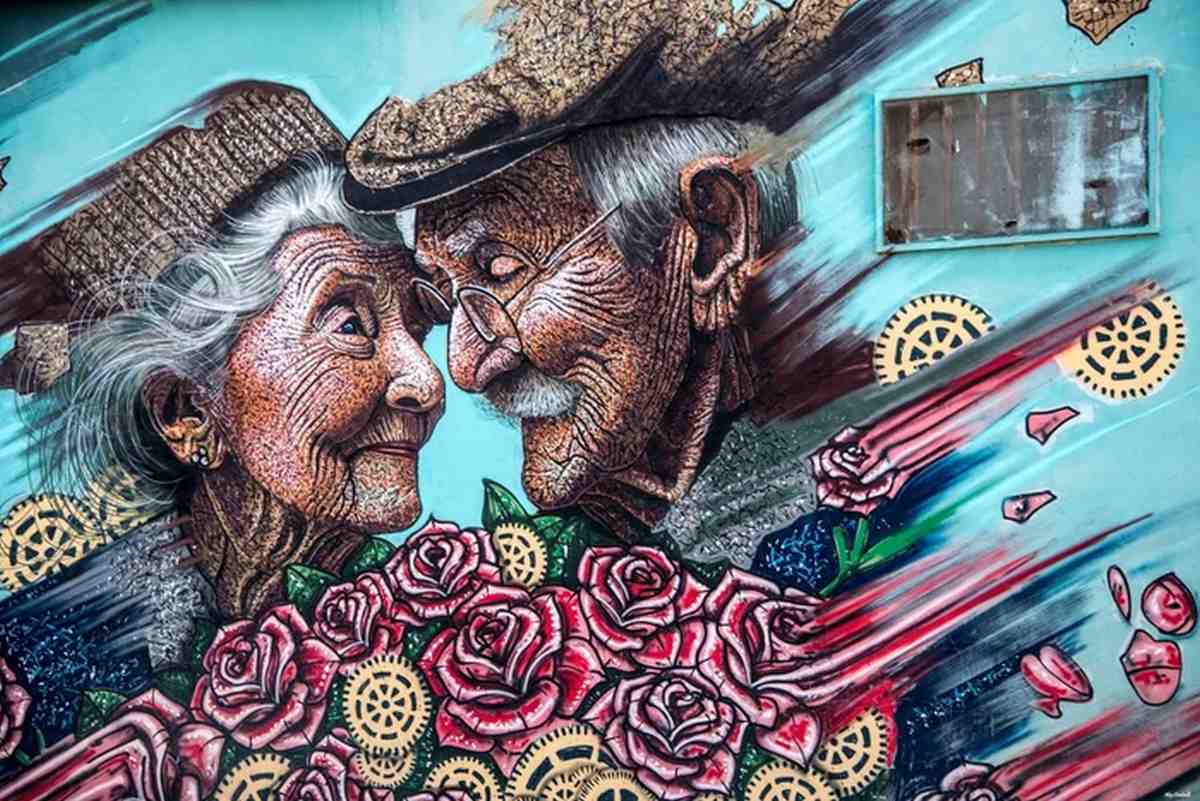
"BOSS STREET ART — THE BOSS OF THE STREET": STORNARA IN THE “GLOBAL TOP 20” OF WIPO: THE VILLAGE OF 6,000 INHABITANTS THAT BEATS METROPOLISES STORNARA (FG) — The report from the “World Intellectual Property Organization (WIPO)” mentions Stornara (Foggia) alongside New York and Berlin. Credit goes to Stramurales: 173 murals, 50 international, and an unmatched density of foreign art compared to megalopolises. Stornara enters the history of global street art. The Gazzetta di San Severo reports that the small municipality in the province of Foggia has been included in the “Global Top 20” of WIPO's report, the United Nations agency based in Geneva. This recognition places it alongside New York, Los Angeles, Berlin, Paris, London, and Melbourne: the world capitals of urban art. What happened The report is titled “From Local Scenes to Global Recognition: Talent Mobility in Street Art” and was published at the end of May 2026 in the series “Creative Industries Insights.” The authors, economists Egbert Amoncio, Alexander Cuntz, and Alessio Muscarnera, analyzed about 74,000 geolocated works on the “Street Art Cities” platform to map the migratory flows of global muralist talents. The questions were simple: Where does street art originate? Who are the artists traveling to paint? Which cities manage to attract creatives from abroad? The answers were surprising. The research dismantles a common belief: street art is a deeply local phenomenon. Only one in five artists works outside national borders. However, among those who cross borders, almost 40% builds an international artistic brand while maintaining ties to their local territory: cases like Banksy, Os Gemeos, and Invader. The authors define this phenomenon as “glocal”: rooted in the local territory but capable of generating global talent circuits. In this scenario dominated by metropolises and capitals, Stornara stands out as an Italian exception, a town in Puglia, in Foggia. An agricultural village of about 6,000 inhabitants that has become a destination for international muralist talents since 2018. The work and the artist: Stramurales The credit goes to the annual “Stramurales International Street Art Festival,” born in 2017 from the initiative of the social promotion association “Stornara Life APS,” founded by Lino Lombardi and the local “Banda dei Fischietti.” The goal was to combat the urban and socio-economic decline of the town. In just a few years, Stornara has accumulated over 173 murals. About fifty are works by high-level foreign artists. “Google Trends” data since 2017 shows a remarkable interest in the destination: the festival has captured national and international attention. The project has also attracted global scientific interest. It has become the first monographic academic case study on a street art festival: the study “Street Art as Public Health Infrastructure,” authored by Puglian researchers Luciano Magaldi Sardella and Matteo Mantuano, was published in the Harvard Health and Human Rights Journal of Harvard University. Where to see it: the secret of density Stornara can be reached in the province of Foggia, in Capitanata. The town, once not used to visitors, now welcomes international tourists, groups, and school classes who come to see the murals. The fact that has ignited local pride is this: it's not about absolute volume; it's about proportion. The organizers propose a simple indicator: the works by foreign artists divided by the inhabitants, multiplied by 100,000. With over 50 international murals and a population of a few thousand residents, Stornara reaches several hundred foreign works for every 100,000 inhabitants. This is a value that metropolises, with millions of residents, cannot approach. No one claims that Stornara has more foreign murals than New York. The point is that, relative to its size, few places in the world concentrate as much international art per capita. The impact does not disperse in a megalopolis; it settles in every street, on every facade, in the daily life of its inhabitants. The global model The WIPO report emphasizes that the value of street art extends far beyond the painted surfaces. Cities like Stornara demonstrate how urban art attracts tourism, generates media coverage, and stimulates local business activities, strengthening the sense of community and restoring psychosocial well-being. But the authors add a valuable caution: success depends on careful implementation and involvement of artistic communities. Top-down initiatives risk being perceived as “predatory” by artists who care about the credibility of street art. Stramurales seems to have avoided this pitfall. The model is based on walls spontaneously donated by residents, artist residencies, and open dialogue on social themes. A bottom-up lesson that WIPO recognizes as a concrete response to the depopulation of the internal areas of Southern Italy. (translated)

www.bosstr.it
Stornara nella Global Top 20 della WIPO: il borgo di 6.000
564
Il Messaggero 1w

An artificial intelligence secret agent, trained in Russian, was discovered by Google while conducting autonomous cyberattacks exploiting software vulnerabilities, marking a new frontier in hybrid warfare. #IntelligenzaArtificiale #CyberSicurezza #Hacker (translated)

www.ilmessaggero.it
«Agente segreto IA» addestrato in russo, così ha attaccato da solo dopo le istruzioni degli hacker: la scoperta di Google e la nuova guerra ibrida
2847
Luciano Magaldi Sardella (PhD) 1w

“THE STRAMURALES OF STORNARA IN THE “GLOBAL TOP20” OF THE UNITED NATIONS REPORT (WIPO)” STORNARA (FG) - There is a South Italy that makes little noise. It lies among the wheat fields and rural roads of Capitanata, far from the major routes of mass tourism. Until a few years ago, Stornara, in the province of Foggia, was the typical village that statistics dismiss with a cruel adjective: “peripheral.” Today, its name appears in an analysis by WIPO, the World Intellectual Property Organization, a United Nations agency in Europe based in Geneva, alongside Berlin, New York, Los Angeles, Paris, and Melbourne. A Report that Looks at the Walls of the World The text is titled "From Local Scenes to Global Recognition: Talent Mobility in Street Art." It is authored by three WIPO economists, Egbert Amoncio, Alexander Cuntz, and Alessio Muscarnera, and was published at the end of May 2026 in the “Creative Industries Insights” series. To build it, the authors started from the data of the “Street Art Cities” platform. The technical note speaks of about 74,000 geolocated works, collected and shared by street art enthusiasts worldwide. The fundamental questions are simple. Where does street art originate? Who travels to paint it? Which cities manage to attract talent from outside? The first answer dismantles a cliché. Street art is a profoundly local phenomenon. About one in five artists also works abroad, while the vast majority paints in their own city or nearby. Among the few who cross borders, nearly 40 percent is “highly mobile”: they build an international artistic brand without severing their roots. These are the cases of Banksy, Os Gemeos, and Invader, whose walls appear on multiple continents. The authors use an effective term: street art is “glocal,” rooted in its territory but able to generate global circuits of talent and recognition. The “Magnets” of the World When asked which cities most attract foreign artists, the map is fascinating. North America weighs in for size, with New York, Los Angeles, and Miami. Western Europe offers a dense network of opportunities, from Berlin to Amsterdam, from Vienna to Ghent, from Basel to Rotterdam, favored by the circuit of festivals and the freedom of movement of the Schengen area. Lisbon and Barcelona have focused on municipal support policies. Melbourne is the sole representative from Oceania, while Northern Europe relies on Bergen, London, Belfast, and Stavanger. In this scenario of capitals and metropolises, the report includes an Italian exception, from Puglia, Foggia: Stornara, a small agricultural town of about 6,000 souls, has been a destination for muralist talents since 2018. It shows how street art can trigger the revival of a community: thanks to the annual “Stramurales International Street Art Festival,” born in 2017 from the strong will to combat urban and socio-economic decline by the founders of the social promotion association “Stornara Life APS,” Lino Lombardie and his Stornarese “Banda dei Fischietti,” over 173 murals have been accumulated. About fifty are works by high-level international artists, with Google Trends data showing significant interest in the tourist-muralist destination since 2017, a sign that the international festival has now captured national and international attention. It has also become the first monographic academic case study in the world on a street art festival, “Street Art as Public Health Infrastructure,” published in the prestigious academic journal “Harvard Health and Human Rights Journal” of Harvard University, by researcher Luciano Magaldi Sardella from Orta Nova and professor Matteo Mantuanodi Lucera. All of this corresponds to demonstrating that an idea, an association, and the availability of a community can change the identity of a “God-forsaken” place. This is also recounted by those who followed the story from the outside: the town, once unaccustomed to visitors, now welcomes international tourists, individuals, groups, and school classes who come to see its more than 173 murals. The Secret Lies in Density The data that has ignited the pride of Stornara is this: it’s not about volume, it’s about proportion. The organizers propose a simple indicator: the works of foreign artists divided by inhabitants, multiplied by 100,000. With around 50 international works and a population of a few thousand residents, Stornara reaches several hundred foreign works per 100,000 inhabitants. It’s a value that metropolises, with millions of residents, cannot approach. The significance must be read precisely, and this is where the beauty of the matter lies. No one claims that Stornara has more foreign murals than New York. The point is that, in relation to its scale, few places in the world concentrate so much international art per inhabitant. The impact does not dissipate in a megalopolis; it settles in every street, on every facade, in the everyday lives of those who live there. The most interesting part of the report looks beyond the ranking. The authors write that the value of street art extends well beyond the painted surfaces. Cities like Stornara demonstrate how urban art attracts tourism, generates media coverage, and can stimulate local business activities, reinforcing the sense of community and restoring the psychosocial well-being that would counteract the everlasting southern decline. However, the report adds a valuable warning: success depends on careful implementation and the involvement of artistic communities. Initiatives imposed from above risk being perceived as “predatory” by artists who care about street credibility. The global Stramurales model seems to have avoided this pitfall. Field studies tell of walls donated by residents, one-week artist residencies, and public discussions on the issues to be addressed. The Lesson from a Former “Ghost Town” The report concludes with an idea that applies to Stornara as much as to Berlin: the vitality of street art is rooted in local roots. It emerges from communities, speaks to their issues, and is made by artists immersed in their urban contexts. The artistic family of “Stornara Life APS” understood this before many regional and local politicians, turning their walls into an open-air museum, a promise, and opening them to the world without ceasing to be themselves. In this official report from the Geneva-based United Nations agency in Europe that measures the ability to attract talent, this is likely the most valuable outcome: being mentioned alongside the great capitals of urban art while remaining, after all, a rural provincial town where every wall tells a colorful world of glocal stories. (translated)

www.puglialive.net
“LO STRAMURALES DI STORNARA NELLA “GLOBAL TOP20″ DEL RAPPORTO DELLE NAZIONI UNITE (WIPO)”
686
Luciano Magaldi Sardella (PhD) 2w

"GAZZETTA H24": STREET ART, STORNARA JOINS THE WIPO REPORT ALONGSIDE THE GREAT CITIES OF THE WORLD SOURCE: https://www.gazzettah24.it/street-art-stornara-entra-nel-rapporto-wipo-accanto-alle-grandi-citta-del-mondo/ ------------------------------------------------------------------- From "ghost town" to global model cited in Geneva: the cultural bet of Stornara Life APS captures the attention of WIPO. --------------------------------------------------------------------  STORNARA (FG) - There is a Southern Italy that makes little noise. It lies among the fields of wheat and rural roads of Capitanata, far from the main routes of mass tourism. Until a few years ago, Stornara, in the province of Foggia, was the typical town that statistics dismiss with a cruel adjective: "peripheral." Today, its name appears in an analysis from WIPO, the "World Intellectual Property Organization", the United Nations Agency in Europe based in Geneva. "Stornara Life APS" alongside Berlin, New York, Los Angeles, Paris, and Melbourne. ------------------------------------------------------------------ A report that looks at the walls of the world The text is titled "From Local Scenes to Global Recognition: Talent Mobility in Street Art". It is authored by three WIPO economists, Egbert Amoncio, Alexander Cuntz, and Alessio Muscarnera, and has been published in the "Creative Industries Insights" series. To build it, the authors started from data from the "Street Art Cities" platform. The technical note talks about approximately 74,000 geolocated works, collected and shared by street art enthusiasts worldwide. The fundamental questions are simple. Where does street art originate? Who travels to paint it? Which cities manage to attract outside talent? The first answer dismantles a common misconception. Street art is a profoundly local phenomenon. About one in five artists also works abroad, while the vast majority paint in their own city or in nearby ones. Among the few who cross borders, almost 40 percent are "highly mobile": they build an international artistic brand without severing their roots. These include the cases of Banksy, Os Gemeos, and Invader, whose walls appear on multiple continents. The authors use an effective term: street art is "glocal," rooted in its territory but capable of generating global circuits of talent and recognition. -------------------------------------------------------------------- The magnets of the world When asked which cities attract the most foreign artists, the map is fascinating. North America weighs heavily, with New York, Los Angeles, and Miami. Western Europe offers a dense network of opportunities, from Berlin to Amsterdam, from Vienna to Ghent, from Basel to Rotterdam, favored by the festival circuit and the freedom of movement within the Schengen area. Lisbon and Barcelona have focused on municipal support policies. Melbourne is the only representative from Oceania, and Northern Europe relies on Bergen, London, Belfast, and Stavanger. In this scenario of capitals and metropolises, the report includes an Italian exception, from Puglia, Foggia: Stornara, a small agricultural town of about 6,000 inhabitants, has been a destination for mural talents since 2018. It shows how street art can spark the rebirth of a community: thanks to the annual "Stramurales International Street Art Festival," born in 2017 from the strong will to combat urban and socio-economic decline by the founders of the social promotion association "Stornara Life APS,” Lino Lombardi and his local "Banda dei Fischietti," it has accumulated over 173 murals. About fifty of these are works by high-level international artists, with Google Trends data since 2017 showing notable interest in the mural tourism destination, indicating that the international festival has now captured national and international attention. It has also become the first academic case study in the world on a street art festival, "Street Art as Public Health Infrastructure," published in the prestigious academic journal "Harvard Health and Human Rights Journal" from Harvard University. Written by researcher Luciano Magaldi Sardella from Orta Nova and professor Matteo Mantuano from Lucera, this corresponds to the demonstration that an idea, an association, and the willingness of a community can change the identity of a place "forgotten by God." This is also recounted by those who have followed the story from the outside: the town, once little accustomed to visitors, now welcomes international tourists, individuals, groups, and schoolchildren who come to see its over 173 murals. ----------------------------------------------------------------- The secret is in density The data that has sparked pride in Stornara is this: it's not the volume that matters, it's the proportion. The organizers propose a simple indicator: works by foreign artists divided by the number of residents, multiplied by 100,000. With about over 50 international works and a population of a few thousand residents, Stornara reaches several hundred foreign works for every 100,000 inhabitants. This is a value that metropolises, with millions of residents, cannot approach. The meaning must be read accurately, and this is where the beauty of the matter lies. No one claims that Stornara has more foreign murals than New York. The point is that, in relation to its scale, few places in the world concentrate so much international art per inhabitant. The impact does not disperse in a megalopolis: it settles in every street, on every facade, in the daily life of those who live there. The most interesting part of the report looks beyond the ranking. The authors write that the value of street art extends well beyond the painted surfaces. Cities like Stornara demonstrate how urban art attracts tourism, generates media coverage, and can stimulate local businesses while strengthening community bonds and restoring the psychosocial well-being that could counter the perpetual Southern decline. However, the report adds a valuable warning: success depends on careful implementation and the involvement of artistic communities. Top-down initiatives risk being perceived as "predatory" by artists who care about the credibility of street art. The global model Stramurales appears to have avoided this pitfall. Field studies tell of walls donated by residents, week-long artist residences, and public discussions on the themes to be addressed. -------------------------------------------------------------------- The lesson of a town The report concludes with an idea that holds true for both Stornara and Berlin: the vitality of street art sinks its roots in local contexts. It arises from communities, speaks of their problems, and is made by artists immersed in their urban environments. The artistic family of "Stornara Life APS" understood this before many regional and local politicians, creating their walls into an open-air museum, a promise, and opening them to the world without ceasing to be themselves. In this official report from the Geneva Agency of the United Nations in Europe that measures the ability to attract talent, this results in, perhaps, the most precious value. Being cited alongside the great capitals of urban art while remaining, after all, a rural provincial town where every wall tells a colorful world of glocal stories. (translated)

www.gazzettah24.it
Street art, Stornara entra nel rapporto WIPO accanto alle grandi città del mondo
574
Luciano Magaldi Sardella (PhD) 2w

“VIVERE PUGLIA”: STRAMURALES: STORNARA IN THE “GLOBAL TOP 20” OF THE REPORT OF THE UNITED NATIONS AGENCY OF EUROPE SOURCE: https://www.viverepuglia.it/2026/11/12/stramurales-stornara-nella-global-top-20-del-rapporto-dellagenzia-delle-nazioni-unite-deuropa/207030/ ------------------------------------------------------------------- From “ghost town” to global model cited in Geneva: the cultural bet of Stornara Life APS captures the attention of WIPO There is a South Italy that does not make much noise. It lies among the wheat fields and rural roads of Capitanata, far from the main routes of mass tourism. Until a few years ago, Stornara, in the province of Foggia, was the typical town that statistics dismiss with a cruel adjective: “peripheral.” Today its name appears in a WIPO analysis, the “World Intellectual Property Organization,” a United Nations agency in Europe based in Geneva. So, Stornara stands alongside Berlin, New York, Los Angeles, Paris, and Melbourne. ------------------------------------------------------------------- A report that looks at the walls of the world The text is titled From Local Scenes to Global Recognition: Talent Mobility in Street Art. It is authored by three WIPO economists, Egbert Amoncio, Alexander Cuntz, and Alessio Muscarnera, and has been published in the “Creative Industries Insights” series. To build it, the authors started from data from the “Street Art Cities” platform. The technical note discusses about 74,000 geolocated works collected and shared by street art enthusiasts worldwide. The underlying questions are simple. Where does street art originate? Who travels to paint it? Which cities manage to attract talent from outside? The first answer dismantles a common misconception. Street art is a profoundly local phenomenon. About one in five artists also works abroad, while the vast majority paint in their own city or nearby ones. Among the few who cross borders, nearly 40 percent is “highly mobile”: they build an international artistic brand without severing their roots. These include cases like Banksy, Os Gemeos, and Invader, whose works appear on multiple continents. The authors use an effective term: street art is “glocal,” rooted in its territory yet capable of generating global circuits of talent and recognition. -------------------------------------------------------------------- The magnets of the world When asked which cities most attract foreign artists, the map is fascinating. North America weighs in terms of size, with New York, Los Angeles, and Miami. Western Europe offers a dense network of opportunities, from Berlin to Amsterdam, from Vienna to Ghent, from Basel to Rotterdam, fueled by the festival circuit and the freedom of movement within the Schengen area. Lisbon and Barcelona have focused on municipal support policies. Melbourne is the only representative from Oceania, while Northern Europe relies on Bergen, London, Belfast, and Stavanger. In this landscape of capitals and metropolises, the report includes an Italian, Apulian, Foggian exception: Stornara, a small agricultural town of about 6,000 residents, has been a destination for mural talent since 2018. It shows how street art can trigger a community's revival: thanks to the annual “Stramurales International Street Art Festival,” born in 2017 from the determined will to combat urban and socio-economic decline by the founders of the social promotion association Stornara Life APS, Lino Lombardi and his local Banda dei Fischietti, it has accumulated over 173 murals. About fifty are works by high-level international artists, with Google Trends data since 2017 showing a remarkable interest in the tourism-mural destination, indicating that the international festival has now captured national and international attention. It has also become the first monographic academic case study in the world on a street art festival, “Street Art as Public Health Infrastructure,” published in the prestigious global academic journal “Harvard Health and Human Rights Journal” of Harvard University, by researcher Luciano Magaldi Sardella from Orta Nova and professor Matteo Mantuano from Lucera. All this corresponds to the demonstration that an idea, an association, and a community's willingness can change the identity of a place “forgotten by God.” This is also told by those who have followed the story from the outside: the town, once unaccustomed to visitors, now welcomes international tourists, individuals, groups, and school classes coming to see its over 173 murals. ----------------------------------------------------------------- The secret lies in density The data that has ignited pride in Stornara is this: it’s not the volume that matters, but the proportion. The organizers propose a simple indicator: the works of foreign artists divided by the population, multiplied by 100,000. With about over 50 international works and a population of a few thousand residents, Stornara reaches several hundred foreign works per 100,000 inhabitants. It’s a value that metropolises, with millions of residents, cannot approach. The significance must be read accurately, and here lies the beauty of the thing. No one claims that Stornara has more foreign murals than New York. The point is that, relative to its scale, few places in the world concentrate so much international art per inhabitant. The impact does not dissipate in a megalopolis: it settles in every street, on every façade, in the daily lives of those who live there. The most interesting part of the report looks beyond the ranking. The authors note that the value of street art extends well beyond painted surfaces. Cities like Stornara demonstrate how urban art attracts tourism, generates media coverage, and can stimulate local commercial activities while strengthening community bonds and restoring the psychosocial well-being that could fend off enduring southern decline. However, the report adds a valuable warning: success depends on careful implementation and the involvement of artistic communities. Top-down initiatives risk being perceived as “predatory” by artists who care about street credibility. The global Stramurales model seems to have avoided this pitfall. Field studies recount walls donated by residents, week-long artist residencies, and public discussions on issues to address. ----------------------------------------------------------------- The lesson from a town The report concludes with an idea that applies to Stornara as much as to Berlin: the vitality of street art is rooted in local foundations. It arises from communities, speaks of their problems, and is made by artists immersed in their urban contexts. The artistic family of Stornara Life APS understood this before many regional and local politicians, turning their walls into an open-air museum, a promise, and opened them to the world while remaining true to themselves. In this official report from the Geneva-based United Nations agency in Europe that measures the capacity to attract talent, this is likely the most valuable outcome: being mentioned alongside the great capitals of urban art while remaining, after all, a rural provincial town where every wall tells a colorful world of glocal stories. (translated)

689
Luciano Magaldi Sardella (PhD) 2w

"THE SIPPONTINO": STORNARA IN THE "GLOBAL TOP 20" OF THE REPORT FROM THE UNITED NATIONS AGENCY FOR EUROPE From "ghost town" to global model cited in Geneva: the cultural bet of Stornara Life APS captures the attention of WIPO. There is a Southern Italy that doesn’t make much noise. It lies between the wheat fields and rural roads of Capitanata, far from the major routes of mass tourism. Until a few years ago, Stornara, in the province of Foggia, was the typical town that statistics dismiss with a cruel adjective: "peripheral." Today, its name appears in an analysis from WIPO, the World Intellectual Property Organization, a United Nations agency in Europe based in Geneva, alongside Berlin, New York, Los Angeles, Paris, and Melbourne. A report that looks at the walls of the world The document is titled "From Local Scenes to Global Recognition: Talent Mobility in Street Art." It is authored by three WIPO economists, Egbert Amoncio, Alexander Cuntz, and Alessio Muscarnera, and was published at the end of May 2026 in the Creative Industries Insights series. To construct it, the authors began with data from the "Street Art Cities" platform. The technical note discusses around 74,000 geolocated works, collected and shared by street art enthusiasts worldwide. The underlying questions are simple. Where does street art originate? Who travels to paint it? Which cities can attract talents from afar? The first answer dismantles a common misconception. Street art is a deeply local phenomenon. About one in five artists also works abroad, while the vast majority paint in their own city or nearby. Among the few who cross borders, nearly 40 percent is "highly mobile": they build an international artistic brand without severing their roots. These include the cases of Banksy, Os Gemeos, and Invader, whose works appear on multiple continents. The authors use an effective term: street art is "glocal," rooted in its local territory but capable of generating global circuits of talent and recognition. The magnets of the world When asked which cities attract the most foreign artists, the map is fascinating. North America is significant in size, with New York, Los Angeles, and Miami. Western Europe offers a dense network of opportunities, from Berlin to Amsterdam, from Vienna to Ghent, from Basel to Rotterdam, favored by the festival circuit and the freedom of movement of the Schengen area. Lisbon and Barcelona have focused on municipal support policies. Melbourne is the only representative from Oceania, while Northern Europe relies on Bergen, London, Belfast, and Stavanger. In this landscape of capitals and metropolises, the report includes an Italian exception, from Puglia, Foggia: Stornara, a small agricultural town of about 6,000 souls, has been a destination for mural talent since 2018. It shows how street art can trigger the revival of a community: thanks to the annual "Stramurales International Street Art Festival," founded in 2017 out of a strong desire to combat urban and socio-economic decline by the founders of the social promotion association "Stornara Life APS," Lino Lombardi, and his Stornara-based Fischietti Band, over 173 murals have been created. About fifty are works by high-level international artists, with Google Trends data since 2017 showing a remarkable interest in the mural tourism destination, indicating that the international festival has already captured national and international attention. It has also become the first monographic case study in the world on a street art festival, "Street Art as Public Health Infrastructure," published in the prestigious academic journal "Harvard Health and Human Rights Journal" of Harvard University, by researcher Luciano Magaldi Sardella from Orta Nova and Professor Matteo Mantuano from Lucera, all demonstrating that an idea, an association, and a community's willingness can change the identity of a place "forgotten by God." It is a sentiment echoed by those who have followed the story from the outside: the town, once unaccustomed to visitors, now welcomes international tourists, individuals, groups, and school classes who come to see its over 173 murals. The secret is in the density The data that has ignited Stornara's pride is this: it’s not the volume that counts, but the proportion. The organizers propose a simple indicator: the works by foreign artists divided by the inhabitants, multiplied by 100,000. With around 50 international works and a population of a few thousand residents, Stornara achieves several hundred foreign works per 100,000 inhabitants. It is a value that metropolises, with millions of residents, cannot approach. The meaning should be read precisely, and therein lies the beauty of the thing. No one claims that Stornara has more foreign murals than New York. The point is, in relation to its scale, few places in the world concentrate so much international art per inhabitant. The impact does not disperse in a megacity: it settles in every street, on every facade, in the daily life of those who live there. The most interesting part of the report looks beyond the ranking. The authors write that the value of street art extends well beyond the painted surfaces. Cities like Stornara demonstrate how urban art attracts tourism, generates media coverage, and can stimulate local businesses while reinforcing the sense of community and restoring the psychosocial well-being that could keep the eternal Southern decline at bay. However, the report adds a valuable warning: success depends on careful implementation and the involvement of artistic communities. Top-down initiatives risk being perceived as "predatory" by artists who care about street credibility. The global Stramurales model seems to have avoided this pitfall. Field studies describe walls donated by residents, one-week artist residencies, and public discussions on the themes to be addressed. The lesson of a place The report concludes with an idea that holds true for Stornara as much as for Berlin: the vitality of street art is rooted in local roots. It arises from communities, speaks of their problems, and is made by artists immersed in their urban contexts. The artistic family of Stornara Life APS understood this before many regional and local politicians, turning their walls into an open-air museum, a promise, and opened them to the world without ceasing to be themselves. In this official report from the Geneva-based United Nations agency in Europe that measures the capacity to attract talent, this appears to be, perhaps, the most valuable outcome: to be cited alongside the major capitals of urban art while still remaining, after all, a rural provincial town where every wall tells a vibrant world of glocal stories. (translated)

www.lagazzettadisansevero.it
Stramurales: Stornara nella “Global Top 20” del Rapporto dell’Agenzia delle Nazioni Unite d’Europa - La Gazzetta di San Severo - News di Capitanata
1035
Luciano Magaldi Sardella (PhD) 2w

"THE GAZETTE OF SAN SEVERO" STRAMURALES: STORNARA IN THE "GLOBAL TOP 20" OF THE UNITED NATIONS AGENCY REPORT FOR EUROPE SOURCE: https://www.lagazzettadisansevero.it/stramurales-stornara-nella-global-top-20-del-rapporto-dellagenzia-delle-nazioni-unite-deuropa/?fbclid=IwY2xjawVibZVleHRuA2FlbQIxMABwZG9mAWJyaWQRMHE3R3FDUWVMVnBtN1NiRGRzcnRjBmFwcF9pZBAyMjIwMzkxNzg4MjAwODkyAAEfJpk9OBrbzNPPuzmmZTsbvjf1RRRRwgltWvqpPTryHt2mv-Z5rTEy1ifxBXU_aem_ciFpxVBzVKZmCZU0twovqQ From "ghost town" to a global model cited in Geneva: the cultural bet of Stornara Life APS captures the attention of WIPO. There is a Southern Italy that makes little noise. It is nestled among the wheat fields and rural roads of Capitanata, far from the major routes of mass tourism. Until a few years ago, Stornara, in the province of Foggia, was the typical town that statistics dismissed with a cruel adjective: "peripheral." Today, its name appears in an analysis by WIPO, the World Intellectual Property Organization, a United Nations agency for Europe based in Geneva, alongside Berlin, New York, Los Angeles, Paris, and Melbourne. A report that looks at the walls of the world The text is titled From Local Scenes to Global Recognition: Talent Mobility in Street Art. It is signed by three WIPO economists, Egbert Amoncio, Alexander Cuntz, and Alessio Muscarnera, and was published at the end of May 2026 in the Creative Industries Insights series. To construct it, the authors started from data from the Street Art Cities platform. The technical note discusses approximately 74,000 geolocated works, collected and shared by street art enthusiasts worldwide. The fundamental questions are simple. Where does street art originate? Who travels to paint it? Which cities manage to attract talents from outside? The first response dismantles a common misconception. Street art is a profoundly local phenomenon. About one in five artists also works abroad, while the vast majority paint in their own city or nearby. Among the few who cross borders, nearly 40 percent is "highly mobile": they build an international artistic brand without severing their roots. These include the cases of Banksy, Os Gemeos, and Invader, whose walls appear on multiple continents. The authors use an effective term: street art is "glocal," rooted in its territory but capable of generating global circuits of talent and recognition. The magnets of the world When asked which cities attract the most foreign artists, the map is fascinating. North America is significant in size, with New York, Los Angeles, and Miami. Western Europe offers a dense network of opportunities, from Berlin to Amsterdam, from Vienna to Ghent, from Basel to Rotterdam, favored by the festival circuit and the freedom of movement of the Schengen area. Lisbon and Barcelona have focused on municipal support policies. Melbourne is the only representative from Oceania, and Northern Europe relies on Bergen, London, Belfast, and Stavanger. In this scenario of capitals and metropolises, the report includes an Italian, Apulian, Foggian exception: Stornara, a small agricultural town of about 6,000 souls, has been a destination for muralist talents since 2018. It shows how street art can trigger the revival of a community: thanks to the annual Stramurales International Street Art Festival, born in 2017 from the strong will to combat urban and socio-economic decline by the founders of the Stornara Life APS social promotion association, Lino Lombardi, and his Stornara-based Banda dei Fischietti, it has accumulated over 173 murals. About fifty are works by high-level international artists, with Google Trends data showing a remarkable interest in the tourist-mural destination since 2017, indicating that the international festival has now captured national and international attention. Also becoming the first monographic academic case study in the world on a street art festival, "Street Art as Public Health Infrastructure," published in the prestigious global academic journal "Harvard Health and Human Rights Journal" of Harvard University, by researcher Luciano Magaldi Sardella from Orta Nova and professor Matteo Mantuano from Lucera, all of this corresponds to the demonstration that an idea, an association, and the availability of a community can change the identity of a place "forgotten by God." Those who have followed the story from the outside also report this: the town, once unaccustomed to visitors, now welcomes international tourists, individuals, groups, and school classes who come to see its over 173 murals. The secret is in density The data that has ignited Stornara’s pride is this: it is not about volume, it is about proportion. The organizers propose a simple indicator: the works of foreign artists divided by the residents, multiplied by 100,000. With about 50 international works and a population of a few thousand residents, Stornara arrives at several hundred foreign works per 100,000 inhabitants. It is a value that metropolises, with millions of residents, cannot approach. The meaning must be read precisely, and this is where the beauty lies. No one claims that Stornara has more foreign murals than New York. The point is that, relative to its scale, few places in the world concentrate as much international art per inhabitant. The impact does not disperse in a megalopolis: it settles in every street, on every facade, in the daily life of those who live there. The most interesting part of the report looks beyond the ranking. The authors write that the value of street art extends well beyond the painted surfaces. Cities like Stornara demonstrate how urban art attracts tourism, generates media coverage, and can stimulate local commercial activities while strengthening the sense of community and restoring the psychosocial well-being that would distance itself from the perpetual southern decline. However, the report adds a valuable warning: success depends on careful implementation and the involvement of artistic communities. Top-down initiatives risk being perceived as "predatory" by artists who care about street credibility. The Stramurales global model seems to have avoided this pitfall. Field studies tell of walls donated by residents, week-long artist residencies, and public discussions on the topics to address. The lesson from a town The report concludes with an idea that applies to Stornara as much as to Berlin: the vitality of street art is rooted in local roots. It arises from the communities, speaks of their problems, and is made by artists immersed in their urban contexts. The artistic family of Stornara Life APS understood this before many regional and local politicians, turning their walls into an open-air museum, a promise, and opened them to the world without ceasing to be themselves. In this official report from the Geneva-based United Nations agency for Europe that measures the capacity to attract talents, this is likely the most precious outcome: being cited alongside the major capitals of urban art and remaining, after all, a rural provincial town where every wall tells a colorful world of glocal stories. (translated)

www.lagazzettadisansevero.it
Stramurales: Stornara nella “Global Top 20” del Rapporto dell’Agenzia delle Nazioni Unite d’Europa - La Gazzetta di San Severo - News di Capitanata
1035
Il Post 2w

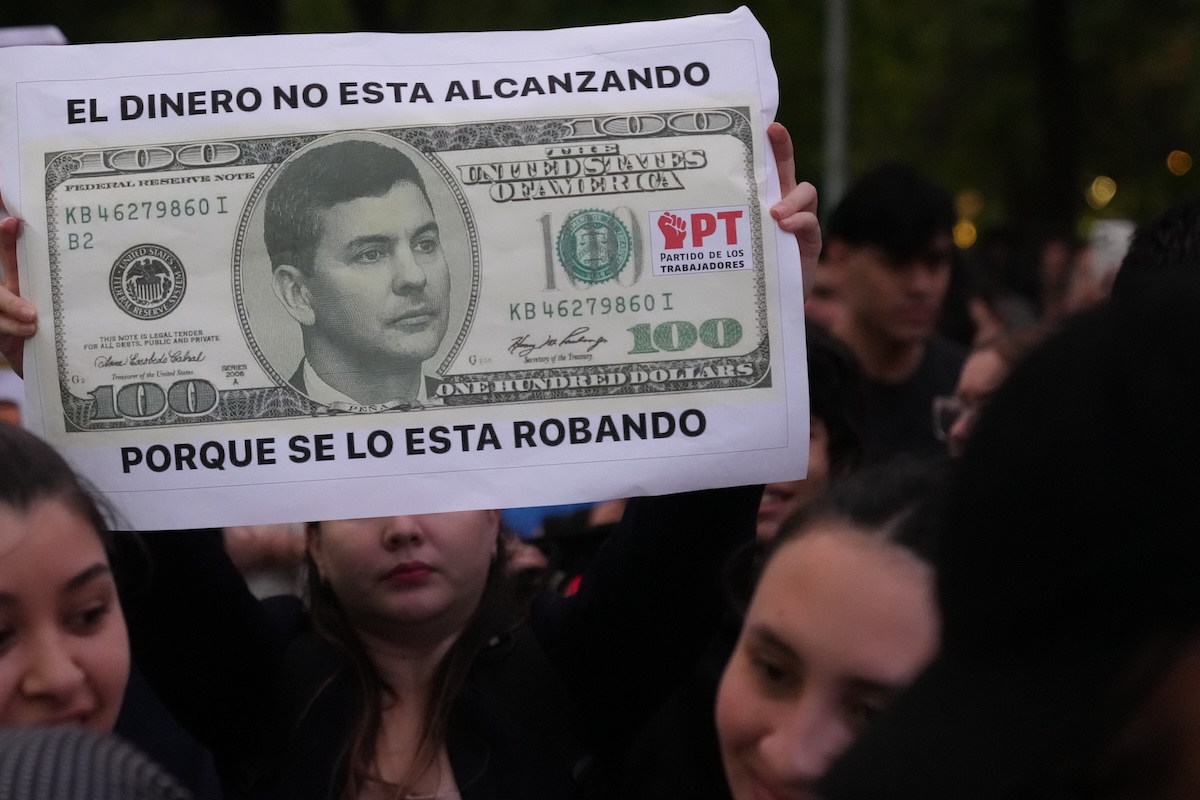
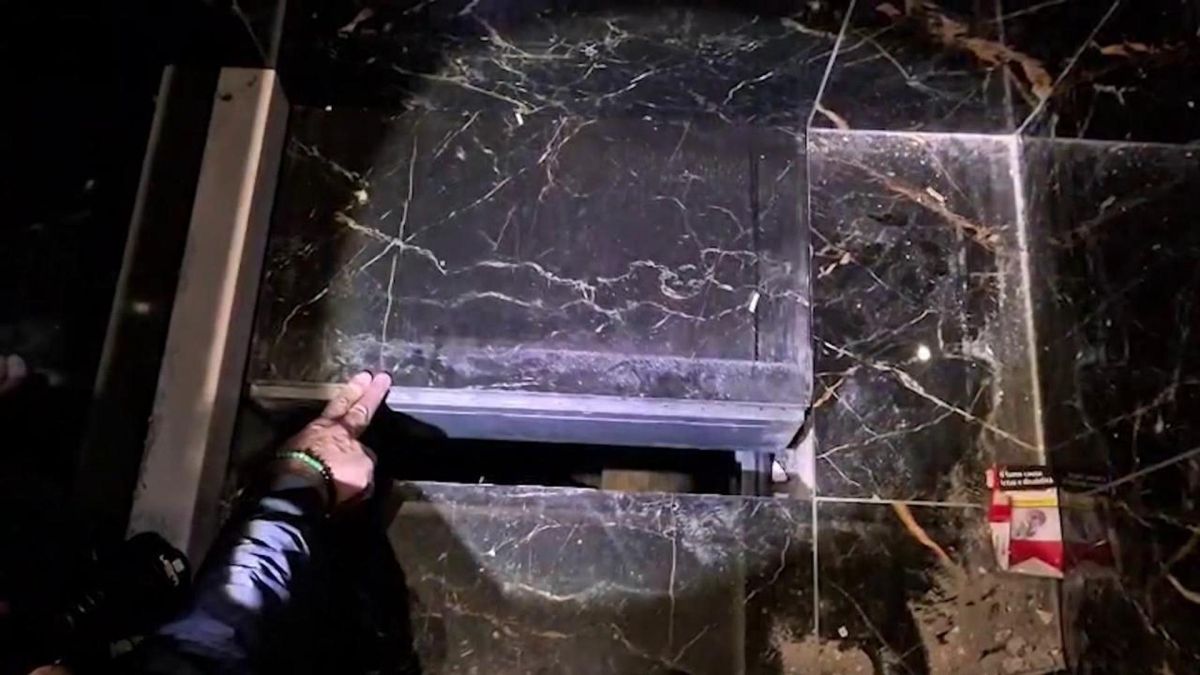
In the villa of the former president of Paraguay, Santiago Peña, who was deposed and arrested, there is an inaccessible secret bunker, protected by sophisticated Israeli security systems, while investigations into his involvement in a financial scandal related to Ueno Bank continue. #Paraguay #SantiagoPeña #corruzione (translated)

www.ilpost.it
Il bunker segreto che non si riesce ad aprire nella casa dell’ex presidente del Paraguay
2650
L
lastampa.it 3w

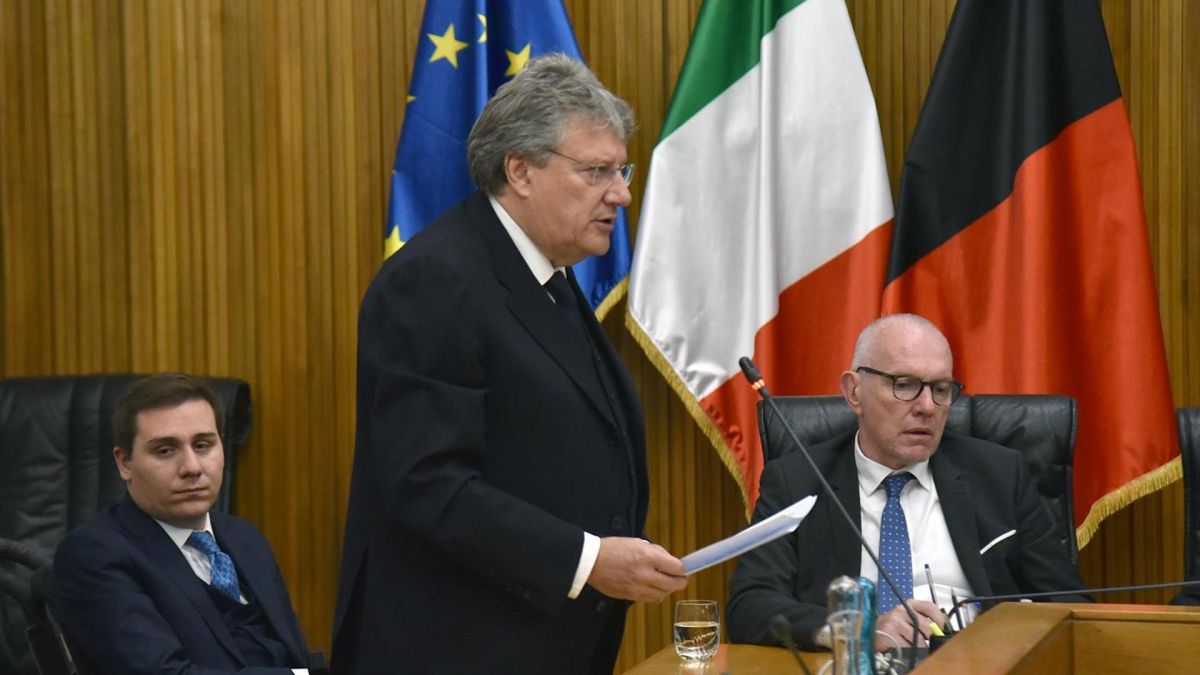
Aurelio Marguerettaz has been elected the new president of Valle d'Aosta with 21 votes, while the request for a secret ballot by the opposition led to unexpected results for the majority. #Aosta #Marguerettaz #politica (translated)

www.lastampa.it
Marguerettaz eletto presidente della Valle d’Aosta. E in Consiglio arriva un voto in più
2661
L
lastampa.it 4w

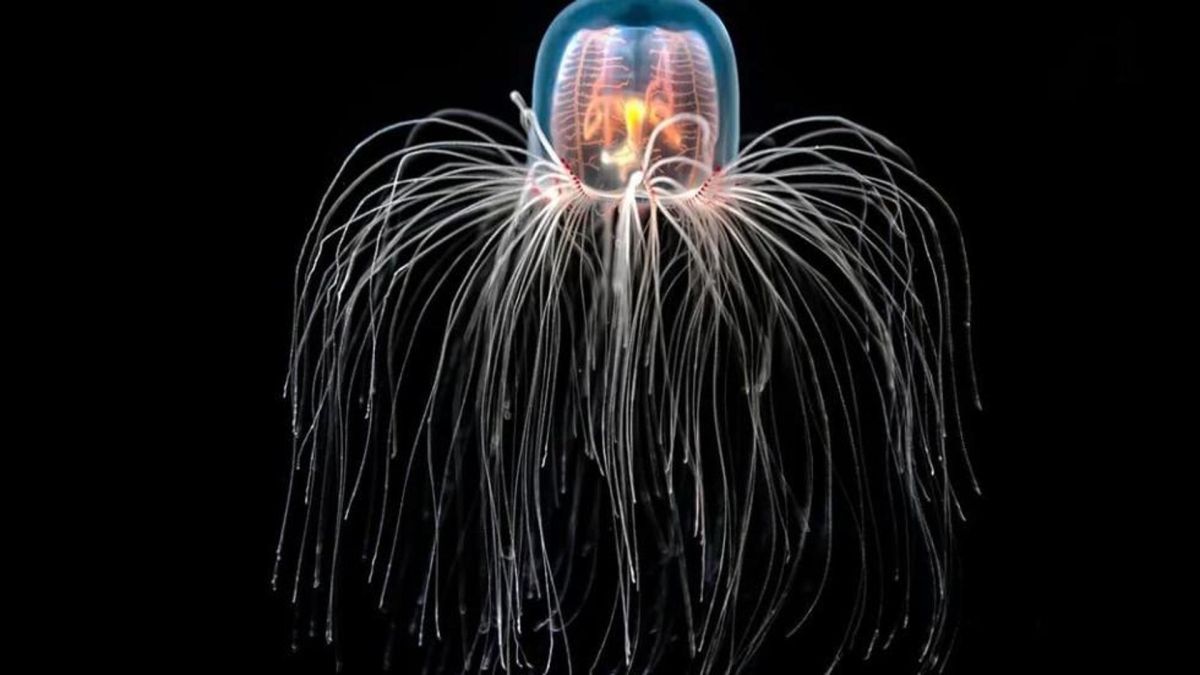
The immortal jellyfish Turritopsis dohrnii possesses a genetic secret that could challenge the laws of aging, attracting the attention of biologists to its DNA. #MedusaImmortale #Genetica #Invecchiamento (translated)

www.lastampa.it
Nella medusa immortale il segreto genetico che sfida l’invecchiamento
3028
Il Messaggero 4w

The Pentagon has developed a secret plan, named Fortress, to ensure that U.S. military bases can operate independently for 90 days without energy or supplies, in anticipation of a global war and possible disruptions to civil infrastructure. #Pentagono #guerra #difesanaionale (translated)

www.ilmessaggero.it
Pentagono, il documento segreto Usa per prepararsi a una guerra globale: «Un piano per resistere 90 giorni senza energia e rifornimenti»
2912
Il Messaggero 4w

The Pentagon has drawn up a secret document called Fortress to prepare for a global war, anticipating that American military bases will be able to operate independently for 90 days without energy and supplies. #Pentagono #DifesaNazionale #PianoFortress (translated)

www.ilmessaggero.it
Pentagono, il documento segreto "Fortress" per prepararsi a una guerra globale: «Un piano per resistere 90 giorni senza energia e rifornimenti»
2912
L
lastampa.it 4w

Valentino Gionta Jr, 35 years old and the grandson of a notorious mafia boss, has been arrested by the police in Naples after being found in a secret bunker inside his home, accessible via a remote control from the bathroom and equipped with a TV, PlayStation, and an emergency exit. #ValentinoGionta #ClanGionta #TorreAnnunziata (translated)

www.lastampa.it
Tv, PlayStation e uscita d'emergenza: il bunker nascosto sotto al bagno dove si nascondeva il boss
2563
Il Fatto Quotidiano Oct 23

A ProPublica investigation reveals a secret agreement between the United States and the Nabep company that guarantees exclusive rights to Venezuela's oil resources for a century, to the detriment of Venezuelan sovereignty and without any guarantees for Caracas. #Trump #Petrolio #Venezuela (translated)

www.ilfattoquotidiano.it
Trump e il petrolio del Venezuela: l’accordo segreto che tutela gli investitori Usa e lascia Caracas senza garanzie
2917
Il Messaggero Oct 21

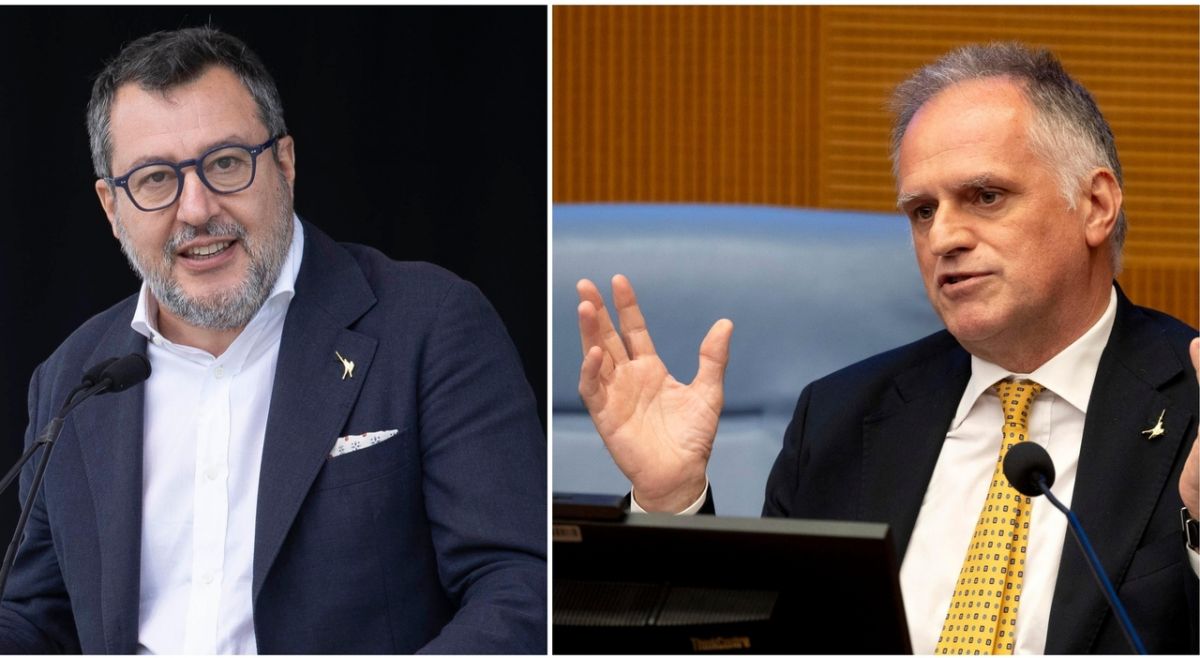
Massimo Garavaglia has collected 80 signatures to challenge Matteo Salvini at the League congress, which will be held in Milan this weekend, in a competition characterized by a secret ballot. #CongressoLega #Garavaglia #Salvini (translated)

www.ilmessaggero.it
Congresso Lega, sarà corsa a due (con voto segreto). Garavaglia ha le firme per sfidare Salvini
2920
Il Sole 24 ORE Oct 21

Massimo Garavaglia has officially presented his candidacy for the extraordinary congress of the League, gathering the necessary signatures to challenge Matteo Salvini in a secret vote scheduled for October 24 and 25 in Milan. #Lega #Garavaglia #Congresso (translated)

www.ilsole24ore.com
Lega, Garavaglia raggiunge le firme per la candidarsi: sfiderà Salvini a scrutinio segreto
2920