WRLD

Search

#strada
Il Sole 24 ORE 17h

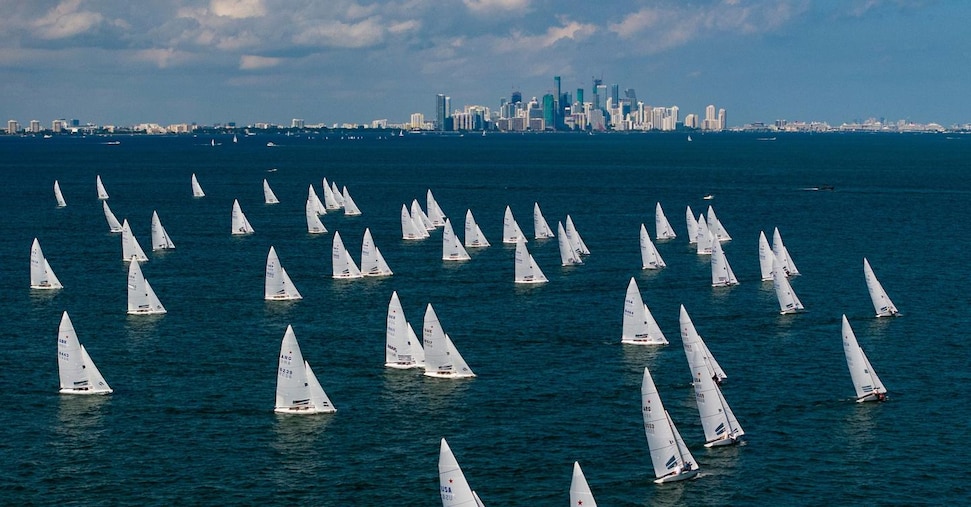
Diego Negri, winner of the third Star World Championship at 55 years old, celebrates the importance of wind knowledge and sailing strategies in this classic sailing school, while new hulls continue to emerge in Italy and generational change is making its way among sailors. #Vela #Sport #Ambiente (translated)
www.ilsole24ore.com
Negri come Straulino, la Star è ancora scuola di vela
1898
ANSA.it 19h

Prime Minister Giorgia Meloni emphasizes the importance of honoring road victims by renewing the commitment to road safety through education and awareness, involving all institutions and society. #SicurezzaStradale #MemoriaVittime #ImpegnoAttivo (translated)

www.ansa.it
Meloni: 'Rinnovare l'impegno per impedire altre vittime della strada'
2368
marialuisa 1d

Marialuisa wrote that Marina had told Piera and Ale that, after receiving hate and insults on the street during her first experience on GF, she had shut herself in her house due to severe panic attacks. She criticized those who, according to her, did the same to Piera, including some of her fans, calling the behavior shameful. #gfvip #alepier #gfvip #panico #vergogna (translated)

2401
Il Fatto Quotidiano 1d

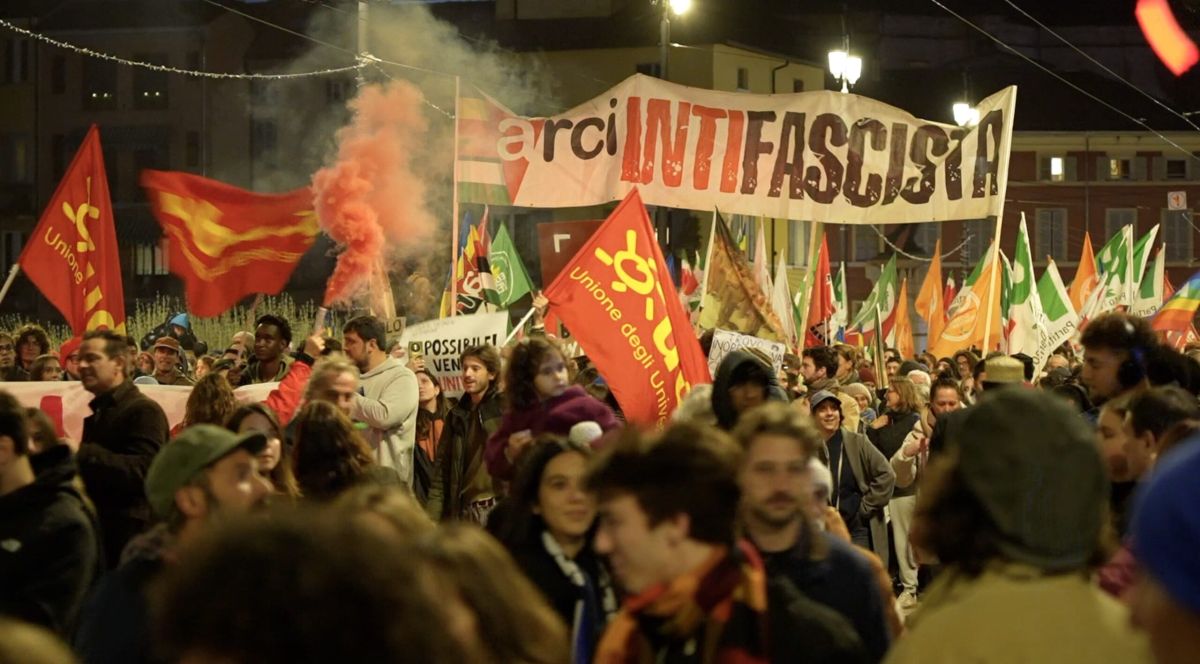
In Parma, twenty thousand anti-fascists marched against a procession of 1,500 supporters of repatriation, with the mayor declaring the necessity to take to the streets against fascism. #Antifascismo #Casapound #Parma (translated)

www.ilfattoquotidiano.it
A Parma ventimila antifascisti sfilano contro i 1.500 pro-remigrazione. Il sindaco: “Quando i fascisti arrivano nella nostra città, bisogna scendere in strada”
2618
ANSA.it 2d

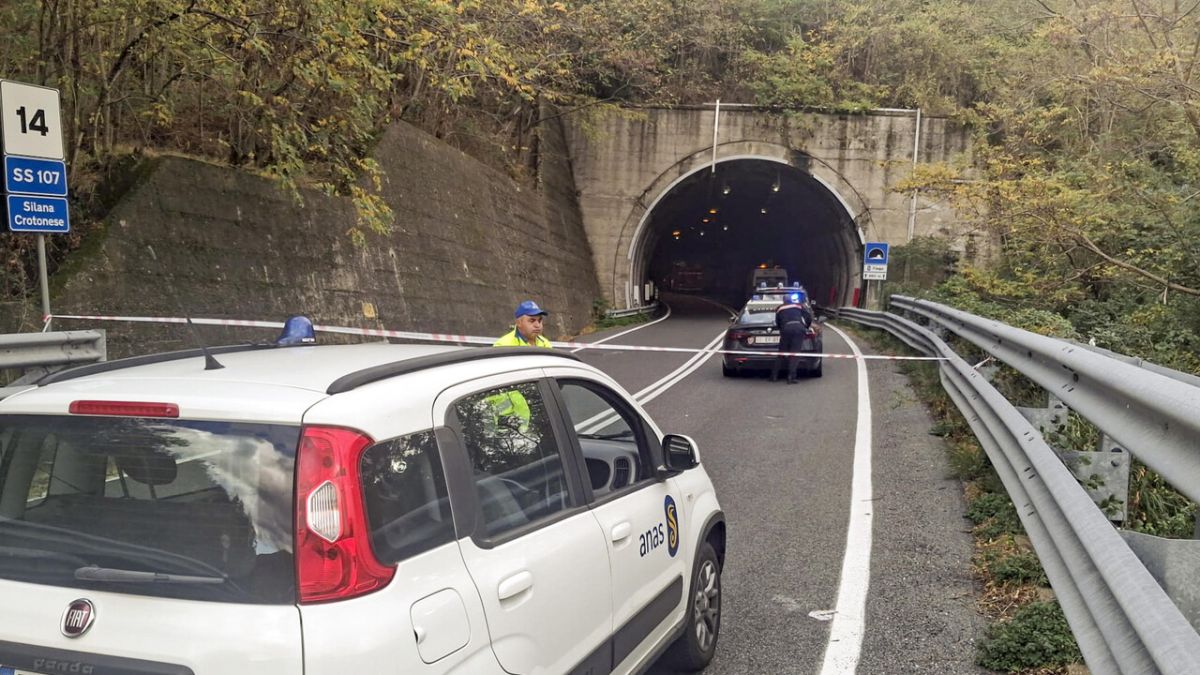
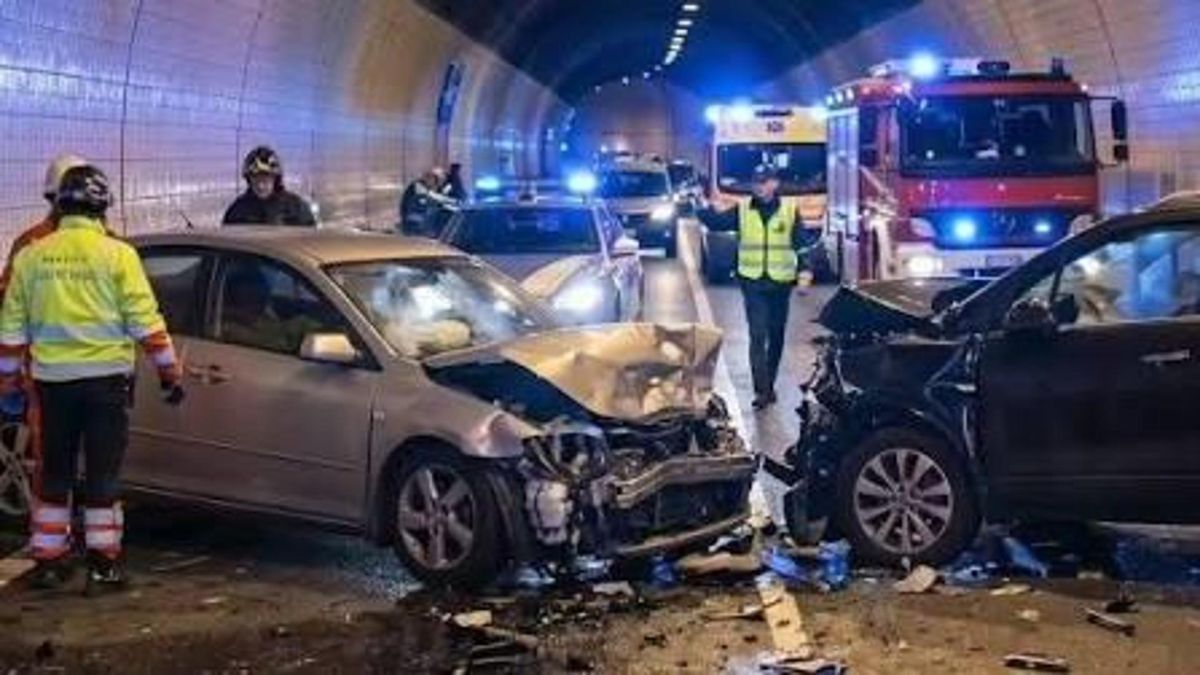
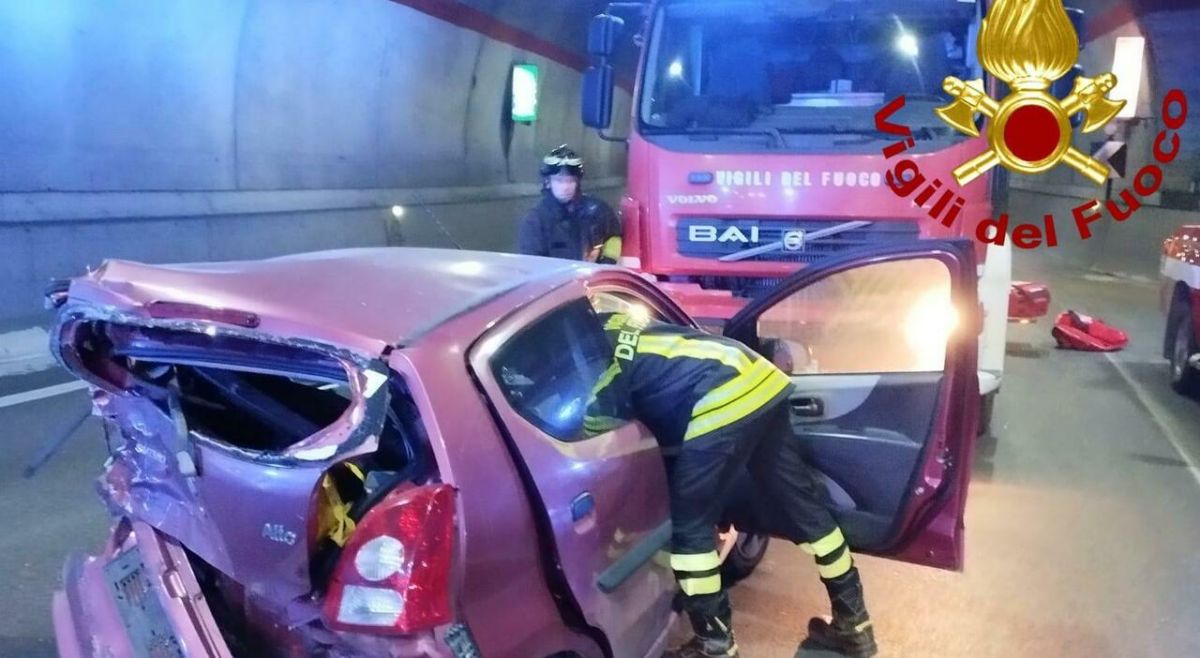
Four people died and one was seriously injured in a traffic accident that occurred in the tunnel of State Road 107 in San Fili, in the province of Cosenza, where two cars collided. #IncidenteStradale #SanFili #Cosenza (translated)

www.ansa.it
Scontro tra due auto in galleria, 4 morti e una ferita grave nel Cosentino
1846
ANSA.it 2d

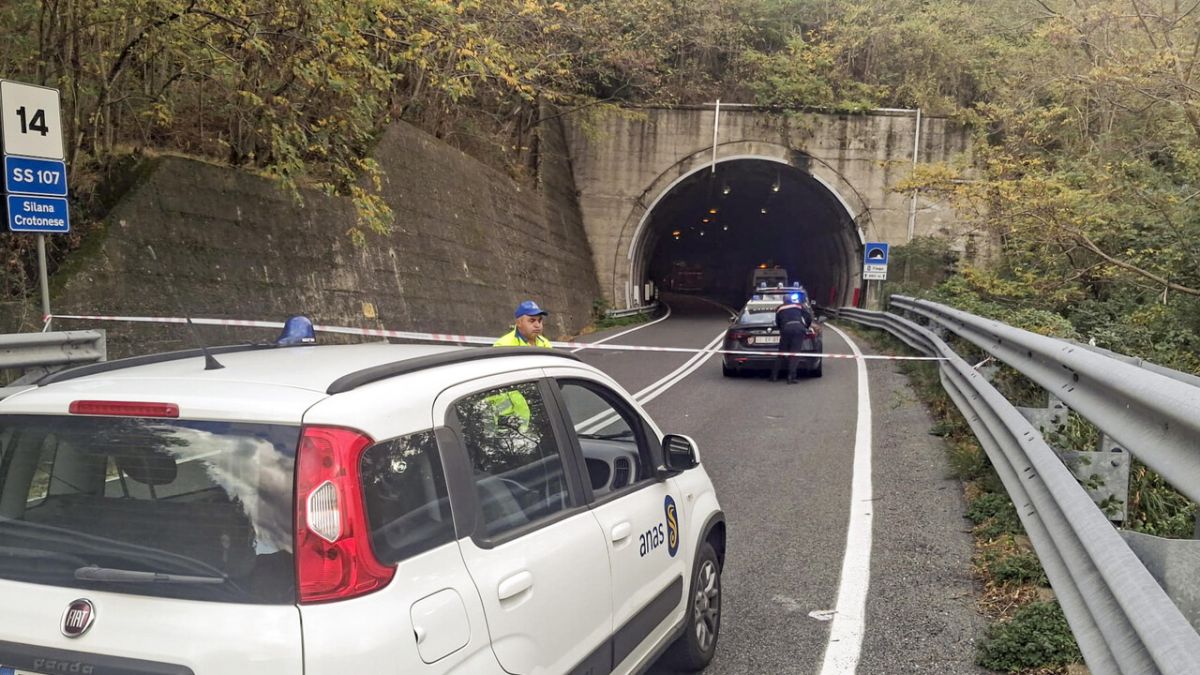
Five people, including three women and a man in a Jaguar and the driver of an Opel, died in a road accident inside a tunnel on State Road 107 in San Fili, in the province of Cosenza. #IncidenteStradale #SanFili #Cosenza (translated)

www.ansa.it
Scontro tra due auto in galleria, cinque morti nel Cosentino
1858
L
lastampa.it 2d

A traffic accident on the state road 107 in San Fili, in the Cosentino area, caused the death of four people and seriously injured another, with the collision occurring between two cars inside a tunnel. #IncidenteStradale #Cosenza #QuattroVittime (translated)

www.lastampa.it
Scontro tra due auto nel Cosentino: quattro vittime e un ferito grave
1900
ANSA.it 2d

A traffic accident in a tunnel caused the death of four people and one serious injury on State Road 107 in San Fili, in the province of Cosenza. #IncidenteStradale #SanFili #Cosenza (translated)

www.ansa.it
Scontro tra due auto in galleria, quattro vittime e un ferito grave
1902
Il Messaggero 2d

Four people have died and one has been seriously injured in a car accident that occurred inside the San Fili tunnel on State Road 107 in Cosenza. #IncidenteStradale #Cosenza #Tragedia (translated)

www.ilmessaggero.it
Incidente tra due auto nella galleria San Fili a Cosenza: 4 morti e un ferito grave
1904
Il Sole 24 ORE 2d

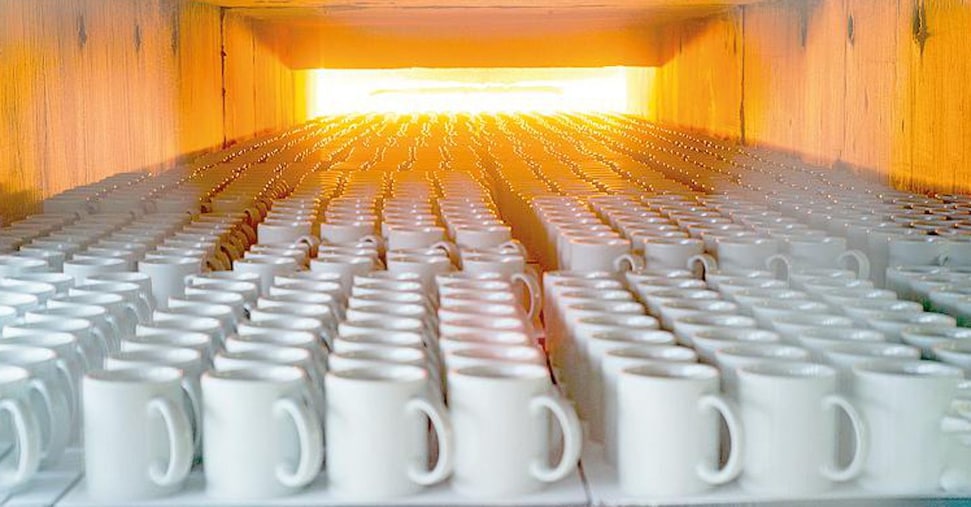
The European emission rules will have to take into account industrial specificities, paving the way for benchmarks for the fuels used in ceramic production, a result expected by the sector and the result of an agreement reached after intense talks in Brussels. #ceramica #Ue #decarbonizzazione (translated)

www.ilsole24ore.com
Ets, le regole europee dovranno misurare le specificità industriali
2874
Giancarlo Giorgetti 2d

"It's yet another confirmation that we are on the right track," comments Italy's Minister of Economy, Giancarlo Giorgetti, "In such difficult times, a confirmation represents success." #Italia #RatingEconomico #CrescitaEconomica (translated)

3005
Giancarlo Giorgetti 2d

"It's further confirmation that we are on the right track," commented the Minister of Economy, Giancarlo Giorgetti, in the heat of the moment. "In such difficult times, a confirmation represents a success." #Italia #Rating #CrescitaEconomica (translated)

3005
Mario Sechi 2d
Italian journalist

Giancarlo Giorgetti described the confirmation of the rating by S&P in a difficult period as a success. The Minister of Economy added that the positive outlook represented an additional confirmation of the path taken. #economia #finanza #rating #IT (translated)

2895
Luciano Magaldi Sardella (PhD) 2d

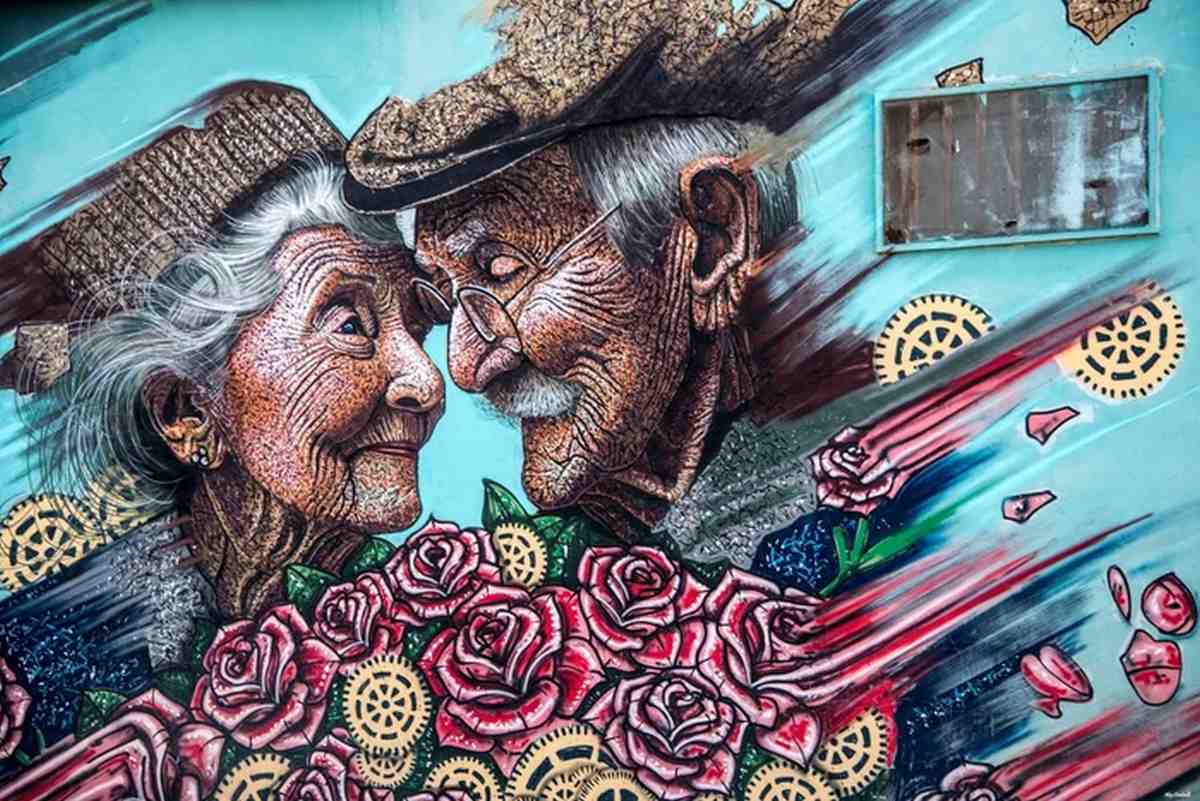
"GAZZETTA H24": STREET ART, STORNARA JOINS THE WIPO REPORT ALONGSIDE THE GREAT CITIES OF THE WORLD SOURCE: https://www.gazzettah24.it/street-art-stornara-entra-nel-rapporto-wipo-accanto-alle-grandi-citta-del-mondo/ ------------------------------------------------------------------- From "ghost town" to global model cited in Geneva: the cultural bet of Stornara Life APS captures the attention of WIPO. --------------------------------------------------------------------  STORNARA (FG) - There is a Southern Italy that makes little noise. It lies among the fields of wheat and rural roads of Capitanata, far from the main routes of mass tourism. Until a few years ago, Stornara, in the province of Foggia, was the typical town that statistics dismiss with a cruel adjective: "peripheral." Today, its name appears in an analysis from WIPO, the "World Intellectual Property Organization", the United Nations Agency in Europe based in Geneva. "Stornara Life APS" alongside Berlin, New York, Los Angeles, Paris, and Melbourne. ------------------------------------------------------------------ A report that looks at the walls of the world The text is titled "From Local Scenes to Global Recognition: Talent Mobility in Street Art". It is authored by three WIPO economists, Egbert Amoncio, Alexander Cuntz, and Alessio Muscarnera, and has been published in the "Creative Industries Insights" series. To build it, the authors started from data from the "Street Art Cities" platform. The technical note talks about approximately 74,000 geolocated works, collected and shared by street art enthusiasts worldwide. The fundamental questions are simple. Where does street art originate? Who travels to paint it? Which cities manage to attract outside talent? The first answer dismantles a common misconception. Street art is a profoundly local phenomenon. About one in five artists also works abroad, while the vast majority paint in their own city or in nearby ones. Among the few who cross borders, almost 40 percent are "highly mobile": they build an international artistic brand without severing their roots. These include the cases of Banksy, Os Gemeos, and Invader, whose walls appear on multiple continents. The authors use an effective term: street art is "glocal," rooted in its territory but capable of generating global circuits of talent and recognition. -------------------------------------------------------------------- The magnets of the world When asked which cities attract the most foreign artists, the map is fascinating. North America weighs heavily, with New York, Los Angeles, and Miami. Western Europe offers a dense network of opportunities, from Berlin to Amsterdam, from Vienna to Ghent, from Basel to Rotterdam, favored by the festival circuit and the freedom of movement within the Schengen area. Lisbon and Barcelona have focused on municipal support policies. Melbourne is the only representative from Oceania, and Northern Europe relies on Bergen, London, Belfast, and Stavanger. In this scenario of capitals and metropolises, the report includes an Italian exception, from Puglia, Foggia: Stornara, a small agricultural town of about 6,000 inhabitants, has been a destination for mural talents since 2018. It shows how street art can spark the rebirth of a community: thanks to the annual "Stramurales International Street Art Festival," born in 2017 from the strong will to combat urban and socio-economic decline by the founders of the social promotion association "Stornara Life APS,” Lino Lombardi and his local "Banda dei Fischietti," it has accumulated over 173 murals. About fifty of these are works by high-level international artists, with Google Trends data since 2017 showing notable interest in the mural tourism destination, indicating that the international festival has now captured national and international attention. It has also become the first academic case study in the world on a street art festival, "Street Art as Public Health Infrastructure," published in the prestigious academic journal "Harvard Health and Human Rights Journal" from Harvard University. Written by researcher Luciano Magaldi Sardella from Orta Nova and professor Matteo Mantuano from Lucera, this corresponds to the demonstration that an idea, an association, and the willingness of a community can change the identity of a place "forgotten by God." This is also recounted by those who have followed the story from the outside: the town, once little accustomed to visitors, now welcomes international tourists, individuals, groups, and schoolchildren who come to see its over 173 murals. ----------------------------------------------------------------- The secret is in density The data that has sparked pride in Stornara is this: it's not the volume that matters, it's the proportion. The organizers propose a simple indicator: works by foreign artists divided by the number of residents, multiplied by 100,000. With about over 50 international works and a population of a few thousand residents, Stornara reaches several hundred foreign works for every 100,000 inhabitants. This is a value that metropolises, with millions of residents, cannot approach. The meaning must be read accurately, and this is where the beauty of the matter lies. No one claims that Stornara has more foreign murals than New York. The point is that, in relation to its scale, few places in the world concentrate so much international art per inhabitant. The impact does not disperse in a megalopolis: it settles in every street, on every facade, in the daily life of those who live there. The most interesting part of the report looks beyond the ranking. The authors write that the value of street art extends well beyond the painted surfaces. Cities like Stornara demonstrate how urban art attracts tourism, generates media coverage, and can stimulate local businesses while strengthening community bonds and restoring the psychosocial well-being that could counter the perpetual Southern decline. However, the report adds a valuable warning: success depends on careful implementation and the involvement of artistic communities. Top-down initiatives risk being perceived as "predatory" by artists who care about the credibility of street art. The global model Stramurales appears to have avoided this pitfall. Field studies tell of walls donated by residents, week-long artist residences, and public discussions on the themes to be addressed. -------------------------------------------------------------------- The lesson of a town The report concludes with an idea that holds true for both Stornara and Berlin: the vitality of street art sinks its roots in local contexts. It arises from communities, speaks of their problems, and is made by artists immersed in their urban environments. The artistic family of "Stornara Life APS" understood this before many regional and local politicians, creating their walls into an open-air museum, a promise, and opening them to the world without ceasing to be themselves. In this official report from the Geneva Agency of the United Nations in Europe that measures the ability to attract talent, this results in, perhaps, the most precious value. Being cited alongside the great capitals of urban art while remaining, after all, a rural provincial town where every wall tells a colorful world of glocal stories. (translated)

www.gazzettah24.it
Street art, Stornara entra nel rapporto WIPO accanto alle grandi città del mondo
223
Donald J. Trump 2d
President of the United States (2017–2021; since 2025)

Tramps announced last week that he is working on a "big, wonderful deal" that could involve all of Europe, but he did not elaborate further. #Eiropa #Krievija #drošība (translated)

3454
Donald J. Trump 3d
President of the United States (2017–2021; since 2025)

Tramps announced last week that he is working on a "big, wonderful deal" that could involve all of Europe, but did not elaborate further. #Ukraina #Eiropa #mierassarunas (translated)

3455
Apollo.lv 3d

We call to introduce a ban on the transit of grain from Russia and Belarus, taking into account the increasing volume of grain and the need to find immediate solutions while working on a coordinated regulatory level with the EU. #grauduTranzīts #Krievija #Baltkrievija (translated)

pmo.ee
ĀM rosina ieviest Krievijas un Baltkrievijas graudu tranzīta aizliegumu, izmantojot nacionālo sankciju mehānismu
2899
Il Messaggero 3d

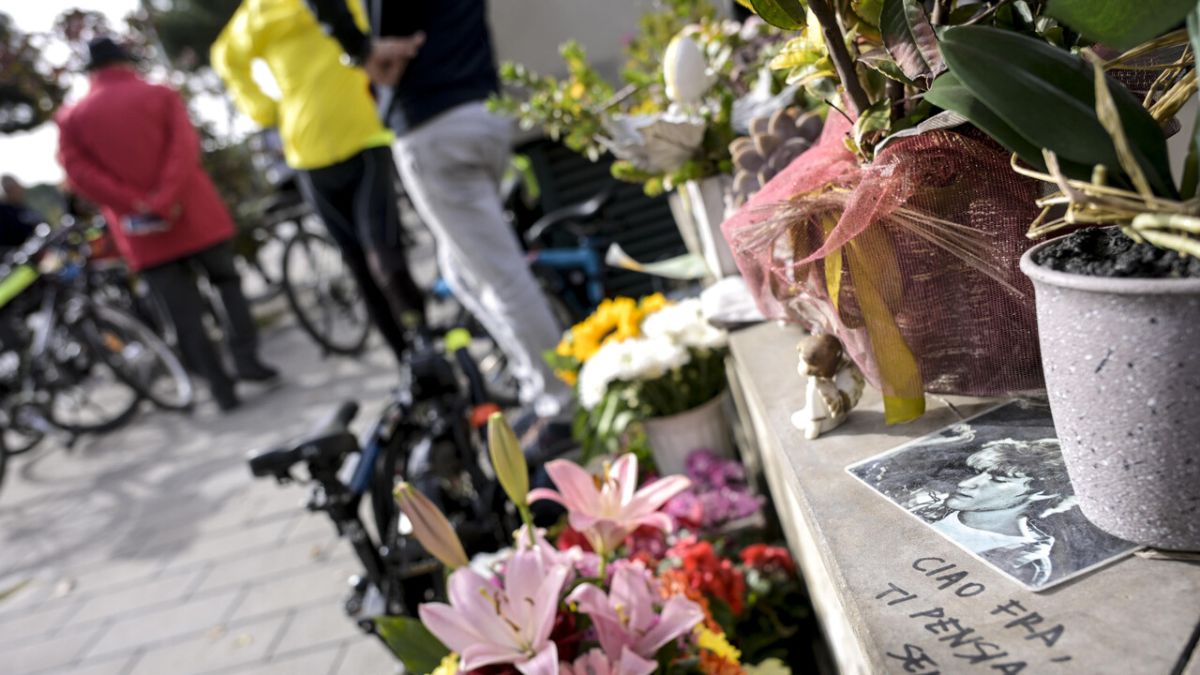
Graziella Viviano, mother of Elena Aubry, made an urgent appeal to President Mattarella to address the issue of road safety and prevent other families from experiencing her same pain, urging to transform grief into concrete actions. #SicurezzaStradale #GiustiziaPerElena #VittimeDellaStrada (translated)

www.ilmessaggero.it
Elena Aubry, la mamma al Presidente Mattarella: «Basta strade insicure, evitiamo che altre madri vivano il mio dolore»
2788
Litera 9 3d

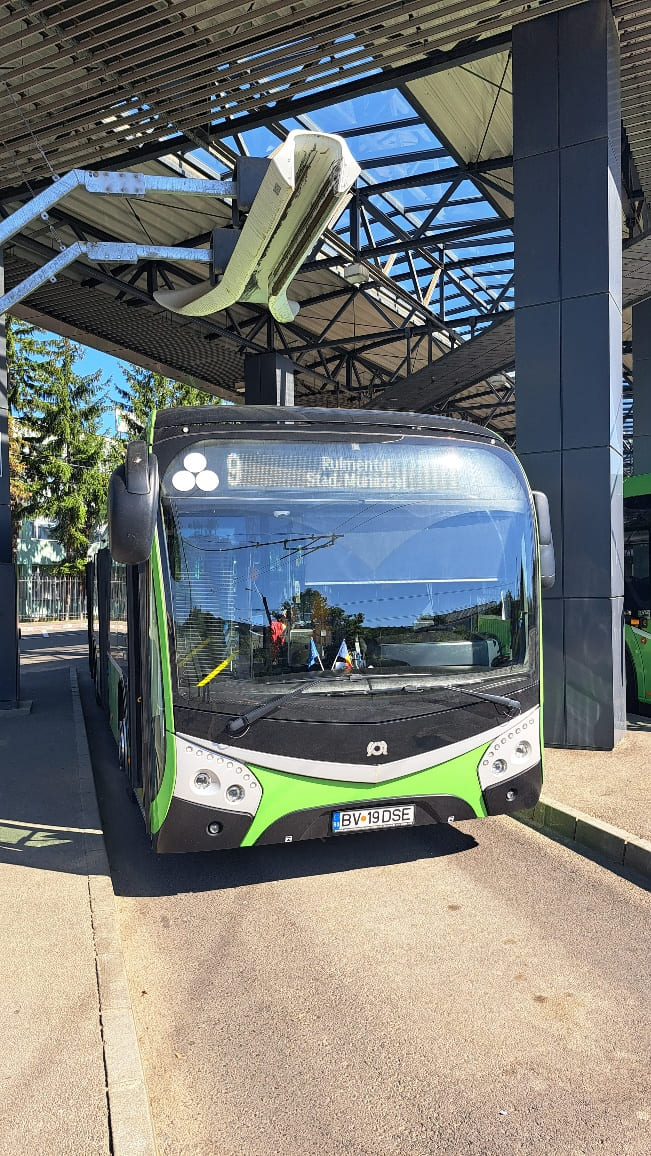
Lines 2B and 9 will continue to operate on December 1, 1918 street for another month. https://litera9.com/liniile-2b-si-9-vor-continua-sa-circule-pe-strada-1-decembrie-1918-pentru-inca-o-luna/ (translated)

446
Luciano Magaldi Sardella (PhD) 3d

“VIVERE PUGLIA”: STRAMURALES: STORNARA IN THE “GLOBAL TOP 20” OF THE REPORT OF THE UNITED NATIONS AGENCY OF EUROPE SOURCE: https://www.viverepuglia.it/2026/11/12/stramurales-stornara-nella-global-top-20-del-rapporto-dellagenzia-delle-nazioni-unite-deuropa/207030/ ------------------------------------------------------------------- From “ghost town” to global model cited in Geneva: the cultural bet of Stornara Life APS captures the attention of WIPO There is a South Italy that does not make much noise. It lies among the wheat fields and rural roads of Capitanata, far from the main routes of mass tourism. Until a few years ago, Stornara, in the province of Foggia, was the typical town that statistics dismiss with a cruel adjective: “peripheral.” Today its name appears in a WIPO analysis, the “World Intellectual Property Organization,” a United Nations agency in Europe based in Geneva. So, Stornara stands alongside Berlin, New York, Los Angeles, Paris, and Melbourne. ------------------------------------------------------------------- A report that looks at the walls of the world The text is titled From Local Scenes to Global Recognition: Talent Mobility in Street Art. It is authored by three WIPO economists, Egbert Amoncio, Alexander Cuntz, and Alessio Muscarnera, and has been published in the “Creative Industries Insights” series. To build it, the authors started from data from the “Street Art Cities” platform. The technical note discusses about 74,000 geolocated works collected and shared by street art enthusiasts worldwide. The underlying questions are simple. Where does street art originate? Who travels to paint it? Which cities manage to attract talent from outside? The first answer dismantles a common misconception. Street art is a profoundly local phenomenon. About one in five artists also works abroad, while the vast majority paint in their own city or nearby ones. Among the few who cross borders, nearly 40 percent is “highly mobile”: they build an international artistic brand without severing their roots. These include cases like Banksy, Os Gemeos, and Invader, whose works appear on multiple continents. The authors use an effective term: street art is “glocal,” rooted in its territory yet capable of generating global circuits of talent and recognition. -------------------------------------------------------------------- The magnets of the world When asked which cities most attract foreign artists, the map is fascinating. North America weighs in terms of size, with New York, Los Angeles, and Miami. Western Europe offers a dense network of opportunities, from Berlin to Amsterdam, from Vienna to Ghent, from Basel to Rotterdam, fueled by the festival circuit and the freedom of movement within the Schengen area. Lisbon and Barcelona have focused on municipal support policies. Melbourne is the only representative from Oceania, while Northern Europe relies on Bergen, London, Belfast, and Stavanger. In this landscape of capitals and metropolises, the report includes an Italian, Apulian, Foggian exception: Stornara, a small agricultural town of about 6,000 residents, has been a destination for mural talent since 2018. It shows how street art can trigger a community's revival: thanks to the annual “Stramurales International Street Art Festival,” born in 2017 from the determined will to combat urban and socio-economic decline by the founders of the social promotion association Stornara Life APS, Lino Lombardi and his local Banda dei Fischietti, it has accumulated over 173 murals. About fifty are works by high-level international artists, with Google Trends data since 2017 showing a remarkable interest in the tourism-mural destination, indicating that the international festival has now captured national and international attention. It has also become the first monographic academic case study in the world on a street art festival, “Street Art as Public Health Infrastructure,” published in the prestigious global academic journal “Harvard Health and Human Rights Journal” of Harvard University, by researcher Luciano Magaldi Sardella from Orta Nova and professor Matteo Mantuano from Lucera. All this corresponds to the demonstration that an idea, an association, and a community's willingness can change the identity of a place “forgotten by God.” This is also told by those who have followed the story from the outside: the town, once unaccustomed to visitors, now welcomes international tourists, individuals, groups, and school classes coming to see its over 173 murals. ----------------------------------------------------------------- The secret lies in density The data that has ignited pride in Stornara is this: it’s not the volume that matters, but the proportion. The organizers propose a simple indicator: the works of foreign artists divided by the population, multiplied by 100,000. With about over 50 international works and a population of a few thousand residents, Stornara reaches several hundred foreign works per 100,000 inhabitants. It’s a value that metropolises, with millions of residents, cannot approach. The significance must be read accurately, and here lies the beauty of the thing. No one claims that Stornara has more foreign murals than New York. The point is that, relative to its scale, few places in the world concentrate so much international art per inhabitant. The impact does not dissipate in a megalopolis: it settles in every street, on every façade, in the daily lives of those who live there. The most interesting part of the report looks beyond the ranking. The authors note that the value of street art extends well beyond painted surfaces. Cities like Stornara demonstrate how urban art attracts tourism, generates media coverage, and can stimulate local commercial activities while strengthening community bonds and restoring the psychosocial well-being that could fend off enduring southern decline. However, the report adds a valuable warning: success depends on careful implementation and the involvement of artistic communities. Top-down initiatives risk being perceived as “predatory” by artists who care about street credibility. The global Stramurales model seems to have avoided this pitfall. Field studies recount walls donated by residents, week-long artist residencies, and public discussions on issues to address. ----------------------------------------------------------------- The lesson from a town The report concludes with an idea that applies to Stornara as much as to Berlin: the vitality of street art is rooted in local foundations. It arises from communities, speaks of their problems, and is made by artists immersed in their urban contexts. The artistic family of Stornara Life APS understood this before many regional and local politicians, turning their walls into an open-air museum, a promise, and opened them to the world while remaining true to themselves. In this official report from the Geneva-based United Nations agency in Europe that measures the capacity to attract talent, this is likely the most valuable outcome: being mentioned alongside the great capitals of urban art while remaining, after all, a rural provincial town where every wall tells a colorful world of glocal stories. (translated)

559