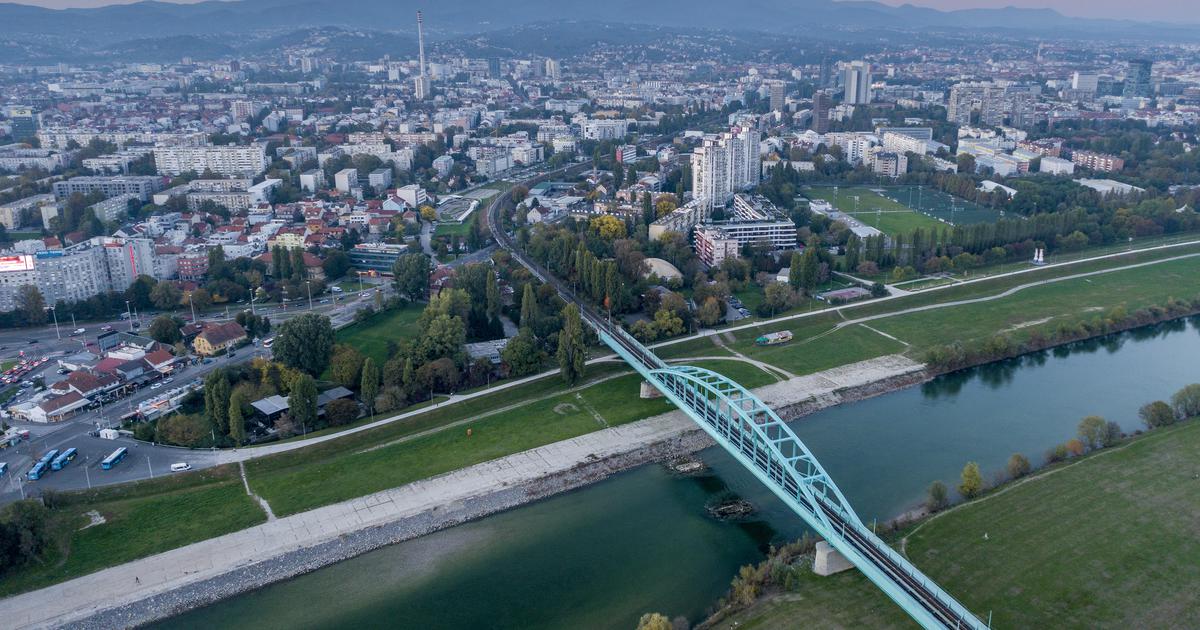
The article explores ways in which European cities can achieve resilience to increasingly severe climate changes, emphasizing the need for collaboration among communities, institutions, and infrastructure to confront challenges such as heatwaves and floods, along with examples of concrete solutions developed within the framework of the research project MULTICLIMACT. (translated)
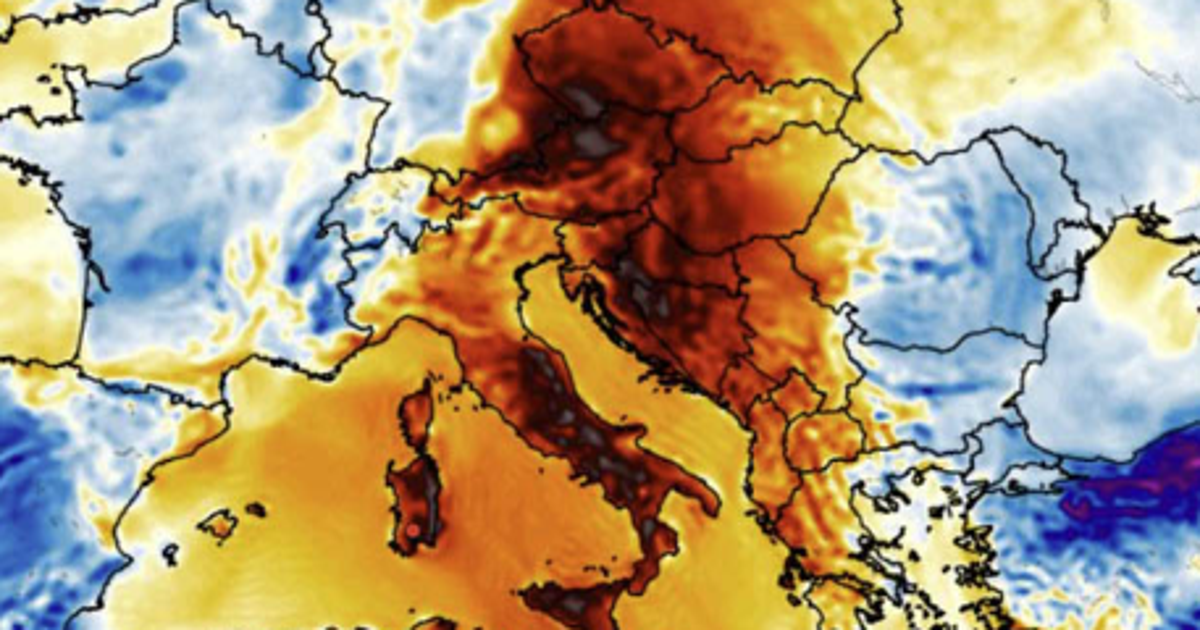
The sixth heatwave of this season brings temperatures up to 43 °C in northern Italy, eastern Croatia, and parts of the Balkans, along with tropical nights between 22 and 26 °C, which increases the risk of heat stress, especially among vulnerable groups. (translated)

According to provisional estimates from the Robert Koch Institute, Germany recorded around 14,000 heat-related deaths this summer due to intense heatwaves, marking the highest number to date, caused by climate change leading to record temperatures. (translated)
In the analysis of the State Hydrometeorological Institute (DHMZ), alarming data was recorded about the record duration of heat waves dangerous to health in Croatia, with the station Rijeka recording 20 consecutive days meeting the criteria for a heat wave from July 28 to August 16, 2026, which surpasses previous records in the analysis of eight meteorological stations. (translated)

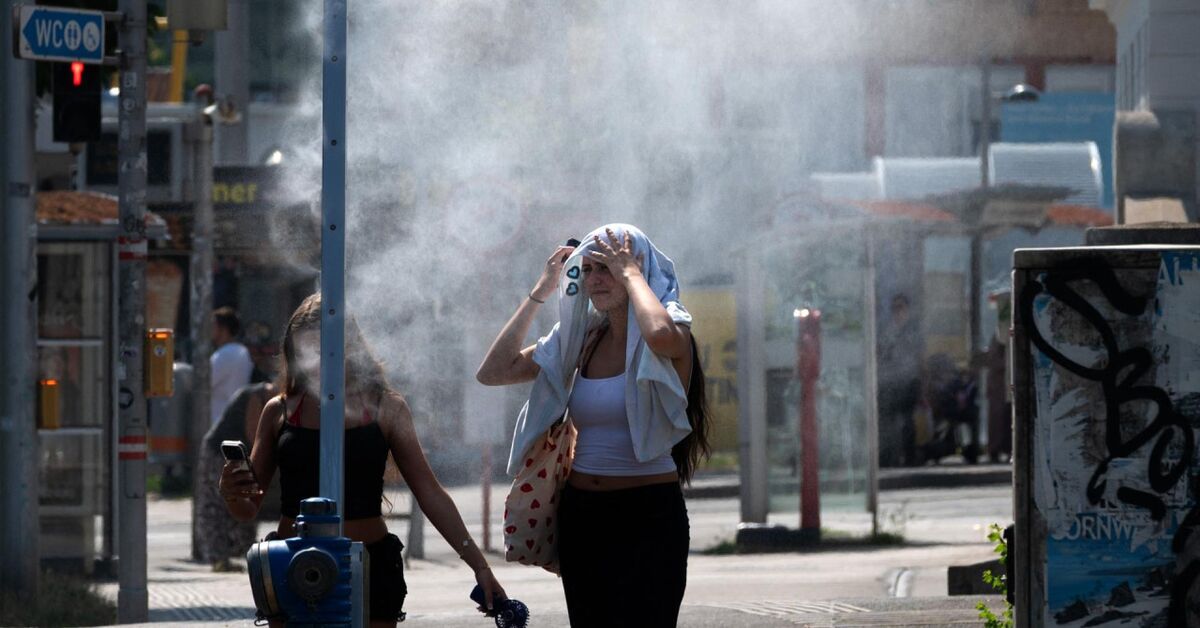
A new global study published in the journal Nature Climate Change reveals that as much as 70% of the world’s population experiences at least 90 days of intense heat stress each year, with increasingly frequent and prolonged dangerous heat, particularly felt in Europe where heat stress begins earlier and lasts almost until October. (translated)

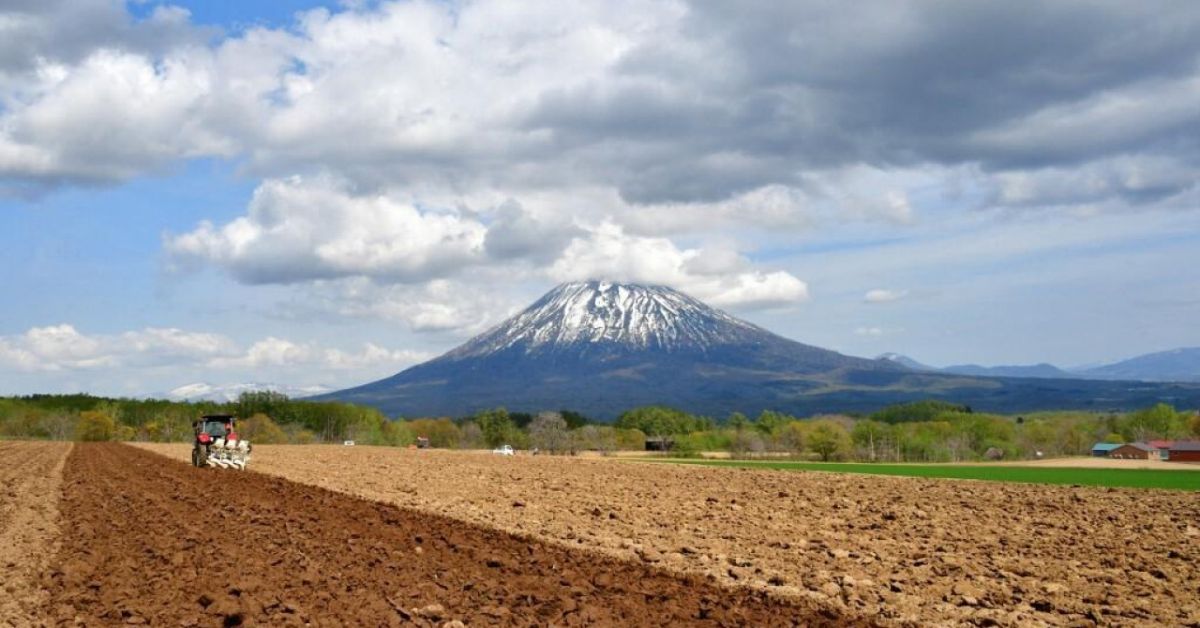
Extreme heatwaves that have struck East Asia, with record temperatures above 40 °C, have turned fields into ovens, destroying crops and leaving farmers in shock, while experts warn that such climate extremes are a new reality caused by global warming. (translated)

Europe is warming twice as fast as the rest of the world due to a combination of global and specific European factors, with climate change causing increasingly lethal consequences, including rising temperatures, extreme heatwaves, and increased mortality. (translated)
Europe is experiencing its fifth heatwave this summer, with record temperatures, drought, and wildfires, which is the result of prolonged high-pressure systems and climate change that is globally warming the planet. (translated)
With high temperatures that persist, health experts warn that some prescribed and over-the-counter medications may increase the risk of dehydration and heat stroke due to their ability to disrupt the regulation of body temperature and sensitivity to sunlight. (translated)

Austrian meteorologist Markus Wadsak warns that extreme temperatures, including this year's high heat, are the result of climate change, not just current weather conditions, emphasizing that global warming has altered patterns of atmospheric circulation and that high temperatures and droughts have become inevitable consequences. (translated)

Western Europe recorded the warmest June and July since temperature measurements began, with an average temperature of 21.62 degrees Celsius, which is 2.79 degrees above the average for June in the period from 1991 to 2020, while globally, July was the second hottest at 16.9 degrees. (translated)

Extreme heat paralyzes Europe, with high temperatures exceeding 40 degrees Celsius and protective measures such as the highest level of alert in Italy, turning off lights in Hungary and Romania, while the economic damage from wildfires is expected to exceed 15 billion euros. (translated)

Due to record heat and devastating wildfires, Italy has declared the highest level of health warning for larger cities, while Hungary turned off the lights on famous buildings to save energy, as all of Europe faces the consequences of the heatwave. (translated)

Europe is affected by an extreme heatwave with record temperatures, including 42.8°C in Italy, leading to a high health warning, the shutting down of public lighting in Hungary, and water supply issues for nuclear power plants. (translated)
Croatia is facing alarming consequences of climate change, as rivers like the Danube and Drava reach historically low levels, while extreme conditions with heat and the warming of the Adriatic Sea become a new reality. (translated)

Europe is facing record temperatures, and drought and low water levels in rivers are causing a reduction in electricity production in nuclear power plants, while the Danube leaves boats stranded on dry land in the port. (translated)
The year 2026 is already recording extreme climate conditions, including fires and heat in North America and Europe, but although it is currently the third hottest year, scientists warn that a future El Niño could cause a rise in temperatures and potentially set new records in the coming years. (translated)
The President of South Korea, Lee Jae Myung, declared a record heatwave a national disaster after a temperature of 42.5 degrees Celsius was recorded in Yangsan and 19 heat-related deaths occurred, calling for urgent measures to protect citizens and adjust power systems. (translated)

South Korean President Lee Jae Myung has called the record heatwave a national disaster and urged authorities to strengthen protective measures for the population, as the number of heat-related deaths has risen to 19. (translated)
Europe is facing one of the most serious hydrological crises in recent history, where high temperatures and prolonged droughts lead to record low water levels in rivers like the Danube and Drava, resulting in the suspension of industrial activities, problems with energy supply, and serious consequences for agriculture and aquatic ecosystems. (translated)