
Elias Linder wrote that the incident would never have happened if the students had had better conditions in school. https://t.co/g2fBc8lIkL #skola #utbildning #barnsrättigheter (translated)

Elias Linder wrote that the incident would never have happened if the students had had better conditions in school. https://t.co/g2fBc8lIkL #skola #utbildning #barnsrättigheter (translated)
Elias Linder wrote that a report from the Nobel Peace Prize winner Pillay described October 7 as the beginning of Israel's offensive in Gaza. He compared it to describing September 11, 2001, as the day the U.S. attacked Afghanistan. https://t.co/eCsX1YGFIC #fredspris #Gaza #konflikt (translated)

Elias Linder wrote that Andreas Gustavsson had asked on Holocaust Memorial Day whether people had thought about the 7.3 million Germans who died during World War II. #förintelsensminnesdag #andraVärldskriget #historie (translated)
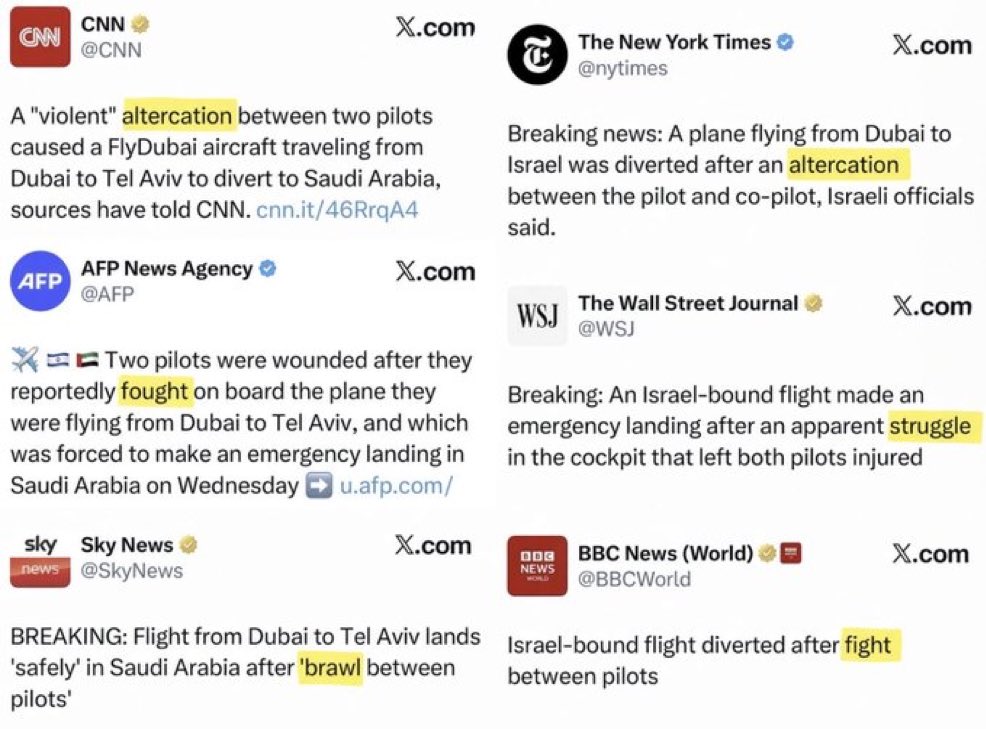
Tomorrow in Aftonbladet: "Israeli passengers violated international law by storming the cockpit in the middle of a flight and assaulted a pilot. What does this mean for Palestinians in the West Bank?" https://t.co/WxcqCMOm0U #Israel #Palestina #InternationellRätt (translated)
Magdas elitism avslöjas av retoriken: "Svenska folket har röstat bort Tidö." Hon exkluderar alltså explicit de 49,6 % som röstade på Tidö. Påpekar du dock att segermarginalen på 30.000 röster kom från importerade väljare så är det du som exkluderar. https://t.co/YMmg6nLZKI #politik #val #Sverige

Det är fullständigt legitimt att känna en viss grad av förakt mot det faktum att relativt nyanlända ”svenskar” nu har avgjort valet i direkt motsättning till etniska svenskars demokratiska önskemål. Föraktet bör dock riktas mot de politiker som har skapat eländet. #politik #demokrati #integration
Rent pragmatiskt så kan man inte klandra de rödgröna för sina importerade röster. Metoden är ju uppenbarligen extremt effektiv. Ingenting högern har i sin verktygslåda kommer ens i närheten. https://t.co/XdFGMUvbGF #politik #rödgröna #val2022

Om någon undrar varför svenska politiker är så besatta av Palestina så har ni alltså svaret här: https://t.co/LgAVYRZHIt #Palestina #Sverige #Politik

Såg precis en ung kvinna på tåget med vackert utsläppt brunt hår och tajta svarta jeans gå in i toaletten och komma ut med lång svart kjol och hijab. Nästa station är Södertälje. Religiöst förtryck finns runt oss överallt. Vi ser inte skogen för alla träd. #Religion #KvinnorsRättigheter #Samhälle
Dessa jubelidioter kommer eskalera tills de stoppas. Att jämföra ett krig mot världens mest radikaliserade jihadister i Gaza med historiens mest sofistikerade mördarmaskin som var Auschwitz, är en form av förintelseförnekelse. https://t.co/5PS7DuYF9X #Förintelse #Jihadism #Konflikt

Polisen konfiskerar den ökända Gaza-skylten som förringar förintelsen på Odenplan i Sthlm igår. Med tanke på alla Hamas- och Hezbollah flaggor de snart i tre år har ignorerat så är detta tämligen symboliskt och värdelöst. https://t.co/Ijyyw330Yb #Gaza #politik #yttrandefrihet

I och med att första och andra intifadan resulterade i över 1000 mördade civila israeler så bör Gretas t-shirt vara uppenbar uppvigling och därmed vara olaglig. https://t.co/J8FEBIiNN0 #Israel #Intifada #GretasTshirt

Jag frågar ännu en gång: vad är syftet med lagstiftning om hets mot folkgrupp när man kan gå runt med en original jävla Hamas-flagga och absolut ingenting händer? #yttrandefrihet #hetspolitik #manifestation
Claim it. Contact us at [email protected]