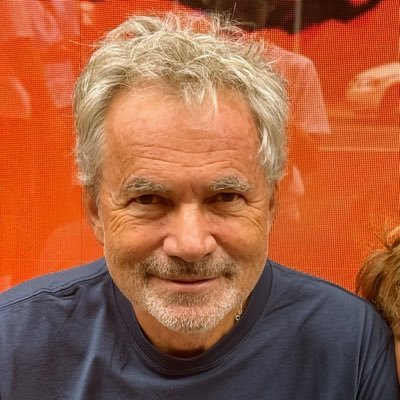
Martin Varsavsky stated that Pedro Sánchez had called for general elections on November 29, which, as he wrote, represented the third electoral advance. He also noted that the legislature was ending without new budgets and without any debate on the state of the nation. Varsavsky linked the call to the Congress's rejection, on Friday, of two housing decrees from the government, with the votes of PP, Vox, and Junts. He argued that in Moncloa they believed that social discontent could give them an opportunity and that the plan was to recover the measures and campaign with them. The author indicated that the decrees included mandatory extensions of leases and limited rent increases to 2% until the end of 2027. He added that, at the proposal of Sumar, they included mandatory renewals of five or seven years and a compensation of twelve monthly payments if the owner did not renew the contract. By way of comparison, Varsavsky cited Argentina's Rental Law of 2020. He asserted that the supply of apartments in Buenos Aires hit its historic low in February 2023 and that Javier Milei repealed the law in December of that year. According to his figures, in 2024 the supply increased by 195% and rents rose by 64%, against inflation close to 118%; for this reason, he stated that in real terms they fell for the first time since 2019. Varsavsky argued that if landlords could not reclaim their homes or update rents, they would withdraw them from the rental market or allocate them to seasonal rentals, which reduced the supply and made flats more expensive. He added that the young people camping in Sol were the ones who suffered the most. He also suggested that the elections would decide between more control and more supply, and mentioned land, permits, and construction as ways to increase it. #Elecciones2023 #Vivienda #Política (translated)