BETA nonprofit public democratic european moderated

Search

#AIAct
ANSA.it 1d

The European Commission has sent requests for information to more than 30 artificial intelligence companies as part of the initial enforcement actions of the AI Act, keeping the names of the companies involved confidential. (translated)

L'Ue chiede informazioni a 30 società di Intelligenza artificiale
ANSA.it 3w

The major tech companies, including Spotify and Anthropic, are mobilizing to label content generated by artificial intelligence in response to the European AI Act, implementing transparency measures such as invisible watermarks and new labels for AI-generated music, although such initiatives are raising concerns among users regarding privacy and the possibility of removing these identifications. (translated)

Da Spotify ad Anthropic, i big lavorano a etichettare l'IA

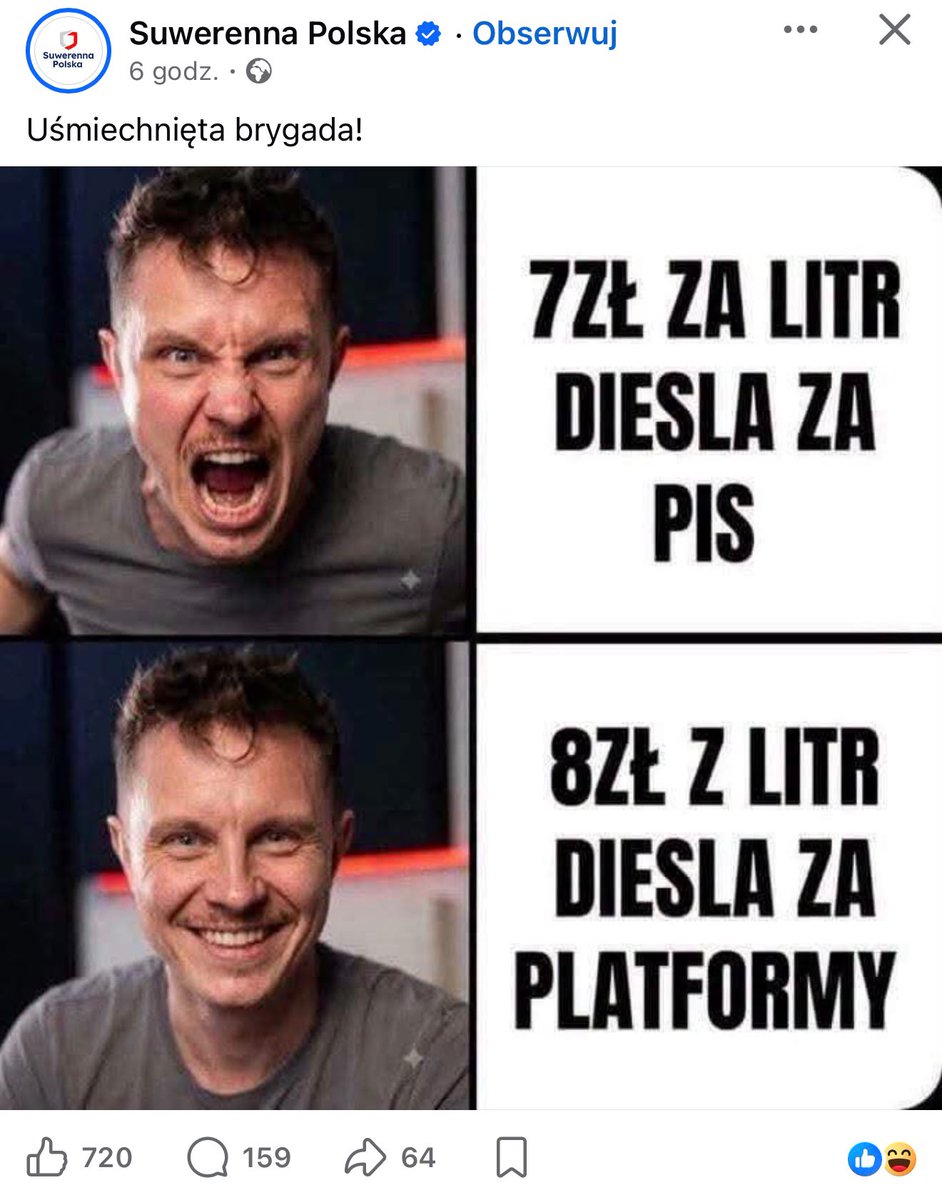
Hej @Suwerenna_POL , zdajecie sobie sprawę, że łamiecie prawo? Skoro już bawicie się w internetowe trolle na profilu politycznego zombie, mam dla Was dwa szybkie pytania. 1. Słyszeliście, że od kilkunastu dni (dokładnie od 2 sierpnia 2026 r.) w pełni obowiązuje unijny AI Act? Przepisy nakładają bezwzględny obowiązek wyraźnego oznaczania deepfake'ów i materiałów generowanych przez sztuczną inteligencję. Publikowanie politycznych baśni pod z góry założoną tezę nie łapie się na wyjątek o "użytku pozazawodowym". Gdzie jest obowiązkowe oznaczenie na Waszym materiale? 2. Preparowanie kradzionego zdjęcia, by włożyć mi w usta fałszywą narrację, to podręcznikowe naruszenie dóbr osobistych. Nie będę się bawił w sądy, bo mam do siebie sporo dystansu i jeszcze więcej na głowie. Zostawię to po prostu tutaj jako fantastyczny obraz Waszego zwykłego, politycznego łajdactwa. Całuski i widzimy się jutro! #AIAct #deepfake #prawo

Kurier 3w

The article explains the new labeling requirements for Artificial Intelligence (AI) in the European Union, which will apply from August 2, 2026, and aim to inform people when they interact with AI-generated content or systems, especially in cases of deepfakes and direct communication, without requiring the need for comprehensive labeling of all AI influences. (translated)

Muss Künstliche Intelligenz jetzt gekennzeichnet werden?
Il Post 3w

Anthropic has announced the introduction of an automatic labeling system to identify the texts and images processed by its programs, such as Claude, in accordance with the European AI Act, ensuring that the labels are invisible to users and do not compromise the quality of the content. (translated)

Anthropic introdurrà un sistema per rendere identificabili i testi elaborati con Claude

The European Union is introducing the AI Act, the first binding regulation for the regulation of artificial intelligence, requiring providers to inform users about their interaction with AI systems and to address deepfakes, in order to enhance transparency and protect citizens from misinformation. (translated)

Η ΕΕ βάζει «φρένο» στην ανεξέλεγκτη τεχνητή νοημοσύνη- Τι ισχύει για την Κύπρο

From August 2, 2026, under the EU AI Act, banks are required to disclose to customers when they interact with artificial intelligence systems, which ends the practice of using chatbots pretending to be real advisors and introduces greater transparency and security in banking. (translated)

Koniec z botami udającymi ludzi. Banki muszą ujawnić, kiedy używają AI

The article discusses the controversial debate over the regulation of artificial intelligence (AI), with proponents calling for stricter controls to minimize potential risks from autonomous systems, while opponents warn that excessive regulations could jeopardize Europe's competitiveness. (translated)

Künstliche Intelligenz: Müssen KI-Systeme an die kurze Leine genommen werden?

From August 2nd, the Artificial Intelligence Act (AI Act) enters the next phase. This means that the use of artificial intelligence in companies is no longer just a matter of declarations and policies, but becomes an area that is subject to regulations and penalties. (translated)

From August, the most important provisions of the European Union's AI Act regarding artificial intelligence have come into effect, aiming at strict regulation of general-purpose AI models, thus making the continent a leading player in global AI regulation, but the legislation also poses serious challenges for companies and innovation. (translated)

Új korszak kezdődik az interneten: életbe léptek az EU legújabb szabályozásai
BFMTV 4w

The European Union has strengthened its regulatory framework on artificial intelligence with the entry into force of the AI Act, imposing labeling obligations for AI-generated content and penalties that can reach 7% of revenue for companies that violate these new rules. (translated)

Les contenus générés par IA devront désormais être étiquetés: l'UE se dote de nouveaux pouvoirs pour réguler l'intelligence artificielle (les amendes peuvent aller jusqu'à 7% du chiffre d'affaires)

The new European rules for the use of artificial intelligence, known as the AI Act, impose on companies and authorities the obligation to label AI-generated content, with a threat of fines of up to 35 million euros for non-compliance, while not affecting personal use of AI for non-professional purposes. (translated)

Pokuta až 35 milionů eur. AI Act se týká především firem a úřadů, vysvětluje vládní zmocněnec
Franceinfo Aug 2

The European Union is implementing new regulations on artificial intelligence starting from August 2, 2026, requiring icons to inform users of AI-generated or modified content and strengthening its regulatory powers, with severe fines for violators. (translated)

"Généré par IA" : on vous explique ce que change la nouvelle loi de l'Union européenne sur l'intelligence artificielle

Starting from August 2, 2026, the AI Act requires all chatbots and artificial intelligence systems to inform users of their artificial nature through readable labels, with penalties of up to 3% of global revenue or 15 million euros in case of violations, to ensure greater transparency and reduce the risk of deception. (translated)

AI Act, dal 2 agosto scattano gli obblighi di trasparenza: tutti i chatbot devono informare l’utente della loro natura artificiale
Onet.pl Aug 2

The European Union has begun enforcing the first provisions of the AI Act, which require the labeling of interactions with chatbots and deepfake content to increase transparency and reduce manipulation and misinformation. (translated)

UE zaczyna egzekwować pierwsze przepisy AI Act

Starting from August 2, 2026, users of artificial intelligence must be informed whether they are talking to a bot, and creators of deepfakes are required to label them, which aims to increase transparency in interactions with AI systems and in the publication of content generated by new technologies. (translated)

Bot musi się przedstawić, a deepfake ujawnić, czyli AI Act od 2 sierpnia
rmf24.pl Aug 2

The first provisions of the Artificial Intelligence Act (AI Act), which came into force in the EU on August 2, impose an obligation on AI chatbots to disclose their nature to users and on providers to label deepfake content in order to increase transparency and consumer protection. (translated)

Nowe reguły dot. sztucznej inteligencji. Deepfake'i na celowniku UE
2
20minutes Aug 2

The "AI Act," the strictest regulation in the world concerning artificial intelligence, comes into effect this Sunday in the European Union, imposing bans on certain practices, obligations for transparency regarding the use of AI models, as well as severe penalties for companies that violate the rules, while allowing the European Commission to carry out assessments and verifications of AI systems. (translated)

« L’AI Act » entre en vigueur… Quels nouveaux pouvoirs sur l’intelligence artificielle cette loi offre-t-elle à l’UE ?

From today, the AI Act comes into force, the European regulation that mandates transparency in the use of artificial intelligence, requiring that content generated or modified by algorithms, such as deepfakes, be clearly marked to avoid manipulations and deceptions. (translated)

Intelligenza artificiale la stretta sul deep fake

Starting from August 2, 2026, the obligation to label content generated by artificial intelligence will come into force in the European Union, aimed at increasing transparency on the internet. However, in light of developing standards such as C2PA, concerns arise about the use of these technologies for surveillance and tracking of users. (translated)

Odbudowa zaufania do AI, czy kolejne narzędzie inwigilacji?