
BLACKPINK informed that JENNIE had been nominated for a Grammy in the category "Best Pop Duo/Group Performance" for "Dracula," alongside Tame Impala. https://t.co/qz1jl9rlNK #Jennie #GrammyAwards #TameImpala (translated)

BLACKPINK informed that JENNIE had been nominated for a Grammy in the category "Best Pop Duo/Group Performance" for "Dracula," alongside Tame Impala. https://t.co/qz1jl9rlNK #Jennie #GrammyAwards #TameImpala (translated)

“THE STRAMURALES OF STORNARA IN THE “GLOBAL TOP20” OF THE UNITED NATIONS REPORT (WIPO)” STORNARA (FG) - There is a South Italy that makes little noise. It lies among the wheat fields and rural roads of Capitanata, far from the major routes of mass tourism. Until a few years ago, Stornara, in the province of Foggia, was the typical village that statistics dismiss with a cruel adjective: “peripheral.” Today, its name appears in an analysis by WIPO, the World Intellectual Property Organization, a United Nations agency in Europe based in Geneva, alongside Berlin, New York, Los Angeles, Paris, and Melbourne. A Report that Looks at the Walls of the World The text is titled "From Local Scenes to Global Recognition: Talent Mobility in Street Art." It is authored by three WIPO economists, Egbert Amoncio, Alexander Cuntz, and Alessio Muscarnera, and was published at the end of May 2026 in the “Creative Industries Insights” series. To build it, the authors started from the data of the “Street Art Cities” platform. The technical note speaks of about 74,000 geolocated works, collected and shared by street art enthusiasts worldwide. The fundamental questions are simple. Where does street art originate? Who travels to paint it? Which cities manage to attract talent from outside? The first answer dismantles a cliché. Street art is a profoundly local phenomenon. About one in five artists also works abroad, while the vast majority paints in their own city or nearby. Among the few who cross borders, nearly 40 percent is “highly mobile”: they build an international artistic brand without severing their roots. These are the cases of Banksy, Os Gemeos, and Invader, whose walls appear on multiple continents. The authors use an effective term: street art is “glocal,” rooted in its territory but able to generate global circuits of talent and recognition. The “Magnets” of the World When asked which cities most attract foreign artists, the map is fascinating. North America weighs in for size, with New York, Los Angeles, and Miami. Western Europe offers a dense network of opportunities, from Berlin to Amsterdam, from Vienna to Ghent, from Basel to Rotterdam, favored by the circuit of festivals and the freedom of movement of the Schengen area. Lisbon and Barcelona have focused on municipal support policies. Melbourne is the sole representative from Oceania, while Northern Europe relies on Bergen, London, Belfast, and Stavanger. In this scenario of capitals and metropolises, the report includes an Italian exception, from Puglia, Foggia: Stornara, a small agricultural town of about 6,000 souls, has been a destination for muralist talents since 2018. It shows how street art can trigger the revival of a community: thanks to the annual “Stramurales International Street Art Festival,” born in 2017 from the strong will to combat urban and socio-economic decline by the founders of the social promotion association “Stornara Life APS,” Lino Lombardie and his Stornarese “Banda dei Fischietti,” over 173 murals have been accumulated. About fifty are works by high-level international artists, with Google Trends data showing significant interest in the tourist-muralist destination since 2017, a sign that the international festival has now captured national and international attention. It has also become the first monographic academic case study in the world on a street art festival, “Street Art as Public Health Infrastructure,” published in the prestigious academic journal “Harvard Health and Human Rights Journal” of Harvard University, by researcher Luciano Magaldi Sardella from Orta Nova and professor Matteo Mantuanodi Lucera. All of this corresponds to demonstrating that an idea, an association, and the availability of a community can change the identity of a “God-forsaken” place. This is also recounted by those who followed the story from the outside: the town, once unaccustomed to visitors, now welcomes international tourists, individuals, groups, and school classes who come to see its more than 173 murals. The Secret Lies in Density The data that has ignited the pride of Stornara is this: it’s not about volume, it’s about proportion. The organizers propose a simple indicator: the works of foreign artists divided by inhabitants, multiplied by 100,000. With around 50 international works and a population of a few thousand residents, Stornara reaches several hundred foreign works per 100,000 inhabitants. It’s a value that metropolises, with millions of residents, cannot approach. The significance must be read precisely, and this is where the beauty of the matter lies. No one claims that Stornara has more foreign murals than New York. The point is that, in relation to its scale, few places in the world concentrate so much international art per inhabitant. The impact does not dissipate in a megalopolis; it settles in every street, on every facade, in the everyday lives of those who live there. The most interesting part of the report looks beyond the ranking. The authors write that the value of street art extends well beyond the painted surfaces. Cities like Stornara demonstrate how urban art attracts tourism, generates media coverage, and can stimulate local business activities, reinforcing the sense of community and restoring the psychosocial well-being that would counteract the everlasting southern decline. However, the report adds a valuable warning: success depends on careful implementation and the involvement of artistic communities. Initiatives imposed from above risk being perceived as “predatory” by artists who care about street credibility. The global Stramurales model seems to have avoided this pitfall. Field studies tell of walls donated by residents, one-week artist residencies, and public discussions on the issues to be addressed. The Lesson from a Former “Ghost Town” The report concludes with an idea that applies to Stornara as much as to Berlin: the vitality of street art is rooted in local roots. It emerges from communities, speaks to their issues, and is made by artists immersed in their urban contexts. The artistic family of “Stornara Life APS” understood this before many regional and local politicians, turning their walls into an open-air museum, a promise, and opening them to the world without ceasing to be themselves. In this official report from the Geneva-based United Nations agency in Europe that measures the ability to attract talent, this is likely the most valuable outcome: being mentioned alongside the great capitals of urban art while remaining, after all, a rural provincial town where every wall tells a colorful world of glocal stories. (translated)
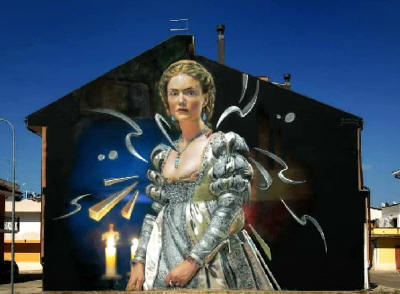
"PUGLIA LIVE": "THE STRAMURALES OF STORNARA IN THE 'GLOBAL TOP 20' OF THE UNITED NATIONS (WIPO) REPORT" https://www.puglialive.net/lo-stramurales-di-stornara-nella-global-top20-del-rapporto-delle-nazioni-unite-wipo/?fbclid=IwY2xjawVnuqxleHRuA2FlbQIxMABwZG9mAWJyaWQRMHE3R3FDUWVMVnBtN1NiRGRzcnRjBmFwcF9pZBAyMjIwMzkxNzg4MjAwODkyAAEfni1MQUzX2dzoWLqtWWHtMYqwUPhHeEq7K6Bd4vgL94rnoP1BSa7Ym7l1FfU_aem_eXw5MR6pm0H_OojUfdq2CA -------------------------------------------------------------------- STORNARA (FG) – There is a southern Italy that does not make little noise. It stands between the wheat fields and the rural roads of the Capitanata, far from the great routes of mass tourism. Until a few years ago Stornara, in the province of Foggia, was the typical town that statistics dismiss with a cruel adjective: "peripheral". Today its name appears in an analysis by "WIPO", the "World Intellectual Property Organization", agency of the United Nations of Europe based in Geneva, alongside Berlin, New York, Los Angeles, Paris and Melbourne. -------------------------------------------------------------------- A Report That Looks at the Walls of the World The text is titled "From Local Scenes to Global Recognition: Talent Mobility in Street Art". It bears the signature of three WIPO economists, Egbert Amoncio, Alexander Cuntz and Alessio Muscarnera, and it was published at the end of May 2026 in the series "Creative Industries Insights". To construct it the authors started from the data of the platform "Street Art Cities". The technical note speaks of about 74,000 geolocalized works, collected and shared by street art enthusiasts all over the world. The underlying questions are simple. Where is street art born? Who travels to paint it? Which cities manage to attract talent from outside? The first answer dismantles a commonplace. Street art is a profoundly local phenomenon. About one artist in five also works abroad, while the great majority paints in its own city or in those nearby. Among the few who cross borders, almost 40 per cent is "highly mobile": it constructs an international artistic brand without severing the roots. They are the cases of Banksy, Os Gemeos and Invader, whose walls appear on more than one continent. The authors use an effective term: street art is "glocal", rooted in its own territory but capable of generating global circuits of talent and recognition. -------------------------------------------------------------------- The "Magnets" of the World When one asks which cities attract foreign artists most, the map is fascinating. North America weighs by size, with New York, Los Angeles and Miami. Western Europe offers a dense network of opportunities, from Berlin to Amsterdam, from Vienna to Ghent, from Basel to Rotterdam, favoured by the festival circuit and by freedom of movement in the Schengen area. Lisbon and Barcelona have focused on municipal policies of support. Melbourne is the only representative of Oceania, and Northern Europe relies on Bergen, London, Belfast and Stavanger. In this scenario of capitals and metropolises, the report inserts an Italian exception, Apulian, from Foggia: Stornara, a small agricultural town of about 6,000 souls, since 2018 is a destination of mural talents. It shows how street art can trigger the rebirth of a community: thanks to the annual festival "Stramurales International Street Art Festival", born in 2017 from the iron will to fight urban and socio-economic decline on the part of the founders of the social promotion association "Stornara Life APS", Lino Lombardi and his Stornarese "Banda dei Fischietti", it has accumulated over 173 murals. About fifty are works by high-level international artists, with Google Trends data that since 2017 have shown a remarkable interest for the tourist-mural destination, a sign that the international festival has by now captured national and international attention. Having also become the first monographic academic case study in the world on a street art festival, "Street Art as Public Health Infrastructure", published in the prestigious world-level academic journal, the "Harvard Health and Human Rights Journal" of Harvard University, by the researcher Luciano Magaldi Sardella of Orta Nova and the professor Matteo Mantuano of Lucera, all this corresponds to the demonstration that an idea, an association and the availability of a community can change the identity of a place "forgotten by God". It is also told by those who have followed the affair from outside: the town, once little accustomed to visitors, today welcomes international tourists, individuals, groups and school parties come to see its over 173 murals. -------------------------------------------------------------------- The Secret Is in Density The datum that has lit Stornarese pride is this: volume does not count, proportion counts. The organizers propose a simple indicator: the works of foreign artists divided by inhabitants, multiplied by 100,000. With about over 50 international works and a population of a few thousand residents, at Stornara one arrives at several hundred foreign works per 100,000 inhabitants. It is a value that the metropolises, with millions of residents, cannot approach. The meaning must be read with precision, and precisely here lies the beauty of the thing. Nobody maintains that Stornara has more foreign murals than New York. The point is that, in relation to its scale, few places in the world concentrate so much international art per inhabitant. The impact does not disperse in a megalopolis: it deposits itself in every street, on every façade, in the everyday life of those who live there. The most interesting part of the report is the one that looks beyond the ranking. The authors write that the value of street art extends well beyond the painted surfaces. Cities like Stornara demonstrate how urban art attracts tourism, generates media coverage and can stimulate local commercial activities strengthening the sense of community and restoring the psychosocial well-being that would drive away the imperishable southern decline. The report adds however a precious warning: success depends on a careful implementation and on the involvement of the artistic communities. Initiatives dropped from above risk being perceived as "predatory" by artists who have street credibility at heart. The global Stramurales model seems to have avoided the pitfall. Field studies tell of walls donated by residents, one-week artist residencies and public discussion on the themes to be addressed. -------------------------------------------------------------------- The Lesson of an ex-"Ghost Town" The report closes with an idea that is valid for Stornara as much as for Berlin: the vitality of street art sinks its roots in local roots. It is born from communities, speaks of their problems, is made by artists immersed in their urban contexts. The artistic family of "Stornara Life APS" understood it before many regional and local politicians, making of its own walls an open-air museum, a promise, and it opened them to the world without ceasing to be itself. In this official report of the Geneva agency of the United Nations of Europe that measures the capacity to attract talent, this turns out to be, probably, the most precious result: to be cited alongside the great capitals of urban art and to remain, after all, a rural provincial town in which every wall tells a multicoloured world of glocal stories.
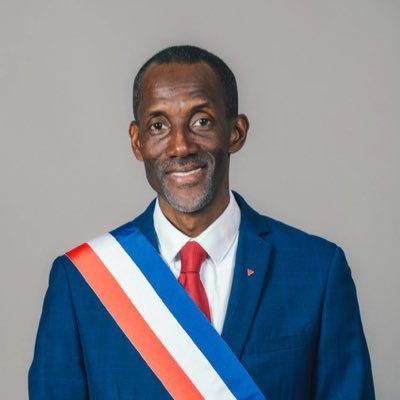
Bally Bagayoko praised Kery James, whom he described as an antifascist, anticapitalist, antiracist, and humanist artist. He wrote that the rapper gives hope to many young people in underprivileged neighborhoods by supporting them in their life projects and congratulated those who, according to him, reminded them that they were not doomed to failure. #KeryJames #Humanisme #Jeunesse (translated)
At 18 years old, Japanese figure skater Ami Nakai won Skate America. #Erreur #Service #Désolé (translated)

Keninis Mexico Official reported that Kenia Os received two nominations for the Socialiteen Awards, in the categories of Artist of the Year and Fandom of the Year. https://t.co/Om2qeCYdmv #KeniaOs #PremiosSocialiteen #Música (translated)


Bastien D. Fry wrote that he learned with sadness of the death of Jean-Pierre Moulin, whom he presented as the famous French voice of Anthony Hopkins and Professor Farnsworth. He paid tribute to him and thanked him for his work. https://t.co/38sjFF26B0 #JeanPierreMoulin #RIP #Hommage (translated)

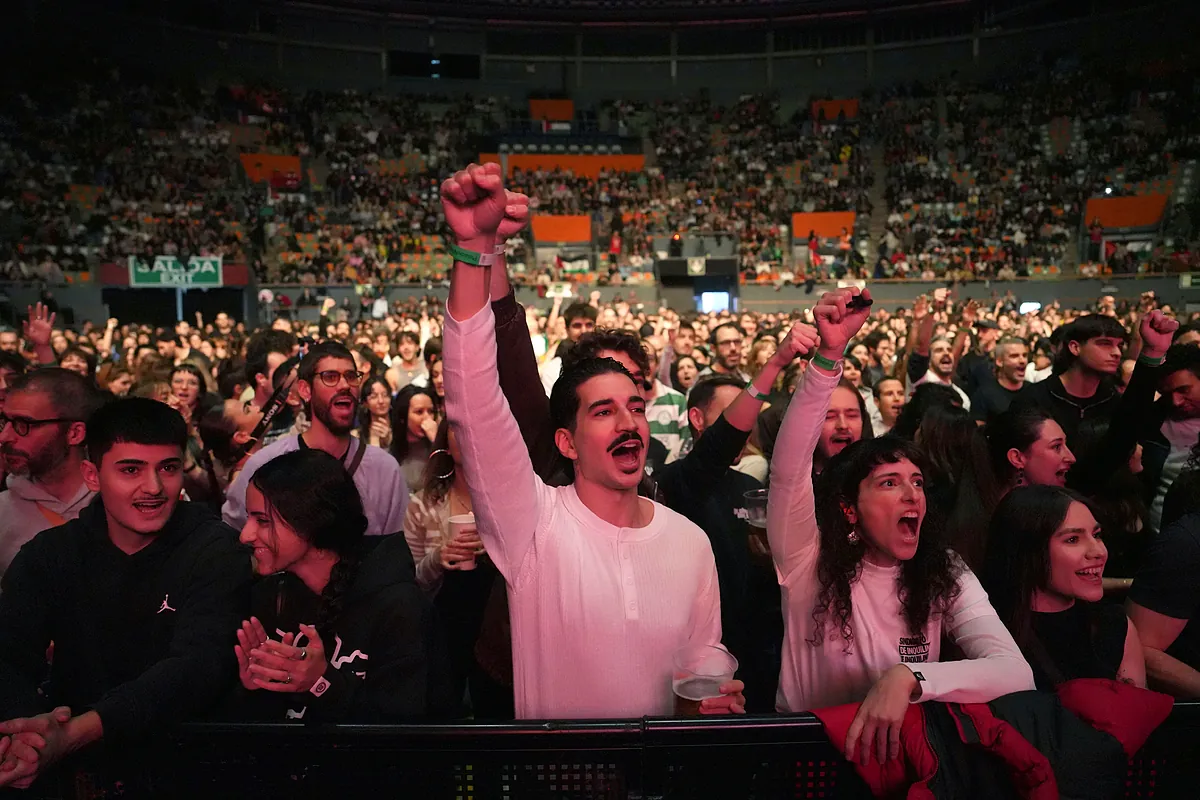
The Tenants Union of Madrid has inaugurated a new stage with a large event in Vistalegre to demand the need for structural solutions to the housing crisis, under the slogan "Madrid will be the grave of rentism," and with the participation of prominent artists who criticize the ineffectiveness of public policies in this area. #SindicatoDeInquilinas #CrisisDeLaVivienda #Madrid (translated)

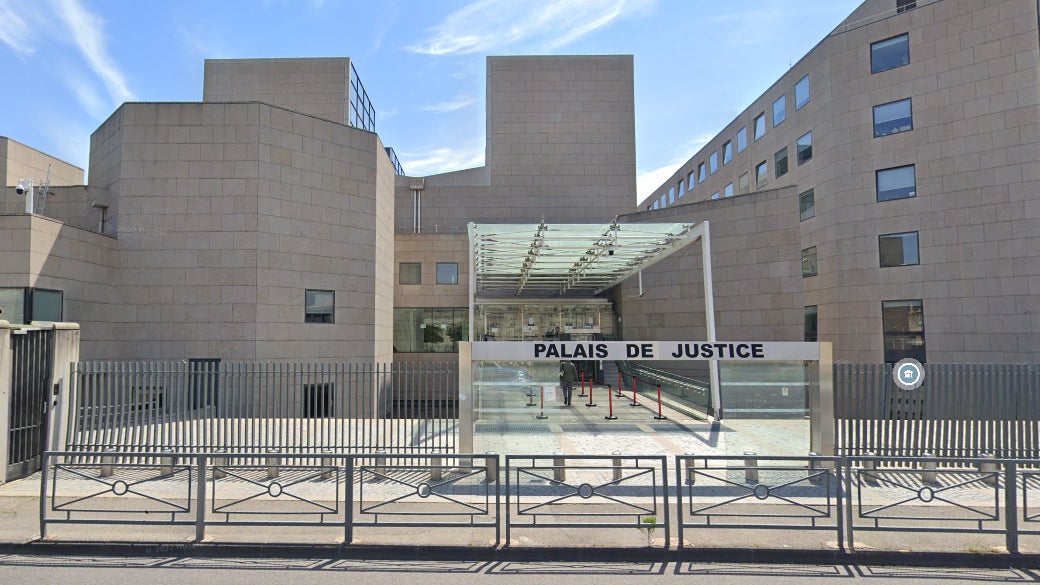
A 55-year-old craftsman, Christophe B., was stabbed to death in Largentière in Ardèche while trying to catch a thief who had stolen his sister's mobile phone. #Homicide #VolÀlArrachée #Justice (translated)

The author wrote that, in a future he considered near, these small boats could operate without pilots, regardless of their cargo. (translated)

💙💔💛An empty chair. A silenced voice. A life stolen. Ukrainian journalists, artists and cultural workers remain imprisoned or missing in Russian captivity. Their voices must not be forgotten.Their freedom must not be negotiable. Silence is not an option. #EmptyChairDay #Ukraine


Tracklist reported that "The Cure" by Olivia Rodrigo became the song by a female artist with the most streams in 2026, surpassing "Drop Dead," also by the singer, which held the position previously. https://t.co/4c5JMDhoAV #OliviaRodrigo #Música #Streaming (translated)


The Eslava Theater in Madrid will be the stage next Friday for the presentation of the 2026 Plumas Awards from Felgtbi+, which will recognize prominent figures such as artist Samantha Hudson and journalist Pablo León for their contributions to the defense of Lgtbi+ rights. #PremiosPlumas2026 #LGTBI #Diversidad (translated)

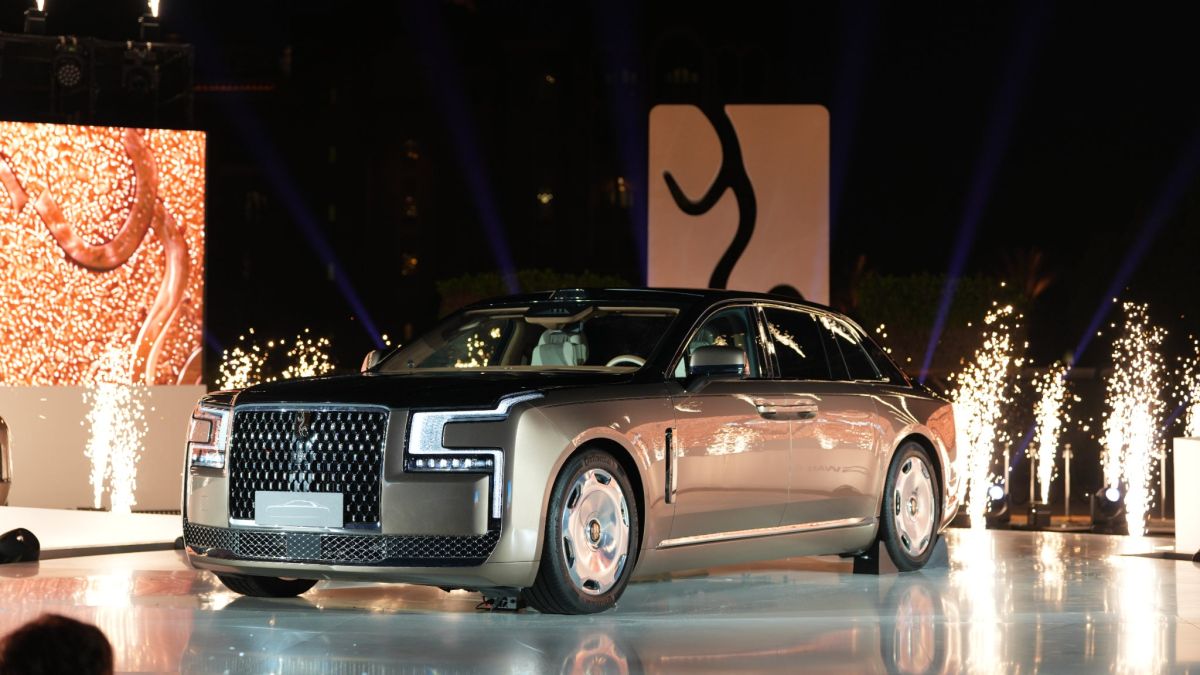
With its Altior limousine, inspired by the Chinese imperial court and 40% cheaper than a Rolls-Royce, BYD is making its offensive in the luxury automobile segment by combining traditional craftsmanship with technological innovations. #BYD #YangwangAltior #LuxeAutomobile (translated)
The author described Lebanon as the Mediterranean’s “cedar heart” and said Beirut’s artists, entrepreneurs and diaspora continued to believe in a free future. They called for the country to rebuild through reforms, peace and sovereignty, and urged the European Union to open its doors to Lebanon. #EU50 #لبنان #حرية #إصلاحات #LB #EU

Actu Foot reported that PSG had partnered with rapper SDM for the launch of his new album, "In Infinitum." According to the account, the club and the artist had created an exclusive collection featuring a pink Nike shirt, gloves, a cap, socks, and a scarf. https://t.co/pGY99dAJNZ #PSG #SDM #Football (translated)

The author lamented what he presented as the decline of Radio France, arguing that the public service had abandoned all its values and driven its most loyal artisans to leave. #RadioFrance #ServicePublic #Culture #FR (translated)
"GAZZETTA H24": STREET ART, STORNARA JOINS THE WIPO REPORT ALONGSIDE THE GREAT CITIES OF THE WORLD SOURCE: https://www.gazzettah24.it/street-art-stornara-entra-nel-rapporto-wipo-accanto-alle-grandi-citta-del-mondo/ ------------------------------------------------------------------- From "ghost town" to global model cited in Geneva: the cultural bet of Stornara Life APS captures the attention of WIPO. -------------------------------------------------------------------- STORNARA (FG) - There is a Southern Italy that makes little noise. It lies among the fields of wheat and rural roads of Capitanata, far from the main routes of mass tourism. Until a few years ago, Stornara, in the province of Foggia, was the typical town that statistics dismiss with a cruel adjective: "peripheral." Today, its name appears in an analysis from WIPO, the "World Intellectual Property Organization", the United Nations Agency in Europe based in Geneva. "Stornara Life APS" alongside Berlin, New York, Los Angeles, Paris, and Melbourne. ------------------------------------------------------------------ A report that looks at the walls of the world The text is titled "From Local Scenes to Global Recognition: Talent Mobility in Street Art". It is authored by three WIPO economists, Egbert Amoncio, Alexander Cuntz, and Alessio Muscarnera, and has been published in the "Creative Industries Insights" series. To build it, the authors started from data from the "Street Art Cities" platform. The technical note talks about approximately 74,000 geolocated works, collected and shared by street art enthusiasts worldwide. The fundamental questions are simple. Where does street art originate? Who travels to paint it? Which cities manage to attract outside talent? The first answer dismantles a common misconception. Street art is a profoundly local phenomenon. About one in five artists also works abroad, while the vast majority paint in their own city or in nearby ones. Among the few who cross borders, almost 40 percent are "highly mobile": they build an international artistic brand without severing their roots. These include the cases of Banksy, Os Gemeos, and Invader, whose walls appear on multiple continents. The authors use an effective term: street art is "glocal," rooted in its territory but capable of generating global circuits of talent and recognition. -------------------------------------------------------------------- The magnets of the world When asked which cities attract the most foreign artists, the map is fascinating. North America weighs heavily, with New York, Los Angeles, and Miami. Western Europe offers a dense network of opportunities, from Berlin to Amsterdam, from Vienna to Ghent, from Basel to Rotterdam, favored by the festival circuit and the freedom of movement within the Schengen area. Lisbon and Barcelona have focused on municipal support policies. Melbourne is the only representative from Oceania, and Northern Europe relies on Bergen, London, Belfast, and Stavanger. In this scenario of capitals and metropolises, the report includes an Italian exception, from Puglia, Foggia: Stornara, a small agricultural town of about 6,000 inhabitants, has been a destination for mural talents since 2018. It shows how street art can spark the rebirth of a community: thanks to the annual "Stramurales International Street Art Festival," born in 2017 from the strong will to combat urban and socio-economic decline by the founders of the social promotion association "Stornara Life APS,” Lino Lombardi and his local "Banda dei Fischietti," it has accumulated over 173 murals. About fifty of these are works by high-level international artists, with Google Trends data since 2017 showing notable interest in the mural tourism destination, indicating that the international festival has now captured national and international attention. It has also become the first academic case study in the world on a street art festival, "Street Art as Public Health Infrastructure," published in the prestigious academic journal "Harvard Health and Human Rights Journal" from Harvard University. Written by researcher Luciano Magaldi Sardella from Orta Nova and professor Matteo Mantuano from Lucera, this corresponds to the demonstration that an idea, an association, and the willingness of a community can change the identity of a place "forgotten by God." This is also recounted by those who have followed the story from the outside: the town, once little accustomed to visitors, now welcomes international tourists, individuals, groups, and schoolchildren who come to see its over 173 murals. ----------------------------------------------------------------- The secret is in density The data that has sparked pride in Stornara is this: it's not the volume that matters, it's the proportion. The organizers propose a simple indicator: works by foreign artists divided by the number of residents, multiplied by 100,000. With about over 50 international works and a population of a few thousand residents, Stornara reaches several hundred foreign works for every 100,000 inhabitants. This is a value that metropolises, with millions of residents, cannot approach. The meaning must be read accurately, and this is where the beauty of the matter lies. No one claims that Stornara has more foreign murals than New York. The point is that, in relation to its scale, few places in the world concentrate so much international art per inhabitant. The impact does not disperse in a megalopolis: it settles in every street, on every facade, in the daily life of those who live there. The most interesting part of the report looks beyond the ranking. The authors write that the value of street art extends well beyond the painted surfaces. Cities like Stornara demonstrate how urban art attracts tourism, generates media coverage, and can stimulate local businesses while strengthening community bonds and restoring the psychosocial well-being that could counter the perpetual Southern decline. However, the report adds a valuable warning: success depends on careful implementation and the involvement of artistic communities. Top-down initiatives risk being perceived as "predatory" by artists who care about the credibility of street art. The global model Stramurales appears to have avoided this pitfall. Field studies tell of walls donated by residents, week-long artist residences, and public discussions on the themes to be addressed. -------------------------------------------------------------------- The lesson of a town The report concludes with an idea that holds true for both Stornara and Berlin: the vitality of street art sinks its roots in local contexts. It arises from communities, speaks of their problems, and is made by artists immersed in their urban environments. The artistic family of "Stornara Life APS" understood this before many regional and local politicians, creating their walls into an open-air museum, a promise, and opening them to the world without ceasing to be themselves. In this official report from the Geneva Agency of the United Nations in Europe that measures the ability to attract talent, this results in, perhaps, the most precious value. Being cited alongside the great capitals of urban art while remaining, after all, a rural provincial town where every wall tells a colorful world of glocal stories. (translated)
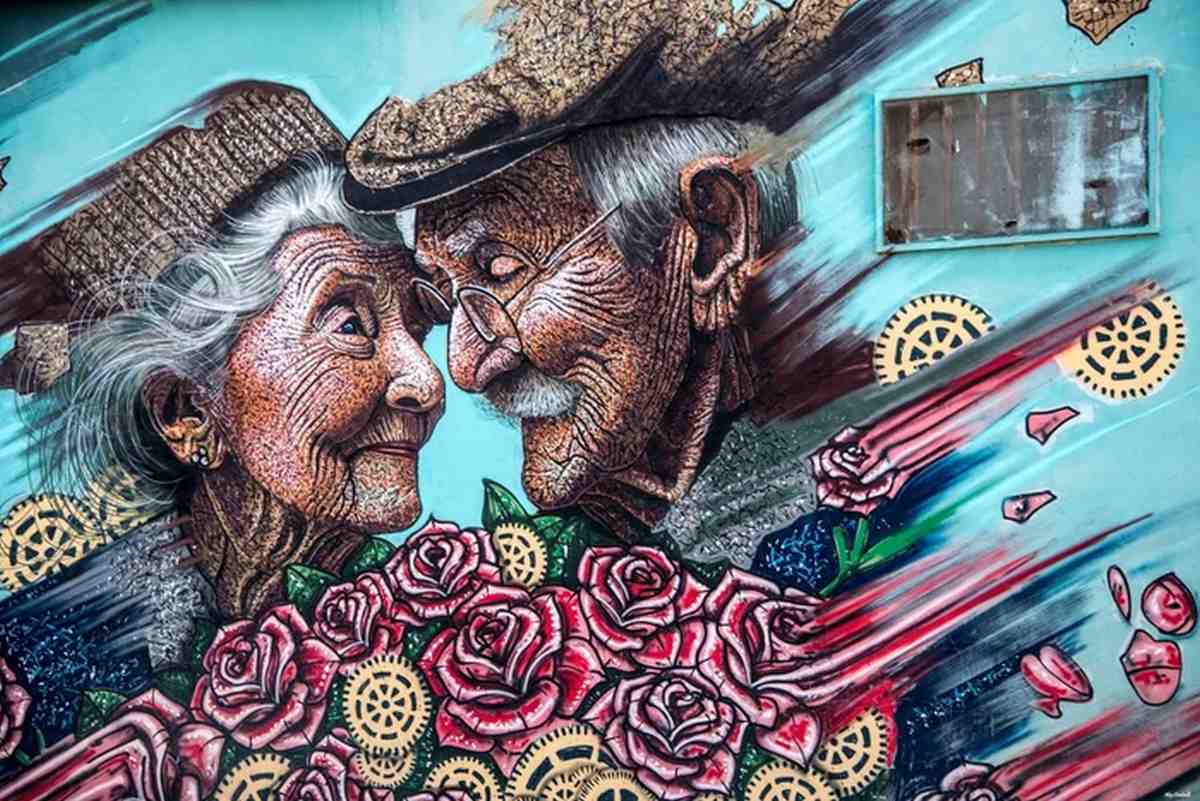
"GAZZETTA H24": STREET ART, STORNARA ENTERS THE WIPO REPORT ALONGSIDE THE GREAT CITIES OF THE WORLD SOURCE: https://www.gazzettah24.it/street-art-stornara-entra-nel-rapporto-wipo-accanto-alle-grandi-citta-del-mondo/ -------------------------------------------------------------------- From 'ghost town' to global model cited in Geneva: the cultural wager of Stornara Life APS wins the attention of WIPO. STORNARA (FG) - There is a Southern Italy that makes no little noise. It stands among the wheat fields and the rural roads of the Capitanata, far from the great routes of mass tourism. Until a few years ago Stornara, in the province of Foggia, was the typical town that statistics dismiss with a cruel adjective: 'peripheral'. Today its name appears in an analysis by WIPO, the 'World Intellectual Property Organization', the United Nations Agency of Europe headquartered in Geneva. 'Stornara Life APS' alongside Berlin, New York, Los Angeles, Paris, and Melbourne. -------------------------------------------------------------------- A report that looks at the walls of the world The text is entitled 'From Local Scenes to Global Recognition: Talent Mobility in Street Art'. It bears the signature of three WIPO economists, Egbert Amoncio, Alexander Cuntz, and Alessio Muscarnera, and was published in the series 'Creative Industries Insights'. To build it the authors started from the data of the platform 'Street Art Cities'. The technical note speaks of about 74,000 geolocalized works, collected and shared by street-art enthusiasts all over the world. The underlying questions are simple. Where is street art born? Who travels to paint it? Which cities manage to attract talent from outside? The first answer dismantles a commonplace. Street art is a profoundly local phenomenon. About one artist in five also works abroad, whereas the great majority paints in its own city or in those nearby. Among the few who cross the borders, almost 40 per cent are 'highly mobile': they build an international artistic brand without severing their roots. They are the cases of Banksy, Os Gemeos, and Invader, whose walls appear on more than one continent. The authors use an effective term: street art is 'glocal', rooted in its own territory but capable of generating global circuits of talent and recognition. ---------------------------------------------------------------- The magnets of the world When one asks which cities attract foreign artists most, the map is fascinating. North America weighs by size, with New York, Los Angeles, and Miami. Western Europe offers a dense network of opportunities, from Berlin to Amsterdam, from Vienna to Ghent, from Basel to Rotterdam, favoured by the festival circuit and by freedom of movement of the Schengen area. Lisbon and Barcelona have staked on municipal policies of support. Melbourne is the sole representative of Oceania, and Northern Europe relies on Bergen, London, Belfast, and Stavanger. In this scenario of capitals and metropolises, the report inserts an Italian, Apulian, Foggian exception: Stornara, a small agricultural town of about 6,000 souls, since 2018 has been a destination for mural talent. It shows how street art can trigger the rebirth of a community: thanks to the annual festival 'Stramurales International Street Art Festival', born in 2017 from the iron will to combat urban and socio-economic decline on the part of the founders of the social promotion association 'Stornara Life APS', Lino Lombardi and his Stornarese 'Banda dei Fischietti', it has accumulated more than 173 murals. About fifty of them are works by high-level international artists, with Google Trends data which since 2017 have shown a remarkable interest in the tourist-mural destination, a sign that the international festival has by now captured national and international attention. It has also become the first monographic academic case study in the world on a street-art festival, 'Street Art as Public Health Infrastructure', published in the prestigious journal of world academic standing, the 'Harvard Health and Human Rights Journal' of Harvard University. Through the work of the researcher Luciano Magaldi Sardella of Orta Nova and of Professor Matteo Mantuano of Lucera, all this corresponds to the demonstration that an idea, an association, and the availability of a community can change the identity of a place 'forgotten by God'. He who has followed the affair from outside also tells it: the town, once little accustomed to visitors, today welcomes international tourists, individuals, groups, and school parties come to see its more than 173 murals. -------------------------------------------------------------------- The secret is in density The datum which has kindled Stornarese pride is this: volume does not count, proportion counts. The organizers propose a simple indicator: works by foreign artists divided by inhabitants, multiplied by 100,000. With about over 50 international works and a population of a few thousand residents, at Stornara one arrives at several hundred foreign works per 100,000 inhabitants. It is a value which the metropolises, with millions of residents, cannot approach. The meaning must be read with precision, and precisely here stands the beauty of the thing. No one maintains that Stornara has more foreign murals than New York. The point is that, in relation to its scale, few places in the world concentrate so much international art per inhabitant. The impact does not disperse itself in a megalopolis: it deposits itself in every street, on every façade, in the everyday life of those who inhabit it. The most interesting part of the report is that which looks beyond the ranking. The authors write that the value of street art extends well beyond the painted surfaces. Cities such as Stornara demonstrate how urban art attracts tourism, generates media coverage, and can stimulate local commercial activities, strengthening the sense of community and restoring the psychosocial well-being which would distance the imperishable southern decline. The report adds, however, a precious warning: success depends on careful implementation and on the involvement of the artistic communities. Initiatives dropped from above risk being perceived as 'predatory' by artists who have street credibility at heart. The global Stramurales model seems to have avoided the snare. Field studies tell of walls donated by residents, one-week artists' residencies, and public discussion of the themes to be addressed. ----------------------------------------------------------------- The lesson of a town The report closes itself with an idea which holds for Stornara as much as for Berlin: the vitality of street art sinks in local roots. It is born from communities, speaks of their problems, is made by artists immersed in their urban contexts. The artistic family of 'Stornara Life APS' understood it before many regional and local politicians, making of its own walls an open-air museum, a promise, and opening them to the world without ceasing to be itself. In this official report of the Genevan Agency of the United Nations of Europe which measures the capacity to attract talent, this turns out to be, probably, the most precious result:. To be cited alongside the great capitals of urban art and to remain, after all, a rural provincial town in which every wall tells a variegated world of glocal stories.

The Italian cultural sector is blocked by a combination of bureaucratic slowness and ministerial inertia, causing uncertainty among operators and artists, while the deadlines for the appointments of film commissions and the Entertainment Code approach without a response from the government. #Cultura #PoliticaCulturale #Burocrazia (translated)