
A classic won and another victory in the championship for our women. ❤️💙 (translated)
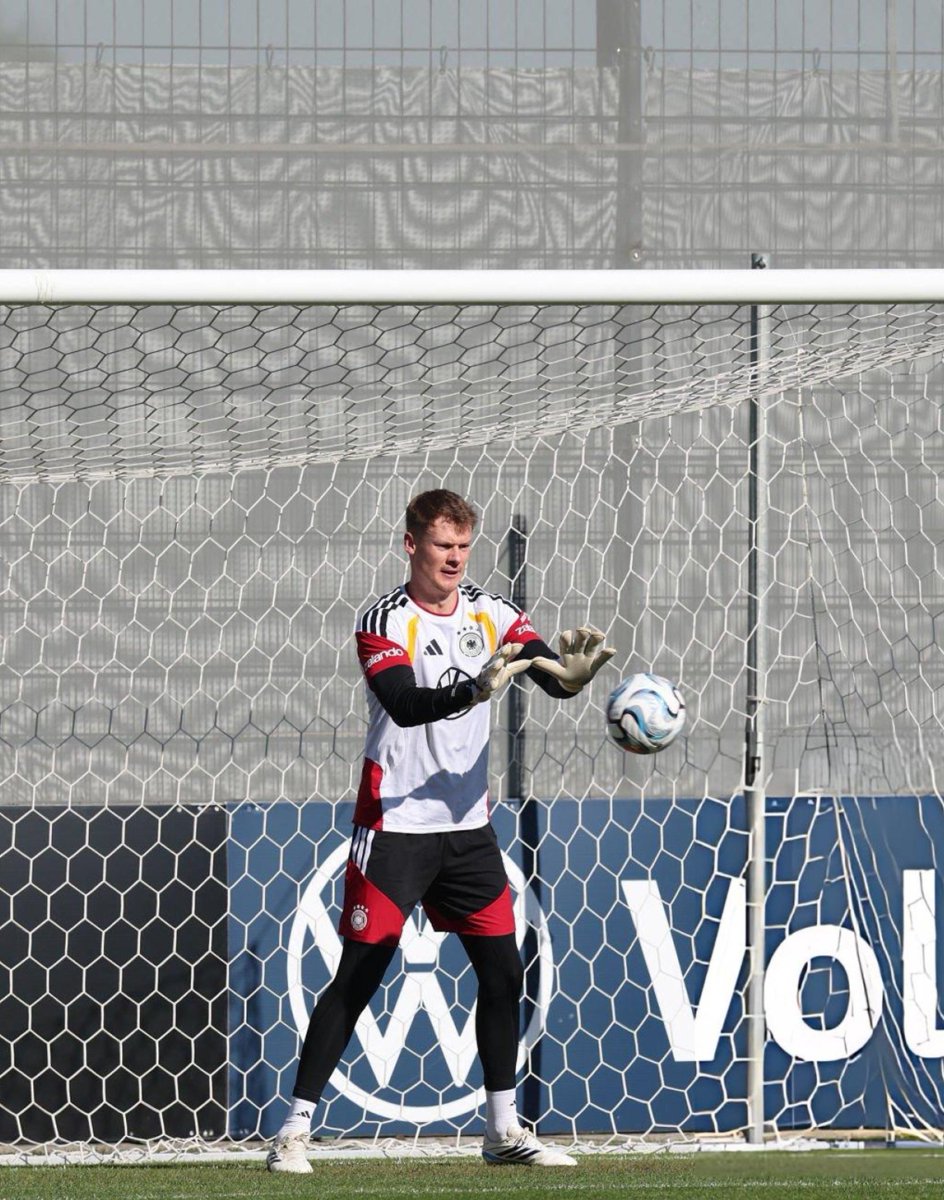
A classic won and another victory in the championship for our women. ❤️💙 (translated)
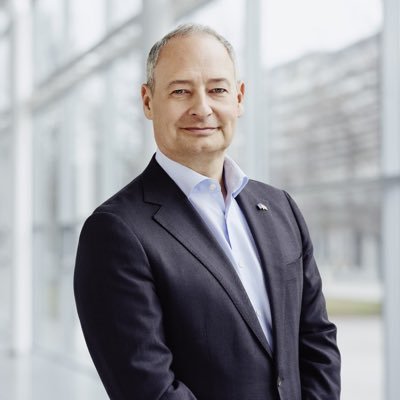
The mountains should be "taken seriously," demanded Nature Friends chairman Schieder. (translated)

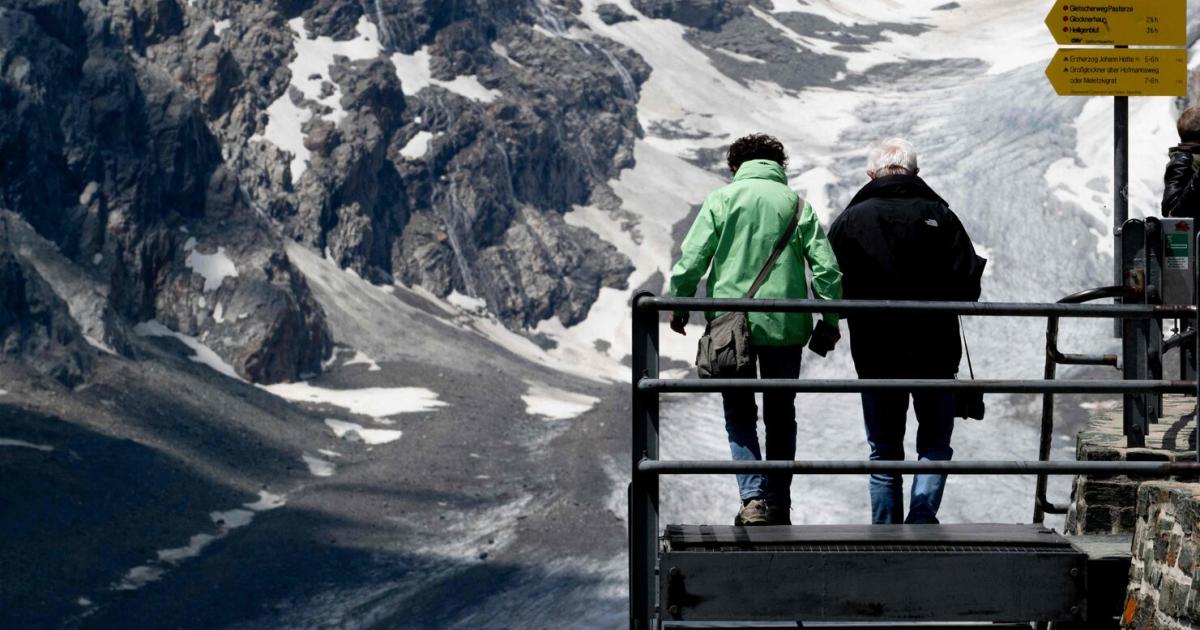
A red alert has been declared in the mountains, as the glacier crevasse falls in 2024 were three times higher than the average of the last ten years, indicating the drastic climatic changes and the associated dangers for climbers. (translated)

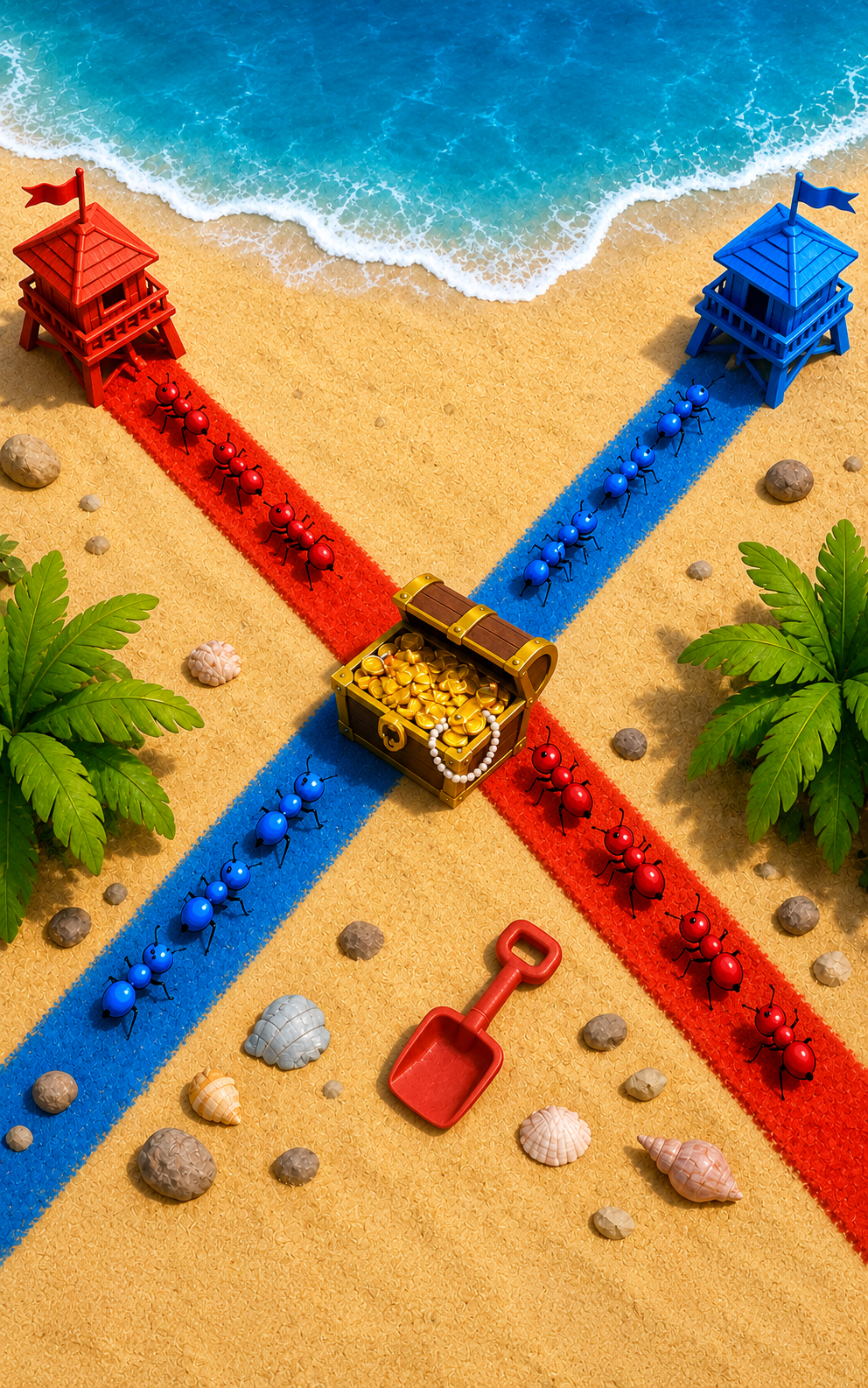
De schat van de mieren: Waar de paden samenkomen - De schat van de mieren: Waar de paden samenkomen www.amazon.nl/dp/B0H34T87R3 Visuele wiskunde duidelijk uitgelegd — Dutch Edition / Édition néerlandaise by Mr. Numberwise De schat van de mieren: Waar de paden samenkomen is een visueel wiskundeverhaal dat vergelijkingen, grafieken en coördinaten verandert in een avontuur dat kinderen echt kunnen zien en begrijpen. Wanneer Mia en Alex twee mysterieuze mierenpaden ontdekken die elkaar op het strand kruisen, ontmoeten ze Mr. Numberwise — een rustige gids die hun laat zien dat wiskunde niet alleen uit getallen op een pagina bestaat, maar ook uit verhalen, paden, patronen en ontdekkingen. Door mieren, schatkaarten, trappen, kleurrijke paden en spannende “Aha!”-momenten maken kinderen kennis met: • lineaire vergelijkingen • helling • coördinaten • grafieken tekenen • snijpunten en ontmoetingspunten Dit boek gebruikt originele visuele modellen om algebra gemakkelijker te begrijpen: • helling wordt een trap • een vergelijking wordt het recept van een pad • +b wordt de startverdieping • coördinaten worden het adres van een punt • een snijpunt wordt de plek waar twee verschillende padverhalen samenkomen Voor kinderen die zich nerveus, geblokkeerd of overweldigd voelen door wiskunde, biedt dit boek zachte hulp bij wiskundeangst door middel van vriendelijke beelden, eenvoudige stappen en vertrouwde ideeën. In plaats van algebra abstract of eng te laten voelen, verbindt het nieuwe begrippen met dingen die kinderen al begrijpen: een trap, een pad, een mier, een verhaal. Dit boek combineert: ✔ verhaal ✔ visuele uitleg ✔ opgeloste oefeningen ✔ stap-voor-stap leren ✔ tekeningen en grafieken ✔ oefenbladen ✔ uitleg in de stijl van “Math Made Clear” ✔ onvergetelijke “Aha!”-momenten In plaats van formules uit het hoofd te leren, beginnen kinderen te zien hoe wiskunde beweegt. Perfect voor nieuwsgierige leerlingen, visuele denkers, thuisonderwijsgezinnen, klaslokalen en kinderen die algebra voor het eerst ontdekken. Hoofdzakelijk ontworpen voor kinderen van 10–14 jaar, maar dit boek kan ook oudere leerlingen helpen die algebra moeilijk vinden en een duidelijkere, meer visuele uitleg nodig hebben. En eerlijk gezegd… misschien begrijpen veel volwassenen met dit boek eindelijk ook de helling beter. Een visueel wiskundeverhaal met opgeloste oefeningen — ontworpen om algebra eindelijk duidelijk te maken. #visueleWiskundeVoorKinderen #visualMathForFid #hulpBijWiskundeangst #mathAnxietyHelpForKids #zomerseAvonturenverhalenVoor_9_12_jaar #lineaireVergelijkingen #linearEquations #hellingBegrijpen #understandSlope #grafiekenBegrijpen #understandGraphs #hellingCoördinaten #slopeCoordinates #Nederlands #Kinderen #DutchEdition #Kids #Scheveningen #Zandvoort #BloemendaalAanZee #EgmondAanZee #BergenAanZee #Domburg #Renesse #Noordwijk #Afsluitdijk #Brouwersdam #Oosterscheldekering #Maeslantkering #Haringvlietdam #VeerseGatdam #Prinsengracht #Herengracht #Keizersgracht #Singel #Brouwersgracht #Oudegracht #0255_.

The editorial team is worried that reporting on election fraud in Borlänge affects the Somali group. So what kind of people inhabit public services editorial teams? It's one thing to suspect they suffer from values-based dilemmas, but this takes the prize! Absolutely incredible. (translated)

The well-known Dutch children's book writer Sjoerd Kuyper, author of among others The Pocket Knife, has passed away at the age of 74 after a short illness in Bergen. (translated)
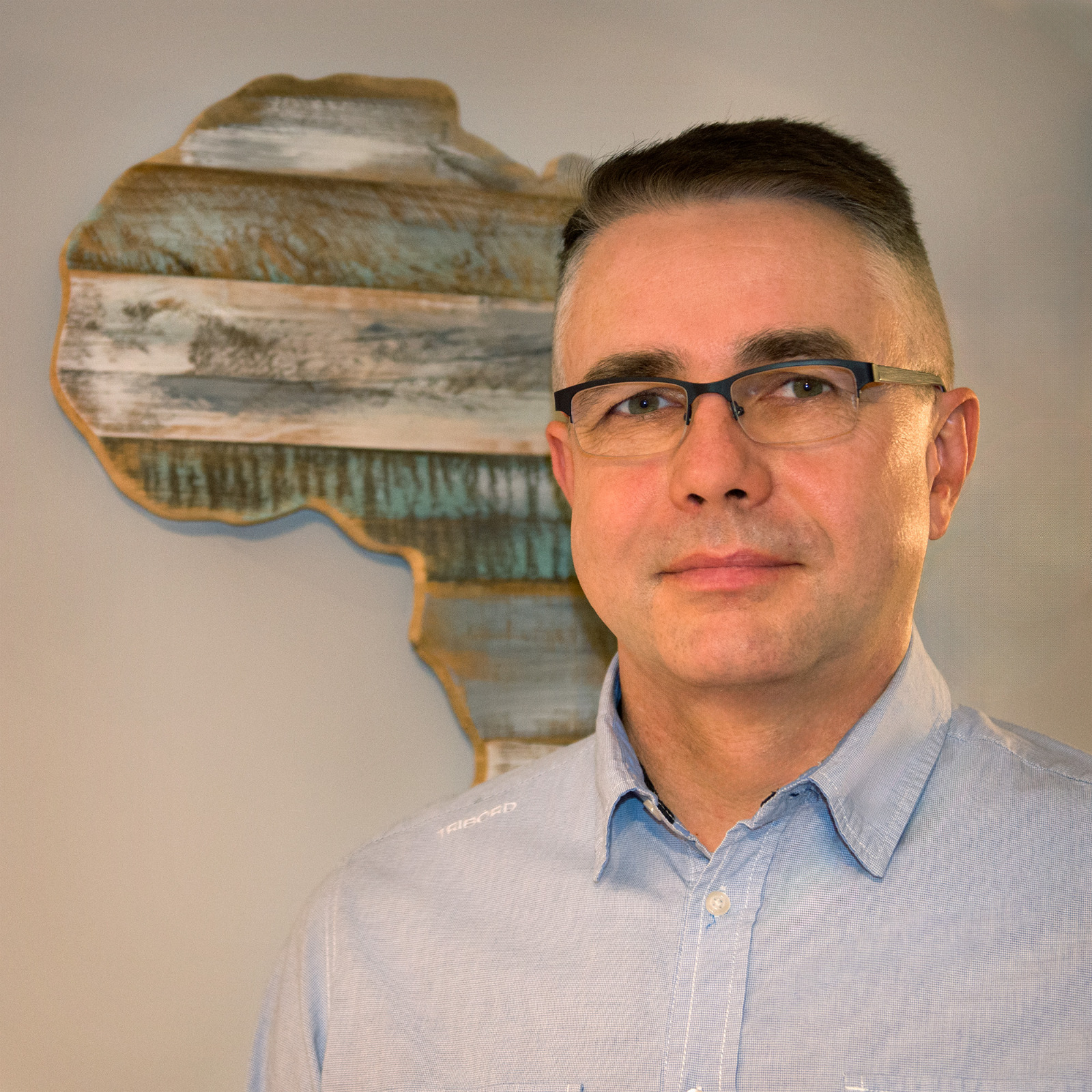
Russia’s fake African newsrooms – propaganda designed to look local A Facebook user in Nairobi, Accra, Johannesburg or Luanda encounters what appears to be a local news page. It publishes stories about African politics, Western influence and relations with Russia. The language is tailored to an African audience and the page presents itself not as a foreign broadcaster, but as part of the local information landscape. Behind some of these outlets, however, Meta found operators based in Russia. In its 2026 threat research, the company disclosed a Coordinated Inauthentic Behaviour network targeting audiences in Angola, Ghana, Kenya and South Africa. Meta removed 37 Facebook accounts and 29 Pages connected to the operation. Around 30,000 users followed at least one of the Pages, while the operators spent approximately $7,000 on Facebook and Instagram advertising, mostly in euros and US dollars. The numbers are relatively modest. The method is considerably more important. Rather than openly distributing Russian state messaging, the network posed as local African news sources and grassroots organisations, promoting narratives about Western colonialism and political interference while presenting Russia as a credible economic and political alternative. It was an old geopolitical message delivered through a much more effective identity: not Moscow speaking to Africa, but Africans apparently speaking to one another. A news outlet that was actually an influence operation Meta's investigation found that the network attempted to conceal its Russian origin while creating media brands that appeared indigenous to the countries they targeted. Its content amplified historical grievances against former colonial powers, criticised Western involvement in Africa and promoted closer relations with Russia. One example helps illustrate how the infrastructure was assembled. A Facebook Page targeting Kenya was called Kenya Watchtower. According to OpenAI's subsequent investigation, Facebook transparency records showed that the Page had previously been named “Farmtown5”. It appears to have been acquired or repurposed rather than built from scratch as a Kenyan news organisation. Some Pages also exposed administrator locations in Russia and Ukraine. Other elements of the network had previously targeted audiences in Zambia and Namibia. This use of apparently local identities is particularly important in the African information environment. A story published by RT or another identifiable Russian outlet arrives with an obvious geopolitical provenance. The same narrative presented by something resembling an independent Kenyan, Ghanaian or South African newsroom carries a different kind of credibility. The source appears closer to the reader, and the geopolitical interest behind the message becomes less visible. Then investigators found Dr Manuel Godsin The Facebook operation was only one part of a broader information ecosystem. OpenAI investigated related activity after receiving information from Meta and subsequently banned a ChatGPT account it assessed as likely originating in Russia. OpenAI called the campaign Operation No Bell. The account was being used to generate long-form articles and social-media posts about African geopolitics. Prompts were primarily written in English, but OpenAI also observed Russian-language instructions that the user described as coming from a manager. The operator sometimes explicitly asked the model to make the material appear less AI-generated – including requests to avoid stylistic features associated with machine-generated text and to write more like a human journalist. Many articles appeared under the name “Dr Manuel Godsin”, presented as an academic with a PhD from the University of Bergen and an affiliation with an organisation called the International Centre for Political and Strategic Studies. OpenAI could find no credible evidence that Godsin existed. Searches of Norway's National Research Information Repository and the University of Bergen library produced no record of him. Investigators subsequently discovered that a photograph used to represent Godsin had appeared years earlier on a Russian professional networking site and apparently belonged to a law student in St Petersburg. The fabricated academic identity was nevertheless remarkably productive. OpenAI identified 53 online articles carrying the Godsin byline. The fiction had moved beyond fake social-media pages and into the real media ecosystem. When propaganda enters genuine newsrooms This is the most consequential aspect of the operation. The articles were not confined to websites controlled by the influence network. Some were published by genuine African news organisations, including established South African outlets. The content mixed local political issues with broader geopolitical narratives. Some pieces criticised the United States and Britain or defended Russia's role in Africa. One accused the British NGO Crisis Action of fomenting protests in South Africa. Another praised Russia's presence in the Central African Republic. Other material addressed Kenya, Angola and relations between African governments and Washington. The mechanism represents a significant evolution from the classic troll-farm model. Instead of building an audience entirely on its own platforms, an influence operator can manufacture an apparently credible expert, generate articles in his name and persuade genuine news organisations to publish them. Once this happens, the propaganda acquires something a fake Facebook Page cannot provide: the institutional credibility of a real newsroom. OpenAI assessed No Bell's social-media impact as limited. One Facebook Page had around 3,000 followers before Meta removed it, while several others had very small audiences. But the operation was more successful in placing material in established media. In OpenAI's impact framework, it approached the level at which an influence operation breaks into mainstream media. For information operators, a single article published by a recognised outlet can potentially be more valuable than thousands of impressions generated by an obviously artificial account. A much larger network of ghost journalists Subsequent research suggests that Manuel Godsin was not an isolated experiment. In August 2026, Graphika, working with Code for Africa and with support from Meta, published a much broader investigation into Russian ghostwriting operations across African media. Researchers identified 44 ghost writers and fake experts, 38 of them assessed as high-confidence fabricated personas, operating between 2021 and 2026. Their material appeared or was quoted across 138 websites and was subsequently republished through at least 113 Facebook accounts and Pages, including authentic users, coordinated inauthentic networks and official Russian communication channels. The narratives were strikingly consistent. They included criticism of France, Ukraine and the United States; attacks on organisations such as ECOWAS and the International Criminal Court; positive portrayals of Russian involvement in Africa; praise for Russian paramilitary forces; and support for sovereignty-oriented political projects such as the Alliance of Sahel States. The operation therefore extends beyond creating fake news websites. It attempts to insert Russian-aligned narratives into the legitimate African media ecosystem using identities that appear African, independent or academically authoritative. This also explains why measuring reach through the original Facebook network alone is misleading. A fabricated article may begin with an influence operator, appear in a genuine African publication, be republished elsewhere and eventually circulate without any visible connection to Russia. At that point, the provenance of the narrative has effectively been laundered. An old Russian strategy with increasingly local faces Russia's use of local intermediaries in Africa is not new. Meta documented Russian networks using African nationals as early as 2019. In 2020 it dismantled another operation involving people in Ghana and Nigeria working on behalf of individuals in Russia, with links to previous activity associated with the Internet Research Agency. More recent Meta investigations suggest that this model has continued to evolve. Networks have increasingly relied on local freelancers, social-media managers and authentic media outlets rather than exclusively operating armies of obviously fake Russian-controlled accounts. This decentralisation offers several advantages. Local operators understand language, political sensitivities and cultural references. Authentic accounts are harder to identify than newly created synthetic personas. Local media brands can also deliver narratives without immediately triggering the scepticism associated with Russian state outlets. There is no evidence that every African journalist, freelancer or publication carrying such material knowingly participates in Russian influence activity. Meta explicitly notes in its investigations that some local contractors may not know who ultimately commissioned their work. That distinction is essential. The operation's effectiveness partly depends on precisely this ambiguity between deliberate participation, commercial content placement and unwitting amplification. The objective is to make Russian narratives look African The significance of this network is therefore not its 30,000 Facebook followers or its $7,000 advertising budget. Those figures are small compared with the audiences of major African media organisations. What matters is the distribution model. Traditional foreign propaganda asks an audience to trust a foreign source. These operations attempt to remove the foreign source from the equation altogether. A Russian geopolitical narrative can be generated with AI, attributed to an expert who does not exist, published by a media organisation that does, amplified through a Facebook Page presenting itself as local, and then rediscovered elsewhere as apparently independent African analysis. By the time the reader encounters it, Moscow may have disappeared completely from the chain of attribution. The resulting information operation is therefore less about making Russian propaganda more persuasive than about making it look as though it is no longer Russian propaganda at all. In an increasingly fragmented African media environment, that may be the more important evolution to watch. SOURCES: Meta Threat Research https://threatresearch-team.github.io/indicators/meta-h1-2026-russia-based-cib-network-1/ OpenAI — Operation “No Bell” https://openai.com/index/disrupting-malicious-uses-of-ai-no-bell/ Graphika — Umbrae Ex Machina https://www.graphika.com/reports/umbrae-ex-machina News24 https://www.news24.com/southafrica/news/ai-expert-exposed-fake-kremlin-linked-analyst-planted-stories-in-african-media-20260318-0560 Vanguard https://www.vanguardngr.com/2026/03/ai-expert-exposed-fake-kremlin-linked-analyst-planted-stories-in-african-media/ Meta — Russian Coordinated Inauthentic Behaviour, 2019 https://about.fb.com/news/2019/10/removing-more-coordinated-inauthentic-behavior-from-russia/ Meta — Russian Coordinated Inauthentic Behaviour, 2020 https://about.fb.com/news/2020/03/removing-coordinated-inauthentic-behavior-from-russia/ Meta Threat Research — Russian Use of Authentic Operators in Sub-Saharan Africa https://threatresearch-team.github.io/indicators/meta-h2-2025-russia-based-cib-network-2/ KEYWORDS: #DISINFORMED #Episode7 #Russia #Africa #RussianDisinformation #RussianInfluence #Disinformation #InformationWarfare #InfluenceOperations #ForeignInterference #FIMI #CoordinatedInauthenticBehaviour #CIB #FakeNews #FakeMedia #FakeNewsrooms #MediaImpersonation #GrassrootsManipulation #Astroturfing #ArtificialIntelligence #AI #AIPropaganda #SyntheticMedia #FakeInfluencers #SocialMediaManipulation #Facebook #Meta #OperationNoBell #AfricanMedia #MediaManipulation #Propaganda #DigitalInfluence #Angola #Ghana #Kenya #SouthAfrica #OSINT #WRLD
The article highlights the problematic relationship between the use of AI chatbots and the amplification of psychotic perceptions, with psychiatrist Maximus Berger emphasizing that the terms AI psychosis and AI-induced psychosis are misleading and have no scientific basis. (translated)

➡️#Borussia befindet sich in fortgeschrittenen Verhandlungen mit Alexander #Blessin. Eine mündliche Einigung steht bereits. Letzte Details müssen noch geklärt werden. Noch kein Done Deal – der Abschluss wird aber zeitnah erwartet. ⏳⚫️⚪️🟢 @Plettigoal @berger_pj @SkySportDE https://t.co/UG64msVS9M #Borussia #Bundesliga #Transfers

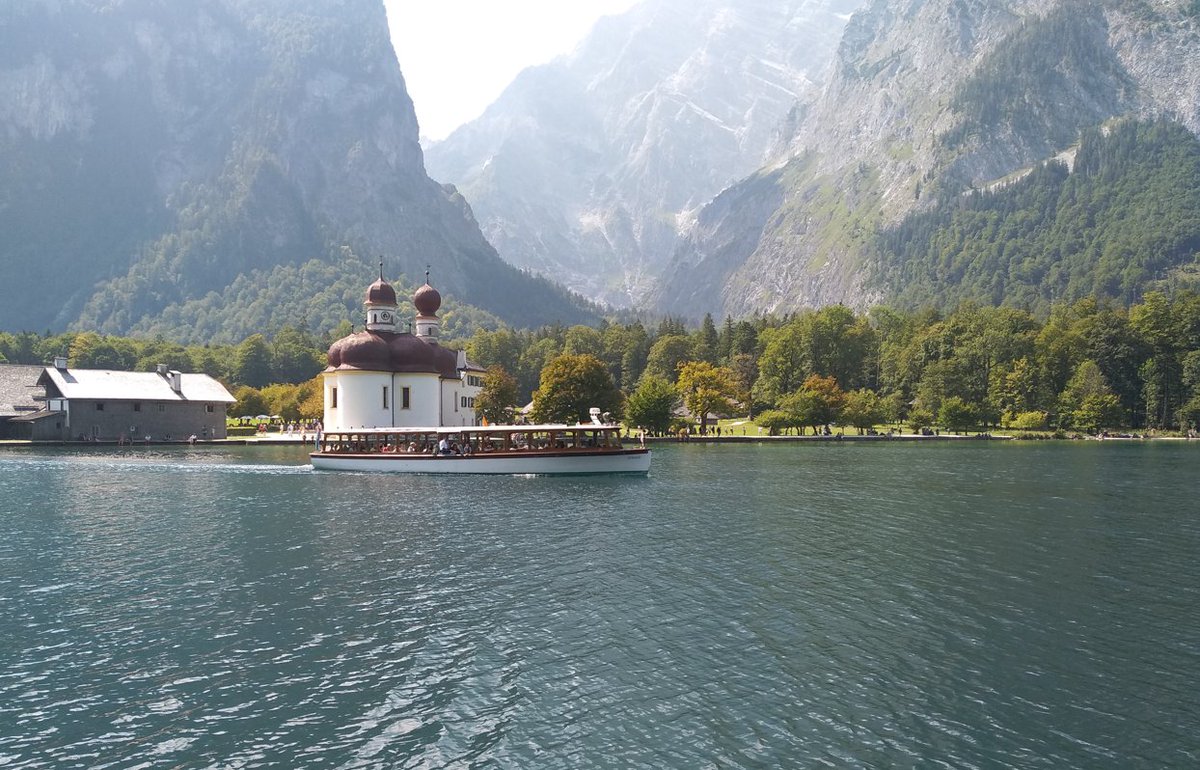
Thema: Der Euro ist eine Erfolgsgeschichte Ach ja? Na dann wollen wir Euch mal aufklären. Als ich 1984 aus der DDR kommend, bewaffnet mit einer großen Tasche und sonst nix, in Gießen ankam, freute ich mich wie Bolle auf mein nun beginnendes neues Leben. Innerhalb weniger Jahre schaffte ich mir zusammen mit meiner Freundin Tess (meiner heutigen Frau) einen Lebensstandard, von dem ich in der DDR bestenfalls träumen konnte. Bereits in den frühen 1990er Jahren, kurz nach der Wende also, hatte ich mich in meiner Firma hochgearbeitet und verdiente nun 2.800 DM netto. Tess verdiente im Büro angestellt 1.400 DM netto. Und wir waren beide damals ja noch auf Lohnsteuerklasse eins, aber die Abgaben waren bei weitem nicht so hoch wie heute. Wir zahlten für unsere 100 Quadratmeter große, wunderschöne Wohnung (in der wir heute noch leben) 700 DM Miete. Warm. Für alles andere, wie etwa Telefon, Versicherungen, Tanken, nochmal so um die 200 DM. Fürs Einkaufen planten wir pro Monat 500 DM ein, brauchten aber meistens weniger, denn die Kaufkraft der DM war damals im Vergleich zu heute ja gigantisch. Für ca. 70 DM war der Einkaufswagen brechend voll und alles drinnen, was man für eine Woche benötigte. Beim Fleischer gab Tess meistens zwischen 40 bis 50 DM die Woche aus, mehr brauchte sie nie, und sie weiß heute noch, dass damals 2 große Rinderrouladen zwischen 4 und 5 DM kosteten. Wir hatten also jeden Monat so um die 2.500 DM „übrig“ und konnten so aus dem Vollen schöpfen. Wir gingen jeden Sonntag zum Essen und zahlten in der Regel nicht mehr als 40 DM. Und das, obwohl wir es uns richtig gut gehen ließen. Wir flogen zweimal im Jahr in den Urlaub und haben damals die ganze Welt gesehen, ohne deshalb einen Kredit aufnehmen zu müssen. (was wohl heute, wie man hört, oft passiert) Da wir in Bayern leben und die Berge lieben, sind wir im Sommer und auch im Winter oft zu Spritztouren aufgebrochen. Sonnabend früh ging’s los, das Hotel wurde vorab telefonisch gebucht und dort angekommen, ging es dann auf die Alm. Ein Ausflug auf die Winklmoss Alm im Sommer blieb mir in besonders guter Erinnerung, da wir dort oben auf einer Hütte sehr hungrig angekommen, bestens verpflegt wurden. Ich bestellte ein schwarz geräuchertes, mit Brot, ein Bier und einen Klaren. Dafür zahlte ich gerade mal 8,70 DM und es schmeckte einfach köstlich. Ich weiß nicht mehr was Tess hatte, aber wir blieben deutlich unter 20 DM. Was würde man wohl heute auf so einer Hütte für 10 Euro bekommen? Ein Bier? So ein Wochenende kostete uns inklusive Übernachtung, Essen im Hotel, Sprit, Essen und Getränken auf der Wandertour im Schnitt 150 DM. Für uns damals ein Vergnügen, das wir uns oft im Sommer und erst recht im Winter leisteten und ohne Probleme bezahlten. Und nein, wir waren da nicht die Ausnahme. Mein ganzer Freundeskreis lebte so. Die Hotels und Gaststätten waren immer brechend voll. Überall gut gelaunte und sorgenlose Menschen, die aus dem Vollen schöpften. Was für ein Glück, dass wir als ehemalige DDR‑Bürger diese Zeiten noch miterleben durften und davon profitierten. Bis heute, denn nun im Ruhestand, geht es uns immer noch hervorragend, da wir reichlich vorsorgen konnten. Das war es, warum die 80er/90er Jahre so geil waren. Eigenes Bild, am Königssee, St. Bartholomä #Euro #Erfolgsgeschichte #Leben

The Public Prosecutor's Office filed the corruption case against Manuel Pinho, former Minister of Economy, and António Bernardo, former leader of Roland Berger in Portugal, due to the lack of clear evidence supporting the accusations of passive corruption and trafficking of influence related to the hiring of the consultancy by Tourism of Portugal. (translated)

Edward Berger, el director de Cónclave, dirigirá la esperada secuela de WORLD WAR Z. https://t.co/WBV0wBhslp #Cine #WorldWarZ #Secuela


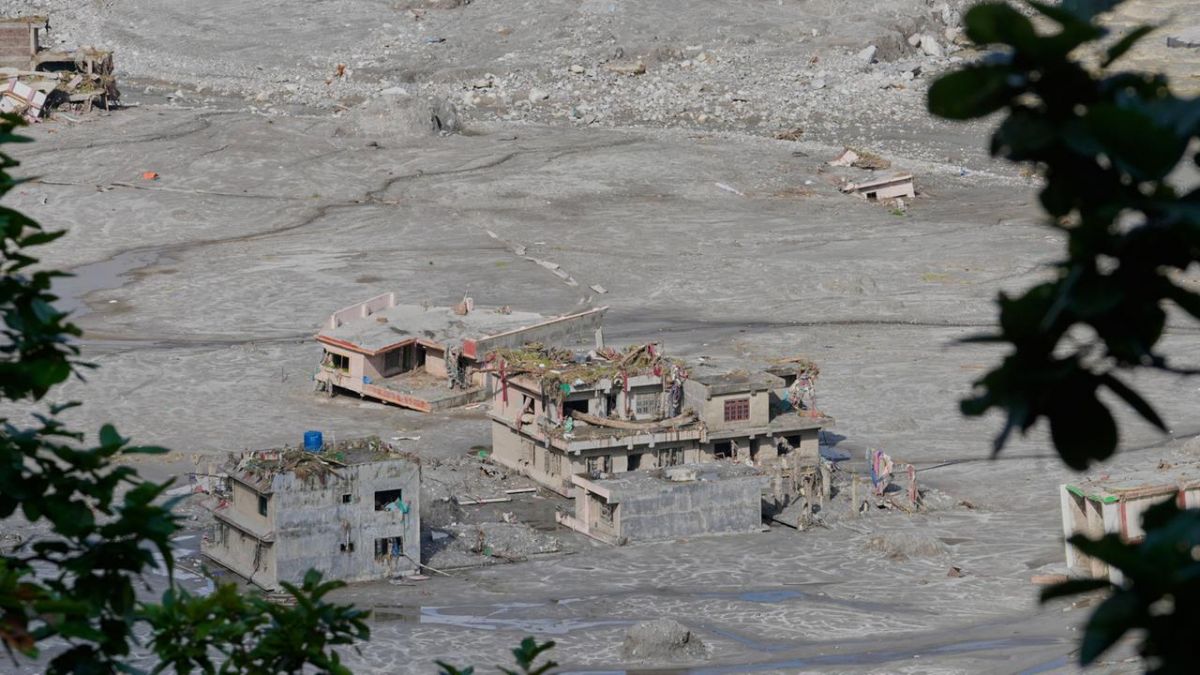
A new report shows that climate change played a crucial role in the devastating landslide in the Himalayas by endangering the stability of the mountain through glacier retreat and warming. (translated)
Klopp quiere RECUPERAR LA BANDERA de Alemania. Hoy ha salido con esta gorra (vía @berger_pj), y ha dicho: “Quiero recuperar la bandera. No quiero que cuando alguien la ondee, otro piense: ¿qué haces?” “No quiero dejar el orgullo nacional en manos de las personas equivocadas” https://t.co/iC6VHOxqTd #Alemania #Klopp #OrgulloNacional
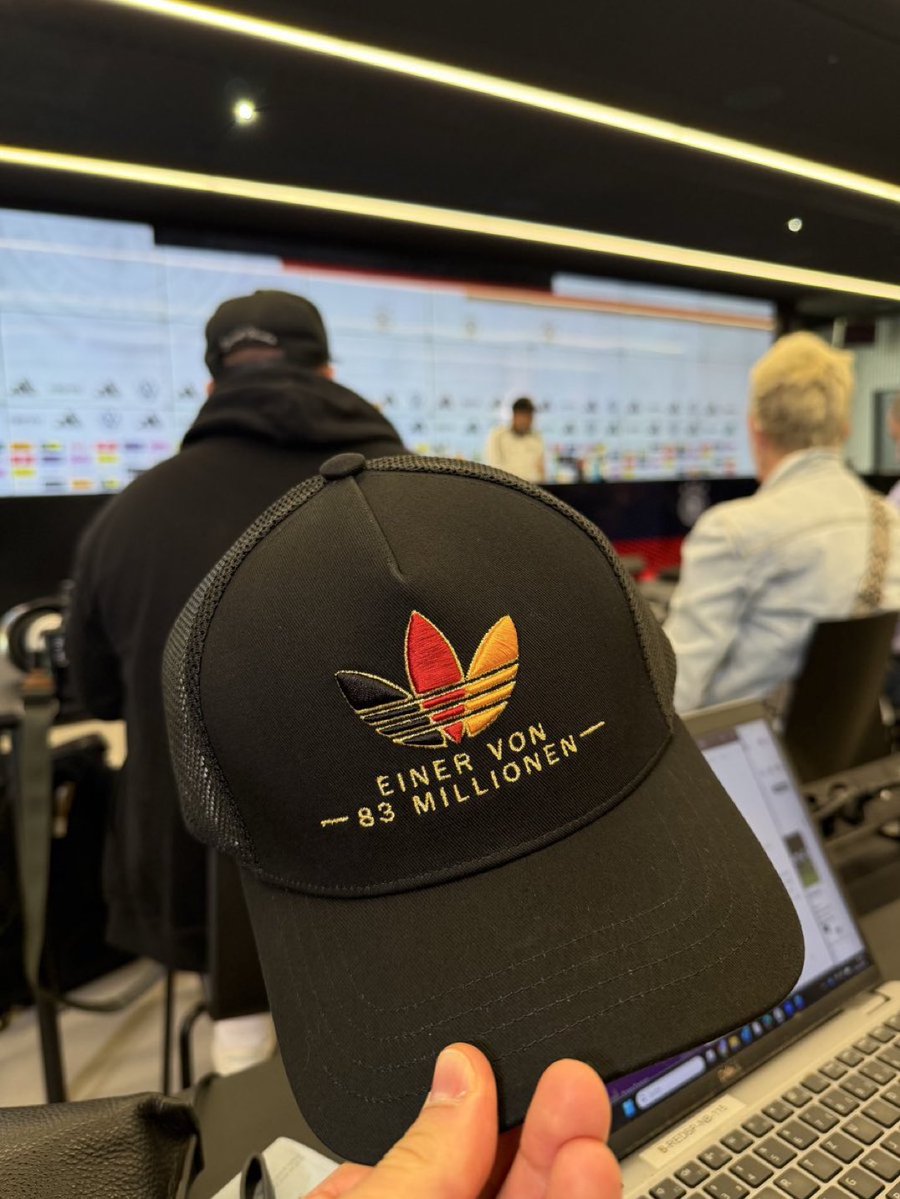

🚨 Alors que l’extrême-droite gagne du terrain en Allemagne, JÜRGEN KLOPP 🇩🇪 S’EST PRÉSENTÉ AVEC CETTE CASQUETTE EN CONF. DE PRESSE ! 🎙️🧢 « J’aimerais ramener le drapeau mais je ne veux pas que quand quelqu’un le brandit, on se dise : “qu’est-ce qui ne va pas chez toi ?” J’aimerais déjà beaucoup que l’on soit heureux de vivre dans ce merveilleux pays. 🙏 JE NE VEUX PAS LAISSER LE NATIONALISME AUX MAUVAISES PERSONNES. UN PATRIOTISME POSITIF PAR CONTRE, OUI. » (CP / 📸 @berger_pj) #Allemagne #Patriotisme #ExtrêmeDroite

@berger_pj @SkySportDE Ja, warum wissen wir wohl alles? Ihr solltet euch bei Sky dringend hinterfragen, ob diese ganzen Nominierungsleaks wirklich nötig sind und einen Mehrwert haben. Das war gefühlt nur ein Machtkampf zwischen euch und der Bild und niemand außer euch hatte wirklich etwas davon #Sport #Medien #Nominierungen

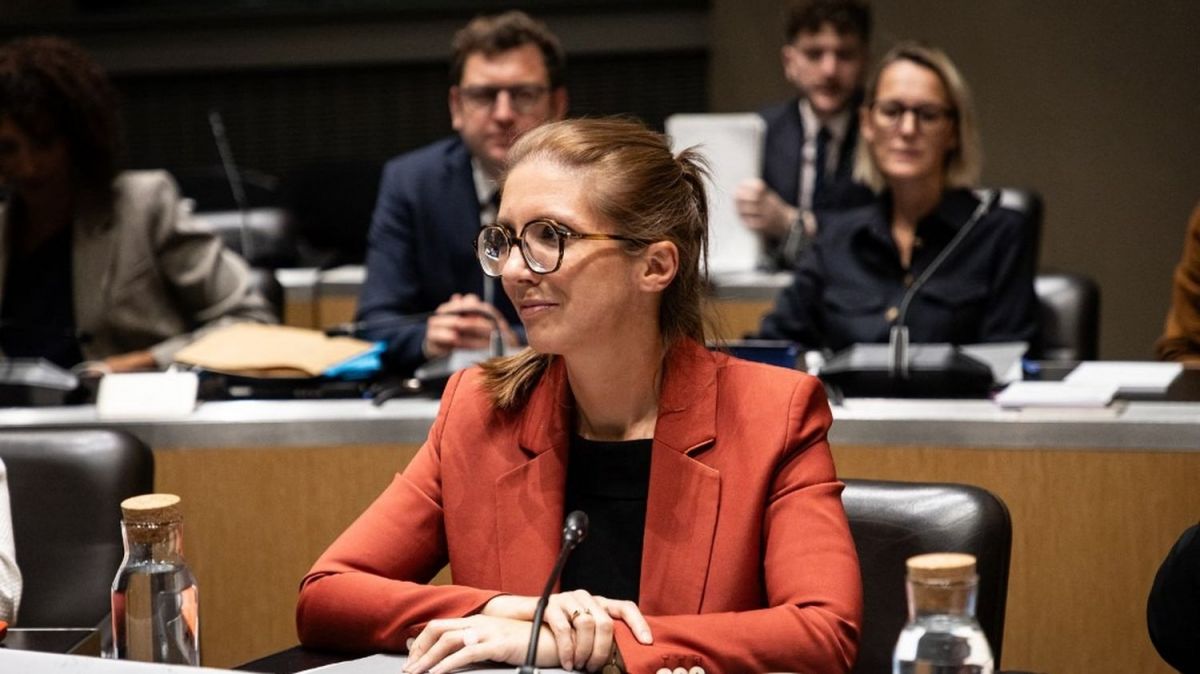
Aurore Bergé announced the submission of an amendment aimed at introducing coercive control into the Penal Code as part of the law on sexist and sexual violence. (translated)

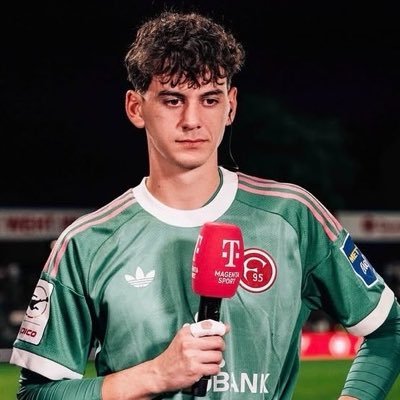
Laut @berger_pj stehen sowohl Jonny Burkardt als auch erstmals Youned Ebnoutalib im Aufgebot von Bundestrainer Jürgen Klopp. Was für ein Aufstieg von Younes! 3 Saisontore und eine Vorlage in den ersten drei Spielen…#SGE 🦅 #Bundesliga #Fußball #DFB
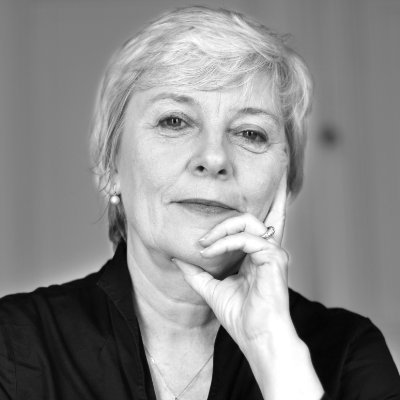
Une cabale contre Florence Bergeaud-Blackler menée par deux universitaires au Danemark et relayée sans vérification par @lemondefr enfin prouvée. https://t.co/zPLPNQPJ08 #FlorenceBergeaudBlackler #Université #Médias


« Aurore Bergé, on ne sait jamais si elle a parlé ou si elle a chié » Heureusement qu’il y a @sale_con pour nous informer, hein ? https://t.co/qvqiKEhncP #politique #humour #actualité






