WRLD

Search

#Circuit
Luciano Magaldi Sardella (PhD) 1h

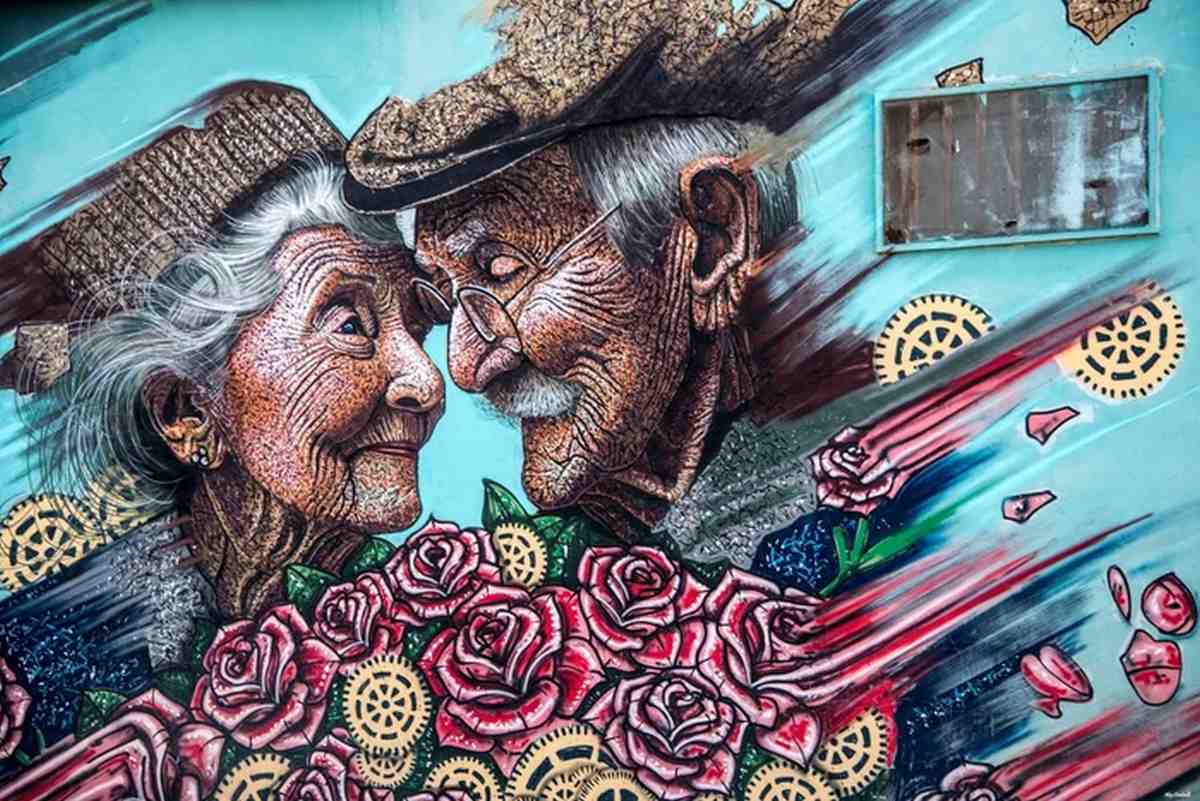
“THE STRAMURALES OF STORNARA IN THE “GLOBAL TOP20” OF THE UNITED NATIONS REPORT (WIPO)” STORNARA (FG) - There is a South Italy that makes little noise. It lies among the wheat fields and rural roads of Capitanata, far from the major routes of mass tourism. Until a few years ago, Stornara, in the province of Foggia, was the typical village that statistics dismiss with a cruel adjective: “peripheral.” Today, its name appears in an analysis by WIPO, the World Intellectual Property Organization, a United Nations agency in Europe based in Geneva, alongside Berlin, New York, Los Angeles, Paris, and Melbourne. A Report that Looks at the Walls of the World The text is titled "From Local Scenes to Global Recognition: Talent Mobility in Street Art." It is authored by three WIPO economists, Egbert Amoncio, Alexander Cuntz, and Alessio Muscarnera, and was published at the end of May 2026 in the “Creative Industries Insights” series. To build it, the authors started from the data of the “Street Art Cities” platform. The technical note speaks of about 74,000 geolocated works, collected and shared by street art enthusiasts worldwide. The fundamental questions are simple. Where does street art originate? Who travels to paint it? Which cities manage to attract talent from outside? The first answer dismantles a cliché. Street art is a profoundly local phenomenon. About one in five artists also works abroad, while the vast majority paints in their own city or nearby. Among the few who cross borders, nearly 40 percent is “highly mobile”: they build an international artistic brand without severing their roots. These are the cases of Banksy, Os Gemeos, and Invader, whose walls appear on multiple continents. The authors use an effective term: street art is “glocal,” rooted in its territory but able to generate global circuits of talent and recognition. The “Magnets” of the World When asked which cities most attract foreign artists, the map is fascinating. North America weighs in for size, with New York, Los Angeles, and Miami. Western Europe offers a dense network of opportunities, from Berlin to Amsterdam, from Vienna to Ghent, from Basel to Rotterdam, favored by the circuit of festivals and the freedom of movement of the Schengen area. Lisbon and Barcelona have focused on municipal support policies. Melbourne is the sole representative from Oceania, while Northern Europe relies on Bergen, London, Belfast, and Stavanger. In this scenario of capitals and metropolises, the report includes an Italian exception, from Puglia, Foggia: Stornara, a small agricultural town of about 6,000 souls, has been a destination for muralist talents since 2018. It shows how street art can trigger the revival of a community: thanks to the annual “Stramurales International Street Art Festival,” born in 2017 from the strong will to combat urban and socio-economic decline by the founders of the social promotion association “Stornara Life APS,” Lino Lombardie and his Stornarese “Banda dei Fischietti,” over 173 murals have been accumulated. About fifty are works by high-level international artists, with Google Trends data showing significant interest in the tourist-muralist destination since 2017, a sign that the international festival has now captured national and international attention. It has also become the first monographic academic case study in the world on a street art festival, “Street Art as Public Health Infrastructure,” published in the prestigious academic journal “Harvard Health and Human Rights Journal” of Harvard University, by researcher Luciano Magaldi Sardella from Orta Nova and professor Matteo Mantuanodi Lucera. All of this corresponds to demonstrating that an idea, an association, and the availability of a community can change the identity of a “God-forsaken” place. This is also recounted by those who followed the story from the outside: the town, once unaccustomed to visitors, now welcomes international tourists, individuals, groups, and school classes who come to see its more than 173 murals. The Secret Lies in Density The data that has ignited the pride of Stornara is this: it’s not about volume, it’s about proportion. The organizers propose a simple indicator: the works of foreign artists divided by inhabitants, multiplied by 100,000. With around 50 international works and a population of a few thousand residents, Stornara reaches several hundred foreign works per 100,000 inhabitants. It’s a value that metropolises, with millions of residents, cannot approach. The significance must be read precisely, and this is where the beauty of the matter lies. No one claims that Stornara has more foreign murals than New York. The point is that, in relation to its scale, few places in the world concentrate so much international art per inhabitant. The impact does not dissipate in a megalopolis; it settles in every street, on every facade, in the everyday lives of those who live there. The most interesting part of the report looks beyond the ranking. The authors write that the value of street art extends well beyond the painted surfaces. Cities like Stornara demonstrate how urban art attracts tourism, generates media coverage, and can stimulate local business activities, reinforcing the sense of community and restoring the psychosocial well-being that would counteract the everlasting southern decline. However, the report adds a valuable warning: success depends on careful implementation and the involvement of artistic communities. Initiatives imposed from above risk being perceived as “predatory” by artists who care about street credibility. The global Stramurales model seems to have avoided this pitfall. Field studies tell of walls donated by residents, one-week artist residencies, and public discussions on the issues to be addressed. The Lesson from a Former “Ghost Town” The report concludes with an idea that applies to Stornara as much as to Berlin: the vitality of street art is rooted in local roots. It emerges from communities, speaks to their issues, and is made by artists immersed in their urban contexts. The artistic family of “Stornara Life APS” understood this before many regional and local politicians, turning their walls into an open-air museum, a promise, and opening them to the world without ceasing to be themselves. In this official report from the Geneva-based United Nations agency in Europe that measures the ability to attract talent, this is likely the most valuable outcome: being mentioned alongside the great capitals of urban art while remaining, after all, a rural provincial town where every wall tells a colorful world of glocal stories. (translated)

www.puglialive.net
“LO STRAMURALES DI STORNARA NELLA “GLOBAL TOP20″ DEL RAPPORTO DELLE NAZIONI UNITE (WIPO)”
52
Luciano Magaldi Sardella (PhD) 1h

"PUGLIA LIVE": "THE STRAMURALES OF STORNARA IN THE 'GLOBAL TOP 20' OF THE UNITED NATIONS (WIPO) REPORT" https://www.puglialive.net/lo-stramurales-di-stornara-nella-global-top20-del-rapporto-delle-nazioni-unite-wipo/?fbclid=IwY2xjawVnuqxleHRuA2FlbQIxMABwZG9mAWJyaWQRMHE3R3FDUWVMVnBtN1NiRGRzcnRjBmFwcF9pZBAyMjIwMzkxNzg4MjAwODkyAAEfni1MQUzX2dzoWLqtWWHtMYqwUPhHeEq7K6Bd4vgL94rnoP1BSa7Ym7l1FfU_aem_eXw5MR6pm0H_OojUfdq2CA -------------------------------------------------------------------- STORNARA (FG) – There is a southern Italy that does not make little noise. It stands between the wheat fields and the rural roads of the Capitanata, far from the great routes of mass tourism. Until a few years ago Stornara, in the province of Foggia, was the typical town that statistics dismiss with a cruel adjective: "peripheral". Today its name appears in an analysis by "WIPO", the "World Intellectual Property Organization", agency of the United Nations of Europe based in Geneva, alongside Berlin, New York, Los Angeles, Paris and Melbourne. -------------------------------------------------------------------- A Report That Looks at the Walls of the World The text is titled "From Local Scenes to Global Recognition: Talent Mobility in Street Art". It bears the signature of three WIPO economists, Egbert Amoncio, Alexander Cuntz and Alessio Muscarnera, and it was published at the end of May 2026 in the series "Creative Industries Insights". To construct it the authors started from the data of the platform "Street Art Cities". The technical note speaks of about 74,000 geolocalized works, collected and shared by street art enthusiasts all over the world. The underlying questions are simple. Where is street art born? Who travels to paint it? Which cities manage to attract talent from outside? The first answer dismantles a commonplace. Street art is a profoundly local phenomenon. About one artist in five also works abroad, while the great majority paints in its own city or in those nearby. Among the few who cross borders, almost 40 per cent is "highly mobile": it constructs an international artistic brand without severing the roots. They are the cases of Banksy, Os Gemeos and Invader, whose walls appear on more than one continent. The authors use an effective term: street art is "glocal", rooted in its own territory but capable of generating global circuits of talent and recognition. -------------------------------------------------------------------- The "Magnets" of the World When one asks which cities attract foreign artists most, the map is fascinating. North America weighs by size, with New York, Los Angeles and Miami. Western Europe offers a dense network of opportunities, from Berlin to Amsterdam, from Vienna to Ghent, from Basel to Rotterdam, favoured by the festival circuit and by freedom of movement in the Schengen area. Lisbon and Barcelona have focused on municipal policies of support. Melbourne is the only representative of Oceania, and Northern Europe relies on Bergen, London, Belfast and Stavanger. In this scenario of capitals and metropolises, the report inserts an Italian exception, Apulian, from Foggia: Stornara, a small agricultural town of about 6,000 souls, since 2018 is a destination of mural talents. It shows how street art can trigger the rebirth of a community: thanks to the annual festival "Stramurales International Street Art Festival", born in 2017 from the iron will to fight urban and socio-economic decline on the part of the founders of the social promotion association "Stornara Life APS", Lino Lombardi and his Stornarese "Banda dei Fischietti", it has accumulated over 173 murals. About fifty are works by high-level international artists, with Google Trends data that since 2017 have shown a remarkable interest for the tourist-mural destination, a sign that the international festival has by now captured national and international attention. Having also become the first monographic academic case study in the world on a street art festival, "Street Art as Public Health Infrastructure", published in the prestigious world-level academic journal, the "Harvard Health and Human Rights Journal" of Harvard University, by the researcher Luciano Magaldi Sardella of Orta Nova and the professor Matteo Mantuano of Lucera, all this corresponds to the demonstration that an idea, an association and the availability of a community can change the identity of a place "forgotten by God". It is also told by those who have followed the affair from outside: the town, once little accustomed to visitors, today welcomes international tourists, individuals, groups and school parties come to see its over 173 murals. -------------------------------------------------------------------- The Secret Is in Density The datum that has lit Stornarese pride is this: volume does not count, proportion counts. The organizers propose a simple indicator: the works of foreign artists divided by inhabitants, multiplied by 100,000. With about over 50 international works and a population of a few thousand residents, at Stornara one arrives at several hundred foreign works per 100,000 inhabitants. It is a value that the metropolises, with millions of residents, cannot approach. The meaning must be read with precision, and precisely here lies the beauty of the thing. Nobody maintains that Stornara has more foreign murals than New York. The point is that, in relation to its scale, few places in the world concentrate so much international art per inhabitant. The impact does not disperse in a megalopolis: it deposits itself in every street, on every façade, in the everyday life of those who live there. The most interesting part of the report is the one that looks beyond the ranking. The authors write that the value of street art extends well beyond the painted surfaces. Cities like Stornara demonstrate how urban art attracts tourism, generates media coverage and can stimulate local commercial activities strengthening the sense of community and restoring the psychosocial well-being that would drive away the imperishable southern decline. The report adds however a precious warning: success depends on a careful implementation and on the involvement of the artistic communities. Initiatives dropped from above risk being perceived as "predatory" by artists who have street credibility at heart. The global Stramurales model seems to have avoided the pitfall. Field studies tell of walls donated by residents, one-week artist residencies and public discussion on the themes to be addressed. -------------------------------------------------------------------- The Lesson of an ex-"Ghost Town" The report closes with an idea that is valid for Stornara as much as for Berlin: the vitality of street art sinks its roots in local roots. It is born from communities, speaks of their problems, is made by artists immersed in their urban contexts. The artistic family of "Stornara Life APS" understood it before many regional and local politicians, making of its own walls an open-air museum, a promise, and it opened them to the world without ceasing to be itself. In this official report of the Geneva agency of the United Nations of Europe that measures the capacity to attract talent, this turns out to be, probably, the most precious result: to be cited alongside the great capitals of urban art and to remain, after all, a rural provincial town in which every wall tells a multicoloured world of glocal stories.

www.puglialive.net
“LO STRAMURALES DI STORNARA NELLA “GLOBAL TOP20″ DEL RAPPORTO DELLE NAZIONI UNITE (WIPO)”
52
Quindici Zero 🎾 14h

Quindici Zero wrote that Mirra Andreeva had won the WTA Finals, finishing her best season on the tour, in which she also won her first Slam title. According to the author, Andreeva defeated Elina Svitolina in the final at Indian Wells 7-5, 6-3 and would finish the year in second place in the WTA ranking, with 55 victories, the highest number on tour. Quindici Zero added that Andreeva was 19 years, 6 months, and 16 days old. #WTAFinals #MirraAndreeva #Tennis (translated)

2510
EL PAÍS 18h

Rory McIlroy is crowned champion of the Race to Dubai, achieving his eighth Order of Merit, while Eugenio Chacarra finishes a notable season on the American circuit. #RaceToDubai #RoryMcIlroy #EugenioChacarra (translated)

elpais.com
Rory McIlroy conquista la Race to Dubai ante un gran Eugenio Chacarra
2100
Il Messaggero 1d

Today, Sunday, November 15, 2026, the ATP Finals 2026 begin at the Inalpi Arena in Turin, with matches between Zverev-Jodar and Shelton-Fils, featuring eight of the best players on the tour competing for the title until November 22. #ATPFinals #Tennis #Torino (translated)

www.ilmessaggero.it
Atp Finals, oggi Zverev-Jodar a Shelton-Fils: programma, orari e dove vedere le partite (anche in chiaro)
2310
LaVanguardia 1d

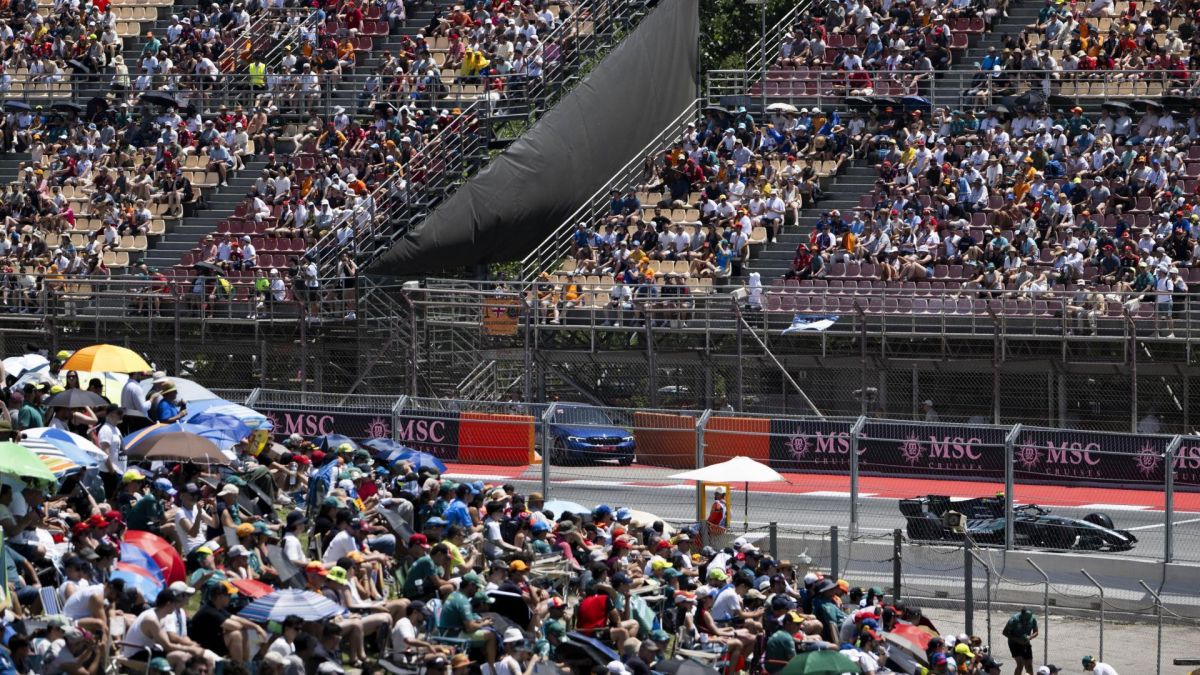
The Generalitat is considering terminating the management agreement for the Montmeló circuit with Fira due to a crisis between the two institutions, while discussions are ongoing about the renewal of the contract before December 1. #Montmeló #Fira #Fórmula1 (translated)

www.lavanguardia.com
Crisis entre el Govern y la Fira por la gestión del circuito de Montmeló
2421
Luciano Magaldi Sardella (PhD) 3d

"GAZZETTA H24": STREET ART, STORNARA JOINS THE WIPO REPORT ALONGSIDE THE GREAT CITIES OF THE WORLD SOURCE: https://www.gazzettah24.it/street-art-stornara-entra-nel-rapporto-wipo-accanto-alle-grandi-citta-del-mondo/ ------------------------------------------------------------------- From "ghost town" to global model cited in Geneva: the cultural bet of Stornara Life APS captures the attention of WIPO. --------------------------------------------------------------------  STORNARA (FG) - There is a Southern Italy that makes little noise. It lies among the fields of wheat and rural roads of Capitanata, far from the main routes of mass tourism. Until a few years ago, Stornara, in the province of Foggia, was the typical town that statistics dismiss with a cruel adjective: "peripheral." Today, its name appears in an analysis from WIPO, the "World Intellectual Property Organization", the United Nations Agency in Europe based in Geneva. "Stornara Life APS" alongside Berlin, New York, Los Angeles, Paris, and Melbourne. ------------------------------------------------------------------ A report that looks at the walls of the world The text is titled "From Local Scenes to Global Recognition: Talent Mobility in Street Art". It is authored by three WIPO economists, Egbert Amoncio, Alexander Cuntz, and Alessio Muscarnera, and has been published in the "Creative Industries Insights" series. To build it, the authors started from data from the "Street Art Cities" platform. The technical note talks about approximately 74,000 geolocated works, collected and shared by street art enthusiasts worldwide. The fundamental questions are simple. Where does street art originate? Who travels to paint it? Which cities manage to attract outside talent? The first answer dismantles a common misconception. Street art is a profoundly local phenomenon. About one in five artists also works abroad, while the vast majority paint in their own city or in nearby ones. Among the few who cross borders, almost 40 percent are "highly mobile": they build an international artistic brand without severing their roots. These include the cases of Banksy, Os Gemeos, and Invader, whose walls appear on multiple continents. The authors use an effective term: street art is "glocal," rooted in its territory but capable of generating global circuits of talent and recognition. -------------------------------------------------------------------- The magnets of the world When asked which cities attract the most foreign artists, the map is fascinating. North America weighs heavily, with New York, Los Angeles, and Miami. Western Europe offers a dense network of opportunities, from Berlin to Amsterdam, from Vienna to Ghent, from Basel to Rotterdam, favored by the festival circuit and the freedom of movement within the Schengen area. Lisbon and Barcelona have focused on municipal support policies. Melbourne is the only representative from Oceania, and Northern Europe relies on Bergen, London, Belfast, and Stavanger. In this scenario of capitals and metropolises, the report includes an Italian exception, from Puglia, Foggia: Stornara, a small agricultural town of about 6,000 inhabitants, has been a destination for mural talents since 2018. It shows how street art can spark the rebirth of a community: thanks to the annual "Stramurales International Street Art Festival," born in 2017 from the strong will to combat urban and socio-economic decline by the founders of the social promotion association "Stornara Life APS,” Lino Lombardi and his local "Banda dei Fischietti," it has accumulated over 173 murals. About fifty of these are works by high-level international artists, with Google Trends data since 2017 showing notable interest in the mural tourism destination, indicating that the international festival has now captured national and international attention. It has also become the first academic case study in the world on a street art festival, "Street Art as Public Health Infrastructure," published in the prestigious academic journal "Harvard Health and Human Rights Journal" from Harvard University. Written by researcher Luciano Magaldi Sardella from Orta Nova and professor Matteo Mantuano from Lucera, this corresponds to the demonstration that an idea, an association, and the willingness of a community can change the identity of a place "forgotten by God." This is also recounted by those who have followed the story from the outside: the town, once little accustomed to visitors, now welcomes international tourists, individuals, groups, and schoolchildren who come to see its over 173 murals. ----------------------------------------------------------------- The secret is in density The data that has sparked pride in Stornara is this: it's not the volume that matters, it's the proportion. The organizers propose a simple indicator: works by foreign artists divided by the number of residents, multiplied by 100,000. With about over 50 international works and a population of a few thousand residents, Stornara reaches several hundred foreign works for every 100,000 inhabitants. This is a value that metropolises, with millions of residents, cannot approach. The meaning must be read accurately, and this is where the beauty of the matter lies. No one claims that Stornara has more foreign murals than New York. The point is that, in relation to its scale, few places in the world concentrate so much international art per inhabitant. The impact does not disperse in a megalopolis: it settles in every street, on every facade, in the daily life of those who live there. The most interesting part of the report looks beyond the ranking. The authors write that the value of street art extends well beyond the painted surfaces. Cities like Stornara demonstrate how urban art attracts tourism, generates media coverage, and can stimulate local businesses while strengthening community bonds and restoring the psychosocial well-being that could counter the perpetual Southern decline. However, the report adds a valuable warning: success depends on careful implementation and the involvement of artistic communities. Top-down initiatives risk being perceived as "predatory" by artists who care about the credibility of street art. The global model Stramurales appears to have avoided this pitfall. Field studies tell of walls donated by residents, week-long artist residences, and public discussions on the themes to be addressed. -------------------------------------------------------------------- The lesson of a town The report concludes with an idea that holds true for both Stornara and Berlin: the vitality of street art sinks its roots in local contexts. It arises from communities, speaks of their problems, and is made by artists immersed in their urban environments. The artistic family of "Stornara Life APS" understood this before many regional and local politicians, creating their walls into an open-air museum, a promise, and opening them to the world without ceasing to be themselves. In this official report from the Geneva Agency of the United Nations in Europe that measures the ability to attract talent, this results in, perhaps, the most precious value. Being cited alongside the great capitals of urban art while remaining, after all, a rural provincial town where every wall tells a colorful world of glocal stories. (translated)

www.gazzettah24.it
Street art, Stornara entra nel rapporto WIPO accanto alle grandi città del mondo
223
Luciano Magaldi Sardella (PhD) 3d

"GAZZETTA H24": STREET ART, STORNARA ENTERS THE WIPO REPORT ALONGSIDE THE GREAT CITIES OF THE WORLD SOURCE: https://www.gazzettah24.it/street-art-stornara-entra-nel-rapporto-wipo-accanto-alle-grandi-citta-del-mondo/ -------------------------------------------------------------------- From 'ghost town' to global model cited in Geneva: the cultural wager of Stornara Life APS wins the attention of WIPO. STORNARA (FG) - There is a Southern Italy that makes no little noise. It stands among the wheat fields and the rural roads of the Capitanata, far from the great routes of mass tourism. Until a few years ago Stornara, in the province of Foggia, was the typical town that statistics dismiss with a cruel adjective: 'peripheral'. Today its name appears in an analysis by WIPO, the 'World Intellectual Property Organization', the United Nations Agency of Europe headquartered in Geneva. 'Stornara Life APS' alongside Berlin, New York, Los Angeles, Paris, and Melbourne. -------------------------------------------------------------------- A report that looks at the walls of the world The text is entitled 'From Local Scenes to Global Recognition: Talent Mobility in Street Art'. It bears the signature of three WIPO economists, Egbert Amoncio, Alexander Cuntz, and Alessio Muscarnera, and was published in the series 'Creative Industries Insights'. To build it the authors started from the data of the platform 'Street Art Cities'. The technical note speaks of about 74,000 geolocalized works, collected and shared by street-art enthusiasts all over the world. The underlying questions are simple. Where is street art born? Who travels to paint it? Which cities manage to attract talent from outside? The first answer dismantles a commonplace. Street art is a profoundly local phenomenon. About one artist in five also works abroad, whereas the great majority paints in its own city or in those nearby.  Among the few who cross the borders, almost 40 per cent are 'highly mobile': they build an international artistic brand without severing their roots. They are the cases of Banksy, Os Gemeos, and Invader, whose walls appear on more than one continent. The authors use an effective term: street art is 'glocal', rooted in its own territory but capable of generating global circuits of talent and recognition. ---------------------------------------------------------------- The magnets of the world When one asks which cities attract foreign artists most, the map is fascinating. North America weighs by size, with New York, Los Angeles, and Miami. Western Europe offers a dense network of opportunities, from Berlin to Amsterdam, from Vienna to Ghent, from Basel to Rotterdam, favoured by the festival circuit and by freedom of movement of the Schengen area. Lisbon and Barcelona have staked on municipal policies of support. Melbourne is the sole representative of Oceania, and Northern Europe relies on Bergen, London, Belfast, and Stavanger. In this scenario of capitals and metropolises, the report inserts an Italian, Apulian, Foggian exception: Stornara, a small agricultural town of about 6,000 souls, since 2018 has been a destination for mural talent. It shows how street art can trigger the rebirth of a community: thanks to the annual festival 'Stramurales International Street Art Festival', born in 2017 from the iron will to combat urban and socio-economic decline on the part of the founders of the social promotion association 'Stornara Life APS', Lino Lombardi and his Stornarese 'Banda dei Fischietti', it has accumulated more than 173 murals. About fifty of them are works by high-level international artists, with Google Trends data which since 2017 have shown a remarkable interest in the tourist-mural destination, a sign that the international festival has by now captured national and international attention. It has also become the first monographic academic case study in the world on a street-art festival, 'Street Art as Public Health Infrastructure', published in the prestigious journal of world academic standing, the 'Harvard Health and Human Rights Journal' of Harvard University. Through the work of the researcher Luciano Magaldi Sardella of Orta Nova and of Professor Matteo Mantuano of Lucera, all this corresponds to the demonstration that an idea, an association, and the availability of a community can change the identity of a place 'forgotten by God'. He who has followed the affair from outside also tells it: the town, once little accustomed to visitors, today welcomes international tourists, individuals, groups, and school parties come to see its more than 173 murals. -------------------------------------------------------------------- The secret is in density The datum which has kindled Stornarese pride is this: volume does not count, proportion counts. The organizers propose a simple indicator: works by foreign artists divided by inhabitants, multiplied by 100,000.  With about over 50 international works and a population of a few thousand residents, at Stornara one arrives at several hundred foreign works per 100,000 inhabitants. It is a value which the metropolises, with millions of residents, cannot approach. The meaning must be read with precision, and precisely here stands the beauty of the thing. No one maintains that Stornara has more foreign murals than New York. The point is that, in relation to its scale, few places in the world concentrate so much international art per inhabitant.  The impact does not disperse itself in a megalopolis: it deposits itself in every street, on every façade, in the everyday life of those who inhabit it. The most interesting part of the report is that which looks beyond the ranking. The authors write that the value of street art extends well beyond the painted surfaces. Cities such as Stornara demonstrate how urban art attracts tourism, generates media coverage, and can stimulate local commercial activities, strengthening the sense of community and restoring the psychosocial well-being which would distance the imperishable southern decline.  The report adds, however, a precious warning: success depends on careful implementation and on the involvement of the artistic communities. Initiatives dropped from above risk being perceived as 'predatory' by artists who have street credibility at heart. The global Stramurales model seems to have avoided the snare. Field studies tell of walls donated by residents, one-week artists' residencies, and public discussion of the themes to be addressed. ----------------------------------------------------------------- The lesson of a town The report closes itself with an idea which holds for Stornara as much as for Berlin: the vitality of street art sinks in local roots. It is born from communities, speaks of their problems, is made by artists immersed in their urban contexts. The artistic family of 'Stornara Life APS' understood it before many regional and local politicians, making of its own walls an open-air museum, a promise, and opening them to the world without ceasing to be itself. In this official report of the Genevan Agency of the United Nations of Europe which measures the capacity to attract talent, this turns out to be, probably, the most precious result:. To be cited alongside the great capitals of urban art and to remain, after all, a rural provincial town in which every wall tells a variegated world of glocal stories.

www.gazzettah24.it
Street art, Stornara entra nel rapporto WIPO accanto alle grandi città del mondo
112
Il Fatto Quotidiano 3d

Thiago Agustin Tirante has expressed his personal difficulties and criticisms regarding the ego of some tennis players on the circuit, highlighting the loneliness and the challenge of mental health, receiving supportive feedback from Lorenzo Musetti. #SaluteMentale #Tennis #EgoPlurale (translated)

www.ilfattoquotidiano.it
Tirante sbotta: “Tra noi tennisti non parliamo, alcuni hanno un ego smisurato. È un grosso problema”. Musetti gli risponde
2456
Luciano Magaldi Sardella (PhD) 3d

"VIVERE PUGLIA": STRAMURALES: STORNARA IN THE “GLOBAL TOP 20” OF THE REPORT BY THE UNITED NATIONS AGENCY IN EUROPE” From “ghost town” to global model cited in Geneva: the cultural gamble of Stornara Life APS wins the attention of WIPO There is a southern Italy that is making quite a noise. It lies among the wheat fields and rural roads of the Capitanata, far from the great routes of mass tourism. Until a few years ago Stornara, in the province of Foggia, was the typical town that statistics dismiss with a cruel adjective: “peripheral”. Today its name appears in an analysis by WIPO, the “World Intellectual Property Organization”, a United Nations agency in Europe based in Geneva. So Stornara alongside Berlin, New York, Los Angeles, Paris, and Melbourne. A report that looks at the walls of the world The text is entitled “From Local Scenes to Global Recognition: Talent Mobility in Street Art. It is signed by three WIPO economists, Egbert Amoncio, Alexander Cuntz, and Alessio Muscarnera, and was published in the “Creative Industries Insights” series. To construct it, the authors started from data from the “Street Art Cities” platform. The technical note speaks of about 74,000 geolocated works, collected and shared by street art enthusiasts around the world. The underlying questions are simple. Where is street art born? Who travels to paint it? Which cities succeed in attracting talent from outside? The first answer dismantles a commonplace. Street art is a profoundly local phenomenon. About one artist in five also works abroad, while the great majority paint in their own city or in nearby ones. Among the few who cross borders, almost 40 per cent are “highly mobile”: they build an international artistic brand without severing their roots. These are the cases of Banksy, Os Gemeos, and Invader, whose walls appear on several continents. The authors use an effective term: street art is “glocal”, rooted in its own territory but capable of generating global circuits of talent and recognition. The magnets of the world When one asks which cities most attract foreign artists, the map is fascinating. North America weighs in by size, with New York, Los Angeles, and Miami. Western Europe offers a dense network of opportunities, from Berlin to Amsterdam, from Vienna to Ghent, from Basel to Rotterdam, favoured by the festival circuit and by freedom of movement in the Schengen area. Lisbon and Barcelona have focused on supportive municipal policies. Melbourne is the sole representative of Oceania, and Northern Europe relies on Bergen, London, Belfast, and Stavanger. In this scenario of capitals and metropolises, the report inserts an Italian, Apulian, Foggia exception: Stornara, a small agricultural town of about 6,000 souls, has since 2018 been a destination for mural talent. It shows how street art can trigger the rebirth of a community: thanks to the annual festival “Stramurales International Street Art Festival”, born in 2017 from the iron will to combat urban and socio-economic decline on the part of the founders of the social promotion association Stornara Life APS, Lino Lombardi and his Stornara-based Banda dei Fischietti, it has accumulated more than 173 murals. About fifty of them are works by high-level international artists, with Google Trends data since 2017 having shown remarkable interest in the tourist-mural destination, a sign that the international festival has now captured national and international attention. Having also become the world’s first single-case academic study on a street art festival, “Street Art as Public Health Infrastructure”, published in the prestigious world-level academic journal, the “Harvard Health and Human Rights Journal” of Harvard University, by the researcher Luciano Magaldi Sardella from Orta Nova and Professor Matteo Mantuano from Lucera, all this amounts to proof that an idea, an association, and the willingness of a community can change the identity of a place “forgotten by God”. Those who have followed the story from outside tell it too: the town, once little accustomed to visitors, today welcomes international tourists, individuals, groups, and school parties who have come to see its more than 173 murals. The secret lies in density The figure that has ignited Stornara pride is this: volume does not count, proportion does. The organizers propose a simple indicator: works by foreign artists divided by inhabitants, multiplied by 100,000. With more than 50 international works and a population of a few thousand residents, Stornara reaches several hundred foreign works per 100,000 inhabitants. It is a value that metropolises, with millions of residents, cannot approach. The meaning must be read precisely, and precisely here lies the beauty of the thing. Nobody claims that Stornara has more foreign murals than New York. The point is that, in relation to its scale, few places in the world concentrate so much international art per inhabitant. The impact is not dispersed in a megalopolis: it settles in every street, on every façade, in the daily life of those who live there. The most interesting part of the report is the one that looks beyond the ranking. The authors write that the value of street art extends far beyond painted surfaces. Cities like Stornara show how urban art attracts tourism, generates media coverage, and can stimulate local commercial activities, strengthening the sense of community and restoring psychosocial well-being that would drive away the perennial southern decline. The report adds, however, a valuable warning: success depends on careful implementation and on the involvement of artistic communities. Top-down initiatives risk being perceived as “predatory” by artists who care about street credibility. The global Stramurales model seems to have avoided the pitfall. Field studies tell of walls donated by residents, week-long artist residencies, and public discussion of the themes to be addressed. The lesson of a town The report closes with an idea that holds for Stornara as much as for Berlin: the vitality of street art is rooted in local roots. It is born from communities, speaks of their problems, and is made by artists immersed in their urban contexts. The artistic family of Stornara Life APS understood this before many regional and local politicians, making its own walls an open-air museum, a promise, and opening them to the world without ceasing to be itself. In this official report by the Geneva-based United Nations agency in Europe that measures the capacity to attract talent, this turns out to be, probably, the most precious result: to be cited alongside the great capitals of urban art and to remain, after all, a rural provincial town in which every wall tells a colourful world of glocal stories. (translated)

448
Luciano Magaldi Sardella (PhD) 3d

“VIVERE PUGLIA”: STRAMURALES: STORNARA IN THE “GLOBAL TOP 20” OF THE REPORT OF THE UNITED NATIONS AGENCY OF EUROPE SOURCE: https://www.viverepuglia.it/2026/11/12/stramurales-stornara-nella-global-top-20-del-rapporto-dellagenzia-delle-nazioni-unite-deuropa/207030/ ------------------------------------------------------------------- From “ghost town” to global model cited in Geneva: the cultural bet of Stornara Life APS captures the attention of WIPO There is a South Italy that does not make much noise. It lies among the wheat fields and rural roads of Capitanata, far from the main routes of mass tourism. Until a few years ago, Stornara, in the province of Foggia, was the typical town that statistics dismiss with a cruel adjective: “peripheral.” Today its name appears in a WIPO analysis, the “World Intellectual Property Organization,” a United Nations agency in Europe based in Geneva. So, Stornara stands alongside Berlin, New York, Los Angeles, Paris, and Melbourne. ------------------------------------------------------------------- A report that looks at the walls of the world The text is titled From Local Scenes to Global Recognition: Talent Mobility in Street Art. It is authored by three WIPO economists, Egbert Amoncio, Alexander Cuntz, and Alessio Muscarnera, and has been published in the “Creative Industries Insights” series. To build it, the authors started from data from the “Street Art Cities” platform. The technical note discusses about 74,000 geolocated works collected and shared by street art enthusiasts worldwide. The underlying questions are simple. Where does street art originate? Who travels to paint it? Which cities manage to attract talent from outside? The first answer dismantles a common misconception. Street art is a profoundly local phenomenon. About one in five artists also works abroad, while the vast majority paint in their own city or nearby ones. Among the few who cross borders, nearly 40 percent is “highly mobile”: they build an international artistic brand without severing their roots. These include cases like Banksy, Os Gemeos, and Invader, whose works appear on multiple continents. The authors use an effective term: street art is “glocal,” rooted in its territory yet capable of generating global circuits of talent and recognition. -------------------------------------------------------------------- The magnets of the world When asked which cities most attract foreign artists, the map is fascinating. North America weighs in terms of size, with New York, Los Angeles, and Miami. Western Europe offers a dense network of opportunities, from Berlin to Amsterdam, from Vienna to Ghent, from Basel to Rotterdam, fueled by the festival circuit and the freedom of movement within the Schengen area. Lisbon and Barcelona have focused on municipal support policies. Melbourne is the only representative from Oceania, while Northern Europe relies on Bergen, London, Belfast, and Stavanger. In this landscape of capitals and metropolises, the report includes an Italian, Apulian, Foggian exception: Stornara, a small agricultural town of about 6,000 residents, has been a destination for mural talent since 2018. It shows how street art can trigger a community's revival: thanks to the annual “Stramurales International Street Art Festival,” born in 2017 from the determined will to combat urban and socio-economic decline by the founders of the social promotion association Stornara Life APS, Lino Lombardi and his local Banda dei Fischietti, it has accumulated over 173 murals. About fifty are works by high-level international artists, with Google Trends data since 2017 showing a remarkable interest in the tourism-mural destination, indicating that the international festival has now captured national and international attention. It has also become the first monographic academic case study in the world on a street art festival, “Street Art as Public Health Infrastructure,” published in the prestigious global academic journal “Harvard Health and Human Rights Journal” of Harvard University, by researcher Luciano Magaldi Sardella from Orta Nova and professor Matteo Mantuano from Lucera. All this corresponds to the demonstration that an idea, an association, and a community's willingness can change the identity of a place “forgotten by God.” This is also told by those who have followed the story from the outside: the town, once unaccustomed to visitors, now welcomes international tourists, individuals, groups, and school classes coming to see its over 173 murals. ----------------------------------------------------------------- The secret lies in density The data that has ignited pride in Stornara is this: it’s not the volume that matters, but the proportion. The organizers propose a simple indicator: the works of foreign artists divided by the population, multiplied by 100,000. With about over 50 international works and a population of a few thousand residents, Stornara reaches several hundred foreign works per 100,000 inhabitants. It’s a value that metropolises, with millions of residents, cannot approach. The significance must be read accurately, and here lies the beauty of the thing. No one claims that Stornara has more foreign murals than New York. The point is that, relative to its scale, few places in the world concentrate so much international art per inhabitant. The impact does not dissipate in a megalopolis: it settles in every street, on every façade, in the daily lives of those who live there. The most interesting part of the report looks beyond the ranking. The authors note that the value of street art extends well beyond painted surfaces. Cities like Stornara demonstrate how urban art attracts tourism, generates media coverage, and can stimulate local commercial activities while strengthening community bonds and restoring the psychosocial well-being that could fend off enduring southern decline. However, the report adds a valuable warning: success depends on careful implementation and the involvement of artistic communities. Top-down initiatives risk being perceived as “predatory” by artists who care about street credibility. The global Stramurales model seems to have avoided this pitfall. Field studies recount walls donated by residents, week-long artist residencies, and public discussions on issues to address. ----------------------------------------------------------------- The lesson from a town The report concludes with an idea that applies to Stornara as much as to Berlin: the vitality of street art is rooted in local foundations. It arises from communities, speaks of their problems, and is made by artists immersed in their urban contexts. The artistic family of Stornara Life APS understood this before many regional and local politicians, turning their walls into an open-air museum, a promise, and opened them to the world while remaining true to themselves. In this official report from the Geneva-based United Nations agency in Europe that measures the capacity to attract talent, this is likely the most valuable outcome: being mentioned alongside the great capitals of urban art while remaining, after all, a rural provincial town where every wall tells a colorful world of glocal stories. (translated)

560
20 minutos 3d

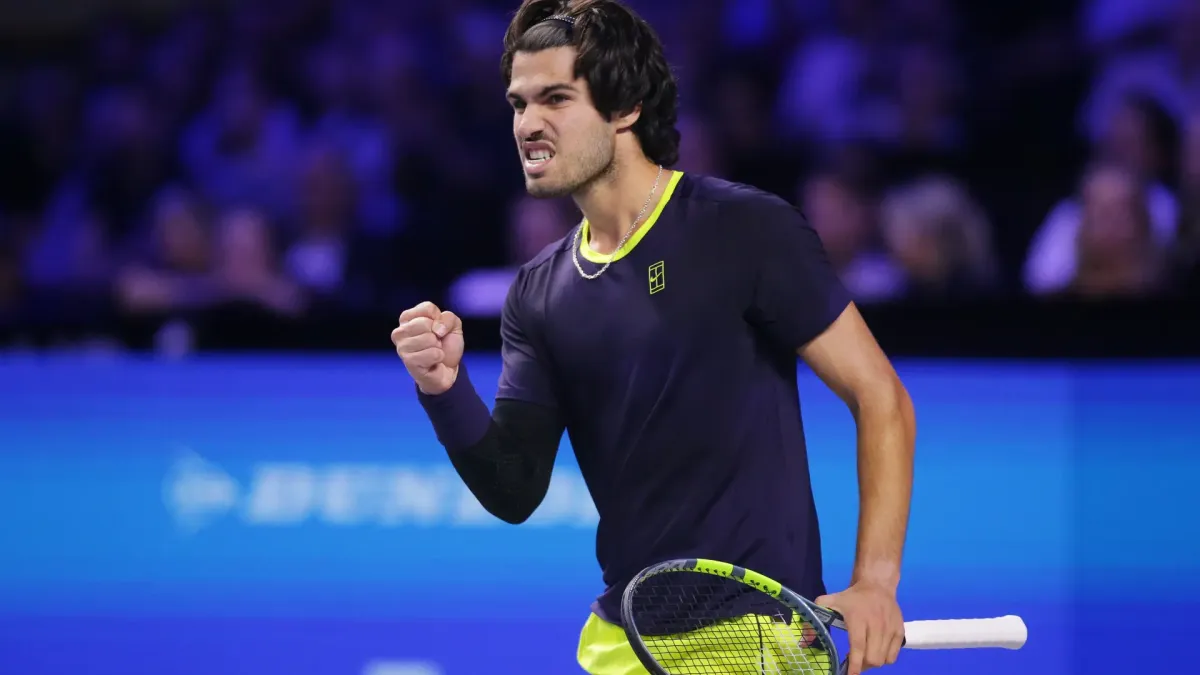
Carlos Alcaraz is dazzling on the tennis circuit with a meteoric career that brings him closer to the records of Rafa Nadal and Novak Djokovic, after having won his seventh Masters 1000 title in Paris and reaching a total of seven Grand Slams. #CarlosAlcaraz #Tenis #Masters1000 (translated)

www.20minutos.es
Alcaraz, una carrera meteórica que amenaza los récords de Rada Nadal y Novak Djokovic
2799
David Alandete 4d

David Alandete wrote that a KPMG audit for the United States described a Venezuelan budget controlled from Washington. He explained that revenues from oil, gold, minerals, and fertilizers went through a custody account, and their disbursement required U.S. authorization. He added that about $12.108 billion was released between January and September through that mechanism. Alandete pointed out that the money was still Venezuelan, although the decision to release it belonged to the United States. #Venezuela #KPMG #Auditoría (translated)

3256
Tear Off 4d

Tear Off reported that Romain Grosjean probably considered his single-seater career over and now wanted to prioritize endurance, mentioning a busy lifestyle and a difficult year. Grosjean recalled leading the 500 Miles of Indianapolis, finishing in the top 10, and being among the top five for a large part of the last 60 laps. He also mentioned his podium in Markham. After the races in Milwaukee and Laguna Seca, where he had qualified almost last, he said he no longer wanted to experience this type of situation or find himself without means to compete. For the future, he said he wanted to share the experience more with others, enjoy himself, and win endurance races. #RomainGrosjean #Monoplace #Endurance (translated)

3256
Jean Marc Morandini 4d
French television host

The author of the message stated that Frankie Muniz, actor from the series "Malcolm," had been hospitalized after an accident that occurred on the Daytona circuit in Florida while he was participating in a car race. https://t.co/FZWtSgqGAZ #FrankieMuniz #Malcolm #accident #US (translated)

2696
Luciano Magaldi Sardella (PhD) 4d

"THE SIPPONTINO": STORNARA IN THE "GLOBAL TOP 20" OF THE REPORT FROM THE UNITED NATIONS AGENCY FOR EUROPE From "ghost town" to global model cited in Geneva: the cultural bet of Stornara Life APS captures the attention of WIPO. There is a Southern Italy that doesn’t make much noise. It lies between the wheat fields and rural roads of Capitanata, far from the major routes of mass tourism. Until a few years ago, Stornara, in the province of Foggia, was the typical town that statistics dismiss with a cruel adjective: "peripheral." Today, its name appears in an analysis from WIPO, the World Intellectual Property Organization, a United Nations agency in Europe based in Geneva, alongside Berlin, New York, Los Angeles, Paris, and Melbourne. A report that looks at the walls of the world The document is titled "From Local Scenes to Global Recognition: Talent Mobility in Street Art." It is authored by three WIPO economists, Egbert Amoncio, Alexander Cuntz, and Alessio Muscarnera, and was published at the end of May 2026 in the Creative Industries Insights series. To construct it, the authors began with data from the "Street Art Cities" platform. The technical note discusses around 74,000 geolocated works, collected and shared by street art enthusiasts worldwide. The underlying questions are simple. Where does street art originate? Who travels to paint it? Which cities can attract talents from afar? The first answer dismantles a common misconception. Street art is a deeply local phenomenon. About one in five artists also works abroad, while the vast majority paint in their own city or nearby. Among the few who cross borders, nearly 40 percent is "highly mobile": they build an international artistic brand without severing their roots. These include the cases of Banksy, Os Gemeos, and Invader, whose works appear on multiple continents. The authors use an effective term: street art is "glocal," rooted in its local territory but capable of generating global circuits of talent and recognition. The magnets of the world When asked which cities attract the most foreign artists, the map is fascinating. North America is significant in size, with New York, Los Angeles, and Miami. Western Europe offers a dense network of opportunities, from Berlin to Amsterdam, from Vienna to Ghent, from Basel to Rotterdam, favored by the festival circuit and the freedom of movement of the Schengen area. Lisbon and Barcelona have focused on municipal support policies. Melbourne is the only representative from Oceania, while Northern Europe relies on Bergen, London, Belfast, and Stavanger. In this landscape of capitals and metropolises, the report includes an Italian exception, from Puglia, Foggia: Stornara, a small agricultural town of about 6,000 souls, has been a destination for mural talent since 2018. It shows how street art can trigger the revival of a community: thanks to the annual "Stramurales International Street Art Festival," founded in 2017 out of a strong desire to combat urban and socio-economic decline by the founders of the social promotion association "Stornara Life APS," Lino Lombardi, and his Stornara-based Fischietti Band, over 173 murals have been created. About fifty are works by high-level international artists, with Google Trends data since 2017 showing a remarkable interest in the mural tourism destination, indicating that the international festival has already captured national and international attention. It has also become the first monographic case study in the world on a street art festival, "Street Art as Public Health Infrastructure," published in the prestigious academic journal "Harvard Health and Human Rights Journal" of Harvard University, by researcher Luciano Magaldi Sardella from Orta Nova and Professor Matteo Mantuano from Lucera, all demonstrating that an idea, an association, and a community's willingness can change the identity of a place "forgotten by God." It is a sentiment echoed by those who have followed the story from the outside: the town, once unaccustomed to visitors, now welcomes international tourists, individuals, groups, and school classes who come to see its over 173 murals. The secret is in the density The data that has ignited Stornara's pride is this: it’s not the volume that counts, but the proportion. The organizers propose a simple indicator: the works by foreign artists divided by the inhabitants, multiplied by 100,000. With around 50 international works and a population of a few thousand residents, Stornara achieves several hundred foreign works per 100,000 inhabitants. It is a value that metropolises, with millions of residents, cannot approach. The meaning should be read precisely, and therein lies the beauty of the thing. No one claims that Stornara has more foreign murals than New York. The point is, in relation to its scale, few places in the world concentrate so much international art per inhabitant. The impact does not disperse in a megacity: it settles in every street, on every facade, in the daily life of those who live there. The most interesting part of the report looks beyond the ranking. The authors write that the value of street art extends well beyond the painted surfaces. Cities like Stornara demonstrate how urban art attracts tourism, generates media coverage, and can stimulate local businesses while reinforcing the sense of community and restoring the psychosocial well-being that could keep the eternal Southern decline at bay. However, the report adds a valuable warning: success depends on careful implementation and the involvement of artistic communities. Top-down initiatives risk being perceived as "predatory" by artists who care about street credibility. The global Stramurales model seems to have avoided this pitfall. Field studies describe walls donated by residents, one-week artist residencies, and public discussions on the themes to be addressed. The lesson of a place The report concludes with an idea that holds true for Stornara as much as for Berlin: the vitality of street art is rooted in local roots. It arises from communities, speaks of their problems, and is made by artists immersed in their urban contexts. The artistic family of Stornara Life APS understood this before many regional and local politicians, turning their walls into an open-air museum, a promise, and opened them to the world without ceasing to be themselves. In this official report from the Geneva-based United Nations agency in Europe that measures the capacity to attract talent, this appears to be, perhaps, the most valuable outcome: to be cited alongside the major capitals of urban art while still remaining, after all, a rural provincial town where every wall tells a vibrant world of glocal stories. (translated)

www.lagazzettadisansevero.it
Stramurales: Stornara nella “Global Top 20” del Rapporto dell’Agenzia delle Nazioni Unite d’Europa - La Gazzetta di San Severo - News di Capitanata
675
Luciano Magaldi Sardella (PhD) 4d

"IL SIPONTINO": STRAMURALES: STORNARA IN THE 'GLOBAL TOP 20' OF THE REPORT OF THE UNITED NATIONS AGENCY IN EUROPE. SOURCE: https://www.lagazzettadisansevero.it/stramurales-stornara-nella-global-top-20-del-rapporto-dellagenzia-delle-nazioni-unite-deuropa/?fbclid=IwY2xjawVibZVleHRuA2FlbQIxMABwZG9mAWJyaWQRMHE3R3FDUWVMVnBtN1NiRGRzcnRjBmFwcF9pZBAyMjIwMzkxNzg4MjAwODkyAAEfJpk9OBrbzNPPuzmmZTsbvjf1RRRRwgltWvqpPTryHt2mv-Z5rTEy1ifxBXU_aem_ciFpxVBzVKZmCZU0twovqQ From 'ghost town' to global model cited in Geneva: the cultural gamble of Stornara Life APS wins the attention of WIPO. There is a Southern Italy that is making quite a noise. It lies among the wheat fields and the rural roads of the Capitanata, far from the great routes of mass tourism. Until a few years ago Stornara, in the province of Foggia, was the typical town that statistics dismiss with a cruel adjective: 'peripheral'. Today its name appears in an analysis by WIPO, the World Intellectual Property Organization, the United Nations agency in Europe based in Geneva, alongside Berlin, New York, Los Angeles, Paris, and Melbourne. A report that looks at the walls of the world The text is entitled From Local Scenes to Global Recognition: Talent Mobility in Street Art. It is signed by three WIPO economists, Egbert Amoncio, Alexander Cuntz, and Alessio Muscarnera, and was published at the end of May 2026 in the Creative Industries Insights series. To build it, the authors started from the data of the Street Art Cities platform. The technical note speaks of around 74,000 geolocated works, collected and shared by street art enthusiasts all over the world. The underlying questions are simple. Where is street art born? Who travels to paint it? Which cities manage to attract talent from outside? The first answer dismantles a commonplace. Street art is a profoundly local phenomenon. Around one artist in five also works abroad, while the great majority paint in their own city or in those nearby. Among the few who cross borders, almost 40 per cent are 'highly mobile': they build an international artistic brand without severing their roots. Such are the cases of Banksy, Os Gemeos, and Invader, whose walls appear on several continents. The authors use an effective term: street art is 'glocal', rooted in its own territory but capable of generating global circuits of talent and recognition. The magnets of the world When one asks which cities attract foreign artists most, the map is fascinating. North America weighs in by size, with New York, Los Angeles, and Miami. Western Europe offers a dense network of opportunities, from Berlin to Amsterdam, from Vienna to Ghent, from Basel to Rotterdam, favoured by the festival circuit and by freedom of movement in the Schengen area. Lisbon and Barcelona have bet on supportive municipal policies. Melbourne is the only representative of Oceania, and Northern Europe relies on Bergen, London, Belfast, and Stavanger. In this scenario of capitals and metropolises, the report inserts an Italian, Apulian, Foggian exception: Stornara, a small agricultural town of around 6,000 souls, since 2018 a destination for mural talents. It shows how street art can trigger the rebirth of a community: thanks to the annual Stramurales International Street Art Festival, born in 2017 from the iron will to fight urban and socio-economic decline on the part of the founders of the social promotion association Stornara Life APS, Lino Lombardi and his Stornara Banda dei Fischietti, it has accumulated more than 173 murals. Around fifty of them are works by high-level international artists, with Google Trends data that since 2017 have shown considerable interest in the tourist-mural destination, a sign that the international festival has now captured national and international attention. Having also become the world's first monographic academic case study on a street art festival, 'Street Art as Public Health Infrastructure', published in the prestigious world-level academic journal, the 'Harvard Health and Human Rights Journal' of Harvard University, by the researcher Luciano Magaldi Sardella from Orta Nova and Professor Matteo Mantuano from Lucera, all this amounts to proof that an idea, an association, and the willingness of a community can change the identity of a place 'forgotten by God'. Those who have followed the story from outside also tell it: the town, once little accustomed to visitors, today welcomes international tourists, individuals, groups, and school parties who have come to see its more than 173 murals. The secret lies in density The figure that has ignited Stornara pride is this: volume does not count, proportion counts. The organizers propose a simple indicator: works by foreign artists divided by inhabitants, multiplied by 100,000. With around more than 50 international works and a population of a few thousand residents, in Stornara one reaches several hundred foreign works per 100,000 inhabitants. It is a value that metropolises, with millions of residents, cannot approach. The meaning must be read precisely, and precisely here lies the beauty of it. Nobody claims that Stornara has more foreign murals than New York. The point is that, relative to its scale, few places in the world concentrate so much international art per inhabitant. The impact is not dispersed in a megalopolis: it settles in every street, on every façade, in the daily life of those who live there. The most interesting part of the report is the one that looks beyond the ranking. The authors write that the value of street art extends far beyond the painted surfaces. Towns like Stornara demonstrate how urban art attracts tourism, generates media coverage, and can stimulate local commercial activities, strengthening the sense of community and restoring the psychosocial well-being that would drive away the perpetual southern decline. The report adds, however, a valuable warning: success depends on careful implementation and on the involvement of artistic communities. Top-down initiatives risk being perceived as 'predatory' by artists who care about street credibility. The global Stramurales model seems to have avoided the pitfall. Field studies tell of walls donated by residents, one-week artist residencies, and public discussion of the themes to be addressed. The lesson of a town The report closes with an idea that holds for Stornara as much as for Berlin: the vitality of street art is rooted in local roots. It is born from communities, speaks of their problems, and is made by artists immersed in their urban contexts. The artistic family of Stornara Life APS understood this before many regional and local politicians, making its own walls an open-air museum, a promise, and opening them to the world without ceasing to be itself. In this official report of the Geneva agency of the United Nations in Europe that measures the capacity to attract talent, this turns out to be, probably, the most precious result: to be cited alongside the great capitals of urban art and to remain, after all, a rural provincial town in which every wall tells a colourful world of glocal stories. (translated)

www.lagazzettadisansevero.it
Stramurales: Stornara nella “Global Top 20” del Rapporto dell’Agenzia delle Nazioni Unite d’Europa - La Gazzetta di San Severo - News di Capitanata
225
Luciano Magaldi Sardella (PhD) 4d

"THE GAZETTE OF SAN SEVERO" STRAMURALES: STORNARA IN THE "GLOBAL TOP 20" OF THE UNITED NATIONS AGENCY REPORT FOR EUROPE SOURCE: https://www.lagazzettadisansevero.it/stramurales-stornara-nella-global-top-20-del-rapporto-dellagenzia-delle-nazioni-unite-deuropa/?fbclid=IwY2xjawVibZVleHRuA2FlbQIxMABwZG9mAWJyaWQRMHE3R3FDUWVMVnBtN1NiRGRzcnRjBmFwcF9pZBAyMjIwMzkxNzg4MjAwODkyAAEfJpk9OBrbzNPPuzmmZTsbvjf1RRRRwgltWvqpPTryHt2mv-Z5rTEy1ifxBXU_aem_ciFpxVBzVKZmCZU0twovqQ From "ghost town" to a global model cited in Geneva: the cultural bet of Stornara Life APS captures the attention of WIPO. There is a Southern Italy that makes little noise. It is nestled among the wheat fields and rural roads of Capitanata, far from the major routes of mass tourism. Until a few years ago, Stornara, in the province of Foggia, was the typical town that statistics dismissed with a cruel adjective: "peripheral." Today, its name appears in an analysis by WIPO, the World Intellectual Property Organization, a United Nations agency for Europe based in Geneva, alongside Berlin, New York, Los Angeles, Paris, and Melbourne. A report that looks at the walls of the world The text is titled From Local Scenes to Global Recognition: Talent Mobility in Street Art. It is signed by three WIPO economists, Egbert Amoncio, Alexander Cuntz, and Alessio Muscarnera, and was published at the end of May 2026 in the Creative Industries Insights series. To construct it, the authors started from data from the Street Art Cities platform. The technical note discusses approximately 74,000 geolocated works, collected and shared by street art enthusiasts worldwide. The fundamental questions are simple. Where does street art originate? Who travels to paint it? Which cities manage to attract talents from outside? The first response dismantles a common misconception. Street art is a profoundly local phenomenon. About one in five artists also works abroad, while the vast majority paint in their own city or nearby. Among the few who cross borders, nearly 40 percent is "highly mobile": they build an international artistic brand without severing their roots. These include the cases of Banksy, Os Gemeos, and Invader, whose walls appear on multiple continents. The authors use an effective term: street art is "glocal," rooted in its territory but capable of generating global circuits of talent and recognition. The magnets of the world When asked which cities attract the most foreign artists, the map is fascinating. North America is significant in size, with New York, Los Angeles, and Miami. Western Europe offers a dense network of opportunities, from Berlin to Amsterdam, from Vienna to Ghent, from Basel to Rotterdam, favored by the festival circuit and the freedom of movement of the Schengen area. Lisbon and Barcelona have focused on municipal support policies. Melbourne is the only representative from Oceania, and Northern Europe relies on Bergen, London, Belfast, and Stavanger. In this scenario of capitals and metropolises, the report includes an Italian, Apulian, Foggian exception: Stornara, a small agricultural town of about 6,000 souls, has been a destination for muralist talents since 2018. It shows how street art can trigger the revival of a community: thanks to the annual Stramurales International Street Art Festival, born in 2017 from the strong will to combat urban and socio-economic decline by the founders of the Stornara Life APS social promotion association, Lino Lombardi, and his Stornara-based Banda dei Fischietti, it has accumulated over 173 murals. About fifty are works by high-level international artists, with Google Trends data showing a remarkable interest in the tourist-mural destination since 2017, indicating that the international festival has now captured national and international attention. Also becoming the first monographic academic case study in the world on a street art festival, "Street Art as Public Health Infrastructure," published in the prestigious global academic journal "Harvard Health and Human Rights Journal" of Harvard University, by researcher Luciano Magaldi Sardella from Orta Nova and professor Matteo Mantuano from Lucera, all of this corresponds to the demonstration that an idea, an association, and the availability of a community can change the identity of a place "forgotten by God." Those who have followed the story from the outside also report this: the town, once unaccustomed to visitors, now welcomes international tourists, individuals, groups, and school classes who come to see its over 173 murals. The secret is in density The data that has ignited Stornara’s pride is this: it is not about volume, it is about proportion. The organizers propose a simple indicator: the works of foreign artists divided by the residents, multiplied by 100,000. With about 50 international works and a population of a few thousand residents, Stornara arrives at several hundred foreign works per 100,000 inhabitants. It is a value that metropolises, with millions of residents, cannot approach. The meaning must be read precisely, and this is where the beauty lies. No one claims that Stornara has more foreign murals than New York. The point is that, relative to its scale, few places in the world concentrate as much international art per inhabitant. The impact does not disperse in a megalopolis: it settles in every street, on every facade, in the daily life of those who live there. The most interesting part of the report looks beyond the ranking. The authors write that the value of street art extends well beyond the painted surfaces. Cities like Stornara demonstrate how urban art attracts tourism, generates media coverage, and can stimulate local commercial activities while strengthening the sense of community and restoring the psychosocial well-being that would distance itself from the perpetual southern decline. However, the report adds a valuable warning: success depends on careful implementation and the involvement of artistic communities. Top-down initiatives risk being perceived as "predatory" by artists who care about street credibility. The Stramurales global model seems to have avoided this pitfall. Field studies tell of walls donated by residents, week-long artist residencies, and public discussions on the topics to address. The lesson from a town The report concludes with an idea that applies to Stornara as much as to Berlin: the vitality of street art is rooted in local roots. It arises from the communities, speaks of their problems, and is made by artists immersed in their urban contexts. The artistic family of Stornara Life APS understood this before many regional and local politicians, turning their walls into an open-air museum, a promise, and opened them to the world without ceasing to be themselves. In this official report from the Geneva-based United Nations agency for Europe that measures the capacity to attract talents, this is likely the most precious outcome: being cited alongside the major capitals of urban art and remaining, after all, a rural provincial town where every wall tells a colorful world of glocal stories. (translated)

www.lagazzettadisansevero.it
Stramurales: Stornara nella “Global Top 20” del Rapporto dell’Agenzia delle Nazioni Unite d’Europa - La Gazzetta di San Severo - News di Capitanata
562
Luciano Magaldi Sardella (PhD) 4d

“LA GAZZETTA DI SAN SEVERO”: STRAMURALES: STORNARA IN THE ‘GLOBAL TOP 20’ OF THE REPORT OF THE UNITED NATIONS AGENCY IN EUROPE SOURCE: https://www.lagazzettadisansevero.it/stramurales-stornara-nella-global-top-20-del-rapporto-dellagenzia-delle-nazioni-unite-deuropa/?fbclid=IwY2xjawVibZVleHRuA2FlbQIxMABwZG9mAWJyaWQRMHE3R3FDUWVMVnBtN1NiRGRzcnRjBmFwcF9pZBAyMjIwMzkxNzg4MjAwODkyAAEfJpk9OBrbzNPPuzmmZTsbvjf1RRRRwgltWvqpPTryHt2mv-Z5rTEy1ifxBXU_aem_ciFpxVBzVKZmCZU0twovqQ From ‘ghost town’ to global model cited in Geneva: the cultural gamble of Stornara Life APS wins the attention of WIPO. There is a Southern Italy that is making quite a noise. It lies among the wheat fields and the rural roads of the Capitanata, far from the great routes of mass tourism. Until a few years ago Stornara, in the province of Foggia, was the typical town that statistics dismiss with a cruel adjective: ‘peripheral’. Today its name appears in an analysis by WIPO, the World Intellectual Property Organization, the United Nations agency in Europe based in Geneva, alongside Berlin, New York, Los Angeles, Paris, and Melbourne. A report that looks at the walls of the world The text is entitled From Local Scenes to Global Recognition: Talent Mobility in Street Art. It is signed by three WIPO economists, Egbert Amoncio, Alexander Cuntz, and Alessio Muscarnera, and was published at the end of May 2026 in the Creative Industries Insights series. To build it, the authors started from the data of the Street Art Cities platform. The technical note speaks of around 74,000 geolocated works, collected and shared by street art enthusiasts all over the world. The underlying questions are simple. Where is street art born? Who travels to paint it? Which cities manage to attract talent from outside? The first answer dismantles a commonplace. Street art is a profoundly local phenomenon. Around one artist in five also works abroad, while the great majority paint in their own city or in those nearby. Among the few who cross borders, almost 40 per cent are ‘highly mobile’: they build an international artistic brand without severing their roots. Such are the cases of Banksy, Os Gemeos, and Invader, whose walls appear on several continents. The authors use an effective term: street art is ‘glocal’, rooted in its own territory but capable of generating global circuits of talent and recognition. The magnets of the world When one asks which cities attract foreign artists most, the map is fascinating. North America weighs in by size, with New York, Los Angeles, and Miami. Western Europe offers a dense network of opportunities, from Berlin to Amsterdam, from Vienna to Ghent, from Basel to Rotterdam, favoured by the festival circuit and by freedom of movement in the Schengen area. Lisbon and Barcelona have bet on supportive municipal policies. Melbourne is the only representative of Oceania, and Northern Europe relies on Bergen, London, Belfast, and Stavanger. In this scenario of capitals and metropolises, the report inserts an Italian, Apulian, Foggian exception: Stornara, a small agricultural town of around 6,000 souls, since 2018 a destination for mural talents. It shows how street art can trigger the rebirth of a community: thanks to the annual Stramurales International Street Art Festival, born in 2017 from the iron will to fight urban and socio-economic decline on the part of the founders of the social promotion association Stornara Life APS, Lino Lombardi and his Stornara Banda dei Fischietti, it has accumulated more than 173 murals. Around fifty of them are works by high-level international artists, with Google Trends data that since 2017 have shown considerable interest in the tourist-mural destination, a sign that the international festival has now captured national and international attention. Having also become the world’s first monographic academic case study on a street art festival, ‘Street Art as Public Health Infrastructure’, published in the prestigious world-level academic journal, the ‘Harvard Health and Human Rights Journal’ of Harvard University, by the researcher Luciano Magaldi Sardella from Orta Nova and Professor Matteo Mantuano from Lucera, all this amounts to proof that an idea, an association, and the willingness of a community can change the identity of a place ‘forgotten by God’. Those who have followed the story from outside also tell it: the town, once little accustomed to visitors, today welcomes international tourists, individuals, groups, and school parties who have come to see its more than 173 murals. The secret lies in density The figure that has ignited Stornara pride is this: volume does not count, proportion counts. The organizers propose a simple indicator: works by foreign artists divided by inhabitants, multiplied by 100,000. With around more than 50 international works and a population of a few thousand residents, in Stornara one reaches several hundred foreign works per 100,000 inhabitants. It is a value that metropolises, with millions of residents, cannot approach. The meaning must be read precisely, and precisely here lies the beauty of it. Nobody claims that Stornara has more foreign murals than New York. The point is that, relative to its scale, few places in the world concentrate so much international art per inhabitant. The impact is not dispersed in a megalopolis: it settles in every street, on every façade, in the daily life of those who live there. The most interesting part of the report is the one that looks beyond the ranking. The authors write that the value of street art extends far beyond the painted surfaces. Towns like Stornara demonstrate how urban art attracts tourism, generates media coverage, and can stimulate local commercial activities, strengthening the sense of community and restoring the psychosocial well-being that would drive away the perpetual southern decline. The report adds, however, a valuable warning: success depends on careful implementation and on the involvement of artistic communities. Top-down initiatives risk being perceived as ‘predatory’ by artists who care about street credibility. The global Stramurales model seems to have avoided the pitfall. Field studies tell of walls donated by residents, one-week artist residencies, and public discussion of the themes to be addressed. The lesson of a town The report closes with an idea that holds for Stornara as much as for Berlin: the vitality of street art is rooted in local roots. It is born from communities, speaks of their problems, and is made by artists immersed in their urban contexts. The artistic family of Stornara Life APS understood this before many regional and local politicians, making its own walls an open-air museum, a promise, and opening them to the world without ceasing to be itself. In this official report of the Geneva agency of the United Nations in Europe that measures the capacity to attract talent, this turns out to be, probably, the most precious result: to be cited alongside the great capitals of urban art and to remain, after all, a rural provincial town in which every wall tells a colourful world of glocal stories.

www.lagazzettadisansevero.it
Stramurales: Stornara nella “Global Top 20” del Rapporto dell’Agenzia delle Nazioni Unite d’Europa - La Gazzetta di San Severo - News di Capitanata
337
Otherland Bookshop Berlin 4d

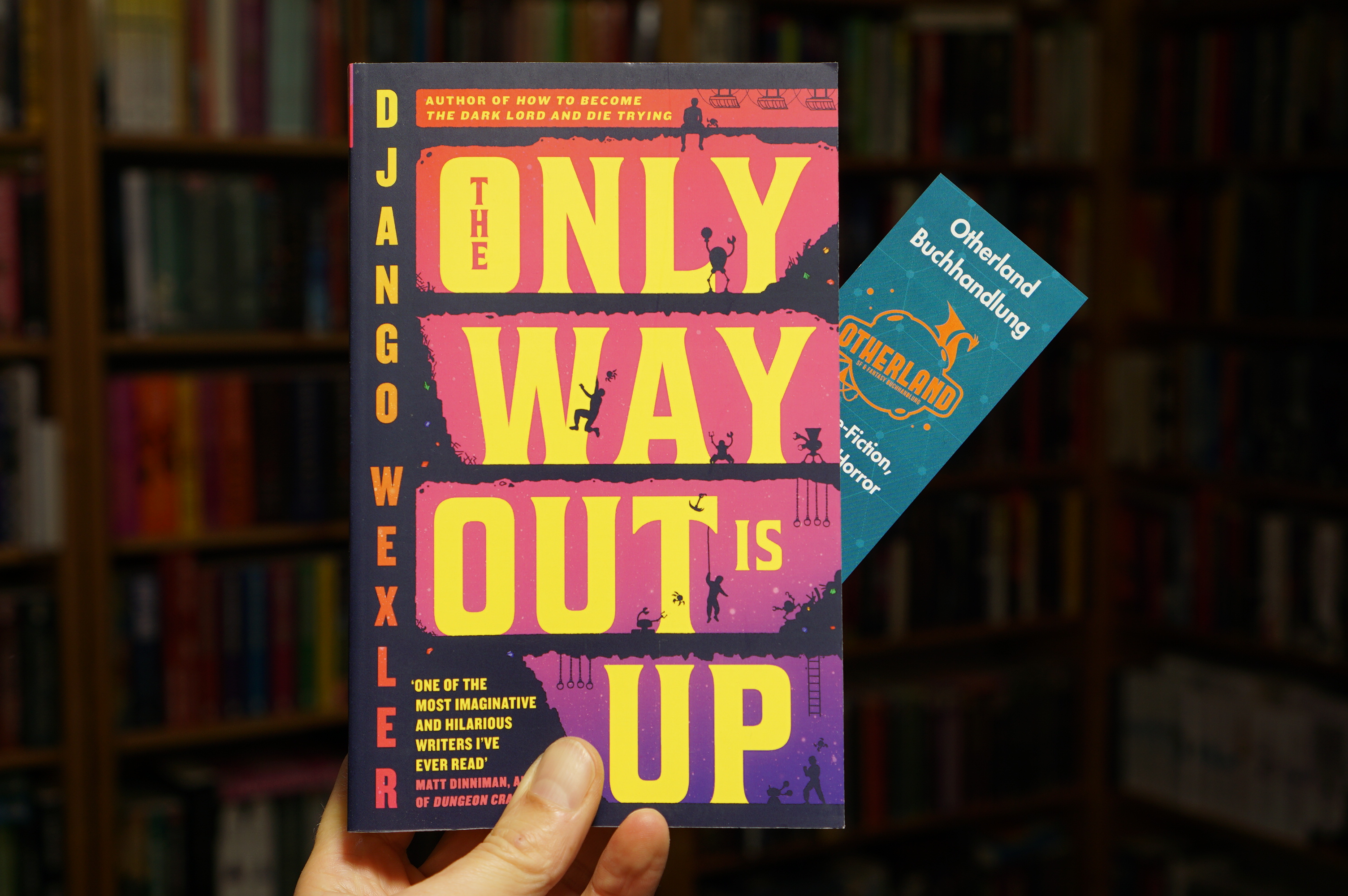
The Sigilist #1 The Only Way Out Is Up by Django Wexler A small-time scrapper and his pet robot will fight their way out of the junk-heap in a tournament that will either make them richer than gods or rip them apart in the first book of Django Wexler’s lightning paced progression fantasy adventure for fans of Cradle and Dungeon Crawler Carl. Taj lives in a junkheap, scavenging scrap to keep his family fed and dodging the monsters who live among the wreckage. His only edge is a smart-ass construct named Star he built himself. Taj dreams of winning big with Star in the construct fighting circuits, but victory always seems just beyond his reach and the debt collectors are at the door. His world changes forever when someone there makes him an offer that seems too good to be true: a chance to fight in the Ascent, the ultimate fighting tournament, for a prize beyond his wildest fantasies. But things that seem too good to be true usually are, and Taj finds his new benefactor comes with plenty of new enemies. As he ventures beyond the only world he's ever known, he discovers it's not just his money on the line in the Ascent -- it's his life. When you start at the very bottom, the only way out is up…

450