BETA nonprofit public democratic european moderated

Search

#Clim
BFMTV 7h

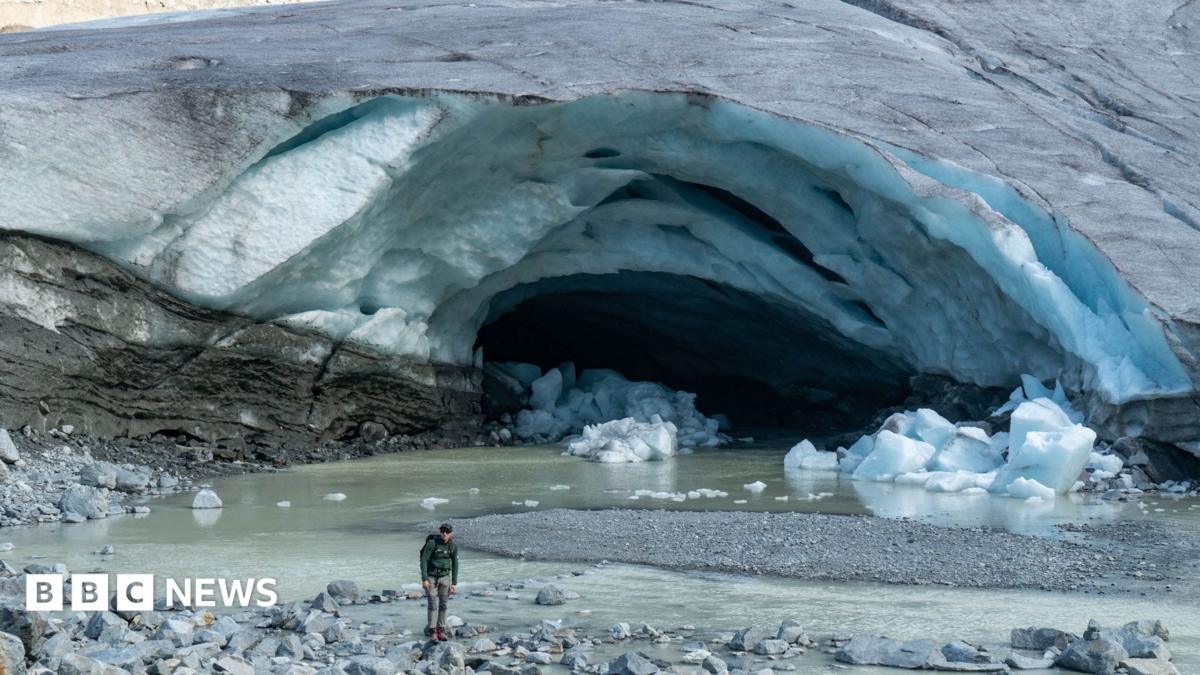
Climate change is weakening glaciers and rocks, raising growing concerns about the stability of the environment in this broadcast on August 15 on BFM Grand Soir. (translated)

Glaciers, roches : le réchauffement fragilise tout - 15/08
BFMTV 8h

The Landes continue to fight an ongoing fire, requiring heightened vigilance tonight, even though thunderstorms are expected and an Australian water bombing helicopter has been deployed to help combat the flames. (translated)

Incendie dans les Landes: "Cette nuit, il faudra être vigilant", explique Sébastien Berger (UNSA Pompiers)
BFMTV 8h

Fires are threatening homes in Belgium as France faces high temperatures and efforts to combat the flames continue, particularly in the Landes, where a mega water-dropping helicopter has been deployed. (translated)

Incendie en Europe: les flammes menacent des habitations en Belgique

Perché perdiamo 3°C in quota ma al suolo sembra non cambiare nulla? In queste ore abbiamo iniziato a perdere qualcosa a 850 hPa, cioè intorno ai 1500 metri di quota. Parliamo di un calo di circa 2-3°C, localmente anche qualcosa in più. E allora la domanda è legittima: perché al suolo il cambiamento si sente ancora poco? Il motivo principale è proprio l’inerzia della massa d’aria calda accumulata. Dopo settimane sotto anticiclone subtropicale continentale, il caldo non è più solo nella massa d’aria in quota, è entrato nei suoli, nelle città, nell’asfalto, nel cemento, nei muri, nei bassi strati e nel mare, che resta molto caldo e continua a restituire energia e umidità. Quindi sì, in quota qualcosa comincia a muoversi m vicino al suolo c’è ancora un grande serbatoio caldo da smaltire. In più, se l’anticiclone resta presente, anche se un po’ meno forte, continua a limitare il ricambio d’aria. La ventilazione può essere debole, la subsidenza può comprimere e riscaldare gli strati inferiori, l’umidità può restare elevata e il punto di rugiada continuare a rendere l’aria pesante. Non siamo ancora fuori dalla fase calda ma il primo passo c’è, il caldo sta iniziando a indebolirsi in quota e per sentirlo davvero al suolo servirà ancora un pò di tempo. #Meteo #Clima #CambiamentoClimatico

Prime Minister Sébastien Lecornu announced new measures to support agriculture in the 2027 budget proposal, including investments to adapt the sector to climate change and strengthen its competitiveness, in response to the current early and severe drought. (translated)

Sébastien Lecornu promet de nouvelles mesures pour l'agriculture dans le budget 2027
BFMTV 10h

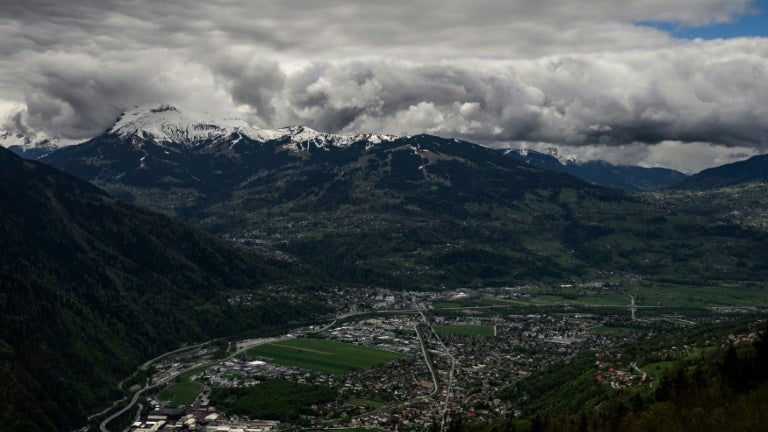
Climate change weakens the Alps, increasing the risks of landslides and avalanches. (translated)

Éboulements, avalanches: les Alpes fragilisées par le changement climatique

Climate change is causing an increase in water temperatures in the Po delta, threatening the cultivation of AOP mussels from Scardovari and causing significant losses for fishermen, who are calling for investments to preserve the fragile ecosystem of the region. (translated)

"C’est un plat typique d'Italie qui risque de disparaître à cause de la chaleur"
BFMTV 12h

In the Landes, although the fire has not increased according to the prefect, the situation remains concerning with 1,600 hectares burned, and a mega water bomber helicopter lent by Australia is deployed to fight the flames. (translated)

Incendie dans les Landes: "Le feu n'a pas augmenté", détaille le préfet
BFMTV 12h

A 22-year-old amateur mountaineer, Loris Bianco, narrowly escaped death on Mont Blanc when a rockfall, triggered by climate change, occurred while he was assisting other climbers, forcing him to take refuge in the Goûter corridor. (translated)

"Je vais crever": un alpiniste amateur frôle la mort au Mont-Blanc en raison d'un éboulement rocheux

Je le dis et je le redis car c’est une dinguerie ! Quand l’État 🇫🇷 paye 45 MILLIONS d’euros un commissariat flambant neuf à Amiens, bourré de malfaçons et pensé pour faire plaisir aux escrologistes… c’est sérieux ? À peine livré : portails HS, plus de 30°C dans les locaux pendant la canicule, fenêtres impossibles à ouvrir et pas de climatisation ! Résultat ? Les policiers doivent amener eux-mêmes leurs ventilateurs 🤦‍♂️. Comment peut-on faire travailler des policiers dans ces conditions extrêmes ? Comment peut-on accueillir des victimes dans ces conditions extrêmes ? Ce commissariat, c’est le symbole d’un État devenu la vache à lait des marchés publics et qui ne sait plus gérer l’argent des Français. À 45 MILLIONS, on pouvait au moins espérer pouvoir ouvrir les fenêtres… et, à défaut de clim’, qu’on livre quelques ventilos avec le commissariat 🤷‍♂️🇫🇷 ! #Amiens #État #Policiers

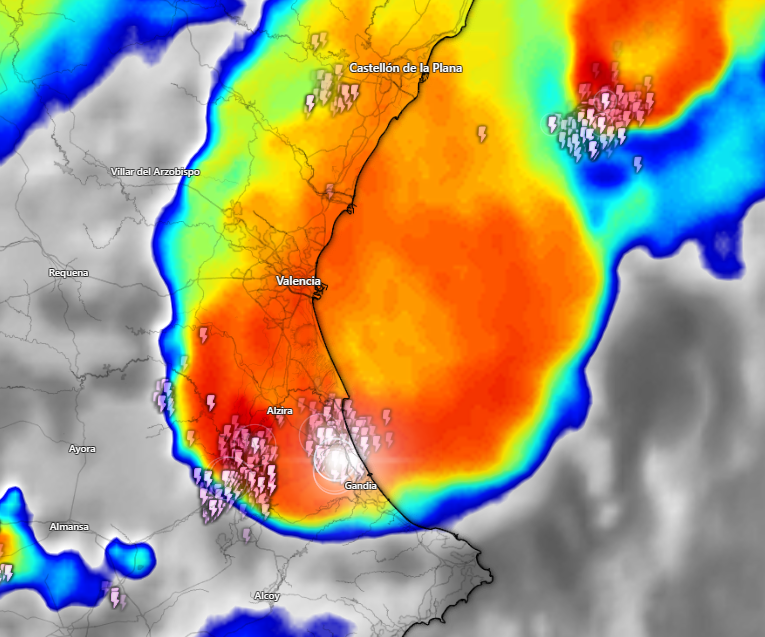
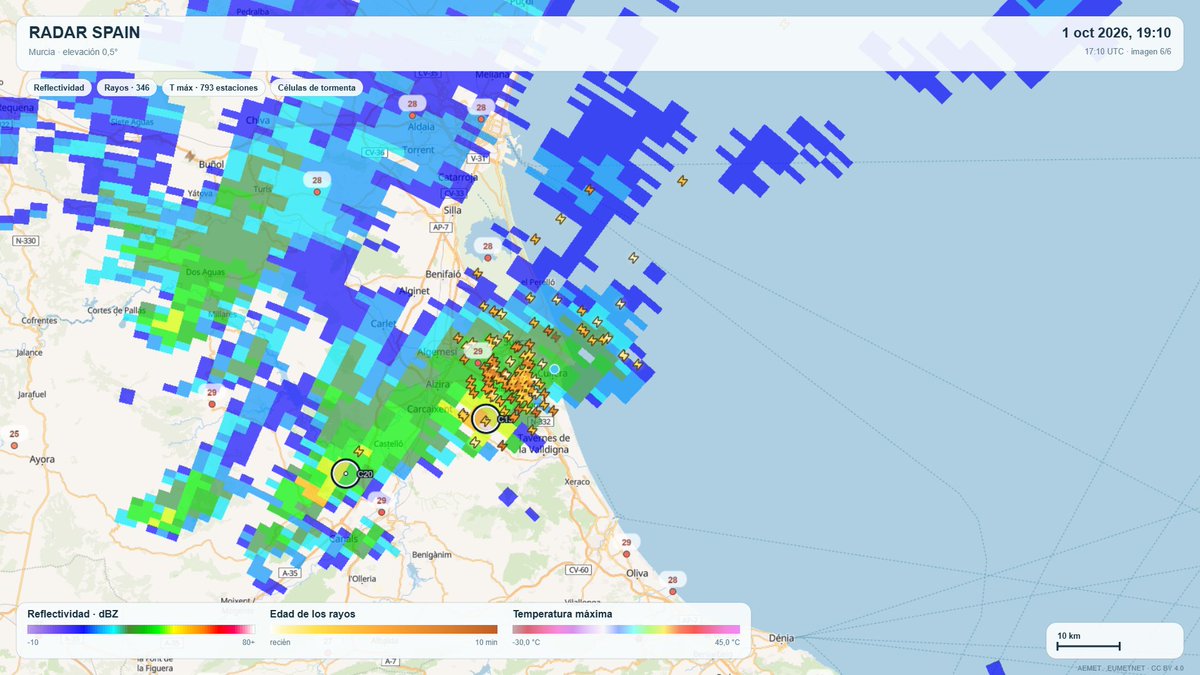
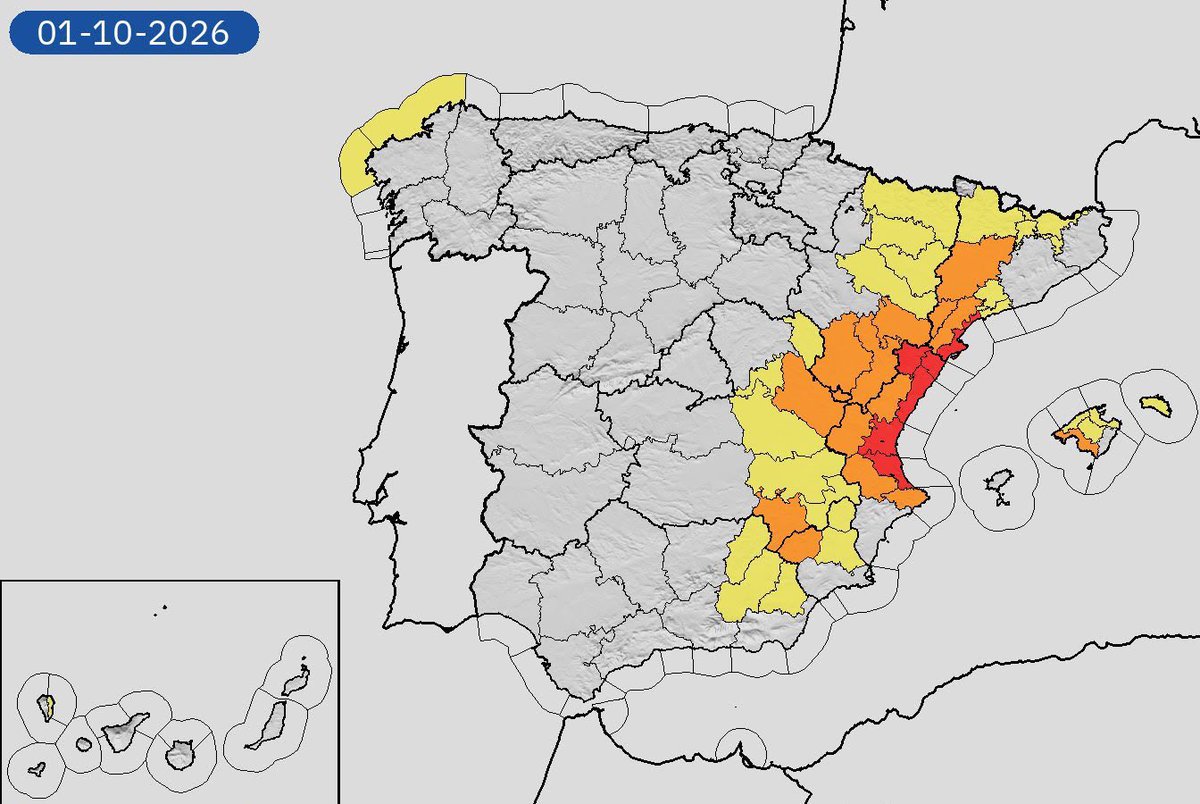
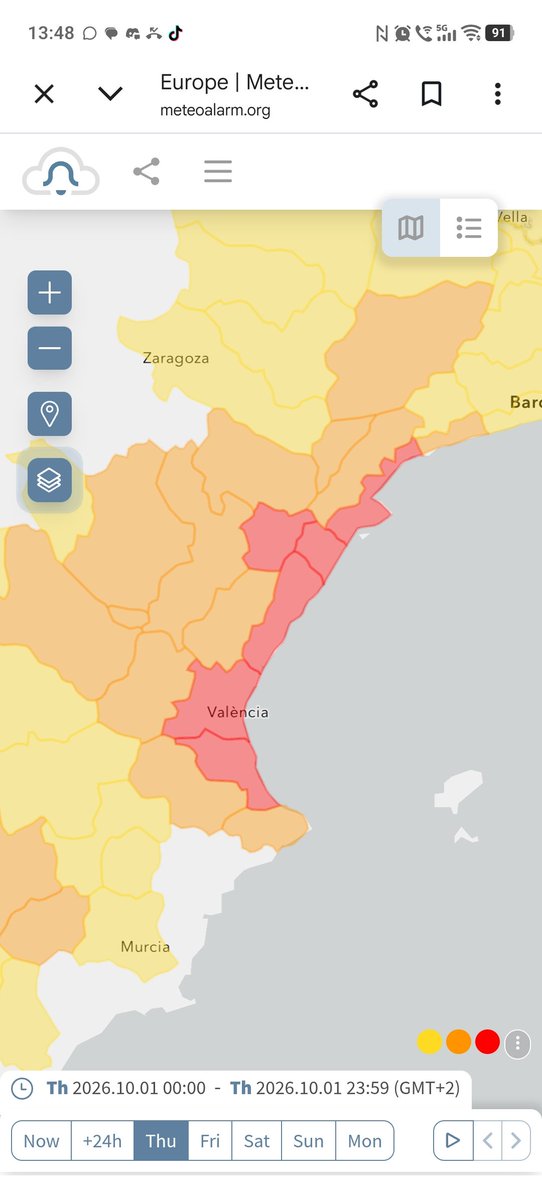
A DANA is causing storms, hail, and strong winds throughout almost all of Spain, generating alerts in several autonomous communities due to heavy rainfall and atmospheric instability, following a period of high temperatures. (translated)

Una DANA está dejando tormentas, granizo y viento fuerte casi toda España

"C'est caractéristique de ce gouvernement: on discute de tout sauf de la protection du climat [...] Le gouvernement pose des rustines sur des plaies qui ne cessent de s'élargir"

Moins de 10 centimètres d'eau dans le Rhin par endroits: face à la sécheresse, faut-il creuser plus profond dans le lit des fleuves? Le gouvernement allemand se divise sur les conséquences environnementales
www.bfmtv.com

The production of solar energy in European countries increased by up to 17% on hot days, helping to meet the rising demand for electricity, according to a study. (translated)

BFMTV 14h

Loris, trapped by a rockfall on Mont Blanc, recounts a boulder the size of a car flying away, highlighting the increase in landslides due to climate warming and the melting of permafrost, which led the mayor of Saint-Gervais to close the shelters to prevent accidents. (translated)

"J'ai vu un bloc de la taille d'une voiture s'envoler", raconte Loris, pris au piège par une chute de pierres au Mont-Blanc

To tackle the devastating fires affecting France this summer, particularly in the Landes, military engineers are lending their support to firefighters by using bulldozers to create access paths and firebreaks, thereby facilitating ground intervention. (translated)

Pour lutter contre l'incendie dans les Landes, des militaires du génie en renfort des pompiers

Il caldo non si combatte a parole, tre proposte concrete. Oggi è Ferragosto, sarebbe anche un giorno di riposo, ma provo comunque ad avanzare nuovamente tre proposte concrete con effetti nel breve termine per affrontare meglio le estati che stiamo vivendo. Non slogan, non frasi da convegno, ma misure realizzabili. La prima: trattare il condizionatore come presidio sanitario per chi è fragile. Per anziani soli, disabili, cardiopatici, persone malate un ambiente raffrescato può fare davvero la differenza. Serve un fondo pubblico mirato, non bonus a pioggia ma contributi per acquisto, installazione e manutenzione di climatizzatori efficienti o pompe di calore, con priorità a fragili, over 70 e redditi bassi. La seconda: aumentare davvero in modo esponenziale il verde urbano. Non due alberelli da rendering che poi vengono abbandonati e lasciati seccare, ma ombra reale dove le persone vivono e aspettano come fermate bus, scuole, ospedali, piazze, marciapiedi, parcheggi. Gli alberi vanno scelti bene, piantati dove servono, irrigati, curati e fatti sopravvivere. Il verde urbano e gli alberi sono salute pubblica e vivibilità. La terza: rendere scuole, RSA e ospedali edifici climaticamente sicuri. Tetti chiari, schermature solari, isolamento dei sottotetti, ventilazione controllata e climatizzazione efficiente dove serve, senza aria sparata a caso e senza creare problemi ai pazienti più delicati. Raffrescare bene non significa raffrescare ovunque nello stesso modo ma significa progettare ambienti sani, regolati e protetti. Adattarsi non vuol dire arrendersi, vuol dire proteggere le persone. Qui non si tratta di scegliere tra ambiente ed economia, tra salute e buon senso, tra prudenza e sviluppo, si tratta di capire se vogliamo continuare a inseguire ogni estate come un’emergenza, oppure iniziare finalmente a governarla. #Ferroagosto #SalutePubblica #VerdeUrbano

According to meteorologists, a phenomenon known as Super El Niño, which is developing 15,000 kilometers away in the tropical Pacific, with a 95% probability of affecting our weather conditions until spring 2027, will cause next winter in Europe, and especially in Spain, to be abnormal, potentially triggering anything from weeks of frost and snow to an abnormally warm and rainy winter. (translated)

El fenómeno que hará que el próximo invierno no sea normal, dicen meteorólogos: "Con un 95% de certeza"
BFMTV 18h

Climate change is causing the thawing of permafrost on Mont Blanc, increasing the risk of landslides, which led the mayor of Saint-Gervais to close the area’s shelters to ensure the safety of hikers. (translated)

Mont-Blanc: un danger mortel d'éboulements à cause de la chaleur

In Spain, the heat has a press conference. On July 27, the President of the Government Pedro Sánchez presented the National Network of Climate Shelters. There are 180 public properties open during critical hours. A guide maps 1,100, and 10 million are needed to expand it to schools and (translated)