The study revealed that exposure to the cocaine metabolite benzoilecgonina disrupts natural salmon behavior, preventing them from settling down and leading to excessive exploration, which jeopardizes their survival and alters ecosystem dynamics due to increased energy expenditure and greater vulnerability to predators. #Ecology #Wildlife #EnvironmentalImpact #Nosemencionanpaísesespecíficosenelartículo.
The current energy crisis is severely threatening the Saxon economy, with nearly 40% of surveyed companies reporting a decline in orders and disruptions in supply chains, mainly due to skyrocketing fuel prices, leading to concerns that one in three businesses may face serious consequences if the conflict continues. #EnergyCrisis #EconomicImpact #SupplyChainDisruptions #DE
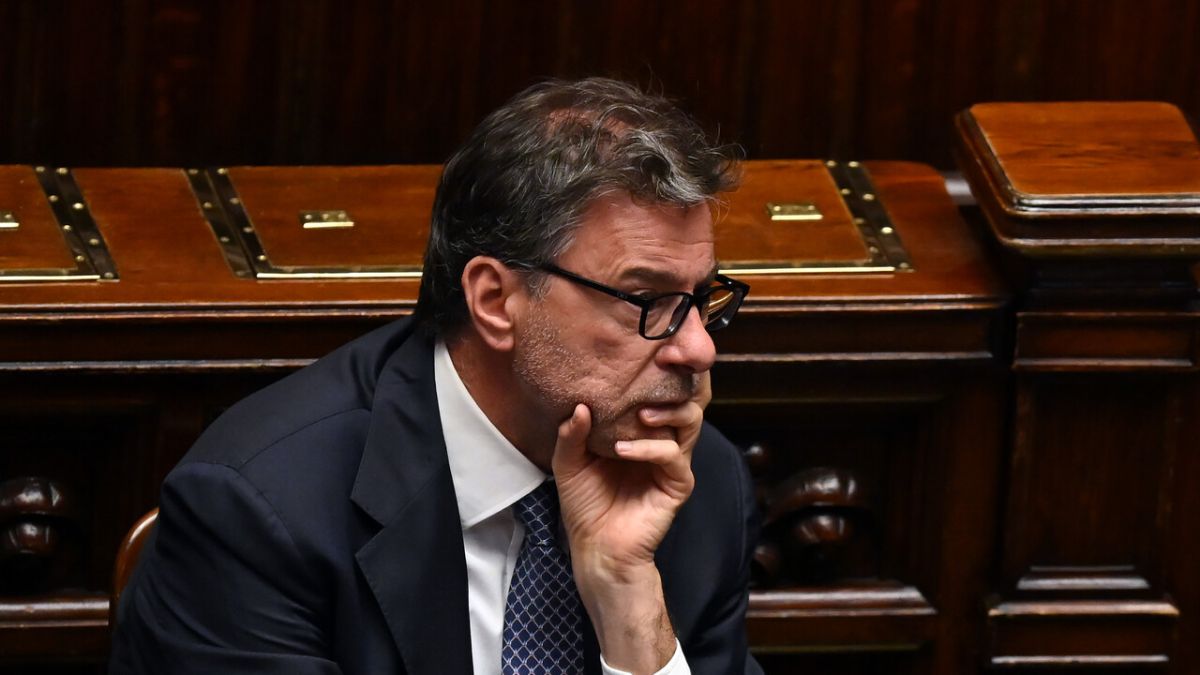
The article discusses the deep-rooted economic malaise in Italy, highlighting how stagnant growth and increasing income inequality have led to a confusing political landscape, where ineffective policies and a lack of transparency in governmental initiatives, such as the National Recovery and Resilience Plan, prevent substantial progress and exacerbate discontent among citizens. #PoliticalClimate #EconomicChallenges #PublicPolicy #IT #GB #FR #US #ES #DE #PT #GR
Germany and the UK aim to secure and build reserves of rare earth elements, which are crucial for economic security and future growth sectors such as technology, medical devices, and electric vehicle batteries, as highlighted by British Economic Minister Peter Kyle during a joint summit in Berlin. #RareEarthMetals #EconomicSecurity #TechnologyInnovation #DE #GB #CN #US
Pope Leo XIV received the Archbishop of Canterbury, Sarah Mullally, in a historic meeting aimed at strengthening ecumenical relations between the Anglican and Catholic Churches, emphasizing the importance of Christian unity in spreading peace, while acknowledging the challenges that persist in overcoming doctrinal differences. #ChristianUnity #Ecumenism #PapalVisit #IT #GB #VA
In Germany, recent increases in oil prices have led to higher fuel costs for drivers, with gasoline prices rising to an average of 2.099 euros per liter, and a significant spike in diesel prices, prompting the Bundestag to approve a fuel tax reduction of approximately 17 euro cents per liter from May to June, although forecasts suggest prices may not drop below 2 euros per liter despite this measure. #FuelPrices #Germany #EconomicTrends #DE #US #IL #IR
The article reveals that recent agreements between the U.S. and countries like the Democratic Republic of the Congo (DRC) reflect a disturbing trend where migration policies are treated as a market, with deported individuals being viewed as bargaining chips in broader diplomatic negotiations, which compromises human rights and leads to ethical dilemmas. #Migration #HumanRights #InternationalRelations #US #PE #CO #EC #CD #CM #RW #AF
Italy's consecutive exclusion from the World Cup has far-reaching economic consequences, resulting in a demand shock of 222 million euros and an overall GDP loss estimated at 321 million euros, alongside the loss of approximately 3,679 jobs and significant declines in family incomes and tax revenues, while also diminishing the attractiveness and reputation of Italian football on a global scale, with unquantified social benefits totaling around 1.5 billion euros. #Economics #SportsImpact #ConsumerBehavior #IT #US #MX #CA
The Iran conflict shows us that economic chokepoints are now central to global power. In a more digital world - chips, data and infrastructure matter just as much. Europe must urgently rethink its vulnerabilities - a new report from @InstituteGC https://t.co/jlCXo0nNHr #GlobalPower #EconomicSecurity #DigitalEconomy
The article argues that the illusion of economic stability in the face of deteriorating political conditions is unsustainable, as political instability undermines private investment and disrupts essential public policies, threatening long-term development and exacerbating social issues like child anemia, ultimately risking a generation's future. #EconomicStability #PoliticalInstability #InvestmentConfidence #PE
The first quarter of 2026 report from the European Central Bank indicates that the ongoing Middle Eastern conflict is exacerbating credit restrictions and inflation expectations within the Eurozone, with businesses projecting selling prices to increase by an average of 3.5% and production costs by 5.8% over the next year, while salary expectations show only slight moderation. #Economy #MiddleEast #Inflation #EU #IL
The German government aims to address the ongoing energy crisis through price relief measures, but economists warn that this approach distorts prices and exacerbates the situation, advocating instead for demand reduction strategies, such as rationing and a shift towards electrification, to mitigate reliance on fossil fuels and ensure long-term sustainability. #EnergyCrisis #Economy #Sustainability #DE #IR #RU #US
Renate Anderl, president of the Arbeiterkammer, urges coalition parties to consider gender equality in ongoing budget negotiations, highlighting a study showing that austerity measures impact men and women differently, advocating for more revenue-based solutions like inheritance and wealth taxes to reduce inequality, while also noting that proposed budget cuts in sectors like healthcare disproportionately affect women due to their higher caregiving roles. #GenderEquality #BudgetReform #EconomicPolicy #AT
South America is currently experiencing profound contrasts in labor legislation, as Argentina's judiciary has approved significant changes allowing for 12-hour workdays under Javier Milei's reform, while Brazil is discussing a constitutional amendment to eliminate the 6x1 work schedule, reflecting differing approaches to labor modernity versus protection across the region. #LaborReform #WorkplaceRights #EconomicPolicy
María Fernanda Espinosa emphasizes the urgent need for the United Nations to "reform, transform, or die" in response to a rapidly changing geopolitical landscape, advocating for its reinvention to address contemporary challenges while acknowledging the ongoing humanitarian crises affecting urban areas and the institution's legitimacy. #UnitedNations #GlobalReform #Geopolitics #EC #US #FR #ES #LB #UA #SD
The consumer confidence in Germany is declining sharply due to the economic impact of the Iran war, with inflation fears leading to decreased willingness to spend on larger purchases and a significant drop in income expectations, which are at their lowest since February 2023, raising concerns about the overall economic recovery. #ConsumerSentiment #InflationConcerns #EconomicImpact #DE #IR #UA
The article compares Italy, Greece, Spain, and Portugal regarding growth, debt, deficit, and employment, highlighting how Italy lags behind its Mediterranean counterparts due to structural stagnation in GDP growth, persistent high public debt, and deficits, while Greece, Spain, and Portugal have made significant progress in economic recovery and fiscal discipline since the 2010 sovereign debt crisis, despite Italy's relatively low unemployment rate. #EuropeanEconomies #DebtCrisis #EconomicGrowth #IT #GR #ES #PT
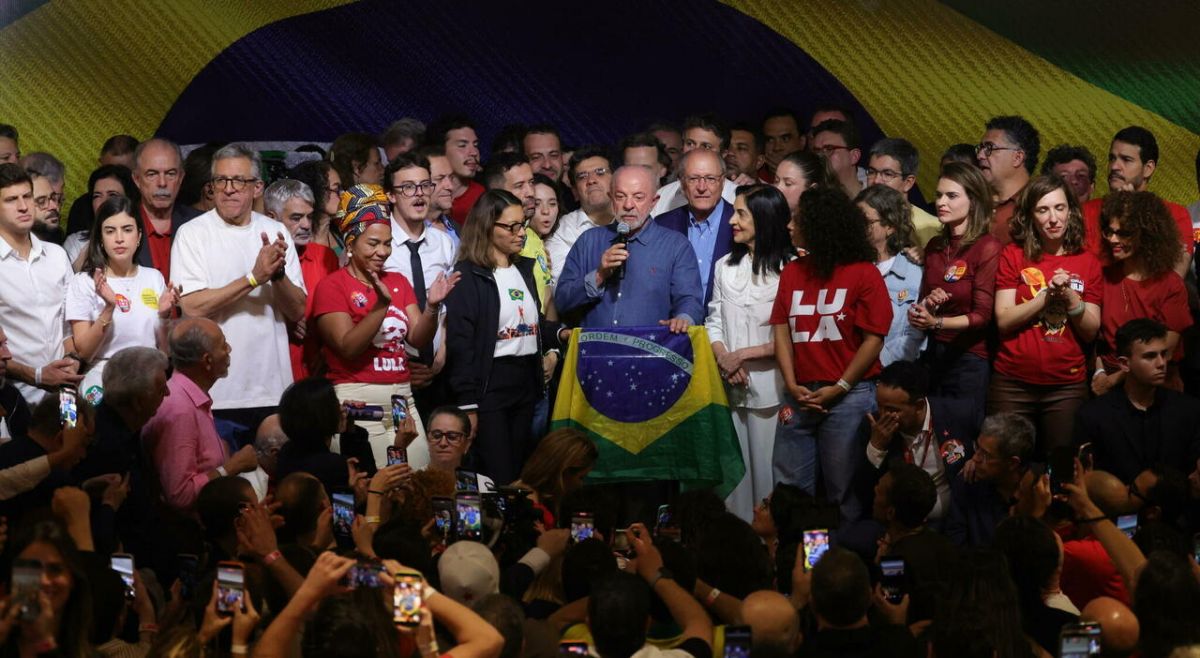
As Brazilian families face rising bank debts that now consume nearly half of their income, prompting the government to finalize a debt relief package aimed at boosting consumption and staving off economic slowdown as elections approach, although experts warn that such measures could inadvertently lead to new debts and exacerbate the financial struggles. #DebtCrisis #EconomicRecovery #FinancialInclusion
Robin Wall Kimmerer's book "The Economy of the Gift" explores the intersection of science and Indigenous knowledge, advocating for a new economic perspective rooted in reciprocity and the natural world's abundance, contrasting it with contemporary market-based economies that prioritize scarcity and accumulation. #EcologicalEconomics #IndigenousWisdom #Sustainability
In her opinion piece for Euronews, Judith Arnal argues that governments should replace broad tax cuts and price caps in response to the energy crisis with targeted direct income transfers for vulnerable households, liquidity support, and non-earmarked tax credits for exposed sectors, as current measures are repeating past mistakes and failing to meet the European Central Bank's criteria for effective crisis management. #EnergyCrisis #EconomicPolicy #DirectSupport #ES #BE #DE #FR #IT #PL #HU #AT #PT