BETA nonprofit public democratic european moderated

Search

#Eleitores

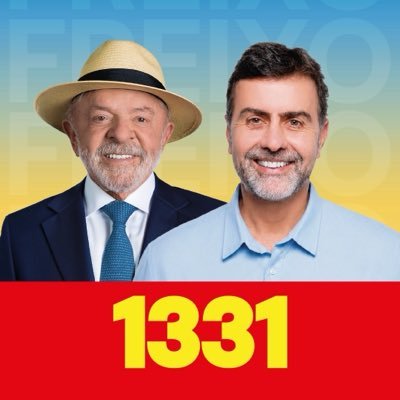
Marcelo Freixo wrote that voters of Augusto Cury, Renan Santos, or Ronaldo Caiado in 2026 who wanted a right-wing candidacy outside the Bolsonaro family in 2030 should vote for Lula in the second round. https://t.co/71sy5SEZFm #Eleições2026 #Lula #Direita (translated)


Brazilian fan groups are organizing a digital guerrilla on social media to mobilize voters in support of Lula da Silva in the elections, replacing content about celebrities with political information and drawing attention to the 33 million voters who abstained in the first round. #Eleições2026 #LulaDaSilva #GuerrilhaDigital (translated)

Grupos de fãs criam "guerrilha digital" para apoiar Lula
g1 5h

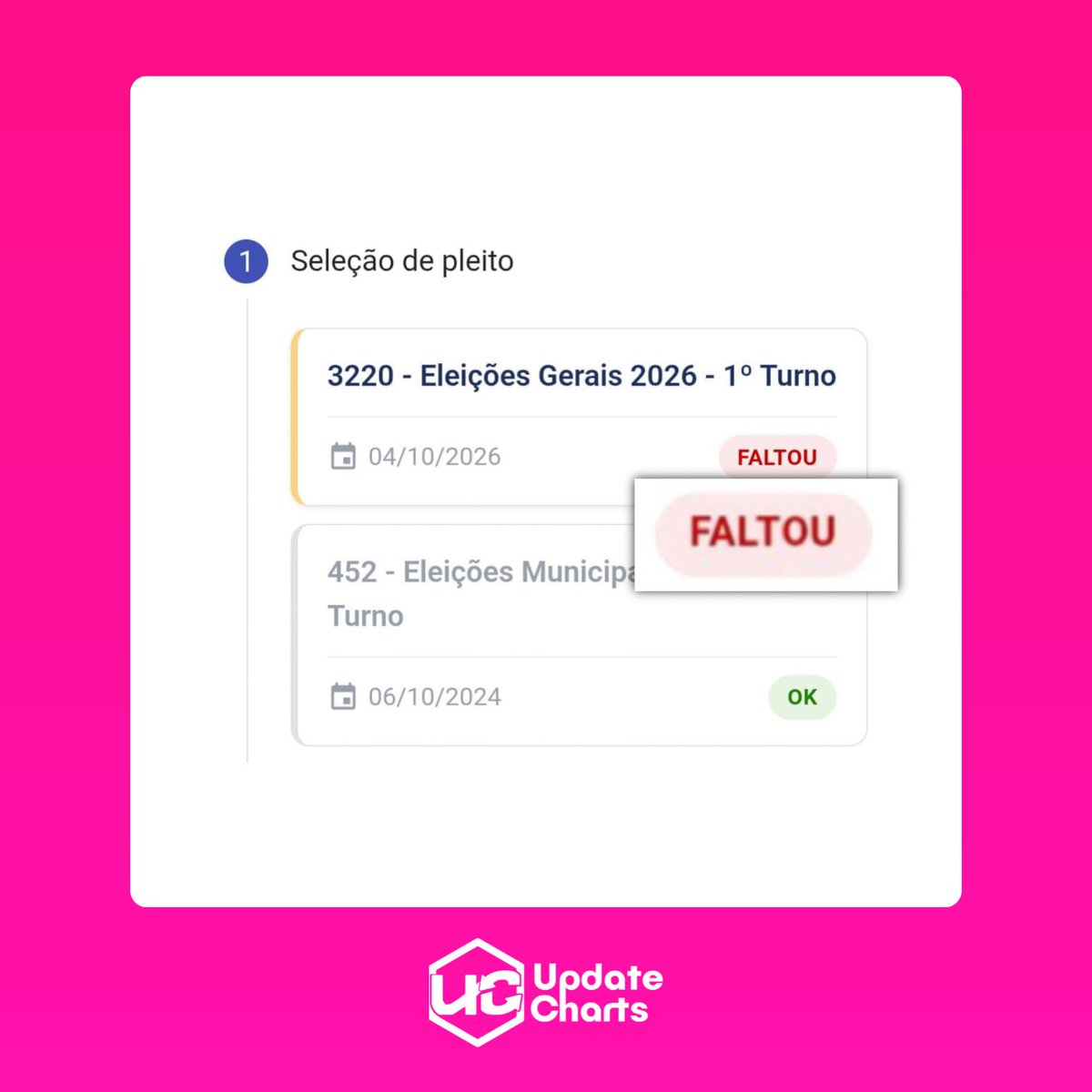
G1 reported that voters who had voted appeared as absent on the TSE website and complained on social media. According to the publication, the court would update the status to "being processed." https://t.co/Rf2SnK3Px6 https://t.co/Pw2WFxROBF #TSE #Eleições2023 #Votação (translated)

UpdateCharts informed that the TSE had changed the status of voters who appeared as "missing" in the system to "processing," even though they had voted in the first round of the 2026 Elections. According to the publication, the TSE said that the system was being updated and that the records of those who went to the polls would be normally validated on the website. The account added that voters without the update should wait for the normalization of the status. #Eleições2026 #TSE #Voto (translated)

Jakelyne Loiola stated that Lula summoned young influencers for a meeting this Wednesday (7) and intended to create a digital task force to attract voters in the second round. She claimed that the initiative aimed to spread false news against Flávio Bolsonaro. https://t.co/uoScvx05LY #Lula #Eleições2022 #Jovens (translated)

The UpdateCharts reported that Brazilians were saying that the TSE website was recording as absent some voters who had voted in the first round of the 2026 elections. The publication stated that, until that moment, the court had not clarified the possible system failure that was causing the incorrect records. https://t.co/9wGo6YRdx1 #Eleições2026 #TSE #Voto (translated)

Kriska Carvalho said that 33 million people did not vote, including about 10 million in the Northeast, and stated that part of the abstentions came from voters of President Lula. According to her, many supporters did not go to the polls because they believed Lula would win in the first round. Carvalho advocated for these people to be sought out and mobilized to vote, stating that every vote would make a difference. #Eleição2023 #Vote #Democracia (translated)

Victor Garcia stated that he saw Flávio's voters saying they supported the end of the 6x1 shift and voted for him. According to Garcia, in practice, they would be paid by the hour, in direct negotiations with the employer. #Flávio #Eleitores #Trabalho (translated)

The POP headquarters published that Marcos Soutino asked voters to attend the second round and declared support for Lula. Soutino stated that voting blank or null, or not voting at all, could jeopardize one's own rights and those of others. He also said that not voting for Lula would mean indirectly supporting the other side and highlighted initiatives he attributed to the former president, such as removing Brazil from the hunger map for the second time and increasing access to public universities. Soutino also suggested that supporters of Flávio Bolsonaro research what his favorite chocolate was. He said that, that week, he had lost 10,000 followers and that he preferred to lose more followers than to lose rights. #VotoConsciente #Eleições2023 #Democracia (translated)

Bagi 9h

Bagi said she was distressed with the result of the first round, but stated that she would not respond with hate, misogyny, or ignorance, as she did not want to equate herself with the right in the country. For the second round, she advocated voting for Lula, number 13, and hoped that abstention would decrease. The author stated that she was voting in defense of poor people, workers with formal jobs, users of the SUS and the medications distributed for free, in addition to the protection of rare lands, the Amazon, and Brazilian sovereignty. She also said she believed that Brazil would make it clear on the 25th that Latin American countries would not be "the backyard of the United States." Bagi stated that even in the face of disagreements regarding Lula's form of government, voters should consider the global political scenario and the international attention focused on Brazil. According to her, the choice was between resisting or becoming a colony, and her decision was to resist. The author related this position to the resistance of women who fought before her and dedicated the message to her great-grandmother, whom she called a healer. #Lula13 #Eleições2023 #Soberania (translated)

Hayy stated that voters of Renan Santos started a movement on social media to support Flávio Bolsonaro. https://t.co/67EoGC0ASd #RenanSantos #FlavioBolsonaro #MovimentoPolítico (translated)

The profile UpdateCharts stated that, according to O Globo, 204 thousand voters in Rio de Janeiro typed the number 13 for governor and annulled the vote. https://t.co/agRyOJi3UJ #Eleições2022 #Voto #Política (translated)

Victor Garcia wrote that, in the following year, Flávio would have to choose between cutting expenses to try to save R$ 150 billion and resuming the bets, which, according to him, would drain R$ 170 billion from the economy during a global crisis. Garcia stated that he would be present to double the profile with the regretful voters. #Política #Economia #Eleições (translated)

Ivan Moraes wrote that, to try to turn the result around in the second round, it would be better not to spend time trying to convince voters already aligned with Bolsonaro and to focus the arguments on the undecided. He also recommended identifying close individuals who had not voted and ensuring they went to the polls. #Eleições2024 #VotoConsciente #Democracia (translated)

Augusto Nunes stated that Lula's measures in the economic area had not worked. According to him, voters assessed the situation while shopping in supermarkets and stores and noticed that their salary ran out before the month was over. Nunes added that the population was not naive. #Lula #Economia #Eleitores (translated)

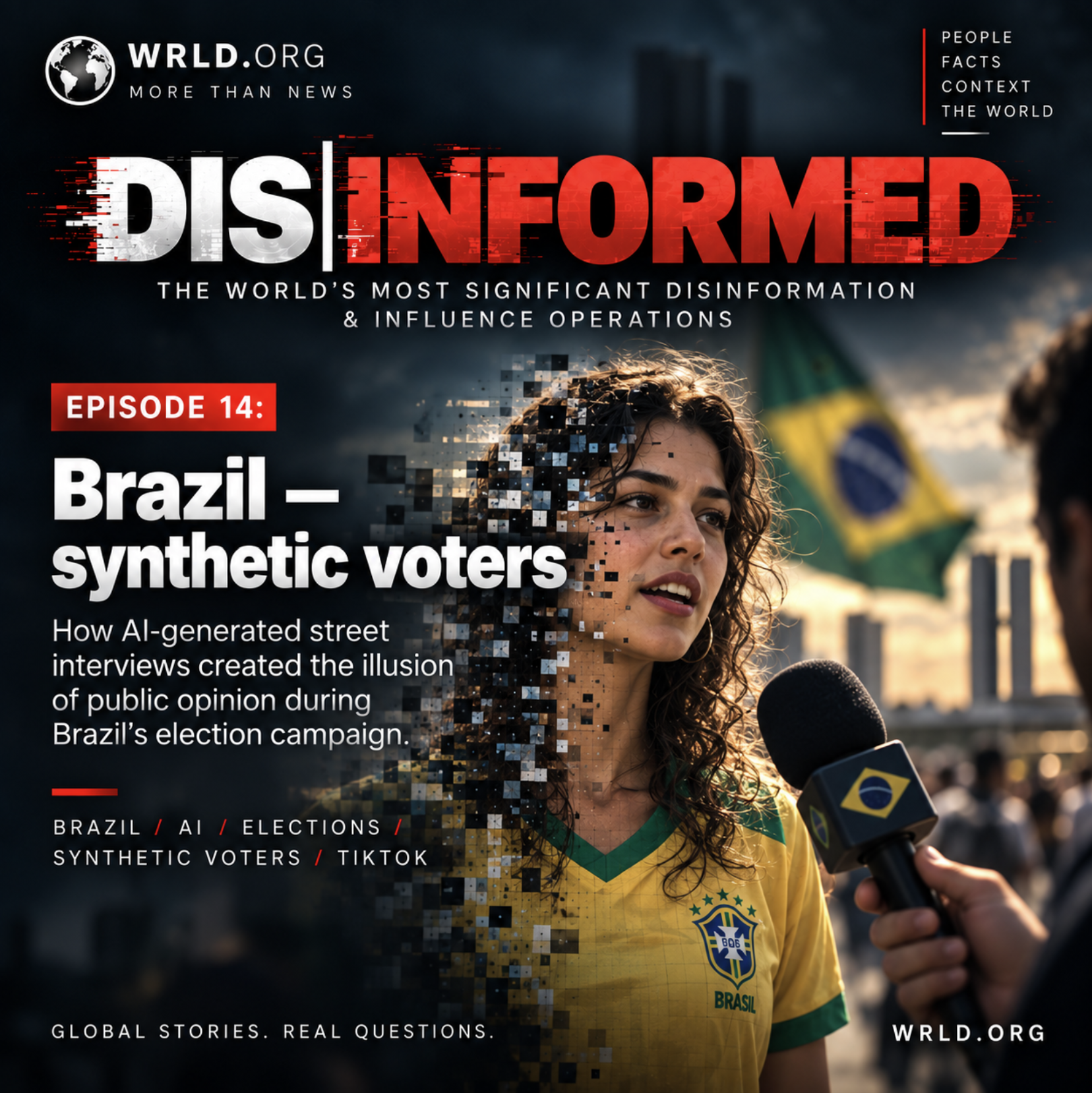
Brazil’s synthetic voters – when AI manufactures public opinion They look like ordinary street interviews. A reporter approaches a passer-by in a Brazilian square and asks a simple question: who will you vote for? A young voter explains why Luiz Inácio Lula da Silva deserves another term. An elderly woman says Brazil needs Flávio Bolsonaro because he represents political renewal and greater security. The locations look plausible, the microphones are visible and the answers sound much like the brief political opinions heard in television vox pops around the world. None of the people are real. Ahead of Brazil’s presidential election on 4 October, fact-checking organisation Aos Fatos identified at least 50 TikTok videos in which artificial intelligence was used to manufacture voters, reporters and apparently spontaneous political interviews. Together, the videos had accumulated around 7.4 million views by mid-August. Some promoted Lula, others Flávio Bolsonaro, while another group used synthetic characters to ridicule or stereotype supporters of one side. Aos Fatos found no apparent evidence linking the accounts producing the videos to either presidential campaign. The opinion poll that never took place The format is important. These were not conventional deepfakes in which a recognisable politician is made to say something he never said. Instead, the creators reproduced the visual language of the vox pop – the short street interview used by broadcasters and social-media creators to illustrate what ordinary people supposedly think. In pro-Lula videos, synthetic voters described themselves as beneficiaries of social programmes or credited the president with improving their lives. In videos supporting Flávio Bolsonaro, artificial interviewees associated him with political renewal, public security and fighting corruption. Other clips were openly hostile: AI-generated characters presented as poor or living in parts of Brazil’s north-east were shown in dirty clothes or run-down surroundings, declaring support for Lula because they supposedly preferred welfare payments to work. The deception is therefore subtler than fabricating a candidate’s statement. It manufactures something that political communication normally treats as evidence of public sentiment. A real vox pop may be unscientific, but the people interviewed at least exist. These videos created the appearance that identifiable social groups – young people, pensioners, welfare recipients or residents of particular regions – were spontaneously expressing political preferences when no such encounters had taken place. An electoral-law specialist interviewed by Aos Fatos described the technique as the fabrication of a “social fact that never occurred”. That captures the central innovation: AI is being used not merely to falsify political speech, but to manufacture the impression of grassroots opinion. Fifty videos, but not one proven network The available evidence does not support describing the 50 posts as a centrally controlled influence operation. Aos Fatos located them through TikTok searches and recommendations produced by the platform itself, then examined the accounts responsible for publication. Most had relatively small individual audiences, although their combined reach was substantial. The first examples identified by the investigation appeared as early as March 2026. Activity increased in June and was concentrated particularly in July and the first half of August as Brazil’s election calendar intensified. Some accounts specialised in AI-generated videos generally, including fabricated podcast-style material. Others were explicitly political or supportive of a candidate, but Aos Fatos found no apparent links between those profiles and the official Lula or Bolsonaro campaigns. That distinction is essential. The evidence demonstrates a common technique and a shared political environment, not a single command structure. Some creators may have been motivated by ideology, others by engagement or monetisation. Publicly available evidence does not establish who commissioned the individual videos or whether any coordination existed between the accounts. This decentralised model also creates a different enforcement problem from a traditional bot network. There may be no headquarters to expose and no infrastructure whose removal disables the entire operation. The format itself can be copied by anyone with access to inexpensive generative-video tools. When the algorithm mixes real and synthetic citizens Aos Fatos documented another important feature of the phenomenon: TikTok’s recommendation system placed AI-generated interviews alongside genuine street interviews. For a user scrolling quickly through the platform, the transition between an authentic citizen and an entirely fabricated one could therefore be almost invisible. In 18 per cent of the 50 videos analysed, there was no indication that the people shown had been generated using AI. After Aos Fatos provided TikTok with the videos, the company said it had removed all of them for violating its rules on edited and AI-generated media. TikTok said its policies require creators to identify synthetic content and prohibit manipulated media capable of misleading users about matters of public importance or impersonating genuine journalistic material. The issue extends beyond one platform. Factchequeado’s review of Brazil’s 2026 election campaign found that synthetic endorsements and other deepfakes had become one of the most visible forms of AI-assisted electoral misinformation, alongside fabricated candidate statements and invented scenes. Brazil already had rules for synthetic politics Brazil entered the campaign with unusually detailed electoral rules governing artificial intelligence. The Superior Electoral Court, the TSE, requires electoral propaganda using synthetic multimedia to disclose clearly that AI was used. More importantly for the fake-voter videos, its rules prohibit synthetic audio or video used to favour or harm a candidacy when it creates or alters the image or voice of a living, deceased or fictitious person. The difficulty is attribution and enforcement. When a synthetic video is published by an official campaign, responsibility can be relatively straightforward to investigate. When it comes from an apparently independent account with no demonstrated relationship to a candidate, lawyers interviewed by Aos Fatos said responsibility is more likely to fall on the individual creator, while imposing electoral sanctions on a campaign would require evidence of a connection. For the final 72 hours before the election and the 24 hours following it, the TSE has imposed additional restrictions on newly published or republished synthetic material involving candidates or public figures, reflecting the particular difficulty of correcting fabricated content immediately before voting. From deepfake politicians to synthetic electorates The Brazilian case illustrates a broader change in political manipulation. The first generation of electoral deepfakes concentrated on famous people: make a politician appear to say something damaging, or fabricate an endorsement from a celebrity. Synthetic vox pops reverse the perspective. The politician can remain completely authentic; it is the electorate around the politician that is fabricated. That changes the psychological proposition of the message. Instead of saying the candidate believes this, the video suggests people like you believe this. Age, clothing, accent, neighbourhood and social class can all be generated to construct an artificial constituency around almost any political claim. There is no evidence that the 50 Brazilian videos identified by Aos Fatos constitute a single centrally directed campaign, nor evidence that they changed voting intentions. What they demonstrate is a technique whose barrier to entry has become extremely low. AI no longer needs to forge the politician. #DISINFORMED #Episode14 #Brazil #BrazilElection2026 #Elections #ElectionDisinformation #ArtificialIntelligence #AI #GenerativeAI #SyntheticVoters #SyntheticMedia #AIAvatars #AIGeneratedVideo #VoxPop #FakeInterviews #Astroturfing #AIPropaganda #PoliticalDisinformation #InfluenceOperations #InformationWarfare #SocialMediaManipulation #TikTok #PublicOpinion #ManufacturedConsent #SyntheticPublicOpinion #DigitalInfluence #Deepfakes #ElectionIntegrity #TSE #AosFatos #FactChecking #OSINT #MediaManipulation #WRLD (translated)

Eleitores gerados por IA fazem campanha no TikTok e põem em xeque regra do TSE

The article analyzes how influencers Hasan Piker and Laura Loomer, coming from opposite sides of the political spectrum in the US, can impact the 2026 midterm elections through their strategies to mobilize voters on social media. #InfluencersPolíticos #EleiçõesEUA #Socialismo (translated)

Os influencers que podem ser decisivos nas intercalares

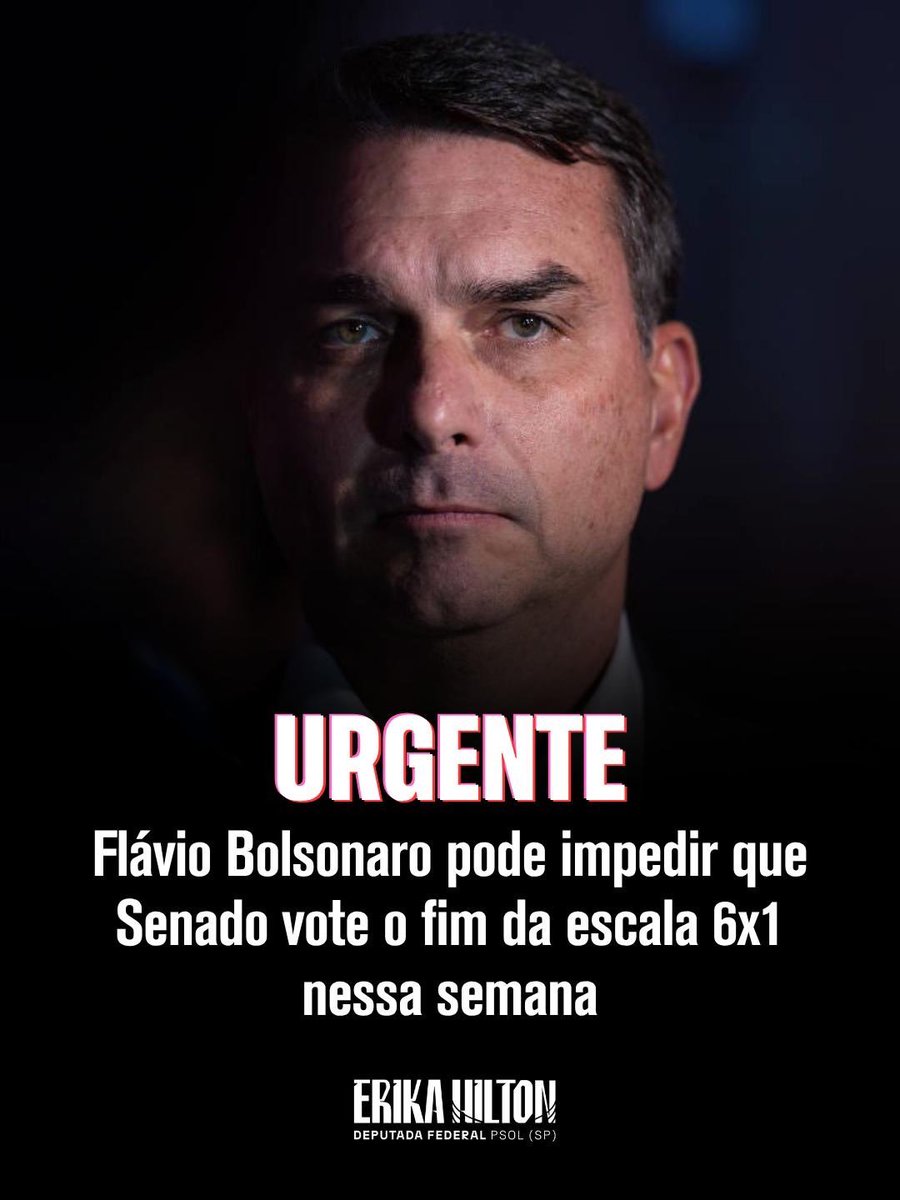
Erika Hilton stated that the Senate would debate her proposal to end the 6x1 work schedule that week. She said that Flávio Bolsonaro and his allies had prevented the proposal from being voted on the previous month and that the work schedule would remain in place. Hilton also stated that the candidate, opposed to an additional day off for workers and their time with family, had 47% of the votes for the presidency and more power in his hands. She considered the week crucial for Brazil and urged voters of Flávio Bolsonaro to be warned that he could prevent the end of the schedule. #FimDaEscala6x1 #JustiçaParaOsTrabalhadores #BrasilAcorda (translated)

poponze 1d

Poponze stated that Anitta criticized voters who chose candidates based on religious values and argued that they should evaluate the work done. When mentioning Eduardo Paes, she suggested that voters observe the works done in the city and criticized promises that gay men and lesbian women would stop being homosexual. #Política #Eleições2024 #Anitta (translated)

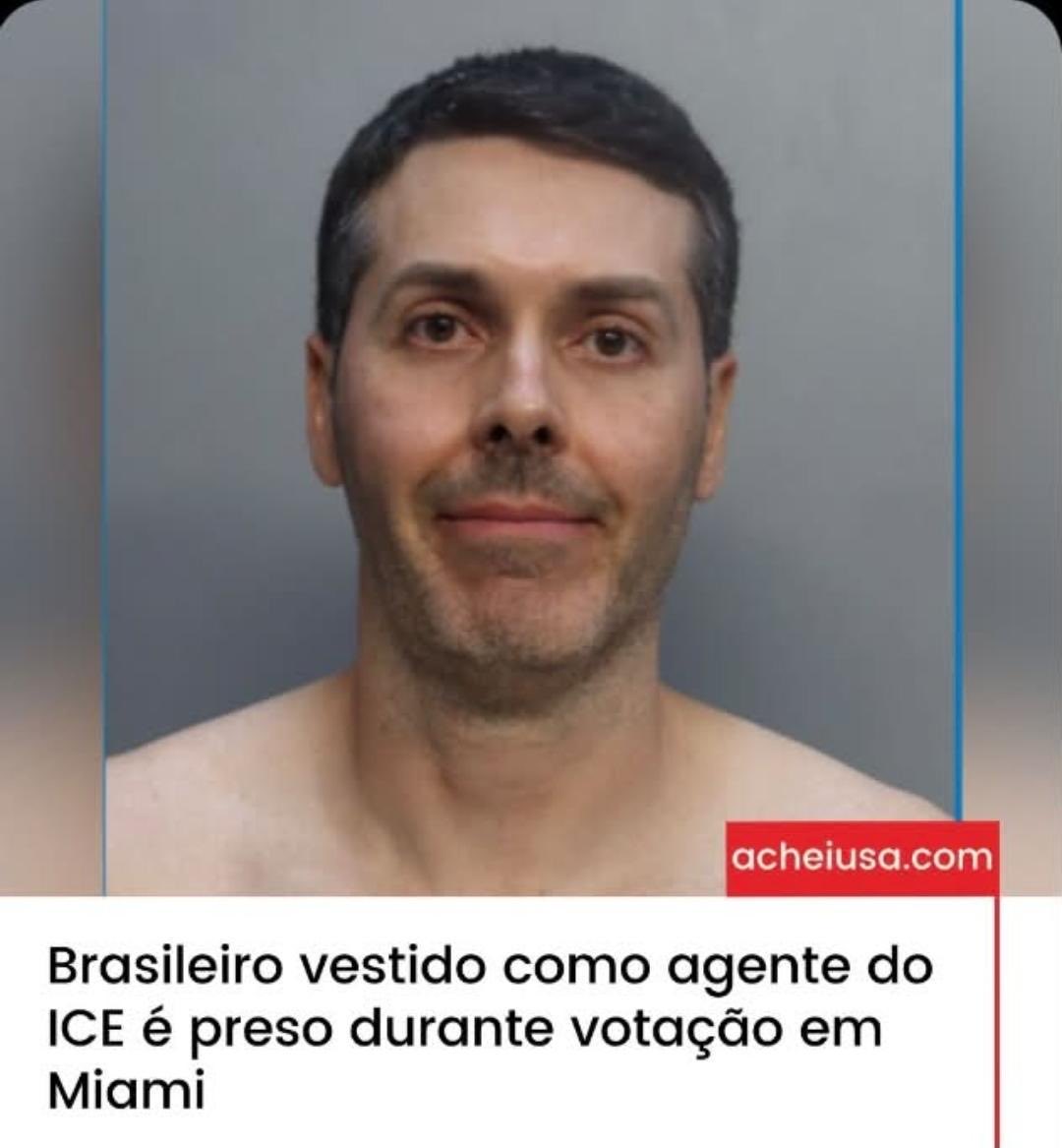
Julio Schneider stated that a supporter of the PT pretended to be an ICE agent to intimidate Brazilian voters in Miami and said that the photo showed the man already arrested. https://t.co/yHRuFtmkIN #Eleições2024 #Imigração #Brasil (translated)