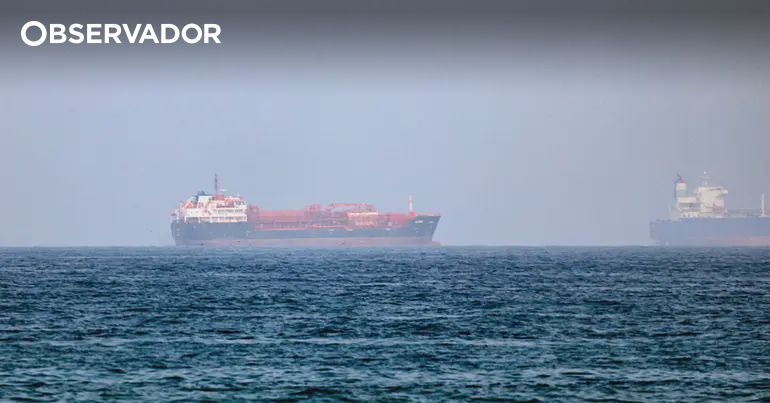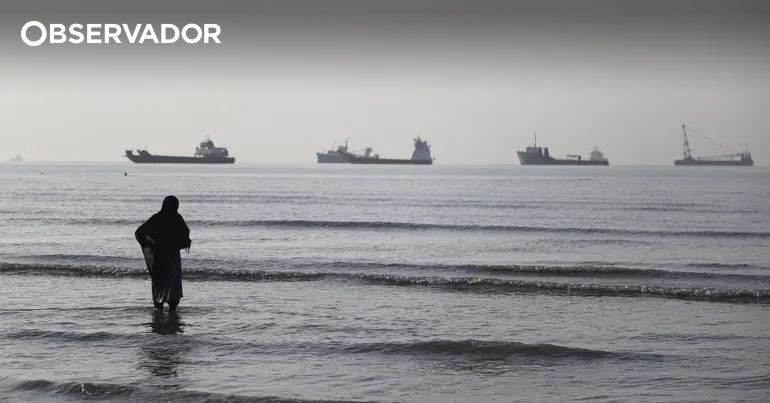
The United States Central Command announced that the Strait of Hormuz is free of Iranian sea mines and open following a challenging operation to remove the mines from commercial routes. (translated)
Orlando Samões argues that the union of Europe and British military leadership are essential to curbing Russia's aggression, especially in a tense geopolitical context marked by a secret visit from the CIA director to Moscow, which raises speculations about Russia's plans regarding NATO. (translated)

The international law specialist Francisco Pereira Coutinho states that Trump's statements about the demining of the Strait of Hormuz are unfounded and disregarded by the international community, while other strategic issues, such as the recent visit of the CIA director to Moscow, raise speculations about possible movements regarding the war in Ukraine. (translated)

The article discusses Donald Trump's statement about the Strait of Hormuz, suggesting that the idea of making it U.S. territory is more of a political provocation than a viable possibility, as analyzed by Major General Arnaut Moreira, who highlights the legal complexity and the improbability of effective occupation. (translated)

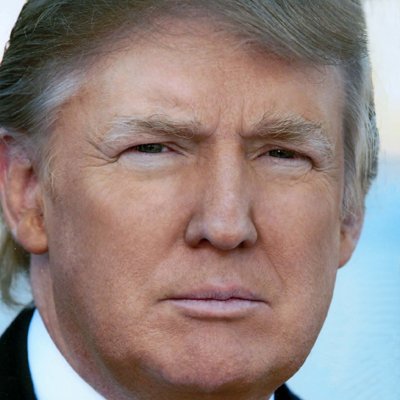
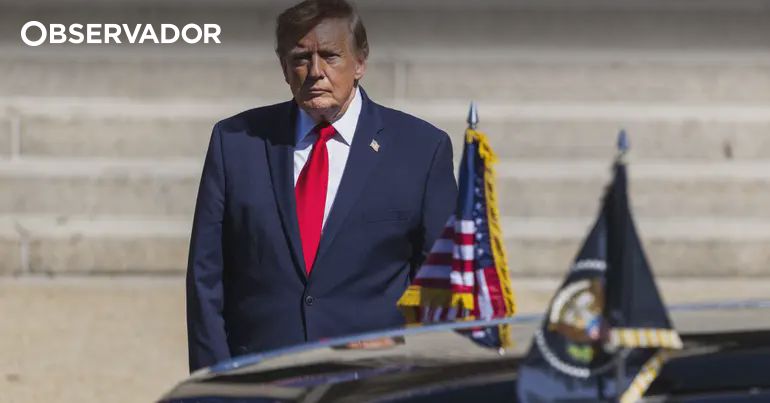
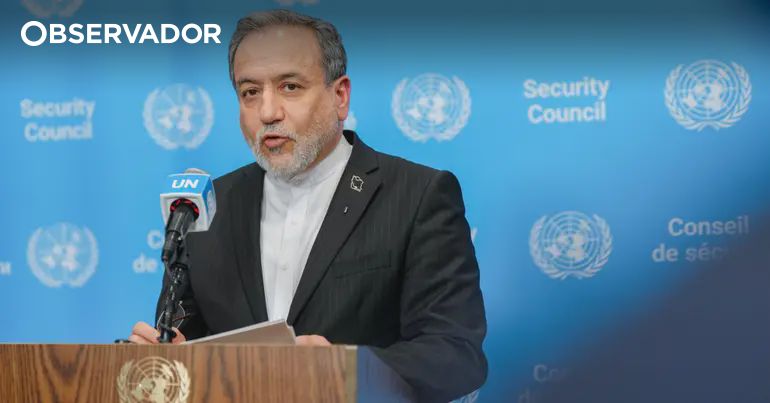
Donald Trump reaffirmed his intention to declare the Strait of Hormuz as U.S. territory after defeating Iran, provoking a response from the Iranian government that called the claim an illusion that will be corrected. (translated)

Donald Trump threatened to bomb Oman if the country interferes in the negotiations over the Strait of Hormuz between Tehran and Muscat, which are taking place without the participation of the United States. (translated)

Donald Trump announced that he is considering declaring the Strait of Hormuz as United States territory following a possible military victory over Iran, while the latter responded that such a declaration cannot be made through a tweet or threat. (translated)

The article discusses how Iran uses the delay in negotiations about the Strait of Hormuz to politically wear down President Donald Trump, while seeking to establish a new understanding with Oman which, in turn, represents the interests of other Gulf states and faces pressures from American influence. (translated)

Donald Trump and the U.S. Treasury Secretary, Scott Bessent, threatened Iran with unprecedented economic isolation, as tensions in the Strait of Hormuz, a critical route for oil trade, continue to escalate following an Iranian attack on ships in recent days. (translated)

The article analyzes Donald Trump's exaggerated statements about the U.S. control of the Strait of Hormuz, highlighting the complexity of relations between Washington and Tehran, Iran's economic situation, and the role of indirect negotiations involving intermediaries. (translated)

Iran demonstrates the intention to maintain financial control over the Strait of Hormuz as a priority in the current conflict, emphasizing that the United States cannot allow such a situation and that the passage should not be commercialized. (translated)

International relations specialist Bernardo Valente analyzes how the recent agreement between Iran and Oman regarding the Strait of Hormuz, which grants greater power to Iran, represents a diplomatic defeat for the United States by allowing the two nations to reach an understanding without U.S. mediation, raising concerns about the security of trade routes in the region. (translated)

The article focuses on the negotiations between Iran and Oman regarding the rules and routes of maritime transport in the Strait of Hormuz, with General Arnaut Moreira emphasizing that Iran cannot have unlimited control over this strategic waterway and that it is necessary to ensure freedom of navigation. (translated)

Iran announced an agreement with Oman on a new maritime route in the Strait of Hormuz, but emphasized that this does not guarantee the immediate reopening of the route due to security concerns arising from military actions by the US and Israel. (translated)

Donald Trump announced that the Strait of Hormuz should reopen very soon amid discussions about a temporary agreement with Iran and Oman, while warning that the Islamic Republic will face severe consequences if no consensus is reached. (translated)
While Washington and Tehran have not yet reached an agreement on the Strait of Hormuz, Oman seems to be close to negotiating an understanding with Iran for the reopening of maritime traffic in the passage, which could strengthen Iranian control in the region. (translated)

The specialist in International Relations, Ana Cavalieri, claims that the Strait of Hormuz will continue to be a crucial point in the conflicts between Iran and the United States until a peace agreement is reached. (translated)

Oman proposes to Iran the creation of a joint regional mechanism for the management of the Hormuz Strait, inspired by the model in the Malacca Strait, where ships contribute to the costs of navigation security, thereby limiting Iran's exclusive control over this waterway. (translated)

O Irão anunciou a intercetação de seis navios que tentavam navegar por uma rota ilegal e insegura no Estreito de Ormuz, resultando em um acidente com uma das embarcações e na escolta das restantes de volta ao Golfo. #Irão #EstreitoDeOrmuz #TensõesGeopolíticas