WRLD

Search

#Europe
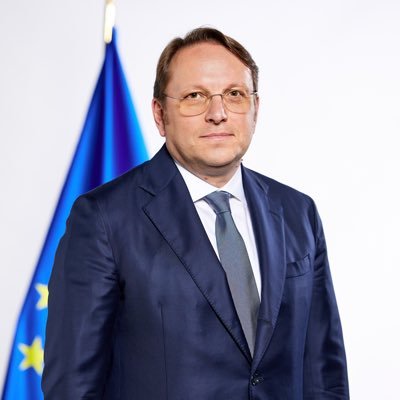
Oliver Varhelyi Just Now

The author said population ageing in Europe was likely to mean more people living with Alzheimer’s disease and other forms of dementia. In a message to #36AEC in Dublin, they said the EU was taking action through the European Partnership on Brain Health, the Safe Hearts Plan and faster access to innovation. https://t.co/Mcnfk3Vso3 #Alzheimers #Dementia #BrainHealth #IE #EU

960
BBC Just Now

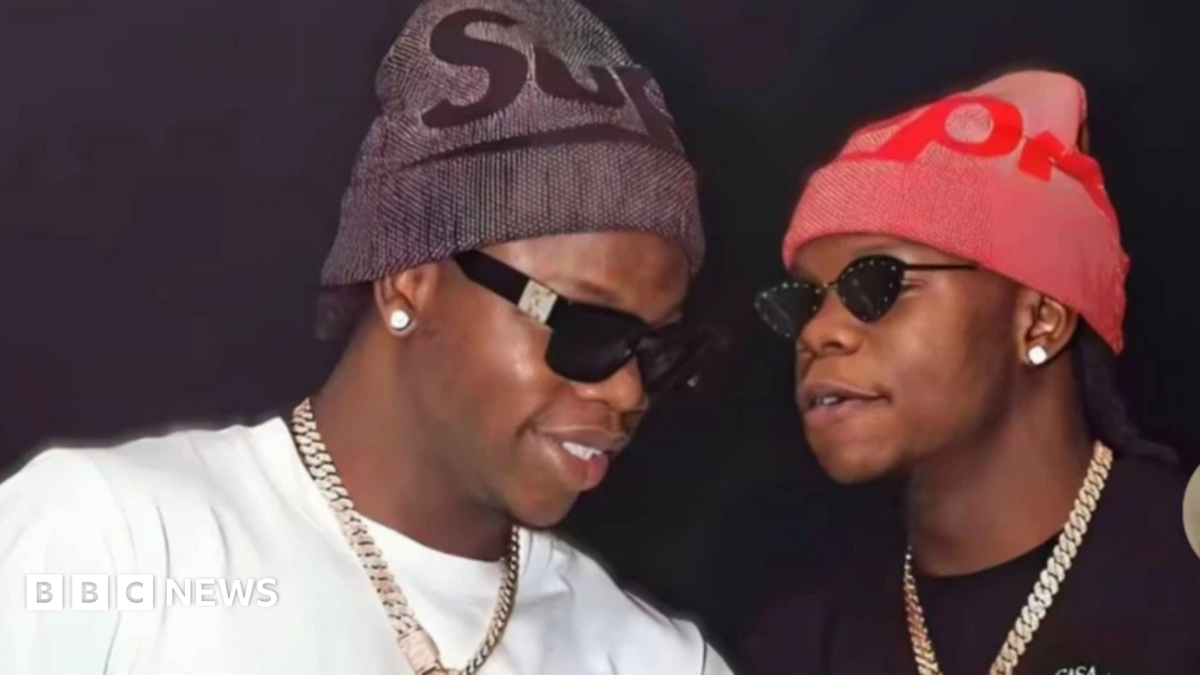
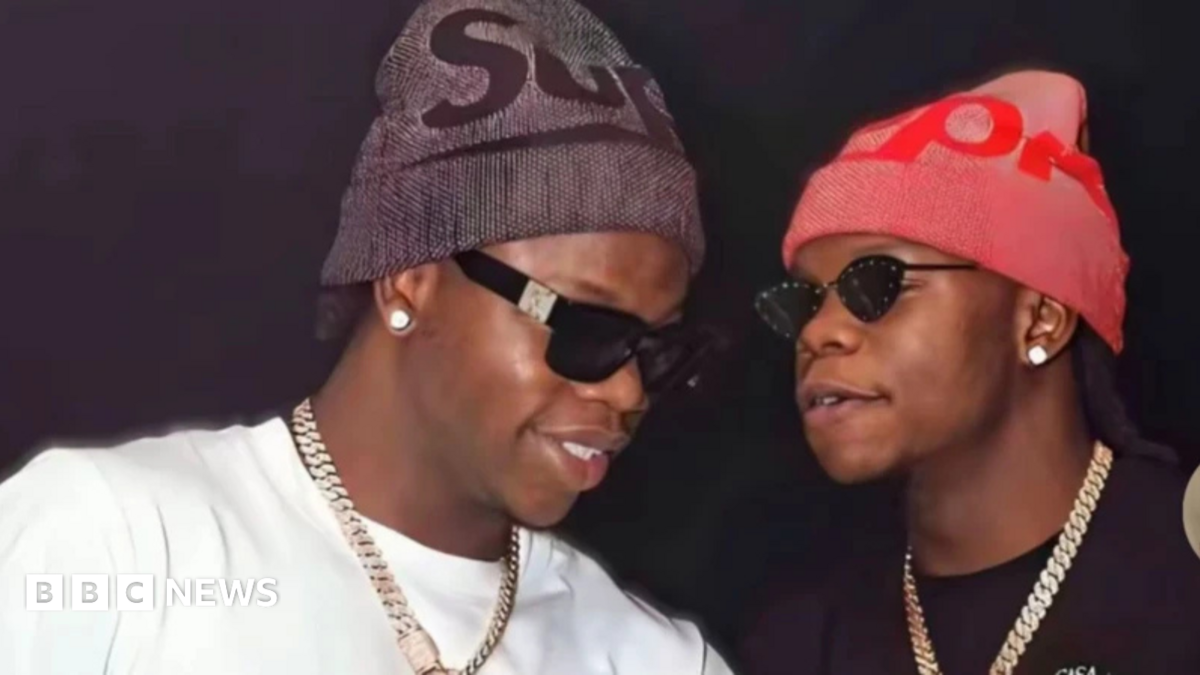
The group targeted elderly people across US and Europe, luring them into romantic relationship before persuading them to transfer large sums of money. #RomanceScam #CyberCrime #ElderFraud

www.bbc.co.uk
Ghanaian twin brothers and US woman plead guilty to $9m romance scam
1000
Observador Just Now

The European Central Bank (ECB) is expected to keep interest rates unchanged in October, with a possible increase in December, while French debt faces increasing tensions and becomes the weakest link in the eurozone. #BCE #Economia #França (translated)

observador.pt
BCE deverá manter taxas em outubro e subir em dezembro
1000
Observador Just Now

The Minister of Agriculture of Portugal praised the consensus reached in the European Union on the reform of the Common Agricultural Policy (CAP) for 2028-2034, advocating for maintaining funding and simplifying rules, while rejecting cuts in the final agreement. #Agricultura #PAC #UniãoEuropeia (translated)

observador.pt
Ministro da Agricultura saúda posição da UE para futura PAC
1040
Justyna Gotkowska Just Now

The author wrote that Lavrov had said the war would continue and was likely to escalate. They also argued that Moscow’s earlier hints about involving Europeans in negotiations had prompted competition among some over who would represent Europe at the negotiating table, describing it as a Kremlin move to divide. #Krieg #Diplomatie #Europa #RU #EU

1360
NRC Just Now

The European Commission has presented a legislative proposal that aims to support EU countries in dealing with the risks of climate change, responding to the increasing costs of weather extremes in Europe. #klimaatverandering #weersextremen #EUbeleid (translated)

www.nrc.nl
Brussel wil Europa beter wapenen tegen weersextremen
1200
adevarul.ro Just Now

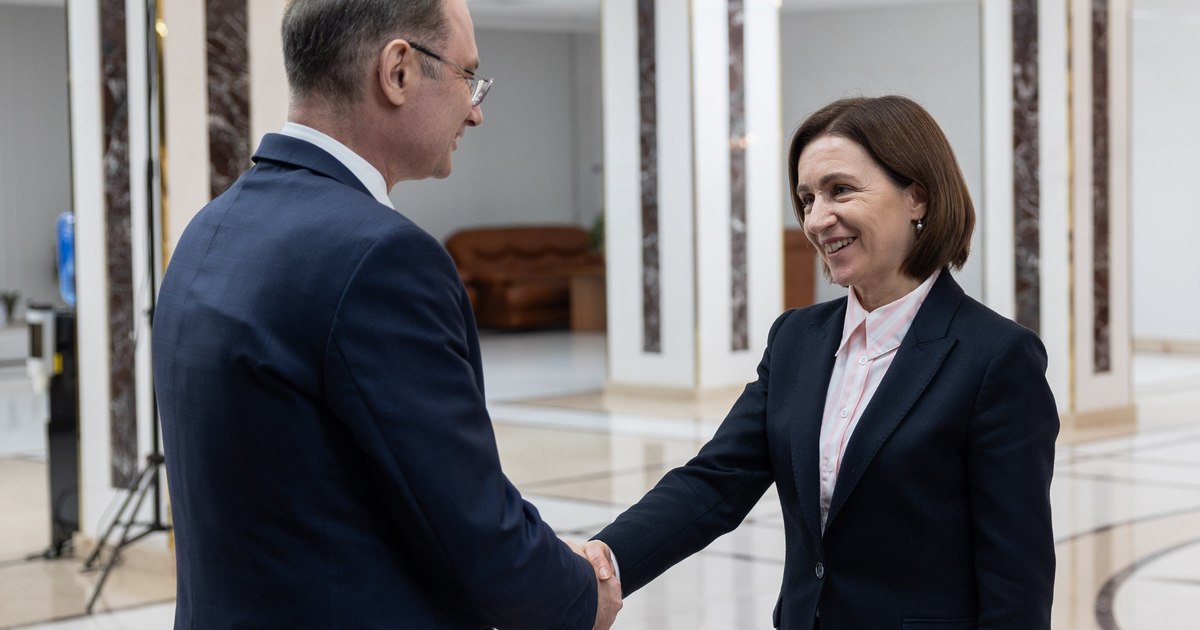
Prime Minister Luca Niculescu had a meeting with Maia Sandu, reaffirming Romania's commitment to supporting the Republic of Moldova in strengthening security and advancing towards European integration. #RepublicaMoldova #LucaNiculescu #MaiaSandu (translated)

adevarul.ro
Luca Niculescu, întâlnire cu Maia Sandu: „Viitorul Republicii Moldova este în familia europeană”
1120
BBC Just Now

The group targeted elderly people across US and Europe, luring them into romantic relationship before persuading them to transfer large sums of money. #RomanceScam #CyberCrime #ElderFraud

www.bbc.co.uk
Ghanaian twin brothers and US woman plead guilty to $9m romance scam
1000
Dagens Nyheter Just Now

Prime Minister Ulf Kristersson expresses skepticism about Finland's and Norway's initiative to talk to Russia and believes that previous talks with Putin have been meaningless, while emphasizing the importance of coordinated European measures to support Ukraine. #UlfKristersson #Ryssland #NordiskPolitik (translated)

www.dn.se
Kristersson: Olika uppfattningar om det är dags att tala med Putin
1040
Mónica García Just Now

The author wrote that, before the representatives of 53 countries gathered in the European committee of the WHO, she had once again demanded measures against what she described as genocide. She also stated that Gaza continued to suffer daily attacks, with destroyed hospitals and difficulties in accessing food, medicine, and medical care, and argued that Europe could not allow it. #GZ #EU (translated)

1360
Janusz Piechociński Just Now

The author of the entry wrote that the record attendance did not overshadow the problems of the Serbian elections. He referred to OSCE observers who pointed to intimidation, the ruling bloc's advantage, media bias, and lack of trust in the voter registry. He added that their concerns could further hinder Serbia's path to the European Union. #Serbia #wybory #OBWE #RS #EU (translated)

1200
rmf24.pl Just Now

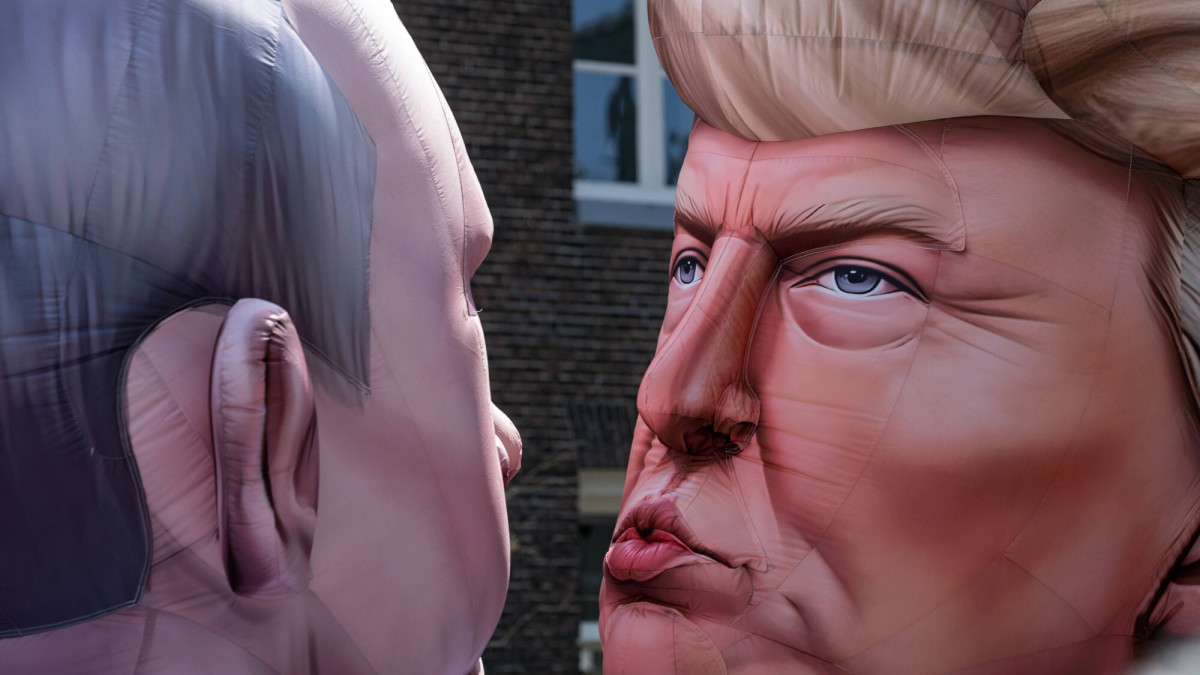
Former U.S. ambassador to Russia, Michael McFaul, warns that Donald Trump's decisions regarding policy towards Ukraine and Russia, including halting support and lifting sanctions, could significantly improve Moscow's situation and threaten European stability. #Trump #Putin #Ukraina (translated)

www.rmf24.pl
Trump pomaga Putinowi pokonać Ukrainę? Ostra analiza byłego ambasadora USA w Rosji
920
Jaunius Varnas Just Now

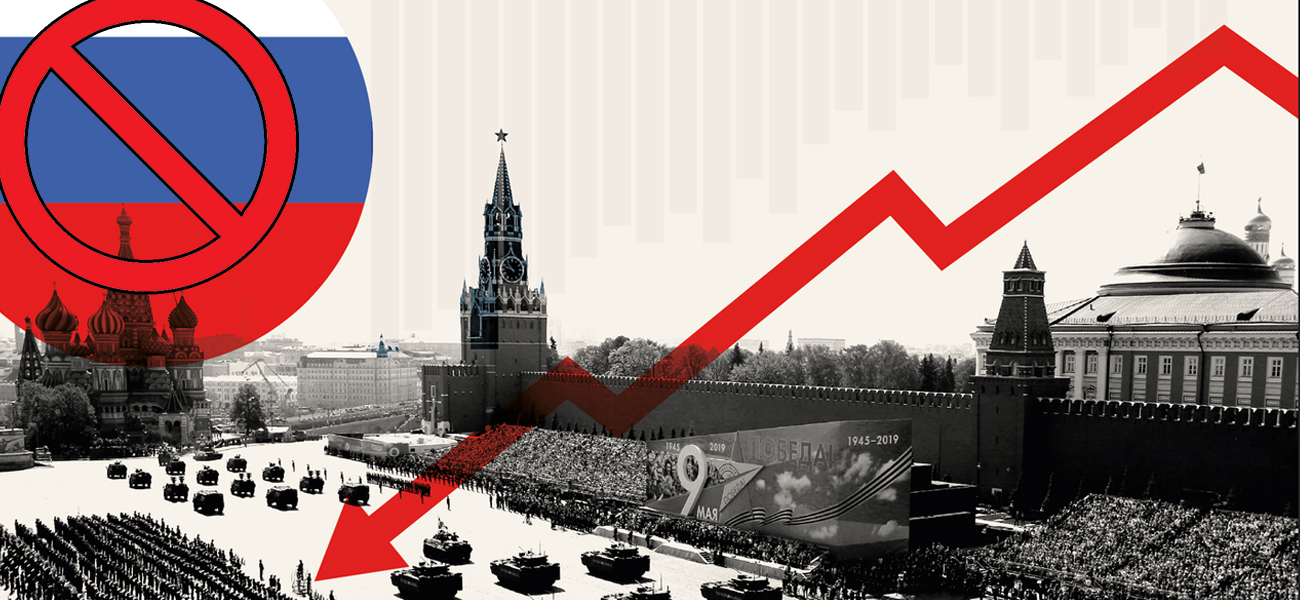
russia's MILITARY POTENTIAL CEILINGS There is no country that can wage war forever. There are plenty of myths about russia and how it can keep fighting and fighting, but there are things no country can overcome. These are simply economic and industrial ceilings that cannot just be expanded indefinitely. Especially when you're the most sanctioned country in history. Sit back, get comfortable — today I'm bringing you a BIG and very detailed article. Next year, russia will increase its military budget. And spending on it will account for around 35% of russia's entire annual budget. That's just according to the officially reported figures. And based on what we saw last year, we know that russia spends considerably more on the war than it reports. But when it comes to all this increased funding for the war machine, there's one BIG catch — russia doesn't exactly have the money for it. To keep its war industry running, russia is forced to significantly cut the budgets of other government sectors — education, healthcare, social services, and the national economy (infrastructure, agriculture, and so on). In other words, it's increasing the war industry's budget by cannibalizing other sectors. And it's ALSO very important to understand that even then, russia is no longer able to generate enough revenue to fully finance its annual budget. As a result, the state budget deficit keeps growing every year. And that's when the russians start selling their gold, diamonds, or printing A LOT of money to plug that budget hole. Whenever I try to explain how russia's economic situation keeps deteriorating, there are always commenters who say something along the lines of: "So what? They can still fight as long as they want, and you can talk about their problems all you like. Nobody's going to stop them." Well, THIS is where I'll try to explain why I think they're starting to reach the limits of their industrial capacity and, more generally, the limits of their offensive capabilities. When you shrink the civilian economy, investment declines, productivity falls, unemployment increases, prices rise, and it becomes more expensive for industry to manufacture things. On top of that, there's the growing global fuel crisis, which also drives up production costs. And russia ALSO has an existing labor shortage, and now it's going to carry out mobilization as well. That means it will independently remove, quite possibly, several hundred thousand men from the labor market. Whether that happens all at once or over the course of a year no longer matters — what matters is that those people will be taken out of the workforce. This creates a situation where russia is essentially destroying itself. It's increasing its military budget, but because it's cutting funding to other sectors and global economic problems are piling on, inflation rises so much that the larger military budget no longer translates into producing a whole lot more. Because everything simply costs MORE. And if we look at the war industry as a whole, there aren't many places left to expand because there aren't enough specialists. The only real option may be to try to redistribute the existing industrial capacity. For example, using the same budget, the same workers, and the same amount of materials to produce fewer tanks but more drones and missiles (I know this is a rough comparison, but the point still stands). Since I mentioned tanks, their production lines are also struggling to catch up with previous production levels. For example, russia used to refurbish a lot of old tanks from storage depots. But since those depots are now almost depleted, it has to manufacture more NEW tanks. And producing a new one costs MORE and takes longer. Tanks are just one example, but you have to understand that a similar situation applies to many other things. Instead of using old Soviet stockpiles, russia now has to manufacture a lot more equipment from scratch. THEREFORE, an increasing military budget in russia does not mean they'll have A LOT more of everything. NO. It simply means that everything costs them more. And looking ahead, it will cost them EVEN MORE, while they'll get less out of it. EVEN IF we take into account that China is still helping russia, we also have to understand that China isn't doing it for free. And no matter how many natural resources russia can send to China in exchange for technology, as inflation rises, the cost of those exchanges also increases. And as we know, China has been conducting those exchanges in its own favor since the beginning of the war. And once again, we run into the same ceilings — more trade does not necessarily mean a bigger war. More of everything is simply needed because everything is getting more expensive. There's an interesting situation unfolding in the world right now, where trump's war in Iran and the global fuel problems are simultaneously hurting russia's war industry as well. On top of that, I'm convinced that this entire promised wave of mobilization will also be russia's last serious attempt to push forward. RIGHT NOW, at THIS VERY MOMENT, a fundamental turning point in the war is taking place, and it's not being talked about very much. You could say the turning point was the expansion of Ukraine's drone forces, the attacks on oil facilities, the destruction of logistics, or something else. BUT all of this ultimately comes down to one BIG factor. russia is starting to reach the peak of its military potential. After this entire mobilization (whatever its size), they won't be able to carry out another one on the same scale. Well... they technically could, but each subsequent wave would be progressively weaker and of lower quality. At the same time, russia's military industry is starting to reach its ceilings. Looking ahead, not only will it have nowhere left to expand, but it's very likely to start contracting for the very same reason it grew in the first place — cuts to the budgets of other government sectors and the resulting inflation. Just take something as simple as cuts to healthcare funding. You might ask, what do hospitals have to do with the war industry? Well, if the state doesn't provide enough money to treat people, it's likely that more health problems will emerge, and that will affect the labor market. Which, in turn, will affect production — including the war industry. SO, I suspect that after 2027 (yes, unfortunately, that's still a long way off), russia will still be able to continue the war, but the pace of its war industry and its offensive operations will inevitably decline. THEN, let's take into account that russia is already suffering absolutely insane losses this year in exchange for increasingly smaller amounts of occupied territory. So let's understand that this is happening while russia can still maintain at least its current offensive pace and industrial production. What happens if any one of those factors contracts? We have a real-life example of what happens then — today, russia can no longer recruit enough people in a single month to replace the number being killed in the war. As a result, russian occupation forces are gradually retreating every month, and the occupiers are losing the territory they had captured. 2027 will still be the year when russia plugs this gap. In other words, whatever it can no longer recruit voluntarily, it will force into the front lines through mobilization. And then we'll have a whole range of other problems, which I've essentially already mentioned. russia will voluntarily reduce its own workforce (and let's add those who flee the country). Unmotivated, untrained, and poorly equipped soldiers at the front will achieve increasingly fewer results. The war industry will become more expensive while producing less for the front. russia will start facing problems filling the gaps created by its own shortages. When russia reaches these ceilings, it will certainly still be able to continue the war, but it will no longer be able to maintain the same pace. Especially the pace of its offensive operations on the front. THEREFORE... I can't say that Ukraine will definitely start reclaiming more of its territory, because we don't know how Ukraine itself will manage its funding. BUT the conditions are there, and Ukraine still has some cards it hasn't played yet. Here, let's also remember the ballistic missiles that are still to come into play. They won't be some complete WOW moment that changes everything. BUT they will allow Ukraine to destroy russia's industry much more aggressively, which is ultimately still one of the most important factors, because it eventually affects the quality of russia's offensive operations as well. BECAUSE having more people does not mean capturing more territory if those people are not properly supplied and supported from the rear. And then we get to the part I've actually been talking about for a very long time. What else can russia do if its offensive potential on the front starts to collapse? I'll repeat myself — russia is trying to compensate for the lack of frontline forces by intensifying its air attacks. And that creates the illusion that its offensive never stops and that russia is constantly escalating. + This is also an attempt to break Ukrainian civilians and make them demand that their government enter negotiations with russia. Historically, however, this kind of tactic has very rarely worked, regardless of which country we're talking about. Offensive operations on the front and air attacks are two different things. russia's frontline capabilities are shrinking, and that's why it is forced to carry out mobilization. That mobilization won't help it achieve A LOT more victories, BUT it will buy time — time it can use specifically to intensify its air attacks. And once again, it's the same thing — continuing a war does not necessarily mean fighting a successful war. russia, seeing that it cannot achieve victories on the front, is redirecting more of its industrial capacity toward producing drones and missiles. BUT we also have to understand that this does not necessarily mean producing a whole lot MORE drones and missiles forever. Because, as I've already explained, there are limits to production due to inflation, rising manufacturing costs, and labor shortages. ALSO, when it comes to missiles, they face a similar situation to russia's old tanks. Just as russia spent several years pulling old tanks out of storage and refurbishing them, it is also still mainly using its huge Soviet-era missile stockpiles, which it is MODIFYING. To maintain the pace of its attacks, it is EVEN converting missiles from its S-400 air defense systems into ballistic attack missiles. In other words, it's cannibalizing its own air defense resources to maintain its offensive capabilities RIGHT NOW. And you should understand that this kind of strategy also has its ceilings. This kind of strategy could create VERY serious problems for the russians when Ukraine ramps up its own ballistic missile production and russia itself starts needing more DEFENSIVE missiles — the very ones it is currently converting. So, when you combine the fact that Soviet stockpiles, although large, are not infinite and will eventually run out, with the fact that you cannot manufacture everything new in such large quantities or so quickly, and with the fact that everything russia produces from scratch becomes increasingly expensive over time... And when you also factor in the labor shortage affecting the drone and missile industries... We can predict that even the intensity of russia's air attacks has ceilings, and those ceilings will eventually be reached. Now, someone will say that I've explained all this rather abstractly, without numbers and so on. Fine, here are a few: Between 2023 and 2025, production in some key defense-related industrial categories doubled. HOWEVER, by 2026, growth had slowed significantly. Transport equipment: just +23.3% (instead of doubling), metal products: just +12.6% (instead of doubling), electronics and optical equipment: just +2.1% (instead of doubling). These are just a few examples. russia can allocate more and more money to its war industry, but that doesn't necessarily mean it can proportionally manufacture more weapons. EVEN MORE IMPORTANT — in September 2026, employment in manufacturing was already declining for the tenth consecutive month, while production volumes were falling again. This is NOT the collapse of production, but it clearly shows that the military industry is starting to reach its ceilings, which is exactly what I'm talking about. And those ceilings are being reached precisely because, once again, other government sectors are having their budgets cut, resulting in rising production costs. + Global economic consequences, economic sanctions, and Ukrainian strikes on factories. Now, if some of you are thinking of bringing up Ukraine and how it has the same problems, I'll dare to say that it's NOT quite the same. Over these several years of war, Ukraine has expanded its military industry so dramatically that its main obstacle is something else — a lack of funding. In other words, Ukraine is nowhere near reaching the limits of its production capacity. And on the front, we're already seeing more or less equal capabilities, and in some areas even an advantage for Ukrainian forces, with what they currently have. In 2025, zelensky said that Ukraine's war industry was operating at only 60% capacity. Well, in 2026, that situation is changing, because Ukraine is receiving considerably more funding. It's a fact that Ukraine also has its own problems and faces the same inflation, but when it comes to the ability to increase production volumes, it still has plenty of room to do so. After all this, there are a few rather unpleasant factors left. YES, russia's military potential will definitely shrink, BUT that doesn't mean the war will definitely end because of it. russia will still be able to continue the war, albeit at a weaker pace. At this point, we can expect russia to make indirect attempts to start peace negotiations, and we will likely see a shift in its propaganda messaging. When they see that they no longer have the potential to continue fighting at the same pace and that their objectives are UNACHIEVABLE, they will EXACTLY start claiming that their military objectives have ALREADY been achieved and that the war can now be ended. Why would they do that? Well, because it will be the best negotiating position they can possibly have. After that, it will start getting weaker. How do I come to this conclusion? Just look at what's happening in the war in Iran — the war is supposedly ongoing, but it's not really going on anymore, and there is NO agreement. America can no longer continue its offensive, so trump keeps saying that the military objectives have already been achieved and that they won the war a long time ago. It's just that Iran refuses to surrender. The same thing will happen with the russians: When they see that they are losing the initiative, they will start claiming that the war has been won and that it's time to end it. At this point, russia will, of course, still demand its own terms, and if those terms are not implemented, it will resort to increasingly terrorist attacks. And then it will be up to Ukraine to decide whether to keep fighting a little longer to weaken russia's position even further, or to sit down at the negotiating table. The sad reality is that by that point, Ukraine itself will have been battered so badly that it will neither have the resources to continue the war nor much desire to keep shedding blood. That desire is already gone, and it never existed in the first place. But in this war, Ukraine is defending itself, so it has no choice. And there's one more dangerous factor. By dragging out the war, russia is trying to wait for political winds to shift in its favor in Europe and elsewhere. And this is where russia is also using another huge pool of financial resources to try to influence political parties in the Western world and spread propaganda among the public. The next major barrier will be the November elections in America.

rmf24.pl 28m

The article discusses the current challenges related to the situation in Ukraine, the Middle East, and Serbia, including potential concessions from Ukraine, local agreements in Oleszki, the role of Donald Trump's administration in negotiations with Russia, and the impact of student protests in Serbia on the country's European future. #polityka #bliskiewschód #negocjacje (translated)

www.rmf24.pl
Czy Ukraina zostanie zmuszona do ustępstw? Na to pytanie odpowie były minister spraw zagranicznych
941
HotNews.ro 30m

The British government has announced that the United Kingdom will rejoin the Erasmus+ program starting January 1, 2027, thus allowing young Britons to study and gain experience in the European Union. #ErasmusPlus #SchimburiDeStudenți #EducațieEuropeană (translated)

hotnews.ro
Londra confirmă că se va realătura programului european Erasmus+
1466
Edwy Plenel 47m

The post referred to a freely accessible article dedicated to how the Brazilian left has regained ground on social media and the lessons that Europe could draw from it. https://t.co/tyLMlDbDcM #Brésil #Gauche #RéseauxSociaux #BR #EU (translated)

1276
T
Telegraaf 52m

Brussels advocates for a European version of the ICE to effectively deport migrants without residence rights. #onlinebeveiliging #cookies #websitesecurity (translated)

www.telegraaf.nl
Brussel wil ’Europese variant van ICE’ hoofdrol geven bij uitzetten migranten: ’Degenen die geen recht hebben op verblijf, moeten weg’
1040
Gabriel Attal 1h

The author believed that his generation had to create the "United States of Europe," after his grandparents had established the common market and his parents the common currency. He advocated for the idea of investing together in the upcoming challenges to make Europe the strongest economy in the world, in an interview with L'Express. https://t.co/poFW5zKnCk #Europe #Économie #Unité #EU (translated)

1321
Franceinfo 1h

The European Union proposes to strengthen the Frontex agency and expand its powers to expel migrants as part of a reform aimed at improving border management and responding to migration crises. #Frontex #Immigration #UnionEuropéenne (translated)

www.franceinfo.fr
L'Union européenne veut renforcer l'agence Frontex et élargir ses pouvoirs d'expulsion de personnes exilées
1222
M8 Nikof 1h

M8 Nikof indicated that the grand final of the Solo Major was reaching its last day and that he aimed for the title of European champion in the evening. https://t.co/lUAbhvGzhU #Major #Finale #Championnat (translated)

1239