WRLD

Search

#Fermi
Digi24 Just Now

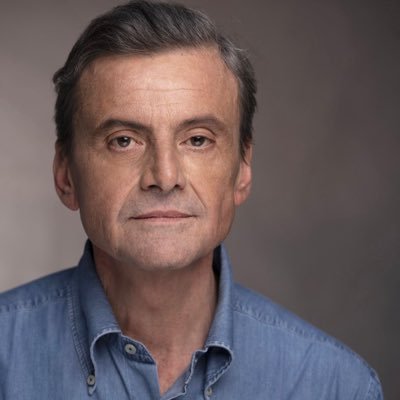
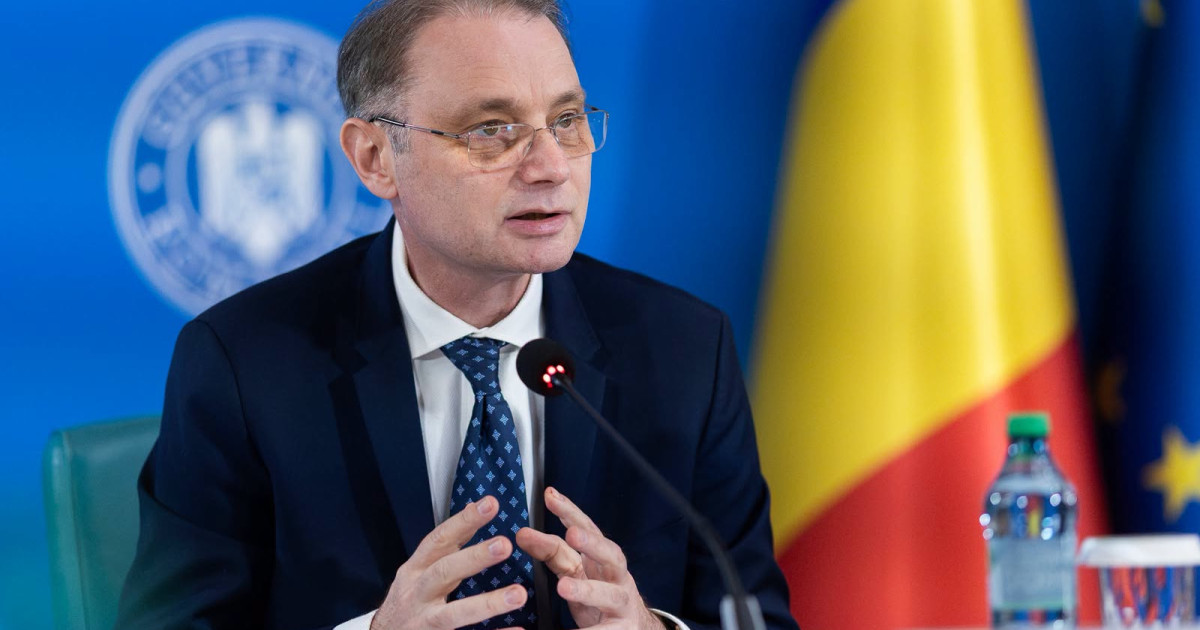
Prime Minister Luca Niculescu firmly condemned Russia's acts of sabotage in Romania, emphasizing that such attacks are unacceptable and that the Romanian authorities are committed to ensuring national security. #sabotaj #Rusia #LucaNiculescu (translated)
www.digi24.ro
Premierul Luca Niculescu condamnă acțiunile de sabotaj ale Rusiei în România: „Astfel de atacuri sunt inacceptabile”

1120
FC Barcelona 21h

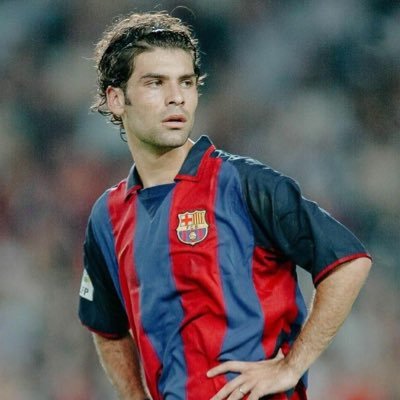
FC Barcelona published a message in which Fermín asked the fans to trust the team and expressed his support for the club. He also stated that there was still much ahead and that everything would return. https://t.co/ZNELzLBsWV #Barça #Culers #Fútbol (translated)

2530
Mercato Blaugrana 1d

Més Blaugrana reported that Fermín López had written on Instagram that support for Barça was more important than ever. He had called on supporters to trust the team, believing that there was still a long way to go and that the situation would eventually improve. https://t.co/R6OnqXSvNQ #Barça #TeamSpirit #Culers (translated)

2773
Otro Culé Mexicano 1d

Another Mexican Culé pointed out that the team seemed different after Frenkie's entry and said he hoped that would pave the way to return to the 4-3-3 formation, at least in matches where, in his opinion, Fermín and Olmo were not useful if they stayed close to the edge of the area. #Fútbol #LaLiga #Tácticas (translated)

2611
Vision Blaugrana 1d

Vision Blaugrana wondered if it was possible to see Frenkie on a football pitch again and believed that removing Fermín would provide the best possible midfield. #FrenkieDeJong #Football #FCBarcelona (translated)

2525
G
Gelu 2d

Don't change the time! Change the schedule, not the time! The biological rhythm is regulated by the Sun, not the clock. Time is not a work schedule that we can shift at will. Time is the measure by which we organize our lives, and nature has its own rhythm. The Earth does not change its rotation twice a year. The sun does not rise earlier because we decided to move the clock forward. Animals, birds, insects, and plants follow their biological rhythms related to light, darkness, and the natural succession of seasons. Humans are part of this nature. Our bodies have their own biological clock, fundamentally influenced by light. And when we officially move the clocks by one hour, we are not changing the course of nature, but rather asking humans to abruptly adapt to an administrative convention. Why do this every spring and reverse it every autumn? Is it natural to change the time or to adapt our schedules? Let's consider the majority of people: workers, farmers, students, teachers, parents, retirees, people who must adhere to a schedule set by others. They cannot always modify their schedules at will. They need to wake up at a certain hour, get to work, take a child to school, or comply with the public transport timetable. In contrast, there are people and organizations that have the opportunity to adapt their schedules based on the season, natural light, or the needs of their activities. If, for some people, changing their schedule is feasible, why impose the time change on everyone? Let's take a hypothetical example: if 10% of people have the freedom to adapt their schedule, is it fair to change the time for all those who do not have this freedom? Would it not be more logical to change the schedule where needed, rather than change the time by which the entire society organizes itself? Stores can modify their opening hours. Factories can adapt their shifts. Institutions can adjust their schedules, and schools and public transport can analyze timetables according to local conditions and people's needs. We do not all have to operate on the same schedule to live by the same time. Nature does not need our approval to follow its rhythm. In spring, the days lengthen. In autumn, the days shorten. This is the natural rhythm of the Earth, which we can observe without moving even a single clock hand. If we want to start activities earlier in summer, we can start sooner. If winter requires a different schedule, we can adapt it. But why change the official time, get used to a new convention, and then revert to the old one? Would it not be simpler to keep the same time all year round and organize our activities according to the season? I do not claim that all living beings measure time in hours and minutes. I assert something more important: their biological rhythms are linked to the natural cycle of light and darkness, not to the numbers we display on the clock. And humans should take this truth into account when organizing their lives. The economy must serve people, not people be permanently forced to adapt to the economy. One argument presented in favor of changing the time is the more efficient use of natural light or the reduction of energy consumption. But the actual effects depend on the country, season, population habits, and how energy is used. If we want to save energy, let's examine actual consumption. If we want more light during activities, let's adapt the schedules. If we want to improve work organization, let's change the timetables where possible. There is no need to change the time for the whole society to achieve flexibility in certain areas. The schedule is a tool we can adapt. The time should be a stable reference. We cannot stop the seasons. We cannot modify the Earth's rotation. We cannot ask nature to adapt to our clock. But we can organize our lives more wisely. Instead of moving the clock hands twice a year, we can learn to adapt our schedules to the reality around us. Instead of changing the time for everyone, we can allow each field to find the appropriate schedule, within the bounds of the law and with respect for people's rights. Let's keep the time stable and make the schedules flexible! Let's leave time in peace. Twice a year, millions of people are forced to change their clocks, schedules, and biological rhythms to adapt to an administrative decision. It is said that changing the time brings economic or energy benefits. However, in modern society, these advantages are increasingly contested, while the disadvantages are felt by nearly the entire population. People, animals, and plants do not live by the clock on the wall, but by the natural rhythms of the Earth. The human body is regulated by the alternation of light and darkness. When we artificially move the time forward or back, we disturb this balance. Many people sleep worse, feel more tired, and need days or weeks to readjust. Living beings do not change their schedules twice a year. Birds do not migrate by the clock, cows do not produce milk according to the official hour, and dogs do not understand why their owner takes them for a walk an hour earlier. Nature follows the sun, not administrative decisions. There is also a principle issue. For a relatively small percentage of people and activities that would benefit from more light in the evening, the schedule of the entire society is modified. About 90% of people are forced to adapt, even though they did not ask for this and do not gain direct advantages. It would be more logical for the sectors that need a different schedule to adapt it themselves. Stores can open earlier or later. Factories can modify their work shifts. Schools, institutions, and companies can adjust their schedules as needed. It is much easier for certain organizations to change the schedule in a targeted manner than to change the official time for the entire population. Moreover, modern technology has greatly diminished the argument for saving energy. Lighting now represents a smaller proportion of total consumption, while air conditioning, computers, and other equipment operate regardless of time changes. The time should serve people, not people be obliged to serve the time. A modern society can function efficiently without moving the clock hands twice a year. Stability, health, and respect for natural rhythms are stronger arguments than the tradition of a measure introduced in another era. Therefore, the most rational solution is to keep the same time throughout the year and adapt schedules where necessary, rather than changing the lifestyle rhythm of an entire population. Why should we keep the same time all year? Changing the time twice a year represents an artificial intervention in the natural rhythm of society. Although it was introduced with the intention of saving energy, numerous modern studies show that the benefits are minimal, while the social, medical, and economic costs are significant. 1. The biological rhythm is regulated by the Sun, not the clock. The human body operates according to an internal biological clock, synchronized with the natural alternation of day and night. Research in chronobiology shows that artificial changes in time disrupt sleep, concentration, and metabolism. In the days following the switch to summer time: - sleep disorders increase; - more traffic accidents occur; - productivity at work decreases; - there is an increase in the risk of heart attacks and other cardiovascular problems. In practice, millions of people are forced to suffer a slight "jet lag" without having traveled anywhere. 2. Nature does not change the time. Animals and plants regulate their activity according to light. Birds, insects, domesticated and wild animals do not change their schedules just because the government decides to move the clock forward by one hour. Farmers often observe that cows continue to adhere to their biological schedule regardless of the change in official time. The same happens with many other living beings. In reality, we are changing the clock display, not the position of the Sun in the sky. 3. Economic benefits are diminishing. Changing the time was introduced in an era when lighting consumed a significant proportion of the energy used by the population. Today: - lighting is much more energy-efficient; - the main consumption comes from air conditioning, heating, servers, computers, and appliances; - estimated savings are very low or even nonexistent in many states. In contrast, the economic costs are real: - employee productivity decreases after the time change; - absenteeism increases; - additional costs associated with accidents and medical problems arise; - computer and logistics systems need to be periodically adjusted. 4. It is unfair to change the schedule of all for the needs of a minority. If certain economic sectors find it useful to start activities earlier in summer, they can adapt their schedules. For example: - stores can operate from 07:00 to 21:00 instead of 08:00 to 22:00; - factories can alter shifts; - public institutions can temporarily adjust working hours; - schools and companies can decide locally what schedule is optimal. It is much simpler for 10% of organizations to change their schedule than for 100% of the population to change their biological clock. 5. Stability means efficiency. Transport, information systems, international economic activities, and public services function more smoothly when the official time remains constant. One hour throughout the year: - reduces scheduling errors; - simplifies transport and communications; - eliminates confusion regarding timetables; - provides predictability for citizens and companies. Conclusion The sun does not change its time. The Earth does not change its time. Nature does not change its time. Only humans move the clock hands and then endure the consequences of this decision. Instead of modifying the schedule of an entire society twice a year, it is more logical to keep the same time constantly and allow those fields that need a different schedule to adapt their programs individually. This way, natural biological rhythms are respected, economic costs are reduced, and the comfort of the majority of the population is increased. A modern society needs flexibility in scheduling, not the constant change of the clock. (translated)

556
Il Messaggero 2d

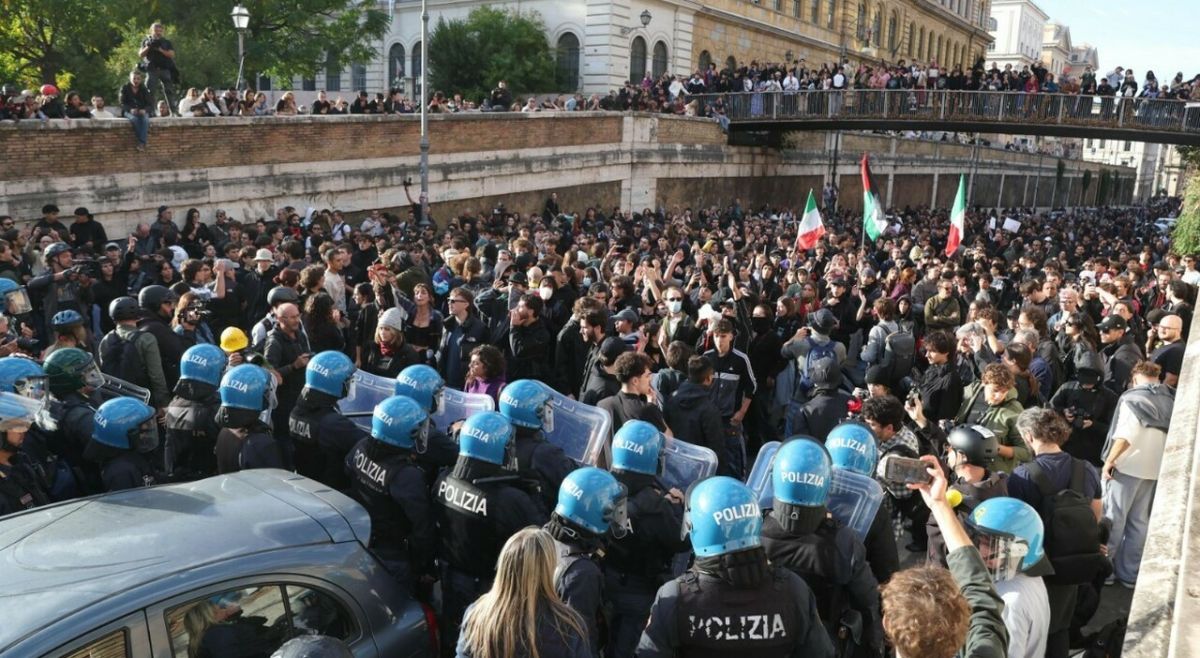
Clashes and confrontations in Rome and Milan, with 4,292 identified and 371 detained, while the police arrest Youssef Siher, believed to be the architect of the October 17 Movement, during a day of high tension and protests against the rising cost of living. #Movimento17Ottobre #ProtesteItalia #ScontriManifestazioni (translated)

www.ilmessaggero.it
Cortei da Roma a Milano: scontri in piazza ma niente saccheggi. Fermato l'ideatore del Movimento 17 ottobre
2672
Actualité - Barça 4d

News - Barça indicated that the Ballon d'Or ceremony was set to take place on Monday and reported that Fermín wanted to see Lamine Yamal win the award, which he considered to be the best. #BallonDor #football #LamineYamal (translated)

3142
Il Fatto Quotidiano 5d

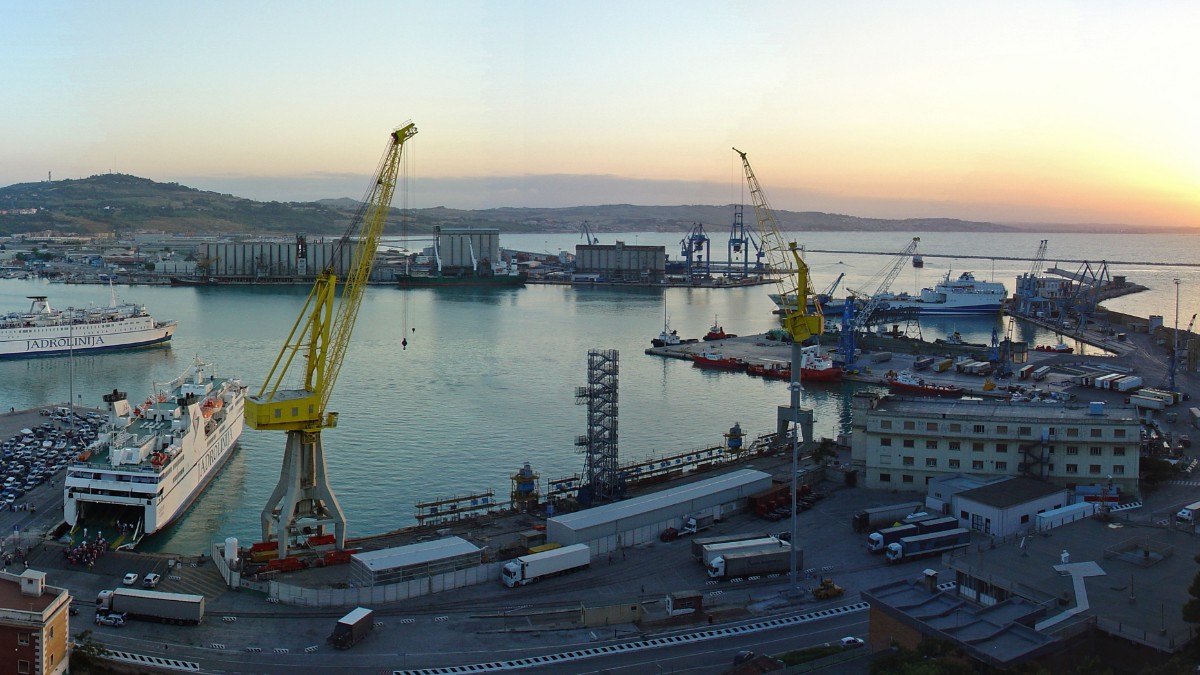
The fishing boats are docked in the port of Ancona in protest against the increase in diesel prices, asking for immediate support measures from the Government and the Marche Region to ensure the economic sustainability of the sector. #CaroGasolio #MarinerieItaliane #ProtestaAncona (translated)

www.ilfattoquotidiano.it
“A queste condizioni non ce la facciamo”, pescherecci fermi ad Ancona per il caro gasolio
2369
Masian 5d

Masian wrote that he reviewed the first half of the match and believed that Barça had not been dominated as clearly as some comments suggested. According to him, PSG started strong, with five minutes of intense pressure and a triple save from Joan Garcia, but Barça also had several chances, notably a strike from Olmo that went just wide and a breakthrough from Pedri stopped at the last moment. He indicated that, until a mistake from Lamine in the 37th minute, both teams had faced each other in terms of ball use and pressing exits. However, he acknowledged that PSG had the better opportunities. Masian also mentioned a missed one-on-one by Fermin, a poorly weighted pass to Raphinha, and a strong Parisian period from the 43rd minute until halftime. He attributed the impression of Parisian dominance to the repeated interventions of Joan Garcia and the moments when PSG hurt Barça. Finally, he stated that both teams had shown an almost identical xG number, despite PSG's superiority, and emphasized that Pedri had to face the Parisian midfield alone composed of Vitinha, Neves, and Ruiz. #FCBarcelona #PSG #FootballAnalysis (translated)

3612
Carlo Calenda 6d

The author described parked trucks, gas stations without fuel, and worried families in front of the first supermarkets with empty shelves. He reported that in the South, farmers and truck drivers were protesting because, according to him, fuel prices were increasing labor costs and decreasing profits. He then asked what the response was, without the text clearly identifying who it was referring to. https://t.co/8XHOUMusqV #Protesta #Carburante #Agricoltura #IT (translated)

3392
Ultimora.net 6d

Ultimora.net reported incidents of intimidation during the protest of truck drivers in Campania: between Naples and Caserta, trucks with cut tires were reportedly seen to prevent drivers from working. In Teano, the blocking of the highway toll booth had left several truck drivers stranded for three days. The Deputy Minister of Transport Rixi had requested the removal of the blockades, arguing that they were creating problems for citizens, especially for supplies to hospitals and supermarkets. He also expressed concern about the infiltration of organized gangs unrelated to the trucking sector. #Protesta #Trasporti #Campania (translated)

3167
Il Fatto Quotidiano 6d

In Campania, the prolonged strike of truck drivers is causing long lines of trucks stopped at the side of the road, resulting in food supply shortages and fuel distributors running out. #Autotrasportatori #BloccoStradale #CrisiCarburante (translated)

www.ilfattoquotidiano.it
Sciopero degli autotrasportatori, in Campania lunghe code di tir fermi ai lati della strada
2489
Jose Alvarez Haya 6d

Jose Alvarez Haya rated Pedri's match as outstanding and wrote that he had single-handedly unsettled the three midfielders of PSG, dominating the game and creating clear chances, like the one for Fermín. He also considered it correct that he was substituted in the 60th minute, since, as he pointed out, they needed to secure the league on Sunday and there was still a long way to go in the Champions League. https://t.co/3AI4C5pZH6 #Fútbol #LaLiga #Masterclass (translated)

2942
Zona Blaugrana 6d

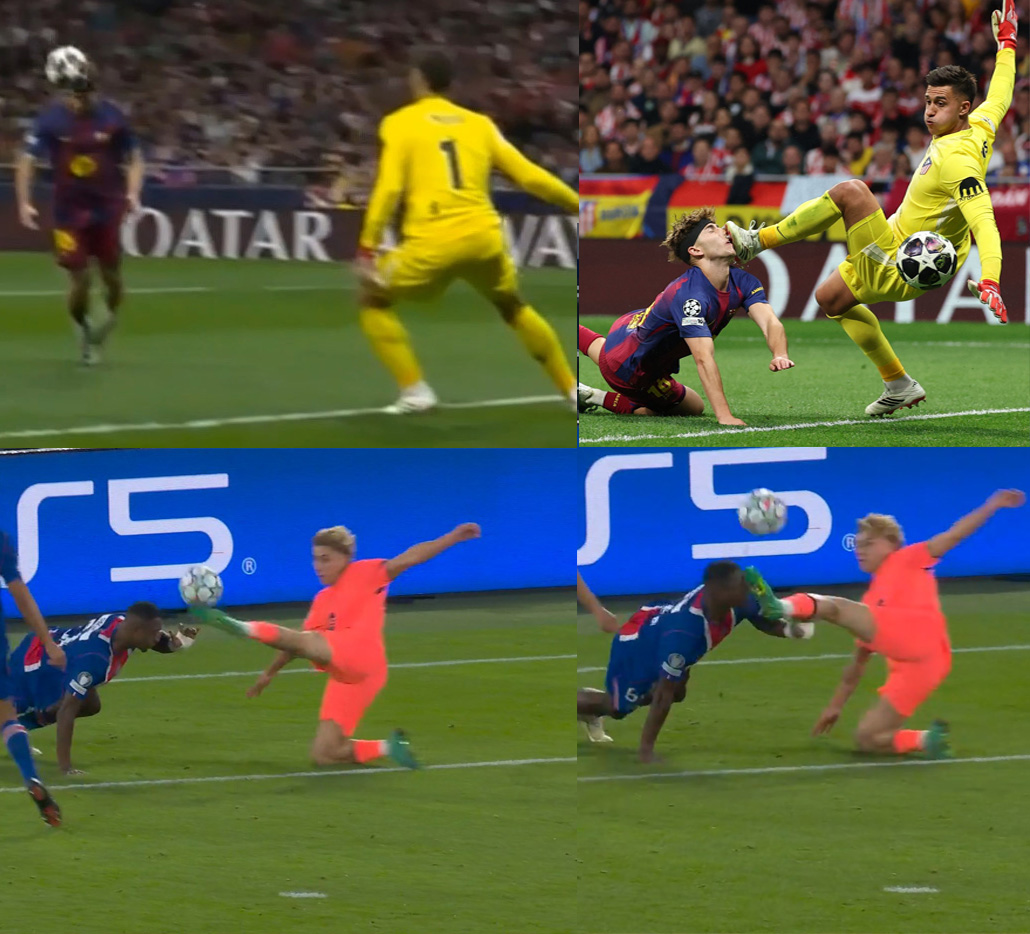
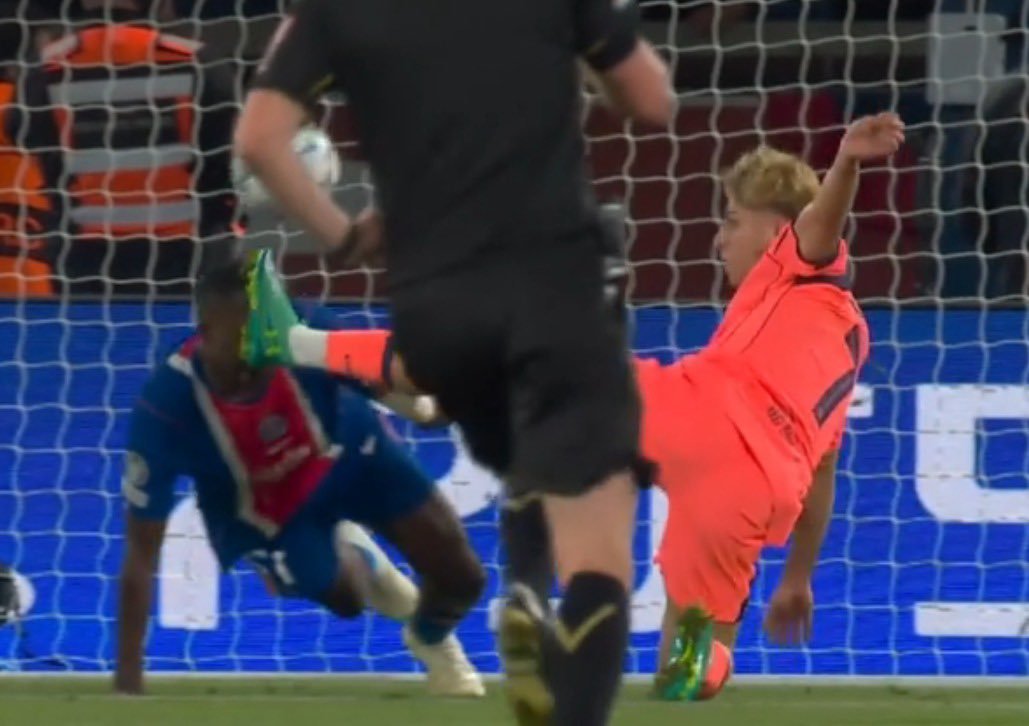
The Blaugrana zone questioned the consistency of the refereeing by comparing two plays involving Fermín. It stated that Musso struck him in the face with his leg raised while the goalkeeper did not come out to challenge for the ball, but that in another instance, when a PSG player went for the ball with his head below the waist while Fermín was shooting, the refereeing interpretation was different. https://t.co/qiiKKXpoIn #Fútbol #Arbitraje #Coherencia (translated)

2720
(fan) REAL MADRID FANS 🤍 6d

REAL MADRID FANS wondered what they found more embarrassing: that Fermín did not receive a red card for a tackle or that the Movistar commentators justified the decision. https://t.co/TUUIq4FALU #Fútbol #VAR #Deporte (translated)

2720
Tracy Rodrigo 7d

Tracy Rodrigo indicated that Alfremartinezz had explained that Rodri and Fermín would start on the bench, while Bernal and Olmo would be starters. https://t.co/Uo1KTef6bw #Football #Sport #Matchday (translated)

2494
Nicola Porro 7d

The author of the post wrote that, after the looting in Milan attributed to the so-called "maranza," the government was considering expulsions, preventive detentions even for minors, and sending another 500 soldiers. He welcomed Crosetto's intention to allow the military to intervene, arguing that otherwise they would have remained "nice little statues." He added that the real problem was another. #Milano #Sicurezza #Governo #IT (translated)

2949
Luca Bottura 7d

Luca Bottura wrote that he is stuck in the countryside, with no forecast on the delay, and that he is considering whether to report Salvini, based on the so-called Salvini law, for blocking the train. #Fermi #Salvini #Ritardo (translated)

2950
Matteo G.P. Flora 7d

Matteo G.P. Flora wrote that Revolut was completely inaccessible and that card payments, the app, direct debits, and online access were not working. He added that those who had a Revolut account or card could not make purchases with the card. #Revolut #inaccessibilità #servizi_finanziari (translated)

3064