The summer of 2026 was the second warmest since records began, accompanied by a severe heatwave in Germany. (translated)

The summer of 2026 was the second warmest since records began, accompanied by a severe heatwave in Germany. (translated)

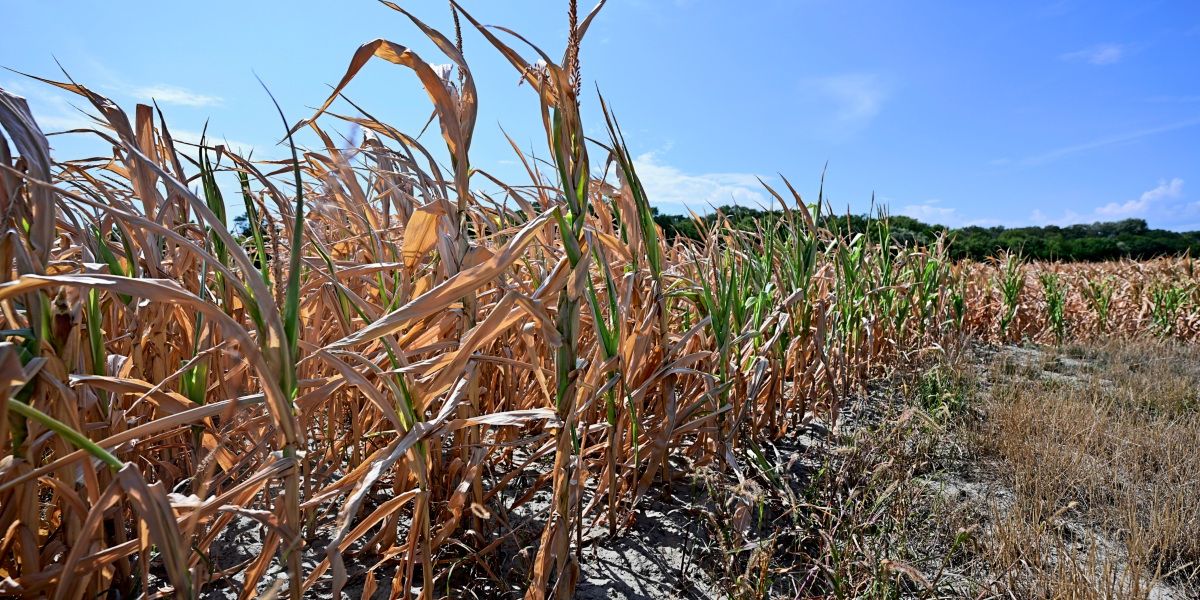
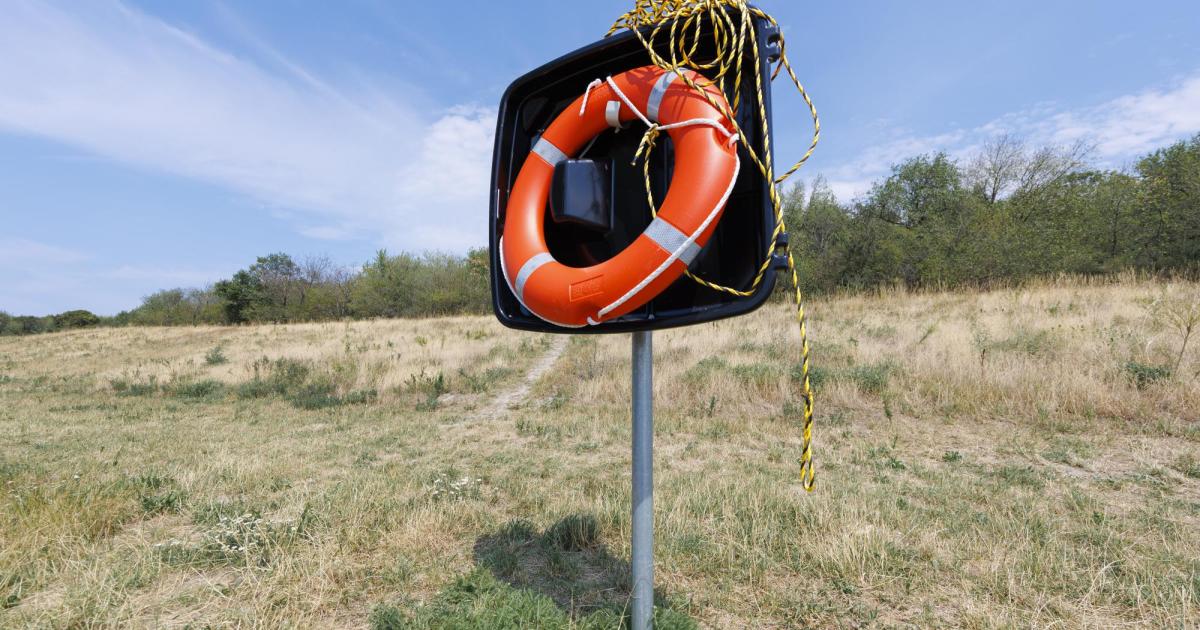
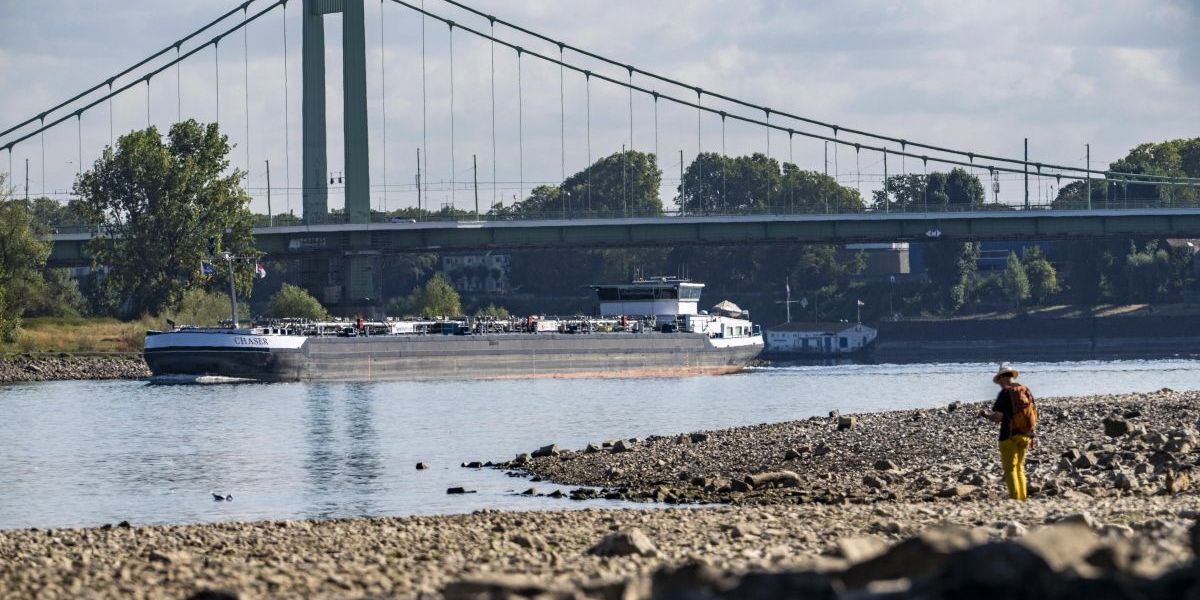
The summer of 2026 was the hottest since measurements began 260 years ago, with persistent heatwaves over 40 degrees, extremely low water levels, and an unprecedented drought that resulted in massive crop failures and a record number of heat-related deaths. (translated)

The summer of 2026 was one of the hottest in Germany since weather records began, with temperatures over 40 degrees, a high number of heat-related deaths, and severe environmental impacts such as drought and forest fires. (translated)

In June and July 2023, Austria recorded 646 heat-related fatalities, the highest number for this period, highlighting the significant health burden caused by extreme temperatures. (translated)

Rome is once again experiencing an extreme heatwave with temperatures of up to 40 degrees, while the authorities declare a red alert and tourists are protecting themselves from the heat. (translated)
In 2026, Austria recorded the hottest night since weather records began in Vorarlberg, with temperatures above 27.3 degrees, while thunderstorms and hail are threatening at the same time, and the geophysicist Gottfried Kirchengast warns that the year 2026 is overall 20 percent more extreme than the hottest year so far, 2015. (translated)

The summer ends with extreme temperatures of up to 35 degrees in Austria, which is unusually late in the year, and brings a new record of 58 hot days in a year. (translated)

According to estimates from the Robert Koch Institute, around 15,800 people in Germany have died from the effects of extreme heat since the beginning of the year, with excess mortality particularly affecting older people with pre-existing conditions, which has intensified the political debate about heat protection measures in Germany. (translated)
According to an estimate by the Robert Koch Institute, about 15,800 people in Germany are expected to have died from the consequences of the heatwave by mid-August 2026, with 9,600 deaths attributed to the extreme temperatures at the end of June. (translated)

A measurement series in twelve apartments in Vienna shows that intense heat stress, especially in post-war buildings, poses a serious danger to older people, as temperatures over 30 degrees are recorded on many days, and the climate crisis is expected to lead to more frequent heat waves in the future. (translated)

Chancellor Friedrich Merz announced an analysis of the devastating heatwave during the cabinet retreat and emphasized the urgent need for action regarding climate change and its consequences, while at the same time facing criticism from the opposition and environmental groups. (translated)

Chancellor Friedrich Merz (CDU) will visit the forest fire area in the Eifel on Saturday after his summer vacation to thank the emergency services who fought the largest fire in the history of North Rhine-Westphalia, while the opposition accuses him of inaction. (translated)

The article analyzes why Switzerland, despite its historical experiences with natural disasters, inadequately responds to the challenges posed by heat waves and drought, and notes that the lack of heat protection plans and delayed political measures, combined with improvised solutions from municipalities and citizens, creates a threatening situation that could once again pose an existential challenge to the state. (translated)

The Robert Koch Institute reports that at least 14,000 people have died from heat this summer, mainly due to an extreme heatwave in June, and health research reports positive progress on a personalized vaccine against skin cancer, while geopolitical tensions between the USA and Iran are increasing. (translated)

The Greenpeace study shows that in Austrian cities, less than 20 percent of the surveyed municipalities have an optimal green space percentage, which makes urgent measures to improve the microclimate necessary given the rising temperatures and hot days. (translated)

The Robert Koch Institute reports that there have been more than 14,000 heat-related deaths recorded in Germany since the beginning of the year, making the number of heat-related deaths in the first seven months of 2026 higher than in any single year before. (translated)

In the Free State of Bavaria, according to estimates from the Robert Koch Institute, approximately 1,760 people have already died as a result of the heatwave, which significantly exceeds the number of heat-related deaths in previous years and particularly affects older people. (translated)

"Furchtbarer Hitzesommer" (Spiegel) vs. "Zitronensorbet, bei 38 Grad in Bozen gekauft" (Welt). https://t.co/1X6ZJNQYy8 https://t.co/WmQpKCIwA6 #Hitzewelle #Sommer2023 #Klima
The human-caused climate change has increased water temperatures in Europe's seas, especially in the Mediterranean and the Bay of Biscay, by up to six degrees, leading to an alarming increase in heatwaves, which poses serious risks to marine ecosystems and the environment. (translated)

In Italian restaurants, extreme temperatures over 60 degrees prevail, which has sparked discussions about working conditions, especially after the death of a chef in Tuscany, and the organization Restworld is calling on the government to implement protective measures and recognize this work as particularly burdensome. (translated)