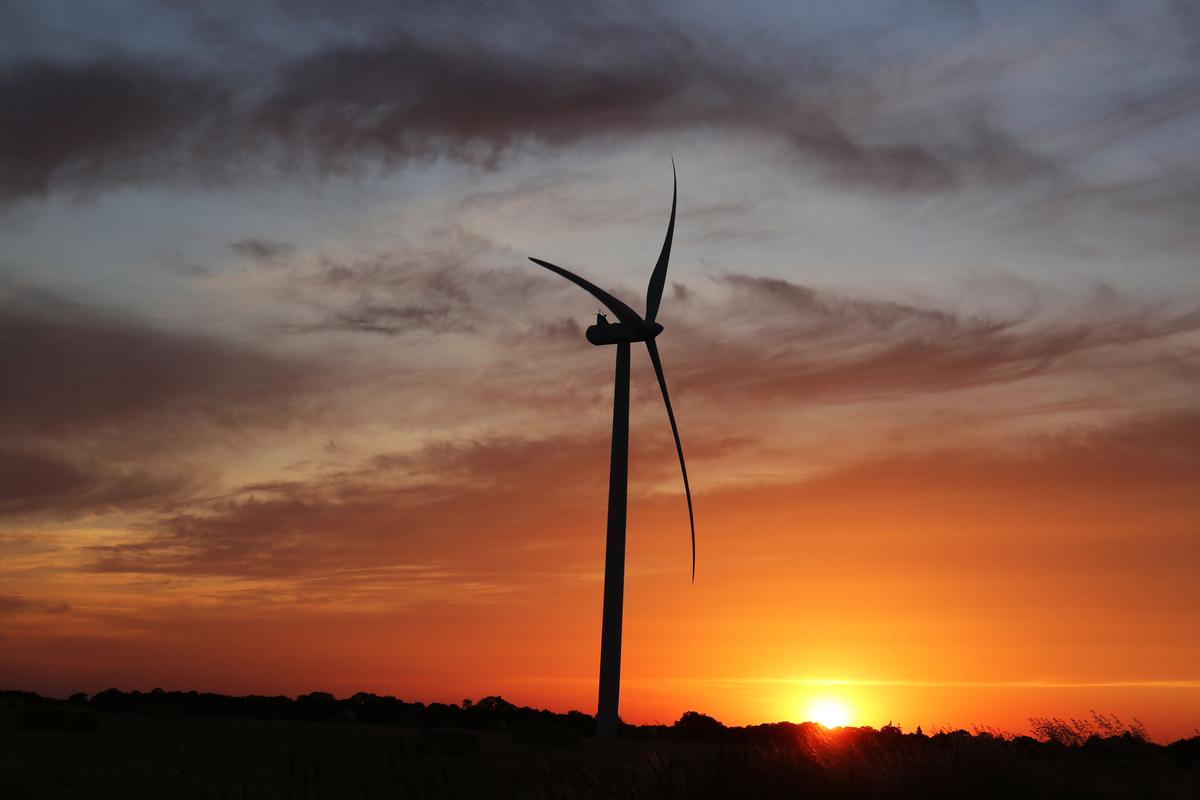
The CEO of Siemens Energy, Christian Bruch, is calling on Germany to enhance the protection of its critical infrastructure and to prepare for hybrid attacks, highlighting a significant increase in threats over the past few months. (translated)
A suspicious object was discovered near an electrical station in Dormagen, Germany, raising increasing concerns about the security of energy infrastructures in the country. (translated)

A suspicious object was found near an electrical substation in Germany, shortly after two other attacks on electrical infrastructure, prompting authorities to open a counter-terrorism investigation. (translated)

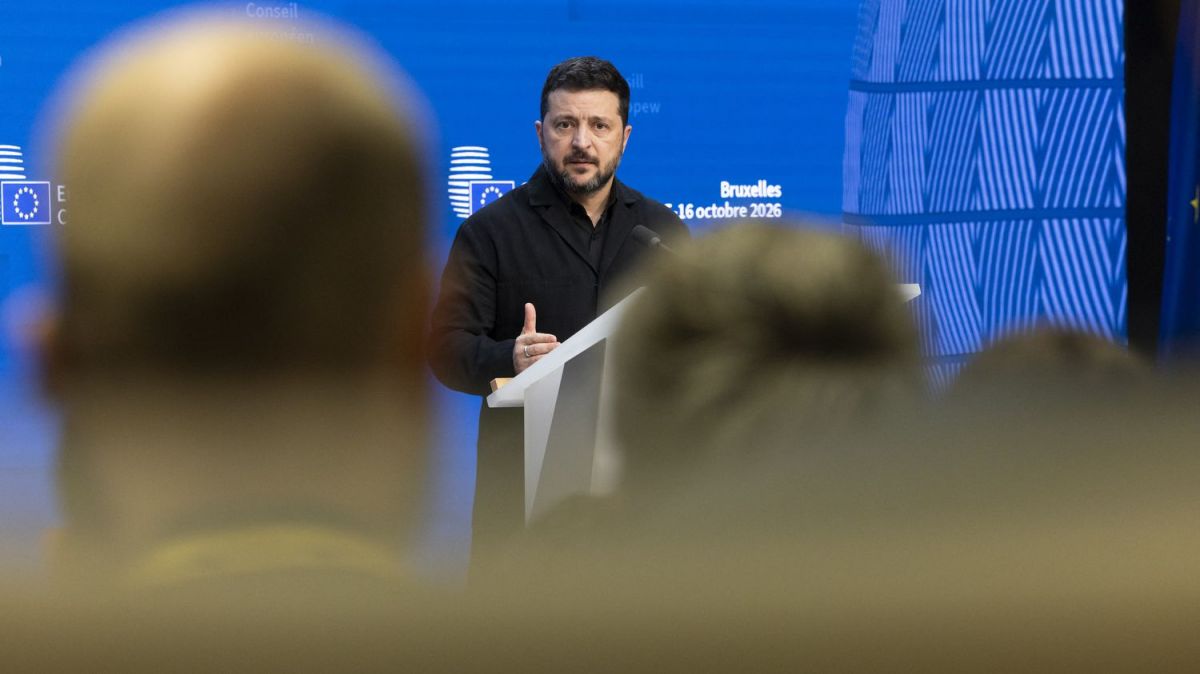
Ukrainian President Volodymyr Zelensky has alerted airlines to the increasing dangers of flights to or over Russia, urging them to avoid this airspace due to military escalations and recent Ukrainian drones targeting Russian infrastructure. (translated)

🔹Stéphane Richard sur la formation : « On a de bonnes équipes de jeunes, mais la passerelle fonctionne mal. Je veux présenter un projet d’investissement dans un vrai grand centre à l’extérieur de Marseille, avec des infrastructures dignes de ce nom. Cela pourrait être à Trets. » (@Rothensenflamme) #TeamOM #Formation #OM #Investissement
Vladimir Putin stated that Ukrainian drone strikes on Russian infrastructure have caused damage equivalent to about 1% of Russia's GDP, while minimizing their impact as not being a critical harm to the country. (translated)

During a G20 meeting in North Carolina, Mark Zuckerberg and Elon Musk argued via video conference for the construction of new data centers and minimalist regulation of artificial intelligence, while facing increasing opposition in the United States regarding these infrastructures. (translated)

The Joséphine-Baker school, recently inaugurated in Nantes, focuses on ecological infrastructure and a natural ventilation system to address the challenges of climate warming while providing a comfortable learning environment for its students. (translated)

The article underscores the crucial importance of monitoring critical infrastructure in Belgium, particularly following the tragedy in Ghislenghien in 2004, and highlights technological improvements, such as the use of drones and artificial intelligence, while noting that many companies remain attached to traditional monitoring methods. (translated)

The International Atomic Energy Agency (IAEA) confirms that the infrastructures discovered in Deir Ezzor, Syria, are consistent with those of a nuclear reactor, following the discovery of several tons of nuclear materials at an undeclared site inherited from the former regime. (translated)
A new massive Russian attack on Kiev has caused at least 12 deaths and around twenty injuries, targeting residential buildings and railway infrastructure. (translated)

The devastating flood that struck the Himalayas caused more than 1,000 deaths and left thousands of people missing in Nepal and China, severely affecting local communities and destroying essential infrastructure. (translated)

In Kyiv, the constant threat of Russian drones, which disrupt daily life without the need for direct strikes, creates a climate of resilience mixed with indifference among the inhabitants, while logistical infrastructures are subjected to targeted attacks aimed at paralyzing the city. (translated)

In Nepal, nearly a thousand workers working on hydroelectric infrastructure have gone missing following devastating floods that triggered mudslides, trapping many people in construction tunnels. (translated)

Elon Musk invests in energy infrastructures for his companies, including mobile power plants powered by gas, despite his previous criticisms of fossil fuels, in order to meet the growing electricity demand due to artificial intelligence and his projects like SpaceX. (translated)

A sudden flood at the Grand Canyon has raised serious concerns in the United States, with around fifteen people missing after floods severely damaged the park's infrastructure. (translated)

In his editorial, Benoît Franchimont emphasizes the urgency of addressing the disastrous consequences of climate change, illustrated by the catastrophe in Nepal and a deadly heat wave in Belgium, calling for swift actions to protect citizens and strengthen infrastructures. (translated)
Russia announced that it was preparing "massive strikes" against Ukraine's energy sector in response to Kiev's incessant attacks on its infrastructure. (translated)
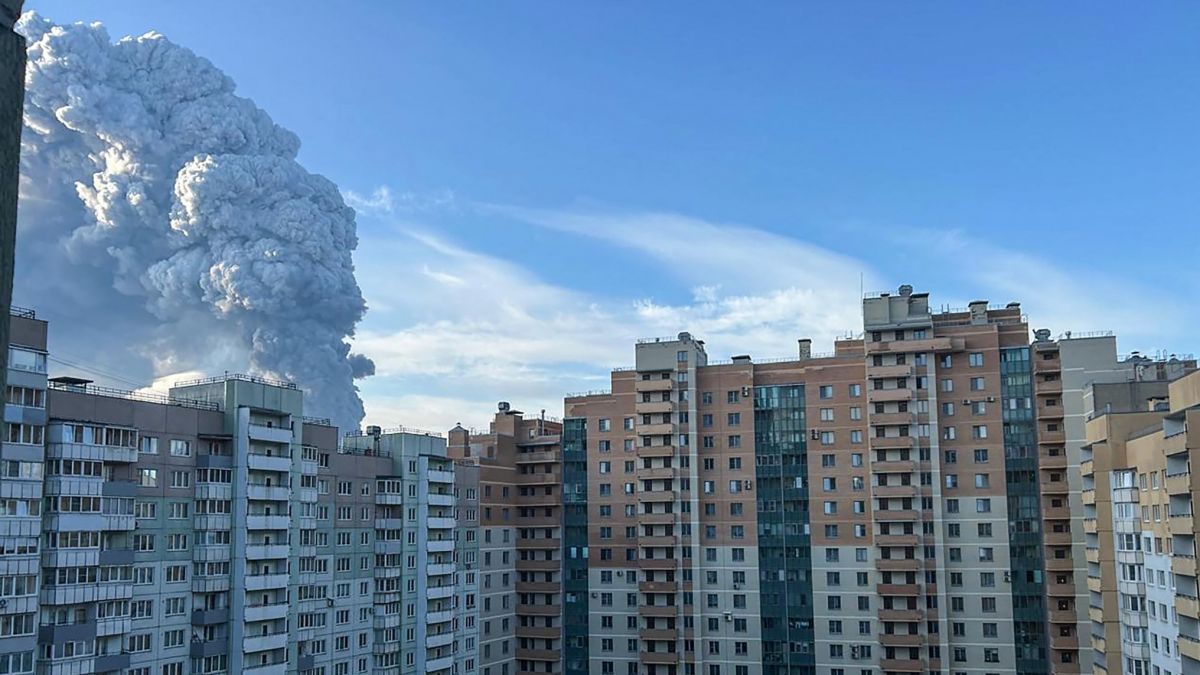
A fire broke out at an oil refinery in Russia after the crash of a drone, as Ukraine intensifies its attacks on Russian energy infrastructure. (translated)

Satellite images illustrate the devastating scale of the deadly mudslide that struck the Nepali villages of Kolputar and Betrawati Bazaar, causing at least 616 deaths and leaving many infrastructures submerged. (translated)