WRLD

Search

#Lisbona
Luciano Magaldi Sardella (PhD) 2d

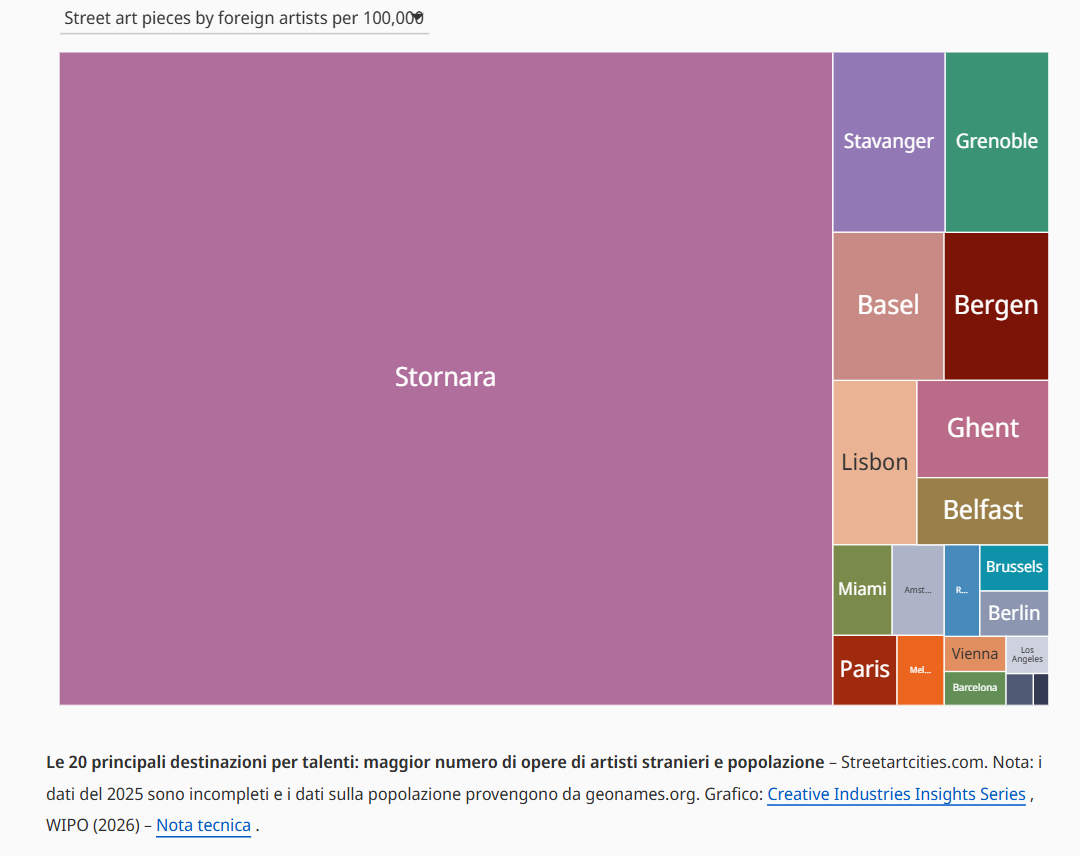
"GAZZETTA H24": STREET ART, STORNARA JOINS THE WIPO REPORT ALONGSIDE THE GREAT CITIES OF THE WORLD SOURCE: https://www.gazzettah24.it/street-art-stornara-entra-nel-rapporto-wipo-accanto-alle-grandi-citta-del-mondo/ ------------------------------------------------------------------- From "ghost town" to global model cited in Geneva: the cultural bet of Stornara Life APS captures the attention of WIPO. --------------------------------------------------------------------  STORNARA (FG) - There is a Southern Italy that makes little noise. It lies among the fields of wheat and rural roads of Capitanata, far from the main routes of mass tourism. Until a few years ago, Stornara, in the province of Foggia, was the typical town that statistics dismiss with a cruel adjective: "peripheral." Today, its name appears in an analysis from WIPO, the "World Intellectual Property Organization", the United Nations Agency in Europe based in Geneva. "Stornara Life APS" alongside Berlin, New York, Los Angeles, Paris, and Melbourne. ------------------------------------------------------------------ A report that looks at the walls of the world The text is titled "From Local Scenes to Global Recognition: Talent Mobility in Street Art". It is authored by three WIPO economists, Egbert Amoncio, Alexander Cuntz, and Alessio Muscarnera, and has been published in the "Creative Industries Insights" series. To build it, the authors started from data from the "Street Art Cities" platform. The technical note talks about approximately 74,000 geolocated works, collected and shared by street art enthusiasts worldwide. The fundamental questions are simple. Where does street art originate? Who travels to paint it? Which cities manage to attract outside talent? The first answer dismantles a common misconception. Street art is a profoundly local phenomenon. About one in five artists also works abroad, while the vast majority paint in their own city or in nearby ones. Among the few who cross borders, almost 40 percent are "highly mobile": they build an international artistic brand without severing their roots. These include the cases of Banksy, Os Gemeos, and Invader, whose walls appear on multiple continents. The authors use an effective term: street art is "glocal," rooted in its territory but capable of generating global circuits of talent and recognition. -------------------------------------------------------------------- The magnets of the world When asked which cities attract the most foreign artists, the map is fascinating. North America weighs heavily, with New York, Los Angeles, and Miami. Western Europe offers a dense network of opportunities, from Berlin to Amsterdam, from Vienna to Ghent, from Basel to Rotterdam, favored by the festival circuit and the freedom of movement within the Schengen area. Lisbon and Barcelona have focused on municipal support policies. Melbourne is the only representative from Oceania, and Northern Europe relies on Bergen, London, Belfast, and Stavanger. In this scenario of capitals and metropolises, the report includes an Italian exception, from Puglia, Foggia: Stornara, a small agricultural town of about 6,000 inhabitants, has been a destination for mural talents since 2018. It shows how street art can spark the rebirth of a community: thanks to the annual "Stramurales International Street Art Festival," born in 2017 from the strong will to combat urban and socio-economic decline by the founders of the social promotion association "Stornara Life APS,” Lino Lombardi and his local "Banda dei Fischietti," it has accumulated over 173 murals. About fifty of these are works by high-level international artists, with Google Trends data since 2017 showing notable interest in the mural tourism destination, indicating that the international festival has now captured national and international attention. It has also become the first academic case study in the world on a street art festival, "Street Art as Public Health Infrastructure," published in the prestigious academic journal "Harvard Health and Human Rights Journal" from Harvard University. Written by researcher Luciano Magaldi Sardella from Orta Nova and professor Matteo Mantuano from Lucera, this corresponds to the demonstration that an idea, an association, and the willingness of a community can change the identity of a place "forgotten by God." This is also recounted by those who have followed the story from the outside: the town, once little accustomed to visitors, now welcomes international tourists, individuals, groups, and schoolchildren who come to see its over 173 murals. ----------------------------------------------------------------- The secret is in density The data that has sparked pride in Stornara is this: it's not the volume that matters, it's the proportion. The organizers propose a simple indicator: works by foreign artists divided by the number of residents, multiplied by 100,000. With about over 50 international works and a population of a few thousand residents, Stornara reaches several hundred foreign works for every 100,000 inhabitants. This is a value that metropolises, with millions of residents, cannot approach. The meaning must be read accurately, and this is where the beauty of the matter lies. No one claims that Stornara has more foreign murals than New York. The point is that, in relation to its scale, few places in the world concentrate so much international art per inhabitant. The impact does not disperse in a megalopolis: it settles in every street, on every facade, in the daily life of those who live there. The most interesting part of the report looks beyond the ranking. The authors write that the value of street art extends well beyond the painted surfaces. Cities like Stornara demonstrate how urban art attracts tourism, generates media coverage, and can stimulate local businesses while strengthening community bonds and restoring the psychosocial well-being that could counter the perpetual Southern decline. However, the report adds a valuable warning: success depends on careful implementation and the involvement of artistic communities. Top-down initiatives risk being perceived as "predatory" by artists who care about the credibility of street art. The global model Stramurales appears to have avoided this pitfall. Field studies tell of walls donated by residents, week-long artist residences, and public discussions on the themes to be addressed. -------------------------------------------------------------------- The lesson of a town The report concludes with an idea that holds true for both Stornara and Berlin: the vitality of street art sinks its roots in local contexts. It arises from communities, speaks of their problems, and is made by artists immersed in their urban environments. The artistic family of "Stornara Life APS" understood this before many regional and local politicians, creating their walls into an open-air museum, a promise, and opening them to the world without ceasing to be themselves. In this official report from the Geneva Agency of the United Nations in Europe that measures the ability to attract talent, this results in, perhaps, the most precious value. Being cited alongside the great capitals of urban art while remaining, after all, a rural provincial town where every wall tells a colorful world of glocal stories. (translated)
www.gazzettah24.it
Street art, Stornara entra nel rapporto WIPO accanto alle grandi città del mondo
223
Luciano Magaldi Sardella (PhD) 3d

“VIVERE PUGLIA”: STRAMURALES: STORNARA IN THE “GLOBAL TOP 20” OF THE REPORT OF THE UNITED NATIONS AGENCY OF EUROPE SOURCE: https://www.viverepuglia.it/2026/11/12/stramurales-stornara-nella-global-top-20-del-rapporto-dellagenzia-delle-nazioni-unite-deuropa/207030/ ------------------------------------------------------------------- From “ghost town” to global model cited in Geneva: the cultural bet of Stornara Life APS captures the attention of WIPO There is a South Italy that does not make much noise. It lies among the wheat fields and rural roads of Capitanata, far from the main routes of mass tourism. Until a few years ago, Stornara, in the province of Foggia, was the typical town that statistics dismiss with a cruel adjective: “peripheral.” Today its name appears in a WIPO analysis, the “World Intellectual Property Organization,” a United Nations agency in Europe based in Geneva. So, Stornara stands alongside Berlin, New York, Los Angeles, Paris, and Melbourne. ------------------------------------------------------------------- A report that looks at the walls of the world The text is titled From Local Scenes to Global Recognition: Talent Mobility in Street Art. It is authored by three WIPO economists, Egbert Amoncio, Alexander Cuntz, and Alessio Muscarnera, and has been published in the “Creative Industries Insights” series. To build it, the authors started from data from the “Street Art Cities” platform. The technical note discusses about 74,000 geolocated works collected and shared by street art enthusiasts worldwide. The underlying questions are simple. Where does street art originate? Who travels to paint it? Which cities manage to attract talent from outside? The first answer dismantles a common misconception. Street art is a profoundly local phenomenon. About one in five artists also works abroad, while the vast majority paint in their own city or nearby ones. Among the few who cross borders, nearly 40 percent is “highly mobile”: they build an international artistic brand without severing their roots. These include cases like Banksy, Os Gemeos, and Invader, whose works appear on multiple continents. The authors use an effective term: street art is “glocal,” rooted in its territory yet capable of generating global circuits of talent and recognition. -------------------------------------------------------------------- The magnets of the world When asked which cities most attract foreign artists, the map is fascinating. North America weighs in terms of size, with New York, Los Angeles, and Miami. Western Europe offers a dense network of opportunities, from Berlin to Amsterdam, from Vienna to Ghent, from Basel to Rotterdam, fueled by the festival circuit and the freedom of movement within the Schengen area. Lisbon and Barcelona have focused on municipal support policies. Melbourne is the only representative from Oceania, while Northern Europe relies on Bergen, London, Belfast, and Stavanger. In this landscape of capitals and metropolises, the report includes an Italian, Apulian, Foggian exception: Stornara, a small agricultural town of about 6,000 residents, has been a destination for mural talent since 2018. It shows how street art can trigger a community's revival: thanks to the annual “Stramurales International Street Art Festival,” born in 2017 from the determined will to combat urban and socio-economic decline by the founders of the social promotion association Stornara Life APS, Lino Lombardi and his local Banda dei Fischietti, it has accumulated over 173 murals. About fifty are works by high-level international artists, with Google Trends data since 2017 showing a remarkable interest in the tourism-mural destination, indicating that the international festival has now captured national and international attention. It has also become the first monographic academic case study in the world on a street art festival, “Street Art as Public Health Infrastructure,” published in the prestigious global academic journal “Harvard Health and Human Rights Journal” of Harvard University, by researcher Luciano Magaldi Sardella from Orta Nova and professor Matteo Mantuano from Lucera. All this corresponds to the demonstration that an idea, an association, and a community's willingness can change the identity of a place “forgotten by God.” This is also told by those who have followed the story from the outside: the town, once unaccustomed to visitors, now welcomes international tourists, individuals, groups, and school classes coming to see its over 173 murals. ----------------------------------------------------------------- The secret lies in density The data that has ignited pride in Stornara is this: it’s not the volume that matters, but the proportion. The organizers propose a simple indicator: the works of foreign artists divided by the population, multiplied by 100,000. With about over 50 international works and a population of a few thousand residents, Stornara reaches several hundred foreign works per 100,000 inhabitants. It’s a value that metropolises, with millions of residents, cannot approach. The significance must be read accurately, and here lies the beauty of the thing. No one claims that Stornara has more foreign murals than New York. The point is that, relative to its scale, few places in the world concentrate so much international art per inhabitant. The impact does not dissipate in a megalopolis: it settles in every street, on every façade, in the daily lives of those who live there. The most interesting part of the report looks beyond the ranking. The authors note that the value of street art extends well beyond painted surfaces. Cities like Stornara demonstrate how urban art attracts tourism, generates media coverage, and can stimulate local commercial activities while strengthening community bonds and restoring the psychosocial well-being that could fend off enduring southern decline. However, the report adds a valuable warning: success depends on careful implementation and the involvement of artistic communities. Top-down initiatives risk being perceived as “predatory” by artists who care about street credibility. The global Stramurales model seems to have avoided this pitfall. Field studies recount walls donated by residents, week-long artist residencies, and public discussions on issues to address. ----------------------------------------------------------------- The lesson from a town The report concludes with an idea that applies to Stornara as much as to Berlin: the vitality of street art is rooted in local foundations. It arises from communities, speaks of their problems, and is made by artists immersed in their urban contexts. The artistic family of Stornara Life APS understood this before many regional and local politicians, turning their walls into an open-air museum, a promise, and opened them to the world while remaining true to themselves. In this official report from the Geneva-based United Nations agency in Europe that measures the capacity to attract talent, this is likely the most valuable outcome: being mentioned alongside the great capitals of urban art while remaining, after all, a rural provincial town where every wall tells a colorful world of glocal stories. (translated)
559
Luciano Magaldi Sardella (PhD) 4d

"THE SIPPONTINO": STORNARA IN THE "GLOBAL TOP 20" OF THE REPORT FROM THE UNITED NATIONS AGENCY FOR EUROPE From "ghost town" to global model cited in Geneva: the cultural bet of Stornara Life APS captures the attention of WIPO. There is a Southern Italy that doesn’t make much noise. It lies between the wheat fields and rural roads of Capitanata, far from the major routes of mass tourism. Until a few years ago, Stornara, in the province of Foggia, was the typical town that statistics dismiss with a cruel adjective: "peripheral." Today, its name appears in an analysis from WIPO, the World Intellectual Property Organization, a United Nations agency in Europe based in Geneva, alongside Berlin, New York, Los Angeles, Paris, and Melbourne. A report that looks at the walls of the world The document is titled "From Local Scenes to Global Recognition: Talent Mobility in Street Art." It is authored by three WIPO economists, Egbert Amoncio, Alexander Cuntz, and Alessio Muscarnera, and was published at the end of May 2026 in the Creative Industries Insights series. To construct it, the authors began with data from the "Street Art Cities" platform. The technical note discusses around 74,000 geolocated works, collected and shared by street art enthusiasts worldwide. The underlying questions are simple. Where does street art originate? Who travels to paint it? Which cities can attract talents from afar? The first answer dismantles a common misconception. Street art is a deeply local phenomenon. About one in five artists also works abroad, while the vast majority paint in their own city or nearby. Among the few who cross borders, nearly 40 percent is "highly mobile": they build an international artistic brand without severing their roots. These include the cases of Banksy, Os Gemeos, and Invader, whose works appear on multiple continents. The authors use an effective term: street art is "glocal," rooted in its local territory but capable of generating global circuits of talent and recognition. The magnets of the world When asked which cities attract the most foreign artists, the map is fascinating. North America is significant in size, with New York, Los Angeles, and Miami. Western Europe offers a dense network of opportunities, from Berlin to Amsterdam, from Vienna to Ghent, from Basel to Rotterdam, favored by the festival circuit and the freedom of movement of the Schengen area. Lisbon and Barcelona have focused on municipal support policies. Melbourne is the only representative from Oceania, while Northern Europe relies on Bergen, London, Belfast, and Stavanger. In this landscape of capitals and metropolises, the report includes an Italian exception, from Puglia, Foggia: Stornara, a small agricultural town of about 6,000 souls, has been a destination for mural talent since 2018. It shows how street art can trigger the revival of a community: thanks to the annual "Stramurales International Street Art Festival," founded in 2017 out of a strong desire to combat urban and socio-economic decline by the founders of the social promotion association "Stornara Life APS," Lino Lombardi, and his Stornara-based Fischietti Band, over 173 murals have been created. About fifty are works by high-level international artists, with Google Trends data since 2017 showing a remarkable interest in the mural tourism destination, indicating that the international festival has already captured national and international attention. It has also become the first monographic case study in the world on a street art festival, "Street Art as Public Health Infrastructure," published in the prestigious academic journal "Harvard Health and Human Rights Journal" of Harvard University, by researcher Luciano Magaldi Sardella from Orta Nova and Professor Matteo Mantuano from Lucera, all demonstrating that an idea, an association, and a community's willingness can change the identity of a place "forgotten by God." It is a sentiment echoed by those who have followed the story from the outside: the town, once unaccustomed to visitors, now welcomes international tourists, individuals, groups, and school classes who come to see its over 173 murals. The secret is in the density The data that has ignited Stornara's pride is this: it’s not the volume that counts, but the proportion. The organizers propose a simple indicator: the works by foreign artists divided by the inhabitants, multiplied by 100,000. With around 50 international works and a population of a few thousand residents, Stornara achieves several hundred foreign works per 100,000 inhabitants. It is a value that metropolises, with millions of residents, cannot approach. The meaning should be read precisely, and therein lies the beauty of the thing. No one claims that Stornara has more foreign murals than New York. The point is, in relation to its scale, few places in the world concentrate so much international art per inhabitant. The impact does not disperse in a megacity: it settles in every street, on every facade, in the daily life of those who live there. The most interesting part of the report looks beyond the ranking. The authors write that the value of street art extends well beyond the painted surfaces. Cities like Stornara demonstrate how urban art attracts tourism, generates media coverage, and can stimulate local businesses while reinforcing the sense of community and restoring the psychosocial well-being that could keep the eternal Southern decline at bay. However, the report adds a valuable warning: success depends on careful implementation and the involvement of artistic communities. Top-down initiatives risk being perceived as "predatory" by artists who care about street credibility. The global Stramurales model seems to have avoided this pitfall. Field studies describe walls donated by residents, one-week artist residencies, and public discussions on the themes to be addressed. The lesson of a place The report concludes with an idea that holds true for Stornara as much as for Berlin: the vitality of street art is rooted in local roots. It arises from communities, speaks of their problems, and is made by artists immersed in their urban contexts. The artistic family of Stornara Life APS understood this before many regional and local politicians, turning their walls into an open-air museum, a promise, and opened them to the world without ceasing to be themselves. In this official report from the Geneva-based United Nations agency in Europe that measures the capacity to attract talent, this appears to be, perhaps, the most valuable outcome: to be cited alongside the major capitals of urban art while still remaining, after all, a rural provincial town where every wall tells a vibrant world of glocal stories. (translated)

www.lagazzettadisansevero.it
Stramurales: Stornara nella “Global Top 20” del Rapporto dell’Agenzia delle Nazioni Unite d’Europa - La Gazzetta di San Severo - News di Capitanata
674
Luciano Magaldi Sardella (PhD) 4d

"THE GAZETTE OF SAN SEVERO" STRAMURALES: STORNARA IN THE "GLOBAL TOP 20" OF THE UNITED NATIONS AGENCY REPORT FOR EUROPE SOURCE: https://www.lagazzettadisansevero.it/stramurales-stornara-nella-global-top-20-del-rapporto-dellagenzia-delle-nazioni-unite-deuropa/?fbclid=IwY2xjawVibZVleHRuA2FlbQIxMABwZG9mAWJyaWQRMHE3R3FDUWVMVnBtN1NiRGRzcnRjBmFwcF9pZBAyMjIwMzkxNzg4MjAwODkyAAEfJpk9OBrbzNPPuzmmZTsbvjf1RRRRwgltWvqpPTryHt2mv-Z5rTEy1ifxBXU_aem_ciFpxVBzVKZmCZU0twovqQ From "ghost town" to a global model cited in Geneva: the cultural bet of Stornara Life APS captures the attention of WIPO. There is a Southern Italy that makes little noise. It is nestled among the wheat fields and rural roads of Capitanata, far from the major routes of mass tourism. Until a few years ago, Stornara, in the province of Foggia, was the typical town that statistics dismissed with a cruel adjective: "peripheral." Today, its name appears in an analysis by WIPO, the World Intellectual Property Organization, a United Nations agency for Europe based in Geneva, alongside Berlin, New York, Los Angeles, Paris, and Melbourne. A report that looks at the walls of the world The text is titled From Local Scenes to Global Recognition: Talent Mobility in Street Art. It is signed by three WIPO economists, Egbert Amoncio, Alexander Cuntz, and Alessio Muscarnera, and was published at the end of May 2026 in the Creative Industries Insights series. To construct it, the authors started from data from the Street Art Cities platform. The technical note discusses approximately 74,000 geolocated works, collected and shared by street art enthusiasts worldwide. The fundamental questions are simple. Where does street art originate? Who travels to paint it? Which cities manage to attract talents from outside? The first response dismantles a common misconception. Street art is a profoundly local phenomenon. About one in five artists also works abroad, while the vast majority paint in their own city or nearby. Among the few who cross borders, nearly 40 percent is "highly mobile": they build an international artistic brand without severing their roots. These include the cases of Banksy, Os Gemeos, and Invader, whose walls appear on multiple continents. The authors use an effective term: street art is "glocal," rooted in its territory but capable of generating global circuits of talent and recognition. The magnets of the world When asked which cities attract the most foreign artists, the map is fascinating. North America is significant in size, with New York, Los Angeles, and Miami. Western Europe offers a dense network of opportunities, from Berlin to Amsterdam, from Vienna to Ghent, from Basel to Rotterdam, favored by the festival circuit and the freedom of movement of the Schengen area. Lisbon and Barcelona have focused on municipal support policies. Melbourne is the only representative from Oceania, and Northern Europe relies on Bergen, London, Belfast, and Stavanger. In this scenario of capitals and metropolises, the report includes an Italian, Apulian, Foggian exception: Stornara, a small agricultural town of about 6,000 souls, has been a destination for muralist talents since 2018. It shows how street art can trigger the revival of a community: thanks to the annual Stramurales International Street Art Festival, born in 2017 from the strong will to combat urban and socio-economic decline by the founders of the Stornara Life APS social promotion association, Lino Lombardi, and his Stornara-based Banda dei Fischietti, it has accumulated over 173 murals. About fifty are works by high-level international artists, with Google Trends data showing a remarkable interest in the tourist-mural destination since 2017, indicating that the international festival has now captured national and international attention. Also becoming the first monographic academic case study in the world on a street art festival, "Street Art as Public Health Infrastructure," published in the prestigious global academic journal "Harvard Health and Human Rights Journal" of Harvard University, by researcher Luciano Magaldi Sardella from Orta Nova and professor Matteo Mantuano from Lucera, all of this corresponds to the demonstration that an idea, an association, and the availability of a community can change the identity of a place "forgotten by God." Those who have followed the story from the outside also report this: the town, once unaccustomed to visitors, now welcomes international tourists, individuals, groups, and school classes who come to see its over 173 murals. The secret is in density The data that has ignited Stornara’s pride is this: it is not about volume, it is about proportion. The organizers propose a simple indicator: the works of foreign artists divided by the residents, multiplied by 100,000. With about 50 international works and a population of a few thousand residents, Stornara arrives at several hundred foreign works per 100,000 inhabitants. It is a value that metropolises, with millions of residents, cannot approach. The meaning must be read precisely, and this is where the beauty lies. No one claims that Stornara has more foreign murals than New York. The point is that, relative to its scale, few places in the world concentrate as much international art per inhabitant. The impact does not disperse in a megalopolis: it settles in every street, on every facade, in the daily life of those who live there. The most interesting part of the report looks beyond the ranking. The authors write that the value of street art extends well beyond the painted surfaces. Cities like Stornara demonstrate how urban art attracts tourism, generates media coverage, and can stimulate local commercial activities while strengthening the sense of community and restoring the psychosocial well-being that would distance itself from the perpetual southern decline. However, the report adds a valuable warning: success depends on careful implementation and the involvement of artistic communities. Top-down initiatives risk being perceived as "predatory" by artists who care about street credibility. The Stramurales global model seems to have avoided this pitfall. Field studies tell of walls donated by residents, week-long artist residencies, and public discussions on the topics to address. The lesson from a town The report concludes with an idea that applies to Stornara as much as to Berlin: the vitality of street art is rooted in local roots. It arises from the communities, speaks of their problems, and is made by artists immersed in their urban contexts. The artistic family of Stornara Life APS understood this before many regional and local politicians, turning their walls into an open-air museum, a promise, and opened them to the world without ceasing to be themselves. In this official report from the Geneva-based United Nations agency for Europe that measures the capacity to attract talents, this is likely the most precious outcome: being cited alongside the major capitals of urban art and remaining, after all, a rural provincial town where every wall tells a colorful world of glocal stories. (translated)

www.lagazzettadisansevero.it
Stramurales: Stornara nella “Global Top 20” del Rapporto dell’Agenzia delle Nazioni Unite d’Europa - La Gazzetta di San Severo - News di Capitanata
561
Luciano Magaldi Sardella (PhD) 5d

From "Ghost Town" to UN Case Study: The Stramurales of Lino Lombardi and Stornara Life APS Conquers the United Nations of Europe Thanks to the Stramurales of Lino Lombardi (Stornara Life APS), Stornara ranks first in the world for the intensity of foreign murals per inhabitant. ORIGINAL TITLE: "From Local Scenes to Global Recognition: Talent Mobility in Street Art." STORNARA (FG) — WIPO places Stornara, through the “Stramurales International Street Art Festival” founded, presided, and artistically directed by Lino Lombardi of Stornara Life APS, in the GLOBAL TOP 20 of the top twenty most important cities in the world for street art that attract the most significant street artists from the six continents. And it is FIRST IN THE WORLD for mural density per inhabitants. Here’s what their website indicates: “The World Intellectual Property Organization (WIPO) is the Agency of the United Nations of Europe, based in Geneva, serving innovators and creators worldwide, ensuring that their ideas reach the market safely and improve the lives of all. We do this by providing services that enable creators, innovators, and entrepreneurs to protect and promote their intellectual property (IP) across borders and acting as a forum to address the most pressing issues in IP. Our IP data and information guide decision-makers around the world. And our impact-oriented projects and technical assistance ensure that IP benefits everyone, everywhere.” WIPO used data from the international street art platform, “Street Art Cities”, for their extensive research project on the driving forces behind global street art, based on a comparison between global talents vs local talents in world street art. As cities worldwide increasingly promote themselves as attractive tourist destinations and places with a high quality of life, competition intensifies to attract the best global talents and most famous artists, who will embellish the streets and urban appearances. Therefore, it is essential to choose where traveling artists decide to operate and find favorable conditions to create new works. An analysis of street art data conducted by WIPO reveals a picture of an art form that is fundamentally “glocal”, meaning a cross between global and local: primarily local in practice but capable of generating global circuits of talent, influence, and recognition. Understanding this duality is essential to understand where street art thrives and why. LOCAL STREET ART: MY HOME IS MY CASTLE Most street artists create their works in their hometown or where they live. More than 80% of artists create in one or more cities within a single country, never realizing works abroad. This means that only about 20% of street artists have created one or more works abroad. Almost 40% of this group of traveling artists can be considered highly “mobile”, practicing their art in different countries and building their global digital credibility and artistic brand, in addition to local roots. This pattern is consistent with that of high-profile international street artists like Banksy, Os Gemeos, or Invader, whose famous works appear on the walls of many continents. GLOBAL ATTRACTION POLES: CITIES THAT ATTRACT INTERNATIONAL STREET ARTISTS Global talent flows depend on the geographical, cultural, and linguistic proximity between countries of origin and destination. Countries that share borders, culture, or language are more easily accessible and cheaper for artists, which is why they often see a larger influx of talent. In addition, individual artists may seek opportunities abroad and obtain support from city festivals, cultural exchange programs, international galleries, or rely on their personal networks and reference community when relocating. For artists crossing national borders, some cities prove to be powerful attraction poles for international street art. An analysis of the 20 global cities with the highest number of street art pieces created by foreign artists reveals an intriguing geography of creative centers that transcend the boundaries of their national art scenes to become global destinations. North America dominates in size, with New York, Los Angeles, and Miami serving as significant attraction poles for foreign street artists. The combination of art market infrastructure, cultural diversity, and the role of cradle of the street art movement in these cities attracts international artists eager to make their mark on the American urban landscape. Western Europe offers a dense network of opportunities, with Berlin standing out as one of the top destinations, along with Paris, Amsterdam, Vienna, Ghent, Brussels, Basel, Grenoble, and Rotterdam. This concentration reflects the vibrant European circuit of street art festivals and the ease of movement within the Schengen area, allowing artists to visit multiple cities simultaneously. Lisbon, the capital of Portugal, along with Barcelona, Spain, has strategically positioned itself as street art destinations thanks to supporting municipal policies and high-profile festivals. IN CONTRAST, STORNARA, A SMALLER TOWN AND TALENT POLE, EXEMPLIFIES HOW STREET ART CAN CATALYZE COMMUNITY RENEWAL. THANKS TO ITS ANNUAL STRAMURALES FESTIVAL, LAUNCHED IN 2017, THIS STRUGGLING APULIAN TOWN HAS ACCUMULATED OVER 150 MURALS, ABOUT 50 OF WHICH WERE CREATED BY INTERNATIONAL ARTISTS. GOOGLE TRENDS DATA REVEAL SIGNIFICANT INTEREST IN STORNARA, DEMONSTRATING THE SUCCESS OF THE FESTIVAL IN CAPTURING NATIONAL AND INTERNATIONAL ATTENTION. THIS PROVIDES ANECDOTAL EVIDENCE THAT STREET ART INITIATIVES CAN GENERATE MEASURABLE CULTURAL AND TOURIST IMPACTS EVEN IN PERIPHERAL AND ECONOMICALLY DISADVANTAGED PLACES. Meanwhile, Melbourne stands out as the only representative from Oceania, reflecting the vibrant culture of Australian street art and the city’s reputation as one of the most artist-friendly destinations in the world. Northern Europe contributes with Bergen, London, Belfast, and Stavanger, demonstrating how cities of varying sizes can attract international artists through the right mix of policies and favorable conditions. But what does this mean for the "Stramurales International Street Art Festival"? IT MEANS THAT STORNARA IS NOT FIRST FOR THE TOTAL NUMBER OF FOREIGN MURALS, BUT IT IS FIRST IN THE WORLD FOR DENSITY. AND THIS DIFFERENCE IS EVERYTHING. THE FORMULA → THE INDICATOR IS THIS: (FOREIGN ARTISTS’ WORKS IN A CITY / INHABITANTS OF THAT CITY) X 100,000 THIS SERVES TO COMPARE CITIES THAT ARE NOT COMPARABLE AT ALL: NEW YORK WITH 8 MILLION INHABITANTS AND STORNARA WITH ABOUT 6,000. WHY STORNARA WINS LIKE THIS: IN THE WIPO TEXT, STORNARA IS MENTIONED WITH OVER 150 TOTAL MURALS, ABOUT 50 OF WHICH ARE BY INTERNATIONAL ARTISTS, THANKS TO THE ANNUAL STRAMURALES FESTIVAL. IF YOU CALCULATE WITH THOSE NUMBERS: 50 FOREIGN WORKS / 6,000 INHABITANTS X 100,000 = ABOUT 833 FOREIGN WORKS PER 100,000 INHABITANTS THE LARGE GLOBAL CITIES IN THE TOP 20, LIKE NEW YORK, LOS ANGELES, MIAMI, BERLIN, PARIS, AMSTERDAM, ABSOLUTELY HAVE FAR MORE FOREIGN WORKS, BUT DIVIDED BY MILLIONS OF INHABITANTS, THEIR VALUE PER 100,000 INHABITANTS PLUMMETS BY A FEW POINTS. IN PRACTICE, IN STORNARA EVERY RESIDENT "SHARES" MANY MORE FOREIGN WORKS THAN IN ANY OTHER CITY IN THE RANKING. THIS DOES NOT MEAN: "STORNARA HAS MORE FOREIGN MURALS THAN NEW YORK" BUT IT MEANS THAT, IN PROPORTION TO ITS SIZE, NO CITY IN THE WORLD IN THE TOP 20 ATTRACTS AS MANY FOREIGN ARTISTS AS STORNARA. IT IS AN INDICATOR OF RELATIVE INTENSITY AND ATTRACTION CAPACITY, NOT OF VOLUME. AND IT IS POWERFUL FOR A SMALL RURAL TOWN, BECAUSE IT SHOWS THAT THE IMPACT OF STREET ART THERE IS NOT DILUTED IN A METROPOLIS, BUT IS CONCENTRATED IN EVERY STREET, IN EVERY INHABITANT. GLOBAL STREET ART Street art remains deeply rooted in local communities and territories. Although about one in five artists is traveling and has created works abroad, the overwhelming majority creates in their hometown or nearby cities. Yet, for those who cross borders, clear patterns emerge in the global race for artistic talent: certain cities attract many creators, regional networks facilitate movement, and personal ties connect artistic communities across continents. Understanding global talent flows is crucial, as their impact extends well beyond the painted surfaces. Street art generates potential multiplier effects, catalyzing broader economic, social, and cultural transformations. CITIES LIKE STORNARA DEMONSTRATE HOW STREET ART ATTRACTS TOURISM, GENERATES MEDIA COVERAGE, AND CAN STIMULATE LOCAL BUSINESS ACTIVITIES. THIS EXPLAINS WHY MUNICIPAL ADMINISTRATIONS ARE INCREASINGLY VIEWING STREET ART AS A STRATEGIC CULTURAL INFRASTRUCTURE AND INVESTMENT, THE BENEFITS OF WHICH MANIFEST IN AN IMPROVED CITY IMAGE AND THE REVITALIZATION OF NEIGHBORHOODS. However, success depends on careful implementation and greater involvement of artistic communities, as otherwise, public initiatives may be perceived as “predatory” by artists who prioritize credibility in the urban context. The predominantly local nature of global street art reflects the essential character of this art form: it arises from local communities, addresses local issues, and is created by artists deeply rooted in their urban contexts. International mobility may reveal global ties among street artists and the capacity of places to attract talent, but the true vitality of this art form lies in its local roots. SOURCE: World Intellectual Property Organization (WIPO), EUROPEAN UNITED NATIONS AGENCY, Geneva, Switzerland. “From local scenes to global recognition: Talent mobility in street art.” https://www.upov.int/en/web/economics/w/blogs/from-local-scenes-to-global-recognition-talent-mobility-in-street-art (translated)

www.upov.int
From Local Scenes to Global Recognition: Talent Mobility in Street Art
901
Il Post 5d

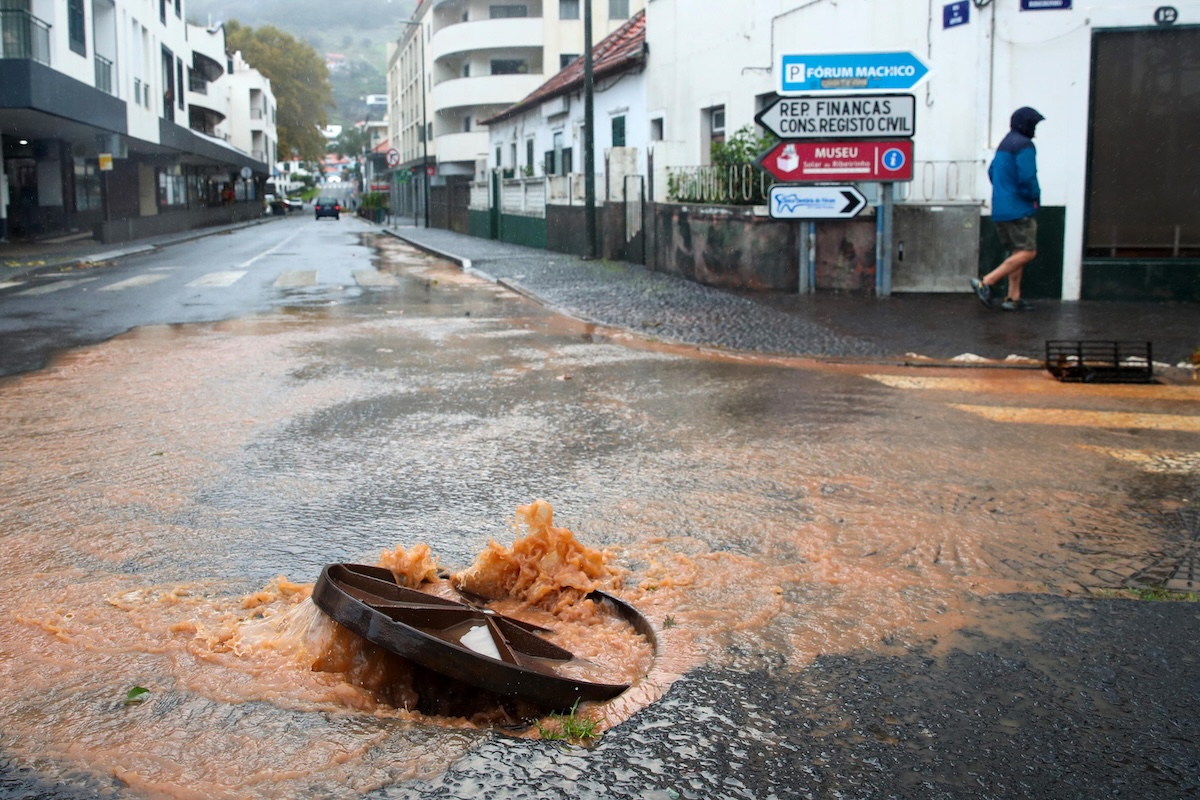
In Portugal, due to Storm Charles, all schools and non-essential public services have been closed, and over 360 flights have been canceled, while flooding and damage have been reported in Madeira and Lisbon. #TempestaCharles #Portogallo #Madeira (translated)

www.ilpost.it
In Portogallo le scuole sono state chiuse e ci sono più di 360 voli cancellati a causa della tempesta Charles
2593
Il Post 1w

On Friday there were bomb threats on two airplanes, one heading to Lisbon and the other departing from Prague, after numerous similar reports had occurred throughout Europe on Thursday. #AllarmiBomba #SicurezzaAerea #Europa (translated)

www.ilpost.it
Ci sono stati allarmi bomba su altri due aerei, dopo che ieri ce n’erano stati diversi in tutta Europa
2969
L
lastampa.it 1w

Two airplanes, one arriving in Rome from Lisbon and the other departing from Prague towards Rome, triggered bomb alarms, leading one to an emergency landing in Lisbon and the other to a diversion to Venice. #AllarmeBomba #VoliSicurezza #Roma (translated)

www.lastampa.it
Due allarmi bomba su voli da o per Roma: uno atterrato a Lisbona, l’altro deviato a Venezia
2855
Il Fatto Quotidiano 1w

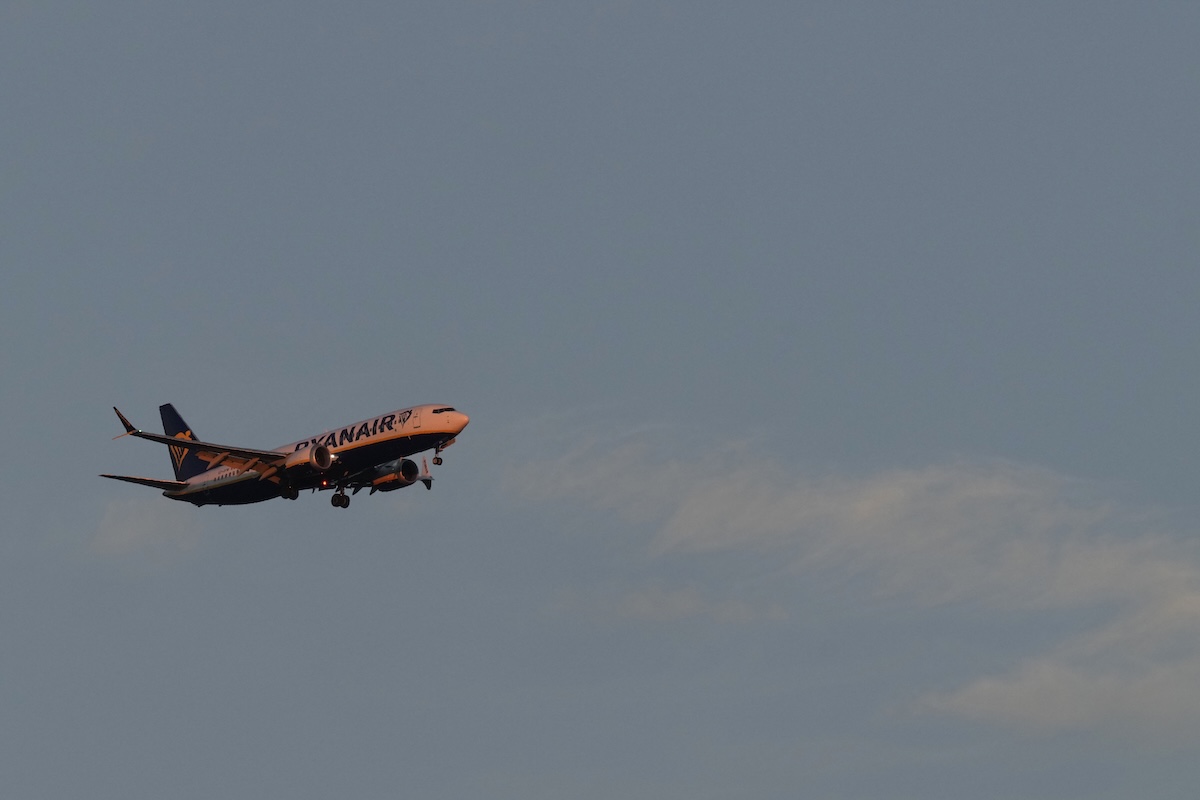
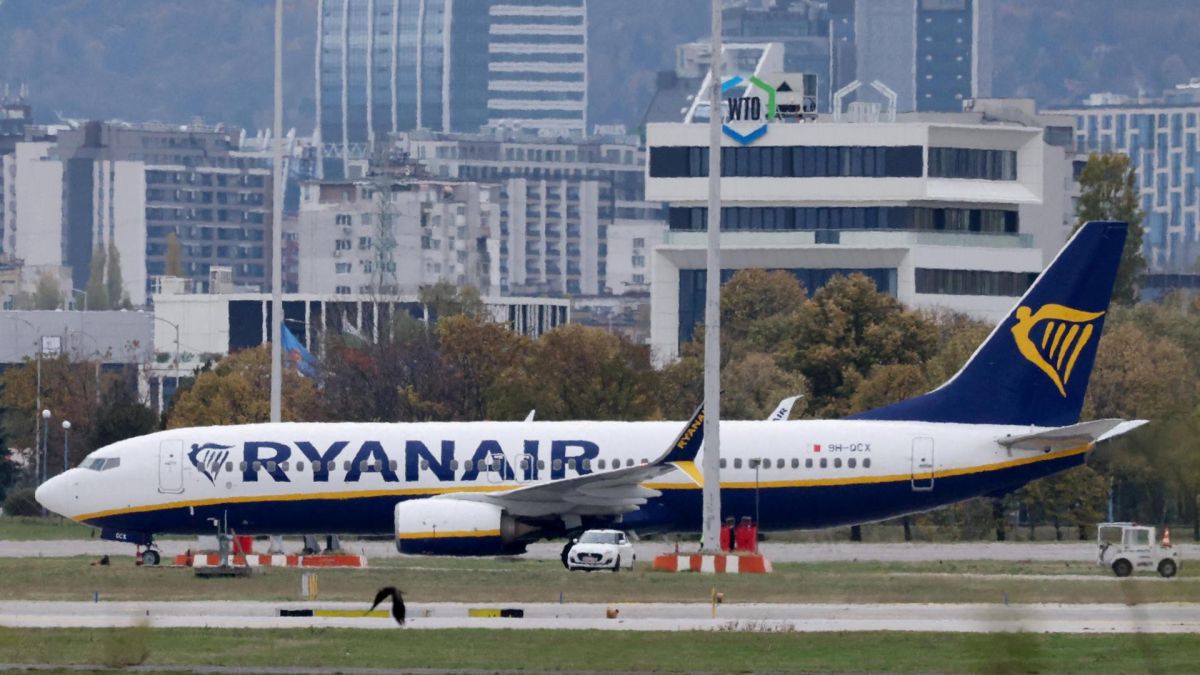
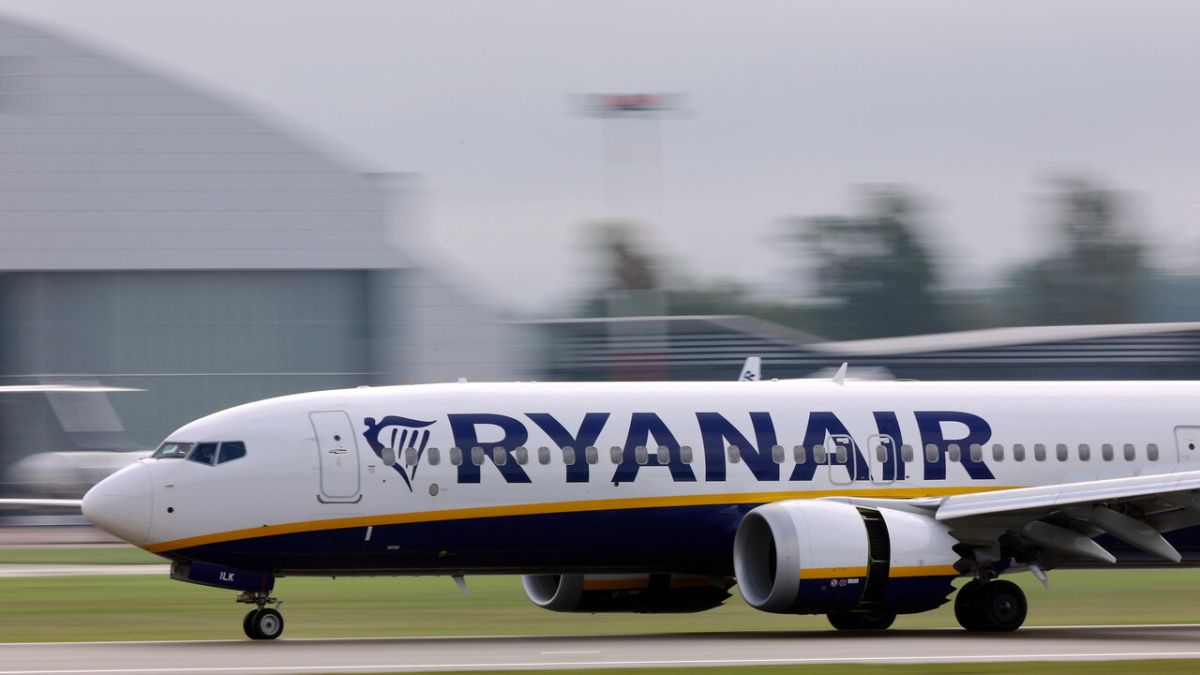
A new bomb threat has affected a Ryanair flight from Rome to Lisbon, triggered after a phone call from a police officer, with the plane landing safely and the authorities assessing the credibility of the threat. #AllarmeBomba #Ryanair #Portogallo (translated)

www.ilfattoquotidiano.it
Nuovo allarme bomba su un volo Ryanair Roma-Lisbona: “Allerta scattata dopo la telefonata di un agente”
2740
L
lastampa.it 1w

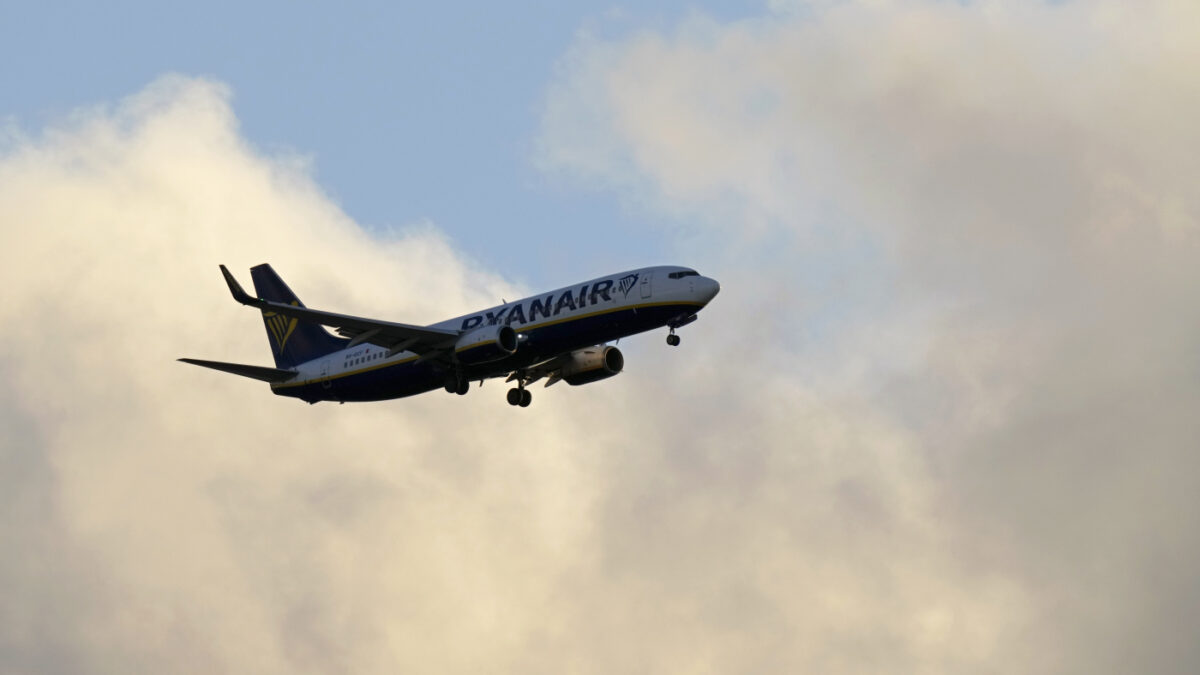
A bomb threat on a Ryanair flight coming from Rome forced a security operation at Lisbon airport, with authorities verifying the credibility of the threat. #AllarmeBomba #Ryanair #SicurezzaAerea (translated)

www.lastampa.it
Nuovo allarme bomba su un volo Ryanair proveniente da Roma, è atterrato a Lisbona
2855
ANSA.it 1w

A Ryanair flight coming from Rome generated a bomb alert at Lisbon airport, forcing authorities to conduct a security operation to assess the threat, while other flights in Europe have experienced similar warnings in recent days. #AllarmeBomba #SicurezzaAerea #Eurocontrol (translated)

www.ansa.it
Allarme bomba su un aereo proveniente da Roma, atterrato a Lisbona
2855
La Ragione Di Stato 2w

The Reason of State described the arrival in Lisbon of a person who, according to the post, had particularly bellicose intentions. It mocked their appearance, mentioning the suit with a pocket square, the very open shirt, a painted eyebrow, and a hairstyle described as "pentadimensional." #Lisbona #Stile #Viaggio (translated)

2749
ANSA.it 2w

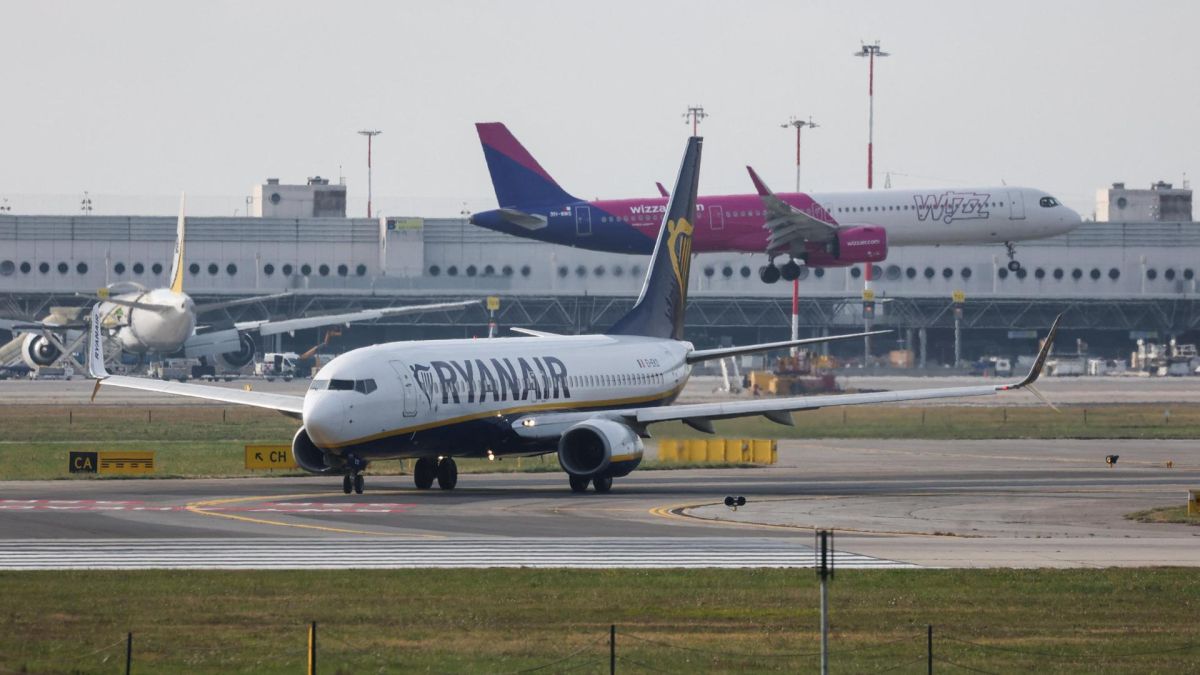
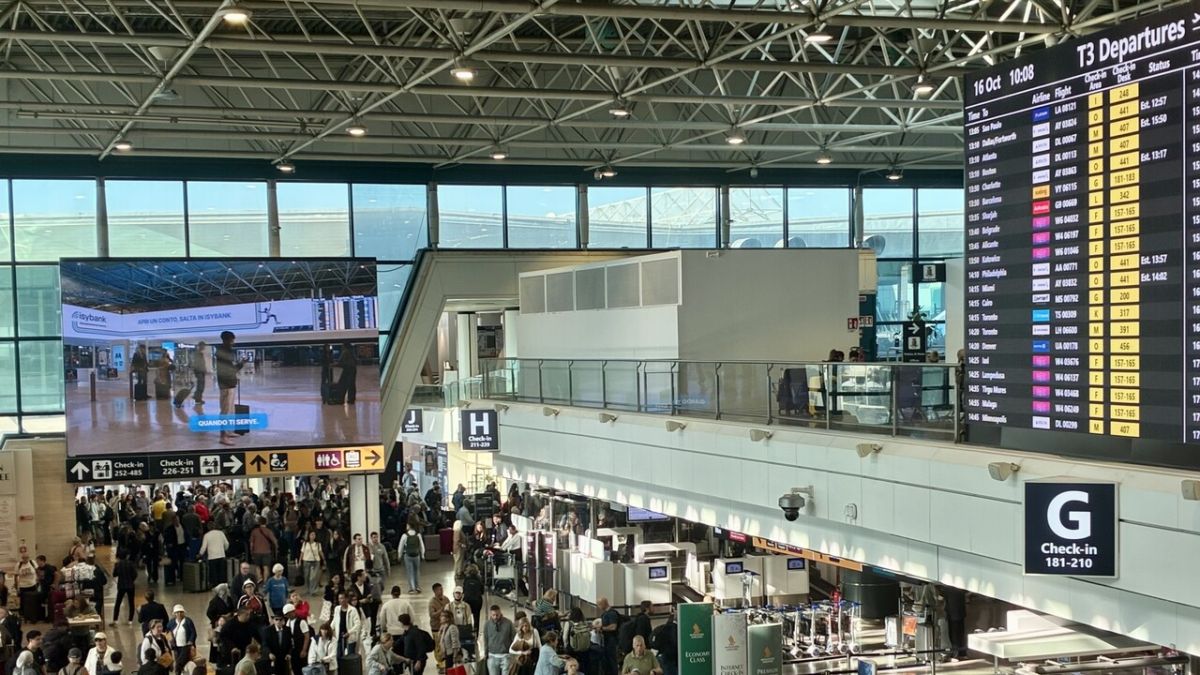
Due to false bomb alerts, Fiumicino Airport has been affected for Ryanair flights coming from Lisbon and Dublin, followed by similar incidents at other European airports, including Murcia and Warsaw, all of which turned out to be unfounded after security checks. #AllarmeBomba #SicurezzaAerea #Ryanair (translated)

www.ansa.it
Falsi allarmi bomba sui voli in Europa, due anche a Fiumicino
2867
Matteo Di Gangi 2w

Matteo Di Gangi wrote that, after Lyon's victory against Angers, Paulo Fonseca burst into tears because he was on the verge of saying goodbye. He added that Sporting Lisbon was waiting for him in the middle of the season. https://t.co/zRYTFRNwYv #calcio #sport #emozioni (translated)

2759
Il Post 4w

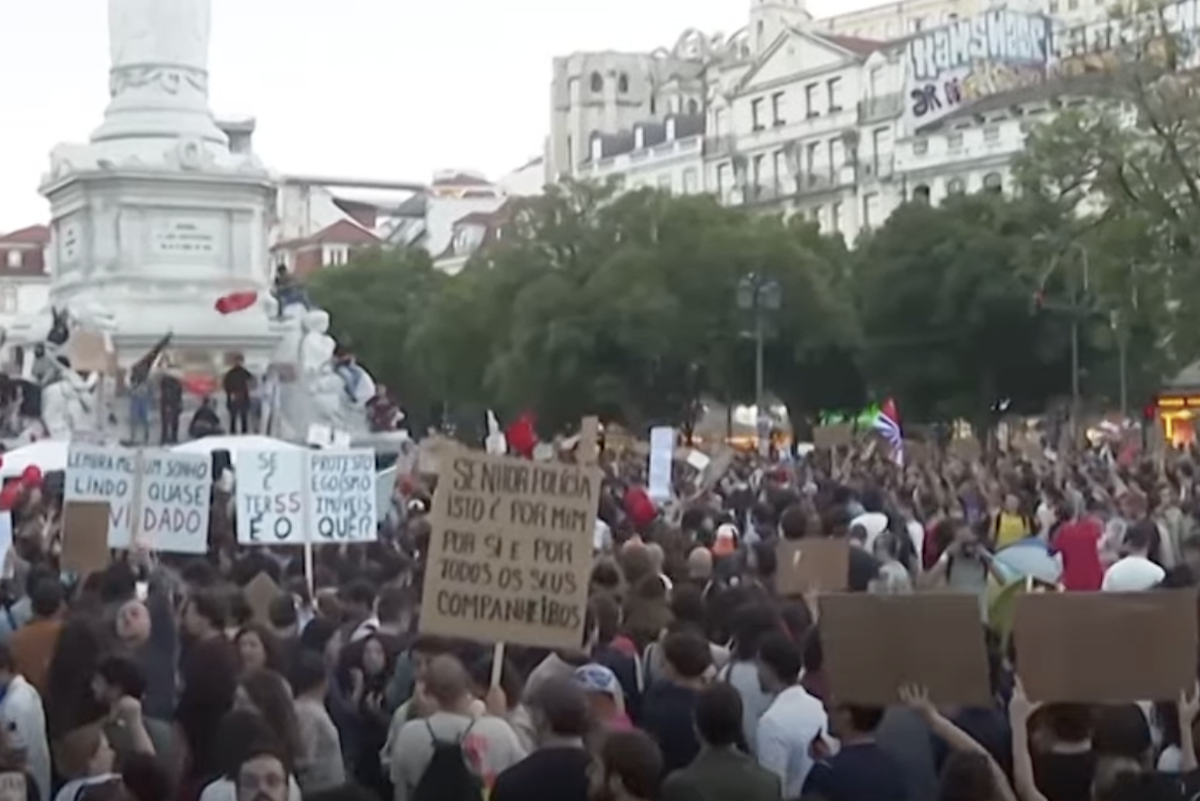
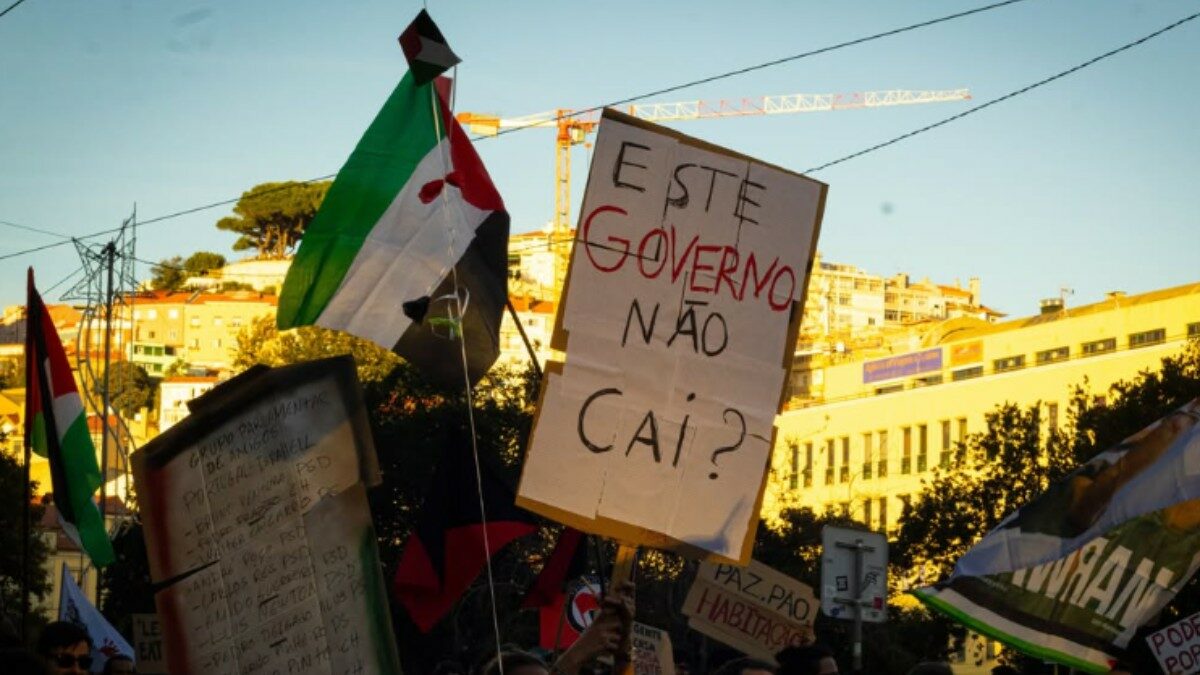
In Portugal, thousands of people have started protesting again against rental and housing prices after the police dismantled encampments in Lisbon and Porto. #Portogallo #Proteste #Affitti (translated)

www.ilpost.it
In Portogallo continuano le proteste contro i prezzi degli affitti e delle case
2671
Ultimora.net 4w

Ultimora.net reported that a wave of protests against the rising cost of living had swept across several European countries. In France, according to the site, about 550,000 people had taken to the streets; the demonstrations were marked by clashes, looting, and fires. The town hall of Limoges, whose roof had collapsed, and the tourist office of Lyon had been set ablaze. The reported toll was at least 1,800 arrests and 150 officers injured. In Albania, Ultimora.net described the fifth day of protests led by student groups demanding the resignation of Prime Minister Edi Rama. The site reported hundreds of people detained and over 120 officers injured. In Italy, it reported about 100,000 peaceful protesters in Rome and clashes and damage in Milan, Turin, and Bologna, attributed to groups of youths who had broken away from the marches; over 50 detentions had been made. The site also reported that student protests in Brussels and Liège, Belgium, had resulted in clashes, with the police using tear gas and water cannons and more than 40 arrests. In Portugal, tens of thousands of people had protested against the housing crisis and low wages, while some demonstrators had spent the night camping in Lisbon. Finally, in Spain, Ultimora.net linked the large demonstrations and encampments against real estate speculation to the early elections scheduled for November 29. #Proteste #CostoDellaVita #DirittiSociali (translated)

3141
Il Fatto Quotidiano 4w

The protests over the housing crisis, which started in Porto, are spreading throughout Portugal, culminating in demonstrations in Lisbon, while the conservative government of Luìs Montenegro ignores the issues raised by the protesters, leading to clashes with the police and a growing awakening of civic participation. #EmergenzaCasa #MercatoImmobiliare #Portogallo (translated)

www.ilfattoquotidiano.it
Le tende in piazza per l’emergenza casa infiammano anche il Portogallo: “Dov’è la casa del premier?”
2561
Claudio Borghi A. Oct 15

Claudio Borghi A. wrote that, in his opinion, supporters of the war from all sides described Russia as both so weak that it could be defeated with one last effort, and as strong enough and dangerous enough to reach Lisbon. He wondered why it was necessary to rearm in the first scenario and how one last effort could be enough in the second. He added that politics involved making choices, but said he could not believe all the propaganda. #Russia #Politica #Pace (translated)

3029
Observador Sep 28

A Lisbon AI Week reuniu cerca de 2.500 participantes em 50 eventos, discutindo a rápida transformação trazida pela Inteligência Artificial em diversas áreas, desde saúde até defesa, e levantando questões sobre o impacto no emprego e as implicações éticas da tecnologia. #InteligênciaArtificial #LisbonAIWeek #Inovação

observador.pt
Inteligência Artificial. O futuro em Lisboa
1526
Il Fatto Quotidiano Sep 27

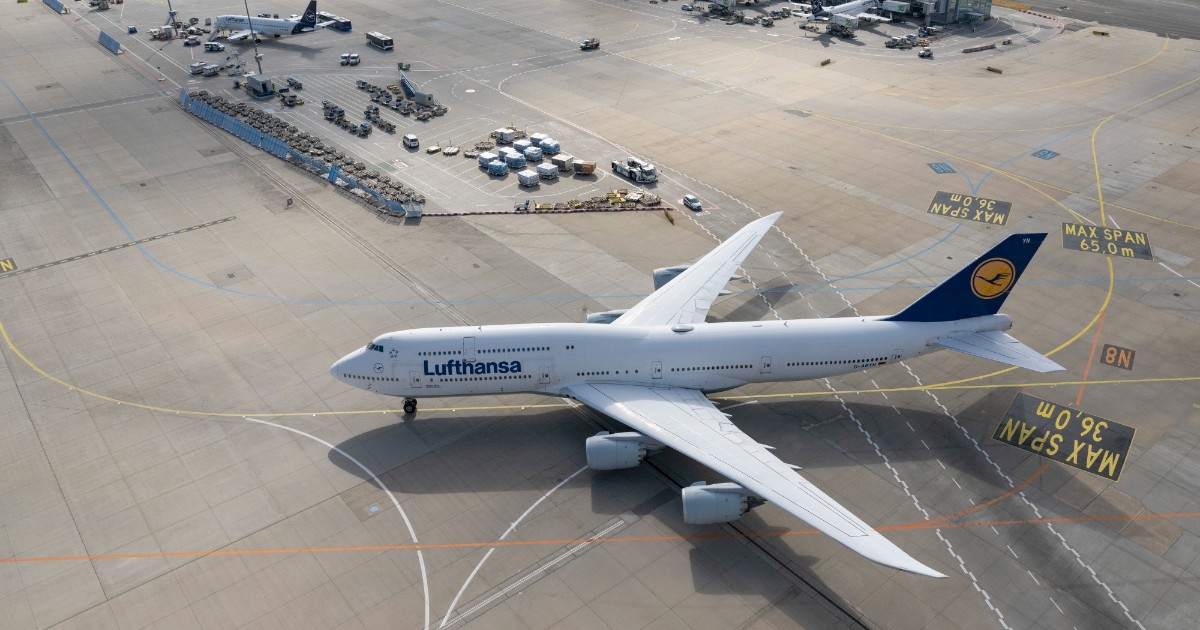
Un volo Lufthansa da Francoforte a Lisbona è stato dirottato a Lione a causa di un powerbank in fiamme a bordo, senza causare feriti tra i 198 passeggeri e i membri dell'equipaggio. #Lufthansa #incidenteaereo #sicurezzaviazione

www.ilfattoquotidiano.it
Powerbank a fuoco in volo fa dirottare su Lione il Lufthansa 1170 Francoforte-Lisbona. Nessun ferito
1526