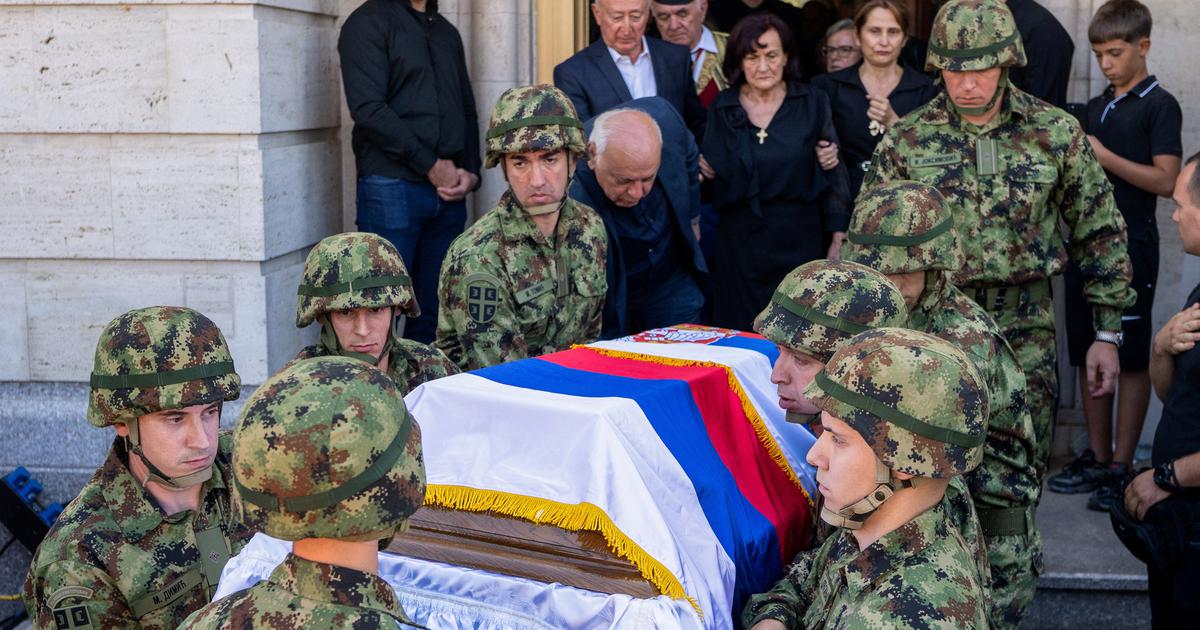
Serbia is facing criticism from the European Union due to plans for organizing the funeral of Ratko Mladić, a convicted war criminal, while nationalist gatherings in the Republic of Srpska glorify his role during the war. (translated)
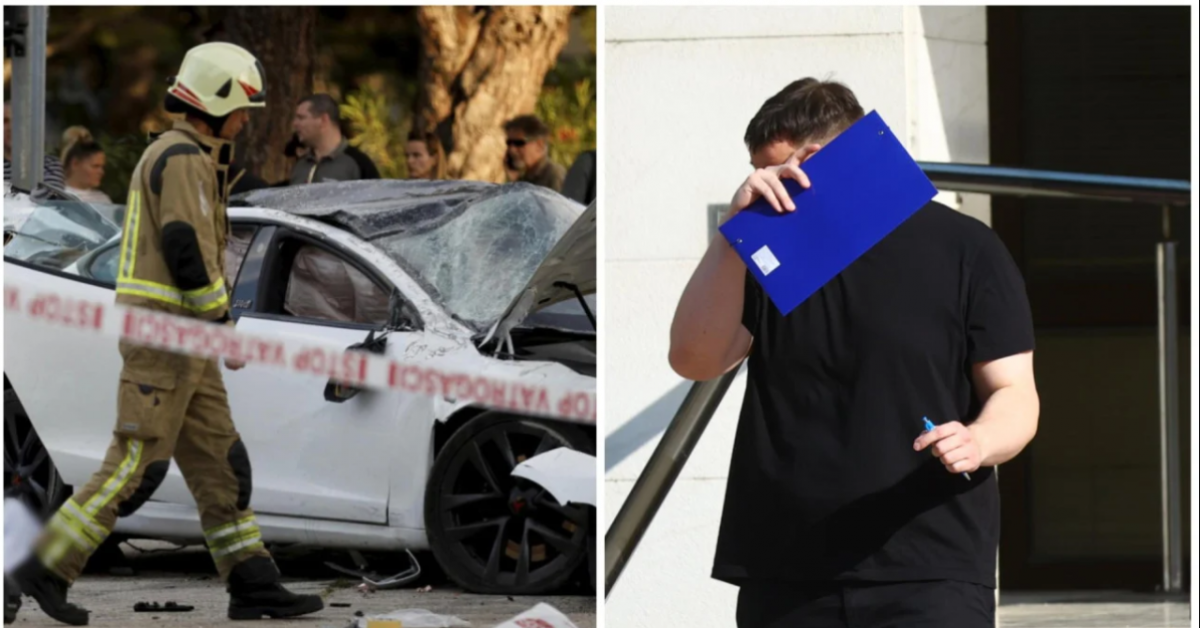
The young men met Mihailo Šabunjin by the banks of the Zeta River, suspected of triple murder, only after they saw his police photograph did they realize who they had spent time with the day before the crime. (translated)

Ratko Mladić bo v Srbiji pokopan z vsemi državnimi in vojaškimi častmi. UDBOvka Blanka : "Upam, da se vlada v BG zaveda, kaj je na kocki." Odgovor iz BG: "Dokumenti o udbaški preteklosti EU komisarke so v kuverti in gredo medijem !" UDBOvka Blanka : "Udeležila se bom pogreba." https://t.co/XkXoH8tR0g #RatkoMladić #Srbija #zgodovina
Alex Švambers' commentary focuses on the controversial figure of Ratko Mladić, whose admiration in Serbia and support from some fans fuel the debate about nationalism, war crimes, and intolerance in the sports environment, while criticizing the inadequate response of clubs like Sparta to extremist expressions. (translated)

Thousands of people remembered Ratko Mladic in Banja Luka, while reports were made to the prosecutor's office of Bosnia and Herzegovina regarding social media posts that qualify as glorification of the convicted war criminal. (translated)
Thousands gathered in Banja Luka to commemorate Ratko Mladic, a mass murderer sentenced to life imprisonment for his war crimes in Bosnia. (translated)

After the death of Ratko Mladic, the controversial tributes paid by Serbian nationalists to this convicted genocidal offender raise concerns in Europe about the denial of war crimes and the lack of confrontation with the past. (translated)

Hundreds of Bosnia Serbs commemorated former military leader Ratko Mladić on the streets of Banja Luka, who died serving a life sentence for genocide and who was convicted of crimes committed during the Bosnian War. (translated)

On Krajina Square in Banja Luka, several thousand people gathered to pay tribute to the war criminal Ratko Mladic, the former commander of the Army of Republika Srpska, who has passed away in The Hague. (translated)
In the first part of the International Report, Witold Jurasz and Agnieszka Bryc analyze current events in international politics, focusing on the Russian-Ukrainian conflict and the impact of Ratko Mladic's death on the situation in the Balkans, while also avoiding comments on controversial political actions in Israel and the USA. (translated)
Eurokomisařka pro rozšíření Marta Kosová nepřímo varovala Srbsko před tím, aby bosenskosrbskému válečnému zločinci Ratku Mladičovi uspořádalo pohřeb se státními či vojenskými poctami. „Oslavování válečných zločinců nemá místo ani v členských zemích EU, ani v kandidátských zemích,“ řekla Kosová. #EvropskáUnie #VálečnéZločiny #Srbsko
The article examines the glorification of the genocidal Ratko Mladić in Serbia after his death, comparing it to the ideology of Greater Israel under leaders like Netanyahu, suggesting that irredentist nationalism persists in both societies despite the war crimes trials. (translated)

The article highlights the ongoing controversies surrounding Ratko Mladić, whose crimes continue to be denied, downplayed, or even positively emphasized in Serbia, while the discussion about a possible state funeral for the convicted mass murderer and former general is growing louder. (translated)

Serbia plans to bury war criminal Ratko Mladić with state honors, despite criticism from the European Union regarding such glorification, which contradicts European fundamental values. (translated)

European Union enlargement commissioner Marta Kos expressed concern over Serbia's plans to organize national tributes in memory of war criminal Ratko Mladić. (translated)

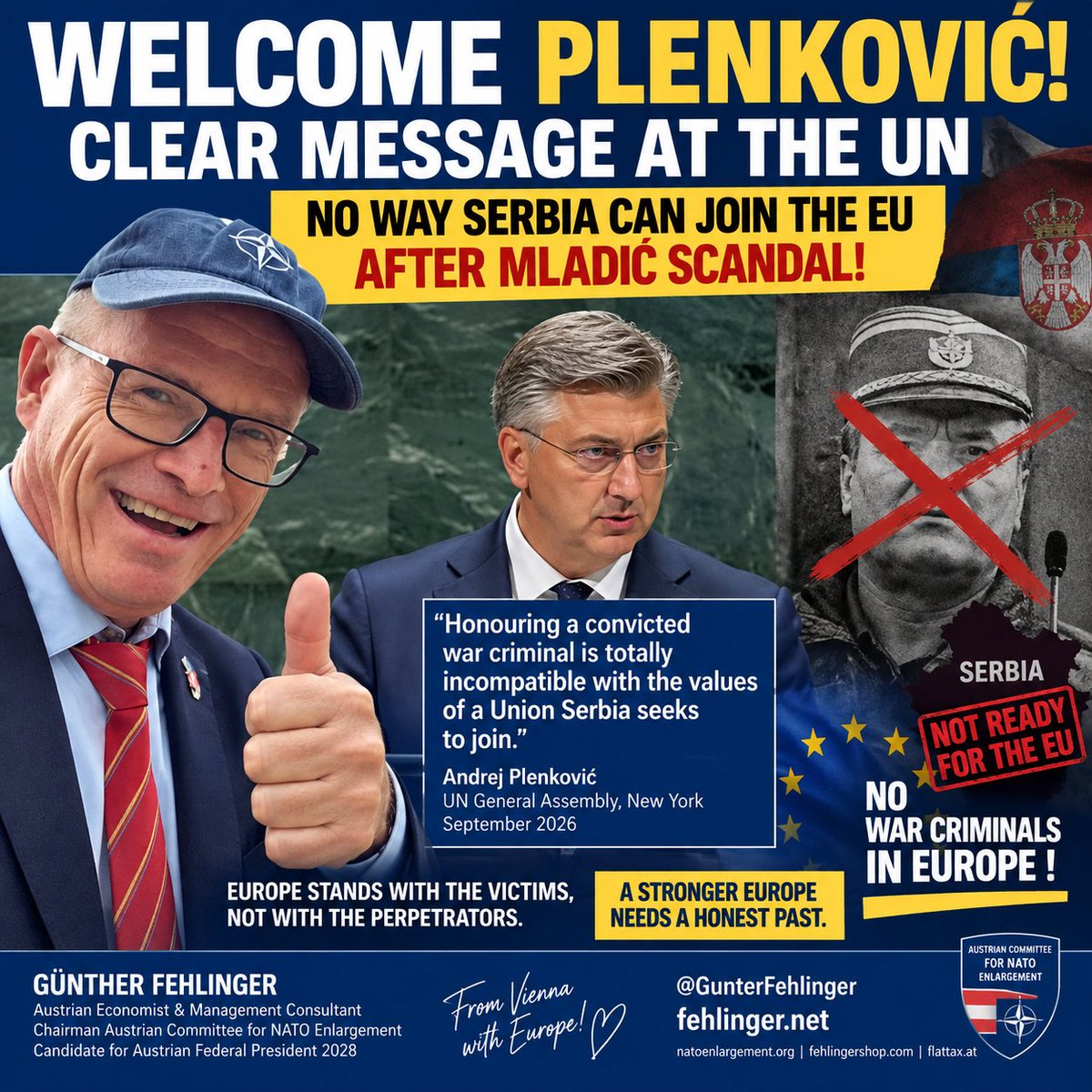
Prime Minister Andrej Plenković condemned the idea of a state funeral for Ratko Mladić, emphasizing that it could close the doors of the European Union to Serbia, while Mladić, convicted of genocide, passed away in Hague detention. (translated)

Prime Minister Andrej Plenković stated that if Serbia plans a state funeral for war criminal Ratko Mladić, it would close the doors to the European Union for itself, emphasizing that Mladić was convicted of genocide and other war crimes. (translated)