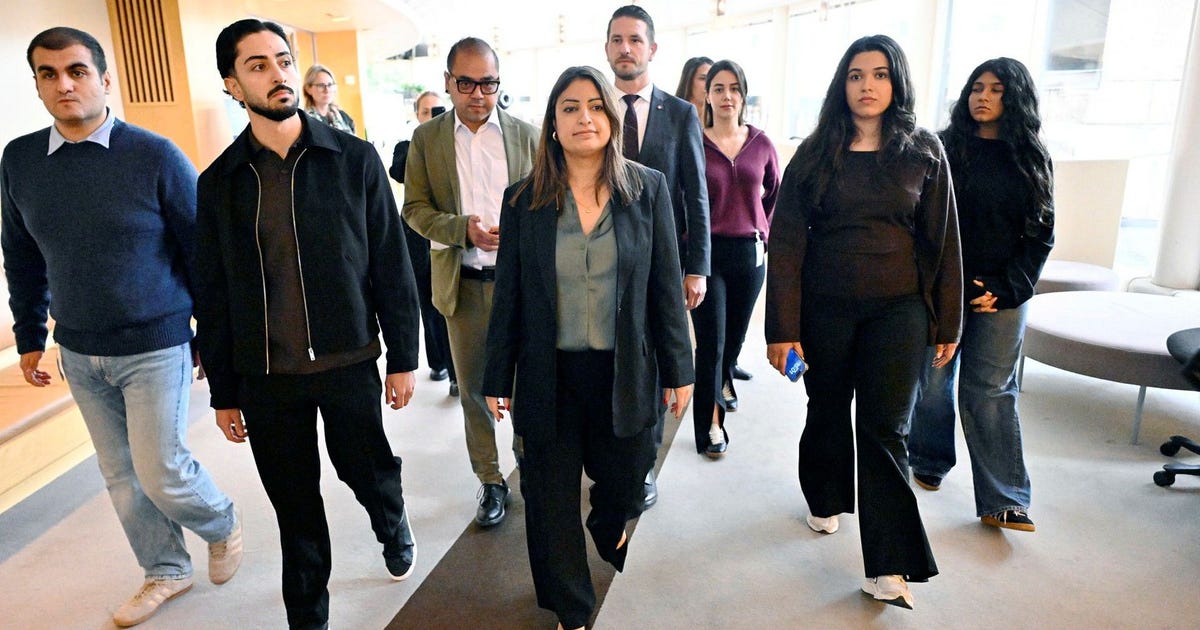
The red-green parties in parliament are trying to agree on a new migration policy proposal to stop the deportation of young people, in the shadow of a stagnant government formation. (translated)

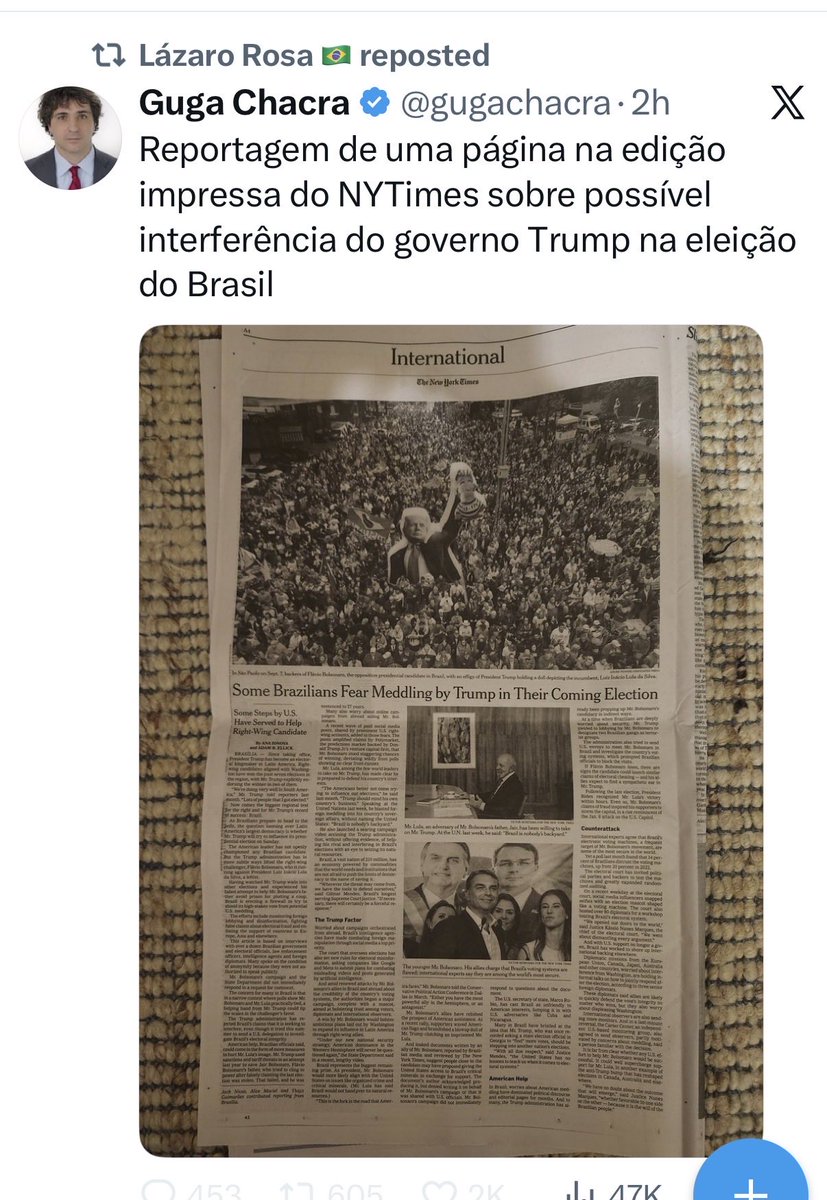
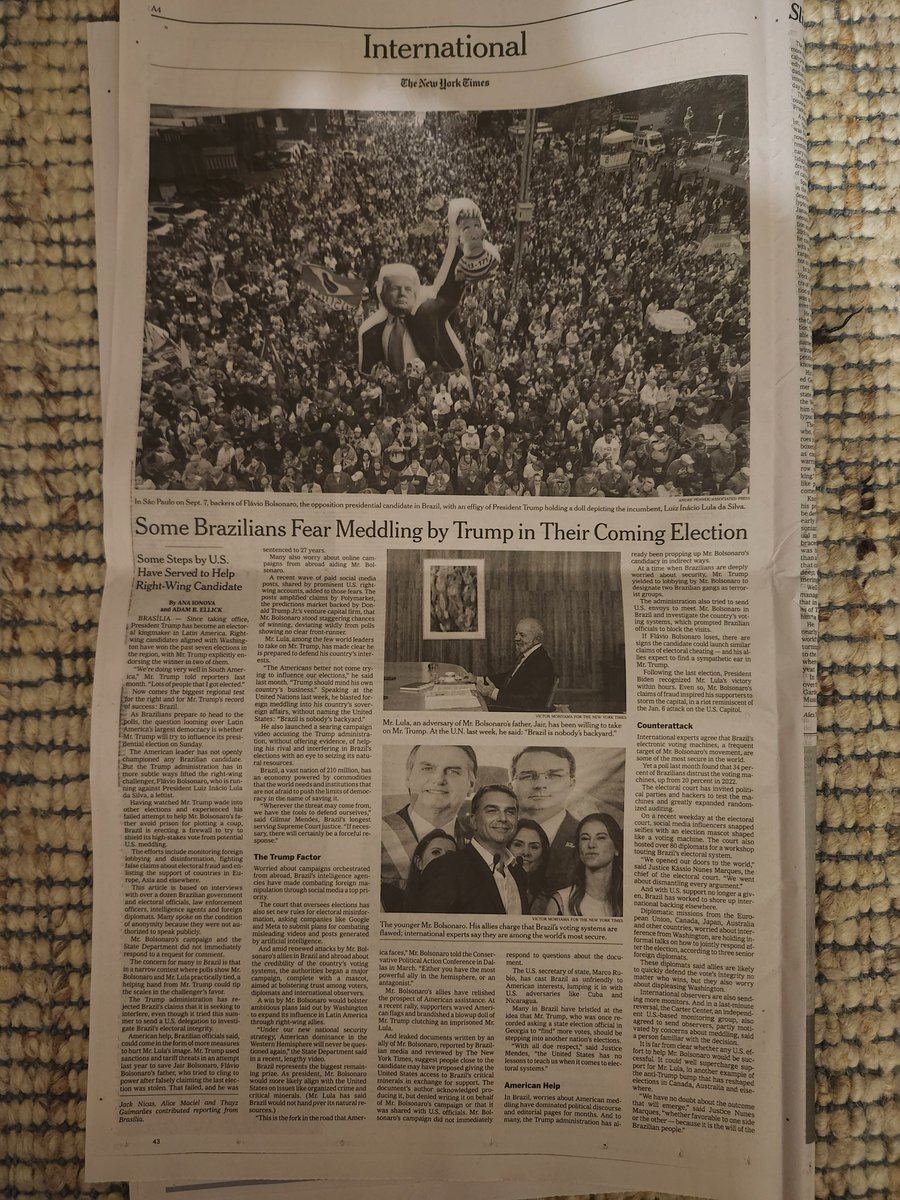
The NYT points to interference from the Trump government to favor Flavio. This should be enough for Brazilians to be worried. The tone of the report is one of fear of looting and plundering the country's wealth. This would happen for decades. I have an opinion at the end. What the NYT claims, in summary: The newspaper states that it has not openly endorsed any candidate, but that the American government is trying to favor Flávio Bolsonaro against Lula. The text cites, as examples of these measures, tariffs, sanctions against Brazilian authorities, the designation of PCC and Comando Vermelho as terrorist organizations, and questions about electronic voting machines. Brazilian authorities, diplomats, and electoral technicians interviewed by the newspaper (many anonymously) say that Brazil is setting up a “barrier” to reduce the risk of interference: monitoring foreign lobbying and disinformation, responding to fraud allegations, and discussions with countries in Europe, Asia, and others about a joint reaction after the election. Lula, at the UN and in campaign propaganda, accused the Trump government of interfering to “colonize” Brazil and take its natural resources. The newspaper emphasizes that it is unclear whether this push helps Flávio. In a close contest, a nudge from Trump could decide, but it could also provoke an anti-Trump reaction and increase the vote for Lula, as the NYT says happened in Canada and Australia. The article has a tone of fear, in Brazil, that something similar to what Trump did in other countries could be repeated, coupled with American measures that the newspaper interprets as favorable to the right. All in all: within what the NYT itself can do, the pressure from the Trump government on the press is systematic, it's a big alert. However, I think Brazilians still do not grasp the magnitude of what lies ahead. There will be decades of political, economic, democratic, and social backsliding. Many do not want to hear it. They are mistakenly convinced otherwise. The plundering will run rampant and there will be no one to investigate. (translated)

In Finland, a woman born in 1972 is now suspected of serious crimes, as she took her three minor children to a conflict area in Syria and returned with them from the al-Hol camp. (translated)

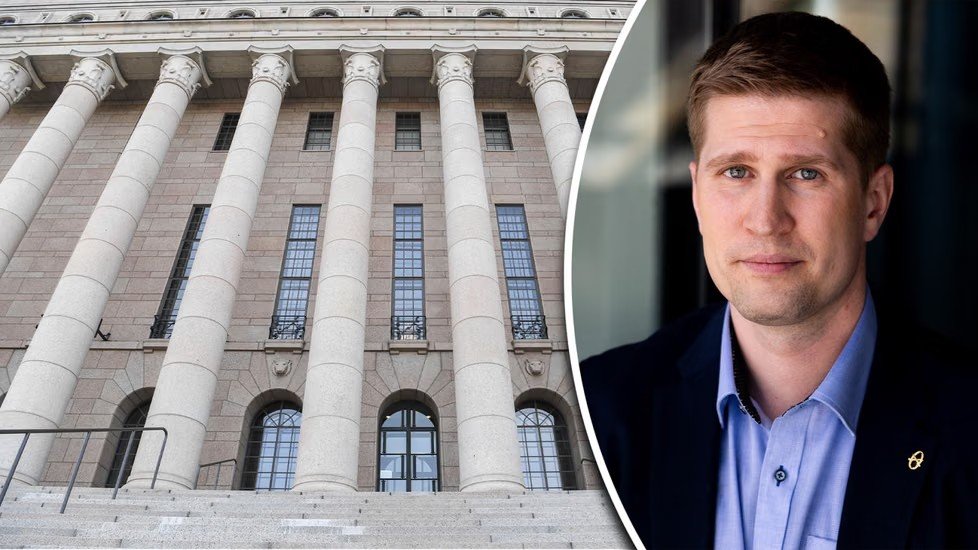
The press conference today clarified the suspicions related to parliamentarians' homes. According to Speaker Halla-aho, there is a significant number of cases. It is suspected that residences have been entered in the absence of the representatives. No signs of forced entry have been found, and nothing has been stolen, but traces have been left in the homes. The suspicions involve members of different parties, and the first case may go back as far as a year. There is currently no confirmed information about the perpetrator or motive. The background may involve criminal activity, harassment or stalking targeted at individual politicians, domestic extremist groups, or the actions of a foreign state. Not all reported cases may necessarily be related to each other. Now, it is the police's task to distinguish real intrusions from other observations and investigate possible connections between them. The possibility of a state actor must still be taken seriously. An especially interesting detail is the marks left in the homes. If the intention were solely to obtain information secretly, a successful intrusion would fundamentally be attempted to be concealed. If, instead, traces are deliberately left behind, being noticed may itself be part of the operation. In that case, intelligence is combined with psychological influence. Such methods are known in the history of Russian security services. There have been intrusions into the homes of diplomats, officials, and other individuals deemed interesting, with deliberate traces left behind. This does not prove anything about the perpetrators of these cases. It indicates why the possibility of a foreign state’s action must be thoroughly investigated. If it ultimately turns out to be state influence, the selection of targets would in itself be significant. Parliamentarians decide on Finland's defense policy, NATO cooperation, support for Ukraine, relations with Russia, and numerous other decisions in which foreign states may have strong interests. Coercion does not have to mean an attempt to change one vote in a single ballot. The aim could also be to gather information, map networks and vulnerabilities, or generate uncertainty about whether the consequences of political decisions extend to an individual's own home and loved ones. That is why Finland now needs a more open discussion about the kind of foreign intelligence, influence, and pressure directed at it. Confidential information should not be disclosed, but Finns should have a realistic understanding of the security environment in which we live and whether its change requires anything from decision-makers, companies, or ordinary people. And above all, keep a cool head. If the purpose of such acts turns out to be to generate fear and uncertainty in Finland, that is precisely the effect that should not be allowed. Serious suspicions will be investigated, efforts will be made to identify the perpetrators, and appropriate action will be taken if necessary. Finland's decisions will continue to be made in Finland, without fear and pressure. (translated)

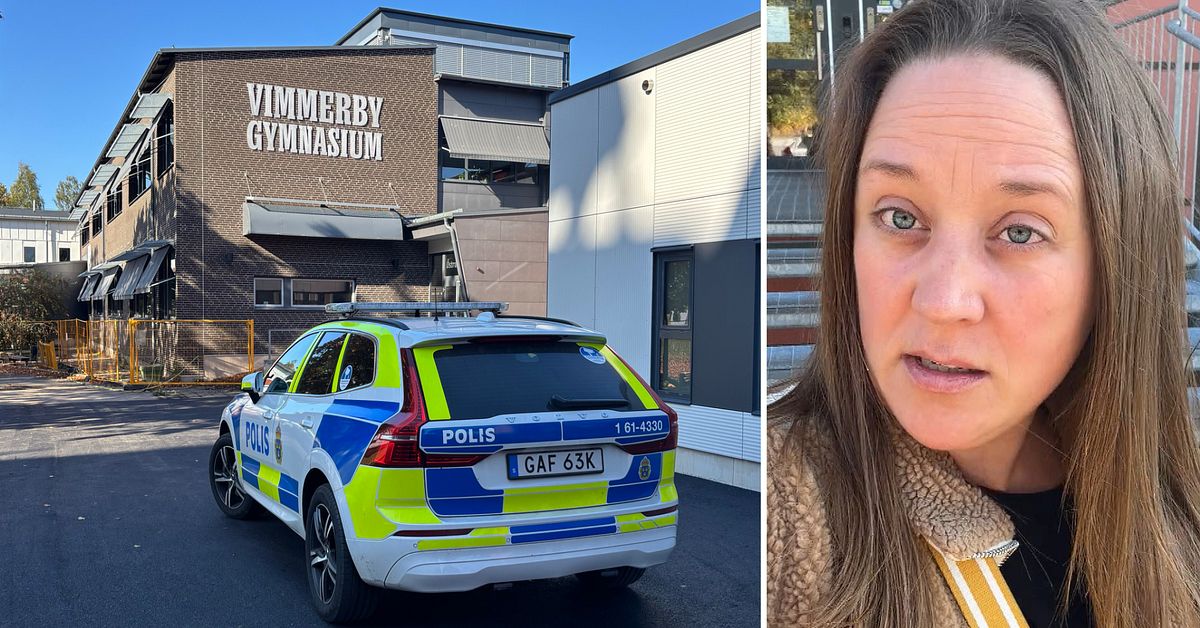
Students at Vimmerby gymnasium have been sent home following a new threat against the school, which is the second threat within a day, and the police have been on site to investigate the situation. (translated)

The police in Luleå have started testing a new radar system that can measure the speed of 18 cars per second to contribute to the zero vision and reduce the number of deaths and serious injuries in traffic. (translated)

It is indeed interesting to see what kind of electoral result the Greens will achieve. Now that it has been openly stated that the restrictions on immigration will be reversed and the goal is to target over 50,000 immigrants per year. That means 200,000 during the term. There are about 1.3 million residents in the capital region. If that is pushed up, some things will change in schools and on the streets. No one can say that voting doesn’t make a difference, can they? It certainly does. The percentage of S2 learners is about to skyrocket. Does over 8% of the population really want this kind of situation? (translated)

IS reports today that some members of parliament's homes have already been breached. This new information makes the situation significantly more serious. It is no longer just a potential threat. As I mentioned earlier, this method of operation inevitably raises the issue of Russia. The Russian security services have a long history of similar actions. Breaching homes can gather information, but it can also demonstrate to the target that even their most private space can be accessed. If the incidents now revealed involve the actions of a foreign state, we are talking about very serious interference in Finnish democracy. At the same time, Finland now needs a much more open discussion about how foreign states operate here. What is really happening in Finland, what kinds of methods of influence and pressure are being directed at us, and what does the changed situation require from authorities, society, and possibly also ordinary Finns? Of course, not all information from authorities can be made public. However, that does not mean that we should remain silent about the phenomenon itself. People find it difficult to recognize foreign influence or prepare for it if we cannot talk about it openly. In this situation, whispering does not increase security. An open society defends itself best by understanding what is being done against it, keeping a cool head, and making it clear that Finnish democracy is not being pressured by fear. (translated)
Verokarhu has been shot down! I won in the Supreme Administrative Court 100–0. Every single issue. Big thanks to Miika Härkönen & Taxpayers' Association! The matter concerned personal income taxation and resolved the tax treatment of professional gamblers in Finland – now and in the future. (translated)