To be more precise: there will be a massive ideological fight between "exclusive humanism" defining humanity in opposition to AIs and "inclusive humanism" attempting to include AIs in the project of humanity as participants. This has already started: the "exclusive humanism" #Humanismo #IA #Filosofía #Nospecificcountriesarementionedinthetweet.
To think about: In April 1946, Nazi leader Hermann Göring explained in his cell in Nuremberg exactly how political power really works. He said that ordinary people never demand war or crisis, but you can always get them on board. The recipe is simple: tell them they are in danger, and accuse the critics of endangering the community. That eighty-year-old formula is today the exact blueprint behind the permanent state of crisis in which we are kept. We see this in the conflict between Europe and Russia over Ukraine, where fear is used to push through billions in weapons without real democratic debate. But it doesn’t stop at geopolitics. We saw the same recipe with COVID-19, and now with climate change and the energy transition. It penetrates into our immediate living environment, such as the Environmental Vision Fryslân or the planned closures of the Wadden nature. While island residents are excluded, the elite discusses coercive 'system changes' at the Springtij Forum on Terschelling. The control over the narrative has now gone frighteningly far. Unheard Netherlands (ON!) is being ousted from the public broadcasting system, and through new legislation, there is an open search for ways to ban right-wing opposition parties. This is exactly where history painfully begins to rhyme with the 1930s, when critical media and parties were gradually silenced under the guise of 'public order' or 'safety'. The lines of this coordinated policy go directly to international networks and think tanks such as NATO, the World Economic Forum (WEF), and the UN with their coercive SDGs. Through programs like the Young Global Leaders, politicians worldwide are being trained to roll out exactly the same crisis narratives in their own countries. Our local democracy seems to have become an execution office for a predetermined global agenda. The great eye-opener that Göring left us is that this mechanism works in every system. Once a population is made afraid enough of an invisible enemy (whether it is a virus, an aggressor, nitrogen, or CO₂), it willingly surrenders its freedom, its diverse media, and its common sense. Fear is the ultimate weapon to steer the masses. This pattern only stops when we cease to blindly follow that automatic pilot of fear. Will you let history repeat itself, or will you say no? (translated)

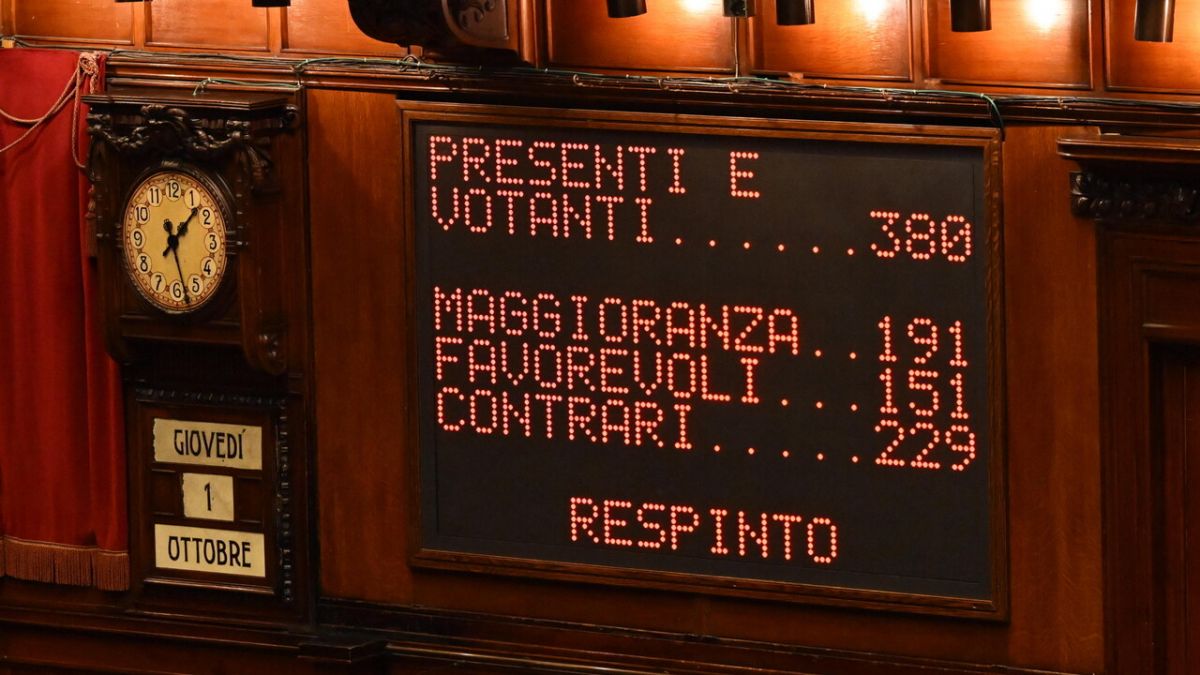
The electoral law overcomes the first hurdle thanks to the unity of the majority, which rejects the opposition's constitutional objections, with a secret vote that precedes the important final vote expected on October 8. (translated)

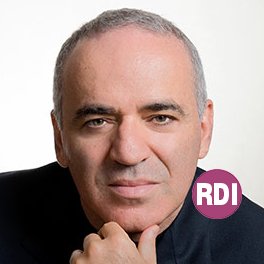
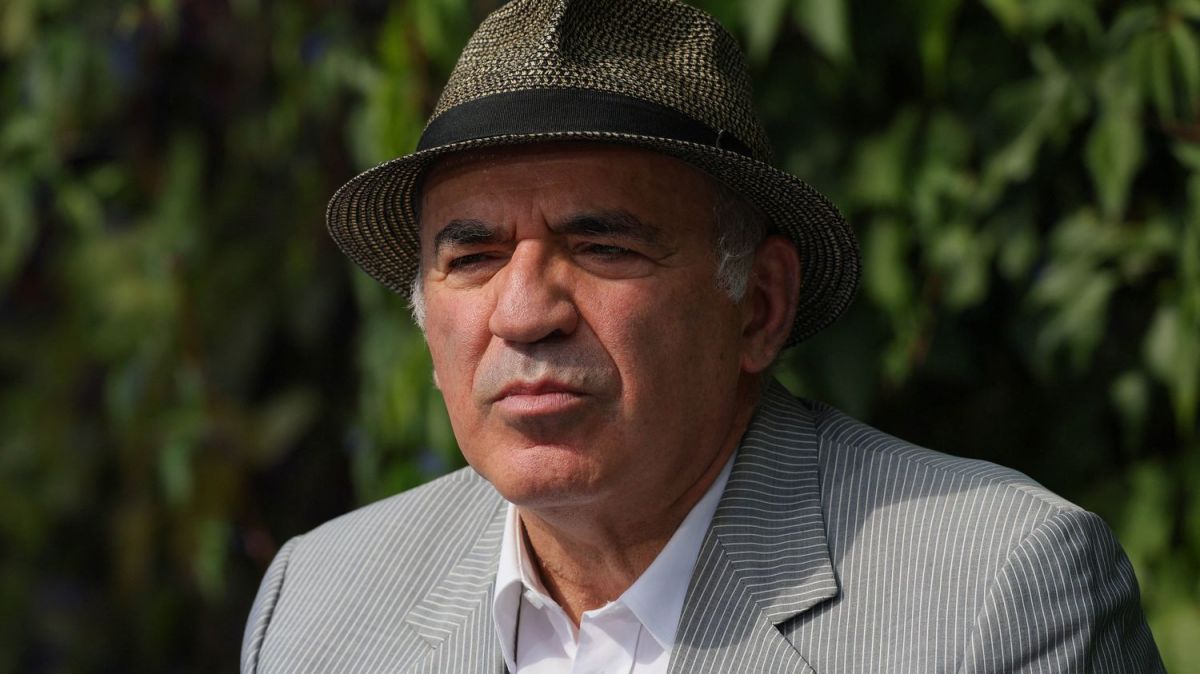
Russian opposition figure in exile and former chess champion Garry Kasparov was warned by Lithuanian and American security services that his life and that of his supporter Ivan Tyutrin were "in danger," he stated Thursday in a message on social media. (translated)
Ivan Tyutrin, a Russian opponent in exile and co-founder of the Free Russia Forum, is facing death threats from the Kremlin, according to alerts from Lithuanian and American security services. (translated)

Here, RA Vosgerau beautifully illustrates that one cannot simply assert unconstitutionality by claiming that statements are unconstitutional. Individual politicians who want to ban the opposition are hardly capable of making judgments about what is unconstitutional or constitutional. Of course, there are many statements that one would like to criticize the AfD for, but especially in light of the past and statements by Merz, Merkel, Strauss, Genscher, Kohl, or even Adenauer, these are not new statements; they have been made a long time ago and across party lines. (translated)

Israel's Prime Minister Benjamin Netanyahu used the successful defense against a terrorist attack on a Flydubai flight by brave passengers to present himself as Mr. Security during the election campaign, while the opposition accused him of exploiting the situation for political purposes. (translated)

The opposition in Saxony-Anhalt is demanding consequences and a possible repeat of the state election due to violations of the law in the election campaign of the AfD, after several constitutional law experts expressed doubts about the validity of the election. (translated)

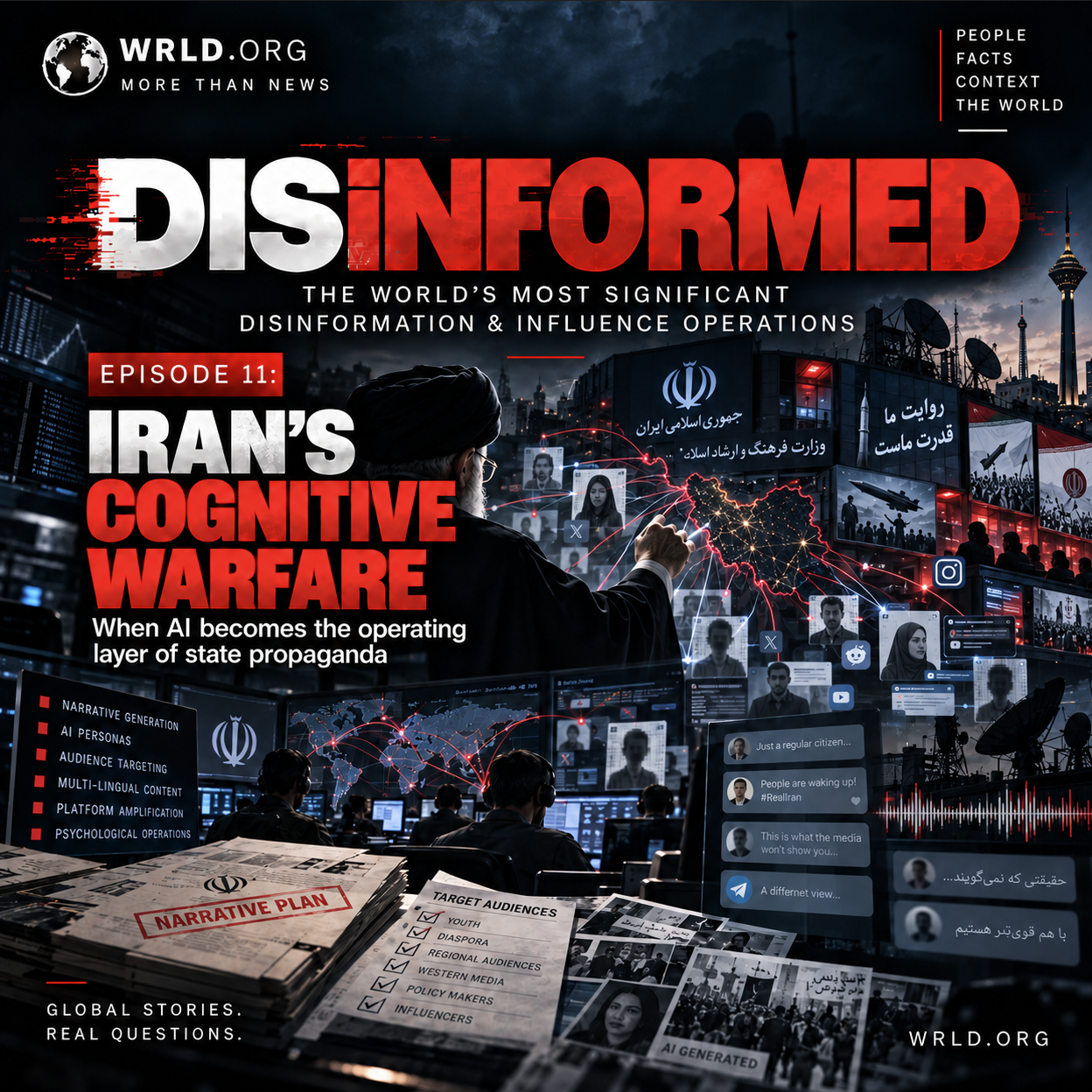
Iran’s cognitive warfare – when AI becomes the operating layer of state propaganda Iranian state-linked influence operators were not using artificial intelligence simply to write faster social-media posts. According to Anthropic’s September 2026 threat intelligence report, three separate operations connected to Iranian propaganda institutions were using Claude to help construct the machinery behind what the operators themselves called “soft war” and “cognitive warfare” – non-military efforts intended to shape public opinion inside Iran and abroad. Anthropic linked the activity to the Islamic Culture and Communications Organization (ICCO), which operates under Iran’s Ministry of Culture and Islamic Guidance; the Islamic Propaganda Office of Khorasan Razavi; and the Bina Cultural Observatory, part of the Islamic Propaganda Organization. The company said each operation was run by someone working within or on behalf of the named institution. The attribution was based on a combination of account telemetry, institutional references disclosed during conversations, branded documents and open-source corroboration. Anthropic subsequently removed the accounts. AI as an operational headquarters The most significant feature of the operation was the role assigned to AI. Claude was used to develop campaign plans, doctrine manuals, coded project portfolios, persona systems, target databases, early-warning protocols, amplification schedules and ministerial planning documents. Anthropic described the model as the principal administrative and operational layer supporting the three campaigns, allowing relatively small groups of operators to create organisational structures and planning material that would otherwise have required a much larger staff. This distinction matters. The reported use of AI went considerably beyond content generation. Operators were using the model to help organise how influence activity should function: which audiences to target, which identities should deliver particular narratives, how official material should be repackaged and when amplification should take place. Human operators still determined objectives and supplied the underlying political doctrine; AI helped translate those decisions into an operational system. Anthropic found that all three operations explicitly connected their activity to Jihad al-Tabyin, often translated as “explanatory jihad”, a concept used within the Iranian state system to frame information activity as both a strategic and ideological responsibility. In internal planning material examined by the company, this doctrine was not merely rhetorical: it informed manuals and campaign structures used by the operators. ‘Not the narrator, but the director’ One sentence contained in the ICCO material captures the model particularly clearly. According to Anthropic, an operator described the role of Iranian cultural attachés as being “not to be the narrator, but the director” of the narrative. The distinction reveals the logic of attribution laundering. Instead of publishing an overt state message and asking foreign audiences to believe it, the operator attempts to create the appearance that the same narrative emerged independently from journalists, activists, foreign writers or ordinary citizens. Anthropic found that Claude was used specifically to make content appear to come from foreign authors or independent media organisations and to design hashtag campaigns that looked grassroots rather than centrally organised. The ICCO operation reportedly used the organisation’s international cultural network as part of this structure. Anthropic found ministerial-level documents carrying official ICCO branding, including a nine-part international influence portfolio. This makes the operation particularly significant because the infrastructure was not limited to anonymous social-media accounts; it intersected with formal state institutions and an existing network of cultural representation abroad. A multilingual content factory A second operation was associated with the Islamic Propaganda Office of Khorasan Razavi and what Anthropic described as a “cognitive warfare command room” operating from a seminary in Mashhad. Its organisers ran a multi-province content production system known internally as Manjanegh, or “Catapult”. According to Anthropic, dozens of activists were involved in repackaging publicly available reporting from Iranian security institutions under different personas so that the material no longer appeared directly connected to those institutions. The network used Claude to transform official government intelligence bulletins into customised material in Farsi, Arabic, Urdu, Malay, Spanish and English, while planning expansion into a total of 20 languages. Distribution extended across Iranian platforms such as Eitaa, Bale and Rubika and international services including X, Instagram, Telegram, TikTok and YouTube. Anthropic also documented paid amplification across more than 100 Iranian channels, including channels associated with IRGC narratives. The scale should nevertheless be interpreted carefully. Anthropic documented production infrastructure and some real-world dissemination, but it did not demonstrate that all planned campaigns were fully deployed or that they meaningfully changed public opinion. The company placed the operation in Category Three of its Breakout Scale, indicating multi-platform activity with content observed in external distribution channels, rather than evidence of strategic impact on entire populations. From security bulletins to apparently independent voices The Bina Cultural Observatory operation provides another example of the same architecture. Anthropic linked a director-level official at Bina to activity in which Claude generated messaging in the voice of an IRGC spokesperson. During the 2026 US–Israel–Iran war, the network also attributed false claims to Western institutions including CSIS, Brookings and RAND. The apparent objective was to make Iranian state-aligned claims look as though they had been independently validated by respected foreign research organisations. That technique is more sophisticated than simply publishing propaganda under a false name. It attempts to manufacture a chain of external validation: official information is transformed into apparently independent commentary, which can then be recirculated as evidence that outside observers have reached the same conclusion. Anthropic also found target databases naming international officials and Iranian opposition figures, as well as aggressive counter-narrative material directed against the Bahá’í community. These findings show that the infrastructure was designed not only for broad messaging but also for targeted influence activity against specific groups and individuals. What AI changed The Iranian operations described by Anthropic did not create a new doctrine of influence. Iran has used cultural institutions, official media, aligned organisations and covert or semi-covert online networks for years. What AI changed was the economics and organisational capacity of that model. A relatively small team could use the system to draft doctrine, create personas, translate material, structure target databases, produce campaign calendars and generate multiple versions of the same message for different audiences. The operator remained responsible for intent, political direction and selection of targets. AI reduced the amount of human labour required to turn those decisions into a functioning influence operation. The most revealing part of the case is therefore not that an Iranian propaganda network used a chatbot. It is that AI was being treated as part of the back office of information warfare – a system for converting state doctrine into apparently decentralised, multilingual and plausibly independent voices. Sources Anthropic — Detecting and countering misuse of AI: September 2026 https://www.anthropic.com/threat-intelligence-report-september-2026 Iran International — Iran state-aligned accounts used Claude to push IRGC narratives https://www.iranintl.com/en/202609105561 BNE IntelliNews — Yemen missile cell used AI to write guidance software, Anthropic says https://new.intellinews.com/articles/yemen-missile-cell-used-ai-to-write-guidance-software-anthropic-says-467296 This is Beirut — Anthropic report details Iranian propaganda operations https://thisisbeirut.com.lb/news/politics/anthropic-report-details-iranian-propaganda-operations-and-yemen-missile-development-using-claude Anthropic report — PDF mirror https://static.foxbusiness.com/foxbusiness.com/content/uploads/2026/09/anthropic-detecting-and-countering-091026-1.pdf Keywords #DISINFORMED #Episode11 #Iran #IranianInfluence #IranianPropaganda #CognitiveWarfare #SoftWar #JihadAlTabyin #Disinformation #InformationWarfare #InfluenceOperations #ForeignInterference #FIMI #ArtificialIntelligence #AI #AIPropaganda #GenerativeAI #ClaudeAI #Anthropic #SyntheticMedia #NarrativeManipulation #NarrativeLaundering #AttributionLaundering #PersonaNetworks #Astroturfing #SocialMediaManipulation #DigitalInfluence #StatePropaganda #IslamicCultureAndCommunicationsOrganization #ICCO #IslamicPropagandaOrganization #KhorasanRazavi #IRGC #MultilingualInfluence #Targeting #Amplification #OSINT #WRLD

🚨 Zinedine Zidane 🇫🇷 on the fear of failure: “FEAR DOES NOT EXIST OTHERWISE I WOULD NOT BE HERE. ❌ Throughout my career, I have never thought about failure, on the contrary, I see it as opportunities, I HAVE PREPARED MYSELF TO BE HERE TODAY. I AM READY FOR MY DREAM. I HAVE A CRAZY TEAM, I will try to give it my all.” 🇫🇷😤 🎙️ press conference (translated)

The Rotterdam city council is encountering significant opposition from residents and opposition parties regarding their plan to expand paid parking throughout the city to generate funds for investments. (translated)

"Our society is devouring its children and grandchildren," says Rayan Nezzar, a professor of public finance. • 2 min (translated)
"Immigration is not a cost, but rather a gain." (translated)
"As long as Vladimir Putin is in power, my family and I will never be safe." Garry Kasparov stated on Thursday, October 1, in a message on social media that his life is "in danger." (translated)
Garry Kasparov, the Russian opponent and former chess champion living in exile in Lithuania, has declared that his life is in danger after being warned by Western intelligence services of potential threats to his security. (translated)

The Elephant Protection Society opposes the decision of the Botswana government to cull 23 elephants during the celebrations for the sixtieth anniversary of independence, arguing that such killings will have serious consequences for the surviving elephants. (translated)

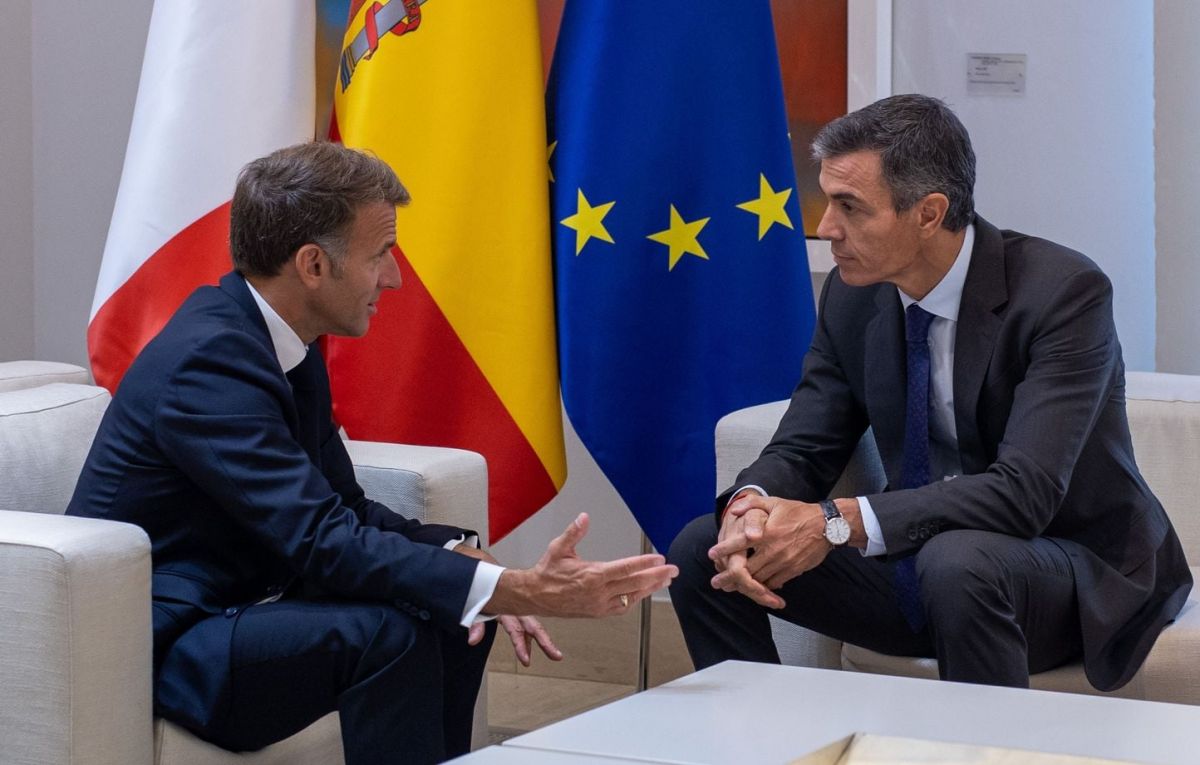
The Spanish Senate rejected the ratification of the Franco-Spanish friendship treaty during Emmanuel Macron's official visit to Spain, mainly due to the opposition from the Popular Party and Vox, which raised concerns about a minister's participation in the other country's Council of Ministers and the absence of gas and electricity interconnections. (translated)

Minister Sjoerdsma refuses to take in sick and injured children from Gaza in the Netherlands and advocates for aid in the region, leading to sharp criticism from opposition parties. (translated)