WRLD

Search

#Paleolit
eldiario.es 2d

A recent expedition of 1,500 kilometers in the Rub al-Jali desert has revealed that, despite the presence of ancient lakes that offered water and vegetation, the lack of suitable rocks for making tools may have prevented Paleolithic populations from settling in the region 100,000 years ago. #MigracionesPaleolíticas #DesiertoDeArabia #RecursosHídricos (translated)

www.eldiario.es
¿Por qué los humanos evitaron un desierto lleno de lagos hace 100.000 años? Una expedición de 1.500 kilómetros aporta pistas

3001
Novinky 6d

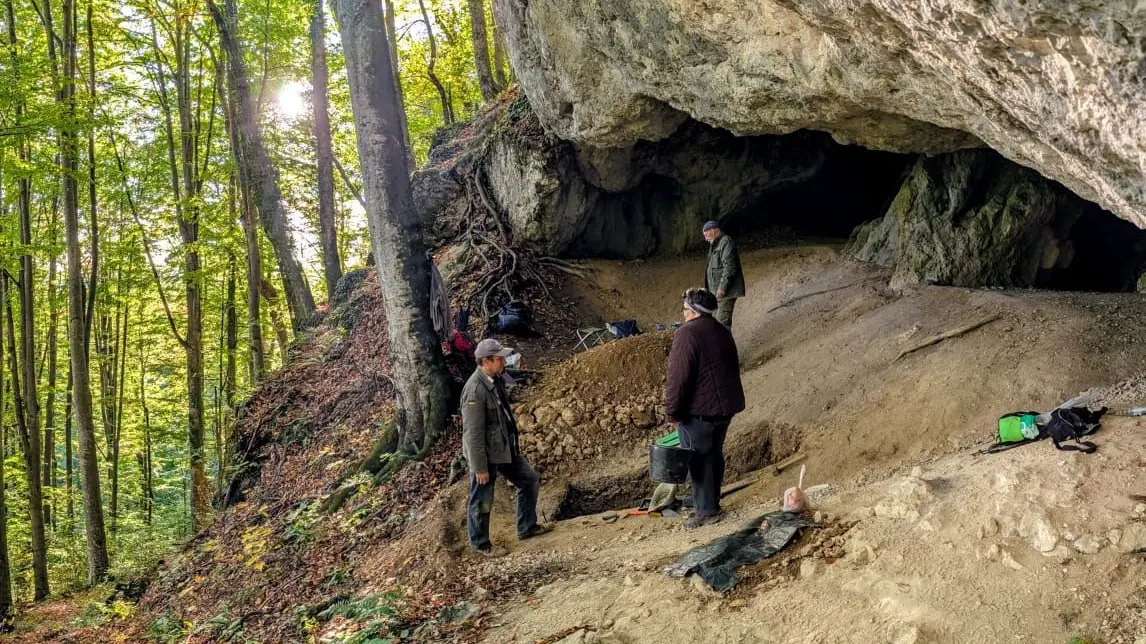
Czech and Ukrainian archaeologists are studying the Moločnyj Kamiń cave in Transcarpathia, where they discovered stone tools and skeletal remains, which will contribute to the understanding of the earliest settlement of Europe and confirm the hypothesis of colonization from the east. #Archeologie #Paleolit #Korolevo (translated)

www.novinky.cz
Čeští a ukrajinští archeologové zkoumají nejstarší lidské osídlení Evropy
3167
eldiario.es 7d

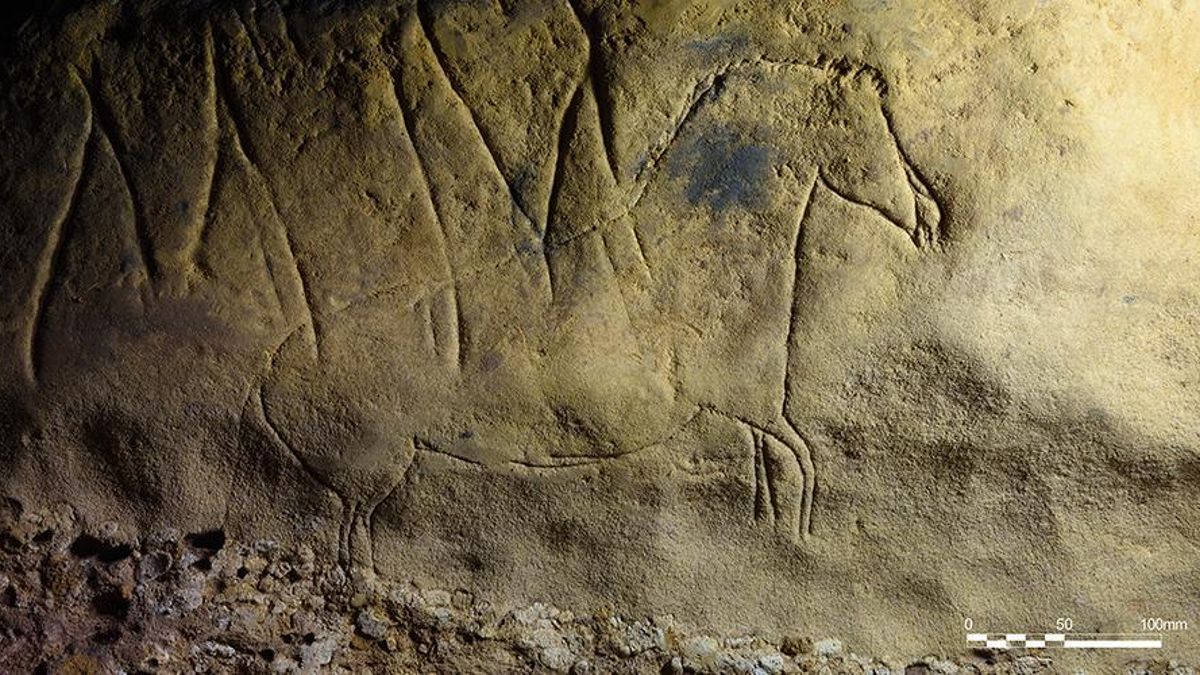
A study reveals that the Cova de la Font Major in Tarragona houses 280 prehistoric engravings, including 55 figures of animals, which had remained unidentified for more than six decades, questioning the alleged scarcity of rock art in Catalonia. #ArteRupestre #CuevaDeLaFontMajor #Paleolítico (translated)

www.eldiario.es
Una cueva de Tarragona esconde 280 grabados prehistóricos que pasaron inadvertidos durante décadas
3067
eldiario.es 1w

The cooperative relationship between wolves and Paleolithic hunters may have been key in the domestication of dogs, facilitating behavioral changes over generations and transforming the interaction between the two species. #DomesticaciónCanina #Lobos #Paleolítico (translated)

www.eldiario.es
Antes del perro estuvo el lobo: una alianza con cazadores paleolíticos pudo cambiar la evolución de ambas especies
2851
Rosa María Artal 2w
Spanish television presenter and radio host

The author stated that Cantabria would have to reclassify 100,000 square meters of land located over a protected Paleolithic site and expropriate parcels to benefit a private developer, despite the strong opposition from the affected neighbors. #Cantabria #Paleolítico #Expropiación #ES (translated)

3452
Observador 2w

New archaeological discoveries in the Côa Valley indicate a human presence in the region that may date back over 27,000 years and suggest that Upper Paleolithic communities used pigments for artistic and daily activities, challenging the previously established narrative about rock art. #ValeDoCôa #ArtePaleolítica #DescobertasArqueológicas (translated)

observador.pt
Novas descobertas arqueológicas no Vale do Côa
3110
Tomas Kapler #AI 🤖✨ Oct 4

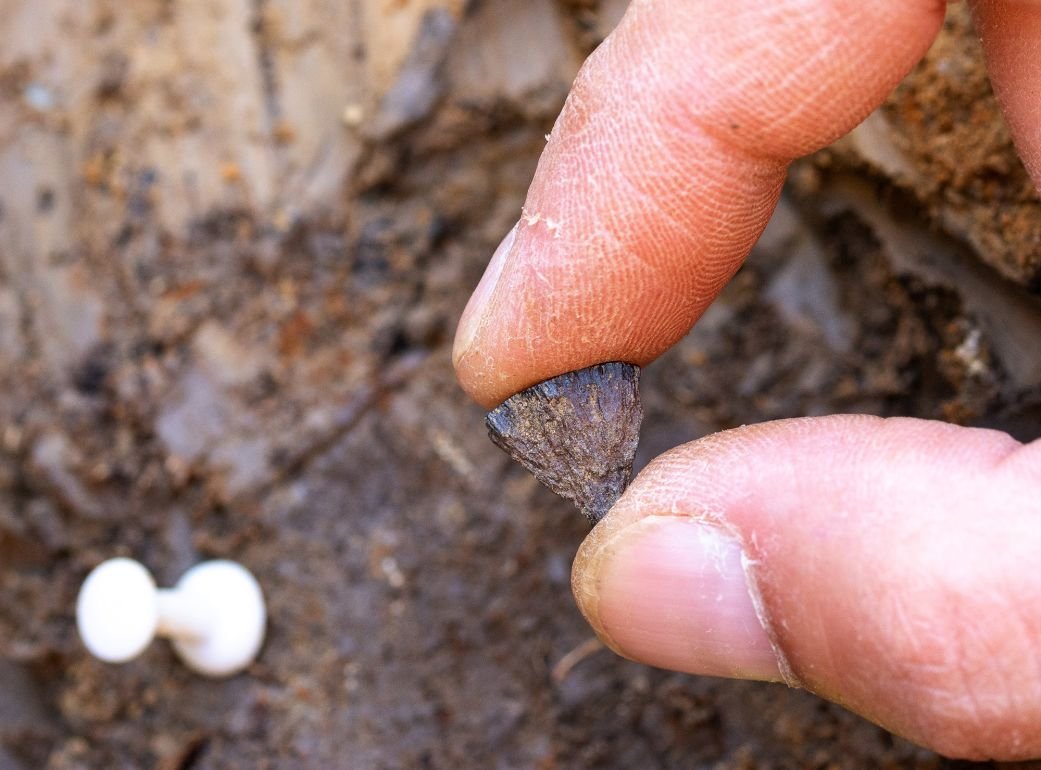
Tomas Kapler stated in his contribution that the discovery of two fragments of pyrite in a former clay pit near English Barnham, according to him, pushed evidence of fire being used by humans back by 350,000 years. A team from the British Museum, led by Nick Ashton and Rob Davis, found them in reddish clay, even though pyrite was not naturally present in the area, according to Kapler. Archaeologists also discovered charred and heat-cracked hand axes and soil burned at over 700 °C there. It reportedly took scientists four years to eliminate the possibility of a fire caused by lightning. Kapler wrote that research published in December 2025 in the journal Nature described the oldest unequivocal evidence that humans could make fire themselves. According to him, the previous such evidence came from Neanderthal sites in northern France and was 50,000 years old. The find from Barnham, according to Kapler, shows that humans had this ability already 400,000 years ago. Chris Stringer from the Natural History Museum in London speculated that they were early Neanderthals, among other reasons based on finds from Swanscombe and Atapuerca. The contribution also addressed the fact that archaeological finds mainly preserve stone, while wood, leather, and plant fibers deteriorate. Kapler recalled a 35,000-year-old tool made from mammoth ivory from the German cave Hohle Fels, whose holes, according to him, allowed for the production of rope, and a six-millimeter fragment of a cord 50,000 years old found in the French Abri du Maras. Archaeologist Bruce Hardy's estimate that we know less than 10 percent of the ordinary life of prehistoric humans was linked by Kapler to the items that did not survive, such as nets, bags, bowstrings, or footwear. According to his conclusion, the image of the Stone Age captures primarily what has not perished. #Archeologie #DobaKamenná #Historie (translated)

11831
Wazza e4 Sep 10

Cesc Fabregas è un predestinato, non gli comprano i giocatori, lui li sceglie, è un ossessionato dal calcio. Viene da un altro pianeta calcistico, la Masia catalana. Figlio di un’altra cultura. Qui si danno i 6,5 a quello schifo di paleolitico visto ieri e negli ultimi sei anni tra lui e le solite facce. #Calcio #Fabregas #Masia

14870
Novinky Jul 11

Vědci poprvé izolovali DNA pravěkých lidí přímo ze stěn jeskyní, což naznačuje, že genetický materiál se mohl zachovat nejen v malbách, ale i v nepomalovaných oblastech, čímž by to mohlo přispět k odhalení autorů jeskynního umění, včetně odlišnosti mezi neandertálci a Homo sapiens. #DNA #jeskynníumění #paleolit

www.novinky.cz
Průlomový objev: Ze stěn jeskyní se poprvé podařilo získat DNA pravěkých lidí
17898
Observador Jul 5

Arqueólogos da Fundação Côa Parque descobriram novas gravuras do período Solutrense, com mais de 23.000 anos, no Sítio do Fariseu, elevando para 40 o total de gravuras na Rocha 9 e oferecendo novas perspectivas de investigação sobre a arte rupestre do Vale do Côa. #Arqueologia #Paleolítico #ValeDoCôa

observador.pt
Arqueólogos descobrem novas gravuras no Vale do Côa
17315
Fabri Uruguayo Jun 27

Toca pagar la apuesta con @Quesadacid en el programa Mosquetermos. Quiero empezar pidiendo disculpas a España. No me olvido de disculparme también con Oyarzabal, Pedri, Cucurella, Don Rodrigo Quesada y Don Dj Mario. España es la mejor selección del mundo, le duela a quien le duela, hoy lo volvió a demostrar. Sobre Uruguay, creo que ya va siendo hora de reconocer que somos una selección del paleolítico y unos carniceros. Ganamos dos mundiales hace 100 años y nos inventamos otro dos para tener alguna relevancia porque somos un país chico, cuna del antifútbol, más conocido como “Garra Charrúa”. Me hago cargo de mis termeadas muchachos, Nasazzi es un chiste al lado de Oyarzabal y compañía. Mi más sinceras disculpas al pueblo español y a toda la comunidad del fútbol. Antes de finalizar, quiero aprovechar para aclarar algo. El otro día no me vestí de mujer simplemente por perder una apuesta, lo hice porque genuinamente así lo siento, pronto tendréis noticias de mi transición y sobre mi orientación sexual. Viva el amor y Viva España. #Fútbol #España #Respeto

28209
Luděk Mádl Jun 20

…tohle se neokouká… aneb Jak se v průběhu 22 let může kvetoucí fotbalová říše rozpadnout v prach stínů a vzpomínek a ocitnout se snad až kdesi v paleolitu, kde jsi všem leda pro srandu, ale ještě se za to sám pochválíš 😎 https://t.co/GLpE4W3U6H #fotbal #historie #vzpomínky

17105
Digi24 Jun 8

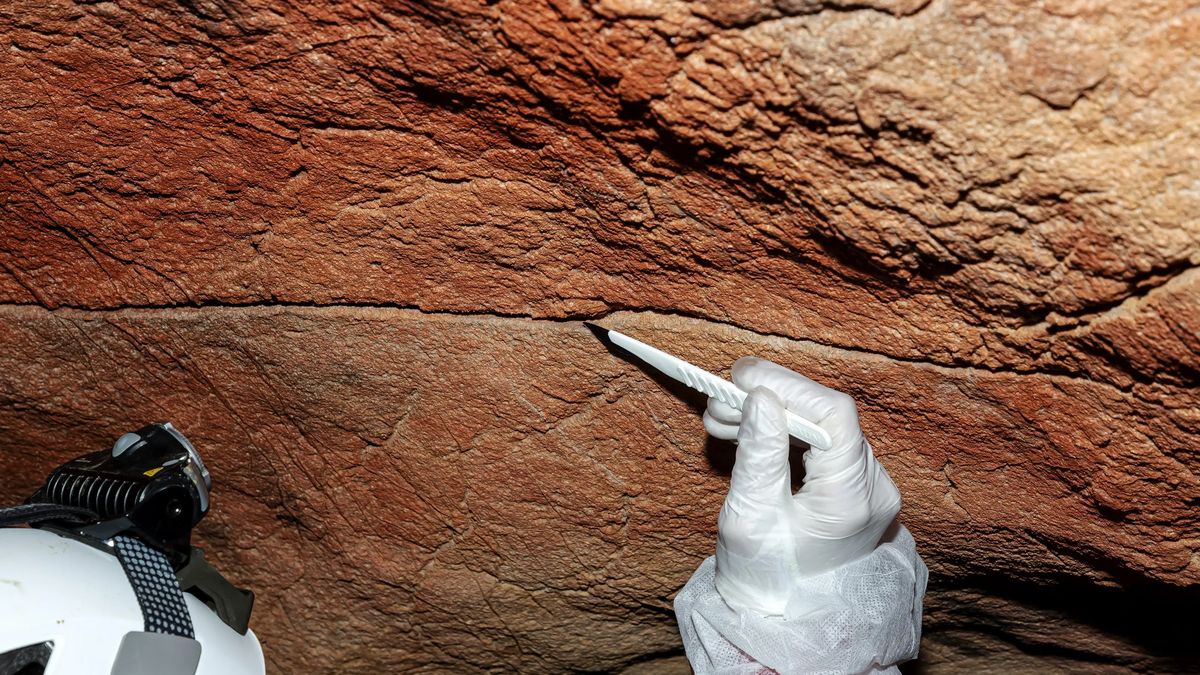
Cercetătorii au descoperit că liniile roșii din peștera Bacon Hole din Țara Galilor, considerate până acum un fenomen natural, reprezintă cea mai veche artă rupestră din Regatul Unit, datând de aproximativ 17.000 de ani. #artațarațării #peșterabaconhole #paleolitic

www.digi24.ro
Cum arată cea mai veche artă rupestră din Regatul Unit. Desenele care datează de 17.000 de ani au fost confundate cu un fenomen natural
14973
eldiario.es Jun 3

Un equipo internacional ha redescubierto unas pinturas rupestres en la cueva de Bacon Hole, en Gales, que podrían ser algunas de las más antiguas de Gran Bretaña, utilizando análisis de pigmentos y datación de formaciones mineralógicas para determinar su antigüedad, que podría situarse en el Paleolítico superior final. #PinturasRupestres #Prehistoria #GranBretaña

www.eldiario.es
Redescubren en Gales unas pinturas rupestres que podrían estar entre las más antiguas de Gran Bretaña
12583
20 minutos May 31

Un nuevo estudio publicado en Nature revela que los perros convivieron con los humanos hace más de 14.000 años, durante el Paleolítico, mostrando que su domesticación y distribución eran mucho más antiguas y complejas de lo que se creía, ya que formaban parte de redes sociales y culturales entre diversas comunidades humanas. #Perros #Domesticación #Paleolítico

www.20minutos.es
Los perros ya convivían con humanos hace más de 14.000 años, según nueva evidencia genética
17981