The article by Eduardo Alferes Conceição criticizes the illusion of housing policies in Portugal, highlighting the lack of homes and workers in the construction industry, while society is immersed in empty promises and centralism. #habitação #construção #imigração (translated)
The article by Diogo Pasuch analyzes the economic implications of Lula's re-election, highlighting that the promises made during his campaign may result in an increase in the tax burden and inflation, disproportionately affecting low-income families that supported his victory. #Lula #DívidaPública #EconomiaBrasil (translated)
Russia has intensified the recruitment of African mercenaries, especially from Zimbabwe, Burundi, and Sierra Leone, to compensate for losses in its armed forces during the war against Ukraine, using promises of civilian jobs and attractive salaries to attract candidates. #GuerraNaUcrânia #Recrutamento #Rússia (translated)

The article discusses the apparent lack of memory of the Socialist Party regarding housing issues, reflecting on its promises and actions over time. #JavaScript #WebDevelopment #AdBlocker (translated)
The last debate between Lula da Silva and Flávio Bolsonaro, held two days before the second round of the presidential elections in Brazil, highlighted Flávio's infrastructure promises and Lula's defenses in response to accusations about stalled works, in a context of a technical tie in the polls. #Eleições2026 #DebatePresidencial #Brasil (translated)

Israel Massa wrote, citing Claudio Dantas, that the Lula government would have admitted to lacking resources to fulfill promises. According to the projection mentioned by Dantas, the deficit could reach R$ 23 billion to maintain current policies, without including new electoral promises from the president. #Lula #Economia #Política (translated)
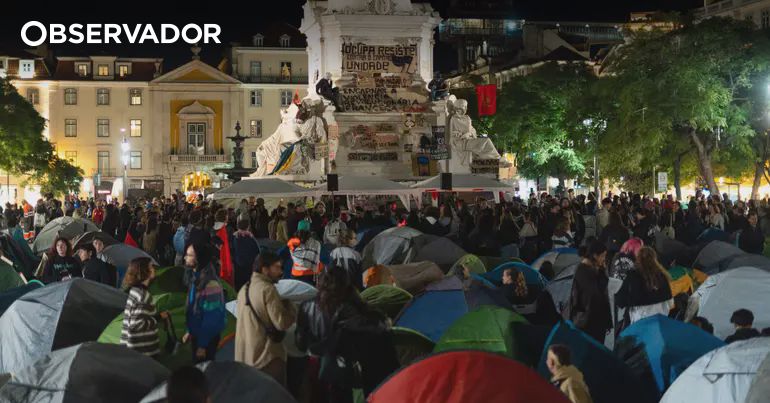
Protests against the housing crisis in Lisbon and Porto attract thousands of people, despite police repression and promises of resistance from the protesters. #Protestos #CriseHabitacional #LisboaPorto (translated)

DELATEI classified the removal by Instagram of the audio from a video by Nikolas Ferreira featuring accounts from people in the Northeast about difficulties and unfulfilled promises as serious. https://t.co/uXlO4yIvxk #Instagram #Nordeste #LiberdadeDeExpressão (translated)
Karina Michelin stated that Nikolas Ferreira had published a video which, in her view, exposed the poverty and lack of basic services faced by people from the Northeast despite decades of political promises. She said that Lula da Silva built part of his public image based on his Pernambuco origins, fighting hunger, and the promise to improve the lives of the poorest. Michelin reported that people interviewed in the video described hardships, illnesses, and suffering that, according to her, spanned generations. She also claimed that the promises made by Lula in 2002 remained similar to those of 2026 and that, in her view, the Northeast should not only be remembered during elections. She argued that the Northeastern population should have a central role in the change and that their basic rights should be guaranteed. #Nordeste #Lula #Eleições2026 (translated)
The Anti Petismo Brasil account stated that Nikolas Ferreira presented reports on the reality of the Northeast, mentioning old promises and challenges faced by the population over the years. It also said that residents shared their stories and demanded changes, and asked the public to watch Nikolas Ferreira and vote for Flávio Bolsonaro, number 22. https://t.co/8eiyE1x9Tk #Nordeste #Mudanças #Histórias (translated)
A SPACE LIBERDADE published that the deputy Nikolas Ferreira had Northeasterners speak about Lula's promises. https://t.co/kcmSwkx5G7 #política #Lula #Nordeste (translated)
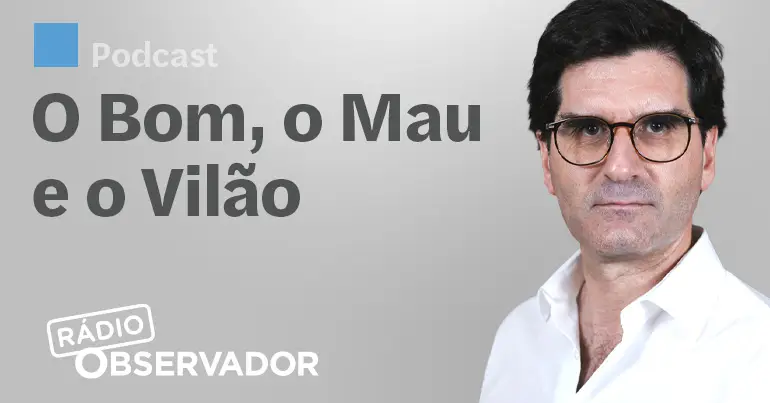
In the program The Good, the Bad, and the Villain, the stance of politicians regarding housing protests is discussed, highlighting Luís Montenegro as the good for recognizing the difficulties faced by citizens, Pedro Duarte as the bad for backing down on his promises of action, and André Ventura as the villain for his threats to block changes to the rental law. #Política #Habitação #Protestos (translated)

The protests for housing continue in Lisbon and Porto, where protesters reject the police's calls to dismantle the camps, promising to maintain the gatherings until the end of the year, despite the difficulties faced. #ProtestosHabitacionais #RádioObservador #DireitosCivis (translated)

Deltan Dallagnol stated that, in the debate, Flávio Bolsonaro presented a project to change Brazil, while Lula allegedly attacked Bolsonaro, repeated lies, and renewed promises that, according to him, he had not fulfilled in over 20 years in power. Dallagnol described the competition as a choice between the future and a government trapped in the past and said that the end of the Lula era was set for October 25. He also stated that Flávio finished the first round ahead and that the PT was betting that the voters would relax. Dallagnol asked for votes for Flávio Bolsonaro, number 22, and encouraged sharing the video with those who did not vote or chose another candidate. #Lula #Bolsonaro #Eleições2023 (translated)
The protesters managed to stay for a second night at Rossio, in Lisbon, with promises of a calm night from the PSP and discussions about future protests related to the housing crisis. #Manifestações #Lisboa #Habitação (translated)

Alfredo Gaspar stated that public health would be a priority in his government and criticized the current administration, claiming that in more than 20 years, it had done nothing. He advocated for a change. https://t.co/6A8kf8xdR1 #SaúdePública #Mudança #Governo (translated)
Xico Graziano said that Lula's successive promises reminded him of Paulo Maluf's campaign for the government of São Paulo in 1998, when Mário Covas was running for reelection. According to Graziano, Maluf's campaign massively and repetitively promoted works carried out during his terms as mayor and governor, from 1979 to 1982, at a time without the internet. He stated that the exaggerated marketing became a subject of mockery and gave rise to parodies. Graziano reported that a large billboard at the entrance to Santos, at the junction to Praia Grande, mocked the campaign by attributing the Atlantic Ocean to Maluf. He said that the photograph of the sign circulated in newspapers and had a demoralizing effect on the candidate, who lost to Covas. In Graziano's assessment, the electorate perceived when attempts were made to mislead them, even in the face of needs. He compared Lula's last-minute promises to jokes and said that the effect of those promises on the voters would still be seen. #Lula #PolíticaBrasil #Eleições2024 (translated)
Lula questioned the trust in Flávio Bolsonaro's campaign promises and said that voters should consider what he had already declared and defended. He stated that, in his assessment, one could not trust someone with connections to militias and who defended coup plotters, and he asked for votes for number 13. https://t.co/GDVjfMKdbB #FlavioBolsonaro #Eleições2024 #PolíticaBrasileira (translated)
Deltan Dallagnol published content about three promises from Flávio Bolsonaro and asked for it to be watched until the end and shared. He stated that the end of the Lula era was marked for October 25 and said that Flávio had finished the first round ahead, while the PT hoped that people would relax. Dallagnol requested votes for Flávio Bolsonaro, number 22, and asked for the content to be sent to those who had not voted or had chosen another candidate. #FlávioBolsonaro #Eleições2023 #Brasil (translated)