BETA nonprofit public democratic european moderated

Search

#Recursos

Dear Mayor, Bogotá has a high level of income and resources, much of which goes every day to feed the political groups close to the Mayor. What we ask of the Mayor is to intervene in the local mayoralties, where several councilors of the city manage more than 1 trillion pesos in OPS, road networks, and other types of contracts to strengthen their own political groups. Statism always thinks that the private sector must pay, but it is never able to attack those who for years have fed like piranhas on those taxes. The truly unpopular decision in Bogotá would be to reject that group of politicians, choke their structures, teach them that taxes are for roads, Metro, trunk lines, hospitals, parks, and schools, and not to strengthen their political teams. The easy way out is always to screw the people and celebrate with the politicians who own the local mayoralties. With all due respect, I tell you, Mayor, Bogotá needs to promote businesses more and politicians less. (translated)


🇦🇷 ARMY, IMPORTANT TO READ ‼️ We want to talk to you about something that seems important to us, especially given everything that has been happening on social media in recent days. Yesterday it was officially announced who will be the opening act for BTS on the three dates in October: 21, 23, and 24. Following this announcement, we saw a lot of criticism and negative comments toward the producer and the decision of the opening act. We understand that every ARMY can have their own opinion and that it's okay to express disagreement. We do not seek to question that or ask anyone to stop expressing how they feel. However, we believe it is important to consider the context. There have already been previous complaints and massive criticisms regarding various issues related to the show, and the accumulation of these situations can end up having consequences that go beyond an opinion on social media. A recent example occurred in Brazil, where it was communicated that fan projects would not be allowed for BTS shows, even after the fandom had already progressed with the production of 270,000 hand banners for the three dates. This does not mean that the same thing will happen in Argentina, but we believe it is a precedent worth keeping in mind. In Argentina, there are also many projects that ARMY has been preparing for months, with time, organization, effort, and resources behind them. Therefore, we ask you to avoid joining a wave of hate and to also consider the possible consequences, not only for these projects but also for the image we as a fandom build in front of those who work on the shows and in front of the boys themselves. We can disagree, question decisions, and express how we feel without turning it into attacks or hate campaigns. We ask you to take care of the space we are going to share and, above all, the possibilities of doing beautiful things for the boys. We are very close to experiencing something we have been waiting for a long time. 🫶🏻 Hopefully, we can reach October prioritizing what really matters: welcoming BTS, enjoying the shows, and sharing this very special moment as ARMY. 🤍 (translated)

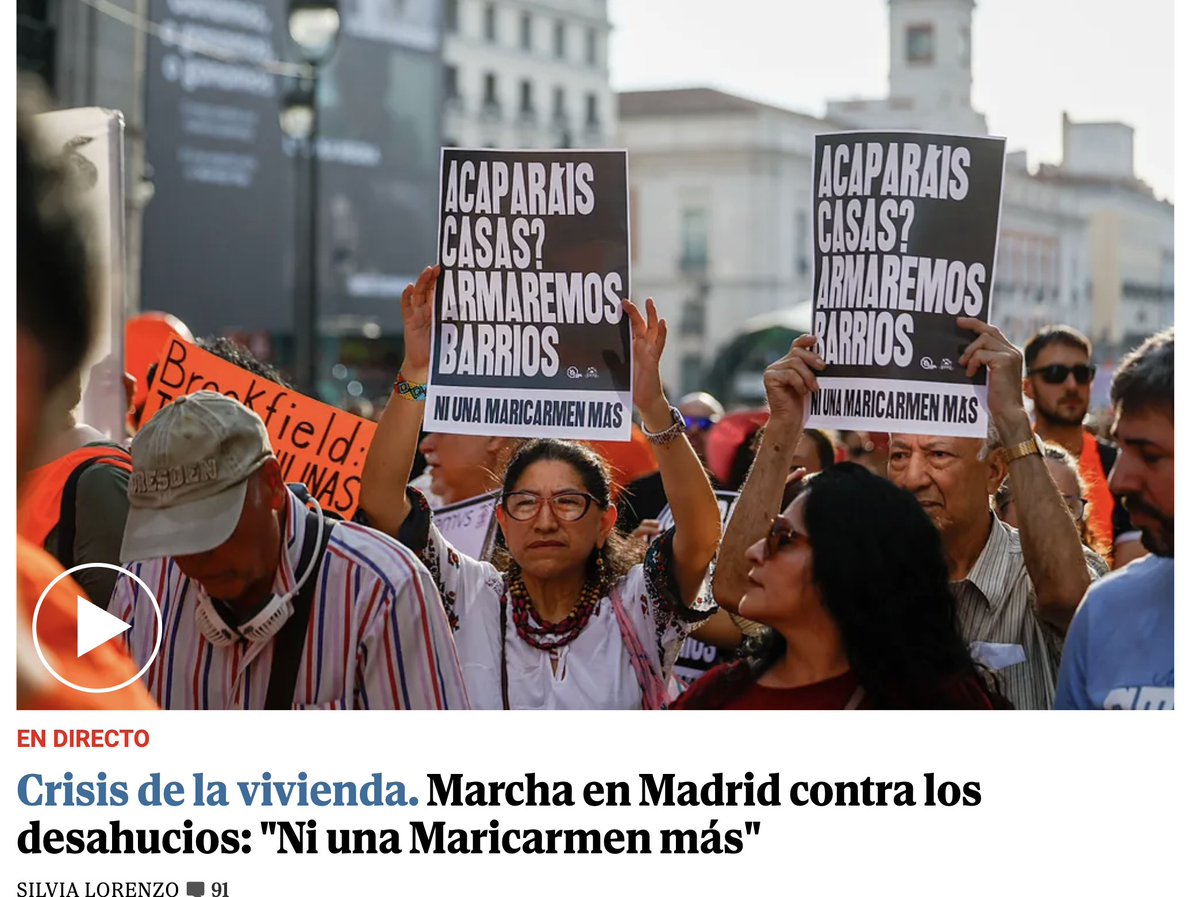
In recent days, the Spanish have witnessed the effectiveness of the gigantic machinery of manipulation, agitation, and propaganda of the criminal government of Pedro Sánchez and all its resources surrounding a legal eviction. It would be advisable for all those who are... (translated)

🚨 Flamengo estimates a loss of R$ 400 million per year due to the end of bets. The main loss is the master sponsorship contract of R$ 268 million per year, which also includes amounts for Olympic sports and women's football. Another impact may come from the contract of about R$ 63 million with Brax for the advertising boards of the Brasileirão. Most advertisers were betting houses. In the Campeonato Carioca, there is also an agreement with Brax and naming rights for betting houses. Fla receives about R$ 27 million, with a good part of the rights paid by Globo to Brax and the rest coming from commercial revenue. The calculation also includes other sponsors and resources from laws that incentivize Olympic sports. The club also estimates having 100,000 shirts produced by Adidas with the master sponsor's brand that cannot be sold, in addition to the loss of royalties. There are also possible impacts on the COPA DO BRASIL and the BRASILEIRÃO, competitions with naming rights for bets. With all this, Flamengo calculates a loss of around R$ 400 MILLION PER YEAR. If the scenario is confirmed, Rubro-Negro will have to REVIEW EXPENSES for 2027. (translated)

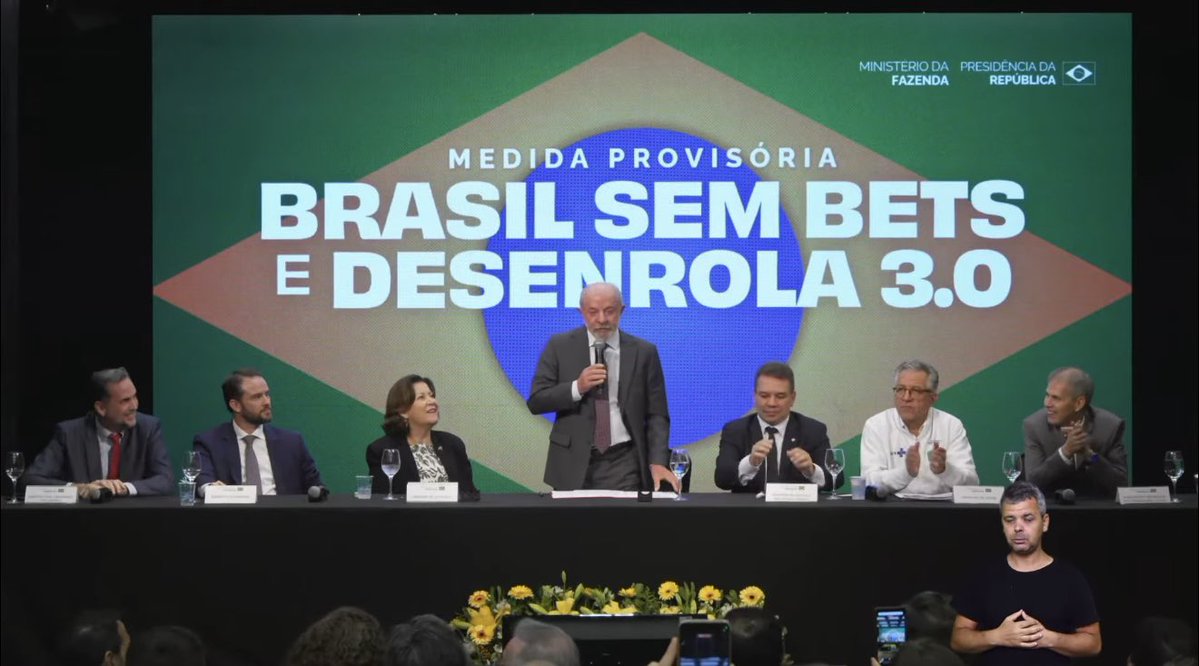
More than 15 thousand job vacancies could end with the end of the bets; ministries are concerned about loss of revenue. The ban could eliminate about 15.5 thousand jobs, mainly in the IT sector. Companies in the sector have already indicated that they will appeal to the Supreme Court if the measure is maintained. From January to July 2026, the sector generated R$ 8.75 billion in revenue, as well as R$ 2.5 billion in grants paid in 2025 to operate in Brazil for 5 years (until 2029). There is CONCERN in the Ministries of Finance, Justice, and Health about the loss of revenue. The legislation on bets provides for transfers for social assistance and projects in Justice and Health. With a possible ban, the Government would have to seek resources to maintain these programs. (translated)

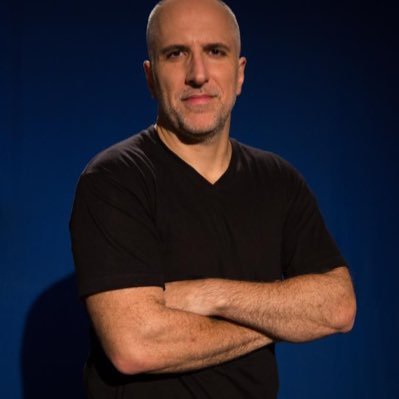
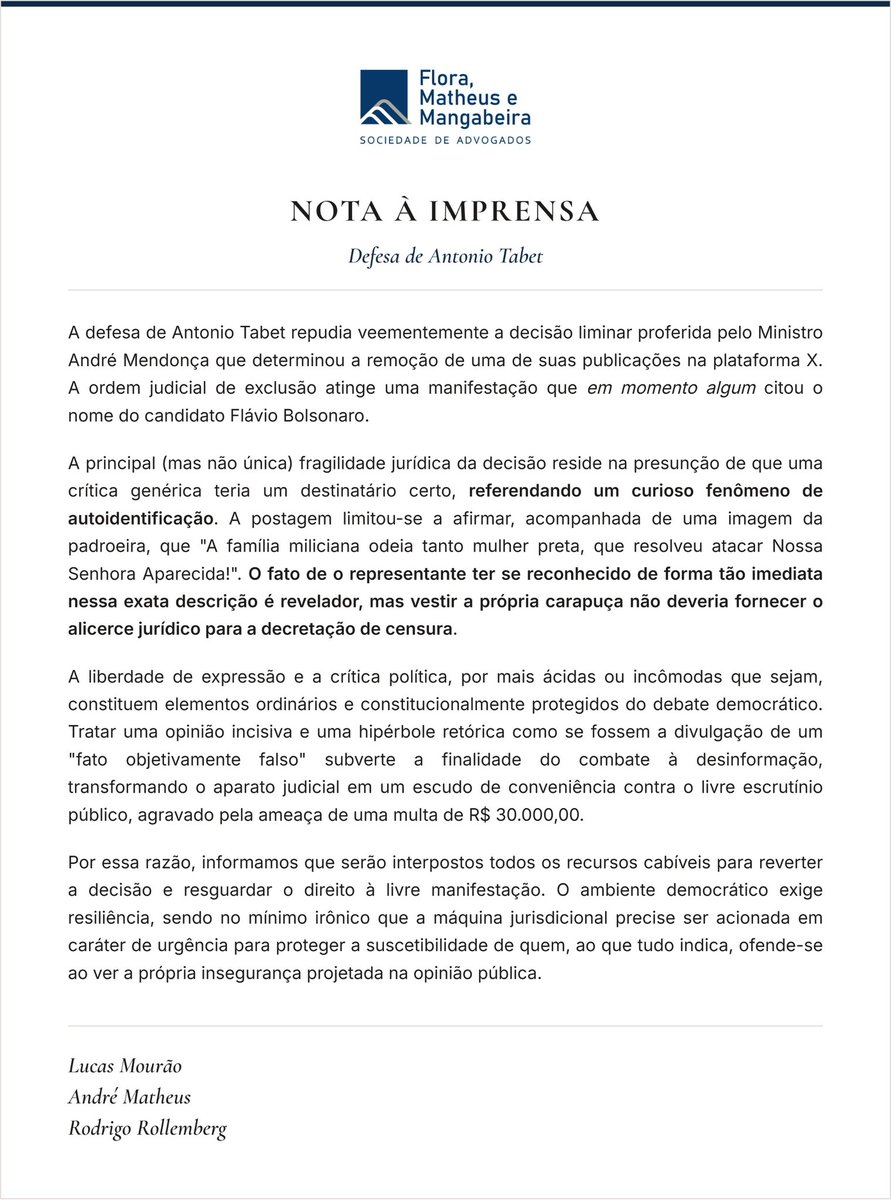
Press Release. I kindly ask that you share: “The defense of Antonio Tabet vehemently repudiates the preliminary decision issued by Minister André Mendonça that ordered the removal of one of his posts on the platform X. The court order for deletion affects a statement that at no time mentioned the name of the candidate Flávio Bolsonaro. The main (but not唯一的) legal weakness of the decision lies in the presumption that a generic criticism would have a specific recipient, endorsing a curious phenomenon of self-identification. The post merely stated, accompanied by an image of the patron saint, that 'The militiamen family hates black women so much that they decided to attack Our Lady Aparecida!'. The fact that the representative recognized himself so immediately in this exact description is revealing, but wearing the own hat should not provide the legal basis for the declaration of censorship. Freedom of expression and political criticism, no matter how harsh or uncomfortable they may be, constitute ordinary and constitutionally protected elements of democratic debate. Treating a pointed opinion and a rhetorical hyperbole as if they were the dissemination of an "objectively false fact" subverts the purpose of combating misinformation, transforming the judicial apparatus into a convenient shield against free public scrutiny, exacerbated by the threat of a fine of R$ 30,000.00. For this reason, we inform that all applicable appeals will be filed to overturn the decision and safeguard the right to free expression. The democratic environment requires resilience, making it at least ironic that the judicial machine must be urgently activated to protect the susceptibility of those who, apparently, are offended upon seeing their own insecurity projected in public opinion.” (translated)

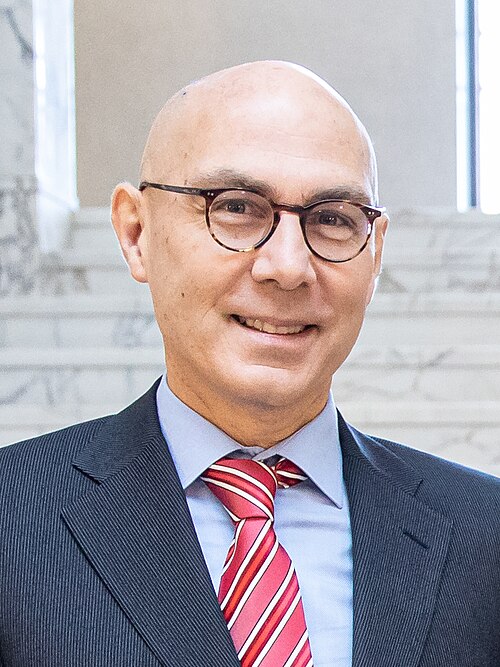
"fulfill their own responsibility to respect human rights in accordance with widely accepted international standards.” Turk urged the targeted companies to “fulfill their own responsibility to respect human rights in accordance with widely accepted international standards” and States to take measures to “ensure (...) that when human rights violations related to companies occur in their territory and/or under their jurisdiction, affected individuals have access to effective remedies, in accordance with international law.” (translated)

ONU eleva para 214 empresas ligadas aos colonatos israelitas
observador.pt

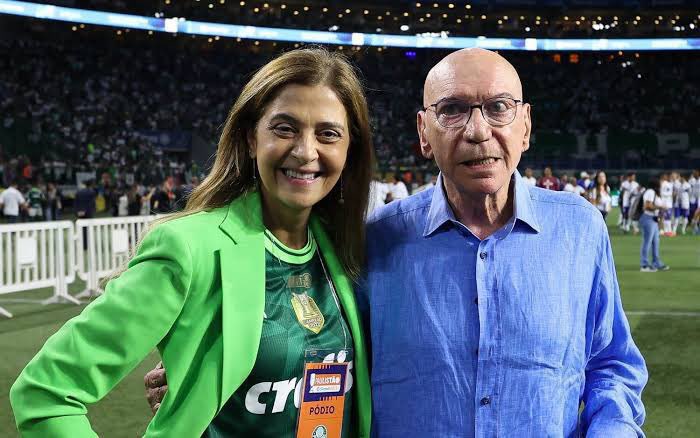
🚨 Palmeiras' opposition demands the resignation of Leila Pereira's husband after Vasco's auction. The Ocupa Palestra group of councilors wants José Lamacchia to leave the Deliberative Council if the purchase of Vasco's SAF by Almirante Participações, his son's company, Marcos Lamacchia, which won the auction, is confirmed. The group also calls for the end of benefits or the use of resources linked to Leila by rival clubs. As an example, it cites the possible use of her plane. Leila and José Lamacchia founded, in 2024, the company Top Gol, which is now Almirante. 🗞️ @UOL | @latiflavio 📸 Cesar Greco/SEP (translated)

⚠️ NOW! Official statement from Fluminense: "The debate about the prohibition of betting is legitimate and should not be closed off. There are real concerns about indebtedness and addiction, but any decision needs to consider the following points: • Legal security and predictability: companies that have complied with regulations and third parties that have signed contracts cannot be surprised overnight. The club has taken on financial commitments for this and the coming years relying on these resources. A concrete example: Fluminense's stores have 6 months of stock of shirts with the master sponsor's brand. An abrupt change generates losses and can cost thousands of jobs throughout the chain. • Effectiveness of the measure: banning regulated companies does not eliminate betting. The underground market is likely to occupy this space, without oversight, taxation, and no protection for the bettor. • Impact on sports: the resources sustain not only professional football. They fund youth categories, women's football, and Olympic sports, which employ hundreds of athletes and professionals at the club. • Public revenue: the regulated market has generated billions in taxes and allocations provided by law for sports, social security, public safety, education, and health. Without it, these resources will need to come from another source. We advocate, at a minimum, an adequate transition period in case there are changes. The path must be guided by concrete data and the effectiveness of each alternative." 📸 FFC (translated)

The debate about the prohibition of betting is legitimate and should not be banned. There are real concerns about debt and addiction, but any decision must consider the following points: • Legal security and predictability: companies that comply with regulations and third parties that enter into contracts should not be caught off guard from one day to the next. The club has taken on financial commitments for this year and the coming years relying on these resources. A concrete example: Fluminense's stores have six months of inventory of shirts with the master sponsor's brand. A sudden change generates losses and can cost thousands of jobs throughout the chain. • Effectiveness of the measure: prohibiting regulated companies does not end betting. The underground market tends to fill this gap, without oversight, without taxation, and with no protection for the bettor. • Impact on sports: the resources sustain not only professional football. They finance youth categories, women's football, and Olympic sports, which employ hundreds of athletes and professionals at the club. • Public revenue: the regulated market has generated billions in taxes and allocations provided by law for sports, social security, public safety, education, and health. Without it, these resources will need to come from another source. We advocate, at a minimum, for an adequate transition period should there be changes. The path should be guided by concrete data and the effectiveness of each alternative. (translated)
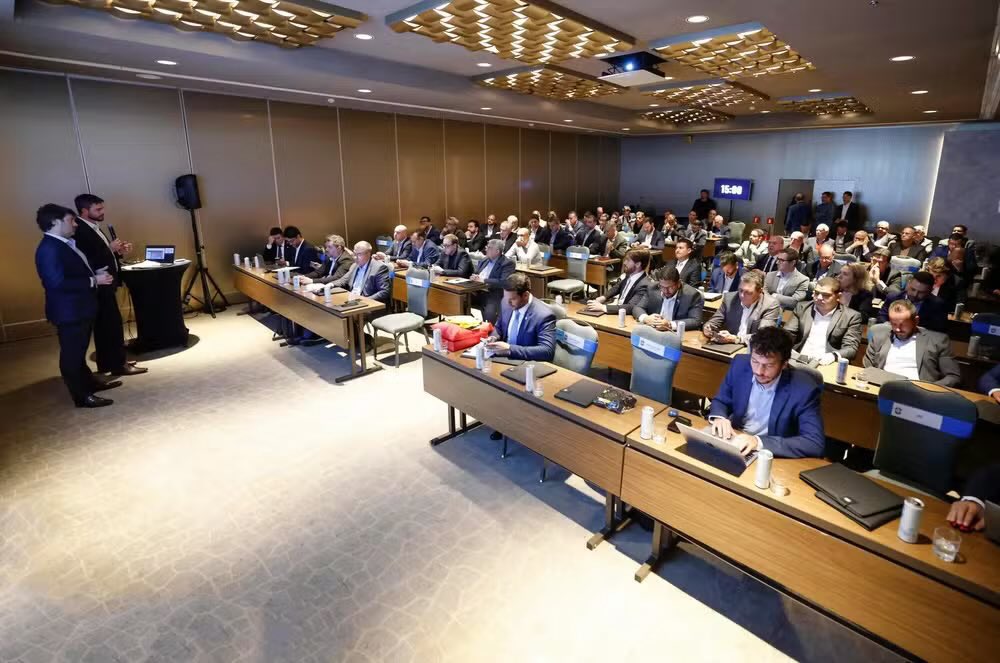
The article analyzes how Russia is using war of attrition tactics on NATO's Eastern flank, forcing the Alliance to respond to constant provocations that affect its resources and operability, turning the situation into a war of patience and endurance. (translated)

Putin y la trampa del desgaste en el flanco Este

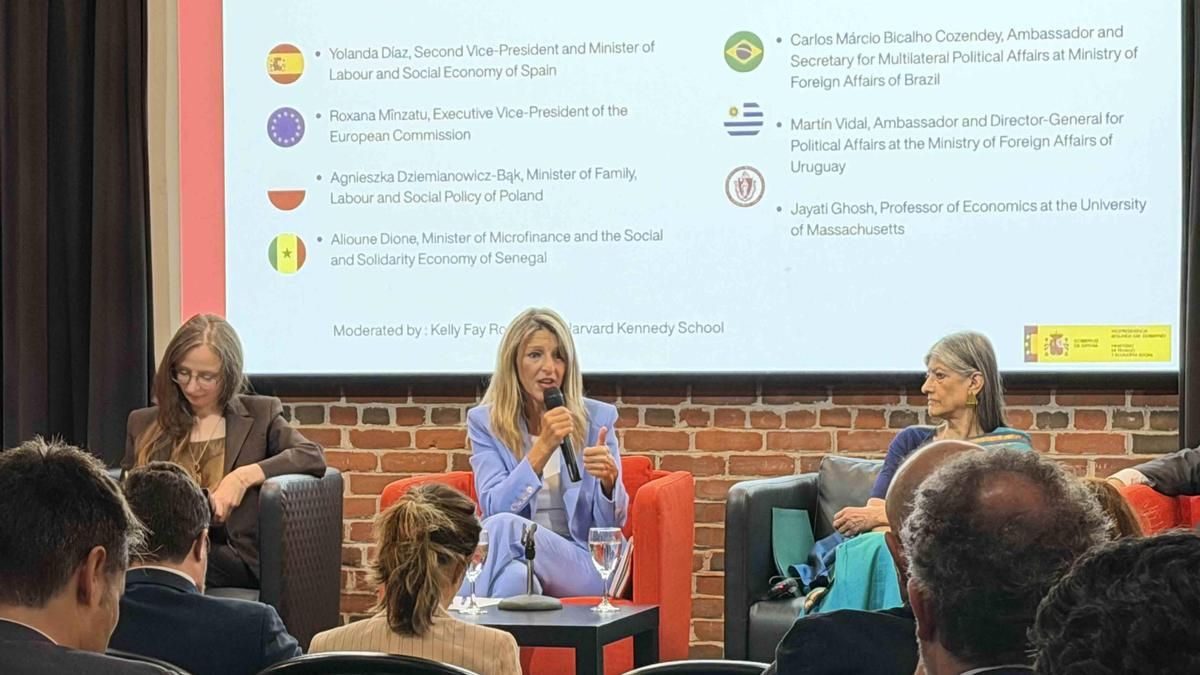
Yolanda Díaz warned in New York about the crisis of multilateralism and advocated for an International Labor Organization that is impartial, but never neutral, emphasizing the urgent need for resources to fulfill its mandates. (translated)
Yolanda Díaz alerta en Nueva York de la "crisis del multilateralismo" y reclama una OIT "imparcial, pero nunca neutral"

Brazil spent years discussing how to regulate sports betting. Congress approved it, the government regulated it, companies paid to operate legally in the country, made investments, and began to comply with rules for supervision, taxation, and consumer protection. One cannot create a rule, get companies and institutions to commit based on it, and then overnight change the entire regulatory framework. No regulation is untouchable. If there are problems, the rules need to be improved. If they need to be stricter, let them be. Those who violate the law should be punished. But there is a fundamental difference between improving regulation and simply dismantling it. This is a matter of legal certainty. And legal certainty is not only of interest to betting companies. It matters to anyone, company, or institution that invests, contracts, and makes long-term plans in Brazil trusting in the rules established by the state itself. The change heavily impacts Brazilian sports. A decision of this magnitude affects professional football, youth categories, women's football, Olympic sports, and championships. Brazilian sports cannot be analyzed solely from the financial reality of the highest-earning clubs. And it is not just the clubs that are affected; it is a chain that receives an immediate impact: direct and indirect jobs, communication, marketing, and technology companies, suppliers, arenas, service providers, and an entire economic chain. It also affects public revenue. The regulated market generates resources through taxes and allocations provided by law, which reach the public coffers and are directed to areas of societal interest. Weaken the legal market can produce a particularly bad combination: less resources for sports and less revenue for the country. And will the Brazilian be better protected? This may be one of the central questions of this discussion. Prohibiting companies that operate legally does not mean ending betting. The game does not disappear, and the underground market, which represents a significant portion of the activity, will grow and occupy this space. A survey by the Locomotiva Institute, conducted in May 2026 across the country with 2,291 bettors, indicates the relevant presence of practices associated with the illegal market. A study by LCA Consultores, based on this research, estimates that between 38% and 44% of the value bet online in Brazil currently occurs on clandestine platforms. There is one particularly important piece of data: the estimated share of the illegal market decreased after regulation, moving from the range of 41% to 51% in 2025 to 38% to 44% in the first half of 2026. The game will not end with a stroke of a pen. What ends is the part that Brazil can regulate, supervise, tax, and hold accountable. And the result may be less security for investors, fewer resources for sports and the country, and less capacity for oversight of the activity. Brazil needs to combat illegal gambling. It needs to protect its population. But it also needs to preserve legal certainty, investment capacity, and the sustainability of its sports institutions. Brazilian sports cannot be weakened by a decision that does not eliminate gambling, does not eliminate the illegal market, and still puts at risk the investments, jobs, and commitments built within the rules that the country itself established. (translated)

🚨 NOW! Official statement from Flamengo: "Brazil spent years discussing how to regulate sports betting. Congress approved it, the government regulated it, companies paid to operate legally in the country, made investments, and began to comply with oversight, taxation, and consumer protection rules. One cannot create a rule, lead companies and institutions to make commitments based on it, and then, overnight, change the entire regulatory framework. No regulation is untouchable. If there are problems, the rules need to be improved. If they need to be stricter, then let them be. Those who violate the law must be punished. But there is a fundamental difference between improving regulation and simply dismantling it. This is a matter of legal certainty. And legal certainty is not only of interest to betting companies. It matters to anyone, company, or institution that invests, contracts, and makes long-term plans in Brazil relying on the rules established by the State itself. The change hits Brazilian sports hard. A decision of this magnitude affects professional football, the youth categories, women's football, Olympic sports, and championships. Brazilian sport cannot be analyzed solely based on the financial reality of the highest-revenue clubs. It is not just the clubs that are affected; it is a chain that receives an immediate impact: direct and indirect jobs, communication, marketing and technology companies, suppliers, arenas, service providers, and an entire economic chain. It also affects public revenue. The regulated market generates resources through taxes and legal allocations, which reach public coffers and are directed to areas of interest to society. Weakening the legal market can produce an especially bad combination: fewer resources for sports and less revenue for the country. And will the Brazilian be more protected? This may be one of the central questions of this discussion. Prohibiting legally operating companies does not mean ending betting. The game does not disappear, and the clandestine market, which represents a significant portion of the activity, will grow and occupy that space. Research from Instituto Locomotiva, conducted in May 2026 nationwide with 2,291 bettors, points to the relevant presence of practices associated with the illegal market. A study by LCA Consultores, based on this research, estimates that between 38% and 44% of the online betting value in Brazil currently takes place on clandestine platforms. There is a particularly important data point: the estimated participation of the illegal market decreased after regulation, dropping from that range of 41% to 51% in 2025 to 38% to 44% in the first half of 2026. The game will not end with a stroke of a pen. What ends is the part that Brazil can regulate, oversee, tax, and hold accountable. And the result may be less security for investors, fewer resources for sports and the country, and less oversight capacity over the activity. Brazil needs to combat illegal gambling. It needs to protect its population. But it also needs to preserve legal certainty, investment capacity, and the sustainability of its sports institutions. Brazilian sports cannot be weakened by a decision that does not eliminate gambling, does not eliminate the illegal market, and still puts at risk the investments, jobs, and commitments built within the rules that the country itself established." 🗞️ @simpraisa (translated)

Official note from Flamengo: Brazil spent years discussing how to regulate sports betting. Congress approved it, the government regulated it, companies paid to operate legally in the country, made investments, and began to comply with oversight, taxation, and consumer protection rules. One cannot create a rule, lead companies and institutions to commit based on it, and then, overnight, change the entire regulatory framework. No regulation is untouchable. If there are problems, the rules need to be improved. If they need to be stricter, then let them be. Those who violate the law should be punished. But there is a fundamental difference between improving regulation and simply dismantling it. This is a matter of legal security. And legal security is not only of interest to betting companies. It is of interest to anyone, company, or institution that invests, contracts, and makes long-term plans in Brazil, trusting the rules established by the State itself. The change strikes at the heart of Brazilian sports. A decision of this magnitude affects professional football, youth categories, women's football, Olympic sports, and championships. Brazilian sports cannot be analyzed solely from the financial reality of the clubs with the highest revenue. And it is not only the clubs that are affected; it is a chain that receives an immediate impact: direct and indirect jobs, communication, marketing and technology companies, suppliers, arenas, service providers, and an entire economic chain. It also impacts public revenue. The regulated market generates resources through taxes and allocations provided by law, which go to public coffers and are allocated to areas of societal interest. Weakening the legal market could produce a particularly bad combination: less funding for sports and less revenue for the country. And will Brazilians be better protected? This may be one of the central questions of this discussion. Prohibiting companies that operate legally does not mean ending betting. The game does not disappear, and the underground market, which represents a significant portion of the activity, will grow and fill that space. A survey by the Locomotiva Institute, conducted in May 2026 across the country with 2,291 bettors, points to a significant presence of practices associated with the illegal market. A study by LCA Consultores, based on this research, estimates that between 38% and 44% of the value bet online in Brazil currently occurs on clandestine platforms. There is one particularly important piece of data: the estimated share of the illegal market fell after regulation, moving from the range of 41% to 51% in 2025 to 38% to 44% in the first half of 2026. The game will not end with a stroke of a pen. What will end is the part of the activity that Brazil can regulate, oversee, tax, and hold accountable. The result may be less security for investors, fewer resources for sports and for the country, and less oversight capacity over the activity. Brazil needs to combat illegal gambling. It needs to protect its population. But it also needs to preserve legal security, investment capacity, and the sustainability of its sports institutions. Brazilian sports cannot be weakened by a decision that does not eliminate gambling, does not eliminate the illegal market, and still jeopardizes investments, jobs, and commitments built within the rules established by the country itself. (translated)

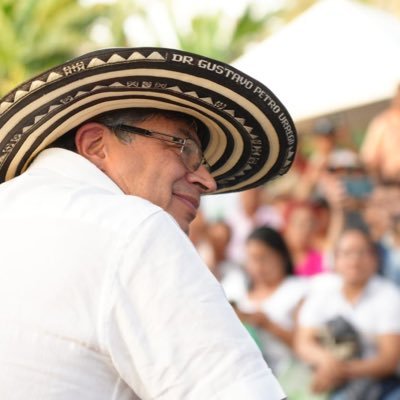
The mayor of Santa Marta and Abelardo have decided to move the seawater desalination plant to potable water that would serve more than 500,000 people from the northern part of the city to the Colorados wells sector in the south, where the major hotel industry and real estate speculation for money laundering are located. The hotel industry could build the desalination plant itself for its clients. Using public money for the richest and the mafia owners, who do not even live in the region, the owners of large hotel chains, and distancing the population from drinking water, which would have to be pumped from afar making it expensive, is what strengthens violence in Santa Marta. Mayor Pinedo abused my trust, deceives the people, does not explain his friendly embrace and partnership with the leaders of the paramilitary "Conquistadores de la Sierra," who are also political partners of Abelardo. Without the traditional political leaders of Santa Marta, Riohacha, and Barranquilla as friends and partners of the extortionist gangs, violence grows and impoverishes the region. I made Santa Marta the city with the highest percentage of population rising out of poverty in all of Colombia, you Pinedo and Abelardo are sinking it in blood. I left the studies completed for the desalination plant for the northern and popular area of Santa Marta, only lacking the awarding of the construction contract, I fully financed the plant with future resources, starting from this year. The megadrought is already here which should speed up phases, as well as accelerate land reform and the delivery of fertile lands to farmers, but they play with pistols with their betrayed friends because they know too much, and they kill innocent people or imprison them to pretend. Build the desalination plant where the poor are, create the public megadata center and let the gringos kneel, expand public and free university education, hand over the lands we acquired to farmers and Indigenous people and you will see how tourism returns and violence ceases. What happened? If Santa Marta loses the public mega data center to be a neural node of the global high-capacity computational networks, if they slow down the budget growth to expand the public and free university of Magdalena, if the partner of alias "Barbie" and Jorge 40 suspends land reform, if there is no drinking water for the cities of Magdalena, the only thing they will do is repeat the slaughter of the banana plantations and Pueblo Viejo and make alias "Jorge 40" or his descendants eternal governor. (translated)

The Prime Minister of Bangladesh called for the safe and swift return of more than 1.2 million Rohingya refugees to Myanmar, highlighting the unsustainable pressure on the country's resources and the precarious conditions they live in at the Cox's Bazar refugee camps. (translated)

Bangladesh quer o regresso de 1,2 milhões de refugiados

🚨 The government accelerates a "rescue" plan of up to R$ 20 billion for Brazilian clubs. The Federal Government and clubs are negotiating a plan to pay debts with BNDES FINANCING. The idea has been discussed for months. The proposal provides for a CREDIT LINE of up to R$ 20 billion for clubs and SAFs, with lower interest rates, to replace expensive debts with cheaper loans. The funds would come from the financial surplus of 2025. Banks would grant the loans and assume the credit risk, instead of the Union. The money could pay labor debts and image rights; debts with the Revenue Service, INSS, and FGTS; bank loans and civil debts; in addition to financing infrastructure for youth categories. Current salaries, hiring, day-to-day expenses, and profits or dividends for SAF owners would be excluded. Misuse of the funds or delays in installments would advance the debt's maturity and exclude the club from the program. The deadline for paying off the loans would be up to 20 YEARS, with a grace period of 2 years. The presented forecast is a LOSS OF UP TO R$ 1 BILLION PER YEAR only in sponsorships if betting ends, something that most clubs are AGAINST. There would also be impacts on advertising boards, on TV advertising that buys broadcasting rights, and on the naming rights of championships. (translated)

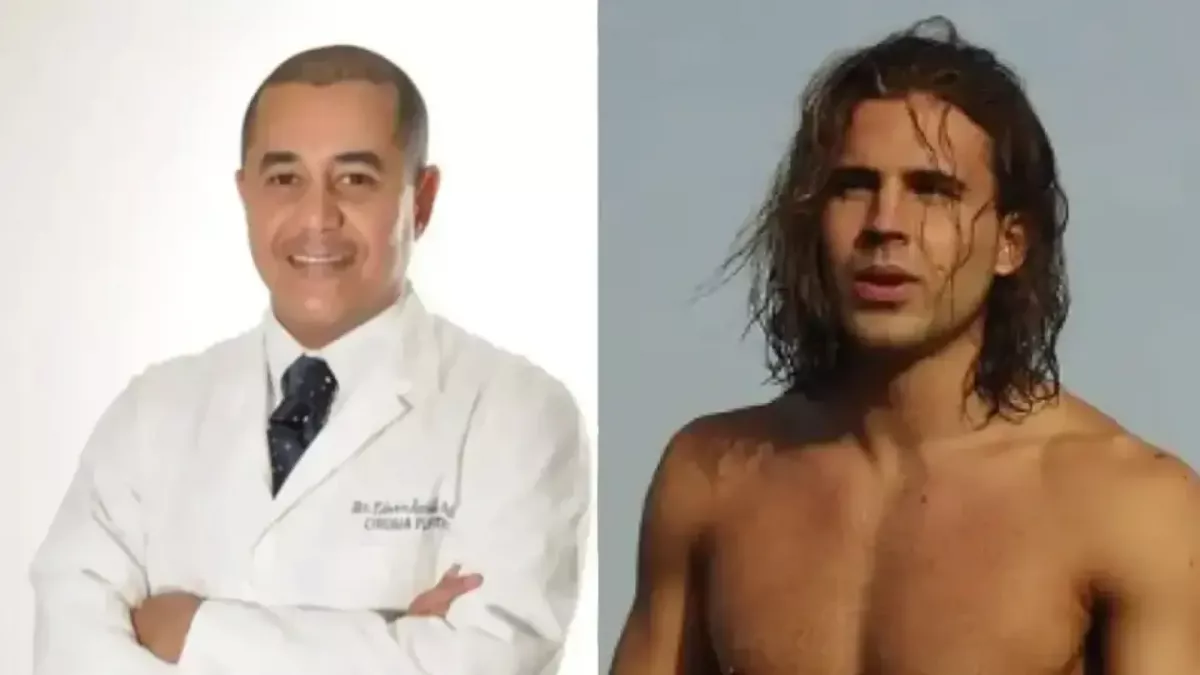
The family of Edwin Arrieta has concluded its legal battle following the confirmation of life imprisonment for Daniel Sancho for the premeditated murder of Arrieta, while Sancho's defense continues to disagree with the ruling and is evaluating possible appeals. (translated)

La familia de Edwin Arrieta da por cerrado el caso mientras que la defensa de Daniel Sancho "no está de acuerdo con la resolución"

$157 million in public money, Wi-Fi hotspots with inconsistent addresses, and an investigation into a possible misappropriation of resources to finance "Dark Horse," the movie about Jair Bolsonaro. Intercept found new issues in the contract between the São Paulo City Hall and the institute run by Karina Ferreira da Gama, owner of the film's production company. Do you have information about this story? Contact reporter Laís Martins via Signal: @laisfm.02 (translated)