Four astronauts from the USA, Canada, and Russia departed for the International Space Station aboard SpaceX's Falcon 9 rocket, where they will stay for about six months. (translated)

Four astronauts from the USA, Canada, and Russia departed for the International Space Station aboard SpaceX's Falcon 9 rocket, where they will stay for about six months. (translated)

The Falcon 9 rocket from SpaceX was launched today with four astronauts towards the International Space Station (ISS), where they will remain for about six months, achieving an expected arrival in a record eight hours despite weather difficulties. (translated)
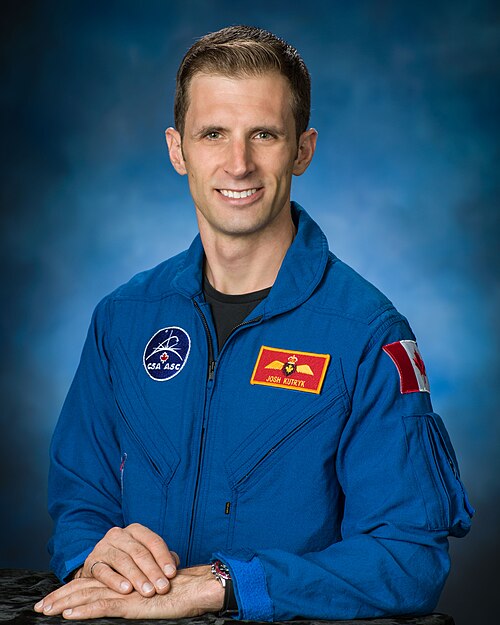
"We feel like one of the happiest people in the world," said Kutryk before the launch, who will become the fourth man to become a father while in Earth's orbit. (translated)
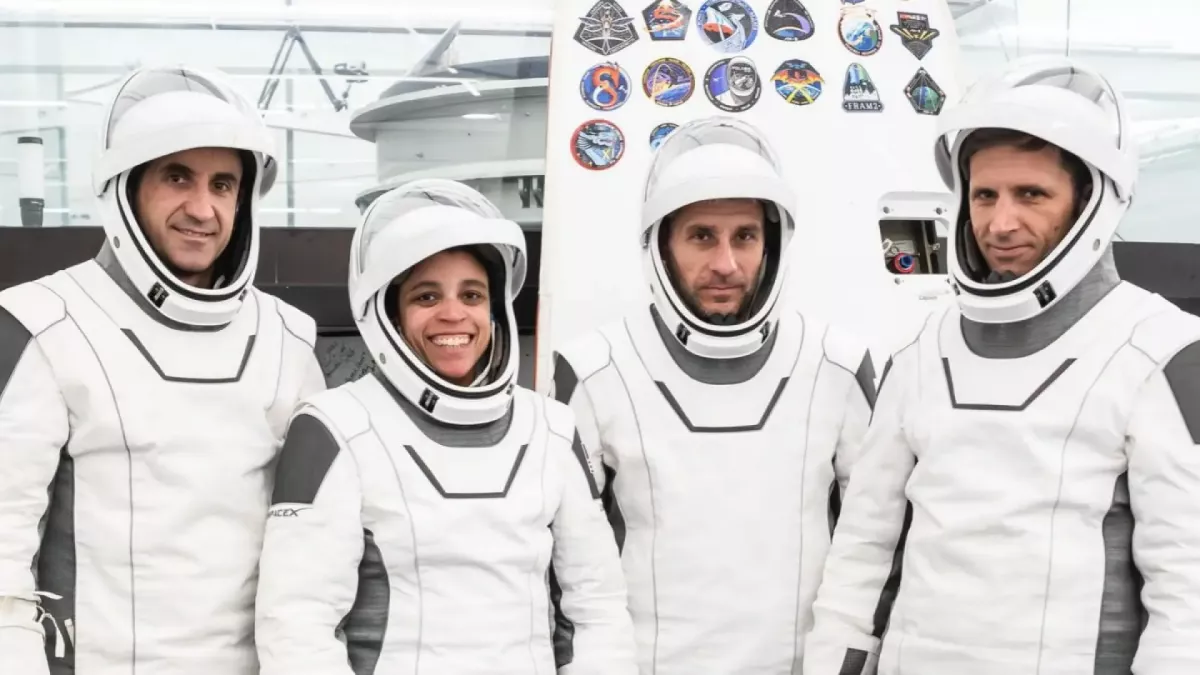
The new four-member crew of the Crew-13 mission, led by NASA astronaut Jessica Watkins, launched from Florida for a six-month stay at the International Space Station with the goal of conducting biomedical and research experiments. (translated)

The SpaceX rocket launched from Florida and sent three American astronauts, one Canadian astronaut, and a Russian cosmonaut into space, who will spend six months at the International Space Station as part of the Crew-13 mission. (translated)

SpaceX launched four astronauts on Thursday, including the first Black woman to lead a crew in orbit, on a six-month mission to the International Space Station, promising a record flight of just eight hours. (translated)
Chaos Rising in the information space. Starting to feel like you have no idea what is going on..? There’s going to be a whole lot of this as the crisis hits. 🎪 https://t.co/tYEf9nWYyz #Chaos #Crisis #Information #Nocountrycodesfound.
🤝 Azerbaijan on a way to become new regional AI superstar with @SpaceXAI and @Grok to support transformation 🇦🇿 🚀 Acording to Memorandum of Understanding, signed by Azerbaijan's Ministry of Digital Development and Transport Rashad Hasanov and Dustin Yelinek, SpaceXAI parties https://t.co/dYuJC5Tlby #Azerbaijan #AI #SpaceX #AZ
Four astronauts are scheduled to fly today to the International Space Station on SpaceX's Crew-13 mission, which will attempt to set a record by making the trip in less than eight hours. (translated)

I was really curious to know the official explanation from MBL and the first impression is horrible, as it already starts with an easily verifiable lie. I haven't watched the entire podcast yet, but in this excerpt here, Arthur is objectively lying. The case 1505278-93.2026.8.26.0454 is accessible to any lawyer. I was able to access it through mine and asked her to explain it to me. The case is NOT about Nazism and the profile The Phallic Man is NOT among the accused! In fact, it is exactly the OPPOSITE! The legal group of MBL says NOT TO INVESTIGATE Phallic Man because they already knew he was Emanuel and even say that he is with the movement! The reported profiles are: - Ian Lucas - Robberbaron - Hansa And the police report is for extortion, absolutely NOTHING TO DO with Nazism! If there really is a request for investigation into Nazism regarding the Phallic Man profile by MBL, this document has simply never been presented, at least as far as I know. The only document I know that talks about him is this one, and it seems to be the one Arthur is talking about because he cites the fact that the document identifies Phallic Man as Emanuel. “If Phallic Man was not accused, why is he in the document?” Because there were records of interaction between him and some investigated profiles, including participation in Spaces, and that is why the legal group of MBL appears to clarify that there is no need to worry about him because he is with MBL. In other words, the document that Arthur uses as “evidence” that they are not with the guy because they reported him actually proves exactly the opposite, that they did not want to report the guy because they are together! Arthur says in the podcast “don’t believe me, you can research” - but he knows that the party’s supporters will not research anything and will only repeat the lie. Those who really research will see that he is inverting reality. It's concerning that they are lying dramatically about something so serious. (translated)
"y creo que si esa es tu presentación de Elon, no es buena, porque es alguien que puede ser grosero, insultante, que pasa por encima de la gente""Dos magnates de enorme éxito enzarzándose a puñetazos", los retrata Davenport, en una "riña entre colegiales" que arrancó en 2013 con la pugna por la plataforma 39A del Centro Espacial Kennedy, la del Apolo 11, y "degeneró en una poco decorosa trifulca sobre el tamaño y la velocidad de los cohetes". #MuskVsBezos #CarreraEspacial #SpaceX
The article analyzes the intense rivalry between Elon Musk and Jeff Bezos in the field of space exploration, describing it as a personal and technological conflict where Musk has used insults and provocations towards Bezos over the years. (translated)

Sąd Rejonowy w Lipsku skazał 26-letniego kierowcę na pięć lat pozbawienia wolności za wjechanie samochodem w trzyosobową rodzinę spacerującą poboczem drogi w Woli Soleckiej na Mazowszu. W wypadku zginęli ojciec i jego 15-letnia córka, a matka trafiła do szpitala z ciężkimi #tragedia #bezpieczeństwo #prawo #PL
The driver who crashed into a family while they were walking was sentenced to prison and a 5-year driving ban, and the tragic incident took place in February 2024 in Wola Solecka. (translated)
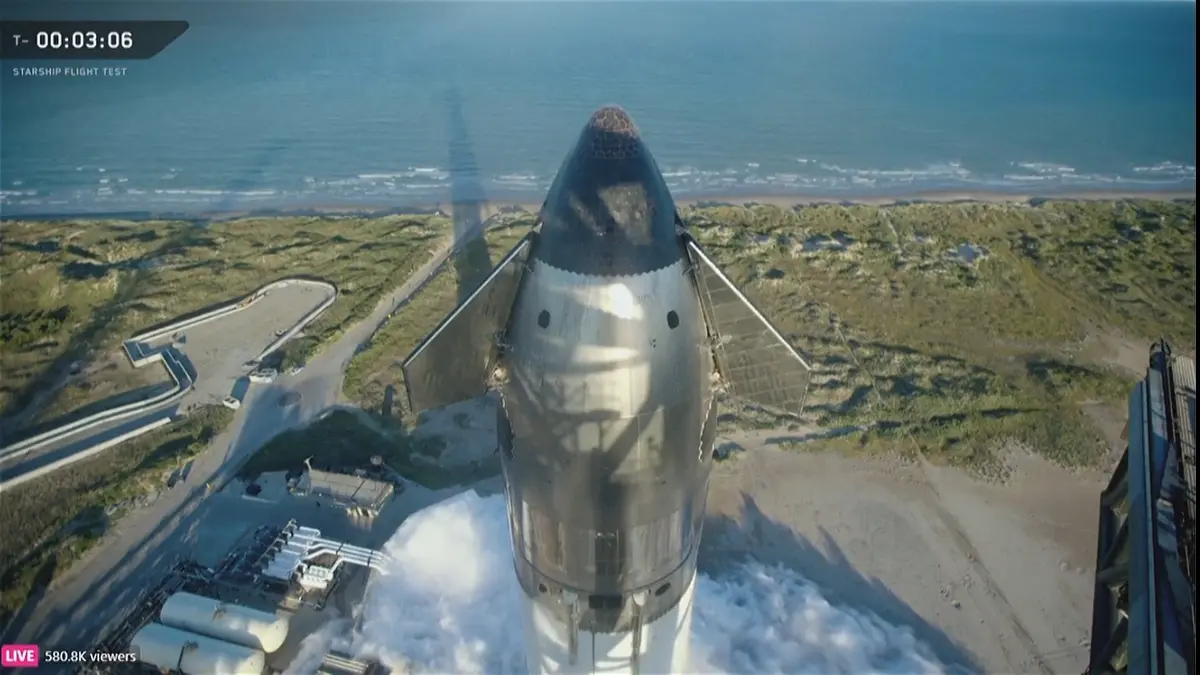
An engine failure during the 14th test flight of the SpaceX rocket Starship could jeopardize NASA's timeline for future moon missions, although the spacecraft reached Earth orbit and was able to successfully deploy commercial satellites. (translated)

The District Court in Leipzig sentenced a 26-year-old driver to five years in prison for driving a car into a family walking along the roadside, resulting in the death of the father and his 15-year-old daughter, while the mother suffered serious injuries. (translated)
The documentary "Musk, Bezos and the others in the conquest of Mars" highlights the ecological cost of "New Space," revealing the harmful consequences of massive satellite launches on the environment, pollution, and the proliferation of space debris. (translated)

Tragiczny spacer ojca z pięcioletnią córką Amelką zakończył się jej śmiercią po przygnieceniu przez przewrócone ogrodzenie, a mężczyzna został postawiony przed prokuratorem w związku z incydentem. #Lipno #tragedia #dzieci
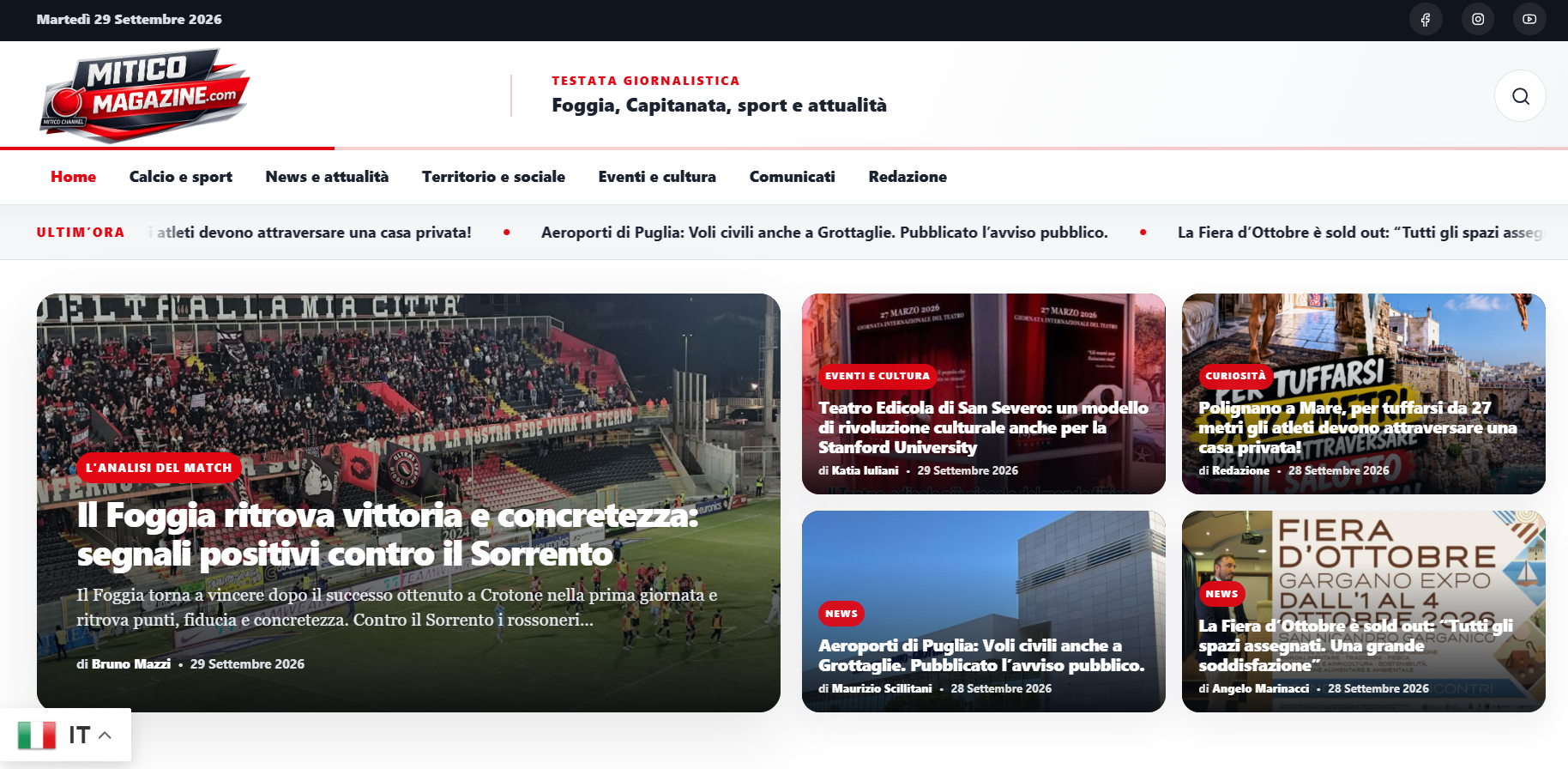
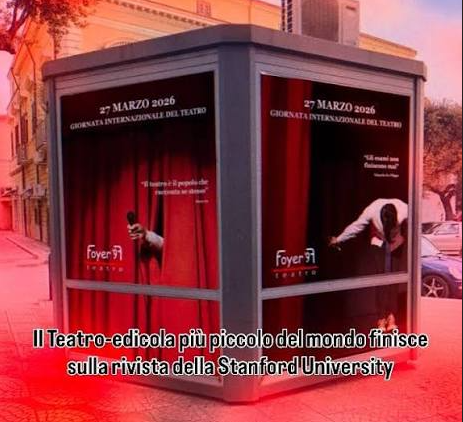
Mitico Magazine - The Teatro Edicola of San Severo: A Model of Cultural Revolution for Stanford University as Well Source: https://www.miticomagazine.com/territorio-e-sociale/teatro-edicola-di-san-severo-un-modello-di-rivoluzione-culturale-anche-per-la-stanford-university/ The Teatro Edicola in Via Tondi In San Severo, a singular metamorphosis has taken place: a newsstand abandoned for at least six years has found a new function and a new identity, transforming into one of the smallest and most unusual theatre stages in the world. An experiment born in the heart of the town which, in just a few months, has moved beyond local boundaries, attracting attention even overseas. It is called Teatro Edicola and it is a project conceived by the company Foyer '97, artistically directed by Francesco Gravino, which has brought the old newsstand in Via Tondi back to life through a formula that is both essential and surprising. Foyer '97 Foyer '97 APS was established as a formally constituted association active in the cultural sector in San Severo in 1997, born from the vocation of a group of actors, directors and theatre enthusiasts, with the aim of building a "living" and accessible theatre in the town. Over the years the company has developed a repertoire that includes texts from the classical tradition, contemporary dramaturgy, comedy and experimental projects, not limiting itself to the mere production of theatre shows, but also organising theatre courses and workshops and educational and cultural projects characterised by a strong inclusive ethos, particularly in schools. Foyer '97 does not always have a fixed artistic ensemble, but works with different performers and collaborators depending on the project; the only indispensable presence is that of Francesco Guido Gravino himself, actor, director and artistic director of the theatre company. The distinctive feature of Foyer '97 is certainly the value of social and cultural promotion attributed to theatre, the extremely close relationship with the audience and the search for a type of theatre outside conventional spaces, with cemeteries, trains, bell towers, and now a newsstand, as its backdrop. Six spectators, a few minutes and a minimal distance between stage and audience The project was launched on 27 March 2026, on the occasion of World Theatre Day, offering a theatrical experience built around a radical reduction of the conventional spaces and times of performance. The idea was born not only from the search for unconventional spaces, but also from "Edicola Fiore", the morning press review with a strongly ironic tone presented by Rosario Fiorello and Stefano Meloccaro, which was broadcast first only on Fiorello's social channels between 2011 and 2014, and then also on radio and television between 2016 and 2018. The review took its name from the diminutive of its founder, Fiore, and from the newsstand of a friend of Fiorello's in Via Flaminia Nuova in Rome, where the showman would meet early in the morning with a group of friends to read the newspapers. The San Severo newsstand was granted free of charge by its owner Pino Frau to the theatre group which, after obtaining temporary authorisation and institutional support from the Municipality of San Severo, refurbished it within two weeks at a cost of less than €3,000. Just six seats, a total surface area of 4 sq m, of which only 2 are for the stage area, less than a metre between actors and audience, a curtain, a lectern, two lights, performances lasting between 5 and 15 minutes, audience rotation every quarter of an hour: apparently minimal elements that end up subverting the usual relationship between stage and auditorium. Spectators, in fact, find themselves immersed in the stage action, in such proximity to the actors that every gesture, expression and word becomes immediately perceptible. In this way, theatre abandons its traditional spaces and insinuates itself into the everyday life of the street, becoming an intimate, concentrated and almost participatory experience. During the inaugural period admission was free with a subsequent voluntary donation from spectators; in the event of a more stable and longer-term concession, which could lead to seasonal theatre performances, the proposed ticket price would be €5. Audiences reward the experiment Foyer '97's gamble met with public interest right from the start: over 60 people attended the shows in a single afternoon, while the three days that inaugurated the season sold out. From a singular local experiment, the Teatro Edicola thus began to arouse curiosity even outside the province of Foggia, gradually transforming into a case of cultural and social interest, until it reached the American continent. From the province of Foggia to the "Stanford Social Innovation Review" The San Severo experience has now come under the international spotlight: in September 2026, the Stanford Social Innovation Review, an international journal and platform dedicated to social innovation published by the Stanford Center on Philanthropy and Civil Society at Stanford University in California, published on its website and in the Fall 2026 print edition the reportage "The Six-Seat Revolution", written by Dr Luciano Magaldi Sardella, independent journalist and researcher affiliated with the European Open University, and editorially supervised by deputy editor David V. Johnson. In the article, it is argued that the Teatro Edicola attracted attention overseas because the project concentrates cultural innovation, urban regeneration and proximity theatre into just a few square metres: starting from a real urban problem, it recovers an abandoned place with a modest investment, brings performance directly into public space and experiments with a much closer relationship between actors and spectators. From the point of view of theatrical representation, it also highlights how the format, based on micro-stories of five to twelve minutes, taken from great classics such as Goldoni, Chekhov, Ibsen, Euripides and Benni, and on audience rotation every fifteen minutes, transforms the physical limitations of the space into a precise dramaturgical choice, proving to be extremely innovative. All of this makes it possible to address some of the main critical issues in the sector: falling audience numbers, an exclusively elderly audience, reduced resources and distance from traditional cultural venues. The journal also highlights, however, the potential problems: economic sustainability, the need for stable institutional support and the difficulty of replicating the model, which is closely linked to the community and territory of San Severo. A model looking beyond San Severo Despite the difficulties, initial requests for information have already arrived from Lucca and Rome, where there is curiosity about the possibility of getting to know the model more closely and the steps needed to replicate it. The replicability formula, in fact, does not seem to require particularly costly infrastructure: an unused space, a targeted intervention, a cultural idea, in-depth knowledge of the surrounding area and a willingness to return that place to the community can be enough to trigger a new urban function. It is precisely in the disproportion between the modesty of the resources employed and the resonance generated by the initiative that perhaps the most original feature of the Teatro Edicola lies, certainly unique of its kind; there are, however, other examples in Italy of newsstands reused for other purposes: "Edicola 518", a twentieth-century kiosk abandoned in the centre of Perugia, now dedicated to independent publishing, art and cultural production; and in Rome itself, the abandoned newsstand in Piazza Testaccio used temporarily as a stage for a show by Fabio Morgan and the Erno newsstand in the Prati district, which almost every month offers a calendar of events, exhibitions, pop-ups and collaborations with artists and creative enterprises. Small revolutions, therefore, that tell stories of the reappropriation of urban spaces, of creativity and social innovation. And which, it is hoped, will take root in order to look ever further afield.

Mitico Magazine - The Teatro Edicola of San Severo: A Model of Cultural Revolution for Stanford University as Well Source: https://www.miticomagazine.com/territorio-e-sociale/teatro-edicola-di-san-severo-un-modello-di-rivoluzione-culturale-anche-per-la-stanford-university/ The Teatro Edicola in Via Tondi In San Severo, a singular metamorphosis has taken place: a newsstand abandoned for at least six years has found a new function and a new identity, transforming into one of the smallest and most unusual theatre stages in the world. An experiment born in the heart of the town which, in just a few months, has moved beyond local boundaries, attracting attention even overseas. It is called Teatro Edicola and it is a project conceived by the company Foyer '97, artistically directed by Francesco Gravino, which has brought the old newsstand in Via Tondi back to life through a formula that is both essential and surprising. Foyer '97 Foyer '97 APS was established as a formally constituted association active in the cultural sector in San Severo in 1997, born from the vocation of a group of actors, directors and theatre enthusiasts, with the aim of building a "living" and accessible theatre in the town. Over the years the company has developed a repertoire that includes texts from the classical tradition, contemporary dramaturgy, comedy and experimental projects, not limiting itself to the mere production of theatre shows, but also organising theatre courses and workshops and educational and cultural projects characterised by a strong inclusive ethos, particularly in schools. Foyer '97 does not always have a fixed artistic ensemble, but works with different performers and collaborators depending on the project; the only indispensable presence is that of Francesco Guido Gravino himself, actor, director and artistic director of the theatre company. The distinctive feature of Foyer '97 is certainly the value of social and cultural promotion attributed to theatre, the extremely close relationship with the audience and the search for a type of theatre outside conventional spaces, with cemeteries, trains, bell towers, and now a newsstand, as its backdrop. Six spectators, a few minutes and a minimal distance between stage and audience The project was launched on 27 March 2026, on the occasion of World Theatre Day, offering a theatrical experience built around a radical reduction of the conventional spaces and times of performance. The idea was born not only from the search for unconventional spaces, but also from "Edicola Fiore", the morning press review with a strongly ironic tone presented by Rosario Fiorello and Stefano Meloccaro, which was broadcast first only on Fiorello's social channels between 2011 and 2014, and then also on radio and television between 2016 and 2018. The review took its name from the diminutive of its founder, Fiore, and from the newsstand of a friend of Fiorello's in Via Flaminia Nuova in Rome, where the showman would meet early in the morning with a group of friends to read the newspapers. The San Severo newsstand was granted free of charge by its owner Pino Frau to the theatre group which, after obtaining temporary authorisation and institutional support from the Municipality of San Severo, refurbished it within two weeks at a cost of less than €3,000. Just six seats, a total surface area of 4 sq m, of which only 2 are for the stage area, less than a metre between actors and audience, a curtain, a lectern, two lights, performances lasting between 5 and 15 minutes, audience rotation every quarter of an hour: apparently minimal elements that end up subverting the usual relationship between stage and auditorium. Spectators, in fact, find themselves immersed in the stage action, in such proximity to the actors that every gesture, expression and word becomes immediately perceptible. In this way, theatre abandons its traditional spaces and insinuates itself into the everyday life of the street, becoming an intimate, concentrated and almost participatory experience. During the inaugural period admission was free with a subsequent voluntary donation from spectators; in the event of a more stable and longer-term concession, which could lead to seasonal theatre performances, the proposed ticket price would be €5. Audiences reward the experiment Foyer '97's gamble met with public interest right from the start: over 60 people attended the shows in a single afternoon, while the three days that inaugurated the season sold out. From a singular local experiment, the Teatro Edicola thus began to arouse curiosity even outside the province of Foggia, gradually transforming into a case of cultural and social interest, until it reached the American continent. From the province of Foggia to the "Stanford Social Innovation Review" The San Severo experience has now come under the international spotlight: in September 2026, the Stanford Social Innovation Review, an international journal and platform dedicated to social innovation published by the Stanford Center on Philanthropy and Civil Society at Stanford University in California, published on its website and in the Fall 2026 print edition the reportage "The Six-Seat Revolution", written by Dr Luciano Magaldi Sardella, independent journalist and researcher affiliated with the European Open University, and editorially supervised by deputy editor David V. Johnson. In the article, it is argued that the Teatro Edicola attracted attention overseas because the project concentrates cultural innovation, urban regeneration and proximity theatre into just a few square metres: starting from a real urban problem, it recovers an abandoned place with a modest investment, brings performance directly into public space and experiments with a much closer relationship between actors and spectators. From the point of view of theatrical representation, it also highlights how the format, based on micro-stories of five to twelve minutes, taken from great classics such as Goldoni, Chekhov, Ibsen, Euripides and Benni, and on audience rotation every fifteen minutes, transforms the physical limitations of the space into a precise dramaturgical choice, proving to be extremely innovative. All of this makes it possible to address some of the main critical issues in the sector: falling audience numbers, an exclusively elderly audience, reduced resources and distance from traditional cultural venues. The journal also highlights, however, the potential problems: economic sustainability, the need for stable institutional support and the difficulty of replicating the model, which is closely linked to the community and territory of San Severo. A model looking beyond San Severo Despite the difficulties, initial requests for information have already arrived from Lucca and Rome, where there is curiosity about the possibility of getting to know the model more closely and the steps needed to replicate it. The replicability formula, in fact, does not seem to require particularly costly infrastructure: an unused space, a targeted intervention, a cultural idea, in-depth knowledge of the surrounding area and a willingness to return that place to the community can be enough to trigger a new urban function. It is precisely in the disproportion between the modesty of the resources employed and the resonance generated by the initiative that perhaps the most original feature of the Teatro Edicola lies, certainly unique of its kind; there are, however, other examples in Italy of newsstands reused for other purposes: "Edicola 518", a twentieth-century kiosk abandoned in the centre of Perugia, now dedicated to independent publishing, art and cultural production; and in Rome itself, the abandoned newsstand in Piazza Testaccio used temporarily as a stage for a show by Fabio Morgan and the Erno newsstand in the Prati district, which almost every month offers a calendar of events, exhibitions, pop-ups and collaborations with artists and creative enterprises. Small revolutions, therefore, that tell stories of the reappropriation of urban spaces, of creativity and social innovation. And which, it is hoped, will take root in order to look ever further afield.