The BBC's Hugh Schofield is in Paris as a wave of school protests over overcrowded classes and teacher shortages spreads across France. #FranceProtests #StudentRights #EducationCrisis
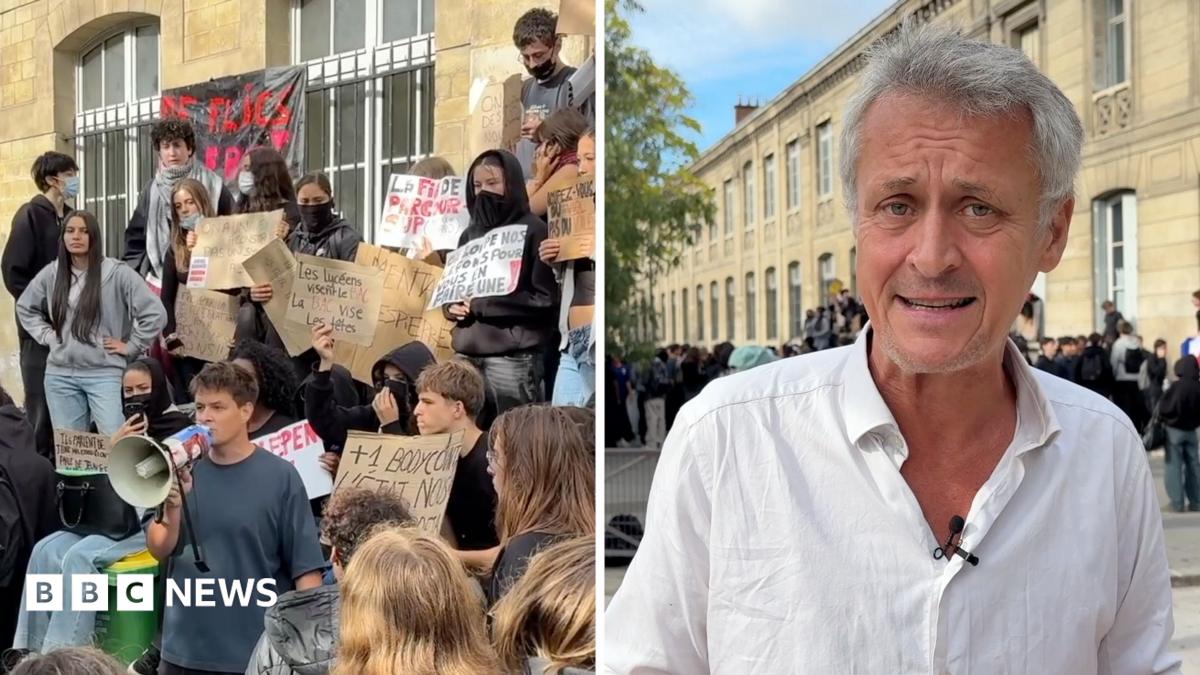
Watch: Why are students protesting at schools in France?
The BBC's Hugh Schofield is in Paris as a wave of school protests over overcrowded classes and teacher shortages spreads across France. #FranceProtests #StudentRights #EducationCrisis
Very inappropriate for the prime minister to label students from a reformed school as people he disagrees with in the very first (also grammatically incorrect) sentence. Does he say that about an Islamic school? No, too afraid. The D66 religious hypocrisy feeds on disdain for Christians. (translated)
Texas schools reported losing 14,200 immigrant kids last year, a 7% drop. The true number is likely higher https://t.co/4yX8SsftHu #Immigration #Education #Texas #US
A piece of fruit. A glass of🥛A visit to a farm➡️These simple experiences can connect children with healthy food & the farmers who produce it. With 143000+ schools already taking part, I want to keep the #EUSchoolScheme strong: mandatory, simpler & adapted to national realities. #HealthyEating #FarmToSchool #NutritionEducation #EU

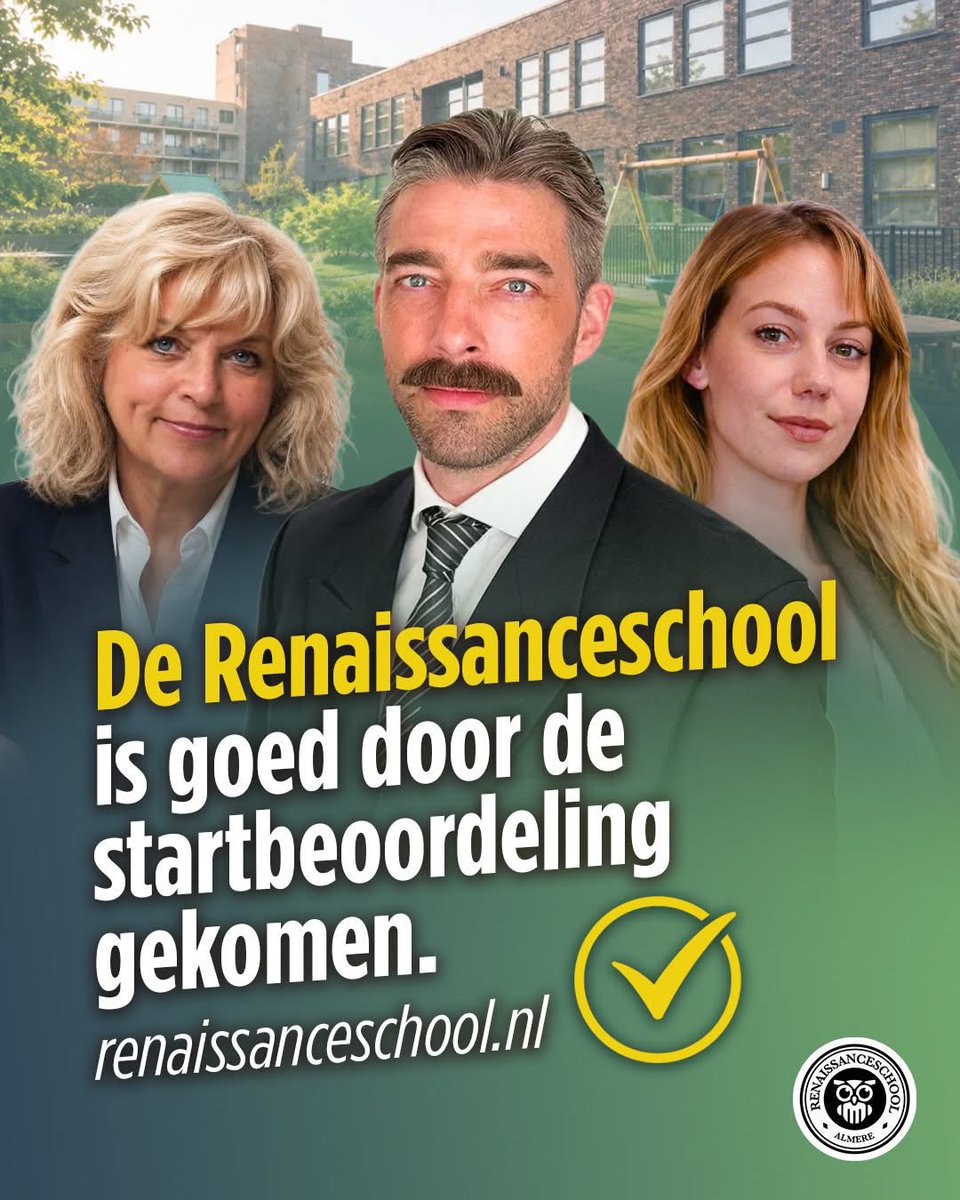
Good news: the Renaissance school has successfully passed the starting evaluation of the Inspectorate. A lot has been said and written about our school recently. We especially like to show in practice what we stand for: good education and children who learn with pleasure! (translated)

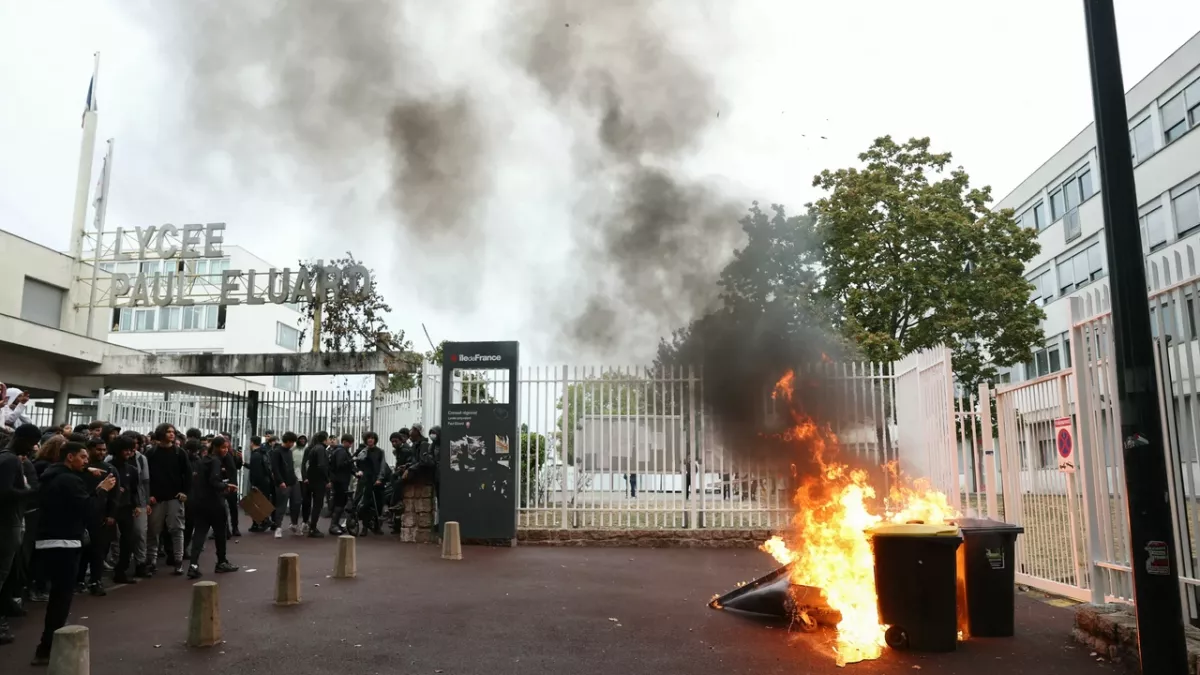
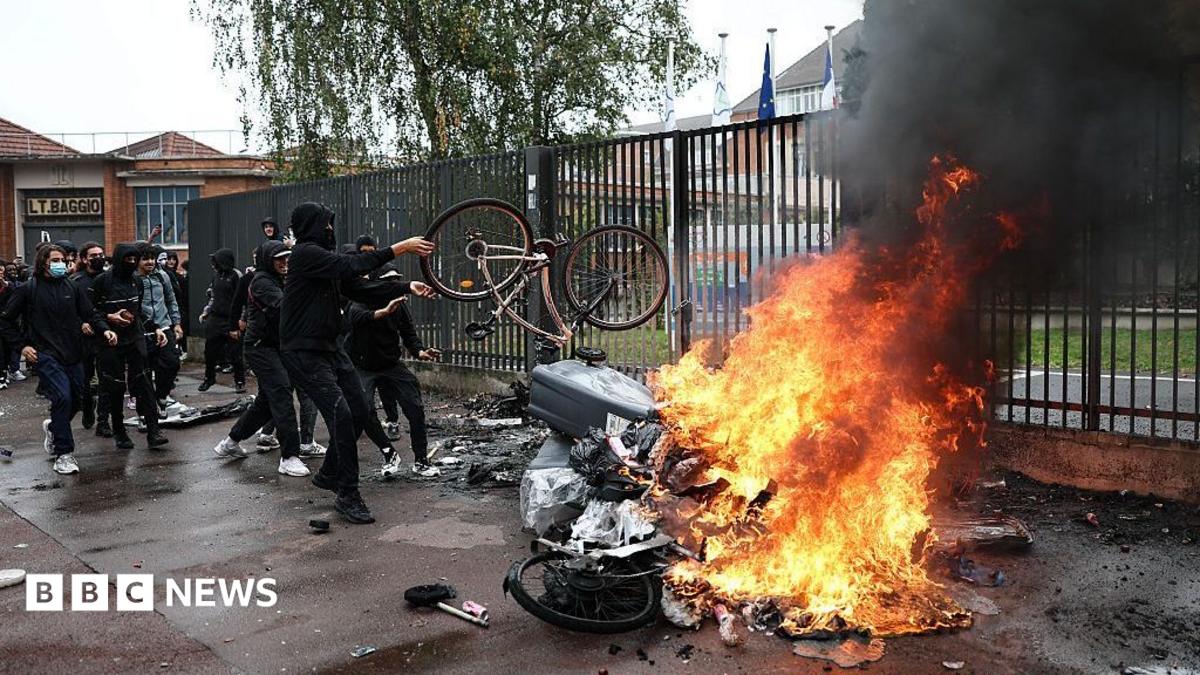
Students continued to protest at schools in France, demanding more resources and better learning conditions, while tensions and vandalism were reported around several schools in Rennes. #StudentProtests #EducationReform #FranceProtests
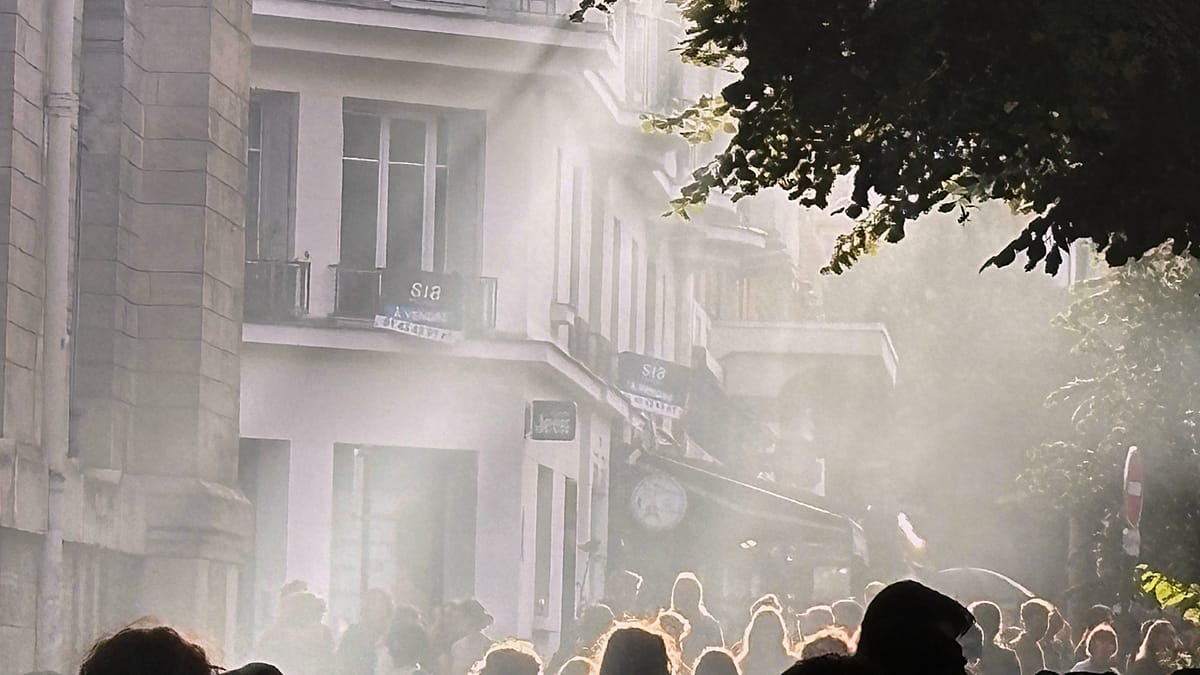

More than 100 people have been injured and hundreds of arrests made during the ongoing French student protests, as demonstrations expand in response to the shortage of teachers and dilapidated school buildings. (translated)
Completely confused. Can we return to the basics with this now ideological and politicized subject? Boys cannot become girls and girls cannot become boys. Period. That we talk about accepting certain behavior is fine. But no biological nonsense in school. (translated)

About the 'social cemetery': So each child (including the 5th) received a starting amount of 1300 EUR? And the monthly amount is 190 EUR, and that could go up to 25 years? In that case, that's 57,000 EUR per child. Also for the 5th. Without social, school, or care allowances, it can almost double. And education is free (costs about 12,000 EUR/year/child). And then we have to provide sandwiches at school 🫣 (translated)
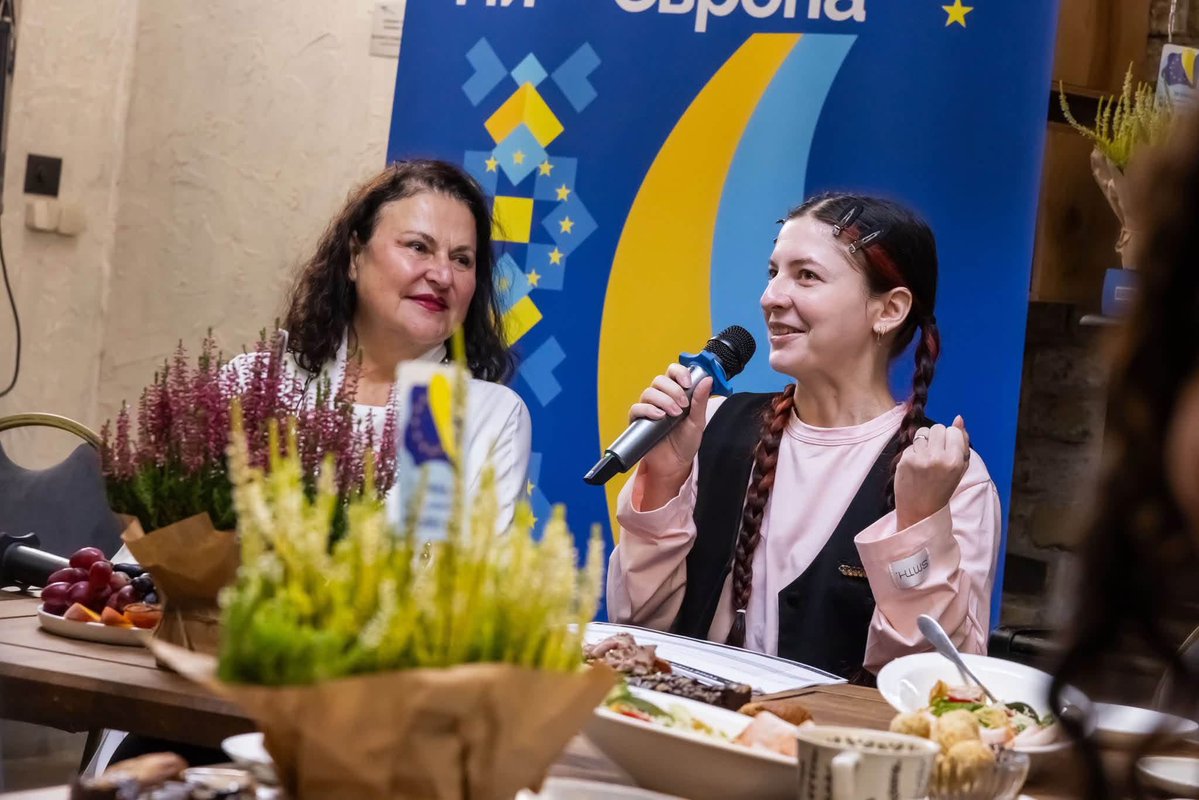
We were having breakfast with teachers from Kyiv schools today when the explosions began around us. Our Women Who Teach the Future event started at 11 a.m. We had chosen a cafe underground - essentially a shelter. In Kyiv, that is how you plan events these days. We were https://t.co/AJfzc7fYmk #Kyiv #Teachers #WomenWhoTeach #UA
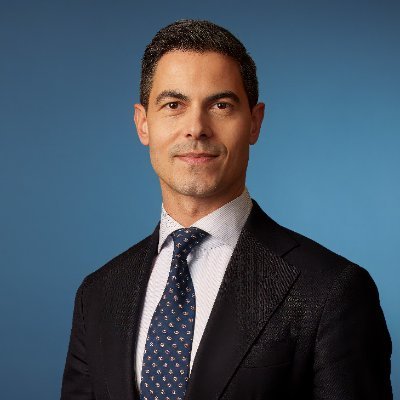
It is sad when children cannot participate because, for example, important items such as clothing, a school bag, or a laptop are unaffordable for their parents. Just as it is unbearable that there are children who do not receive a gift on their birthday or during Sinterklaas. That is why it is so wonderful that initiatives like the Toy and Clothing Bank Foundation and the Every Child a Saint Foundation exist. Today I visited them in Vriezenveen to observe their volunteers. I also spoke with young people in Almelo about their experiences growing up in poverty. Their stories, which they shared as ambassadors of the Children’s Relief Fund, made a great impression. Reducing poverty, and specifically child poverty, is an important priority for the government because everyone should be able to participate. (translated)

«Quello a cui abbiamo assistito negli ultimi mesi è, purtroppo, una classica escalation. Se non adottiamo una forte strategia di deterrenza, la Russia potrebbe decidere di compiere un passo disperato e pericoloso. La sola diplomazia non basta più»Il quotidiano polacco Gazeta Wyborcza ha intervistato un'esperta, la professoressa Katarzyna Pisarska — politologa e docente alla SGH Warsaw School of Economics, esperta di relazioni internazionali e sicurezza transatlantica — che ha avvertito: «Quello a cui abbiamo assistito negli ultimi mesi è, purtroppo, una classica escalation. Se non adottiamo una forte strategia di deterrenza, la Russia potrebbe decidere di compiere un passo disperato e pericoloso. La sola diplomazia non basta più». #Russia #Polonia #Nato
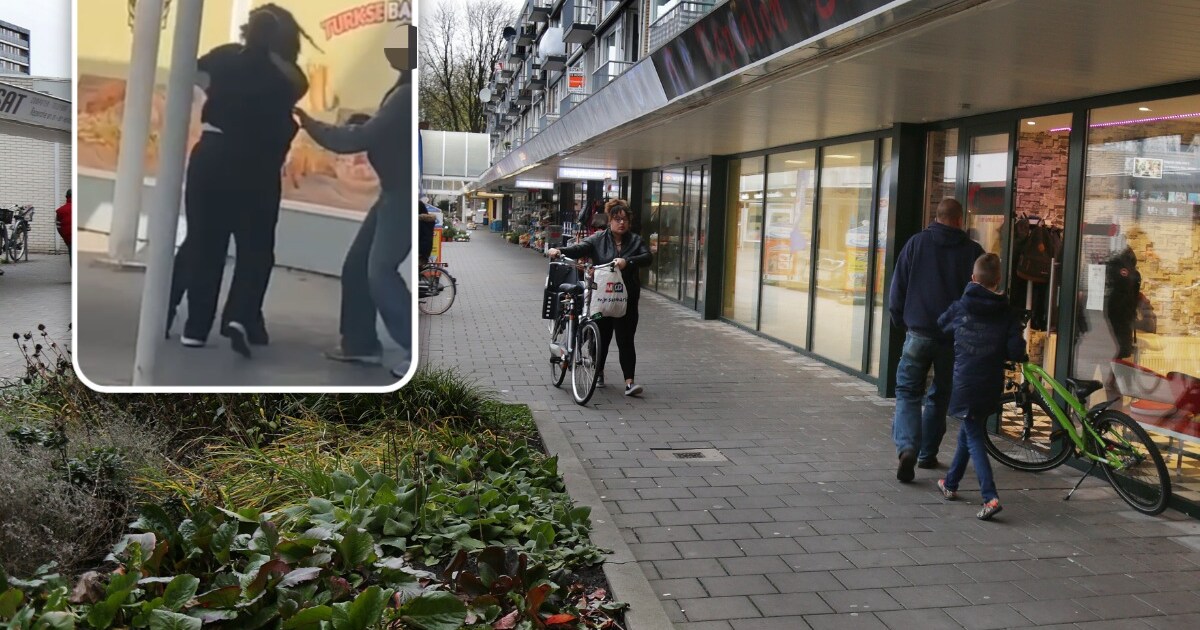
Videos of beaten students are circulating in schools in Zwijndrecht, where girls abuse their peers and demand money under threat of violence, which is causing serious concern for parents and police. (translated)

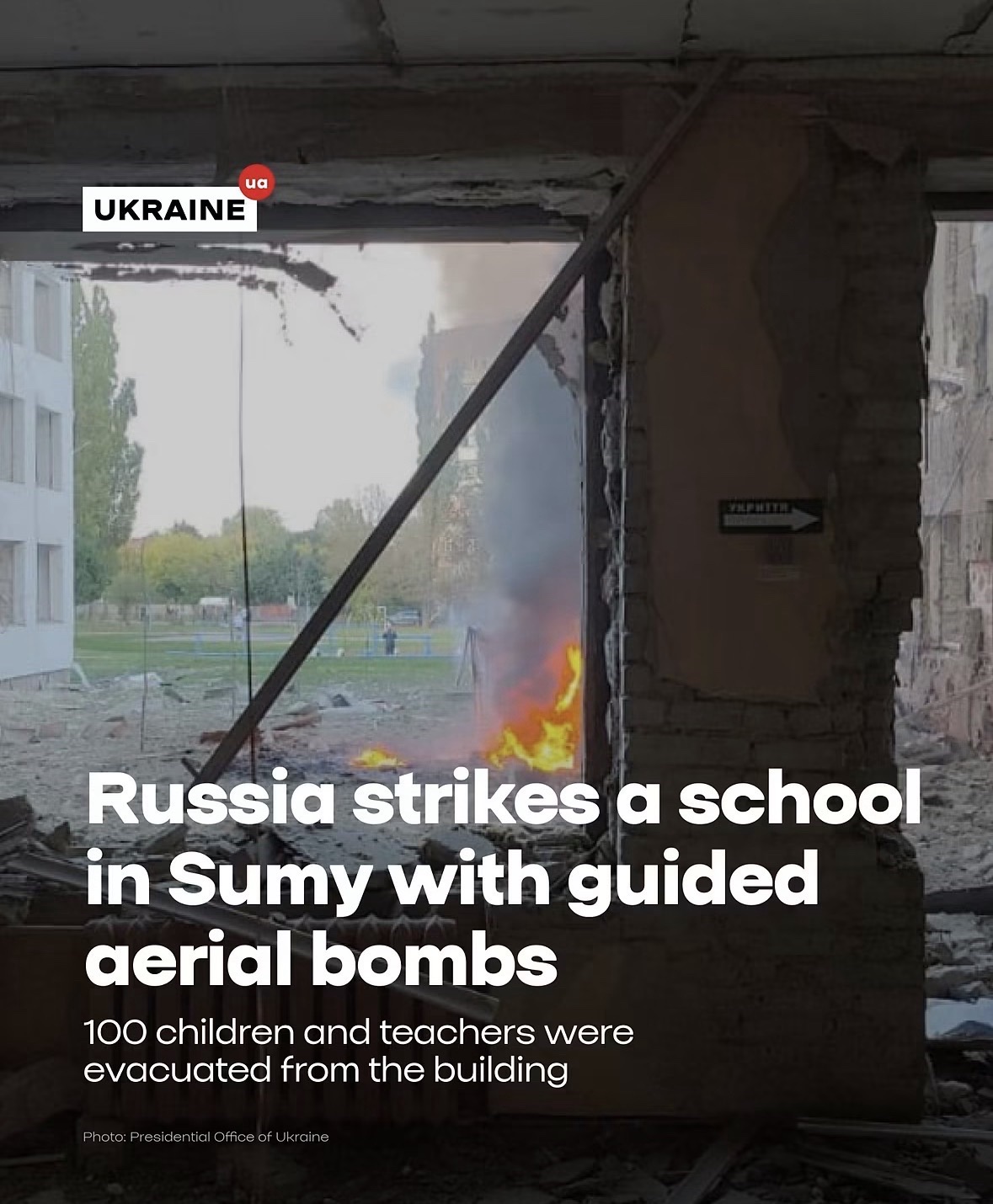
⚡️BREAKING: russia dropped four guided bombs on central Sumy, striking a school during classes and damaging nearby homes. Children and teachers sheltered; 100 people were evacuated. 2 people were killed and 6 injured, including three children. #Ukraine #russiaisaterroriststate
Students have been protesting conditions and resources in high schools since last week. #StudentProtests #FranceEducation #YouthActivism
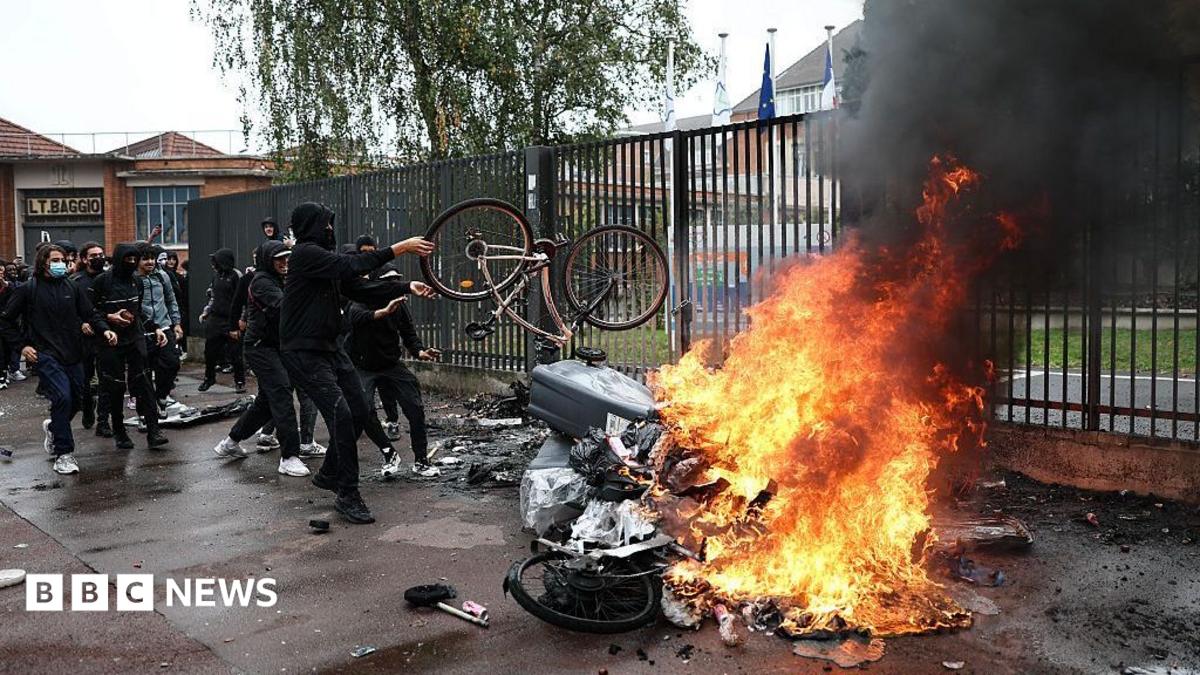
Students have been protesting conditions and resources in high schools since last week. #StudentProtests #France #EducationReform
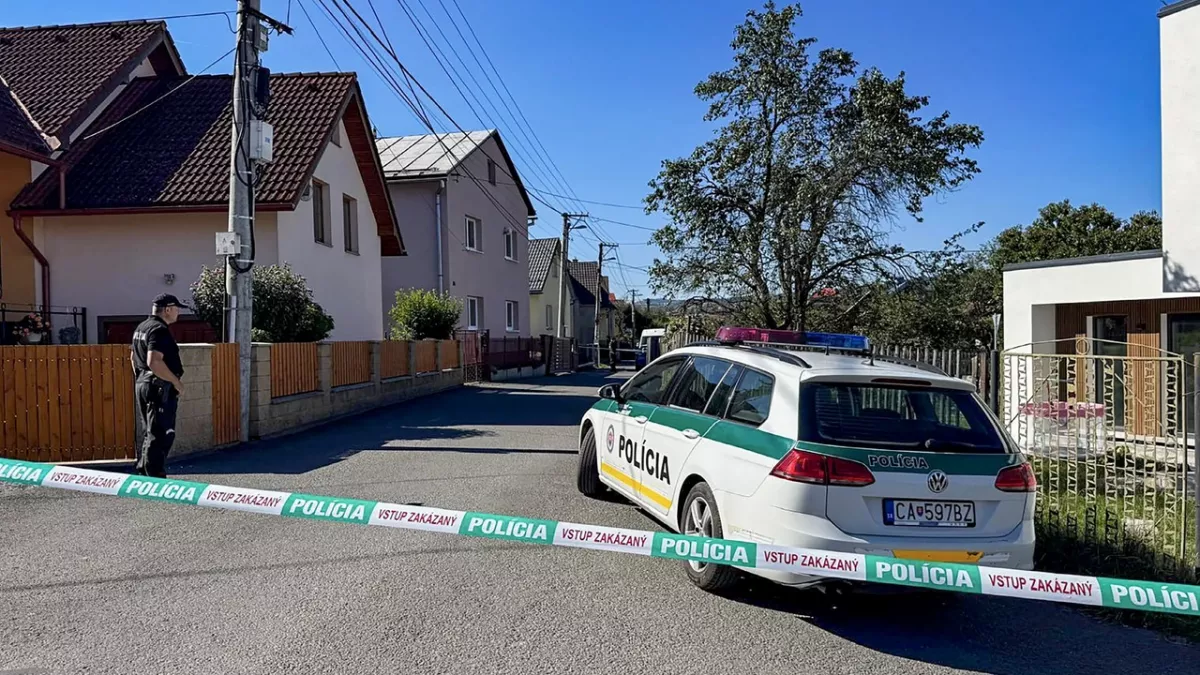
Een 13-jarige jongen heeft op een basisschool in Slowakije zijn 61-jarige juf doodgestoken, waarbij ook twee anderen zwaargewond raakten, en de politie heeft de jongen aangehouden terwijl het motief nog onbekend is. #Slowakije #schoolgeweld #steekpartij
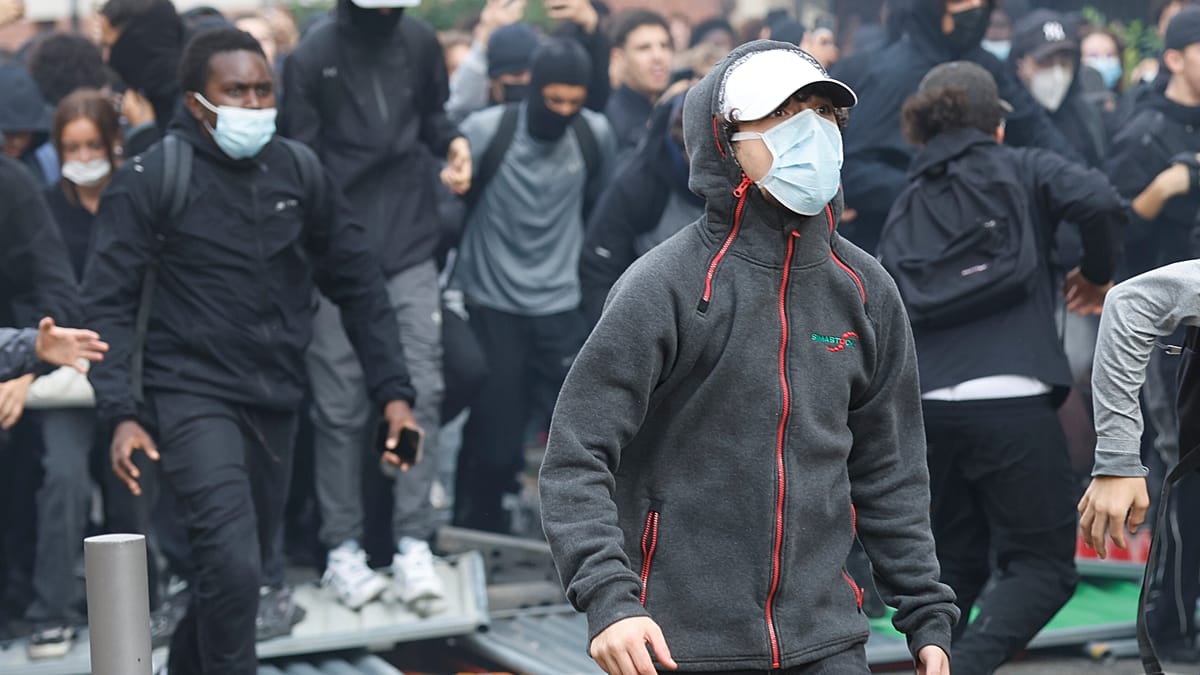
Hundreds of secondary school students blocked school entrances in Rennes and Paris during a national day of action, calling for more staff and funding for education. #StudentProtests #EducationFunding #FranceProtests
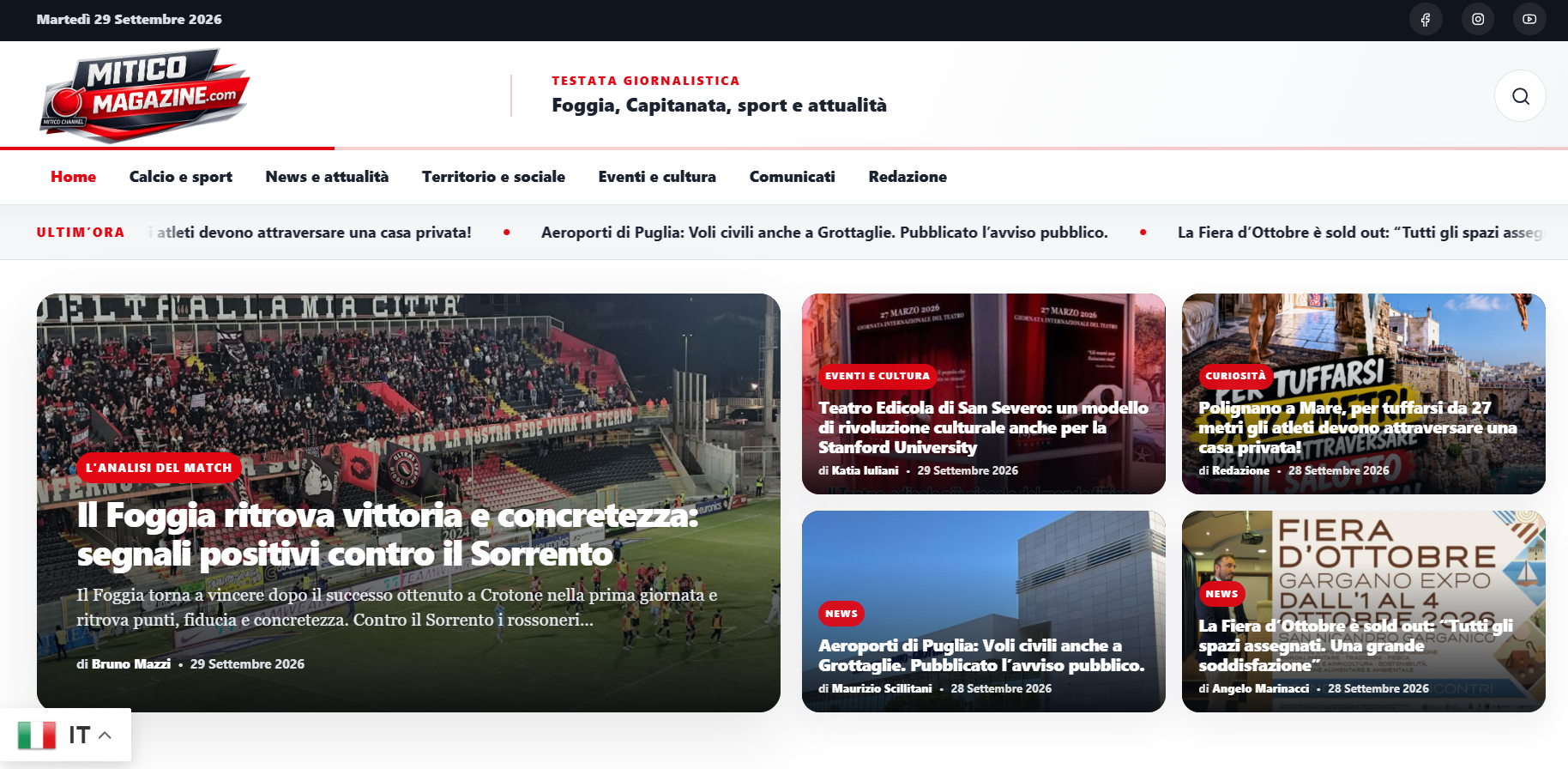
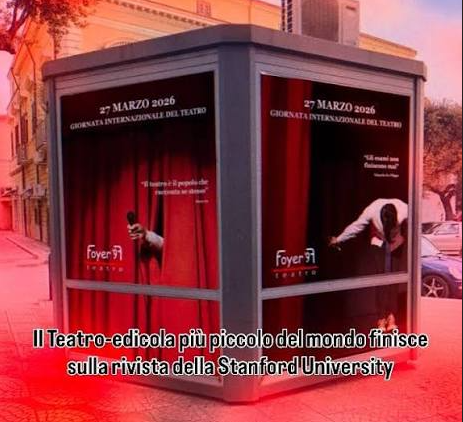
Mitico Magazine - The Teatro Edicola of San Severo: A Model of Cultural Revolution for Stanford University as Well Source: https://www.miticomagazine.com/territorio-e-sociale/teatro-edicola-di-san-severo-un-modello-di-rivoluzione-culturale-anche-per-la-stanford-university/ The Teatro Edicola in Via Tondi In San Severo, a singular metamorphosis has taken place: a newsstand abandoned for at least six years has found a new function and a new identity, transforming into one of the smallest and most unusual theatre stages in the world. An experiment born in the heart of the town which, in just a few months, has moved beyond local boundaries, attracting attention even overseas. It is called Teatro Edicola and it is a project conceived by the company Foyer '97, artistically directed by Francesco Gravino, which has brought the old newsstand in Via Tondi back to life through a formula that is both essential and surprising. Foyer '97 Foyer '97 APS was established as a formally constituted association active in the cultural sector in San Severo in 1997, born from the vocation of a group of actors, directors and theatre enthusiasts, with the aim of building a "living" and accessible theatre in the town. Over the years the company has developed a repertoire that includes texts from the classical tradition, contemporary dramaturgy, comedy and experimental projects, not limiting itself to the mere production of theatre shows, but also organising theatre courses and workshops and educational and cultural projects characterised by a strong inclusive ethos, particularly in schools. Foyer '97 does not always have a fixed artistic ensemble, but works with different performers and collaborators depending on the project; the only indispensable presence is that of Francesco Guido Gravino himself, actor, director and artistic director of the theatre company. The distinctive feature of Foyer '97 is certainly the value of social and cultural promotion attributed to theatre, the extremely close relationship with the audience and the search for a type of theatre outside conventional spaces, with cemeteries, trains, bell towers, and now a newsstand, as its backdrop. Six spectators, a few minutes and a minimal distance between stage and audience The project was launched on 27 March 2026, on the occasion of World Theatre Day, offering a theatrical experience built around a radical reduction of the conventional spaces and times of performance. The idea was born not only from the search for unconventional spaces, but also from "Edicola Fiore", the morning press review with a strongly ironic tone presented by Rosario Fiorello and Stefano Meloccaro, which was broadcast first only on Fiorello's social channels between 2011 and 2014, and then also on radio and television between 2016 and 2018. The review took its name from the diminutive of its founder, Fiore, and from the newsstand of a friend of Fiorello's in Via Flaminia Nuova in Rome, where the showman would meet early in the morning with a group of friends to read the newspapers. The San Severo newsstand was granted free of charge by its owner Pino Frau to the theatre group which, after obtaining temporary authorisation and institutional support from the Municipality of San Severo, refurbished it within two weeks at a cost of less than €3,000. Just six seats, a total surface area of 4 sq m, of which only 2 are for the stage area, less than a metre between actors and audience, a curtain, a lectern, two lights, performances lasting between 5 and 15 minutes, audience rotation every quarter of an hour: apparently minimal elements that end up subverting the usual relationship between stage and auditorium. Spectators, in fact, find themselves immersed in the stage action, in such proximity to the actors that every gesture, expression and word becomes immediately perceptible. In this way, theatre abandons its traditional spaces and insinuates itself into the everyday life of the street, becoming an intimate, concentrated and almost participatory experience. During the inaugural period admission was free with a subsequent voluntary donation from spectators; in the event of a more stable and longer-term concession, which could lead to seasonal theatre performances, the proposed ticket price would be €5. Audiences reward the experiment Foyer '97's gamble met with public interest right from the start: over 60 people attended the shows in a single afternoon, while the three days that inaugurated the season sold out. From a singular local experiment, the Teatro Edicola thus began to arouse curiosity even outside the province of Foggia, gradually transforming into a case of cultural and social interest, until it reached the American continent. From the province of Foggia to the "Stanford Social Innovation Review" The San Severo experience has now come under the international spotlight: in September 2026, the Stanford Social Innovation Review, an international journal and platform dedicated to social innovation published by the Stanford Center on Philanthropy and Civil Society at Stanford University in California, published on its website and in the Fall 2026 print edition the reportage "The Six-Seat Revolution", written by Dr Luciano Magaldi Sardella, independent journalist and researcher affiliated with the European Open University, and editorially supervised by deputy editor David V. Johnson. In the article, it is argued that the Teatro Edicola attracted attention overseas because the project concentrates cultural innovation, urban regeneration and proximity theatre into just a few square metres: starting from a real urban problem, it recovers an abandoned place with a modest investment, brings performance directly into public space and experiments with a much closer relationship between actors and spectators. From the point of view of theatrical representation, it also highlights how the format, based on micro-stories of five to twelve minutes, taken from great classics such as Goldoni, Chekhov, Ibsen, Euripides and Benni, and on audience rotation every fifteen minutes, transforms the physical limitations of the space into a precise dramaturgical choice, proving to be extremely innovative. All of this makes it possible to address some of the main critical issues in the sector: falling audience numbers, an exclusively elderly audience, reduced resources and distance from traditional cultural venues. The journal also highlights, however, the potential problems: economic sustainability, the need for stable institutional support and the difficulty of replicating the model, which is closely linked to the community and territory of San Severo. A model looking beyond San Severo Despite the difficulties, initial requests for information have already arrived from Lucca and Rome, where there is curiosity about the possibility of getting to know the model more closely and the steps needed to replicate it. The replicability formula, in fact, does not seem to require particularly costly infrastructure: an unused space, a targeted intervention, a cultural idea, in-depth knowledge of the surrounding area and a willingness to return that place to the community can be enough to trigger a new urban function. It is precisely in the disproportion between the modesty of the resources employed and the resonance generated by the initiative that perhaps the most original feature of the Teatro Edicola lies, certainly unique of its kind; there are, however, other examples in Italy of newsstands reused for other purposes: "Edicola 518", a twentieth-century kiosk abandoned in the centre of Perugia, now dedicated to independent publishing, art and cultural production; and in Rome itself, the abandoned newsstand in Piazza Testaccio used temporarily as a stage for a show by Fabio Morgan and the Erno newsstand in the Prati district, which almost every month offers a calendar of events, exhibitions, pop-ups and collaborations with artists and creative enterprises. Small revolutions, therefore, that tell stories of the reappropriation of urban spaces, of creativity and social innovation. And which, it is hoped, will take root in order to look ever further afield.