BETA nonprofit public democratic european moderated

Search

#Spectrum
L
Le Soir 1h

The launch of the Spectrum rocket by the German start-up Isar Aerospace represents a significant advance towards European space sovereignty, allowing Europe to compete with SpaceX and ensure independent access to space. (translated)

Avec la fusée Spectrum, l’Europe se lance à la conquête de SpaceX

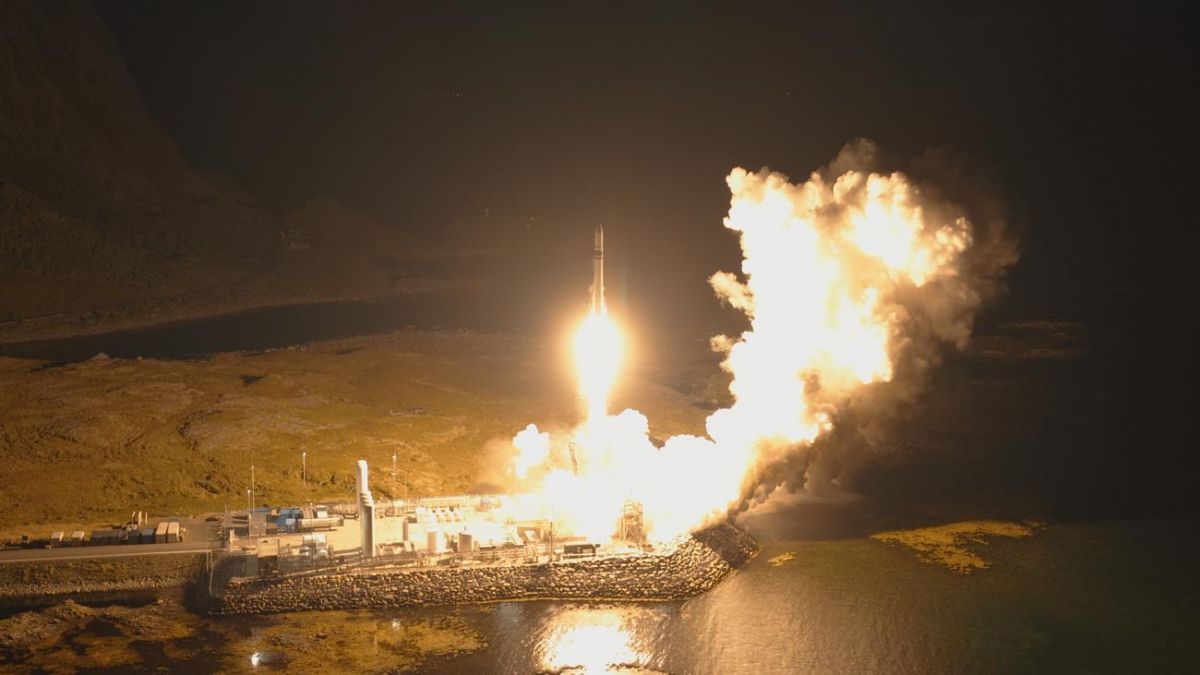
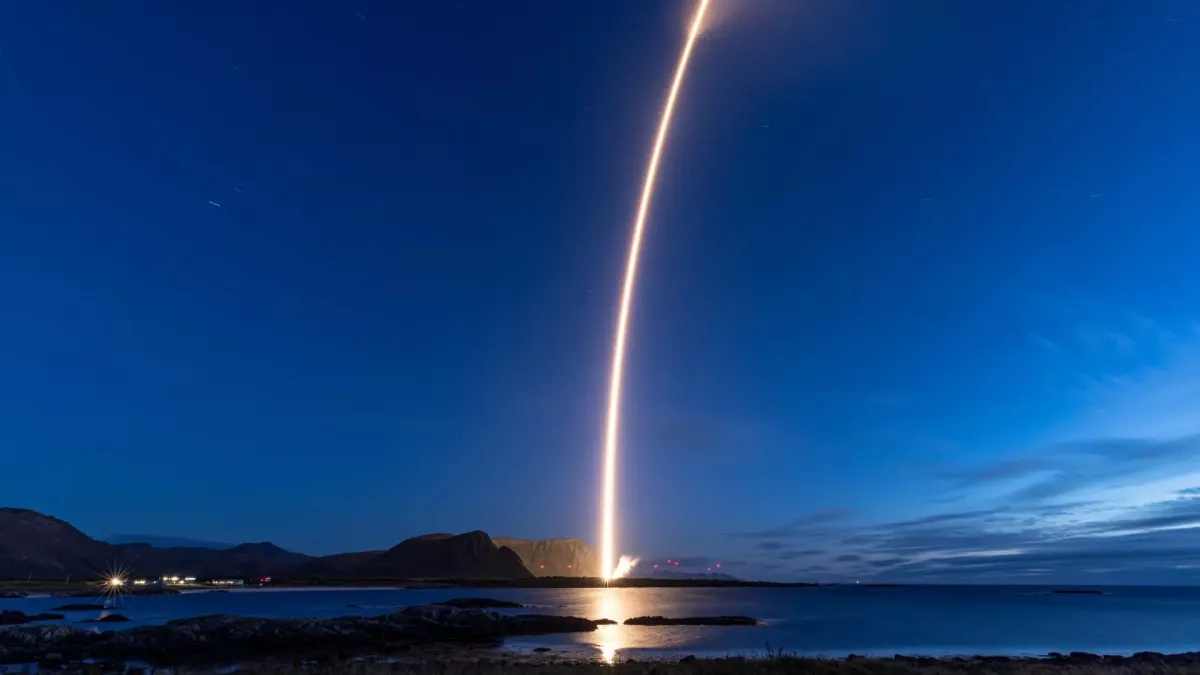
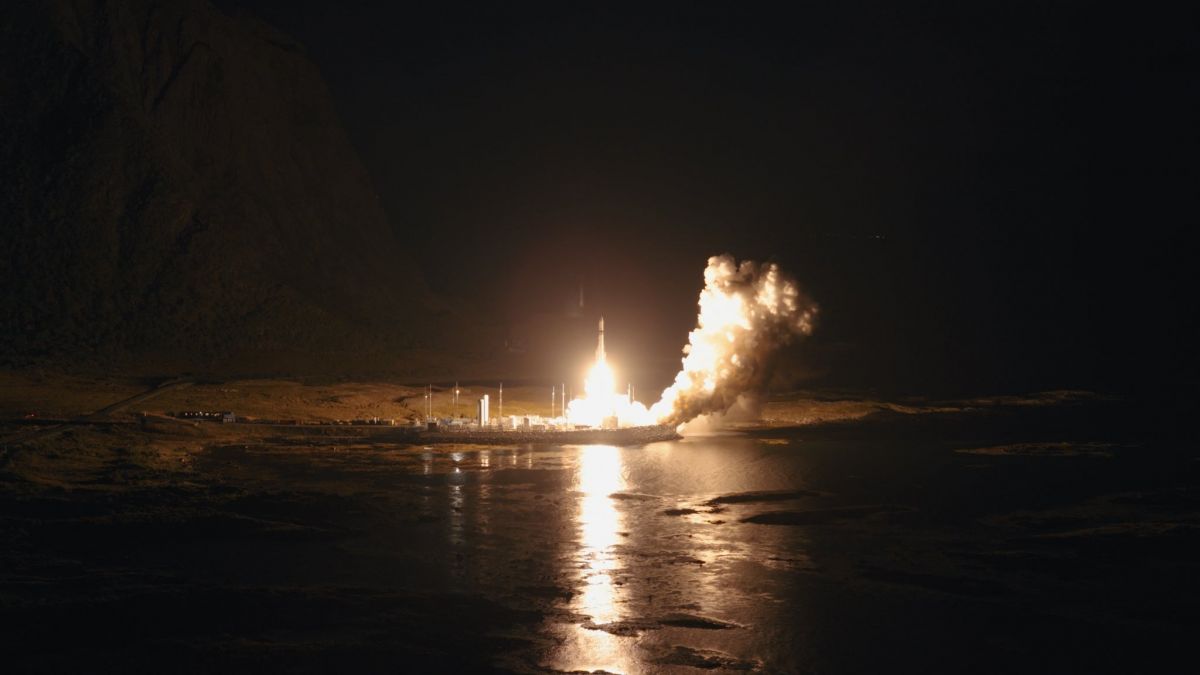
Isar Aerospace from Germany launched its developed rocket Spectrum with its second test from the Annoja cosmodrome in Norway, achieving a historic event as it is the first European company to successfully reach orbit around Earth with its rocket. (translated)

ПЕРВАЯ В ЕВРОПЕ ⟩ Запуск из Норвегии: немецкая ракета достигла космоса
Kurier 3h

The successful test flight of the Spectrum rocket from the Munich start-up Isar Aerospace, which launched five satellites into space, marks a significant advance for the European space industry and reduces its dependency on US providers like SpaceX. (translated)

Erfolgreicher Raketenstart gibt Europas Raumfahrtindustrie Schub
ERR 7h

The German company Isar Aerospace achieved significant success by launching its two-stage rocket Spectrum into orbit from Norway, marking the first time a privately developed rocket has reached orbit from mainland Europe. (translated)

Saksamaa ettevõte Isar Aerospace saatis Norrast orbiidile raketi

A historic night for European spaceflight. Huge congratulations to @danielmetzler and the entire @isaraerospace team on reaching orbit with Spectrum 🚀 from continental Europe. Spectrum quite literally rose to the challenge and delivered its payloads in low Earth orbit. An https://t.co/zTtvjMundV #Spaceflight #IsarAerospace #Spectrum #EU

Isar Aerospace successfully launched its Spectrum rocket into orbit from Northern Norway on Saturday evening, making Germany the 13th nation worldwide capable of independently conducting rocket launches and transporting military and civilian satellites. (translated)

Raumfahrt: Ein bemerkenswerter Erfolg

A historic launch from Andøya Spaceport in Norway, the first European Launcher Challenger to reach orbit. Spectrum quite literally rose to the challenge and delivered its payloads in low Earth orbit. An astounding achievement by German company @isaraerospace founded only #SpaceLaunch #AndøyaSpaceport #isaraerospace #NO #DE

In Norway, the company Isar Aerospace has successfully launched the German Spectrum rocket into Earth's orbit, marking a historic moment in the development of space technology in Western Europe. (translated)

Norjassa historiallinen hetki: Saksalainen raketti jyrähti kohti korkeuksia

These images are European spaceflight history! Congratulations to our space start-up @isaraerospace from Ottobrunn for the flight into space. Tonight, the rocket "Spectrum" with five satellites was launched into orbit from the spaceport Andøya in Northern Norway. (translated)

rmf24.pl 11h

The German rocket Spectrum successfully launched five satellites into low Earth orbit, marking a new step in the development of European space capabilities and reducing dependence on the USA. (translated)

Niemiecka rakieta wystrzelona w Kosmos. „To początek nowej ery”

Großer Glückwunsch an Isar Aerospace für den erfolgreichen Start der Trägerrakete Spectrum. Das erste Mal vom europäischen Kontinent aus in die Erdumlaufbahn. Das ist der Beginn einer neuen Ära. #Raumfahrt #IsarAerospace #Erdumlaufbahn

"When so many people say they are on the spectrum, the impression arises that autism is a mild condition." (translated)

The Spectrum rocket of the German company Isar Aerospace has successfully reached Earth orbit, thereby achieving the first orbital flight of a privately developed rocket from the European continent. (translated)

Isar Aerospace: Rakete von deutscher Raumfahrtfirma erreicht Orbit

The launch vehicle Spectrum has reached orbit during its test flight from the Norwegian spaceport Andøya, thus setting a historical milestone in German spaceflight history. (translated)

Rakete Spectrum erreicht Orbit - "Deutschland kann Raumfahrt"
Bild 19h

The Spectrum rocket of the German start-up Isar Aerospace successfully reached orbit on Saturday evening, marking a historic milestone for European space travel, as CEO Daniel Metzler stated in an exclusive interview. (translated)

Chef von Isar Aerospace spricht in BILD - Deutsche Rakete schafft es in den Orbit!

The German Spectrum rocket from Isar Aerospace successfully completed its second test flight from the Norwegian spaceport Andøya, reaching an altitude of about 100 kilometers. (translated)

Abgehoben: Deutsche Isar-Aerospace-Rakete erfolgreich ins All gestartet
Bild 23h

The German rocket Spectrum from the space company Isar Aerospace is about to undergo its second test flight from the Andøya spaceport after the first attempt ended in an mishap. (translated)

Zweiter Anlauf für Spectrum - Schafft es diese deutsche Rakete jetzt ins All?

In onze “rechtsstaat” wordt stelselmatig één kant van het politieke spectrum afgerekend: een omroep met een rechtse signatuur moet van beeld. Politici aan de rechterkant worden strafrechtelijk veroordeeld. Kritische burgers en opiniemakers ter rechterzijde krijgen te maken met justitie. Dat terwijl extreemlinkse activisten gewoon aan het hoofd staan van instanties. Ambtenaren extreemlinks gedachtegoed omarmen. Rechters extreme uitspraken doen of goedpraten. Het heeft niets meer met rechtsstatelijkheid of democratie te maken; het is een politieke ideologie die regeert. #rechtsstaat #politiek #democratie

"RadioText-RadioSoftware (1983–1989)": Il Primo Programma Radiofonico (dimenticato) della Divulgazione Informatica in Italia SOURCE: https://www.linkedin.com/pulse/radiotext-radiosoftware-19831989-il-primo-programma-sardella-ph-d--hkcpf/ Radiosoftware costituisce il pioniere italiano in assoluto della divulgazione via etere di alfabetizzazione digitale nel Belpaese Abstract Il presente contributo ricostruisce la storia di Radiosoftware, il prilo programma radiofonico italiano che ha anticipato di oltre un decennio la divulgazione della microtelematica, dell'informatica e del digitale, e le moderne modalità di distribuzione digitale del software. Nato nel 1983 presso Radio Popolare e successivamente sviluppato come iniziativa nazionale su Rai Radio 3 dal 1984 al 1989, Radiosoftware rappresenta il primo radioprogramma italiano con divulgazione e trasmissione via etere di software eseguibile per home computer. Attraverso l'analisi della sua evoluzione tecnica, dei contenuti didattici e dell'impatto culturale, questo articolo dimostra come l'iniziativa abbia costituito un precedente significativo nell'alfabetizzazione informatica nazionale, nella democratizzazione dell'accesso al software e nello sviluppo di comunità di programmatori amatoriali, ponendosi come capostipite di un ecosistema mediale dedicato alla divulgazione tecnologica che si è esteso fino all'era contemporanea. Keywords: storia dell'informatica italiana, divulgazione tecnologica, broadcasting digitale, alfabetizzazione informatica, Radio Popolare Introduzione: L'Alba della Divulgazione Informatica in Italia Nel panorama della storia dei media digitali italiani, un capitolo fondamentale rimane poco esplorato dalla letteratura accademica: quello della divulgazione informatica attraverso il mezzo radiofonico negli anni Ottanta. In un'epoca caratterizzata dall'assenza di connettività di rete e da barriere economiche e geografiche nell'accesso alle tecnologie informatiche, la radio si configurò come strumento democratico per la diffusione della cultura digitale nascente. Radiosoftware emerge in questo contesto come iniziativa pionieristica assoluta in Italia, anticipando non solo analoghe esperienze italiane, ma posizionandosi tra i primi esperimenti europei di trasmissione di software via etere. La sua genesi presso Radio Popolare nel 1983 e la successiva evoluzione come programma nazionale su Rai Radio 3 testimoniano un percorso di innovazione tecnica e pedagogica che merita un'analisi approfondita. Contenuto dell’articolo La Fase Originaria: Radio Popolare (1983) La nascita di Radiosoftware presso Radio Popolare nel 1983 costituisce il momento fondativo della divulgazione informatica radiofonica in Italia. In un periodo in cui i personal computer rappresentavano ancora oggetti di nicchia, il programma si propose di esplorare sistematicamente linguaggi di programmazione, architetture hardware e applicazioni pratiche dell'informatica domestica, rivolgendosi a un pubblico eterogeneo composto da studenti, insegnanti, hobbisti e professionisti. Questa prima incarnazione stabilì i paradigmi concettuali che avrebbero caratterizzato l'intera tradizione successiva: accessibilità linguistica, vocazione didattica, attenzione alle dimensioni sociali e culturali della tecnologia, promozione della partecipazione attiva degli ascoltatori. Contenuto dell’articolo L'Evoluzione Nazionale: da Radiotext a Radiosoftware (1984–1989) L'esperienza maturata presso Radio Popolare trovò sviluppo sistematico nell'iniziativa nazionale coordinata da Rai Radio 3. La fase pilota, denominata Radiotext, prese avvio l'11 maggio 1984 come segmento sperimentale all'interno del programma di attualità Un certo discorso, condotto da Pasquale Santoli. Otto episodi da 30 minuti, trasmessi il venerdì alle 16:00 con repliche domenicali, testarono la fattibilità tecnica e l'interesse del pubblico verso la trasmissione di software eseguibile attraverso segnali audio. Curata da Luigi Grimaldi e Giovanni Sighele della Lega Informatica di Firenze, in collaborazione con Arci Media, la fase pilota dimostrò la viabilità del concetto. Nell'autunno del 1984, il formato si consolidò con la denominazione definitiva Radiosoftware, espandendosi a episodi di un'ora e mantenendo la collocazione all'interno di Un certo discorso. Contenuto dell’articolo La terza stagione, inaugurata il 7 febbraio 1986, introdusse una strutturazione tematica articolata in tre segmenti distintivi: "Hard & soft news" (aggiornamenti e recensioni), "Studiare con il computer" (applicazioni didattiche) e "Radio + informatica" (intersecazioni sperimentali tra broadcasting e informatica). Questa fase evidenziò una crescente sofisticazione pedagogica e una maggiore attenzione alle applicazioni educative formali. Nel tardo 1986, il programma acquisì autonomia editoriale, trasformandosi in trasmissione indipendente con collocazione notturna nei weekend. Il 1987 segnò un'innovazione tecnica significativa con l'introduzione dell'interfaccia hardware a 4800 bit/s sviluppata dal Centro Ricerche RAI di Torino, che consentiva la connessione diretta alla porta seriale RS-232, superando i limiti del metodo audio-cassetta. La fase conclusiva, dal febbraio al giugno 1989, adottò un formato quotidiano breve (10 minuti, dal lunedì al venerdì alle 19:45), concentrandosi su software compatibile MS-DOS. Nonostante l'annuncio di un ciclo per il 1990, nessuna trasmissione nazionale è documentata oltre il giugno 1989. Contenuto dell’articolo Il Metodo Audio-Cassetta (1984–1987) La metodologia iniziale replicava i meccanismi di caricamento da cassetta tipici degli home computer degli anni Ottanta. I programmi venivano codificati come sequenze di impulsi audio—rumori elettronici incomprensibili all'orecchio umano—che gli ascoltatori registravano su audiocassette vergini collegando un registratore all'uscita audio della radio. La cassetta registrata veniva successivamente riprodotta attraverso l'interfaccia cassetta del computer, che decodificava i segnali caricando il software in memoria. Questo approccio, basato su tecniche di modulazione simili al frequency-shift keying (FSK), garantiva compatibilità con piattaforme eterogenee quali ZX Spectrum 48K, Commodore 64, Olivetti M10, successivamente estese ad Apple II, MSX, BBC Micro, Olivetti M24 e M28. Ogni episodio trasmetteva sequenzialmente versioni specifiche per ciascuna piattaforma. Sebbene accessibile e rivoluzionario per la distribuzione di massa nell'Italia pre-Internet, questo metodo presentava limitazioni significative: bassa velocità di trasmissione, suscettibilità agli errori indotti da interferenze radio o rumore ambientale, necessità di precise regolazioni di volume e timing. Contenuto dell’articolo L'Interfaccia Hardware RAI-Radiosoftware (1987) Nel 1987, il Centro Ricerche RAI di Torino sviluppò un'interfaccia avanzata documentata nei rapporti CCIR come sistema RAI-Radiosoftware. L'innovazione principale consisteva nella trasmissione diretta a 4800 bit/s utilizzando modulazione bifase organizzata in pacchetti, consentendo la connessione alla porta seriale RS-232 del computer senza intermediazione di cassette. L'interfaccia era progettata per l'indipendenza dal sistema operativo, con software di gestione adattabile per MS-DOS, CP/M e potenziali estensioni future a Macintosh. Per i computer Olivetti M24 e M28 era disponibile una versione con scheda interna. Il Centro Ricerche sviluppò inoltre software di gestione, cassette di test e manuali, considerando una commercializzazione iniziale a circa 90.000 lire. Questa evoluzione tecnica rappresentò un significativo avanzamento in termini di velocità, affidabilità e usabilità, pur mantenendo in parallelo il metodo audio-cassetta per garantire l'accesso universale. Contenuto dell’articolo Tipologie di Software Trasmesso Il catalogo di software distribuito attraverso Radiosoftware rifletteva un'ampia gamma di applicazioni: utilità pratiche (database tematici su moda, musica, itinerari, diete personalizzate), strumenti educativi (programmi didattici per scuole medie, superiori e conservatori), software ludico (giochi come il pentathlon olimpico per Commodore 64), dimostrazioni grafiche e strumenti creativi (basi per composizione musicale, fumetti digitali). Particolarmente significativa fu l'introduzione, dalla terza stagione, di software didattico sviluppato in collaborazione con il Ministero della Pubblica Istruzione, progettato specificamente per l'utilizzo scolastico in diverse discipline, non limitato all'informatica. Contenuto dell’articolo Partecipazione Comunitaria: La Sezione ORSA L'Osservatorio Radiofonico del Software Autoprodotto (ORSA), riproposto nella terza stagione dal febbraio 1986, costituì uno spazio dedicato alla trasmissione di programmi creati dagli ascoltatori. Questa rubrica trasformò Radiosoftware in una piattaforma bidirezionale, anticipando logiche collaborative che caratterizzeranno decenni dopo le comunità open source e le culture partecipative digitali. La sezione "posta degli ascoltatori" in "Hard & soft news" facilitava inoltre un dialogo continuo con il pubblico, integrando feedback, domande e suggerimenti nella programmazione. Questionari distribuiti alla fine dei cicli e indagini condotte da riviste specializzate come Sperimentare con l'elettronica e il computer fornivano ulteriori meccanismi di valutazione e orientamento editoriale. Contenuto dell’articolo Collaborazioni Istituzionali e Esperimenti Scolastici Nel 1987, Radiosoftware collaborò con l'ITIS Enrico Fermi di Roma per produrre una serie di trasmissioni dedicate allo sviluppo e all'applicazione di software didattico in contesti scolastici. L'iniziativa coinvolse centri di ricezione sperimentali in 60 scuole italiane, dove studenti e insegnanti utilizzavano le interfacce specializzate sviluppate dal Centro Ricerche RAI per catturare e caricare direttamente il software trasmesso. Questi esperimenti posizionarono Radiosoftware come strumento operativo di innovazione pedagogica, estendendo il suo impatto oltre l'utenza hobbistica verso l'integrazione formale nel sistema educativo nazionale. Contenuto dell’articolo Confronto con Esperienze Europee Sebbene Radiosoftware rappresenti la prima iniziativa nazionale italiana, non fu il primo esperimento europeo di trasmissione radiofonica di software. Nei Paesi Bassi, il programma Hobbyscoop dell'emittente pubblica NOS iniziò a trasmettere programmi informatici via radio intorno al 1979-1980, sviluppando successivamente lo standard Basicode (dal 1982). Questo formato standardizzato utilizzava un sottoinsieme ristretto di comandi BASIC e routine di traduzione specifiche per piattaforma, garantendo portabilità attraverso architetture eterogenee mediante modulazione FSK a 1200 bps. Contenuto dell’articolo Nel Regno Unito, The Chip Shop di BBC Radio 4, condotto da Barry Norman e lanciato nel 1984, includeva un servizio "takeaway" che trasmetteva programmi Basicode in orario notturno su VHF. Contenuto dell’articolo Differenziazione Tecnica e Culturale Diversamente dagli approcci basati su Basicode, che privilegiavano la portabilità a livello di linguaggio interpretato, Radiosoftware trasmetteva file eseguibili specifici per piattaforma, spesso in codice macchina, codificati come toni audio analoghi ai segnali di caricamento da cassetta. Questa scelta rifletteva priorità differenti: massimizzare le prestazioni e le capacità specifiche di ciascuna architettura piuttosto che garantire compatibilità universale attraverso un linguaggio standardizzato. L'introduzione successiva dell'interfaccia a 4800 bit/s con connessione RS-232 rappresentò un'ulteriore differenziazione, bypassando completamente la registrazione su cassetta. Queste specificità tecniche testimoniano un percorso di sviluppo autonomo, orientato alle caratteristiche del mercato e dell'ecosistema informatico italiano. Contenuto dell’articolo Transizione verso il Telesoftware Tra il 1988 e il 1989, Radiosoftware fu progressivamente affiancato e superato dal telesoftware trasmesso attraverso Televideo, il sistema teletext di RAI. Definito tecnicamente dal Centro Ricerche RAI in collaborazione con Olivetti, il sistema divenne operativo nel 1989 dopo esperimenti scolastici coordinati con il Ministero della Pubblica Istruzione e Seleco nel 1988. Il telesoftware rappresentava un'evoluzione naturale che spostava la distribuzione dalla radio alla televisione, offrendo vantaggi in termini di capacità di banda e infrastruttura di ricezione già diffusa. Questa transizione rifletteva tendenze più ampie nella convergenza mediale e nell'evoluzione delle tecnologie di broadcasting digitale. Contenuto dell’articolo Obsolescenza e Ascesa di Internet L'emergere di Internet negli anni Novanta rese obsoleti sia i metodi di distribuzione software basati su radio che quelli basati su teletext. Le reti digitali bidirezionali offrivano velocità, scalabilità e interattività incomparabili, trasformando radicalmente i paradigmi di accesso e distribuzione del software. Tuttavia, l'eredità concettuale di Radiosoftware persiste: l'idea di distribuzione massiva di contenuti digitali eseguibili attraverso canali di broadcasting anticipò logiche che riemergono nelle moderne distribuzioni over-the-air di firmware e aggiornamenti software per dispositivi mobili e IoT. Contenuto dell’articolo L'Ecosistema della Divulgazione Informatica Radiofonica Italiana 📻 TIMELINE COMPLETA Dalla nascita della divulgazione informatica in radio all'ecosistema digitale contemporaneo 🟦 1983 — L'ORIGINE Radiosoftware – Radio Popolare (1983) Il primo programma italiano interamente dedicato all'informatica, ai linguaggi di programmazione e ai personal computer. Capostipite assoluto della tradizione italiana di divulgazione tecnologica radiofonica. 🟦 ANNI '80 — I PRIMI EREDI 1984–1989 — Bit, Byte & Musica – Radio Popolare Tecnologia, elettronica, prime reti, cultura hacker. Prosegue lo spirito pionieristico di Radiosoftware, esplorando le dimensioni controculturali e comunitarie dell'informatica nascente. 11987–1990 — Decoder / Cyberpunk – Radio Popolare Prime discussioni sistematiche su BBS, crittografia, telematica alternativa, anticipando tematiche che diventeranno centrali nell'era Internet. 🟩 ANNI '90 — L'ERA INTERNET 1993 — Golem – Radio3 Riflessione critica su media e tecnologie digitali, inserendo la trasformazione tecnologica in un quadro culturale e filosofico più ampio. 1994 — Eta Beta – Radio1 Innovazione, società dell'informazione, trasformazione digitale. Divulgazione tecnologica per un pubblico generalista in fase di prima alfabetizzazione digitale. 1995 — Internetworkcity – Radio Deejay Condotto da Claudio Cecchetto e Marco Camisani Calzolari, rappresenta il primo programma pop-commerciale dedicato a Internet, introducendo email, siti web, chat e cultura cyber al grande pubblico con linguaggio accessibile e approccio divulgativo massificato. 1996–1999 — Mediamente (versione radiofonica) – RAI Divulgazione su Internet, reti, cultura digitale, con particolare attenzione alle implicazioni sociali e cognitive delle tecnologie emergenti. 1997–2000 — Cybernet / Tecnologie e Libertà – Radio Sherwood Software libero, diritti digitali, reti civiche. Prosecuzione della tradizione critica e comunitaria inaugurata da Radio Popolare, con focus su dimensioni politiche e libertarie della tecnologia. Questa timeline evidenzia come Radiosoftware non rappresenti un fenomeno isolato, ma il punto di origine di una tradizione continuativa che ha attraversato oltre quattro decenni. Dai linguaggi di programmazione e dalla trasmissione di software via etere degli anni Ottanta, attraverso le esplorazioni delle BBS e della telematica alternativa, fino all'alfabetizzazione di massa su Internet negli anni Novanta e alle riflessioni critiche su software libero e diritti digitali, si delinea un filo conduttore che testimonia il ruolo del mezzo radiofonico come spazio privilegiato per la mediazione culturale delle tecnologie emergenti. Contenuto dell’articolo Riconoscimento Contemporaneo e Preservazione Archivistica In anni recenti, Radiosoftware ha acquisito rinnovata attenzione come iniziativa pioneristica nella storia dell'informatica italiana. Nel 2024, contributi di studiosi come Andrea Fortuna hanno descritto il programma come capitolo affascinante nella diffusione del personal computing in Italia, sottolineando il suo approccio innovativo alla distribuzione di software eseguibile nell'era pre-Internet. La RAI ha preservato selezioni dalla fase iniziale del programma attraverso piattaforme digitali come RaiPlay Sound, dove una playlist dedicata nella serie "Via Asiago 10" include diversi episodi pilota del 1984, originariamente trasmessi su Rai Radio 3. Sforzi di preservazione da parte di appassionati hanno ulteriormente contribuito a mantenere accessibili porzioni dell'eredità del programma, con registrazioni audio parziali e interviste agli ascoltatori disponibili su siti dedicati. Radiosoftware costituisce un caso di studio significativo per molteplici prospettive disciplinari. Dal punto di vista della storia dei media, rappresenta un'innovazione nell'utilizzo del mezzo radiofonico, estendendo le sue funzionalità oltre la trasmissione di contenuti audio verso la distribuzione di codice eseguibile. Nella storia dell'informatica, testimonia strategie di democratizzazione dell'accesso al software in contesti caratterizzati da scarsità di risorse e infrastrutture. Dal punto di vista pedagogico, anticipa modelli di apprendimento distribuito e comunitario che riemergono nelle moderne piattaforme educative online. La dimensione partecipativa incarnata dalla sezione ORSA prefigura dinamiche collaborative che caratterizzeranno le culture open source. La sua posizione come capostipite di un ecosistema mediale continuativo dedicato alla divulgazione tecnologica—da Radio Popolare attraverso le emittenti pubbliche nazionali fino alle esperienze degli anni Novanta—sottolinea il ruolo del broadcasting radiofonico come infrastruttura culturale essenziale nei processi di alfabetizzazione digitale nazionale. In un'epoca in cui la distribuzione over-the-air di aggiornamenti software è divenuta pratica ordinaria per miliardi di dispositivi connessi, Radiosoftware emerge non come curiosità antiquaria, ma come antecedente concettuale che illumina genealogie tecnologiche spesso trascurate. La sua riscoperta e preservazione archivistica costituiscono operazioni essenziali per una comprensione completa delle radici della cultura digitale italiana.

"RadioText-RadioSoftware (1983–1989)": Il Primo Programma Radiofonico (dimenticato) della Divulgazione Informatica in Italia

"RadioText-RadioSoftware (1983–1989)": The First (Forgotten) Radio Programme of Computer Science Dissemination in Italy SOURCE: https://www.linkedin.com/pulse/radiotext-radiosoftware-19831989-first-forgotten-sardella-ph-d--eqief/ Radiosoftware represents Italy's absolute pioneer in broadcasting digital literacy education over the airwaves in the Belpaese. Abstract This paper reconstructs the history of Radiosoftware, the first Italian radio programme which anticipated by over a decade the dissemination of microtelematics, computing, and digital technology, as well as modern methods of digital software distribution. Established in 1983 at Radio Popolare and subsequently developed as a national initiative on Rai Radio 3 from 1984 to 1989, Radiosoftware represents the first Italian radio programme to broadcast educational content and transmit executable software for home computers over the airwaves. Through analysis of its technical evolution, educational content, and cultural impact, this article demonstrates how the initiative constituted a significant precedent in national computer literacy, the democratisation of access to software, and the development of amateur programming communities, establishing itself as the progenitor of a media ecosystem dedicated to technological dissemination that has extended into the contemporary era. Keywords: history of Italian computing, technological dissemination, digital broadcasting, computer literacy, Radio Popolare Introduction: The Dawn of Computing Dissemination in Italy In the landscape of Italian digital media history, a fundamental chapter remains little explored in academic literature: that of computing dissemination through radio broadcasting in the 1980s. In an era characterised by the absence of network connectivity and economic and geographical barriers to accessing computer technologies, radio configured itself as a democratic instrument for the diffusion of nascent digital culture. Radiosoftware emerges in this context as an absolutely pioneering initiative in Italy, anticipating not only analogous Italian experiences but also positioning itself amongst the first European experiments in software transmission over the airwaves. Its genesis at Radio Popolare in 1983 and subsequent evolution as a national programme on Rai Radio 3 bear witness to a trajectory of technical and pedagogical innovation that merits in-depth analysis. Contenuto dell’articolo The Original Phase: Radio Popolare (1983) The birth of Radiosoftware at Radio Popolare in 1983 constitutes the foundational moment of radio-based computing dissemination in Italy. In a period when personal computers still represented niche objects, the programme set out to systematically explore programming languages, hardware architectures, and practical applications of home computing, addressing a heterogeneous audience composed of students, teachers, hobbyists, and professionals. This first incarnation established the conceptual paradigms that would characterise the entire subsequent tradition: linguistic accessibility, pedagogical vocation, attention to the social and cultural dimensions of technology, and promotion of active listener participation. Contenuto dell’articolo The National Evolution: From Radiotext to Radiosoftware (1984–1989) The experience gained at Radio Popolare found systematic development in the national initiative coordinated by Rai Radio 3. The pilot phase, denominated Radiotext, commenced on 11 May 1984 as an experimental segment within the current affairs programme Un certo discorso, presented by Pasquale Santoli. Eight 30-minute episodes, broadcast on Fridays at 16:00 with Sunday repeats, tested the technical feasibility and public interest in the transmission of executable software through audio signals. Curated by Luigi Grimaldi and Giovanni Sighele of the Lega Informatica of Florence, in collaboration with Arci Media, the pilot phase demonstrated the viability of the concept. In autumn 1984, the format consolidated with the definitive denomination Radiosoftware, expanding to one-hour episodes and maintaining its placement within Un certo discorso. Contenuto dell’articolo The third season, inaugurated on 7 February 1986, introduced a thematic structuring articulated in three distinctive segments: "Hard & soft news" (updates and reviews), "Studiare con il computer" (educational applications), and "Radio + informatica" (experimental intersections between broadcasting and computing). This phase evidenced a growing pedagogical sophistication and greater attention to formal educational applications. In late 1986, the programme acquired editorial autonomy, transforming into an independent transmission with nocturnal weekend scheduling. 1987 marked a significant technical innovation with the introduction of the 4800 bit/s hardware interface developed by the RAI Research Centre in Turin, which enabled direct connection to the RS-232 serial port, overcoming the limitations of the audio-cassette method. The concluding phase, from February to June 1989, adopted a brief daily format (10 minutes, Monday to Friday at 19:45), concentrating on MS-DOS-compatible software. Despite the announcement of a cycle for 1990, no national transmission is documented beyond June 1989. Contenuto dell’articolo The Audio-Cassette Method (1984–1987) The initial methodology replicated the cassette loading mechanisms typical of 1980s home computers. Programmes were encoded as sequences of audio impulses—electronic noises incomprehensible to the human ear—which listeners recorded onto blank audiocassettes by connecting a tape recorder to the radio's audio output. The recorded cassette was subsequently played through the computer's cassette interface, which decoded the signals, loading the software into memory. This approach, based on modulation techniques similar to frequency-shift keying (FSK), guaranteed compatibility with heterogeneous platforms such as the ZX Spectrum 48K, Commodore 64, Olivetti M10, subsequently extended to the Apple II, MSX, BBC Micro, Olivetti M24 and M28. Each episode transmitted sequentially platform-specific versions for each system. Whilst accessible and revolutionary for mass distribution in pre-Internet Italy, this method presented significant limitations: low transmission speed, susceptibility to errors induced by radio interference or ambient noise, and the necessity for precise volume and timing adjustments. Contenuto dell’articolo The RAI-Radiosoftware Hardware Interface (1987) In 1987, the RAI Research Centre in Turin developed an advanced interface documented in CCIR reports as the RAI-Radiosoftware system. The principal innovation consisted of direct transmission at 4800 bits/s utilising biphase modulation organised in packets, enabling connection to the computer's RS-232 serial port without cassette intermediation. The interface was designed for operating system independence, with management software adaptable for MS-DOS, CP/M, and potential future extensions to Macintosh. For Olivetti M24 and M28 computers, a version with an internal card was available. The Research Centre additionally developed management software, test cassettes, and manuals, considering initial commercialisation at approximately 90,000 lire. This technical evolution represented a significant advancement in terms of speed, reliability, and usability, whilst maintaining the audio-cassette method in parallel to guarantee universal access. Contenuto dell’articolo Types of Software Transmitted The catalogue of software distributed through Radiosoftware reflected a broad range of applications: practical utilities (thematic databases on fashion, music, itineraries, and personalised diets), educational tools (didactic programmes for secondary schools, upper secondary schools, and conservatoires), recreational software (games such as the Olympic pentathlon for the Commodore 64), graphic demonstrations, and creative tools (bases for musical composition and digital comics). Particularly significant was the introduction, from the third season onwards, of educational software developed in collaboration with the Ministry of Public Education, designed specifically for scholastic use across various disciplines, not limited to computing. Contenuto dell’articolo Community Participation: The ORSA Section The Osservatorio Radiofonico del Software Autoprodotto (ORSA) [Radio Observatory of Self-Produced Software], reintroduced in the third season from February 1986, constituted a space dedicated to the transmission of programmes created by listeners. This feature transformed Radiosoftware into a bidirectional platform, anticipating collaborative logics that would characterise, decades later, open-source communities and participatory digital cultures. The "listeners' post" section within "Hard & soft news" additionally facilitated continuous dialogue with the public, integrating feedback, questions, and suggestions into the programming. Questionnaires distributed at the end of cycles and surveys conducted by specialist magazines such as Sperimentare con l'elettronica e il computer provided further mechanisms for evaluation and editorial orientation. Contenuto dell’articolo Institutional Collaborations and School Experiments In 1987, Radiosoftware collaborated with the ITIS Enrico Fermi in Rome to produce a series of transmissions dedicated to the development and application of educational software in scholastic contexts. The initiative involved experimental reception centres in 60 Italian schools, where students and teachers utilised the specialised interfaces developed by the RAI Research Centre to capture and load directly the transmitted software. These experiments positioned Radiosoftware as an operational instrument of pedagogical innovation, extending its impact beyond the hobbyist user base towards formal integration within the national education system. Contenuto dell’articolo Comparison with European Experiences Although Radiosoftware represents the first Italian national initiative, it was not the first European experiment in radio transmission of software. In the Netherlands, the programme Hobbyscoop on the public broadcaster NOS began transmitting computer programmes via radio around 1979–1980, subsequently developing the Basicode standard (from 1982). This standardised format utilised a restricted subset of BASIC commands and platform-specific translation routines, guaranteeing portability across heterogeneous architectures through FSK modulation at 1200 bps. Contenuto dell’articolo In the United Kingdom, The Chip Shop on BBC Radio 4, presented by Barry Norman and launched in 1984, included a "takeaway" service that transmitted Basicode programmes during nocturnal hours on VHF. Contenuto dell’articolo Technical and Cultural Differentiation Unlike approaches based on Basicode, which privileged portability at the interpreted language level, Radiosoftware transmitted platform-specific executable files, often in machine code, encoded as audio tones analogous to cassette loading signals. This choice reflected different priorities: maximising performance and the specific capabilities of each architecture rather than guaranteeing universal compatibility through a standardised language. The subsequent introduction of the 4800 bit/s interface with RS-232 connection represented a further differentiation, bypassing cassette recording entirely. These technical specificities bear witness to an autonomous development pathway, oriented towards the characteristics of the Italian computing market and ecosystem. Contenuto dell’articolo Transition towards Telesoftware Between 1988 and 1989, Radiosoftware was progressively accompanied and superseded by telesoftware transmitted through Televideo, RAI's teletext system. Technically defined by the RAI Research Centre in collaboration with Olivetti, the system became operational in 1989 following scholastic experiments coordinated with the Ministry of Public Education and Seleco in 1988. Telesoftware represented a natural evolution that shifted distribution from radio to television, offering advantages in terms of bandwidth capacity and already widespread reception infrastructure. This transition reflected broader trends in media convergence and the evolution of digital broadcasting technologies. Contenuto dell’articolo Obsolescence and the Rise of the Internet The emergence of the Internet in the 1990s rendered obsolete both radio-based and teletext-based methods of software distribution. Bidirectional digital networks offered incomparable speed, scalability, and interactivity, radically transforming the paradigms of software access and distribution. However, the conceptual legacy of Radiosoftware persists: the idea of mass distribution of executable digital content through broadcasting channels anticipated logics that re-emerge in modern over-the-air distributions of firmware and software updates for mobile devices and IoT. Contenuto dell’articolo The Ecosystem of Italian Radio-Based Computing Dissemination COMPLETE TIMELINE From the birth of computing dissemination on radio to the contemporary digital ecosystem 🟦 1983 — THE ORIGIN Radiosoftware – Radio Popolare (1983) The first Italian programme entirely dedicated to computing, programming languages, and personal computers. The absolute progenitor of the Italian tradition of radio-based technological dissemination. 🟦 THE 1980s — THE FIRST HEIRS 1984–1989 — Bit, Byte & Musica – Radio Popolare Technology, electronics, early networks, hacker culture. Continues the pioneering spirit of Radiosoftware, exploring the countercultural and communal dimensions of nascent computing. 1987–1990 — Decoder / Cyberpunk – Radio Popolare First systematic discussions of BBS, cryptography, alternative telematics, anticipating themes that would become central in the Internet era. 🟩 THE 1990s — THE INTERNET ERA 1993 — Golem – Radio3 Critical reflection on media and digital technologies, situating technological transformation within a broader cultural and philosophical framework. 1994 — Eta Beta – Radio1 Innovation, information society, digital transformation. Technological dissemination for a general audience in the phase of initial digital literacy. 1995 — Internetworkcity – Radio Deejay Presented by Claudio Cecchetto and Marco Camisani Calzolari, represents the first pop-commercial programme dedicated to the Internet, introducing email, websites, chat, and cyber culture to the mass public with accessible language and a massified educational approach. 1996–1999 — Mediamente (radio version) – RAI Dissemination on the Internet, networks, digital culture, with particular attention to the social and cognitive implications of emerging technologies. 1997–2000 — Cybernet / Tecnologie e Libertà – Radio Sherwood Free software, digital rights, civic networks. Continuation of the critical and communal tradition inaugurated by Radio Popolare, with focus on the political and libertarian dimensions of technology. This timeline evidences how Radiosoftware does not represent an isolated phenomenon, but rather the point of origin of a continuous tradition that has traversed over four decades. From the programming languages and over-the-air software transmission of the 1980s, through explorations of BBS and alternative telematics, to mass literacy on the Internet in the 1990s and critical reflections on free software and digital rights, a connecting thread emerges that testifies to the role of radio as a privileged space for the cultural mediation of emerging technologies. Contenuto dell’articolo Contemporary Recognition and Archival Preservation In recent years, Radiosoftware has acquired renewed attention as a pioneering initiative in the history of Italian computing. In 2024, contributions by scholars such as Andrea Fortuna have described the programme as a fascinating chapter in the diffusion of personal computing in Italy, underscoring its innovative approach to the distribution of executable software in the pre-Internet era. RAI has preserved selections from the initial phase of the programme through digital platforms such as RaiPlay Sound, where a dedicated playlist in the "Via Asiago 10" series includes several pilot episodes from 1984, originally broadcast on Rai Radio 3. Preservation efforts by enthusiasts have further contributed to maintaining accessible portions of the programme's legacy, with partial audio recordings and listener interviews available on dedicated websites. Radiosoftware constitutes a significant case study from multiple disciplinary perspectives. From the standpoint of media history, it represents an innovation in the utilisation of radio broadcasting, extending its functionalities beyond the transmission of audio content towards the distribution of executable code. In computing history, it testifies to strategies of democratisation of software access in contexts characterised by scarcity of resources and infrastructure. From a pedagogical standpoint, it anticipates models of distributed and community learning that re-emerge in modern online educational platforms. The participatory dimension embodied by the ORSA section prefigures collaborative dynamics that would characterise open-source cultures. Its position as progenitor of a continuous media ecosystem dedicated to technological dissemination—from Radio Popolare through national public broadcasters to the experiences of the 1990s—underscores the role of radio broadcasting as essential cultural infrastructure in the processes of national digital literacy. In an era when over-the-air distribution of software updates has become ordinary practice for billions of connected devices, Radiosoftware emerges not as an antiquarian curiosity, but as a conceptual antecedent that illuminates often-neglected technological genealogies. Its rediscovery and archival preservation constitute essential operations for a complete understanding of the roots of Italian digital culture.

"RadioText-RadioSoftware (1983–1989)": The First (Forgotten) Radio Programme of Computer Science Dissemination in Italy