BETA nonprofit public democratic european moderated

Search

#conducte
L
Le Soir 8m

U.S. authorities are investigating Apex Logistics, a subsidiary of Kuehne+Nagel, for its involvement in the smuggling of advanced semiconductors to China, in violation of American export restrictions on technologies essential for artificial intelligence. (translated)

Enquête sur un trafic de puces électroniques vers la Chine impliquant Kuehne+Nagel
Cerfia 13h

🚨🇫🇷 ALERTE INFO | Une voiture a FONCÉ sur plusieurs personnes près de la gare de Caen faisant au moins UN MORT et une dizaine de blessés, dont plusieurs grièvement. Les faits se sont produits vers 22h, à proximité d’un arrêt de tramway. Selon les premiers éléments, le conducteur aurait délibérément percuté les victimes, après une dispute qui aurait éclaté dans un bar. Le suspect, Ibrahim I., 26 ans et né en Russie, a pris la fuite avant d’être interpellé à Ouistreham. (Le Figaro) #France #Actualités #Urgent

It should also be noted that the flightse being conducted around Kaliningrad and the Baltic states involve a significant number of air assets (in the reconnaissance and electronic warfare sectors), which have been sighted only rarely, or not at all, in this region to date. #Kaliningrad #BalticStates #AirOperations #LT #PL #RU #EE #LV

The article traces the rise of Nvidia, founded in a Denny's, which overcame initial failures to become a leader in the semiconductor and artificial intelligence fields, despite geopolitical tensions between the United States and China. (translated)

“L’IA chinoise progresse, avec les puces américaines ou non"
BFMTV 1d

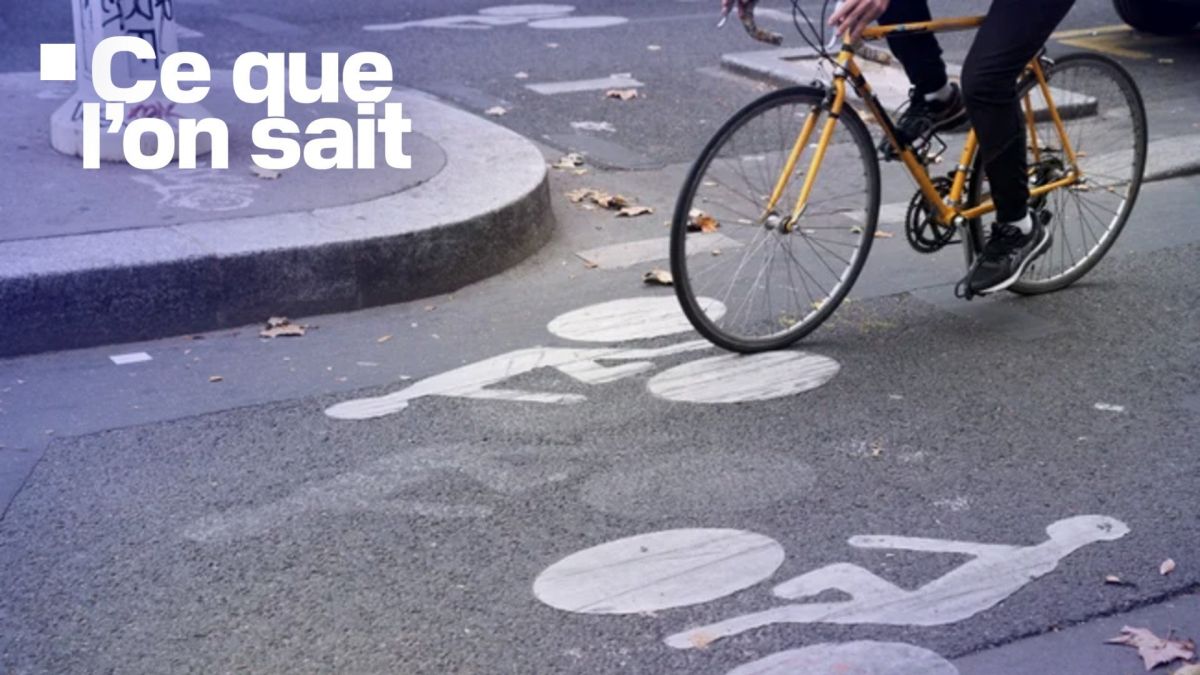
A 24-year-old cyclist was injured in the throat by a motorist during a road disagreement in Paris, the assault requiring his emergency transport to the hospital, while the driver fled before being apprehended and an investigation for attempted murder has been opened. (translated)

Différend routier, interpellation... Ce que l'on sait de l'agression au couteau d'un cycliste par un automobiliste à Paris
2

A cyclist was stabbed in the neck in the 9th arrondissement of Paris after an altercation with a motorist, resulting in the victim's hospitalization and an investigation opened by the police, while the mayor of Paris expressed his outrage at the increasing violence between drivers and cyclists. (translated)

Paris : Un cycliste poignardé au cou après une altercation avec un automobiliste
BFMTV 1d

A cyclist was seriously injured in the neck by a motorist after a road dispute in Paris, with the driver fleeing, leading to a police investigation and condemning this act of violence. (translated)

Un cycliste gravement blessé au couteau par un automobiliste après un différend routier à Paris
L
Le Soir 2d

A drunk driver injured twelve people, including two police officers, while fleeing from the police in Albufeira, Portugal, on a tourist street, causing serious injuries to several young people, including a Polish national. (translated)

Un automobiliste ivre fait douze blessés en fuyant la police au Portugal

Tonight, a driver on line 10 was assaulted at the terminus of La Madeleine and his bus was damaged. The presumed assailant fled. Our municipal police are mobilized and the CSU is reviewing the footage to find him. All my support to the assaulted driver and thank you to the... (translated)

BFMTV 3d

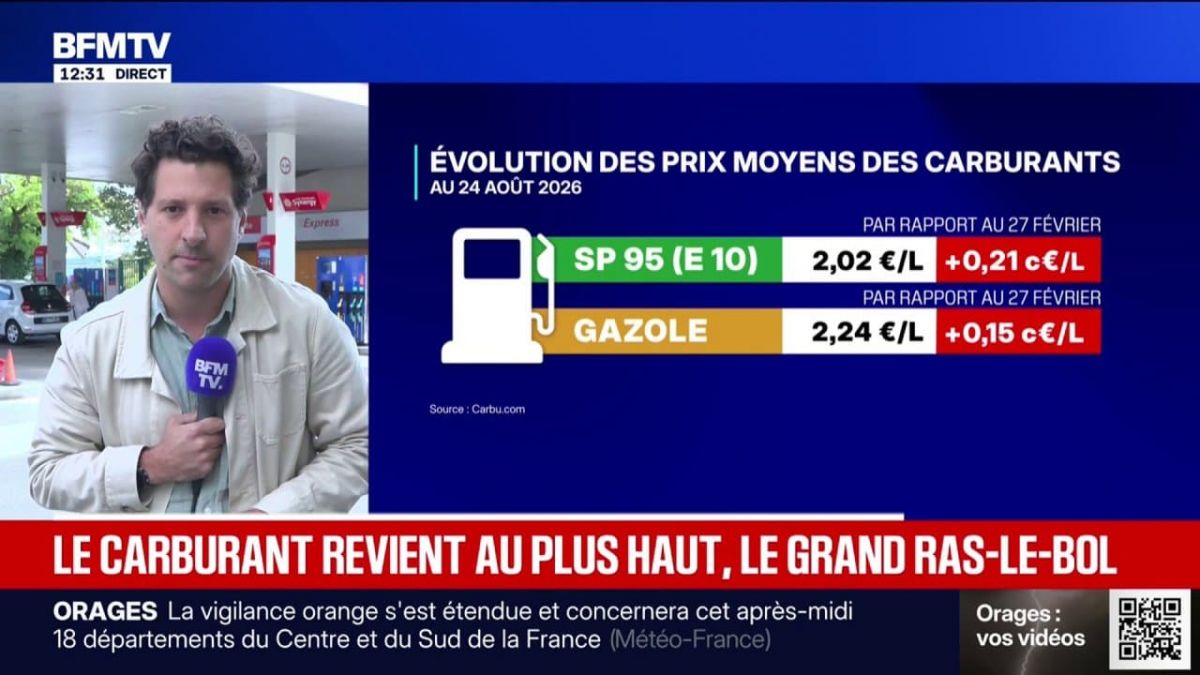
At a gas station in the Hauts-de-Seine, the price of diesel and gasoline has crossed the two euro per liter mark, prompting the government to consider aid for regular drivers. (translated)

Dans cette station-service des Hauts-de-Seine, le prix au litre du gazole et de l'essence a dépassé la barre symbolique de deux euros

A major breakdown on the Berceni pipeline has left Sector 4 of the Capital without hot water for four days due to a rupture of a main heating pipe, while authorities are trying to minimize the impact on other sectors. (translated)

Avarie majoră pe Magistrala Berceni. Un sector al Capitalei rămâne fără apă caldă timp de patru zile
Digi24 7d

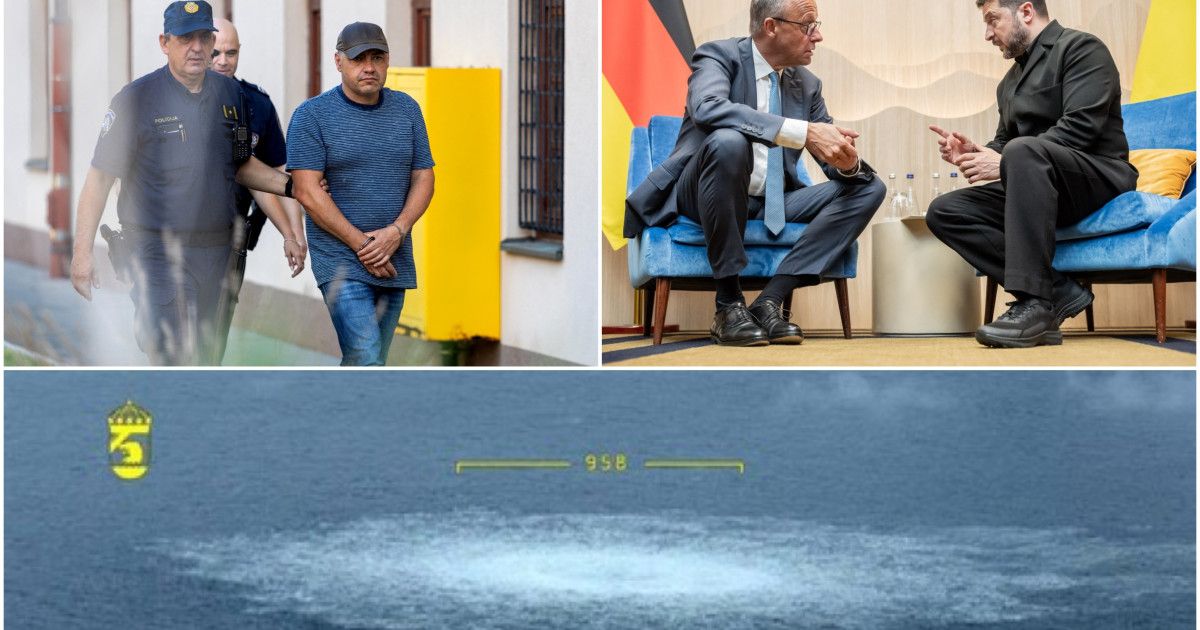
The article analyzes the recent arrests related to the sabotage of the Nord Stream pipelines and their impact on German-Ukrainian relations, highlighting the political and economic dilemmas facing Germany, which continues to support Ukraine despite accusations of involvement in the destruction of its energy infrastructure. (translated)

Adevărul incomod din spatele arestărilor în cazul Nord Stream: Ce mize ascunse zdruncină relația Germania–Ucraina
2

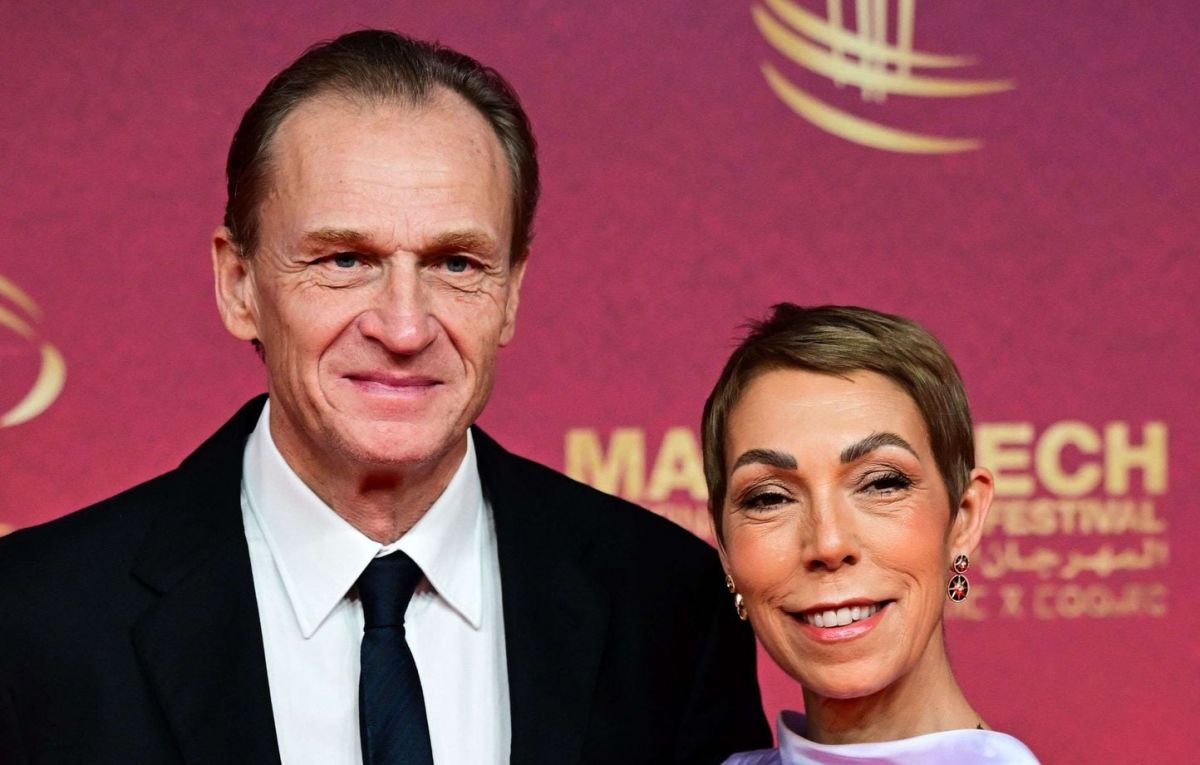
An investigation for "involuntary manslaughter by driver" has been opened after the death of Nicolas Altmayer, a film producer, and his partner Mathilde Favier, who were hit by a heavy vehicle on a road in Deux-Sèvres. The driver has been placed under judicial control despite negative blood alcohol tests, while the exact circumstances of the accident remain controversial. (translated)

« Embardée », enquête… Ce que l’on sait de la mort accidentelle de Nicolas Altmayer et Mathilde Favier

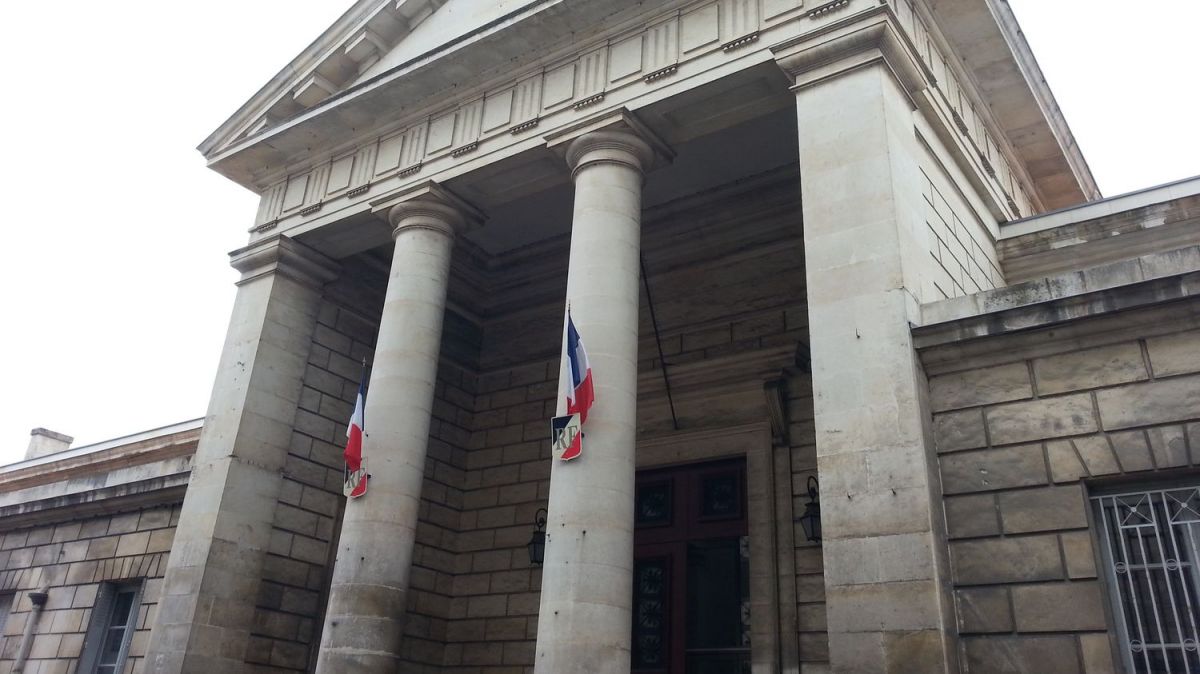
The driver of the truck who killed Nicolas Altmayer and Mathilde Favier in an accident that occurred in Deux-Sèvres on August 17 is being presented to justice for involuntary manslaughter, although tests showed that he complied with driving times and was not under the influence of alcohol or drugs. (translated)

Mort de Nicolas Altmayer et Mathilde Favier : information judiciaire ouverte pour homicide involontaire, le conducteur du poids lourd présenté à la justice

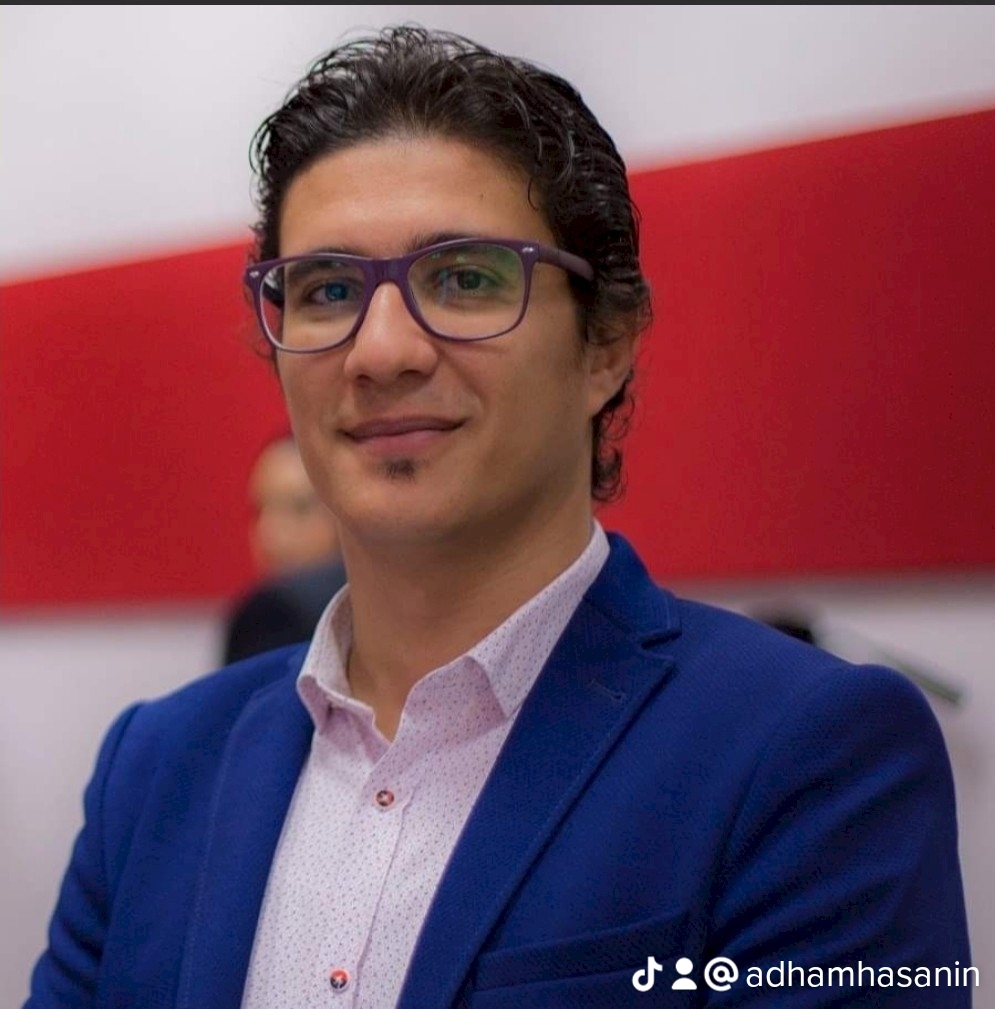
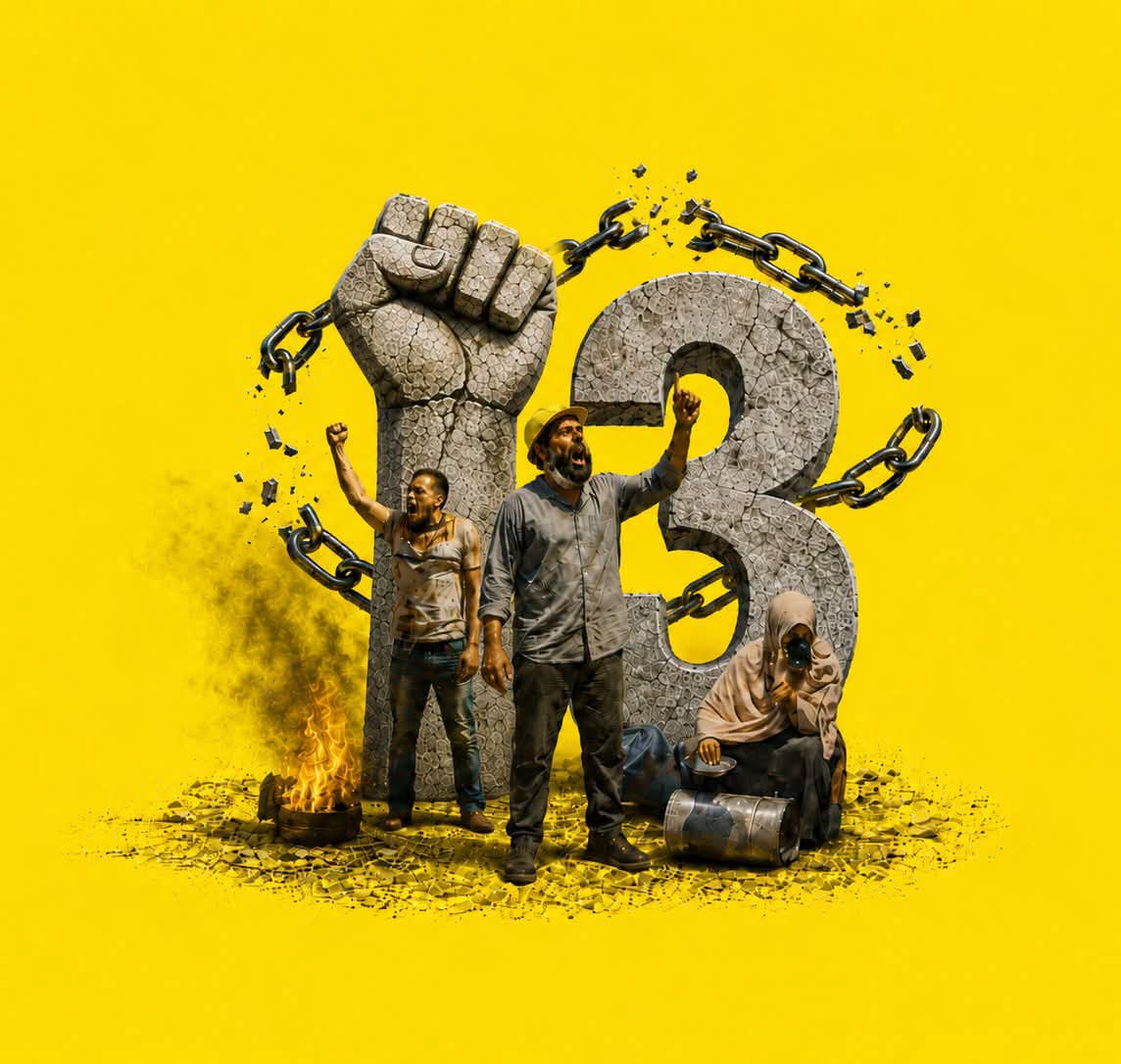
Rabaa: The Hour the World’s Conscience Stood Still On the anniversary of one of the largest single-day killings of protesters in modern history, one question remains unanswered: who will be held accountable? By Adham Hasanin Egyptian journalist and political writer, based in the Netherlands On 14 August, the anniversary returns of a day unlike any other in modern Egyptian history. Not simply because it was the bloodiest Egypt has known wars and massacres before and since ,but because it was the day a state chose to open fire on its own people in broad daylight, in front of the world’s cameras, and then let thirteen years pass without a single officer ever being held accountable. This article will not be a cold recitation of statistics, though the statistics exist, are documented, and are horrifying. It is an attempt to understand something deeper: how a square in the heart of Cairo, filled with tents, children, and worshippers, became the site of the largest mass killing the Arab world has witnessed in the past decade and why the echo of that day still reverberates in every Egyptian prison cell today. I. A Morning That Began Like Any Other For readers unfamiliar with the background: in July 2013, the Egyptian military, led by then-General Abdel Fattah el-Sisi, removed Mohamed Morsy Egypt’s first freely elected civilian president, a member of the Muslim Brotherhood who had taken office in 2012 following the 2011 uprising against Hosni Mubarak. In response, tens of thousands of Morsy’s supporters staged an open-ended sit-in demanding his reinstatement. By 14 August 2013, more than twenty thousand people had spent weeks camped out at two Cairo squares, Rab’a al-Adawiya and al-Nahda, in a peaceful sit-in. They were not an army, nor a uniform bloc; they were entire families men, women, and children, some affiliated with the Muslim Brotherhood, many simply ordinary citizens who saw the restoration of elected legitimacy as a cause worth the risk. There were tents for sleeping, communal kitchens feeding the demonstrators, speaking platforms, and a small field clinic that no one imagined would, within hours, become one of the most terrifying places in modern Egyptian history. In the early hours of that morning, Central Security Forces and army units, under the command of then-General Sisi, began what was officially described as a "dispersal" operation targeting both sit-ins simultaneously. It was not a dispersal in any ordinary sense of the word. According to a year-long investigation by Human Rights Watch, it was a pre-planned operation that anticipated, from the outset, thousands of deaths. II. The Numbers the Regime Refuses to Speak The Egyptian government, to this day, cites a death toll of "over 600" for that single day a figure that, even at its official lowest, is horrifying enough to warrant an independent international investigation. But the field investigation conducted by Human Rights Watch, drawing on field hospital records, survivor testimony, and analysis of video footage from dozens of angles, arrived at a far more disturbing figure: at least 817 people killed at Rab’a Square alone, with the true toll likely exceeding 1,000, plus another 87 killed at the nearby al-Nahda Square. When the deaths from the weeks surrounding 14 August are added from the dispersal of the Republican Guard sit-in on 8 July, through the Mansoura Street killings, to the dispersal of an October 6 march the combined total reaches at least 1,150 deaths in just six weeks, according to Human Rights Watch’s meticulous documentation. This figure led the organisation to use a term not deployed lightly in international law: crimes against humanity. Human Rights Watch described the Rab’a killings as "one of the world’s largest killings of demonstrators in a single day in recent history." Not in Egyptian history alone in modern history as a whole. What happened at Rab’a is cited in international reporting alongside China’s 1989 Tiananmen Square massacre. This is the true scale of what the Egyptian state has spent thirteen years trying to minimise, justify, and reduce to a mere "security incident" in a news bulletin. III. "All According to Plan" When Mass Killing Becomes Administration, Not Chaos The title Human Rights Watch chose for its detailed report on the massacre deserves lingering on: "All According to Plan." This is not an emotive headline; it is a precise legal conclusion built on field evidence. According to the investigation, what happened at Rab’a was not a dispersal operation that spiralled out of control amid chaos or panic, as the regime later tried to portray it. It was a carefully planned operation that assumed, in advance, massive casualties. Then-Interior Minister Mohamed Ibrahim admitted, in a televised interview broadcast on 31 August 2013 just weeks after the massacre that his ministry had anticipated losses of "10 percent of the people" present at the sit-in, acknowledging that the number of demonstrators exceeded twenty thousand. By simple arithmetic, this is an official admission that the state anticipated, in advance, the deaths of roughly two thousand people and proceeded with the operation regardless. This is the true horror at the heart of the Rab’a story: it was not a security operation that spun out of control, but a conscious administrative decision, made in an air-conditioned room, with advance calculations, by men who knew precisely how many human beings would die under their fire and who proceeded anyway, or perhaps because of it. According to Human Rights Watch’s analysis, the objective was to send an unambiguous message: whoever challenges the new state will pay an irreversible price. IV. Snipers, Women, and Children The Faces the Reports Do Not Tell Behind every number in the Human Rights Watch reports lies a full human story, deliberately omitted from the state’s official narrative. The investigation documented how security forces opened fire from multiple angles, and how snipers positioned themselves atop buildings surrounding the square, targeting according to survivor testimony and analysed video footage any movement in the square, regardless of whether it was an armed combatant or a nurse trying to reach a wounded person. According to documented testimony, entire families had their tents burn over their heads as fire swept through the sit-in. Doctors and paramedics were killed while trying to pull the wounded from the line of fire. Most damningly of all, the documentation shows deliberate targeting of ambulances and field medical points meaning that wounded people who survived the first bullet then faced death by bleeding out, because anyone attempting to save them was themselves a target. This detail the targeting of medics is what elevates the event from "excessive violent repression" to what human rights organisations have described as a systematic crime. When security forces target those trying to save the wounded, they are not merely dispersing a sit-in; they are preventing witnesses from surviving to tell what happened. V. Thirteen Years of Total Impunity The most painful part of the Rab’a story is not only what happened that day, but what has not happened in the years since. From 14 August 2013 to today, not a single officer, of any rank, has been held accountable for the deaths of hundreds, or thousands, of Egyptians. Quite the opposite: the state has moved to entrench impunity through the force of law itself. Egypt issued legislation granting senior military officers immunity from questioning over any violations that may have occurred following Morsy’s removal a law specifically designed to close the door on any future judicial accountability, regardless of how political circumstances might change. Even the fact-finding committee established by then-interim President Adly Mansour to investigate the June and July events concluded, in its report issued more than a year after the events, that the sit-in’s leaders bore responsibility for the deaths, on the grounds that they had allowed weapons into the square even as the same report admitted, in a glaring contradiction, that security forces had failed to target only armed individuals, meaning they had fired indiscriminately on everyone: armed and unarmed, man and woman, adult and child. This is the pattern that has repeated for over a decade: as each anniversary approaches, official statements re-narrate the events and shift blame onto the victims, while the actual perpetrators — those who planned the operation, gave the orders, and pulled the trigger — remain free. Some now occupy the highest offices of the state. VI. Why This Anniversary, Why Now? A reader might ask: why revisit this story after all these years? Has the world not moved on to newer crises? The answer lies in the very nature of impunity. When a state is never held accountable for the largest massacre of protesters in its modern history, it does not simply "forget" the crime it sets a precedent, telling every future ruler and every future security apparatus: mass killing is possible, politically profitable, and free of cost. This poisonous lesson does not remain confined within Egyptian borders; its echo reaches every Arab capital contemplating how to handle its own opposition. More dangerously, this system of impunity did not stop at Rab’a’s edges; it is the foundation on which Egypt’s entire subsequent decade of repression was built: thousands of political prisoners, grossly unfair mass trials that produced death sentences for dozens of defendants in cases linked directly to the Rab’a events themselves, laws criminalising peaceful protest, a muzzled press, and a civil society hollowed of substance. All of it traces back to the morning of 14 August 2013, when the state learned that overwhelming force succeeds, and that the world will condemn for a few days, then move on. VII. Delayed Justice Is Not Forgotten Justice Despite more than a decade of official silence and impunity, the Rab’a case remains alive in international legal memory. Human rights organisations, from Human Rights Watch to Amnesty International, continue to renew their annual calls for an independent international investigation, grounded in the legal principle that crimes against humanity are not subject to statutes of limitation: delayed justice is not forgotten justice. The victims who fell in that square were not numbers in a statistical report. They were fathers who left behind children too young, that day, to understand why their father would never return. They were mothers who, thirteen years later, are still searching for a clearly marked grave to which they can carry flowers, and young people who had decades of life ahead of them that they never got to live. Their memory does not fade with time; it grows with their children, who carry with them the same question their parents asked before they were killed: when will justice come? Conclusion: What Does This Anniversary Demand of Us? Every year, as the anniversary of 14 August returns, the same question resurfaces one the Egyptian state refuses to answer: who gave the order? Who planned the operation? Who decided that twenty thousand human beings deserved to be shot with live ammunition because they staged a peaceful sit-in? This anniversary is not a call for vengeance, nor an invocation of the past for its own sake. It is a reminder that justice, however delayed, remains a debt still owed. And that every instance of international silence over a massacre of this scale opens the door to the next one, elsewhere, under a different pretext, carrying the same lethal conviction: that the world will condemn for a week, then forget. We will not forget. And we will not stop asking the question that unsettles everyone who took part in that crime, regardless of the office they hold today: where is the accountability? Rab’a is no longer merely the name of a square in Cairo. In the conscience of everyone who believes in justice, it has become a test of the world’s conscience itself a test the world has not yet passed.

I think that President Putin needs to reaffirm his position here. The high-altitude ICBM test, conducted over the Middle East on the eve of True Promise (I), seems to have missed some in the @WhiteHouse . I've been warning that the likely-demented @POTUS will try to use nukes #Putin #ICBM #NuclearThreat #RU #US #IL

BFMTV 2w

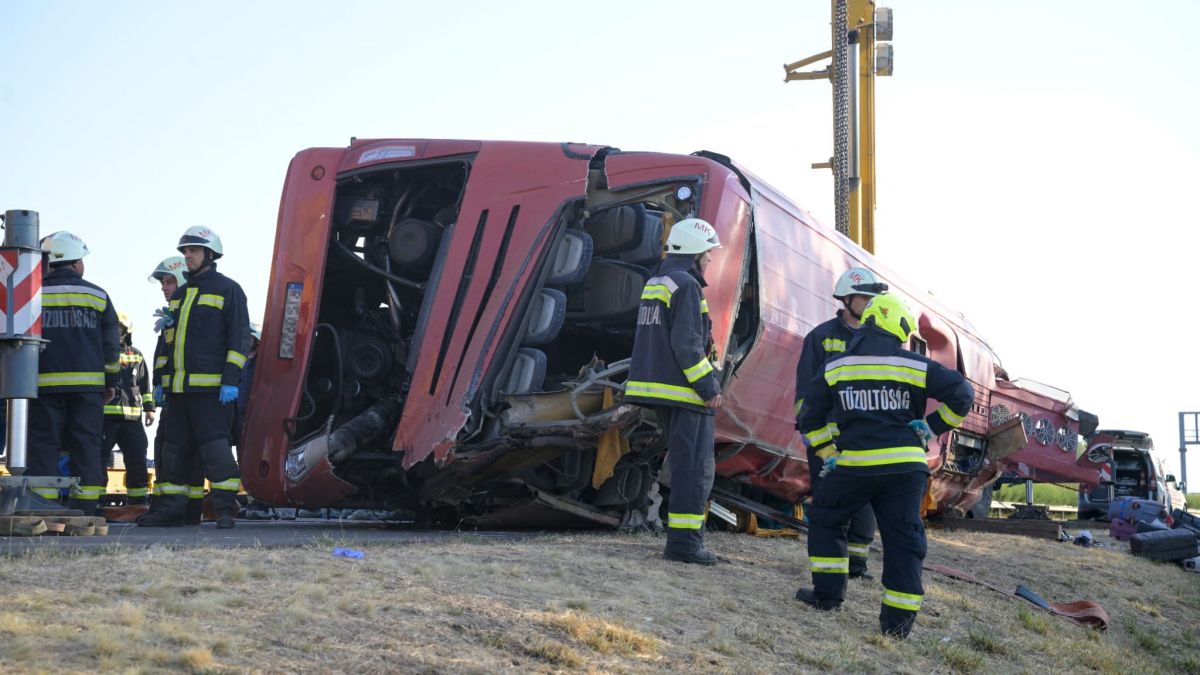
A bus accident registered in Poland on the M3 highway in Hungary has resulted in the death of at least 12 people and injured 10 others, becoming the worst incident of this type in the country since 2003, apparently due to the driver's sleepiness. (translated)

Au moins 12 morts et 10 blessés en Hongrie dans l'accident d'un bus immatriculé en Pologne, le plus grave dans le pays depuis 2003

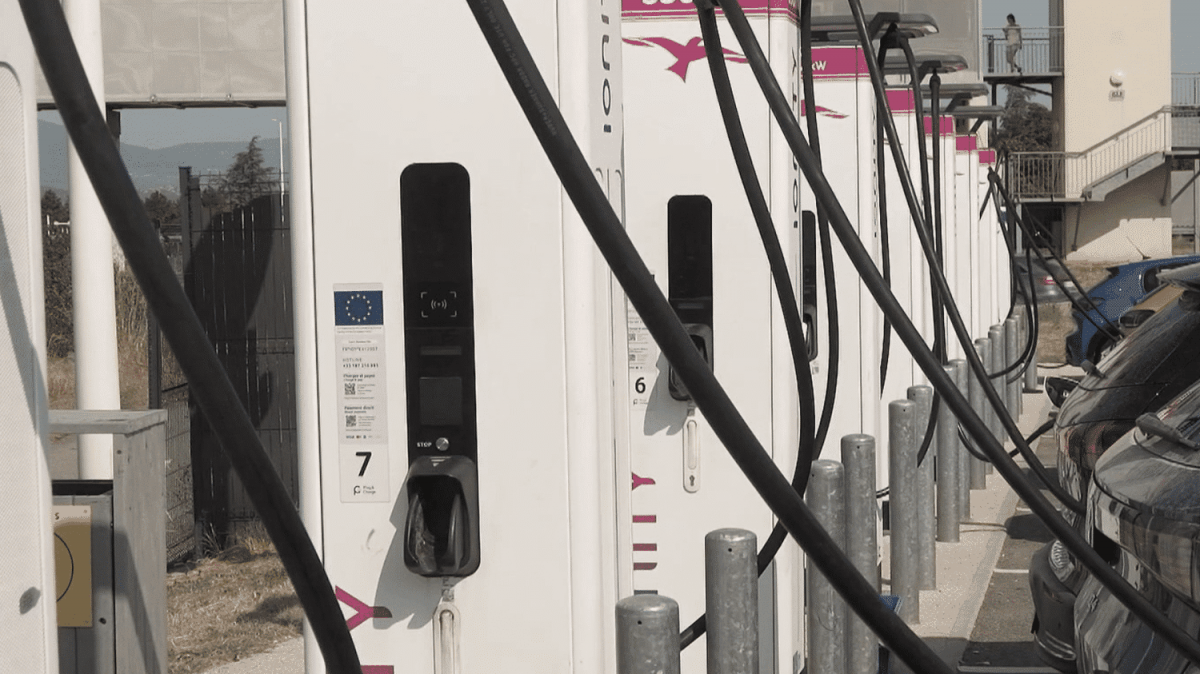
On Saturday, August 15, as traffic jams reach up to 711 km in France, drivers of electric vehicles are facing long waits at charging stations along the highways, worsening the situation according to several drivers, while the government plans to quintuple the number of charging stations by 2035 to improve access. (translated)

"On perd tous un temps fou" : sur les aires d'autoroutes, les bornes de recharge prises d'assaut par les voitures électriques
BFMTV 2w

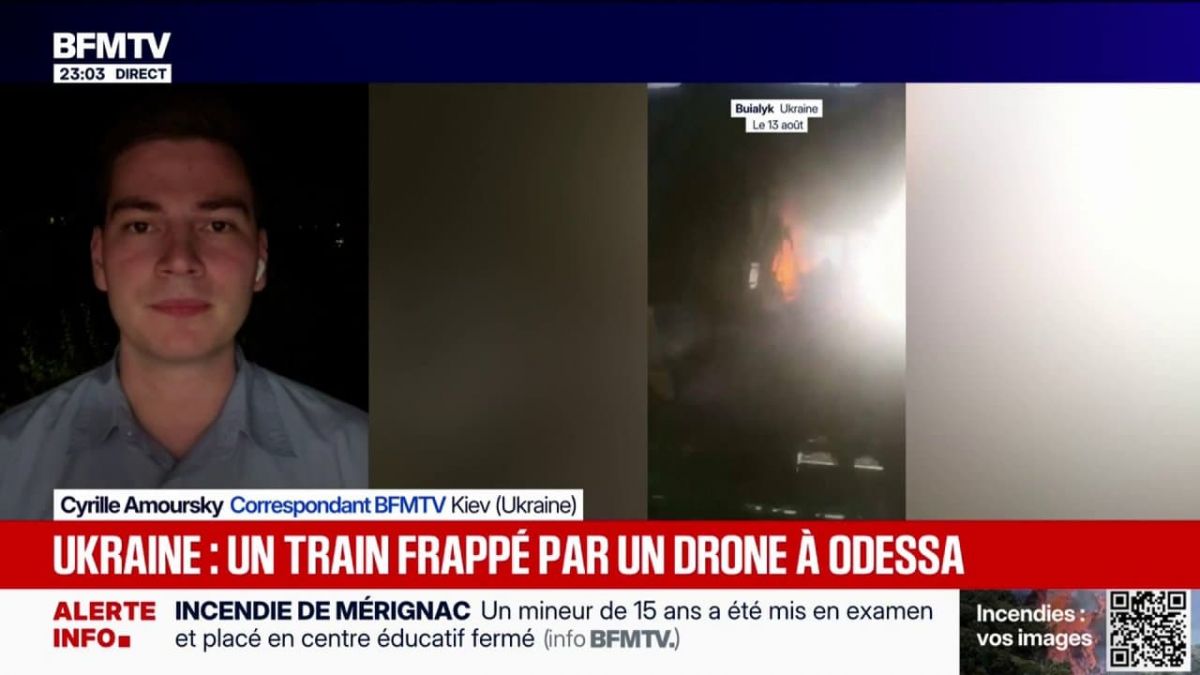
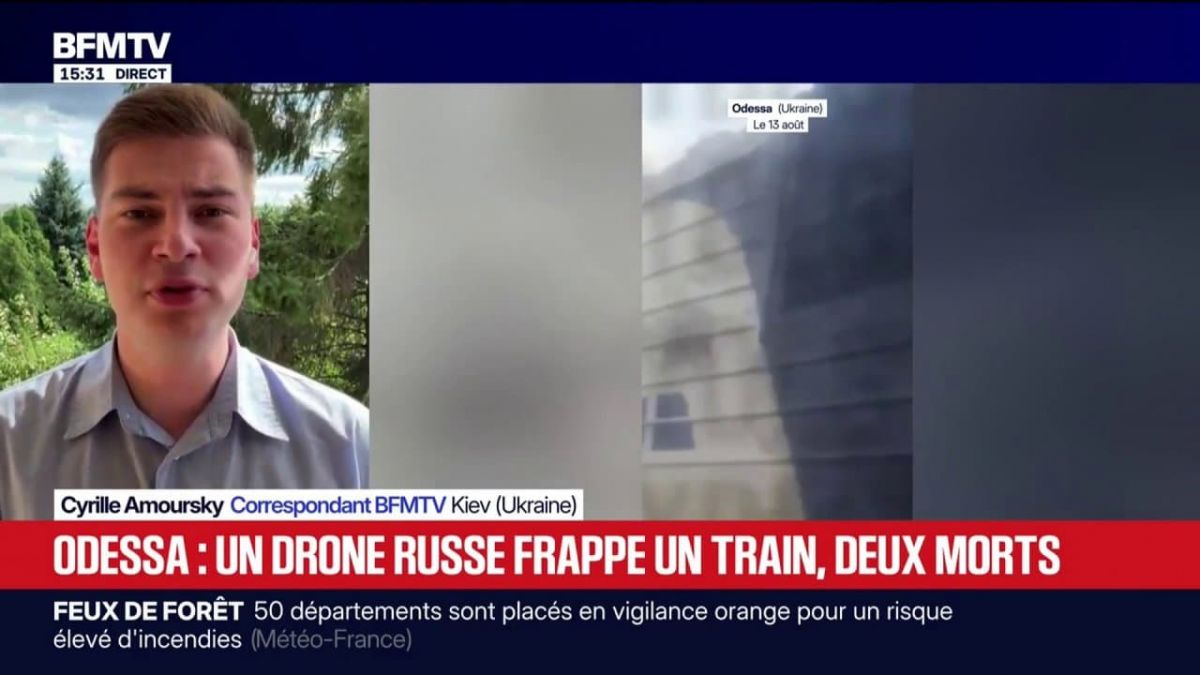
A Russian drone attack struck a train in the Odessa region of Ukraine, killing the conductor and his assistant while they were carrying more than 300 passengers. (translated)

Guerre en Ukraine: un train frappé par un drone dans la région d'Odessa
BFMTV 2w

In a Russian drone attack on a passenger train in the Odessa region, two railway workers, a driver and his assistant, were killed, according to the director of Ukrainian national railways. (translated)

Guerre en Ukraine: deux cheminots tués dans une frappe russe contre un train à Odessa