WRLD

Search

#muncitori
Stirile ProTV 1w

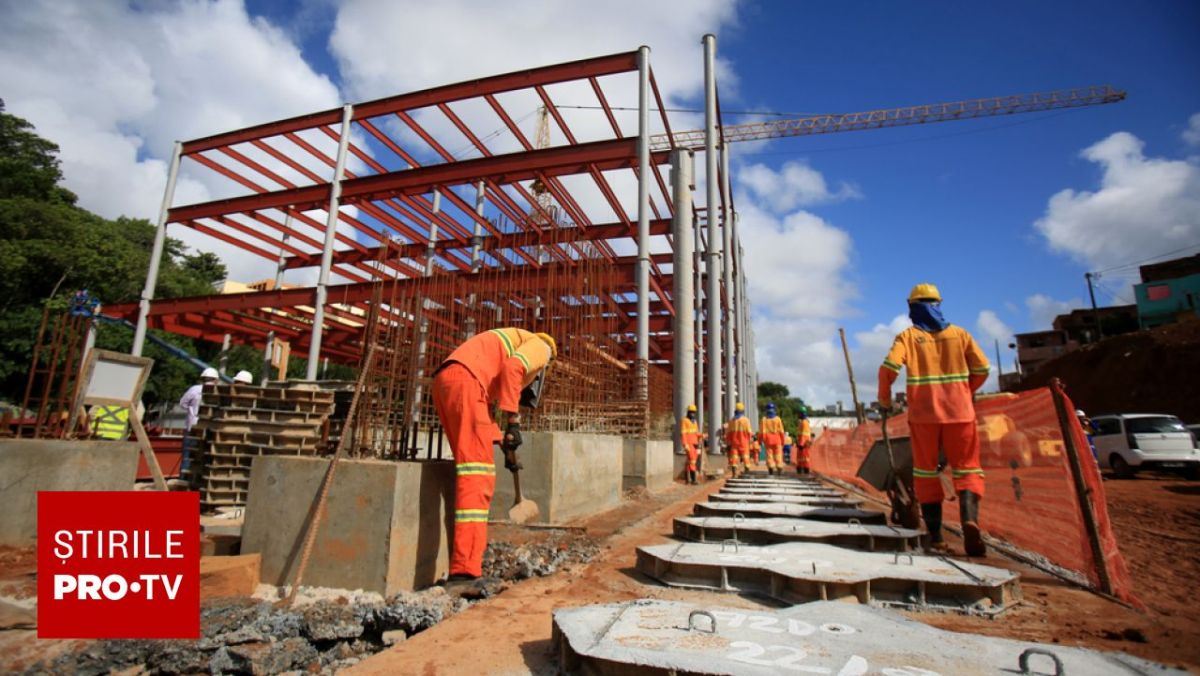
Renault will lay off up to 1,000 office employees and hire 2,000 factory workers by 2028, in the context of increasing demand for electric vehicles in France. #Renault #muncitori #vehiculeelectrici (translated)

stirileprotv.ro
Renault va renunța la până la 1.000 de angajați de birou și va angaja 2.000 de muncitori în fabrici până în 2028, în Franța
2970
Mediafax.ro 2w

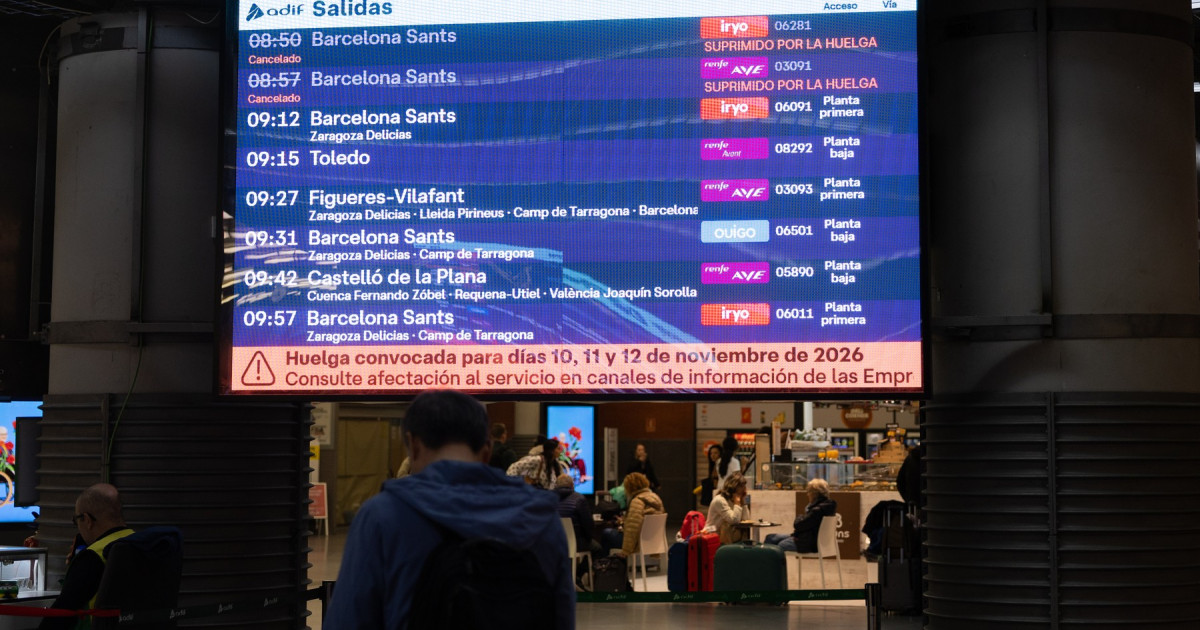
Workers in Spain have gone on a general strike, the first in 14 years, to protest against the housing crisis, less than three weeks before the early elections. #greva #Spania #locuințe (translated)

www.mediafax.ro
Prima grevă a muncitorilor din Spania din ultimii 14 ani: problema locuințelor adâncește nemulțumirile
2876
Dan Tanasă Wrld summary 2w
Romanian politician (born 1981)

During the debates, AUR deputy Dan Tanasă stated that the presence in Romania of over one hundred thousand workers from outside the European area does not only mean "cheap labor from third world countries," but also mass migration. #Migrație #ComisieParlamentară #România (translated)

2992
Dan Tanasă Wrld summary 2w
Romanian politician (born 1981)

On December 31, 2024, there were over 101,000 workers in Romania, and by the end of 2025, we will have over 149,000 workers from outside the European space. Many of them, we now find out, want a family reunification visa. So, it's no longer about cheap labor from third-world countries; it's about mass migration, because in a few years, 150,000 can easily turn into 700,000 - one million. Wake up! Vote for the establishment of this commission, because what is happening in the civilized West is extremely dangerous. #migrație #comisieanchetă #lucrătoriStrăini (translated)

2992
Digi24 2w

Spain is facing its first general strike in 14 years, triggered by the housing crisis and workers' protests against rising rents, just a few weeks before the snap elections. #Spania #grevăgenerală #crizalocuințelor (translated)

www.digi24.ro
Grevă generală în Spania, prima din ultimii 14 ani. Criza locuințelor scoate muncitorii în stradă înaintea alegerilor anticipate
2877
🇷🇴 George Simion 🇲🇩 Wrld summary 2w
1986- Romanian politician and activist

Simion criticized the recruitment policy for foreign workers and argued that it would contribute to keeping wages at a low level, to the detriment of Romanian employees. #muncitoristrăini #salariuminim #extremismdedereapta (translated)

2994
Stirile ProTV 3w

Cristian Erbașu, the general director of Construcții Erbașu, warned that tens of thousands of construction workers could lose their jobs and salaries could decrease due to debts of over one billion euros that the state owes to builders, in the context of the absence of financial predictability. #constructii #locuridemunca #salarii (translated)

stirileprotv.ro
Mare constructor român: Zeci de mii de muncitori și-ar putea pierde locurile de muncă, sunt posibile și scăderi de salarii
2544
Digi24 4w

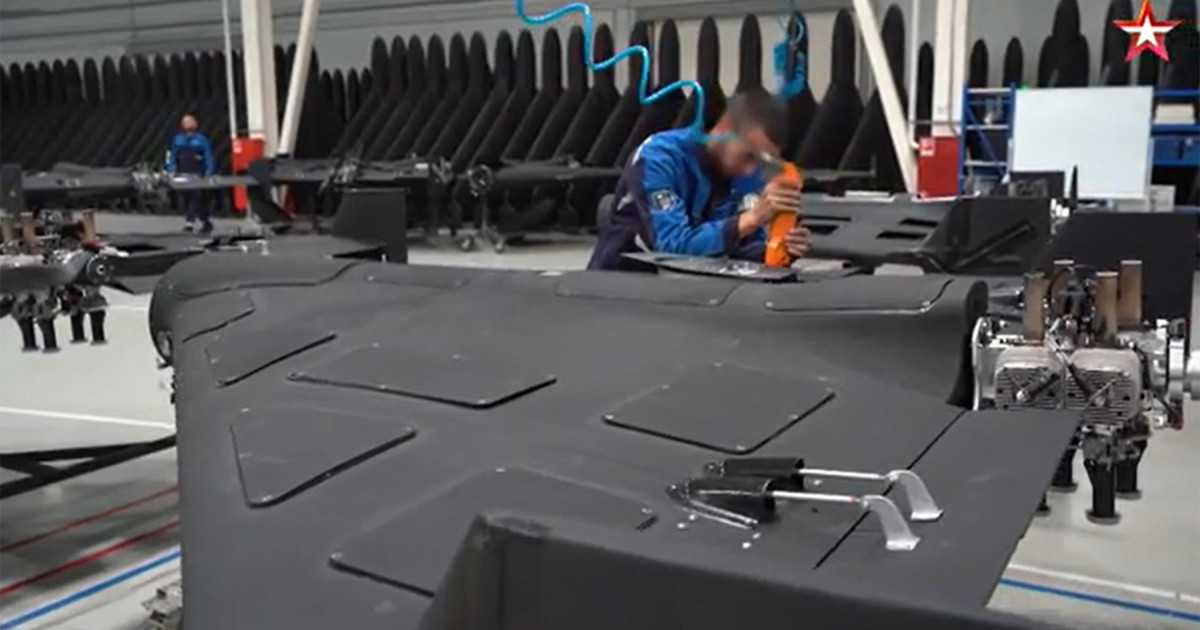
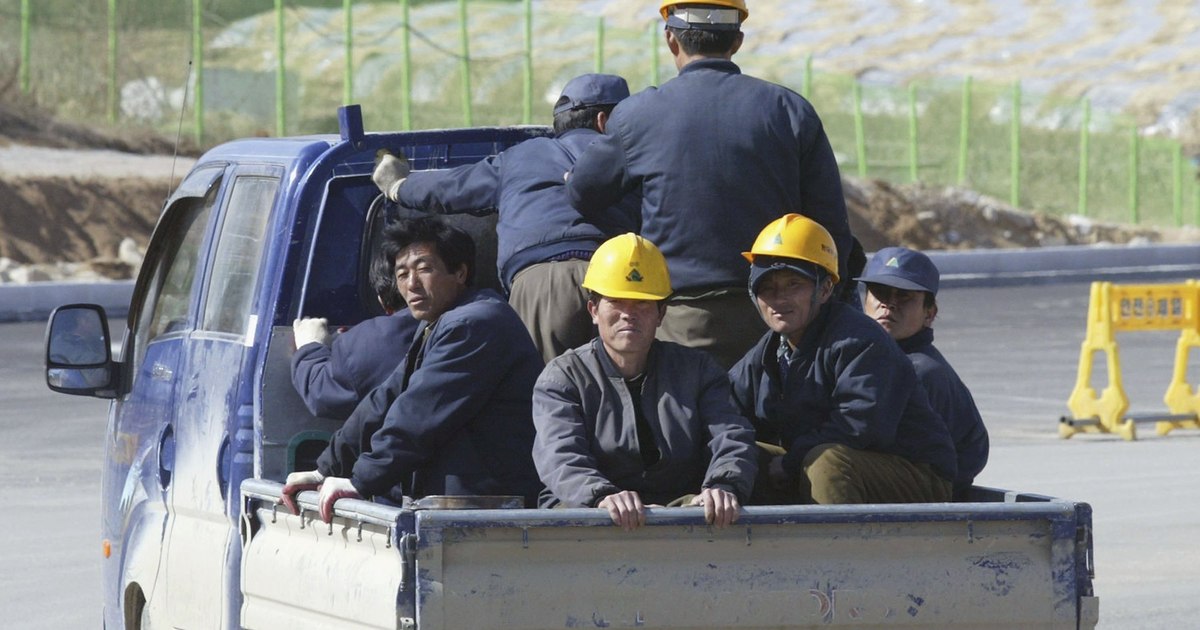
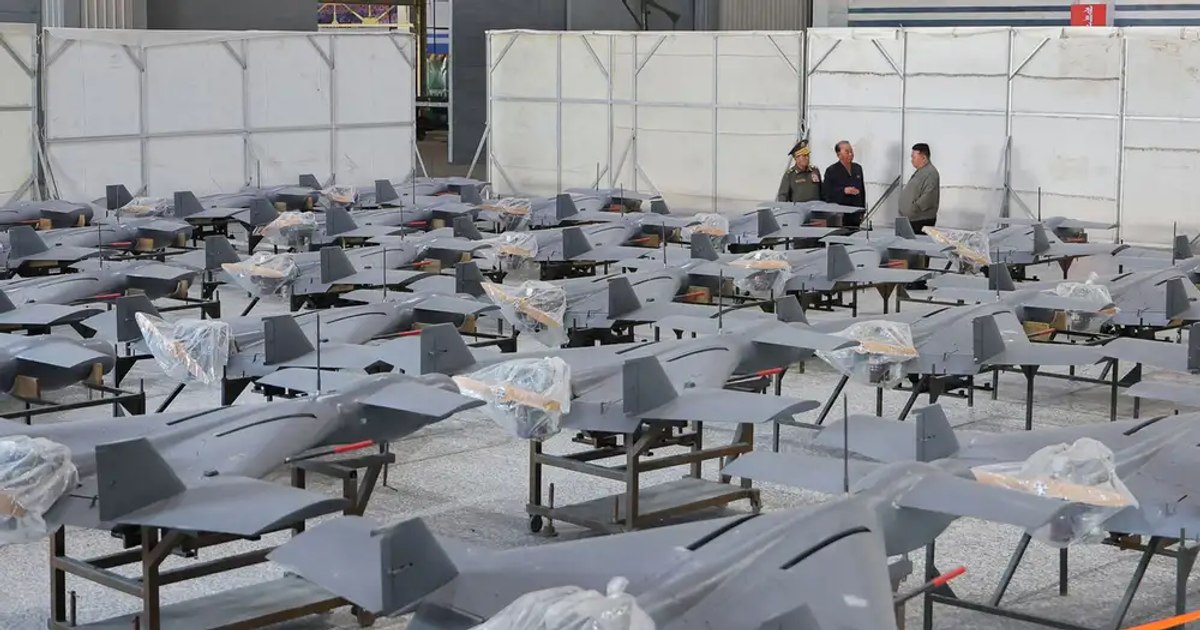
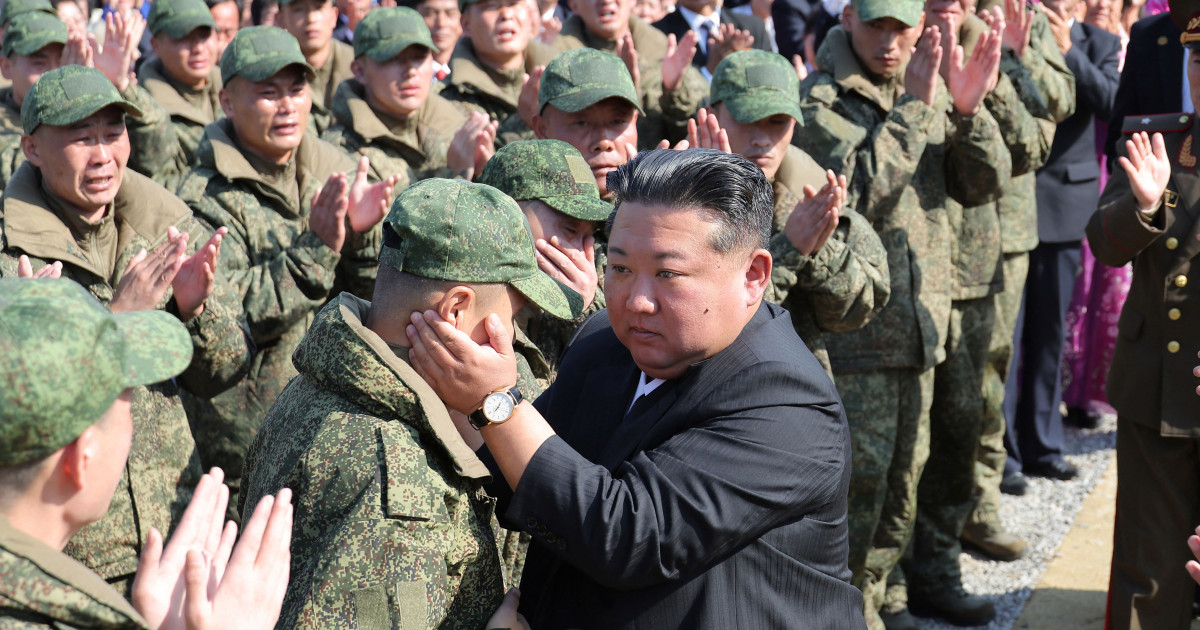
More than 12,000 North Korean workers are being exploited as "slaves" in a drone factory in Russia, where the regime in Pyongyang confiscates up to 90% of their salaries, as part of a collaboration that includes serious violations of human rights. #CoreeaDeNord #DrepturileOmului #MuncaFortata (translated)

www.digi24.ro
Mii de nord-coreeni, folosiți ca „sclavi” într-o fabrică de drone din Rusia. Regimul de la Phenian le confiscă până la 90% din salarii
2669
adevarul.ro 4w

Kim Jong-un sells North Korean workers to Russian companies through an online network to finance North Korea's nuclear program, thus circumventing international sanctions. #CoreeaDeNord #muncăForțată #sancțiuniInternaționale (translated)

adevarul.ro
Kim Jong-un își vinde propriul popor online către companii rusești pentru a finanța ambițiile nucleare ale Coreei de Nord
2558
Digi24 4w

Germany is considering introducing a 12-hour workday, along with stricter measures for foreign workers, such as tightening language requirements and reducing the number of visas granted, in the context of the acute shortage of specialists. #Germania #ZiuaDeMuncă #MuncăStrăină (translated)

www.digi24.ro
Planul german: ziua de muncă de 12 ore. Se iau în calcul reducerea numărului de muncitori străini și înăsprirea examenelor de limbă
2796
Digi24 Oct 25

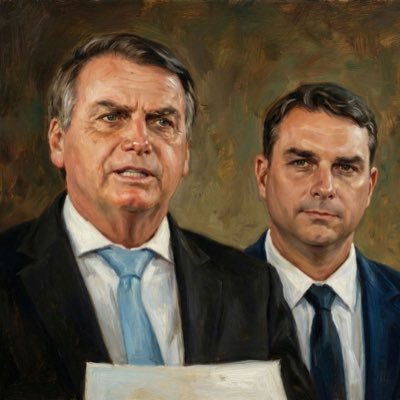
In the context of the polarized elections in Brazil, young workers are losing faith in Lula and are shifting their support towards Flavio Bolsonaro, seeing him as a more suitable alternative to the current economic realities. #AlegeriBrazilia #Bolsonaro #Lula (translated)

www.digi24.ro
Răzbunarea lui „Trump de la tropice”. Alegeri în Brazilia: tinerii muncitori îi întorc spatele lui Lula și pariază pe Bolsonaro
3381
G
Gelu Oct 25

Don't change the time! Change the schedule, not the time! The biological rhythm is regulated by the Sun, not the clock. Time is not a work schedule that we can shift at will. Time is the measure by which we organize our lives, and nature has its own rhythm. The Earth does not change its rotation twice a year. The sun does not rise earlier because we decided to move the clock forward. Animals, birds, insects, and plants follow their biological rhythms related to light, darkness, and the natural succession of seasons. Humans are part of this nature. Our bodies have their own biological clock, fundamentally influenced by light. And when we officially move the clocks by one hour, we are not changing the course of nature, but rather asking humans to abruptly adapt to an administrative convention. Why do this every spring and reverse it every autumn? Is it natural to change the time or to adapt our schedules? Let's consider the majority of people: workers, farmers, students, teachers, parents, retirees, people who must adhere to a schedule set by others. They cannot always modify their schedules at will. They need to wake up at a certain hour, get to work, take a child to school, or comply with the public transport timetable. In contrast, there are people and organizations that have the opportunity to adapt their schedules based on the season, natural light, or the needs of their activities. If, for some people, changing their schedule is feasible, why impose the time change on everyone? Let's take a hypothetical example: if 10% of people have the freedom to adapt their schedule, is it fair to change the time for all those who do not have this freedom? Would it not be more logical to change the schedule where needed, rather than change the time by which the entire society organizes itself? Stores can modify their opening hours. Factories can adapt their shifts. Institutions can adjust their schedules, and schools and public transport can analyze timetables according to local conditions and people's needs. We do not all have to operate on the same schedule to live by the same time. Nature does not need our approval to follow its rhythm. In spring, the days lengthen. In autumn, the days shorten. This is the natural rhythm of the Earth, which we can observe without moving even a single clock hand. If we want to start activities earlier in summer, we can start sooner. If winter requires a different schedule, we can adapt it. But why change the official time, get used to a new convention, and then revert to the old one? Would it not be simpler to keep the same time all year round and organize our activities according to the season? I do not claim that all living beings measure time in hours and minutes. I assert something more important: their biological rhythms are linked to the natural cycle of light and darkness, not to the numbers we display on the clock. And humans should take this truth into account when organizing their lives. The economy must serve people, not people be permanently forced to adapt to the economy. One argument presented in favor of changing the time is the more efficient use of natural light or the reduction of energy consumption. But the actual effects depend on the country, season, population habits, and how energy is used. If we want to save energy, let's examine actual consumption. If we want more light during activities, let's adapt the schedules. If we want to improve work organization, let's change the timetables where possible. There is no need to change the time for the whole society to achieve flexibility in certain areas. The schedule is a tool we can adapt. The time should be a stable reference. We cannot stop the seasons. We cannot modify the Earth's rotation. We cannot ask nature to adapt to our clock. But we can organize our lives more wisely. Instead of moving the clock hands twice a year, we can learn to adapt our schedules to the reality around us. Instead of changing the time for everyone, we can allow each field to find the appropriate schedule, within the bounds of the law and with respect for people's rights. Let's keep the time stable and make the schedules flexible! Let's leave time in peace. Twice a year, millions of people are forced to change their clocks, schedules, and biological rhythms to adapt to an administrative decision. It is said that changing the time brings economic or energy benefits. However, in modern society, these advantages are increasingly contested, while the disadvantages are felt by nearly the entire population. People, animals, and plants do not live by the clock on the wall, but by the natural rhythms of the Earth. The human body is regulated by the alternation of light and darkness. When we artificially move the time forward or back, we disturb this balance. Many people sleep worse, feel more tired, and need days or weeks to readjust. Living beings do not change their schedules twice a year. Birds do not migrate by the clock, cows do not produce milk according to the official hour, and dogs do not understand why their owner takes them for a walk an hour earlier. Nature follows the sun, not administrative decisions. There is also a principle issue. For a relatively small percentage of people and activities that would benefit from more light in the evening, the schedule of the entire society is modified. About 90% of people are forced to adapt, even though they did not ask for this and do not gain direct advantages. It would be more logical for the sectors that need a different schedule to adapt it themselves. Stores can open earlier or later. Factories can modify their work shifts. Schools, institutions, and companies can adjust their schedules as needed. It is much easier for certain organizations to change the schedule in a targeted manner than to change the official time for the entire population. Moreover, modern technology has greatly diminished the argument for saving energy. Lighting now represents a smaller proportion of total consumption, while air conditioning, computers, and other equipment operate regardless of time changes. The time should serve people, not people be obliged to serve the time. A modern society can function efficiently without moving the clock hands twice a year. Stability, health, and respect for natural rhythms are stronger arguments than the tradition of a measure introduced in another era. Therefore, the most rational solution is to keep the same time throughout the year and adapt schedules where necessary, rather than changing the lifestyle rhythm of an entire population. Why should we keep the same time all year? Changing the time twice a year represents an artificial intervention in the natural rhythm of society. Although it was introduced with the intention of saving energy, numerous modern studies show that the benefits are minimal, while the social, medical, and economic costs are significant. 1. The biological rhythm is regulated by the Sun, not the clock. The human body operates according to an internal biological clock, synchronized with the natural alternation of day and night. Research in chronobiology shows that artificial changes in time disrupt sleep, concentration, and metabolism. In the days following the switch to summer time: - sleep disorders increase; - more traffic accidents occur; - productivity at work decreases; - there is an increase in the risk of heart attacks and other cardiovascular problems. In practice, millions of people are forced to suffer a slight "jet lag" without having traveled anywhere. 2. Nature does not change the time. Animals and plants regulate their activity according to light. Birds, insects, domesticated and wild animals do not change their schedules just because the government decides to move the clock forward by one hour. Farmers often observe that cows continue to adhere to their biological schedule regardless of the change in official time. The same happens with many other living beings. In reality, we are changing the clock display, not the position of the Sun in the sky. 3. Economic benefits are diminishing. Changing the time was introduced in an era when lighting consumed a significant proportion of the energy used by the population. Today: - lighting is much more energy-efficient; - the main consumption comes from air conditioning, heating, servers, computers, and appliances; - estimated savings are very low or even nonexistent in many states. In contrast, the economic costs are real: - employee productivity decreases after the time change; - absenteeism increases; - additional costs associated with accidents and medical problems arise; - computer and logistics systems need to be periodically adjusted. 4. It is unfair to change the schedule of all for the needs of a minority. If certain economic sectors find it useful to start activities earlier in summer, they can adapt their schedules. For example: - stores can operate from 07:00 to 21:00 instead of 08:00 to 22:00; - factories can alter shifts; - public institutions can temporarily adjust working hours; - schools and companies can decide locally what schedule is optimal. It is much simpler for 10% of organizations to change their schedule than for 100% of the population to change their biological clock. 5. Stability means efficiency. Transport, information systems, international economic activities, and public services function more smoothly when the official time remains constant. One hour throughout the year: - reduces scheduling errors; - simplifies transport and communications; - eliminates confusion regarding timetables; - provides predictability for citizens and companies. Conclusion The sun does not change its time. The Earth does not change its time. Nature does not change its time. Only humans move the clock hands and then endure the consequences of this decision. Instead of modifying the schedule of an entire society twice a year, it is more logical to keep the same time constantly and allow those fields that need a different schedule to adapt their programs individually. This way, natural biological rhythms are respected, economic costs are reduced, and the comfort of the majority of the population is increased. A modern society needs flexibility in scheduling, not the constant change of the clock. (translated)

933
adevarul.ro Oct 22

A recent report highlights how up to 12,000 North Korean workers are treated as "slaves" in a drone factory in Russia, where they are subjected to serious human rights abuses and lose nearly all of their wages, while Pyongyang benefits from the knowledge and income from this situation. #drepturihumane #CoreeaDeNord #exploataremuncitoare (translated)

adevarul.ro
Nord-coreeni, tratați ca „sclavi” într-o fabrică rusească de drone
2568
Flávio Bolsonaro Wrld summary Oct 15
Brazilian politician, former state deputy of Rio de Janeiro and Senator of the Federative Republic of Brazil since 2019

Flavio Bolsonaro, who categorized the text as "opportunistic," ultimately voted for its adoption. Traveling through Brazil, the majority of Brazilian workers want the end of the 6x1 system, so I will vote for #Brazilia #ReformaMuncii #MuncăȘiOdihnă (translated)

Țara care a redus săptămâna de lucru de la șase la cinci zile. „Cea mai importantă victorie a muncitorilor”
stirileprotv.ro
3982
Stirile ProTV Oct 15

The Brazilian parliament has adopted a constitutional reform that reduces the workweek from six to five days, providing employees with two days of rest per week and a reduction in weekly working hours from 44 to 40, considered by many to be "the most important victory of workers" in Brazil. #Brazilia #ReformaMuncii #MuncăȘiOdihnă (translated)

stirileprotv.ro
Țara care a redus săptămâna de lucru de la șase la cinci zile. „Cea mai importantă victorie a muncitorilor”
3982
Lula Wrld summary Oct 12
President of the Federative Republic of Brazil from 2003 to 2011 and since 2023

he must say whether he wants the workers to rest more or for them to continue working more #Lula #Brazilia #DrepturileMuncitorilor (translated)

Înaintea alegerilor prezidenţiale, Lula propune reducerea săptămânii de lucru de la șase la cinci zile, în Brazilia
stirileprotv.ro
3518
adevarul.ro Oct 8

The Trump administration prohibits IT giants, including Microsoft, from seeking permanent residency for foreign employees, accusing them of abuses and the forced replacement of American workers with cheaper foreign workers. #IT #rezidențăpermanentă #Trump (translated)

adevarul.ro
Lovitură pentru giganții din IT: Administrația Trump le interzice să solicite rezidență permanentă pentru angajații străini
3170
Stirile ProTV Sep 29

Peste 100 de muncitori români au fost găsiți exploatați în podgoriile din Italia, fiind plătiți cu sume sub 3 euro pe oră și lucrând „la negru” în condiții mizere, în cadrul unei anchete ce a dezvăluit o amplă fraudă fiscală. #exploataremuncitorilor #romaniinitalia #fraudafiscala

stirileprotv.ro
Peste 100 de muncitori din România, exploatați în podgoriile din Italia. Unii erau plătiți cu mai puțin de 3 euro pe oră
2002
adevarul.ro Sep 24

Șase muncitori care sortau legume au fost uciși într-un atac cu dronă efectuat de armata rusă asupra unui depozit agricol din regiunea Harkov, conform unui anunț făcut de premierul ucrainean Serghi Korețki. #AtacHarkov #Rusia #RăzboiÎnUcraina

adevarul.ro
Șase muncitori care sortau legume, uciși într-un atac rus asupra unui depozit agricol din regiunea Harkov
2005
Digi24 Sep 18

Rusia recurge tot mai mult la muncitori nord-coreeni pentru a construi drone destinate războiului împotriva Ucrainei, oferind regimului de la Phenian o sursă semnificativă de venituri pentru finanțarea programelor sale ilegale de înarmare, conform unui raport publicat de SUA și aliați. #Rusia #CoreeaDeNord #Sanctiuni

www.digi24.ro
Noul mod în care Putin folosește nord-coreenii trimiși de Kim Jong Un. Cum sfidează Rusia sancțiunile internaționale (Raport)
10039