WRLD

Search

#robotique
BFMTV 2d

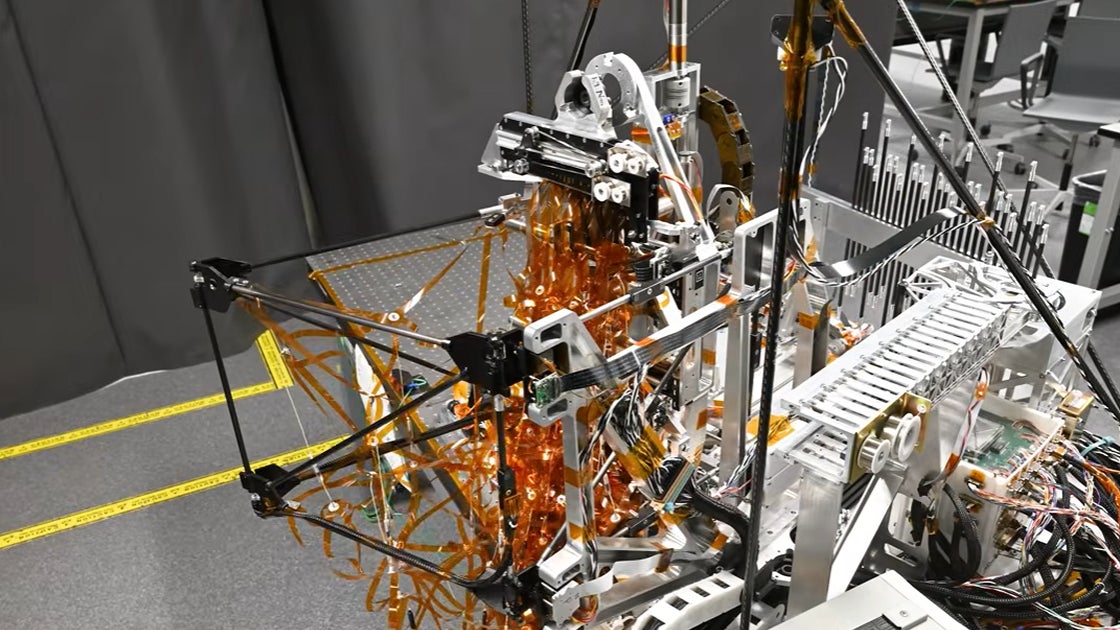
Researchers at Caltech have successfully created a robot named Astra, capable of autonomously assembling a structure in space, marking a significant advance in space construction. #Robotique #InnovationSpatiale #Caltech (translated)
www.bfmtv.com
Des chercheurs de Caltech ont réussi une première mondiale: ils ont conçu un robot qui a assemblé une structure dans l'espace en totale autonomie (et ce n'était pas un jeu d'enfant)
3343
BFMTV 5d

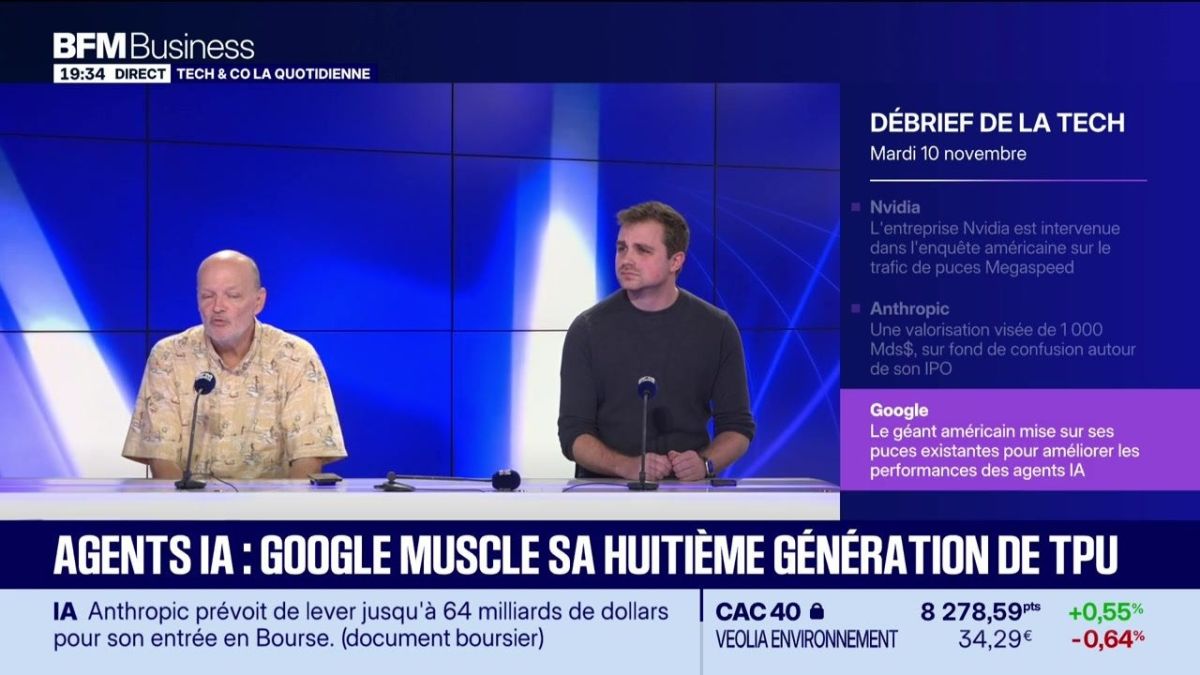
During the Tech & Co show on BFM Business, experts discussed the performance improvements of Google’s AI agents thanks to its new TPU chips, as well as the prospects of European robotics and the surprising results of Take-Two due to the excitement around GTA VI. #IA #Google #Technologie (translated)

www.bfmtv.com
Agents IA : Google muscle sa huitième génération de TPU - 10/11
2599
BFMTV 1w

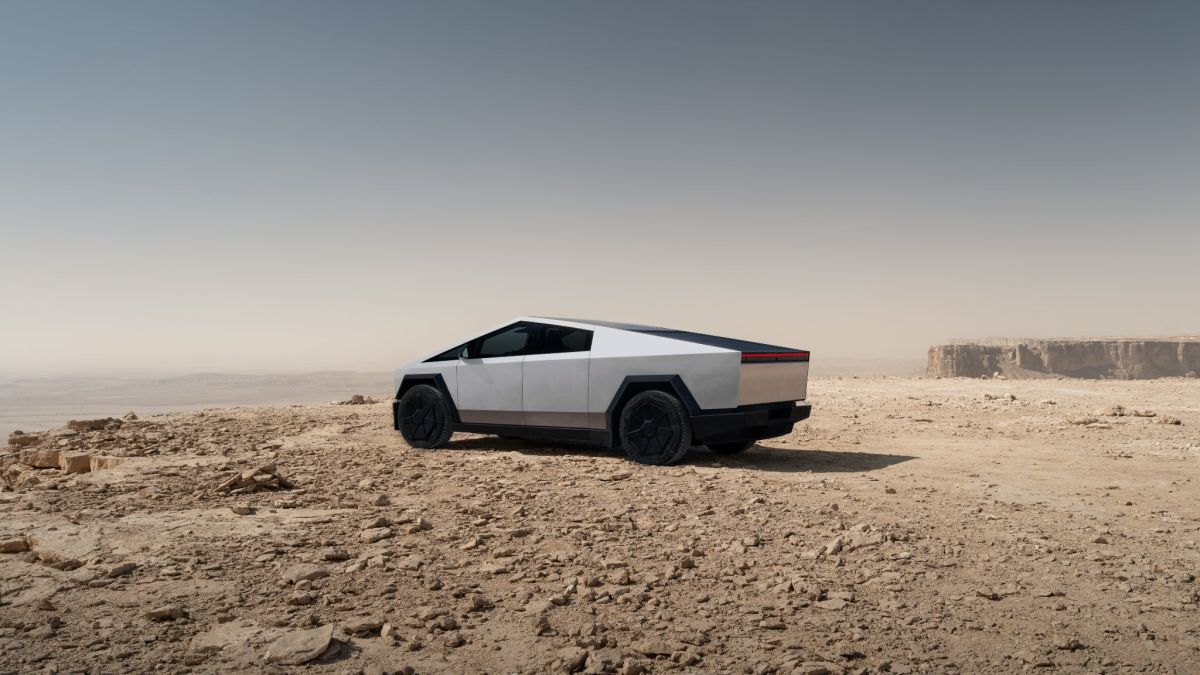
Elon Musk abandons the Cybertruck, deemed disappointing after three years, in favor of the promising Cybercab robotaxi, which reflects Tesla's new priorities in robotics and autonomy. #Cybertruck #Cybercab #Tesla (translated)

www.bfmtv.com
Elon Musk pensait pourtant que c'était le "meilleur produit" de Tesla: trois ans après son lancement, il abandonne son décevant pick-up Cybertruck au profit du prometteur robotaxi Cybercab
2853
BFMTV 2w

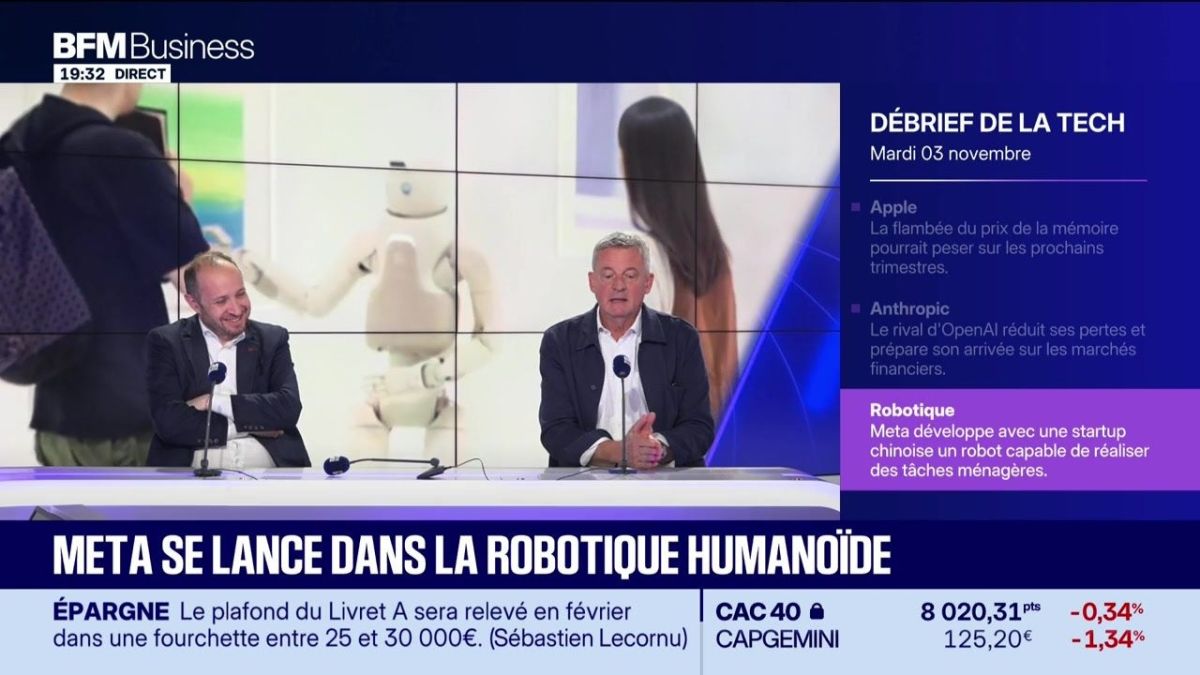
Meta is making its entry into the field of humanoid robotics, explored during a BFM Business show hosted by François Sorel, with guests also discussing the challenges related to Nvidia and cyberattacks on supermarkets. #Robotique #Tech #Cyberattaque (translated)

www.bfmtv.com
Meta se lance dans la robotique humanoïde - 03/11
2752
Savionova 3w

Savionova wrote that she watched David Lisnard on CNEWS and found him composed, convincing, and clear in his responses. She believed that he presented his proposals without beating around the bush and clarified several points of his program. According to her account, Lisnard wanted to fundamentally reform the State so that it focuses more on its sovereign missions, particularly security, justice, and law. On juvenile violence, he proposed lowering the age of criminal responsibility to 16 and reducing the minority excuse from 50% to 20%. He also defended the principle of "the vandal pays," she reported. Savionova stated that Lisnard wanted to reduce contributions on earned income by lowering the CSG rate from 9.2% to 6.6%, in order to increase the net income of workers without raising labor costs for companies. Regarding pensions, he advocated for postponing the retirement age, adding a capitalized pension to the existing system, and freezing pensions above 2,200 euros. Regarding immigration, Lisnard mentioned, according to her, about 500,000 legal arrivals per year and wanted to bring that number down to 80,000, prioritizing work-related immigration that is likely to integrate. He also believed that the debate on immigration should be able to take place without being associated with racist connotations, she wrote. Finally, Savionova reported that Lisnard considered it a priority to produce artificial intelligence and robotics, rather than just limiting themselves to regulating them. He also wanted young people to learn to master these technologies and develop their critical thinking. She described his approach as pragmatic and measured, and believed that his intervention could encourage people to discover his project and join it. #DavidLisnard #PolitiqueFrançaise #Réforme (translated)

3465
David Lisnard 3w

David Lisnard indicated that the issue of Figaro Magazine available that day addressed the country's situation, the riots, his approach for the presidential election, as well as robotics, artificial intelligence, and the future. https://t.co/qlseJnF2Fp #présidentielle #innovation #société (translated)

3592
Eric Zemmour 3w
French politician and writer

Eric Zemmour presented robotics as a future for the French industry. He recalled that Archimedes, Copernicus, Pascal, and the Lumière brothers illustrated, in his opinion, the importance of innovation and techniques in the greatness of civilization, to which France had always contributed. He believed that after allowing its industrial power to be preyed upon by China and the rest of the world, the country should not abandon its technological future to them. According to him, robots could enable France to reindustrialize while preserving its identity. #Robotique #Innovation #Industrie (translated)

3711
David Lisnard 3w

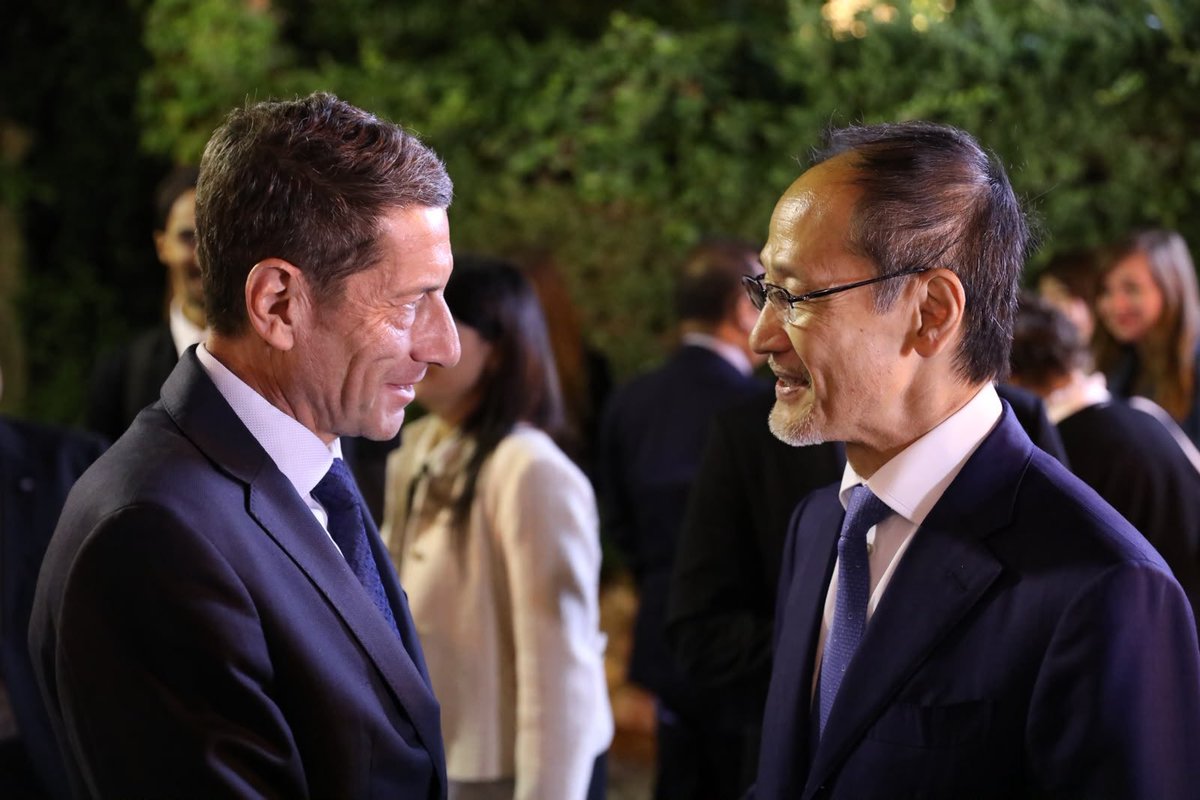
David Lisnard stated that he had given a new impetus to decentralized cooperation between Cannes and Shizuoka during a meeting with the mayor of the Japanese city, Takashi Nanba, in the presence of the Japanese ambassador to France, Hideo Suzuki, and the consul of Japan in Marseille, Mitsuaki Mizuno. He believed that France and Japan shared democratic, demographic, ecological, economic, geopolitical, scientific, and technological challenges, as well as major strategic interests. According to him, Japan's security engaged that of France, which was also a Pacific nation, with territories, maritime spaces, and interests to protect in New Caledonia, French Polynesia, and Wallis and Futuna. Lisnard also mentioned freedom of navigation, security of supplies, and regional stability in the East China Sea, the Taiwan Strait, and on maritime routes in the Indo-Pacific. He called for strengthening Franco-Japanese cooperation in artificial intelligence, semiconductors, robotics, quantum technologies, space, and nuclear energy, particularly by bringing researchers and companies closer together and developing production capacities. He presented the ties between Cannes and its twin city, Shizuoka, as a local contribution to sovereignty and to national and international dynamics. Finally, he described Japan as a pole of stability and called on democracies to tighten their ties in the face of the rise of authoritarian approaches. #CoopérationInternationale #AmitiéFrancoJaponaise #Technologie (translated)

3596
Thomas Pesquet 4w
French astronaut

The author presented human and robotic exploration as complementary and mentioned the Japanese mission MMX, which was supposed to go to the moons of Mars with the Franco-German rover IDEFIX®. He praised the teams behind this scientific and technological adventure. https://t.co/gn5gNqw8yX #ExplorationSpatiale #Mars #InnovationTechnologique #JP #FR #DE (translated)

2790
Le Parisien 4w

The Idefix robot, the first French robot designed to explore Mars, is preparing for its imminent departure to study the surface of the moon Phobos. #Phobos #Mars #robotique (translated)

www.leparisien.fr
« Le nez sur la surface de Phobos » : départ imminent pour Idefix, premier robot français à aller vers Mars
3259
Lysandre Oct 15

Lysandre wrote that some countries were sending rockets into space, while others were competing in the fields of artificial intelligence, robotics, and semiconductors. He ended his message by mentioning France, without elaborating. #Technologie #Innovation #France (translated)

3496
C
Chris Weston Oct 13

China continues to close the competitive gap with American companies in the areas of AI models, humanoid robotics, memory, and other links in the technology supply chain. According to Chris Weston of the Pepperstone firm, "China continues to close the competitive gap with American companies in the areas of AI models, humanoid robotics, memory, and other links in the technology supply chain." #Bourses #Technologie #Investissements (translated)

Des ventes massives secouent les Bourses
www.lalibre.be
3033
Mehdi (e/λ) Oct 12

Mehdi presented an hour-long intervention by Demis Hassabis on artificial intelligence and deep tech as a "masterclass." He believed that Hassabis explained how AI could accelerate fundamental sciences, from materials physics to medicine, as well as industrial robotics and biotechnology, to influence the real world at supercomputer speeds. Mehdi contrasted these topics with the superficial content and demonstrations of image and video generation that he claimed to see on social networks, and recommended listening to the intervention. #IA #DeepTech #Innovation (translated)

3501
Joan Larroumec Oct 10

Joan Larroumec presented the tensions between France and Germany as a result of increasing competition, particularly in the defense industry. He indicated that Berlin planned military spending of €108 billion in 2026, compared to €57 billion for Paris, and nearly €140 billion in 2027. According to him, Germany was seeking to use these expenditures as a lever for economic transformation, while its historical industrial model was weakened. Larroumec notably cited the decline in German exports to China, which he claimed fell from €106 billion in 2022 to €81 billion in 2025, as well as a reduction of 142,400 jobs in the German automotive industry since 2019. He also wrote that German defense start-ups had received $3.5 billion in investments in 2026, compared to $375 million in France, and that Berlin had concluded a framework agreement with Helsing and Stark that could reach €4.3 billion. He estimated that this strategy heightened rivalries between the two countries and jeopardized their joint programs. He reported that Paris and Berlin acknowledged on June 8 that the SCAF could not be successfully executed, and that the Chief of Staff of the Armed Forces announced Germany's abandonment of the MGCS tank program. He also mentioned competition in drones, artificial intelligence, and space, where, according to him, Germany was seeking to reduce France's position. Finally, Larroumec argued that France's financial difficulties limited its ability to invest in defense and risked weakening its industry. He stated that French and German interests were becoming increasingly misaligned and that this situation could lead to chaotic episodes in Europe. #France #Allemagne #Défense (translated)

3972
David Lisnard Oct 8

David Lisnard believes that the SCAF and MGCS programs, launched in 2017 by Emmanuel Macron and Angela Merkel to develop the future combat aircraft and tank, are strategic and industrial dead ends. He criticized French leaders for prioritizing Franco-German cooperation without first verifying the convergence of military interests, technological mastery, and the distribution of industrial responsibilities. According to him, a high-level Franco-German seminar held on October 7 would have revealed a different method: starting from the needs of the armed forces and industrial interests, then allowing companies to build viable cooperations before giving them, if necessary, a political translation. Lisnard stated that during the negotiations on the MGCS, Germany was preparing for the succession of the Leopard 2, notably with the Leopard 3 project, and that the delay created a military vulnerability. He called for a break with a conception of European defense that, according to him, confuses cooperation with the dilution of sovereignties. He advocated for a distribution of roles in which the political power sets ambitions and means, the armed forces define their needs, and the industries develop solutions and partnerships. Lisnard also urged for the immediate preparation of the renewal of French ground combat capabilities, beyond the simple replacement of the Leclerc, notably by integrating armored vehicles, drones, robotics, artificial intelligence, and data management. He estimated that this required investments in industry, a recovery of public finances, and a more efficient use of military credits. Finally, he accused the current government of having caused France to lose valuable years and argued that the issue concerned its ability to prepare for future conflicts, ensure the security of the French people, and defend the nation. #Défense #Souveraineté #Coopération (translated)

3624
Kultur Sep 21

🚨🤖 LE PREMIER COMBAT EN CAGE ENTRE UN HUMAIN ET UN ROBOT La ligue américaine REK a organisé le tout premier affrontement entre Frankie LaPenna et un robot humanoïde « Terminator » de 1,80 m 😳 Le robot n’était pas autonome : il était piloté en temps réel par un humain grâce à un casque VR et à la téléopération. #Combat #Robotique #Technologie

18119
BFMTV Sep 21

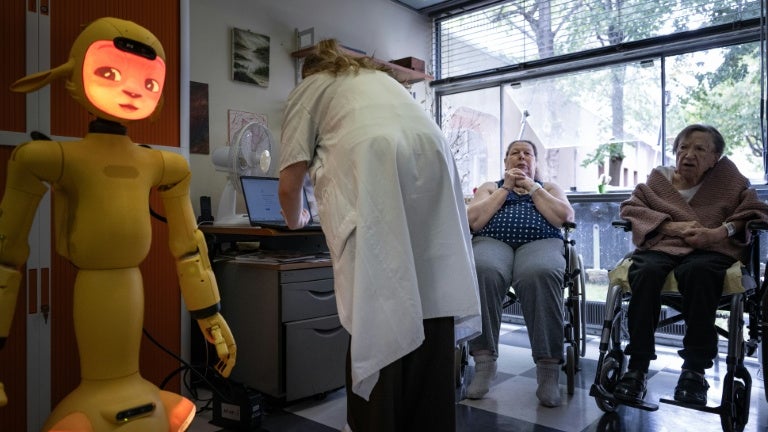
Des projets novateurs utilisant l'intelligence artificielle et la robotique, comme Livana et le robot humanoïde Miroki, sont en cours pour aider à stimuler et accompagner les malades d'Alzheimer en facilitant les interactions et en apportant un soutien émotionnel, tout en soulignant qu'ils ne remplacent pas l'interaction humaine. #IntelligenceArtificielle #Alzheimer #RobotsHumanoïdes

www.bfmtv.com
"C'est une dame qui a vécu à la ferme et qui s'inquiète beaucoup pour ses animaux": quand l’IA donne vie à des compagnons artificiels et à des robots stimulateurs pour accompagner les malades d’Alzheimer
7648
BFMTV Sep 18

L'affirmation d'Éric Zemmour selon laquelle des robots pourraient remplacer le personnel immigré dans les Ehpad, en se basant sur des expériences dans des pays comme la Chine, la Corée ou le Japon, est démontée comme étant fausse et irréaliste, car les déploiements de robots humanoïdes à grande échelle dans ces pays sont inexistants ou très limités. #Robotique #Ehpad #Technologie

www.bfmtv.com
"Ca existe en Chine, en Corée, au Japon": remplacer le personnel issu de l'immigration par des robots dans les Ehpad? Pourquoi l'affirmation d'Eric Zemmour est fausse et irréaliste
7654
2
20minutes Sep 18

L'article examine l'affirmation d'Eric Zemmour selon laquelle la Chine et le Japon remplacent les travailleurs immigrés par des robots dans les soins aux personnes âgées, tout en soulignant que cette idée est fausse car ni la Chine ni le Japon ne mettent en œuvre de tels remplacements à grande échelle. #Robotique #SoinsAuxPersonnesÂgées #Immigration

www.20minutes.fr
La Chine et le Japon remplacent-ils les travailleurs immigrés par des robots ?
7065
BFMTV Sep 18

Éric Zemmour a proposé de remplacer la main-d'œuvre immigrée par des robots, soulignant que l'automatisation pourrait permettre de libérer du temps humain pour les tâches sensibles, lors d'une interview sur BFMTV. #ÉricZemmour #immigration #robotique

www.bfmtv.com
"Des robots à la place des immigrés": Éric Zemmour évoque la robotique comme une solution à l'immigration
7655