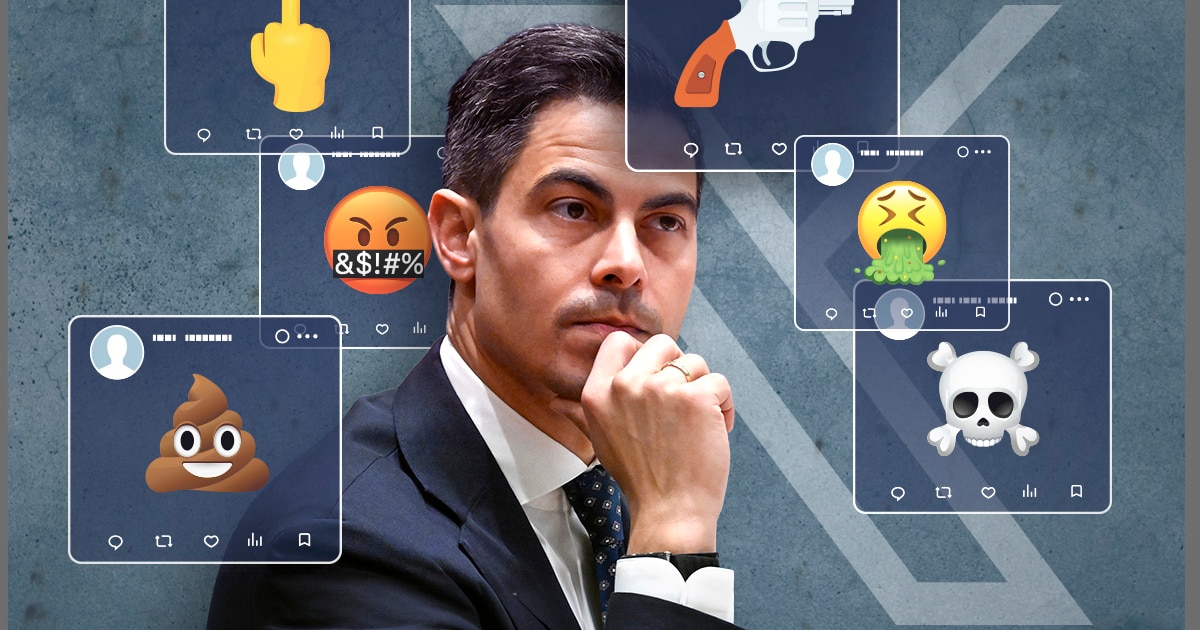
Research shows that one in twenty responses to tweets from Prime Minister Rob Jetten is homophobic, with him regularly being insulted for his homosexuality. (translated)

Research shows that one in twenty responses to tweets from Prime Minister Rob Jetten is homophobic, with him regularly being insulted for his homosexuality. (translated)

In an opinion piece, Hedda van 't Land and Vittorio Busato argue that it is not the power of algorithms that poses the problem, but the way technology companies use them to maximize the attention of young people, making the digital environment in which they grow up dangerous. (translated)

Experts point out that the increasing visibility of smoking and vaping on social media and in popular culture contributes to the rising smoking rates among young people, despite the decrease in the total number of smokers in the Netherlands. (translated)

Many experts are against the settlement with Meta and the ban on social media for children because they believe that these measures restrict too many rights and can even be harmful, but their concerns are hardly heard. (translated)

Meta has reached a settlement of 15 billion euros to end a lawsuit from 52 U.S. states regarding the harmfulness of social media, but continues to evade responsibilities and focuses more on competitive pressure than on the mental health of users. (translated)

The new design of Instagram and Facebook, with measures such as a screen time limit and making likes invisible, is meant to better protect young people, but experts regret that these changes may not go far enough to be truly effective. (translated)
Meta has reached a settlement with U.S. states in a mega lawsuit over harmful social media, in which the company promises to implement technical changes and pay at least $16.68 billion, without however acknowledging any wrongdoing. (translated)

Meta has reached a settlement of $16.7 billion with dozens of U.S. states to address allegations of addictive designs on Instagram and Facebook aimed at children and leading to mental harm, thus avoiding an expensive lawsuit in California. (translated)

Meta has reached a settlement of $16.7 billion with dozens of U.S. states to avoid a lawsuit, in which the company was accused of intentionally creating addictive apps for children, leading to serious mental harm. (translated)

In her article, Lotte Houwink ten Cate argues that social media have significantly changed the way we document our lives and tell stories, with the pressure to maintain a perfect image and the aesthetics of platforms like Instagram increasingly influencing our offline lives, resulting in our history being shaped more and more by online content. (translated)

State Secretary Aerdts emphasizes that parents should communicate more with their children about their online experiences, as half of children aged 10 to 15 encounter frightening content on social media platforms like Snapchat and TikTok, which leads to difficulties in open discussions about these topics. (translated)

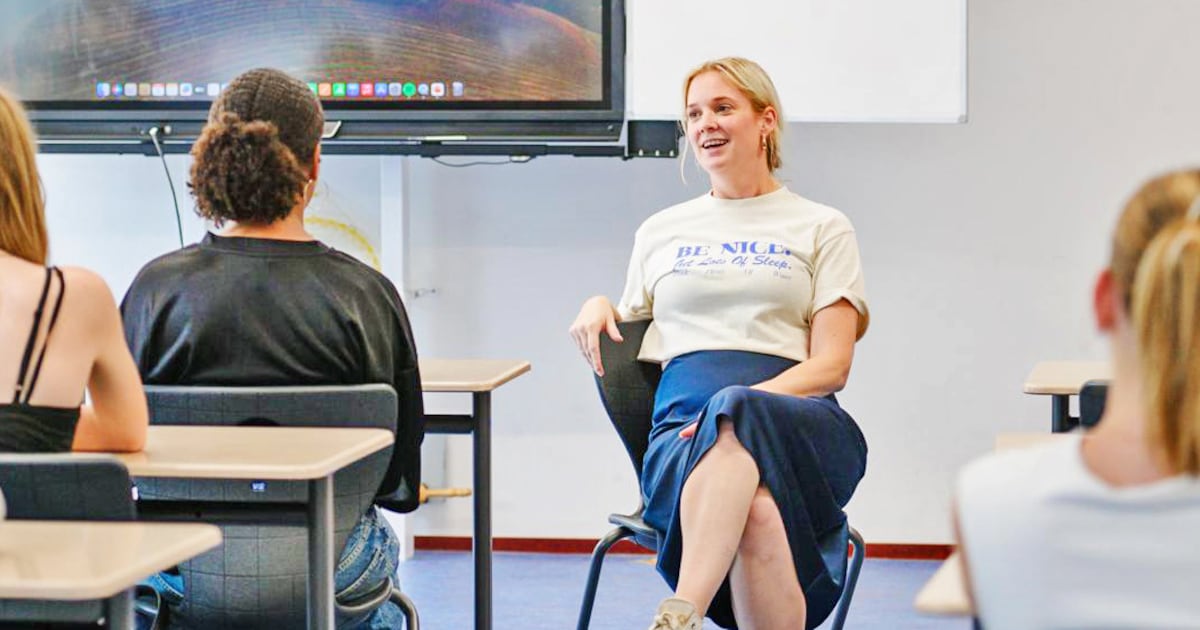
Francien Regelink (39) describes how nude photos destroyed her teenage life, but over time she became an 'internet teacher' who now provides schools with information about online safety and shares her story as a warning for young people, inspiring others to have an open dialogue about the consequences of the digital world. (translated)

After a deadly traffic accident in northern England, in which seven people died, the British government has requested social media platforms to take offline content that promotes illegal driving behavior, as one of the vehicles involved may have been driving against traffic due to a trend on social media. (translated)

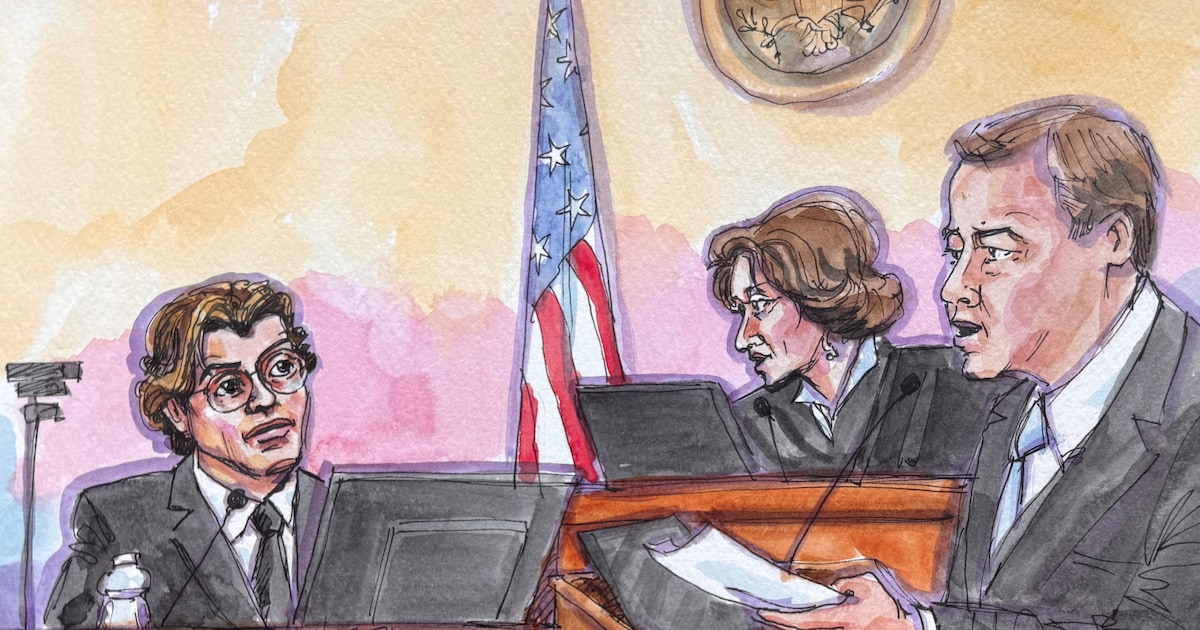
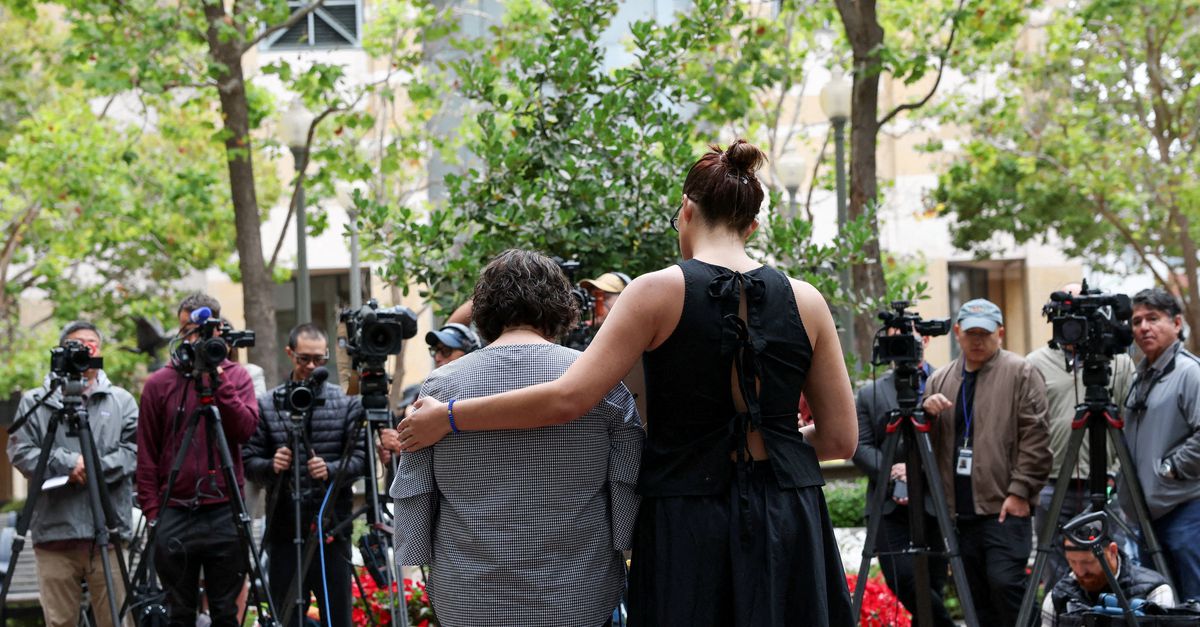
During a crucial lawsuit in Oakland, Meta, the parent company of Instagram, is accused of intentionally making children addicted to social media, with a potential risk of a $200 billion fine, which could have significant consequences for the company and its business model. (translated)

In China, a wave of racist AI videos is spreading on the main social media platforms, depicting foreigners, particularly white and Black men as well as Indians, as culprits in inappropriate situations, while it seems that the government does not censor this content, even though it contradicts their efforts to improve international relations. (translated)

In her column, Kitty Herweijer discusses the dilemma of young people who long for less digital distraction from social media but are held back by the social pressure from their peers, while parents often do not set a good example themselves. (translated)

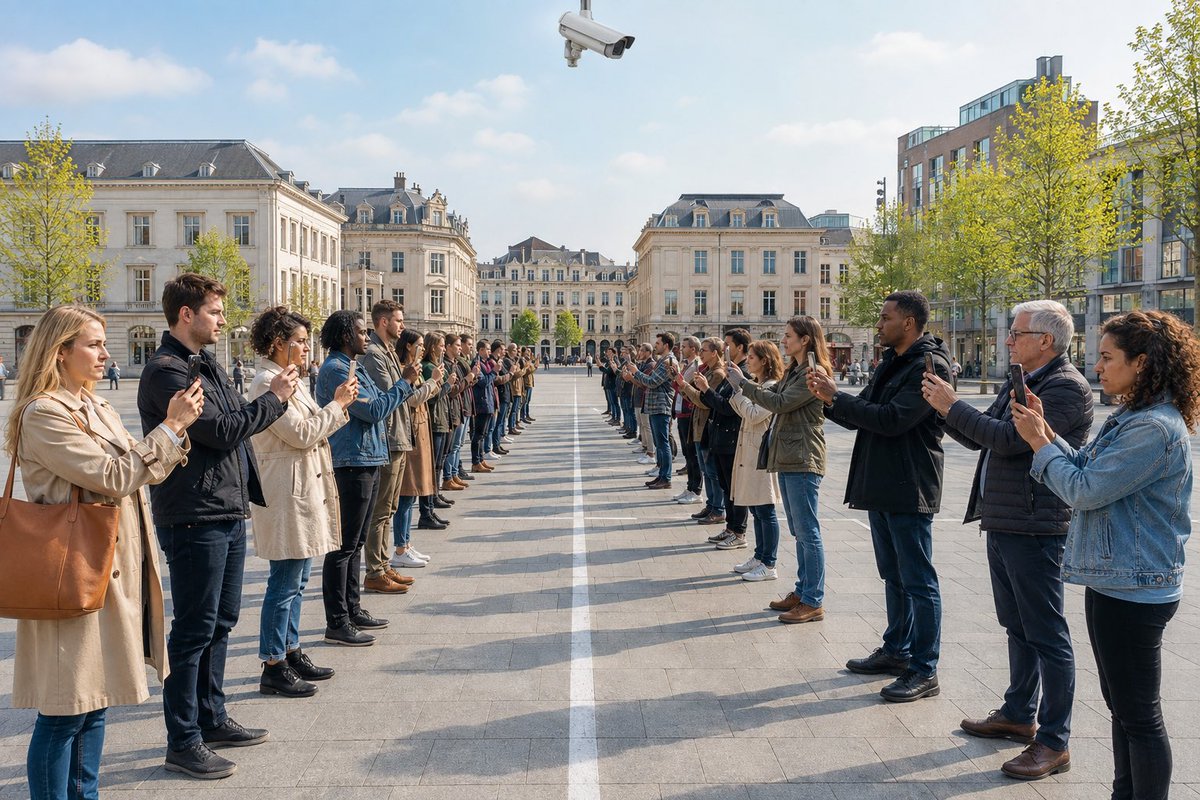
Column: De ene helft houdt de andere in de gaten Max von Kreyfelt George Orwell vergiste zich op één belangrijk punt. Hij dacht dat Big Brother personeel nodig zou hebben. In 1984 keek de staat via beeldschermen mee. Er waren geheime diensten, verklikkers en ambtenaren met sombere jassen. Een kostbare operatie. Dat kan tegenwoordig efficiënter. De ene helft van de bevolking controleert vrijwillig de andere helft. Onbetaald. Iedereen is toezichthouder geworden. De buurman beoordeelt uw afvalscheiding, de collega uw woordkeuze en de voorbijganger fotografeert uw verkeerd geparkeerde auto. Op sociale media draaien permanent volksrechtbanken waarin het bewijs doorgaans arriveert nadat het vonnis al is uitgesproken. De moderne verklikker hoeft niet meer naar een loket. Hij heeft een meldknop. Dat maakt hem geen verklikker, natuurlijk. Hij is bezorgd. Hij bewaakt de sociale veiligheid, bestrijdt desinformatie of helpt mee aan een inclusieve omgeving. Vroeger fluisterde men achter gordijnen. Nu publiceert men de beschuldiging inclusief schermafbeelding en morele verheffing. De overheid hoeft slechts de juiste woorden beschikbaar te stellen. Ongepast. Onveilig. Schadelijk. Radicaal. Zodra het etiket is aangebracht, neemt de bevolking het onderzoek over. Wie nog vragen stelt, bevestigt daarmee zijn verdachte houding. Zo controleert vijftig procent de andere vijftig procent. Welke helft waartoe behoort, wisselt per onderwerp. Bij klimaat controleert de ene buurman uw houtkachel. Bij gezondheid telt de andere uw vaccinaties. Op kantoor registreert iemand uw grap en op internet houdt een onbekende bij welke berichten u ooit leuk vond. We zijn tegelijk cipier en gevangene. Dat is bestuurlijk bijzonder voordelig. De mooiste gevangenis is immers niet die met de hoogste muur, maar die waarin de bewoners elkaar beletten te ontsnappen. Geef iedereen een camera, een morele code en een klein gevoel van macht, en er hoeft nergens meer een bewaker te staan. Big Brother werd daardoor overbodig. Hij hoefde ons niet te onderwerpen. Hij hoefde alleen maar een samenleving te bouwen waarin toezicht werd verkocht als verantwoordelijkheid en verraad als betrokkenheid. Orwell schreef dat Big Brother naar u keek. Hij kon niet voorzien dat wij uiteindelijk voor hem zouden invallen. (Orwells 1984) 📌 Heeft u mijn bundel al? https://t.co/y64gXJ5yrY 📌 Steunt u mij ook? https://t.co/V2P6pFuNy1  #BigBrother #SocialeMedia #Toezicht
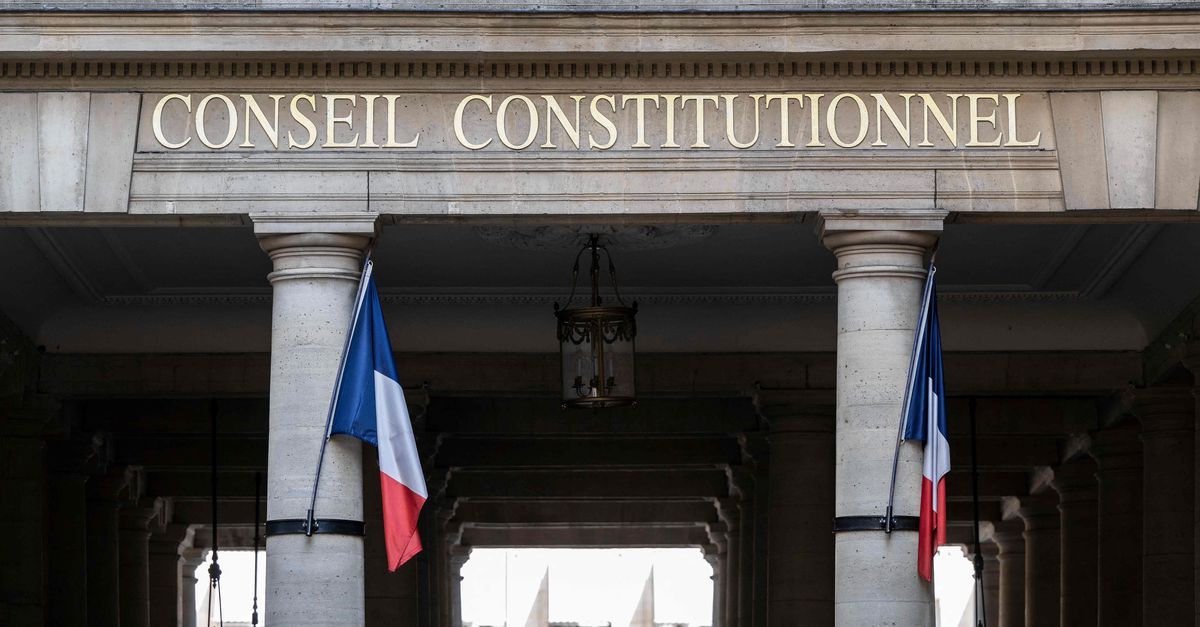
The French Constitutional Council has rejected a law that aimed to limit social media use among young people under 15, citing that it would constitute a disproportionate infringement on freedom of expression, despite concerns about the impact of social media on the mental health of young people. (translated)

The French Constitutional Council has rejected a law that would prohibit social media for children under 15 years old, as it is contrary to the constitution and constitutes an unreasonable infringement on freedom of expression and privacy. (translated)

The French Constitutional Council has declared the recently adopted ban on social media for children under fifteen unconstitutional, considering the measure a violation of freedom of expression, forcing President Macron to come up with a revision of the law. (translated)