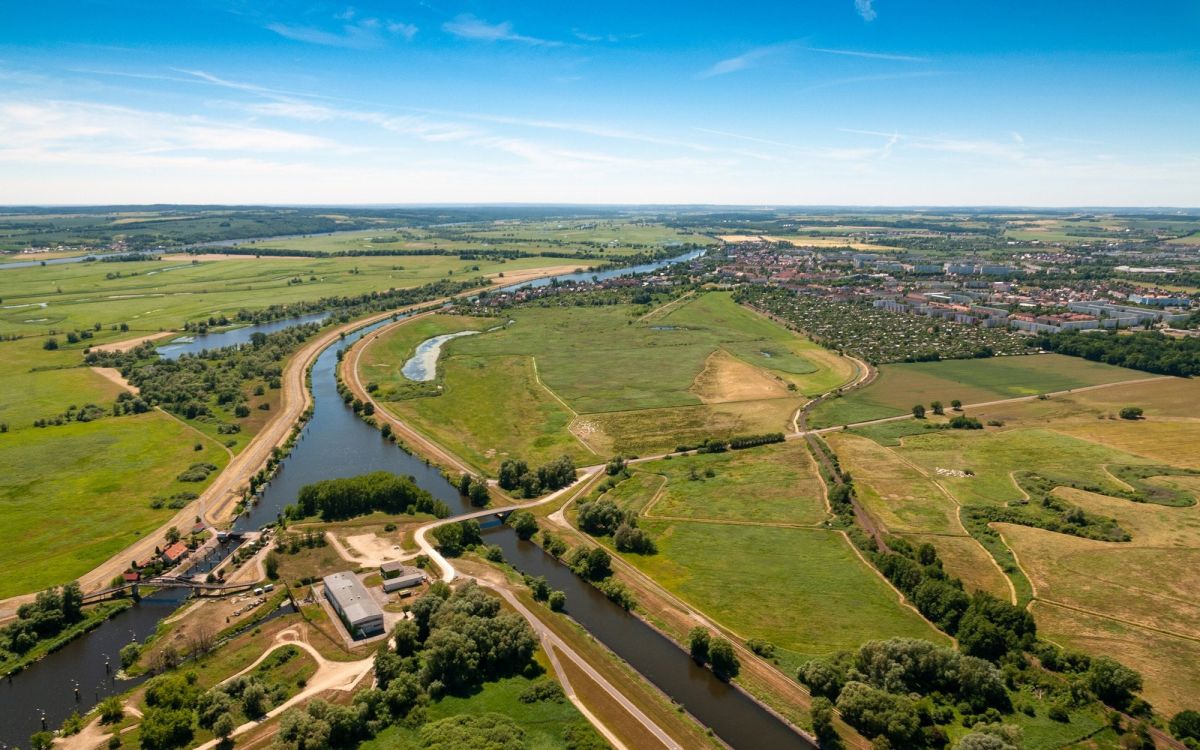
The Vistula River in Warsaw has reached a record low water level of 98 cm, resulting in 91 warnings of hydrological drought in Poland. (translated)
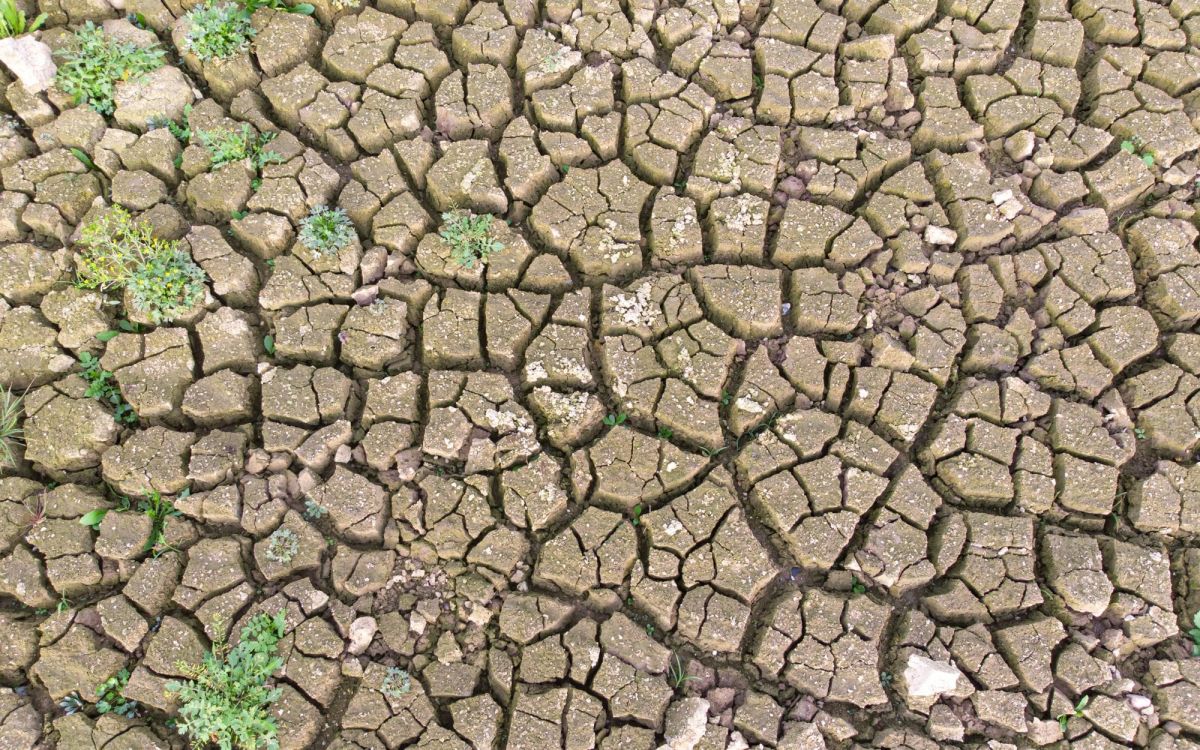
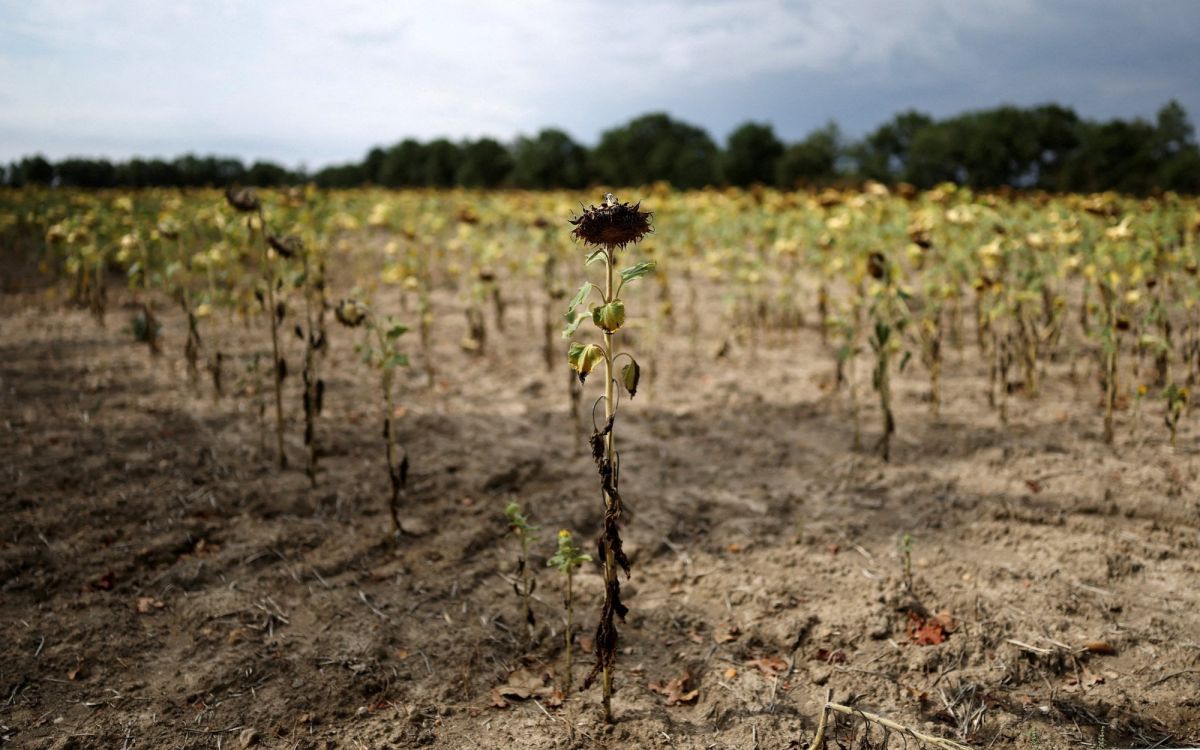
Drought in Europe, caused by extreme heat and water shortages, could lead to some agricultural areas, especially in the Mediterranean basin, becoming unsuitable for cultivation. (translated)

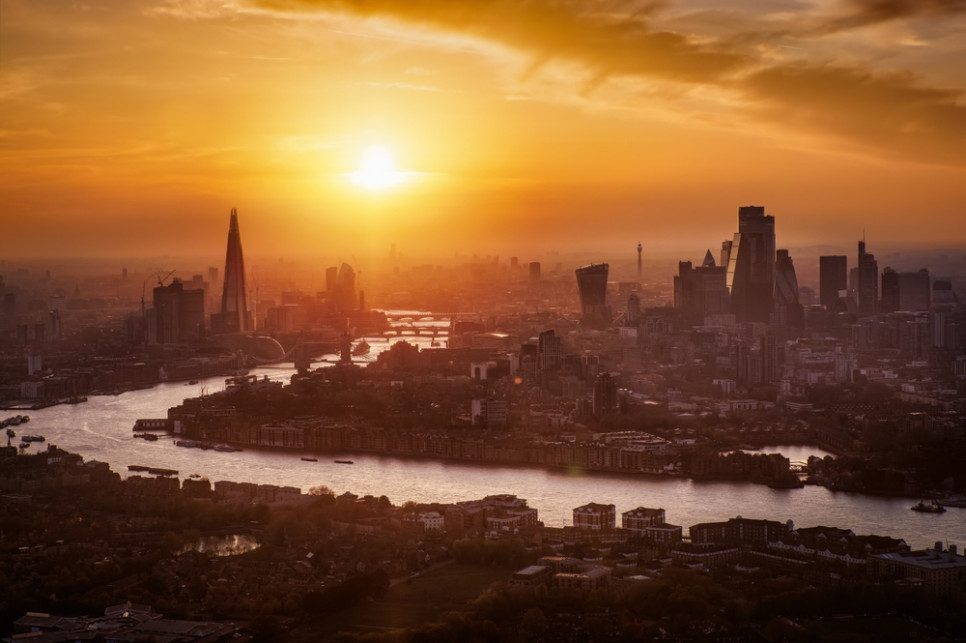
This year's summer in the UK set a temperature record, with five heatwaves and drought affecting millions of residents, highlighting the impact of climate change on the country. (translated)

This year's summer in Germany turned out to be record-breaking due to extreme heat, which led to severe drought, a drop in water levels, and an estimated 15,800 deaths related to high temperatures. (translated)
A record low water level of only 100 cm has been reached in the Vistula River in Warsaw, the lowest result since 2017, and the hydrological situation in Poland continues to worsen. (translated)
Climate change and drought in key wheat-growing regions could lead to a threefold increase in its prices, reaching around 364 dollars per ton with a global warming of 3 degrees Celsius, which has significant consequences for food security worldwide. (translated)

Low water levels in the Danube are forcing EU member states to take urgent actions, such as the use of explosives in Romania or sinking ships in Hungary, raising concerns about long-term ecological consequences and the impact on water availability and the energy system, in the context of increasing climate threats and a lack of coordinated policy at the European level. (translated)
Kazakhstan, struggling with extreme drought, plans to use cloud seeding technology in an area of 9,110 square kilometers, raising controversies and concerns from other countries in Central Asia about potential negative effects on the region. (translated)

The article discusses how modern technologies, such as nanosatellites and autonomous drones, can revolutionize the fight against fires in Europe, particularly in the context of recent tragedies caused by droughts and fires in countries such as Portugal and Greece. (translated)
As a result of the development of an extensive "heat dome" over the United States, 100 million people are struggling with extreme heat, which is associated with severe storms, flooding, and the threat of drought affecting the regions. (translated)

In France, corn yields are expected to be 35% lower, and in Italy, drought has affected 60% of agricultural land... (In Poland, the situation is also not the best... According to GUS, grain yields are expected to decrease by 4.9%, rapeseed by 14.4%, and fruit from trees by as much as 18.6%.) This is not an anomaly. This is the new reality... (translated)
Cloud seeding, a technology used to increase rainfall in the face of growing water shortages, is controversial in Central Asia, where countries are concerned about the fair distribution of water resources, and Kazakhstan has launched a program that could increase precipitation by 15-20%, provoking reactions from neighbors, including accusations of water theft. (translated)

In response to the intense fires in Indonesia, which have been exacerbated by the El Niño phenomenon, authorities have begun cloud-seeding operations, involving the spraying of substances that increase the chances of precipitation, though experts warn that this is only a temporary and limited solution to a problem mainly caused by the conversion of forests into plantations. (translated)

Donald Trump announces the takeover of the Strait of Hormuz by the USA in the face of the ongoing conflict with Iran, while the number of courier companies is increasing in Poland, and drought is affecting the production of European nuclear power plants. (translated)

Dr. Alicja Pawelec from WWF Poland warns that Poland is undergoing a serious phase of hydrogeological drought, leading to alarmingly low water levels in rivers and lakes, and the effects of this crisis situation are also felt by households, agriculture, and energy. (translated)
Poland is grappling with an increasing problem of water scarcity, with 70 percent of the country affected by low water levels, prompting the introduction of local restrictions on water usage, and experts emphasize the need for implementing integrated retention strategies as a response to this crisis. (translated)
The water level in Lake Constance has dropped to a record low of 275 cm, which is the result of the climate crisis, lack of rainfall, and minimal snowfall in the Alps, affecting the water balance of this largest lake in Germany. (translated)