The catastrophe in Nepal has already caused over 1250 fatalities and numerous material damages, and the families of the victims are struggling with issues in organizing funeral ceremonies in the face of a lack of space and resources. (translated)
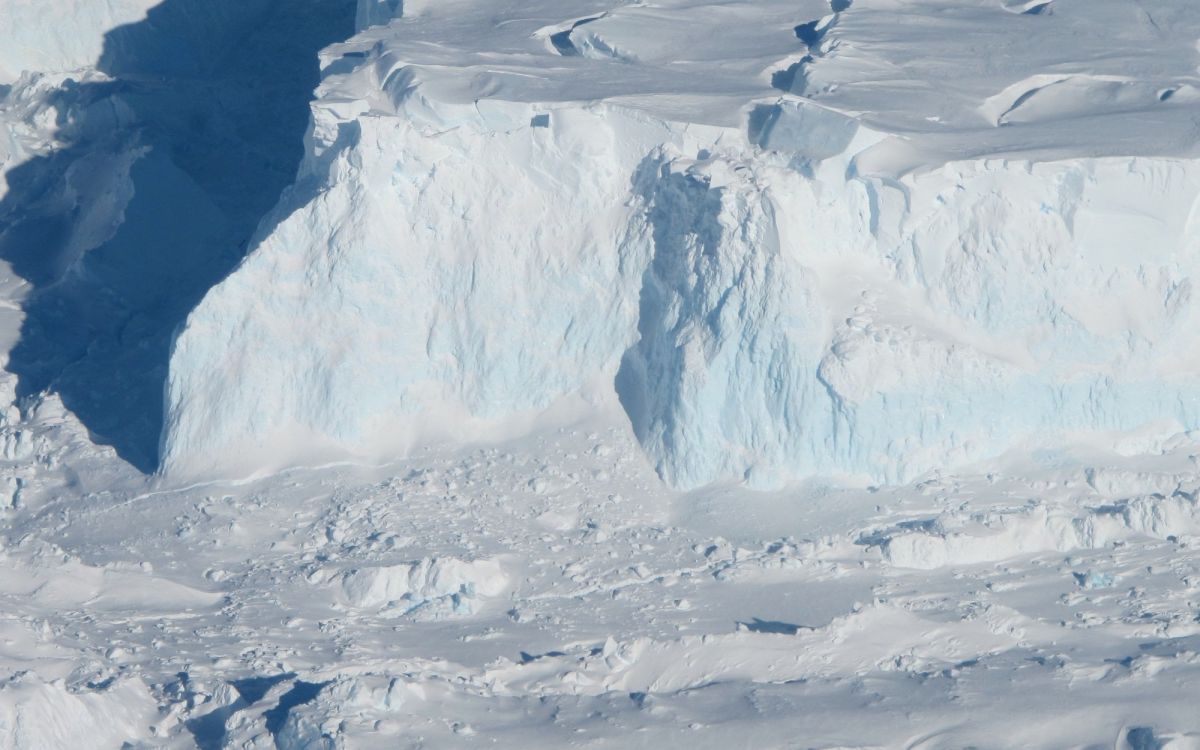
The disaster in Nepal, caused by the collapse of a glacier, highlights the growing threat associated with rapid climate changes in the Himalayas, which destabilize the high-altitude environment. (translated)

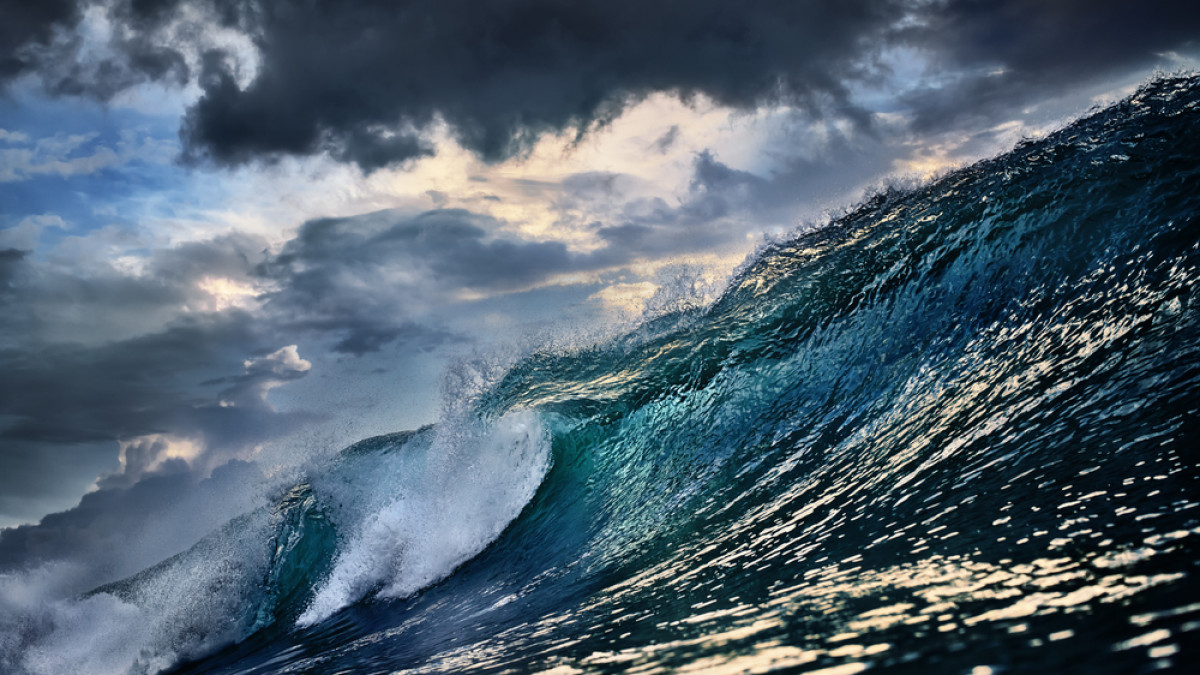
We have the most powerful El Niño in history, which significantly raises temperatures in the Pacific waters and can lead to extreme climate events worldwide, including droughts and floods. (translated)
W przyrodzie nic nie ginie. Morskie farmy wiatrowe zmniejszają opady do 15% w części Danii 🇩🇰, wybrzeża Niemiec 🇩🇪, Holandii 🇳🇱 i Wielkiej Brytanii 🇬🇧 o 10-12%. Jednocześnie na dużych obszarach farm wiatrowych występują większe opady deszczu. - Niemieccy badacze opierali się na danych pogodowych z lat 2008–2017. Od tamtego momentu farmy rozbudowano nawet o 300%, a część danych nie jest już więcej udostępnianych. Największe skutki odczujemy im bliżej 2050 roku. - Jak to się dzieje ? 👇 Turbiny wiatrowe pobierają energię kinetyczną z powietrza, a ich wirniki generują dodatkowe turbulencje. Powoduje to intensywniejsze mieszanie się różnych warstw powietrza. W rezultacie wilgoć może łatwiej unosić się nad dużymi farmami wiatrowymi i tam ulegać kondensacji. W związku z tym model przewiduje większe opady deszczu nad oceanem i mniejsze w niektórych przyległych regionach przybrzeżnych W części Jutlandii susze są wywołane zaburzeniami wiatrów właśnie spowodowanymi działalnością farm wiatrowych. W badanej części zmniejszyły opady deszczu o 15%. Ale to nie wszystko. Farmy burzą też układ prądów morskich. Zakłócenia życia biosfery i wymieranie życia w dużym promieniu wokół farm. Badania przeprowadziło : Instytut Badawczy Centrum Helmholtza w Hereon #EnergiaOdnawialna #FarmyWiatrowe #ZmianyKlimatyczne
As a result of a catastrophic flash flood on the border of Nepal and China, over 160 people have died, and hundreds of others, including many foreigners heading to Mount Kailash, remain missing, while rescue services are struggling with difficulties in accessing the affected areas. (translated)
As a result of the catastrophic glacier collapse in Nepal and the subsequently generated inland tsunami, at least 157 people have died, and 403 are considered missing, including many foreign tourists, which is related to the intense warming of the Himalayan climate. (translated)
This summer in Europe has been recorded as one of the most tragic in terms of the number of heat-related deaths, with at least 35,000 excess deaths, particularly in Western European countries such as Germany, France, and Spain, which experts believe is a result of the growing impact of climate change. (translated)

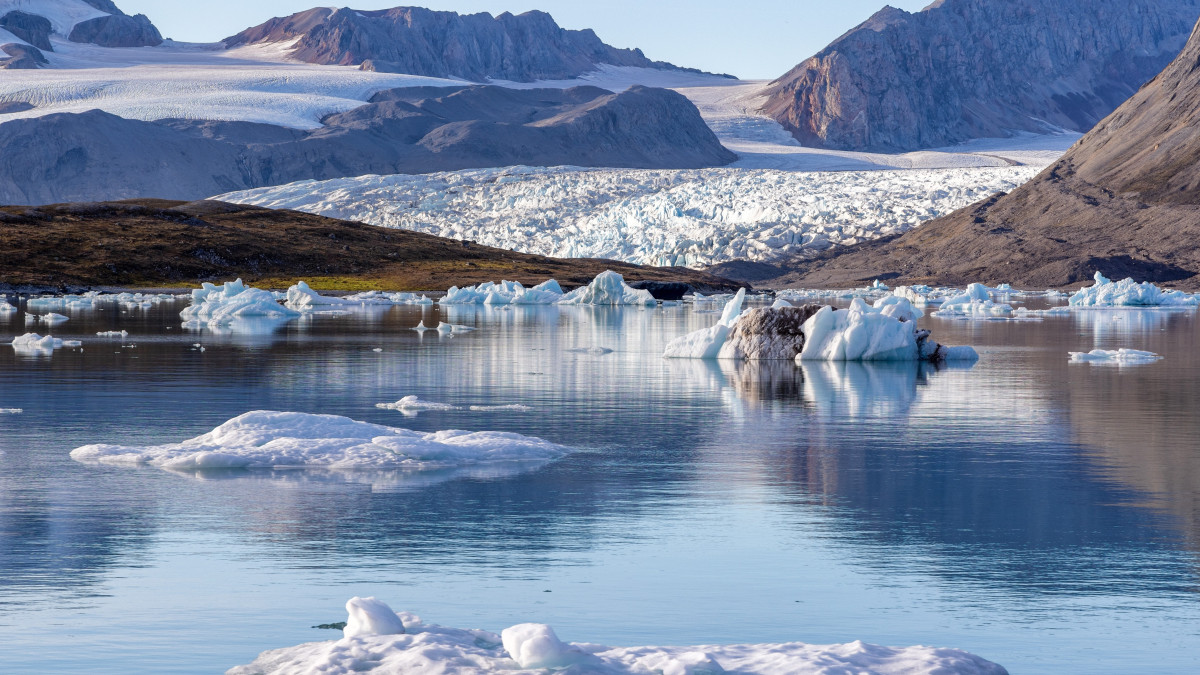
Climate change is causing the melting of sea ice in the Arctic, which opens new feeding opportunities for whales, such as humpbacks and fin whales, in the eastern Greenland region, where their numbers have significantly increased, but at the same time negatively impacts other species that are losing their habitats. (translated)

A record heat dome is developing over the United States, bringing extreme heat and the threat of floods and droughts, and experts warn that it could endanger 100 million people. (translated)

The summer of 2026 in Europe brings serious climate and geopolitical consequences, including a drought forcing the shutdown of nuclear power plants, paralyzing transportation, and rising food prices, which is expected to cost the EU economy around 180 billion euros, and forecasts for the upcoming winter indicate further problems with gas availability. (translated)

Coś niesamowitego! Przecieram oczy ze zdumienia😱 Rolnik zauważył zmiany klimatyczne😱😱 Co prawda dopiero wtedy, jak mu się kukurydza na polu ugotowała, ale chyba dobre i to, że w końcu przejrzeli na oczy. Jest szansa, że przestaną kpić, że "planeta płonie" https://t.co/B9U7PajkUz #zmianyklimatyczne #klimat #rolnictwo
In the face of climate change in the Mediterranean and rising water temperatures, tourists in Europe are facing new threats, including the dangerous bacteria Vibrio vulnificus and poisonous marine organisms, which can lead to serious infections and death, becoming a problem not only in Europe but also in the United States. (translated)

In the Tyumen region of Siberia, residents are struggling with serious problems caused by flooding along the Tura River, which has led to the death of fish, unpleasant odors in drinking water, and flooding of large areas of vegetation, as a result of extreme weather events related to climate change. (translated)
A fire in the West Midlands county in England, described by the fire chief as one of the most serious incidents, destroyed 19 farms, and 18 others were damaged; four Poles were affected by the fires in Croatia, and Prime Minister Burnham imposed a ban on the sale of disposable grills, warning of the extreme risk of fires due to the drought affecting almost all of England and Wales. (translated)

Regarding climate change and ways to come out of the crisis, it's really worth a listen, even if you are not skeptical - it organizes the topic, with plenty of examples and numbers. I especially recommend it to skeptics, doubters, and the suspicious - if you have not yet fallen into a frenzy of denying the facts. (translated)
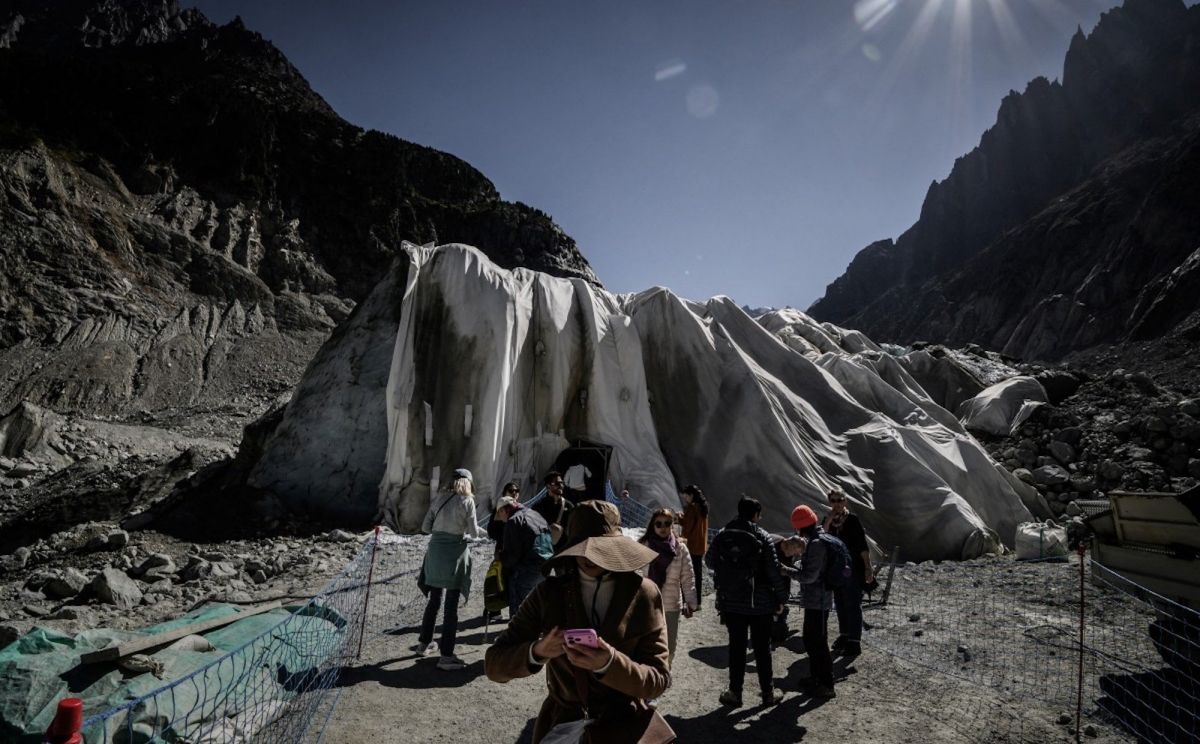
Mont Blanc has become a dangerous trap for climbers due to a heatwave that leads to frequent rockfalls, prompting authorities to cancel planned trips to the summit and close mountain huts. (translated)
In the face of growing problems related to drought in Europe, a dispute is ongoing over insufficient financial support for farmers, which, despite existing EU funds, does not provide stable assistance or prevention against future disasters, highlighting the lack of a permanent fund and the division of opinions regarding priority actions in the agricultural economy. (translated)
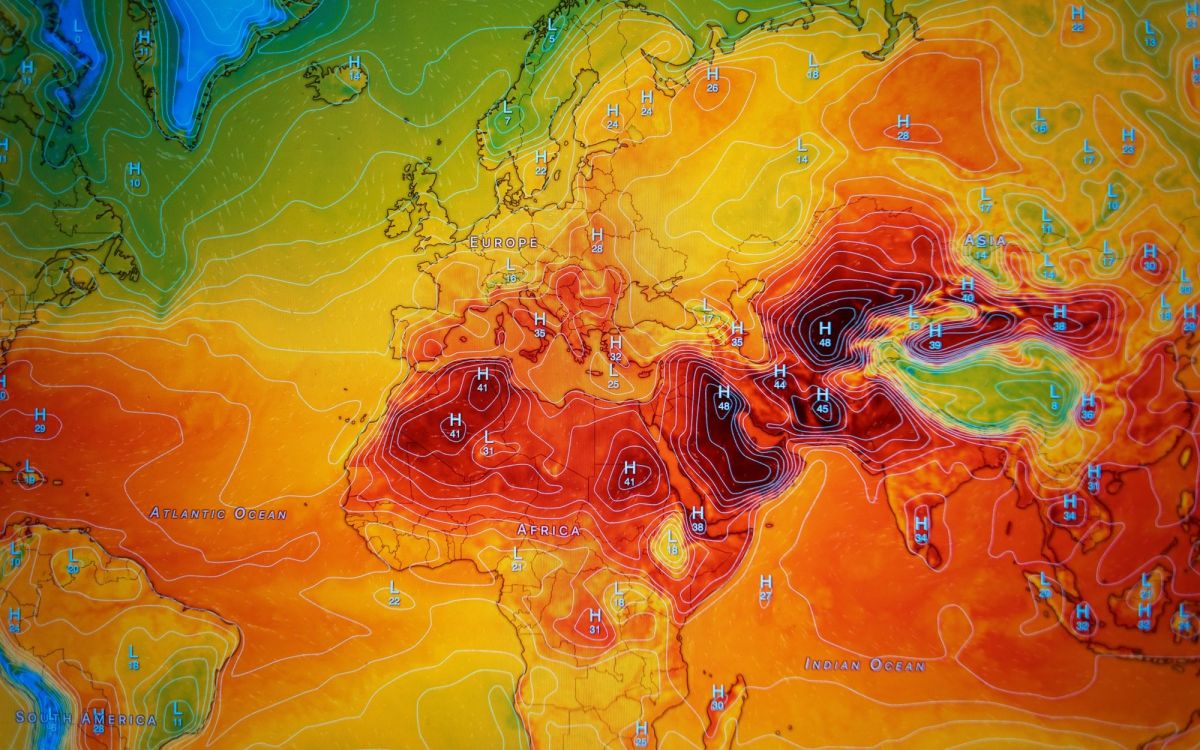
Europe is experiencing the fastest temperature increase in the world, already exceeding 2.4°C compared to the pre-industrial era, which is a result of, among other factors, its geographical location and intense greenhouse gas emissions, leading to serious climate consequences such as droughts and extreme heat. (translated)

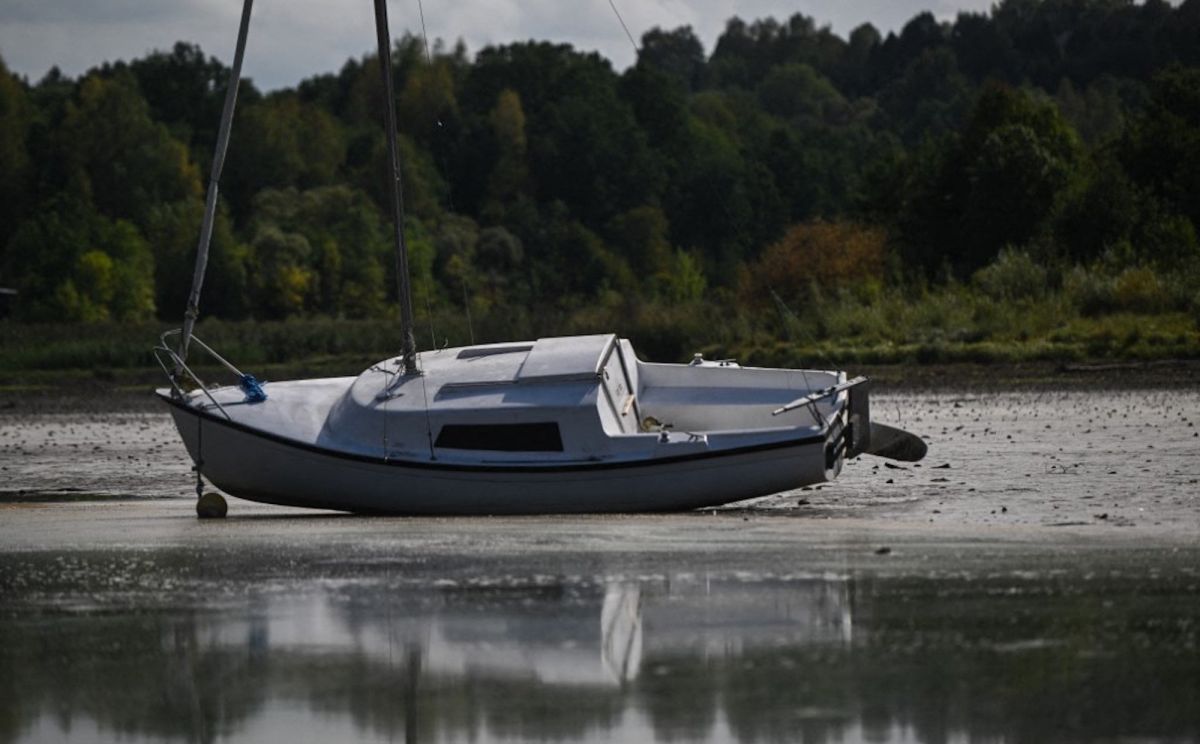
Low water levels in the rivers Rhine, Danube, and Po, caused by heatwaves and drought, threaten transportation, agriculture, and ecosystems, and their effects lead to increased costs for drinking water and dramatic changes in the environment. (translated)