UNESCO called for justice for crimes against journalists on the International Day for the Prevention of and Fight against All Forms of Transnational Organized Crime, observed on 15 November. It said impunity fueled further attacks.

Why UNESCO just voted to put these two Canadian landmarks on the global map🟥🍁🟥 12 years of hard work are finally set to pay off for Paul Wylezol, the western #Newfoundland man behind one of the newest UNESCO Geoparks set to receive full certification next spring. /1 www.ctvnews.ca/climate-and-...
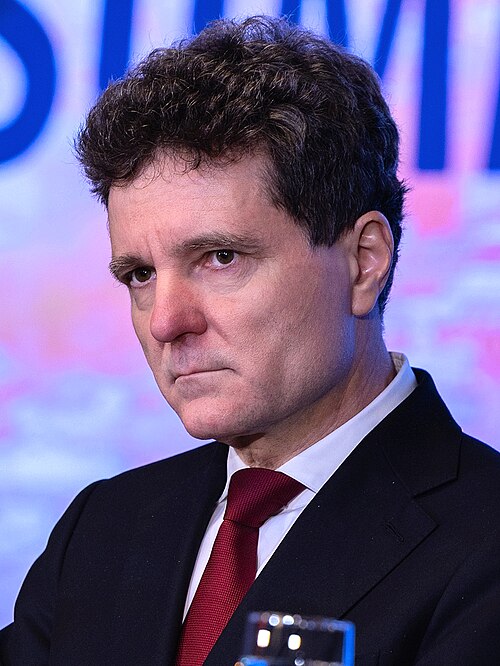
Important victory! Romania has definitively won the international arbitration process regarding Roșia Montană. It is a final decision in favor of our country, which practically closes the last extraordinary avenue of appeal against Romania and thus spares us from paying huge compensations amounting to 6.5 billion dollars. The Roșia Montană project was profoundly illegal, an attempt to irreparably destroy the natural environment and national heritage, part of the UNESCO heritage, through a gigantic corruption scheme, said Nicușor Dan on Saturday in a Facebook post, according to News.ro. #RoșiaMontană #NicușorDan #Justiție (translated)
"Important victory! Romania has definitively won the international arbitration case regarding Roșia Montană. It is a final decision in favor of our country, effectively closing the last extraordinary avenue of appeal against Romania and thus saving us from paying immense damages amounting to 6.5 billion dollars," said Nicușor Dan. "The Roșia Montană project was profoundly illegal, an attempt to irreparably destroy the natural environment and the national heritage, part of UNESCO heritage, through a huge corruption scheme," stated the head of state. "Roșia Montană means much more than the proper regulation of an environmental issue. It also represents a civic and social movement, a manifesto of a mature civil society capable of coalescing to halt fundamentally wrong decisions with major political, economic, and social impacts in Romania," Nicușor Dan conveyed. "Roșia Montană has become a symbol of civic spirit, integrity, and the promotion of behaviors based on values, not on illegitimate interests," added the president. "I thank and congratulate everyone who, from the very beginning, took on a long and grueling fight for Romania, which seemed to have no chance of success," concluded the head of state. #RoșiaMontană #NicușorDan #victorie (translated)
This is an important victory for Romania, which shows that the Romanian state has the capacity to defend its interests, national resources, and public funds while respecting commitments to good-faith investors. It is good news for the protection of the environment and the cultural heritage of Roșia Montană, a place with a unique history, included in the UNESCO world heritage. #RoșiaMontană #victorie #justiție (translated)
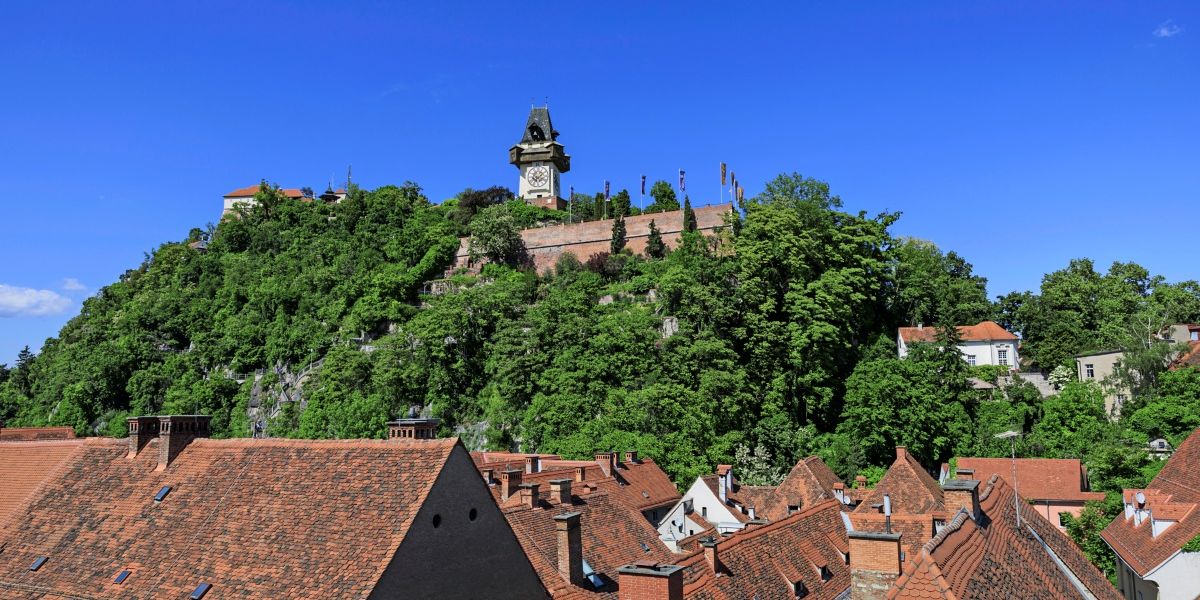
The blue-black regional government in Graz is planning a reform of the building law that could loosen the protection of the old town and thus jeopardize the city's status as a UNESCO World Heritage site, which has met with widespread criticism. #Altstadtschutz #Weltkulturerbe #Graz (translated)

Economy of €160 in Switzerland, on the Bernina Express! (Same route, reduced price) Did you know that you can travel the exact same spectacular route as the famous Bernina Express, but by simply paying for a regional train ticket? We departed from the sunny palm trees in Tirano (Italy) and climbed to over 2,000 m altitude at Alp Grüm, in the heart of the Swiss glaciers! 🏔️ We chose the regional train on the famous Bernina route — a much more affordable alternative, with windows that open and storybook landscapes at every turn. See in the video how the journey was, how much it cost, and whether it’s worth choosing the regional train. The journey from Tirano to Alp Grüm on the Bernina route is considered one of the most spectacular in the world. Join us aboard the red train and enjoy the best views of the Alps! If you like our travels, don't forget to leave a Like, subscribe to the Doi drumeți channel, and let us know in the comments if you have done or plan to do this route! 🚆🏔️ #DoiDrumeti #BerninaExpress #RegionalTrain #AlpGrum #Switzerland #TrainTravel #TravelVlog #SwissAlps #TravelHacks #UNESCO https://youtu.be/curcnM_uRl4 #DoiDrumeti #BerninaExpress #TrenulRegional #AlpGrum #Elvetia #CalatoriiCuTrenul #VlogDeCalatorie #AlpiiElvetieni #TravelHacks #UNESCO https://youtu.be/curcnM_uRl4 (translated)

The Chaîne des Puys was recognized by UNESCO for its exceptional preservation efforts, thus receiving the highest honor from the organization. #AccèsRefusé #UNESCO #ChaîneDesPuys (translated)
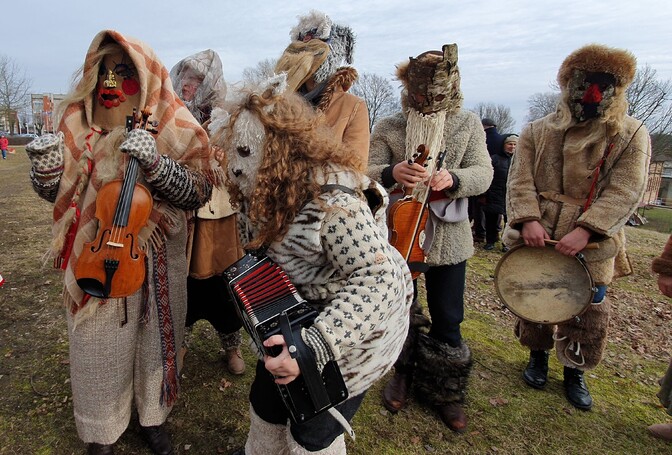
Estonia submitted the mardi and kadri customs to the UNESCO intangible cultural heritage list, with the decision to be announced in December at the UNESCO meeting in China. #mardipäev #kadripäev #vaimnekultuuripärand (translated)

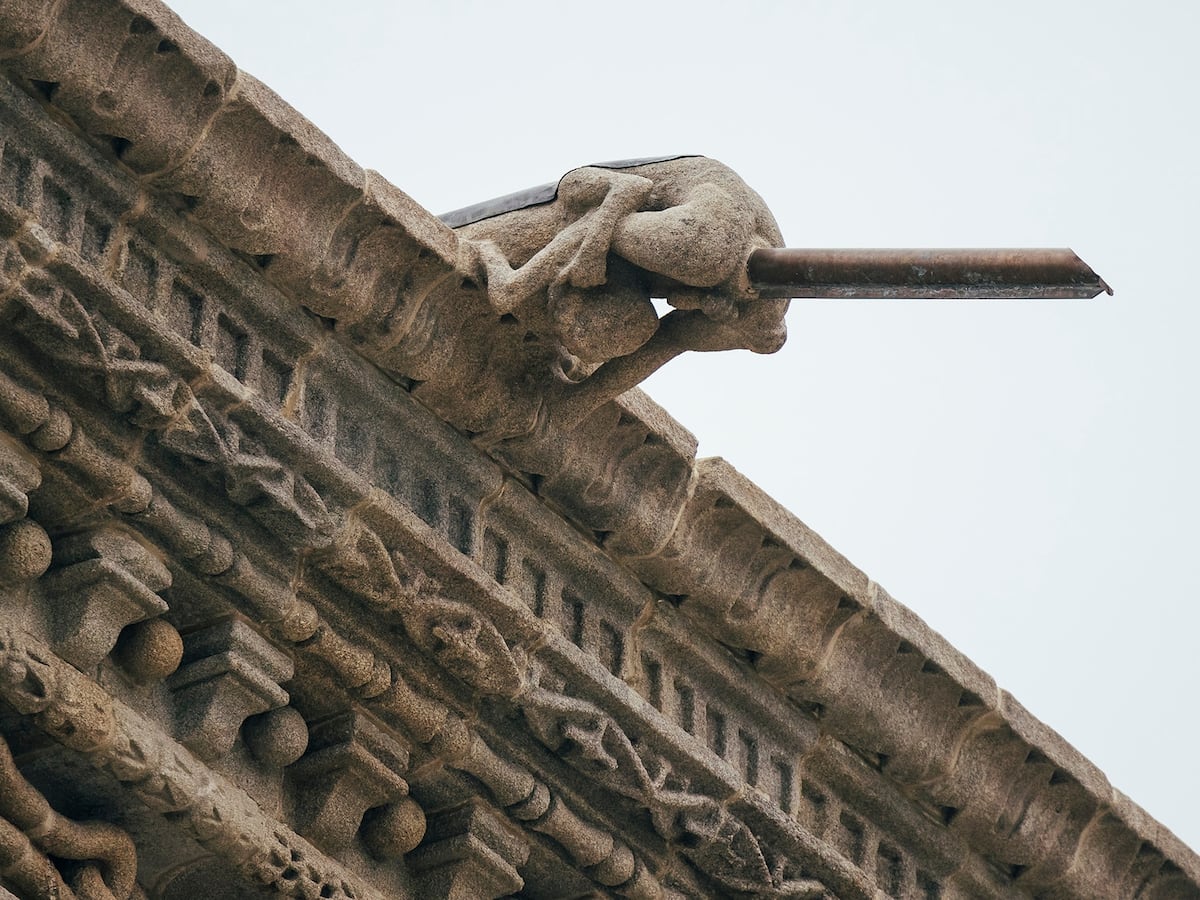
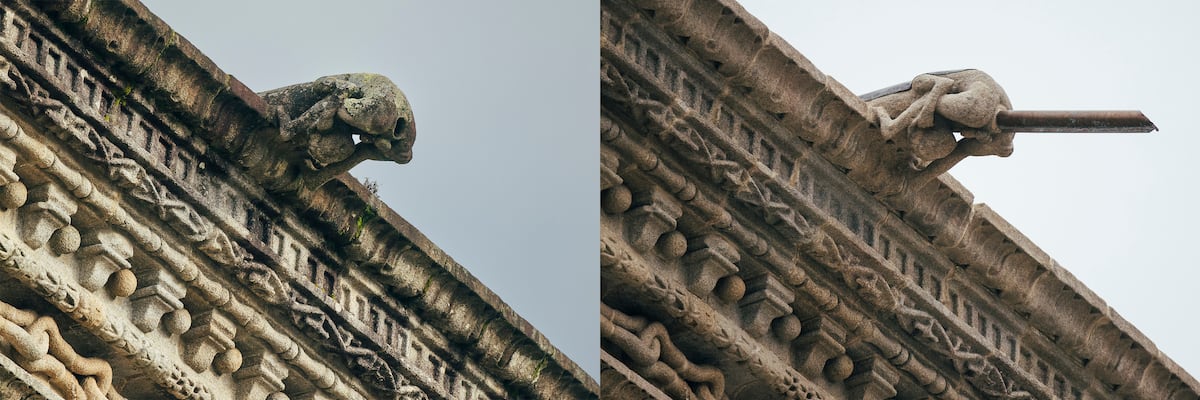
The report from the 12 advisors of UNESCO concludes that the metal pipes installed in the gargoyles of the Hostal dos Reis Católicos must be removed to preserve the cultural heritage of Santiago, a city declared a World Heritage Site. #PatrimonioCultural #SantiagoDeCompostela #Icomos (translated)

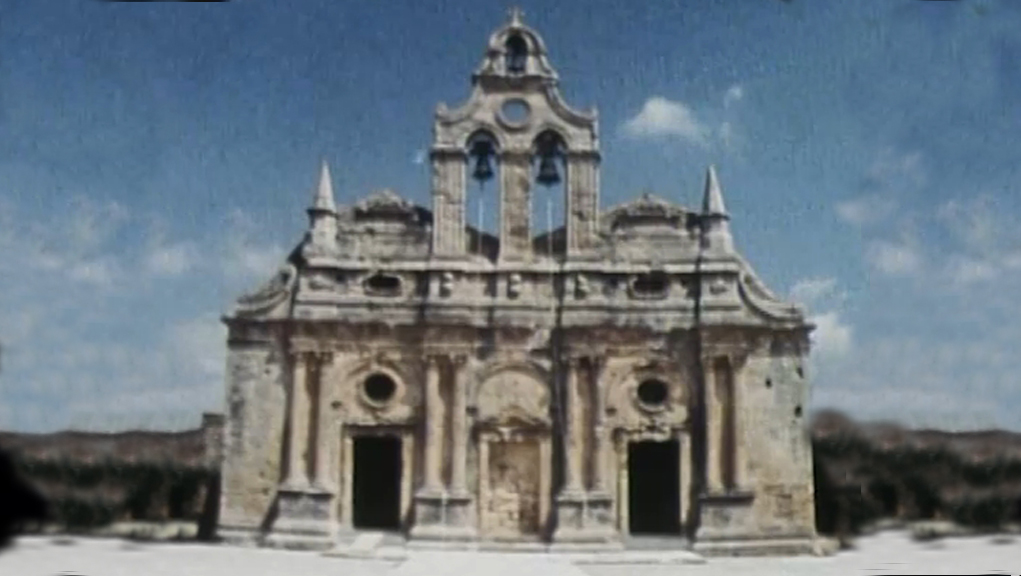
The article refers to the Holocaust of the Arkadi Monastery in 1866, a significant event in Cretan history that inspired struggles for freedom and was recognized as a European Monument of Freedom by UNESCO. #Αρκάδι #ΚρητικήΕπανάσταση #Ελευθερία (translated)

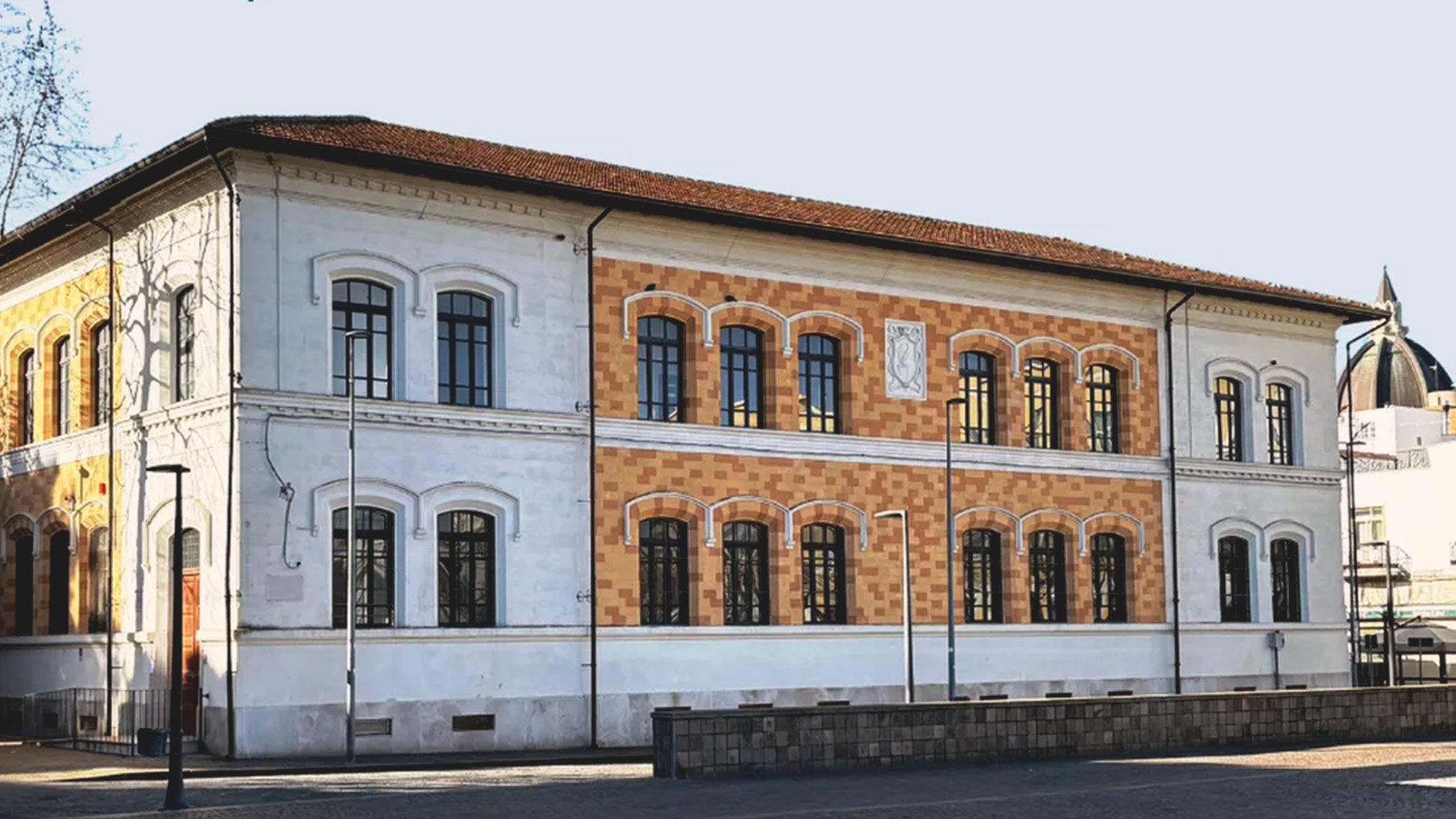
THE COMMUNITY LIBRARY AND DICTIONARY "NICOLA ZINGARELLI" ON THE PRESTIGIOUS "GLOBAL CAMPUS OF HUMAN RIGHTS" And if the health of a community began not in a clinic, but among the shelves of a library? Cerignola, March 13, 2026. A chain of hands crosses the city. From the old municipal library to the new home, built in the renovated schools, books pass from hand to hand. A man hands a volume, a little girl receives it, an elderly person passes it on. It’s not a move but a declaration. The new Community Library, in a city of 57,700 inhabitants in the heart of Puglia, bears the name of Nicola Zingarelli, the founder of one of Italy's most beloved dictionaries. And to every user, it offers the use of that very dictionary. As the “Community Dictionary”. Here lies the point that questions us, as jurists and as citizens. In Italy, many elderly people in the South and many migrants live daily in another language: dialect, mother tongue, Romance varieties. Law 482/1999 protects historical linguistic minorities, not these varieties. When a leaflet, an informed consent, a prescription remains only partially understood, the quality and safety of care are compromised. Not due to negligence. Due to linguistic distance. The dictionary of the great philologist and purist Nicola Zingarelli does not translate dialects and does not replace interpreters and cultural mediators. Let it be clear: it is a monolingual dictionary of standard Italian. Its strength, in terms of human rights, lies elsewhere. It removes economic and symbolic barriers to access to standard language and creates what we have called a “linguistic common resource”: a common space where anyone, regardless of income and education, can check the meaning of a diagnosis, a prescription, an administrative form. This is what we mean by “public bibliotherapy”. The right to health, as interpreted by the Committee on Economic, Social and Cultural Rights in General Comment No. 14, includes the right to health information. General Comment No. 21 recalls that libraries are cultural institutions whose accessibility is a priority. Article 32 of the Constitution protects health as a fundamental right and collective interest. Article 12 of the International Covenant on Economic, Social and Cultural Rights obliges states to ensure services that are available, accessible, acceptable, and of good quality, with accessibility expressly including information. Yet almost half of Europeans, according to a 2024 Council of Europe report, have limited health literacy. In Chisinau, on March 26, 2026, it was reiterated that this is a major obstacle to the implementation of Article 11 of the European Social Charter. Reading, understanding, choosing: without these abilities, the right to health remains an abstract promise. Cerignola responds concretely. And the first three months tell this story with numbers, not slogans: more than 7,500 new visitors, 526 new members, 1,293 participants in workshops. A study from Yale University in 2016, on 3,635 participants over 50 followed for 12 years, observed that those who read books died on average 20 percent less frequently than those who did not read. It is not proof that reading extends life but a strong hint that reading contributes to health. Not every library is a clinic, nor do we want it to become one. But a boxed collection, in transit, cannot be borrowed, consulted, shared. And an inaccessible collection does not benefit anyone's health. The human chain in Cerignola has restored availability and accessibility, transforming a stored inventory into a vibrant public service. England has integrated social prescribing into its National Health Service since 2019. The UNESCO Manifesto for Public Libraries promotes them as social and health hubs. When a library is forced to close, the issue is not just the cost. It is the legitimacy of a regressive measure, for which the state must bear the burden of proof. From here, four steps to ensure Cerignola is not an exception. First: integrate health literacy into national planning, with information in clear language and, where appropriate, in dialects and migrant languages, disseminated through libraries. Second: recognize public libraries as relevant infrastructure for the right to health, with stable funding and a human rights impact assessment before any closure. Third: support the Coalition for Health Literacy and Human Rights and the Rome Declaration, which the Council of Europe will discuss in Rome on December 4, 2026, and measure health literacy with ISTAT data disaggregated by language and age. Fourth: rigorously assess community libraries, not for attendance but for health literacy and access to services. Rights, like the books of Cerignola, if left boxed do not heal anyone. They must come out of boxes, pass from hand to hand, become comprehensible words. If you believe that a library can also be a health hub, spread this story. Cerignola has shown the way. Now it is up to the institutions to follow it. (translated)

What if the health of a community began not in a clinic, but among the shelves of a library? Cerignola, 13 March 2026. A chain of hands crosses the town. From the old municipal library to the new home, created in renovated schools, the books pass from hand to hand. A man hands over a volume, a child receives it, an older person passes it on. It is not a move. It is a statement. The new Community Library, in a town of 57,700 people in the heart of Puglia, bears the name of Nicola Zingarelli, the founder of one of Italy’s best loved dictionaries. And it offers every user the use of that very dictionary. As a “Community Dictionary”. Here is the point that questions us, as lawyers and as citizens. In Italy many older people in the South and many migrants live every day in another language: dialect, language of origin, Romance variety. Law 482/1999 protects historic linguistic minorities, not these varieties. When a patient leaflet, an informed consent form, a prescription remain only half understood, the quality and safety of care suffer. Not through negligence. Through linguistic distance. The dictionary of the great philologist and member of the Accademia della Crusca from Cerignola, Nicola Zingarelli, does not translate dialects and does not replace interpreters and cultural mediators. To be clear: it is a monolingual dictionary of standard Italian. Its strength, in human rights terms, lies elsewhere. It removes economic and symbolic barriers to access to the standard language and creates what we have called a “common linguistic resource”: a common space where anyone, whatever their income and schooling, can check the meaning of a diagnosis, a prescription, an administrative form. This is what we mean by “public bibliotherapy”. The right to health, as interpreted by the Committee on Economic, Social and Cultural Rights in General Comment №14, includes the right to health information. General Comment №21 recalls that libraries are cultural institutions whose accessibility is a priority. Article 32 of the Constitution protects health as a fundamental right and a collective interest. Article 12 of the International Covenant on Economic, Social and Cultural Rights obliges States to guarantee services that are available, accessible, acceptable and of good quality, with accessibility expressly including information. Yet almost half of Europeans, according to a Council of Europe report of 2024, have limited health literacy. In Chisinau, on 26 March 2026, it was restated that this is a major obstacle to the implementation of Article 11 of the European Social Charter. To read, to understand, to choose: without these abilities, the right to health remains an abstract promise. Cerignola responds in a concrete way. And the first three months tell it with numbers, not with slogans: more than 7,500 new visitors, 526 new members, 1,293 participants in workshops. A Yale University study of 2016, on 3,635 participants over 50 followed for 12 years, observed that those who read books died on average 20 per cent less often than those who did not read. It is not proof that reading lengthens life. It is a powerful sign that reading contributes to health. Not every library is a clinic, nor do we want it to become one. But a boxed up collection, in transit, cannot be borrowed, consulted, shared. And an inaccessible collection does no good to anyone’s health. The human chain of Cerignola restored availability and accessibility, turning a stored inventory into a living public service. England has integrated social prescribing into its National Health Service since 2019. The UNESCO Manifesto for Public Libraries promotes them as social and health posts. When a library is forced to close, the question is not only cost. It is the legitimacy of a regressive measure, for which the State must bear the burden of proof. From here, four steps to ensure Cerignola does not remain an exception. First: integrate health literacy into national planning, with information in plain language and, where appropriate, in dialects and migrant languages, spread with the libraries. Second: recognize public libraries as infrastructure relevant to the right to health, with stable funding and a human rights impact assessment before every closure. Third: support the Coalition for Health Literacy and Human Rights and the Rome Declaration, which the Council of Europe will discuss in Rome on 4 December 2026, and measure health literacy with ISTAT data broken down by language and age. Fourth: evaluate community libraries with rigour, not by attendance but by health literacy and access to services. Rights, like the books of Cerignola, if they stay boxed up cure no one. They must come out of the boxes, pass from hand to hand, become an understood word. If you believe that a library can also be a health post, share this story. Cerignola has shown the way. Now it is up to the institutions to follow it. (translated)

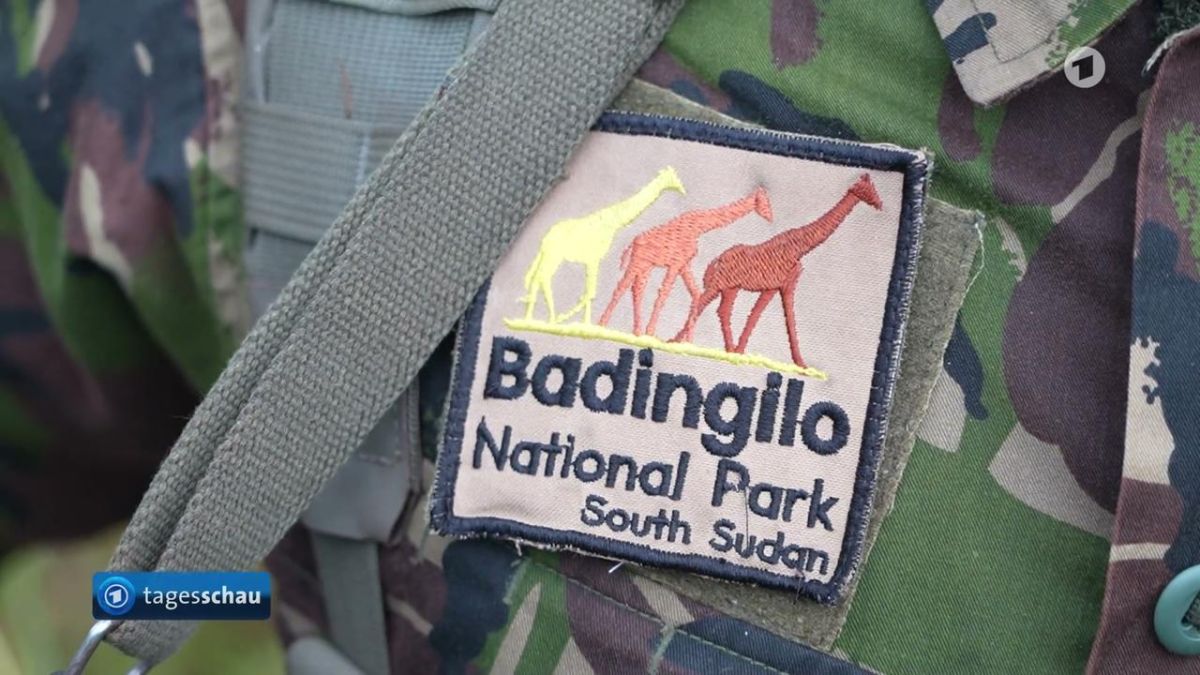
The first UNESCO National Park in South Sudan was opened on November 6, 2026, marking an important step for conservation and the promotion of tourism in the region. #Südsudan #UNESCO #Nationalpark (translated)

Icomos, the advisory body of UNESCO, has supported the removal of tubes from the sodomized gargoyles of Santiago due to their negative visual impact, suggesting that less harmful alternatives for the aesthetics of the heritage be sought. #PatrimonioCultural #SantiagoDeCompostela #ArquitecturaHistórica (translated)

The author asked how the right to a fair trial could be safeguarded as AI became more integrated into judicial systems. They cited UNESCO’s publication “The Right to a Fair Trial in the Age of AI,” which they said examined how AI could support justice and uphold human rights.
The author said Germany’s renewed contribution to UNESCO’s GMDF supported legal assistance, access to justice and accountability for attacks on journalists. They thanked Germany for its continued commitment to media freedom. #Pressefreiheit #Journalismus #Solidarität #DE (translated)
The author thanked The Washington Post for highlighting UNESCO’s latest findings and wrote that impunity for journalist killings outside conflict zones had fallen from 94% in 2012 to 77% in 2025. They added that progress was possible and that justice needed to follow.
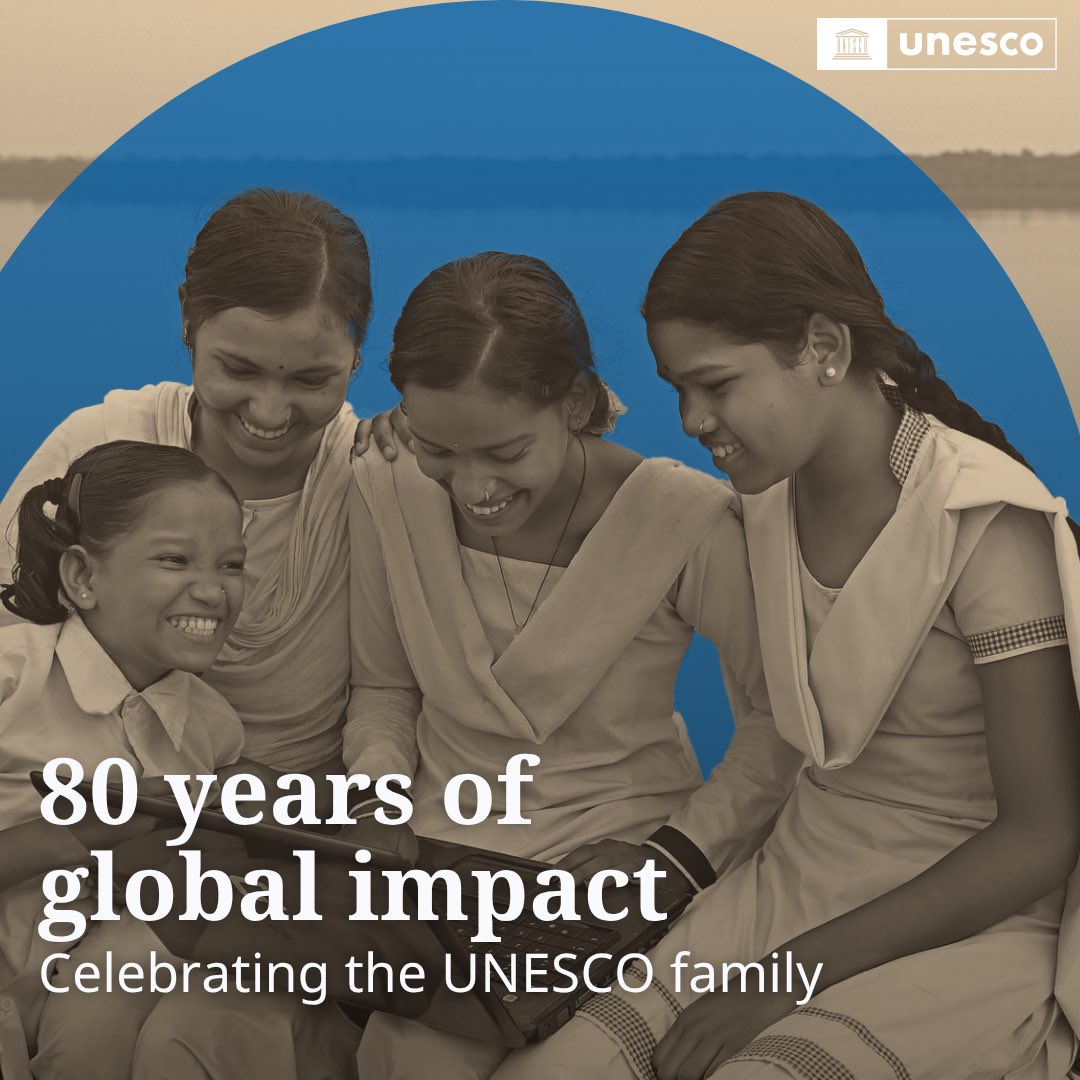
UNESCO said it had championed the free flow of ideas for 80 years and continued to defend freedom of expression, protect journalists, advance media and information literacy, promote human-centred AI and safeguard documentary heritage. It said these efforts aimed to build peace through information and knowledge.
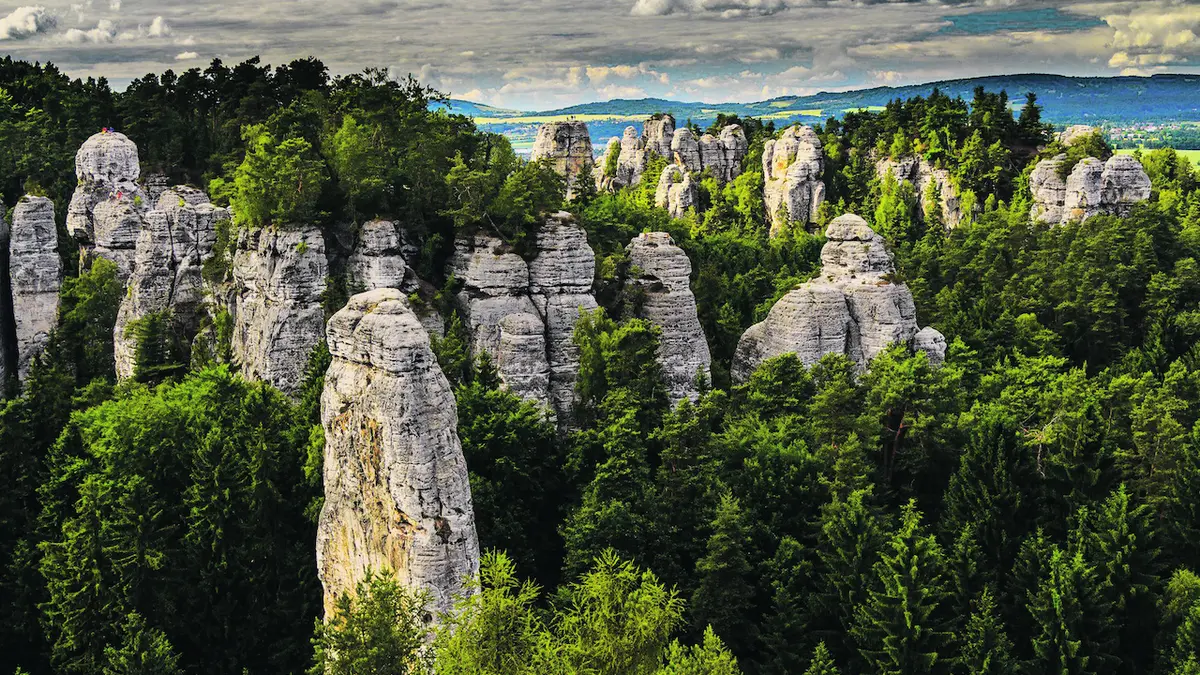
Czech Paradise, the only geopark in the Czech Republic with the prestigious UNESCO brand, lost this designation after unsuccessful attempts to address issues related to the sale of precious stones of unclear origin. #UNESCO #geopark #Českýráj (translated)