Contraception and Western Culture In the 1960s, the birth-control pill became widely available. Sexual liberation is usually presented as a story of freedom and progress, but its biological consequence is rarely discussed: sex could now be separated from reproduction. Every Western nation has experienced below-replacement fertility for decades. Oxford anthropologist J. D. Unwin anticipated this pattern in *Sex and Culture*, a study of 86 societies. He expected to disprove any link between sexual restraint and civilizational achievement. Instead, he concluded that cultures practicing strict monogamy generated energy expressed through art, science, conquest, and commerce. Relaxing sexual restraint, he argued, consistently weakened that energy within three generations. Unwin also predicted that such societies would abandon rationalism, deism, and monogamy. Three generations after 1960 brings us near the present, and some of his predictions appear increasingly visible. Religious affiliation has collapsed, marriage is declining, the median age at first marriage is at a record high, and a record share of people will never marry. Rationalism also appears to be giving way to egoism, identity, and emotion. Contraception helps explain this transformation. Evolutionary theory distinguishes between a behavior’s immediate purpose—such as pleasure—and its ultimate function, such as reproduction. Sex traditionally served both purposes. Contraception severed that connection, preserving the behavior while disconnecting it from reproduction. Female education, urbanization, workforce participation, economic growth, and the rising cost of living also correlate with declining fertility. Yet many of these changes depend on technological control over reproduction. Career-first lifestyles, extended education, and mass female workforce participation would be far more difficult without it. Women may have gained freedom from child-rearing, but they may have fewer daughters to inherit that freedom. Institutions that promoted this transformation now import replacement populations that may not share its values and could eventually reverse them.

The World Urban Forum in Baku concluded with a global call to action addressing the urgent challenges of housing inequality, climate change, and urbanization, emphasizing the need for integrated solutions to create resilient and inclusive cities. #UrbanResilience #GlobalHousingCrisis #WUF13
At the World Urban Forum in Baku, a World Bank economist emphasized that urbanization is essential for economic development and job creation, while noting that Africa faces significant financing challenges that require collaboration from multiple sources, including the private sector, to effectively manage the rapid urban growth and its associated pressures. #Urbanisation #EconomicGrowth #WorldUrbanForum
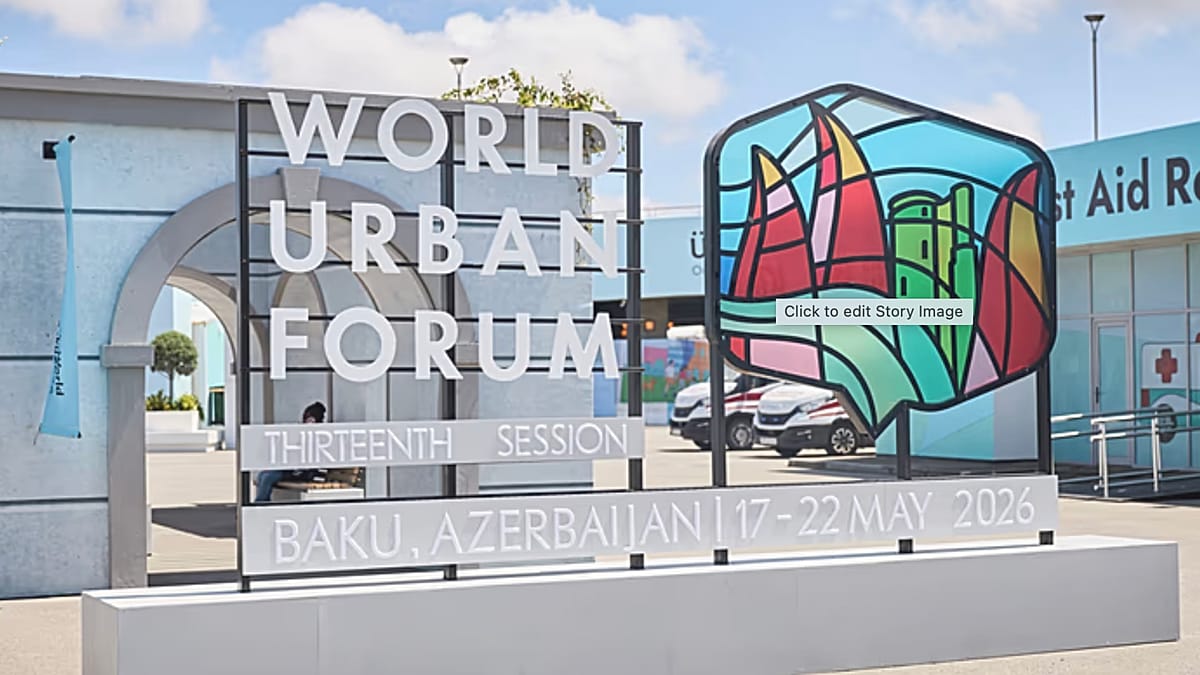
The 13th session of the World Urban Forum in Baku is set to gather over 40,000 participants to address the urgent global housing crisis, with UN-Habitat warning that inadequate housing affects 3 billion people and could triple slum populations by 2050, highlighting the need for comprehensive solutions to urban development and resilience amidst growing economic, political, and environmental challenges. #Urbanization #HousingCrisis #WorldUrbanForum
The World Urban Forum in Baku has opened with urgent discussions about the global housing divide, highlighting the disparity in home ownership rates and calling for international cooperation to address the pressing housing crisis exacerbated by rapid urbanization and climate challenges. #WorldUrbanForum #HousingCrisis #SustainableUrbanization
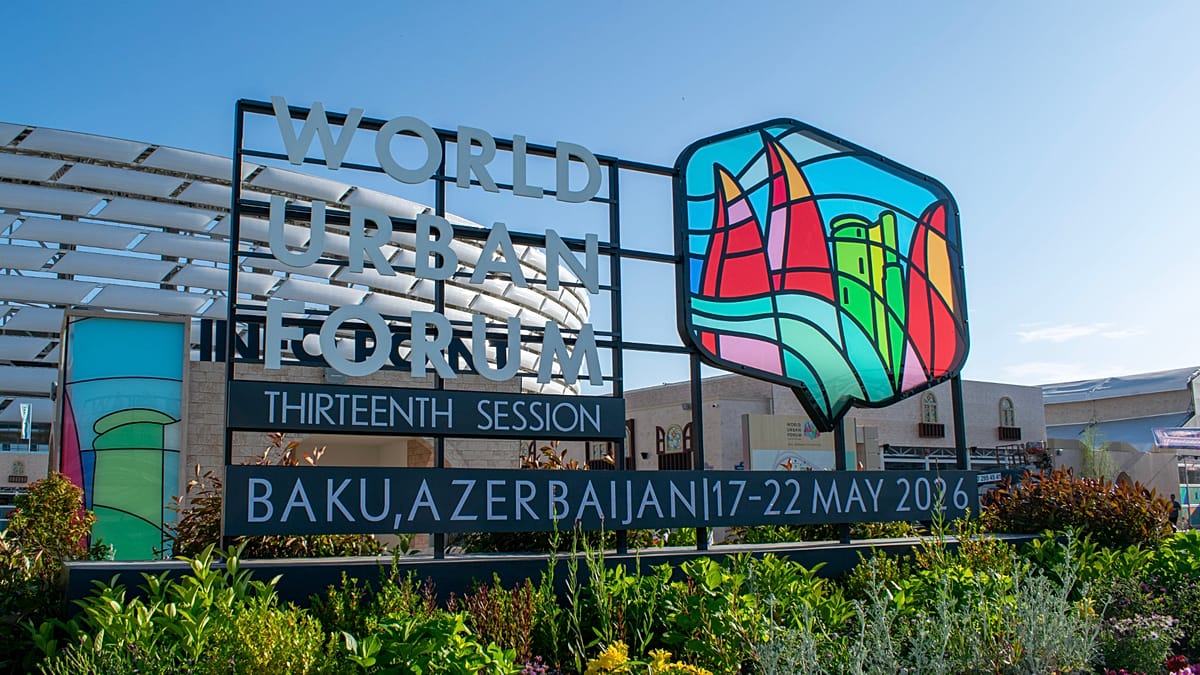
Over 28,000 participants will convene in Baku for the UN's World Urban Forum, addressing a housing crisis affecting 3 billion people globally, with discussions aimed at finding solutions for sustainable urbanization, climate resilience, and social inclusion amidst the alarming growth of slum populations. #UrbanDevelopment #AffordableHousing #SustainableCities #AZ #KP #CA #ES #BR #AE #PL #NG #KE
The Africa Centres for Disease Control and Prevention confirmed an Ebola outbreak in the Ituri province of the Democratic Republic of Congo, reporting approximately 246 suspected cases and 65 deaths, while expressing concerns over potential spread due to urbanization and population movement, as investigations into the virus's strain continue. #EbolaOutbreak #PublicHealth #GlobalHealth #CD #UG #SS

On May 11, Pune recorded its highest temperatures in the past decade, with 43.8°C in Lohgaon and 41.6°C in Shivajinagar, attributed to current weather conditions and rapid urbanization leading to urban heat islands, where areas with cement and concrete absorb and retain heat more than regions with vegetation, adversely affecting the well-being of residents and contributing to health-related issues, as observed in a study by local researchers. #UrbanHeat #ClimateChange #RisingTemperatures #IN
On May 11, Pune recorded high temperatures of 43.8°C in Lohgaon and 41.6°C in Shivajinagar, marking the hottest readings in the last decade, with climate change and rapid urbanization, particularly due to concrete surfaces creating urban heat islands, being identified as key contributors to this phenomenon. #UrbanHeatIsland #ClimateChange #TemperatureRise #IN
On May 11, extremely high temperatures of 43.8°C were recorded in Lohgaon and 41.6°C in Shivajinagar, marking the highest levels in the past decade, which experts attribute to current weather conditions and rapidly increasing urbanization, as concrete infrastructure creates urban heat islands that exacerbate heat stress and negatively impact public health. #UrbanHeatIsland #ClimateChange #HeatWave #IN
On May 11, Pune recorded its highest temperatures in a decade, with 43.8 degrees Celsius in Lohgaon and 41.6 degrees Celsius in Shivajinagar, attributed to current weather conditions and rapid urbanization, which creates heat islands due to cement and concrete infrastructure, impacting health and contributing to urban heat stress. #UrbanHeat #ClimateChange #PuneWeather #IN
A United Nations report highlights that escalating global demand for sand, driven by urbanization and construction, is exceeding sustainable supply and threatening ecosystems and communities, while advocating for stronger governance and recognition of sand as a strategic resource. #SustainableDevelopment #NaturalResources #EnvironmentalImpact #CU #SE #LA
The United Nations report highlights that the increasing global demand for sand for construction and urbanization is surpassing sustainable supply, leading to significant environmental degradation and risks to ecosystems and communities, while urging for improved governance and recognition of sand as a strategic resource. #SandSustainability #EnvironmentalImpact #Urbanization #CAR #SEA #LAT #GEN #EUR
A United Nations report reveals that the surging global demand for sand, driven by urbanization and construction, is outpacing sustainable supply, leading to environmental degradation and risks to ecosystems and communities, while emphasizing the need for stronger governance and recognition of sand as a strategic resource. #Sustainability #EnvironmentalImpact #Urbanization #CAR #SEA #LATAM
A United Nations report highlights that the global demand for sand, driven by urbanization and construction, is unsustainable and poses severe risks to ecosystems and livelihoods, with annual consumption reaching approximately 50 billion tons and projected to double by 2060, leading to environmental degradation and threatening marine habitats and local communities. #SustainableResources #EnvironmentalImpact #Urbanization #CAR #SEA #LAT
A United Nations report highlights that the soaring global demand for sand, driven by rapid urbanization and construction, is outpacing sustainable supply, leading to significant environmental degradation and jeopardizing livelihoods, while urging for stronger governance to manage this critical resource. #Sustainability #NaturalResources #EnvironmentalImpact #CU #SG #LA #SE #JP #FR #US