WRLD

Search

#Úrbano
eldiario.es 2d

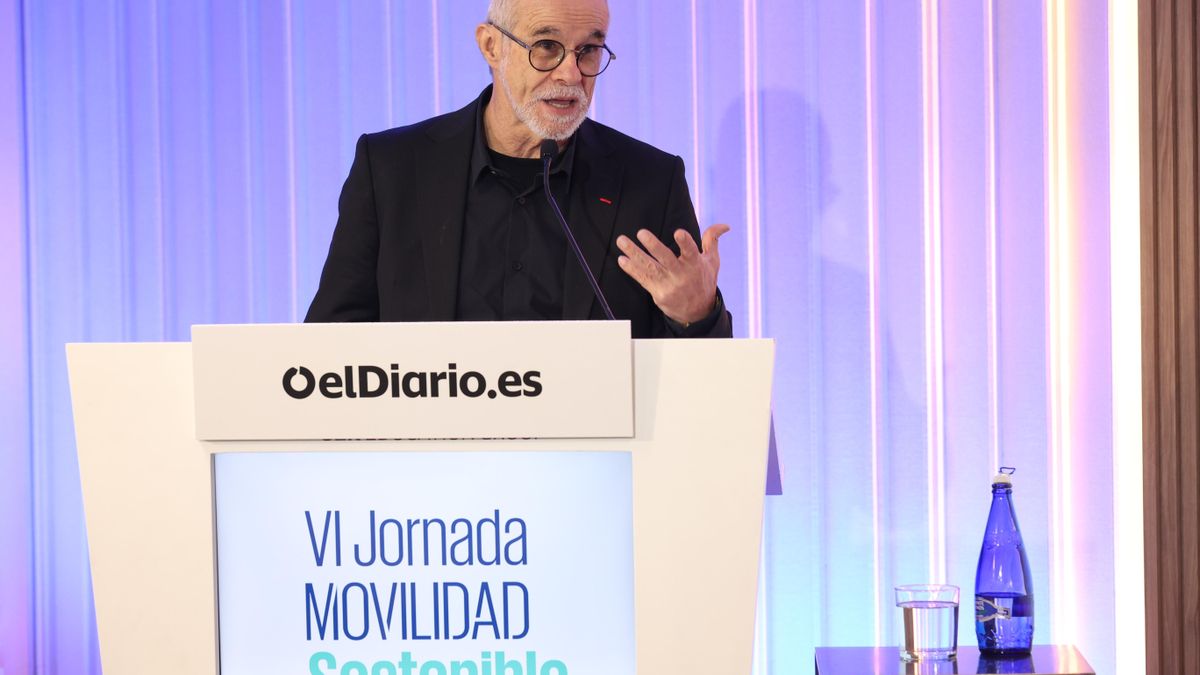
Carlos Moreno, creator of the concept of 'The 15-Minute City', advocates for an urban approach that prioritizes proximity and well-being, questioning the need to travel long distances and highlighting the urgency of revitalizing human mobility in cities. #MovilidadSostenible #Urbanismo #CiudadDeLos15Minutos (translated)
www.eldiario.es
El creador de ‘La ciudad de los 15 minutos’: “En la carrera por conquistar las distancias, hemos perdido la batalla del tiempo útil”
2848
eldiario.es 2d

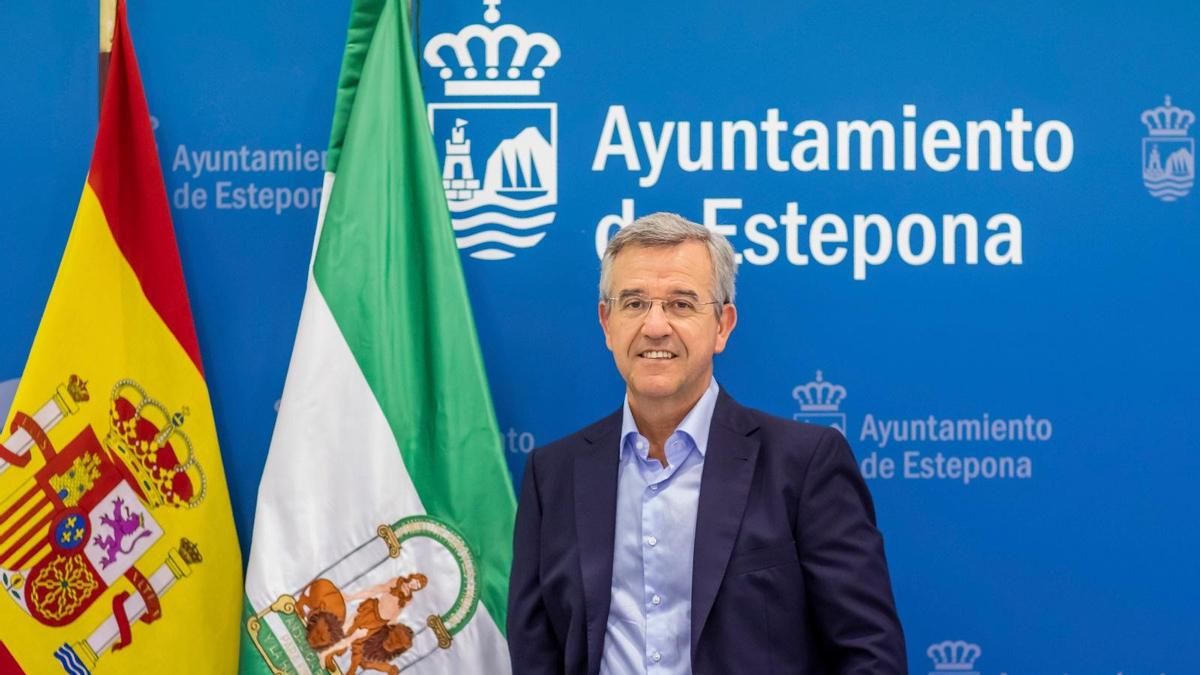
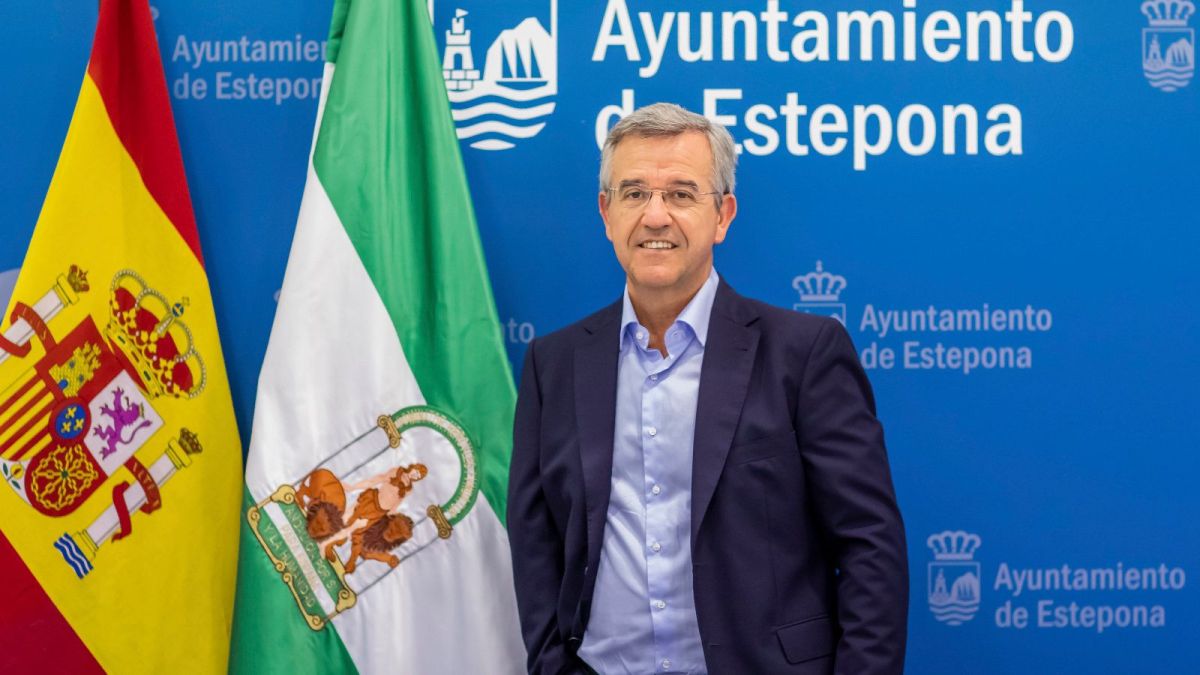
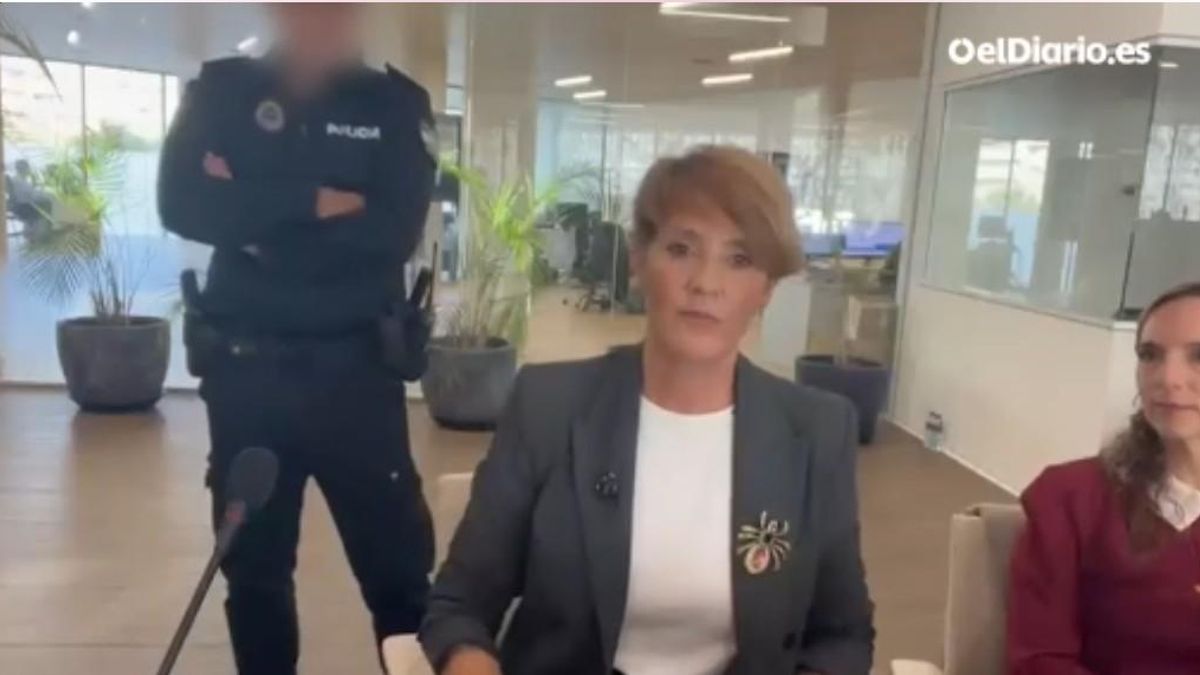
The mayor of Estepona, José María García Urbano, expelled councilwoman Emma Molina from the PSOE from the Plenary after accusing him of spending public money to hire a close friend, in a context that reflects the corruption trial facing the mayor. #Estepona #Corrupción #DineroPúblico (translated)

www.eldiario.es
El alcalde de Estepona expulsa del Pleno a una concejala por decir que gastó dinero público en contratar a una “amiga íntima”
2273
Aktuálně.cz - Víte, co se právě děje 2d

Vice-Chairwoman of the Chamber of Deputies Barbora Urbanová points out in an interview the broken trust between the government and the opposition, threats on social media, and the need for a positive political program that would offer citizens a constructive vision instead of merely opposing the government. #politika #důvěra #BarboraUrbanová (translated)

video.aktualne.cz
„Tohle se ještě nestalo.“ Urbanová o hulvátství a o chvíli, která změnila vztahy ve sněmovně
2726
Barbora Urbanová Wrld summary 2d
Czech politician

"We experienced what it is like when someone lies to your face," says the deputy chairwoman of the chamber, Barbora Urbanová, about the events she refers to as Action 4:36. #BarboraUrbanová #politika #důvěra (translated)

Tohle se ještě nestalo. Urbanová o hulvátství a o chvíli, která změnila vztahy ve Sněmovně.
zpravy.aktualne.cz
2775
Hermann Tertsch Wrld summary 2d
Spanish journalist and television presenter

The author claimed that the British Supreme Court had yielded to Muslim communities and banned the display of the Union Jack on lampposts, poles, and street furniture. https://t.co/Re7RmSUatu #LibertadDeExpresión #ReinoUnido #ComunidadMusulmana #GB (translated)

2895
20 minutos 3d

Spain positions itself as an attractive destination for hotel chains, with more than 700 hotel projects committed in the medium term, driven by an increase in demand for luxury accommodation and growing interest in urban and secondary tourist destinations. #Hotelería #InversiónTurística #España (translated)

www.20minutos.es
España, en el punto de mira de las cadenas hoteleras: el sector compromete más de 700 proyectos a medio plazo
2795
eldiario.es 3d

The PP decides to keep the mayor of Estepona, José María García Urbano, in his position despite being accused of corruption and the statutory obligation to automatically suspend his membership, while the party's leadership avoids giving clear explanations about this controversy. #Corrupción #PP #Justicia (translated)

www.eldiario.es
Moreno orilla el código ético del PP y sostiene al alcalde de Estepona tras abrirse juicio por corrupción
2571
eldiario.es 3d

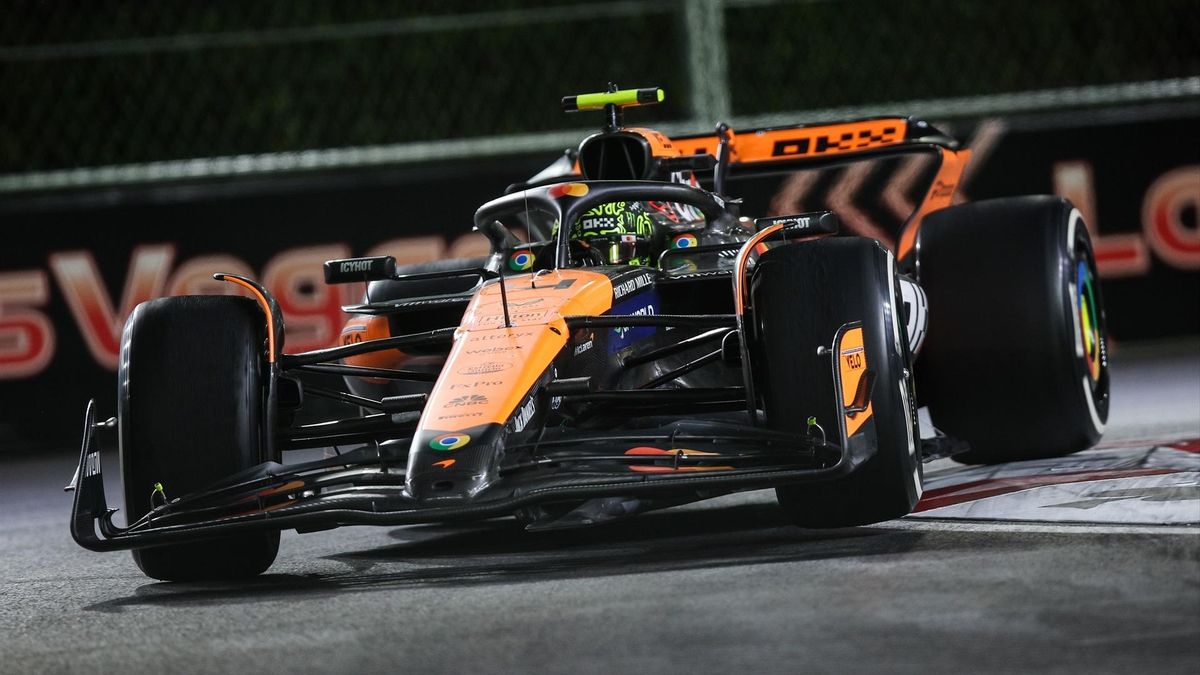
Formula 1 arrives in Las Vegas with the challenge of managing tires on an urban circuit where low temperatures will complicate their performance during the night race. #F1 #LasVegas #Neumáticos (translated)

www.eldiario.es
La F1 recala en Las Vegas muy pendiente del reto de los neumáticos
2577
eldiario.es 4d

The political future of the mayor of Estepona, José María García Urbano, is in jeopardy after being accused of embezzlement and misconduct, which carries the automatic suspension of his affiliation with the PP and a possible conviction that could disqualify him. #Estepona #PP #Justicia (translated)

www.eldiario.es
El ocaso del alcalde de Estepona: la Justicia nubla el futuro político de la antigua estrella municipal del PP
2585
Il Sole 24 ORE 4d

The Court of Cassation acquitted a motorist accused of insulting a public official, establishing that the urban officer who first insulted him acted arbitrarily. #Previdenza #Tribunale #Oltraggio (translated)

www.ilsole24ore.com
Si può dare del buffone e pagliaccio al vigile urbano se si reagisce a un abuso
2922
Luciano Magaldi Sardella (PhD) 5d

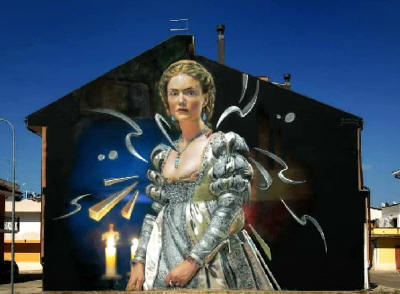
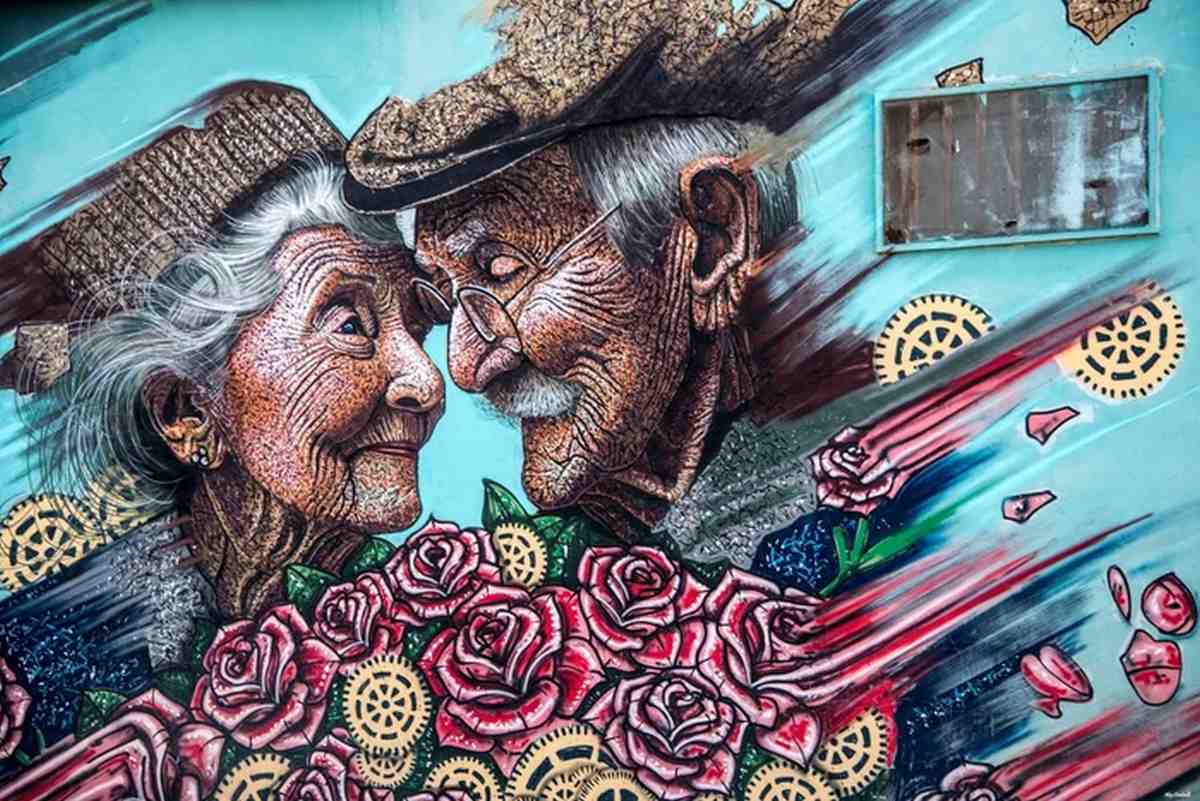
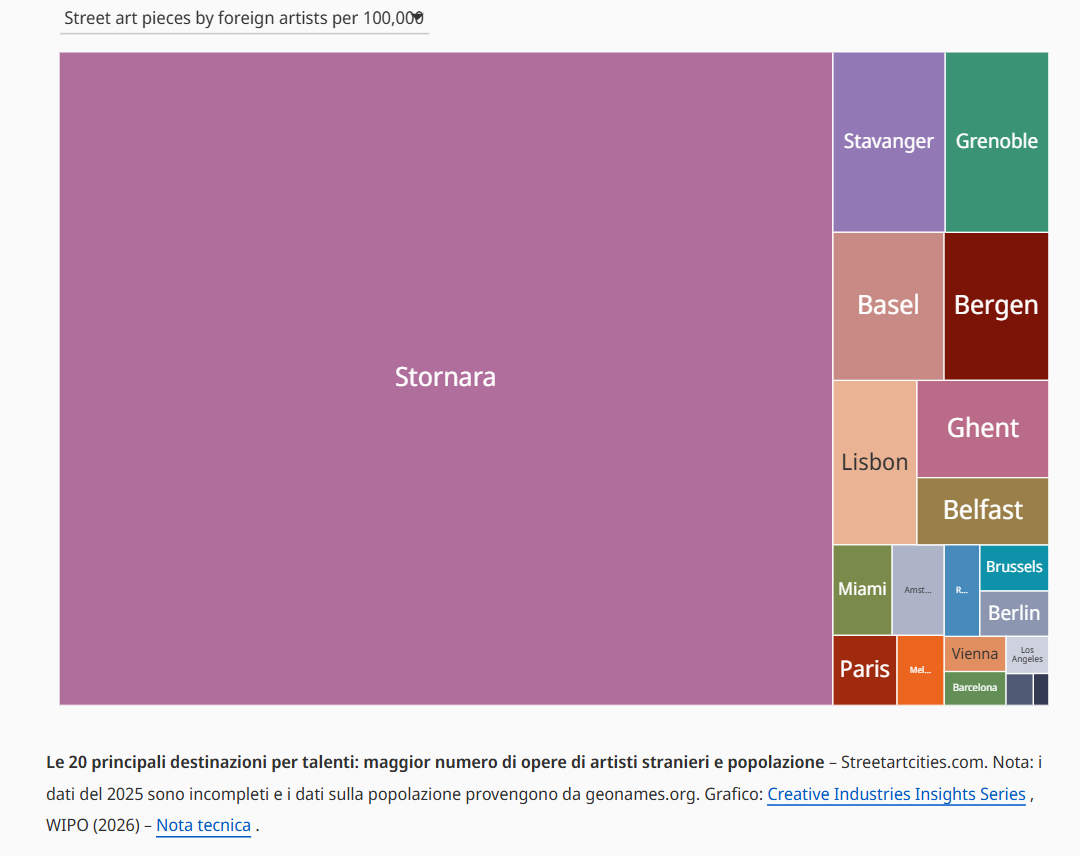
“THE STRAMURALES OF STORNARA IN THE “GLOBAL TOP20” OF THE UNITED NATIONS REPORT (WIPO)” STORNARA (FG) - There is a South Italy that makes little noise. It lies among the wheat fields and rural roads of Capitanata, far from the major routes of mass tourism. Until a few years ago, Stornara, in the province of Foggia, was the typical village that statistics dismiss with a cruel adjective: “peripheral.” Today, its name appears in an analysis by WIPO, the World Intellectual Property Organization, a United Nations agency in Europe based in Geneva, alongside Berlin, New York, Los Angeles, Paris, and Melbourne. A Report that Looks at the Walls of the World The text is titled "From Local Scenes to Global Recognition: Talent Mobility in Street Art." It is authored by three WIPO economists, Egbert Amoncio, Alexander Cuntz, and Alessio Muscarnera, and was published at the end of May 2026 in the “Creative Industries Insights” series. To build it, the authors started from the data of the “Street Art Cities” platform. The technical note speaks of about 74,000 geolocated works, collected and shared by street art enthusiasts worldwide. The fundamental questions are simple. Where does street art originate? Who travels to paint it? Which cities manage to attract talent from outside? The first answer dismantles a cliché. Street art is a profoundly local phenomenon. About one in five artists also works abroad, while the vast majority paints in their own city or nearby. Among the few who cross borders, nearly 40 percent is “highly mobile”: they build an international artistic brand without severing their roots. These are the cases of Banksy, Os Gemeos, and Invader, whose walls appear on multiple continents. The authors use an effective term: street art is “glocal,” rooted in its territory but able to generate global circuits of talent and recognition. The “Magnets” of the World When asked which cities most attract foreign artists, the map is fascinating. North America weighs in for size, with New York, Los Angeles, and Miami. Western Europe offers a dense network of opportunities, from Berlin to Amsterdam, from Vienna to Ghent, from Basel to Rotterdam, favored by the circuit of festivals and the freedom of movement of the Schengen area. Lisbon and Barcelona have focused on municipal support policies. Melbourne is the sole representative from Oceania, while Northern Europe relies on Bergen, London, Belfast, and Stavanger. In this scenario of capitals and metropolises, the report includes an Italian exception, from Puglia, Foggia: Stornara, a small agricultural town of about 6,000 souls, has been a destination for muralist talents since 2018. It shows how street art can trigger the revival of a community: thanks to the annual “Stramurales International Street Art Festival,” born in 2017 from the strong will to combat urban and socio-economic decline by the founders of the social promotion association “Stornara Life APS,” Lino Lombardie and his Stornarese “Banda dei Fischietti,” over 173 murals have been accumulated. About fifty are works by high-level international artists, with Google Trends data showing significant interest in the tourist-muralist destination since 2017, a sign that the international festival has now captured national and international attention. It has also become the first monographic academic case study in the world on a street art festival, “Street Art as Public Health Infrastructure,” published in the prestigious academic journal “Harvard Health and Human Rights Journal” of Harvard University, by researcher Luciano Magaldi Sardella from Orta Nova and professor Matteo Mantuanodi Lucera. All of this corresponds to demonstrating that an idea, an association, and the availability of a community can change the identity of a “God-forsaken” place. This is also recounted by those who followed the story from the outside: the town, once unaccustomed to visitors, now welcomes international tourists, individuals, groups, and school classes who come to see its more than 173 murals. The Secret Lies in Density The data that has ignited the pride of Stornara is this: it’s not about volume, it’s about proportion. The organizers propose a simple indicator: the works of foreign artists divided by inhabitants, multiplied by 100,000. With around 50 international works and a population of a few thousand residents, Stornara reaches several hundred foreign works per 100,000 inhabitants. It’s a value that metropolises, with millions of residents, cannot approach. The significance must be read precisely, and this is where the beauty of the matter lies. No one claims that Stornara has more foreign murals than New York. The point is that, in relation to its scale, few places in the world concentrate so much international art per inhabitant. The impact does not dissipate in a megalopolis; it settles in every street, on every facade, in the everyday lives of those who live there. The most interesting part of the report looks beyond the ranking. The authors write that the value of street art extends well beyond the painted surfaces. Cities like Stornara demonstrate how urban art attracts tourism, generates media coverage, and can stimulate local business activities, reinforcing the sense of community and restoring the psychosocial well-being that would counteract the everlasting southern decline. However, the report adds a valuable warning: success depends on careful implementation and the involvement of artistic communities. Initiatives imposed from above risk being perceived as “predatory” by artists who care about street credibility. The global Stramurales model seems to have avoided this pitfall. Field studies tell of walls donated by residents, one-week artist residencies, and public discussions on the issues to be addressed. The Lesson from a Former “Ghost Town” The report concludes with an idea that applies to Stornara as much as to Berlin: the vitality of street art is rooted in local roots. It emerges from communities, speaks to their issues, and is made by artists immersed in their urban contexts. The artistic family of “Stornara Life APS” understood this before many regional and local politicians, turning their walls into an open-air museum, a promise, and opening them to the world without ceasing to be themselves. In this official report from the Geneva-based United Nations agency in Europe that measures the ability to attract talent, this is likely the most valuable outcome: being mentioned alongside the great capitals of urban art while remaining, after all, a rural provincial town where every wall tells a colorful world of glocal stories. (translated)

www.puglialive.net
“LO STRAMURALES DI STORNARA NELLA “GLOBAL TOP20″ DEL RAPPORTO DELLE NAZIONI UNITE (WIPO)”
564
Luciano Magaldi Sardella (PhD) 7d

"GAZZETTA H24": STREET ART, STORNARA JOINS THE WIPO REPORT ALONGSIDE THE GREAT CITIES OF THE WORLD SOURCE: https://www.gazzettah24.it/street-art-stornara-entra-nel-rapporto-wipo-accanto-alle-grandi-citta-del-mondo/ ------------------------------------------------------------------- From "ghost town" to global model cited in Geneva: the cultural bet of Stornara Life APS captures the attention of WIPO. --------------------------------------------------------------------  STORNARA (FG) - There is a Southern Italy that makes little noise. It lies among the fields of wheat and rural roads of Capitanata, far from the main routes of mass tourism. Until a few years ago, Stornara, in the province of Foggia, was the typical town that statistics dismiss with a cruel adjective: "peripheral." Today, its name appears in an analysis from WIPO, the "World Intellectual Property Organization", the United Nations Agency in Europe based in Geneva. "Stornara Life APS" alongside Berlin, New York, Los Angeles, Paris, and Melbourne. ------------------------------------------------------------------ A report that looks at the walls of the world The text is titled "From Local Scenes to Global Recognition: Talent Mobility in Street Art". It is authored by three WIPO economists, Egbert Amoncio, Alexander Cuntz, and Alessio Muscarnera, and has been published in the "Creative Industries Insights" series. To build it, the authors started from data from the "Street Art Cities" platform. The technical note talks about approximately 74,000 geolocated works, collected and shared by street art enthusiasts worldwide. The fundamental questions are simple. Where does street art originate? Who travels to paint it? Which cities manage to attract outside talent? The first answer dismantles a common misconception. Street art is a profoundly local phenomenon. About one in five artists also works abroad, while the vast majority paint in their own city or in nearby ones. Among the few who cross borders, almost 40 percent are "highly mobile": they build an international artistic brand without severing their roots. These include the cases of Banksy, Os Gemeos, and Invader, whose walls appear on multiple continents. The authors use an effective term: street art is "glocal," rooted in its territory but capable of generating global circuits of talent and recognition. -------------------------------------------------------------------- The magnets of the world When asked which cities attract the most foreign artists, the map is fascinating. North America weighs heavily, with New York, Los Angeles, and Miami. Western Europe offers a dense network of opportunities, from Berlin to Amsterdam, from Vienna to Ghent, from Basel to Rotterdam, favored by the festival circuit and the freedom of movement within the Schengen area. Lisbon and Barcelona have focused on municipal support policies. Melbourne is the only representative from Oceania, and Northern Europe relies on Bergen, London, Belfast, and Stavanger. In this scenario of capitals and metropolises, the report includes an Italian exception, from Puglia, Foggia: Stornara, a small agricultural town of about 6,000 inhabitants, has been a destination for mural talents since 2018. It shows how street art can spark the rebirth of a community: thanks to the annual "Stramurales International Street Art Festival," born in 2017 from the strong will to combat urban and socio-economic decline by the founders of the social promotion association "Stornara Life APS,” Lino Lombardi and his local "Banda dei Fischietti," it has accumulated over 173 murals. About fifty of these are works by high-level international artists, with Google Trends data since 2017 showing notable interest in the mural tourism destination, indicating that the international festival has now captured national and international attention. It has also become the first academic case study in the world on a street art festival, "Street Art as Public Health Infrastructure," published in the prestigious academic journal "Harvard Health and Human Rights Journal" from Harvard University. Written by researcher Luciano Magaldi Sardella from Orta Nova and professor Matteo Mantuano from Lucera, this corresponds to the demonstration that an idea, an association, and the willingness of a community can change the identity of a place "forgotten by God." This is also recounted by those who have followed the story from the outside: the town, once little accustomed to visitors, now welcomes international tourists, individuals, groups, and schoolchildren who come to see its over 173 murals. ----------------------------------------------------------------- The secret is in density The data that has sparked pride in Stornara is this: it's not the volume that matters, it's the proportion. The organizers propose a simple indicator: works by foreign artists divided by the number of residents, multiplied by 100,000. With about over 50 international works and a population of a few thousand residents, Stornara reaches several hundred foreign works for every 100,000 inhabitants. This is a value that metropolises, with millions of residents, cannot approach. The meaning must be read accurately, and this is where the beauty of the matter lies. No one claims that Stornara has more foreign murals than New York. The point is that, in relation to its scale, few places in the world concentrate so much international art per inhabitant. The impact does not disperse in a megalopolis: it settles in every street, on every facade, in the daily life of those who live there. The most interesting part of the report looks beyond the ranking. The authors write that the value of street art extends well beyond the painted surfaces. Cities like Stornara demonstrate how urban art attracts tourism, generates media coverage, and can stimulate local businesses while strengthening community bonds and restoring the psychosocial well-being that could counter the perpetual Southern decline. However, the report adds a valuable warning: success depends on careful implementation and the involvement of artistic communities. Top-down initiatives risk being perceived as "predatory" by artists who care about the credibility of street art. The global model Stramurales appears to have avoided this pitfall. Field studies tell of walls donated by residents, week-long artist residences, and public discussions on the themes to be addressed. -------------------------------------------------------------------- The lesson of a town The report concludes with an idea that holds true for both Stornara and Berlin: the vitality of street art sinks its roots in local contexts. It arises from communities, speaks of their problems, and is made by artists immersed in their urban environments. The artistic family of "Stornara Life APS" understood this before many regional and local politicians, creating their walls into an open-air museum, a promise, and opening them to the world without ceasing to be themselves. In this official report from the Geneva Agency of the United Nations in Europe that measures the ability to attract talent, this results in, perhaps, the most precious value. Being cited alongside the great capitals of urban art while remaining, after all, a rural provincial town where every wall tells a colorful world of glocal stories. (translated)

www.gazzettah24.it
Street art, Stornara entra nel rapporto WIPO accanto alle grandi città del mondo
568
Observador 7d

The meeting of the President of the Republic with housing movements raises questions about the institutional response to urban protests and the priority given to the housing issue on the political agenda. #habitação #instituições #protestos (translated)

observador.pt
Reunião do PR com movimentos pela habitação abre precedente?
2954
Luciano Magaldi Sardella (PhD) 1w

“VIVERE PUGLIA”: STRAMURALES: STORNARA IN THE “GLOBAL TOP 20” OF THE REPORT OF THE UNITED NATIONS AGENCY OF EUROPE SOURCE: https://www.viverepuglia.it/2026/11/12/stramurales-stornara-nella-global-top-20-del-rapporto-dellagenzia-delle-nazioni-unite-deuropa/207030/ ------------------------------------------------------------------- From “ghost town” to global model cited in Geneva: the cultural bet of Stornara Life APS captures the attention of WIPO There is a South Italy that does not make much noise. It lies among the wheat fields and rural roads of Capitanata, far from the main routes of mass tourism. Until a few years ago, Stornara, in the province of Foggia, was the typical town that statistics dismiss with a cruel adjective: “peripheral.” Today its name appears in a WIPO analysis, the “World Intellectual Property Organization,” a United Nations agency in Europe based in Geneva. So, Stornara stands alongside Berlin, New York, Los Angeles, Paris, and Melbourne. ------------------------------------------------------------------- A report that looks at the walls of the world The text is titled From Local Scenes to Global Recognition: Talent Mobility in Street Art. It is authored by three WIPO economists, Egbert Amoncio, Alexander Cuntz, and Alessio Muscarnera, and has been published in the “Creative Industries Insights” series. To build it, the authors started from data from the “Street Art Cities” platform. The technical note discusses about 74,000 geolocated works collected and shared by street art enthusiasts worldwide. The underlying questions are simple. Where does street art originate? Who travels to paint it? Which cities manage to attract talent from outside? The first answer dismantles a common misconception. Street art is a profoundly local phenomenon. About one in five artists also works abroad, while the vast majority paint in their own city or nearby ones. Among the few who cross borders, nearly 40 percent is “highly mobile”: they build an international artistic brand without severing their roots. These include cases like Banksy, Os Gemeos, and Invader, whose works appear on multiple continents. The authors use an effective term: street art is “glocal,” rooted in its territory yet capable of generating global circuits of talent and recognition. -------------------------------------------------------------------- The magnets of the world When asked which cities most attract foreign artists, the map is fascinating. North America weighs in terms of size, with New York, Los Angeles, and Miami. Western Europe offers a dense network of opportunities, from Berlin to Amsterdam, from Vienna to Ghent, from Basel to Rotterdam, fueled by the festival circuit and the freedom of movement within the Schengen area. Lisbon and Barcelona have focused on municipal support policies. Melbourne is the only representative from Oceania, while Northern Europe relies on Bergen, London, Belfast, and Stavanger. In this landscape of capitals and metropolises, the report includes an Italian, Apulian, Foggian exception: Stornara, a small agricultural town of about 6,000 residents, has been a destination for mural talent since 2018. It shows how street art can trigger a community's revival: thanks to the annual “Stramurales International Street Art Festival,” born in 2017 from the determined will to combat urban and socio-economic decline by the founders of the social promotion association Stornara Life APS, Lino Lombardi and his local Banda dei Fischietti, it has accumulated over 173 murals. About fifty are works by high-level international artists, with Google Trends data since 2017 showing a remarkable interest in the tourism-mural destination, indicating that the international festival has now captured national and international attention. It has also become the first monographic academic case study in the world on a street art festival, “Street Art as Public Health Infrastructure,” published in the prestigious global academic journal “Harvard Health and Human Rights Journal” of Harvard University, by researcher Luciano Magaldi Sardella from Orta Nova and professor Matteo Mantuano from Lucera. All this corresponds to the demonstration that an idea, an association, and a community's willingness can change the identity of a place “forgotten by God.” This is also told by those who have followed the story from the outside: the town, once unaccustomed to visitors, now welcomes international tourists, individuals, groups, and school classes coming to see its over 173 murals. ----------------------------------------------------------------- The secret lies in density The data that has ignited pride in Stornara is this: it’s not the volume that matters, but the proportion. The organizers propose a simple indicator: the works of foreign artists divided by the population, multiplied by 100,000. With about over 50 international works and a population of a few thousand residents, Stornara reaches several hundred foreign works per 100,000 inhabitants. It’s a value that metropolises, with millions of residents, cannot approach. The significance must be read accurately, and here lies the beauty of the thing. No one claims that Stornara has more foreign murals than New York. The point is that, relative to its scale, few places in the world concentrate so much international art per inhabitant. The impact does not dissipate in a megalopolis: it settles in every street, on every façade, in the daily lives of those who live there. The most interesting part of the report looks beyond the ranking. The authors note that the value of street art extends well beyond painted surfaces. Cities like Stornara demonstrate how urban art attracts tourism, generates media coverage, and can stimulate local commercial activities while strengthening community bonds and restoring the psychosocial well-being that could fend off enduring southern decline. However, the report adds a valuable warning: success depends on careful implementation and the involvement of artistic communities. Top-down initiatives risk being perceived as “predatory” by artists who care about street credibility. The global Stramurales model seems to have avoided this pitfall. Field studies recount walls donated by residents, week-long artist residencies, and public discussions on issues to address. ----------------------------------------------------------------- The lesson from a town The report concludes with an idea that applies to Stornara as much as to Berlin: the vitality of street art is rooted in local foundations. It arises from communities, speaks of their problems, and is made by artists immersed in their urban contexts. The artistic family of Stornara Life APS understood this before many regional and local politicians, turning their walls into an open-air museum, a promise, and opened them to the world while remaining true to themselves. In this official report from the Geneva-based United Nations agency in Europe that measures the capacity to attract talent, this is likely the most valuable outcome: being mentioned alongside the great capitals of urban art while remaining, after all, a rural provincial town where every wall tells a colorful world of glocal stories. (translated)

682
eldiario.es 1w

A study from the Norwegian University of Science and Technology reveals that a hygiene measure adopted in the medieval city of Trondheim, Norway, to improve sanitation by removing human waste from the urban core unexpectedly favored the spread of intestinal worms through the crops. #HigieneMedieval #Trondheim #ParásitosIntestinales (translated)

www.eldiario.es
Un estudio revela cómo una práctica sanitaria medieval convirtió los alimentos en una vía de contagio
2844
Luciano Magaldi Sardella (PhD) 1w

"THE SIPPONTINO": STORNARA IN THE "GLOBAL TOP 20" OF THE REPORT FROM THE UNITED NATIONS AGENCY FOR EUROPE From "ghost town" to global model cited in Geneva: the cultural bet of Stornara Life APS captures the attention of WIPO. There is a Southern Italy that doesn’t make much noise. It lies between the wheat fields and rural roads of Capitanata, far from the major routes of mass tourism. Until a few years ago, Stornara, in the province of Foggia, was the typical town that statistics dismiss with a cruel adjective: "peripheral." Today, its name appears in an analysis from WIPO, the World Intellectual Property Organization, a United Nations agency in Europe based in Geneva, alongside Berlin, New York, Los Angeles, Paris, and Melbourne. A report that looks at the walls of the world The document is titled "From Local Scenes to Global Recognition: Talent Mobility in Street Art." It is authored by three WIPO economists, Egbert Amoncio, Alexander Cuntz, and Alessio Muscarnera, and was published at the end of May 2026 in the Creative Industries Insights series. To construct it, the authors began with data from the "Street Art Cities" platform. The technical note discusses around 74,000 geolocated works, collected and shared by street art enthusiasts worldwide. The underlying questions are simple. Where does street art originate? Who travels to paint it? Which cities can attract talents from afar? The first answer dismantles a common misconception. Street art is a deeply local phenomenon. About one in five artists also works abroad, while the vast majority paint in their own city or nearby. Among the few who cross borders, nearly 40 percent is "highly mobile": they build an international artistic brand without severing their roots. These include the cases of Banksy, Os Gemeos, and Invader, whose works appear on multiple continents. The authors use an effective term: street art is "glocal," rooted in its local territory but capable of generating global circuits of talent and recognition. The magnets of the world When asked which cities attract the most foreign artists, the map is fascinating. North America is significant in size, with New York, Los Angeles, and Miami. Western Europe offers a dense network of opportunities, from Berlin to Amsterdam, from Vienna to Ghent, from Basel to Rotterdam, favored by the festival circuit and the freedom of movement of the Schengen area. Lisbon and Barcelona have focused on municipal support policies. Melbourne is the only representative from Oceania, while Northern Europe relies on Bergen, London, Belfast, and Stavanger. In this landscape of capitals and metropolises, the report includes an Italian exception, from Puglia, Foggia: Stornara, a small agricultural town of about 6,000 souls, has been a destination for mural talent since 2018. It shows how street art can trigger the revival of a community: thanks to the annual "Stramurales International Street Art Festival," founded in 2017 out of a strong desire to combat urban and socio-economic decline by the founders of the social promotion association "Stornara Life APS," Lino Lombardi, and his Stornara-based Fischietti Band, over 173 murals have been created. About fifty are works by high-level international artists, with Google Trends data since 2017 showing a remarkable interest in the mural tourism destination, indicating that the international festival has already captured national and international attention. It has also become the first monographic case study in the world on a street art festival, "Street Art as Public Health Infrastructure," published in the prestigious academic journal "Harvard Health and Human Rights Journal" of Harvard University, by researcher Luciano Magaldi Sardella from Orta Nova and Professor Matteo Mantuano from Lucera, all demonstrating that an idea, an association, and a community's willingness can change the identity of a place "forgotten by God." It is a sentiment echoed by those who have followed the story from the outside: the town, once unaccustomed to visitors, now welcomes international tourists, individuals, groups, and school classes who come to see its over 173 murals. The secret is in the density The data that has ignited Stornara's pride is this: it’s not the volume that counts, but the proportion. The organizers propose a simple indicator: the works by foreign artists divided by the inhabitants, multiplied by 100,000. With around 50 international works and a population of a few thousand residents, Stornara achieves several hundred foreign works per 100,000 inhabitants. It is a value that metropolises, with millions of residents, cannot approach. The meaning should be read precisely, and therein lies the beauty of the thing. No one claims that Stornara has more foreign murals than New York. The point is, in relation to its scale, few places in the world concentrate so much international art per inhabitant. The impact does not disperse in a megacity: it settles in every street, on every facade, in the daily life of those who live there. The most interesting part of the report looks beyond the ranking. The authors write that the value of street art extends well beyond the painted surfaces. Cities like Stornara demonstrate how urban art attracts tourism, generates media coverage, and can stimulate local businesses while reinforcing the sense of community and restoring the psychosocial well-being that could keep the eternal Southern decline at bay. However, the report adds a valuable warning: success depends on careful implementation and the involvement of artistic communities. Top-down initiatives risk being perceived as "predatory" by artists who care about street credibility. The global Stramurales model seems to have avoided this pitfall. Field studies describe walls donated by residents, one-week artist residencies, and public discussions on the themes to be addressed. The lesson of a place The report concludes with an idea that holds true for Stornara as much as for Berlin: the vitality of street art is rooted in local roots. It arises from communities, speaks of their problems, and is made by artists immersed in their urban contexts. The artistic family of Stornara Life APS understood this before many regional and local politicians, turning their walls into an open-air museum, a promise, and opened them to the world without ceasing to be themselves. In this official report from the Geneva-based United Nations agency in Europe that measures the capacity to attract talent, this appears to be, perhaps, the most valuable outcome: to be cited alongside the major capitals of urban art while still remaining, after all, a rural provincial town where every wall tells a vibrant world of glocal stories. (translated)

www.lagazzettadisansevero.it
Stramurales: Stornara nella “Global Top 20” del Rapporto dell’Agenzia delle Nazioni Unite d’Europa - La Gazzetta di San Severo - News di Capitanata
1026
Luciano Magaldi Sardella (PhD) 1w

"THE GAZETTE OF SAN SEVERO" STRAMURALES: STORNARA IN THE "GLOBAL TOP 20" OF THE UNITED NATIONS AGENCY REPORT FOR EUROPE SOURCE: https://www.lagazzettadisansevero.it/stramurales-stornara-nella-global-top-20-del-rapporto-dellagenzia-delle-nazioni-unite-deuropa/?fbclid=IwY2xjawVibZVleHRuA2FlbQIxMABwZG9mAWJyaWQRMHE3R3FDUWVMVnBtN1NiRGRzcnRjBmFwcF9pZBAyMjIwMzkxNzg4MjAwODkyAAEfJpk9OBrbzNPPuzmmZTsbvjf1RRRRwgltWvqpPTryHt2mv-Z5rTEy1ifxBXU_aem_ciFpxVBzVKZmCZU0twovqQ From "ghost town" to a global model cited in Geneva: the cultural bet of Stornara Life APS captures the attention of WIPO. There is a Southern Italy that makes little noise. It is nestled among the wheat fields and rural roads of Capitanata, far from the major routes of mass tourism. Until a few years ago, Stornara, in the province of Foggia, was the typical town that statistics dismissed with a cruel adjective: "peripheral." Today, its name appears in an analysis by WIPO, the World Intellectual Property Organization, a United Nations agency for Europe based in Geneva, alongside Berlin, New York, Los Angeles, Paris, and Melbourne. A report that looks at the walls of the world The text is titled From Local Scenes to Global Recognition: Talent Mobility in Street Art. It is signed by three WIPO economists, Egbert Amoncio, Alexander Cuntz, and Alessio Muscarnera, and was published at the end of May 2026 in the Creative Industries Insights series. To construct it, the authors started from data from the Street Art Cities platform. The technical note discusses approximately 74,000 geolocated works, collected and shared by street art enthusiasts worldwide. The fundamental questions are simple. Where does street art originate? Who travels to paint it? Which cities manage to attract talents from outside? The first response dismantles a common misconception. Street art is a profoundly local phenomenon. About one in five artists also works abroad, while the vast majority paint in their own city or nearby. Among the few who cross borders, nearly 40 percent is "highly mobile": they build an international artistic brand without severing their roots. These include the cases of Banksy, Os Gemeos, and Invader, whose walls appear on multiple continents. The authors use an effective term: street art is "glocal," rooted in its territory but capable of generating global circuits of talent and recognition. The magnets of the world When asked which cities attract the most foreign artists, the map is fascinating. North America is significant in size, with New York, Los Angeles, and Miami. Western Europe offers a dense network of opportunities, from Berlin to Amsterdam, from Vienna to Ghent, from Basel to Rotterdam, favored by the festival circuit and the freedom of movement of the Schengen area. Lisbon and Barcelona have focused on municipal support policies. Melbourne is the only representative from Oceania, and Northern Europe relies on Bergen, London, Belfast, and Stavanger. In this scenario of capitals and metropolises, the report includes an Italian, Apulian, Foggian exception: Stornara, a small agricultural town of about 6,000 souls, has been a destination for muralist talents since 2018. It shows how street art can trigger the revival of a community: thanks to the annual Stramurales International Street Art Festival, born in 2017 from the strong will to combat urban and socio-economic decline by the founders of the Stornara Life APS social promotion association, Lino Lombardi, and his Stornara-based Banda dei Fischietti, it has accumulated over 173 murals. About fifty are works by high-level international artists, with Google Trends data showing a remarkable interest in the tourist-mural destination since 2017, indicating that the international festival has now captured national and international attention. Also becoming the first monographic academic case study in the world on a street art festival, "Street Art as Public Health Infrastructure," published in the prestigious global academic journal "Harvard Health and Human Rights Journal" of Harvard University, by researcher Luciano Magaldi Sardella from Orta Nova and professor Matteo Mantuano from Lucera, all of this corresponds to the demonstration that an idea, an association, and the availability of a community can change the identity of a place "forgotten by God." Those who have followed the story from the outside also report this: the town, once unaccustomed to visitors, now welcomes international tourists, individuals, groups, and school classes who come to see its over 173 murals. The secret is in density The data that has ignited Stornara’s pride is this: it is not about volume, it is about proportion. The organizers propose a simple indicator: the works of foreign artists divided by the residents, multiplied by 100,000. With about 50 international works and a population of a few thousand residents, Stornara arrives at several hundred foreign works per 100,000 inhabitants. It is a value that metropolises, with millions of residents, cannot approach. The meaning must be read precisely, and this is where the beauty lies. No one claims that Stornara has more foreign murals than New York. The point is that, relative to its scale, few places in the world concentrate as much international art per inhabitant. The impact does not disperse in a megalopolis: it settles in every street, on every facade, in the daily life of those who live there. The most interesting part of the report looks beyond the ranking. The authors write that the value of street art extends well beyond the painted surfaces. Cities like Stornara demonstrate how urban art attracts tourism, generates media coverage, and can stimulate local commercial activities while strengthening the sense of community and restoring the psychosocial well-being that would distance itself from the perpetual southern decline. However, the report adds a valuable warning: success depends on careful implementation and the involvement of artistic communities. Top-down initiatives risk being perceived as "predatory" by artists who care about street credibility. The Stramurales global model seems to have avoided this pitfall. Field studies tell of walls donated by residents, week-long artist residencies, and public discussions on the topics to address. The lesson from a town The report concludes with an idea that applies to Stornara as much as to Berlin: the vitality of street art is rooted in local roots. It arises from the communities, speaks of their problems, and is made by artists immersed in their urban contexts. The artistic family of Stornara Life APS understood this before many regional and local politicians, turning their walls into an open-air museum, a promise, and opened them to the world without ceasing to be themselves. In this official report from the Geneva-based United Nations agency for Europe that measures the capacity to attract talents, this is likely the most precious outcome: being cited alongside the major capitals of urban art and remaining, after all, a rural provincial town where every wall tells a colorful world of glocal stories. (translated)

www.lagazzettadisansevero.it
Stramurales: Stornara nella “Global Top 20” del Rapporto dell’Agenzia delle Nazioni Unite d’Europa - La Gazzetta di San Severo - News di Capitanata
1026
El Español 1w

The mayor of Estepona, José María García Urbano, is facing a trial for alleged crimes of misconduct and embezzlement, accused of having hired a woman with whom he had a romantic relationship, who would have received 5,276 euros without performing any work activity for 46 days. #Estepona #Prevaricación #Malversación (translated)

www.elespanol.com
El alcalde de Estepona se sentará en el banquillo por un presunto delito de prevaricación
2622
Luciano Magaldi Sardella (PhD) 1w

From "Ghost Town" to UN Case Study: The Stramurales of Lino Lombardi and Stornara Life APS Conquers the United Nations of Europe Thanks to the Stramurales of Lino Lombardi (Stornara Life APS), Stornara ranks first in the world for the intensity of foreign murals per inhabitant. ORIGINAL TITLE: "From Local Scenes to Global Recognition: Talent Mobility in Street Art." STORNARA (FG) — WIPO places Stornara, through the “Stramurales International Street Art Festival” founded, presided, and artistically directed by Lino Lombardi of Stornara Life APS, in the GLOBAL TOP 20 of the top twenty most important cities in the world for street art that attract the most significant street artists from the six continents. And it is FIRST IN THE WORLD for mural density per inhabitants. Here’s what their website indicates: “The World Intellectual Property Organization (WIPO) is the Agency of the United Nations of Europe, based in Geneva, serving innovators and creators worldwide, ensuring that their ideas reach the market safely and improve the lives of all. We do this by providing services that enable creators, innovators, and entrepreneurs to protect and promote their intellectual property (IP) across borders and acting as a forum to address the most pressing issues in IP. Our IP data and information guide decision-makers around the world. And our impact-oriented projects and technical assistance ensure that IP benefits everyone, everywhere.” WIPO used data from the international street art platform, “Street Art Cities”, for their extensive research project on the driving forces behind global street art, based on a comparison between global talents vs local talents in world street art. As cities worldwide increasingly promote themselves as attractive tourist destinations and places with a high quality of life, competition intensifies to attract the best global talents and most famous artists, who will embellish the streets and urban appearances. Therefore, it is essential to choose where traveling artists decide to operate and find favorable conditions to create new works. An analysis of street art data conducted by WIPO reveals a picture of an art form that is fundamentally “glocal”, meaning a cross between global and local: primarily local in practice but capable of generating global circuits of talent, influence, and recognition. Understanding this duality is essential to understand where street art thrives and why. LOCAL STREET ART: MY HOME IS MY CASTLE Most street artists create their works in their hometown or where they live. More than 80% of artists create in one or more cities within a single country, never realizing works abroad. This means that only about 20% of street artists have created one or more works abroad. Almost 40% of this group of traveling artists can be considered highly “mobile”, practicing their art in different countries and building their global digital credibility and artistic brand, in addition to local roots. This pattern is consistent with that of high-profile international street artists like Banksy, Os Gemeos, or Invader, whose famous works appear on the walls of many continents. GLOBAL ATTRACTION POLES: CITIES THAT ATTRACT INTERNATIONAL STREET ARTISTS Global talent flows depend on the geographical, cultural, and linguistic proximity between countries of origin and destination. Countries that share borders, culture, or language are more easily accessible and cheaper for artists, which is why they often see a larger influx of talent. In addition, individual artists may seek opportunities abroad and obtain support from city festivals, cultural exchange programs, international galleries, or rely on their personal networks and reference community when relocating. For artists crossing national borders, some cities prove to be powerful attraction poles for international street art. An analysis of the 20 global cities with the highest number of street art pieces created by foreign artists reveals an intriguing geography of creative centers that transcend the boundaries of their national art scenes to become global destinations. North America dominates in size, with New York, Los Angeles, and Miami serving as significant attraction poles for foreign street artists. The combination of art market infrastructure, cultural diversity, and the role of cradle of the street art movement in these cities attracts international artists eager to make their mark on the American urban landscape. Western Europe offers a dense network of opportunities, with Berlin standing out as one of the top destinations, along with Paris, Amsterdam, Vienna, Ghent, Brussels, Basel, Grenoble, and Rotterdam. This concentration reflects the vibrant European circuit of street art festivals and the ease of movement within the Schengen area, allowing artists to visit multiple cities simultaneously. Lisbon, the capital of Portugal, along with Barcelona, Spain, has strategically positioned itself as street art destinations thanks to supporting municipal policies and high-profile festivals. IN CONTRAST, STORNARA, A SMALLER TOWN AND TALENT POLE, EXEMPLIFIES HOW STREET ART CAN CATALYZE COMMUNITY RENEWAL. THANKS TO ITS ANNUAL STRAMURALES FESTIVAL, LAUNCHED IN 2017, THIS STRUGGLING APULIAN TOWN HAS ACCUMULATED OVER 150 MURALS, ABOUT 50 OF WHICH WERE CREATED BY INTERNATIONAL ARTISTS. GOOGLE TRENDS DATA REVEAL SIGNIFICANT INTEREST IN STORNARA, DEMONSTRATING THE SUCCESS OF THE FESTIVAL IN CAPTURING NATIONAL AND INTERNATIONAL ATTENTION. THIS PROVIDES ANECDOTAL EVIDENCE THAT STREET ART INITIATIVES CAN GENERATE MEASURABLE CULTURAL AND TOURIST IMPACTS EVEN IN PERIPHERAL AND ECONOMICALLY DISADVANTAGED PLACES. Meanwhile, Melbourne stands out as the only representative from Oceania, reflecting the vibrant culture of Australian street art and the city’s reputation as one of the most artist-friendly destinations in the world. Northern Europe contributes with Bergen, London, Belfast, and Stavanger, demonstrating how cities of varying sizes can attract international artists through the right mix of policies and favorable conditions. But what does this mean for the "Stramurales International Street Art Festival"? IT MEANS THAT STORNARA IS NOT FIRST FOR THE TOTAL NUMBER OF FOREIGN MURALS, BUT IT IS FIRST IN THE WORLD FOR DENSITY. AND THIS DIFFERENCE IS EVERYTHING. THE FORMULA → THE INDICATOR IS THIS: (FOREIGN ARTISTS’ WORKS IN A CITY / INHABITANTS OF THAT CITY) X 100,000 THIS SERVES TO COMPARE CITIES THAT ARE NOT COMPARABLE AT ALL: NEW YORK WITH 8 MILLION INHABITANTS AND STORNARA WITH ABOUT 6,000. WHY STORNARA WINS LIKE THIS: IN THE WIPO TEXT, STORNARA IS MENTIONED WITH OVER 150 TOTAL MURALS, ABOUT 50 OF WHICH ARE BY INTERNATIONAL ARTISTS, THANKS TO THE ANNUAL STRAMURALES FESTIVAL. IF YOU CALCULATE WITH THOSE NUMBERS: 50 FOREIGN WORKS / 6,000 INHABITANTS X 100,000 = ABOUT 833 FOREIGN WORKS PER 100,000 INHABITANTS THE LARGE GLOBAL CITIES IN THE TOP 20, LIKE NEW YORK, LOS ANGELES, MIAMI, BERLIN, PARIS, AMSTERDAM, ABSOLUTELY HAVE FAR MORE FOREIGN WORKS, BUT DIVIDED BY MILLIONS OF INHABITANTS, THEIR VALUE PER 100,000 INHABITANTS PLUMMETS BY A FEW POINTS. IN PRACTICE, IN STORNARA EVERY RESIDENT "SHARES" MANY MORE FOREIGN WORKS THAN IN ANY OTHER CITY IN THE RANKING. THIS DOES NOT MEAN: "STORNARA HAS MORE FOREIGN MURALS THAN NEW YORK" BUT IT MEANS THAT, IN PROPORTION TO ITS SIZE, NO CITY IN THE WORLD IN THE TOP 20 ATTRACTS AS MANY FOREIGN ARTISTS AS STORNARA. IT IS AN INDICATOR OF RELATIVE INTENSITY AND ATTRACTION CAPACITY, NOT OF VOLUME. AND IT IS POWERFUL FOR A SMALL RURAL TOWN, BECAUSE IT SHOWS THAT THE IMPACT OF STREET ART THERE IS NOT DILUTED IN A METROPOLIS, BUT IS CONCENTRATED IN EVERY STREET, IN EVERY INHABITANT. GLOBAL STREET ART Street art remains deeply rooted in local communities and territories. Although about one in five artists is traveling and has created works abroad, the overwhelming majority creates in their hometown or nearby cities. Yet, for those who cross borders, clear patterns emerge in the global race for artistic talent: certain cities attract many creators, regional networks facilitate movement, and personal ties connect artistic communities across continents. Understanding global talent flows is crucial, as their impact extends well beyond the painted surfaces. Street art generates potential multiplier effects, catalyzing broader economic, social, and cultural transformations. CITIES LIKE STORNARA DEMONSTRATE HOW STREET ART ATTRACTS TOURISM, GENERATES MEDIA COVERAGE, AND CAN STIMULATE LOCAL BUSINESS ACTIVITIES. THIS EXPLAINS WHY MUNICIPAL ADMINISTRATIONS ARE INCREASINGLY VIEWING STREET ART AS A STRATEGIC CULTURAL INFRASTRUCTURE AND INVESTMENT, THE BENEFITS OF WHICH MANIFEST IN AN IMPROVED CITY IMAGE AND THE REVITALIZATION OF NEIGHBORHOODS. However, success depends on careful implementation and greater involvement of artistic communities, as otherwise, public initiatives may be perceived as “predatory” by artists who prioritize credibility in the urban context. The predominantly local nature of global street art reflects the essential character of this art form: it arises from local communities, addresses local issues, and is created by artists deeply rooted in their urban contexts. International mobility may reveal global ties among street artists and the capacity of places to attract talent, but the true vitality of this art form lies in its local roots. SOURCE: World Intellectual Property Organization (WIPO), EUROPEAN UNITED NATIONS AGENCY, Geneva, Switzerland. “From local scenes to global recognition: Talent mobility in street art.” https://www.upov.int/en/web/economics/w/blogs/from-local-scenes-to-global-recognition-talent-mobility-in-street-art (translated)

www.upov.int
From Local Scenes to Global Recognition: Talent Mobility in Street Art
1141
LaVanguardia 1w

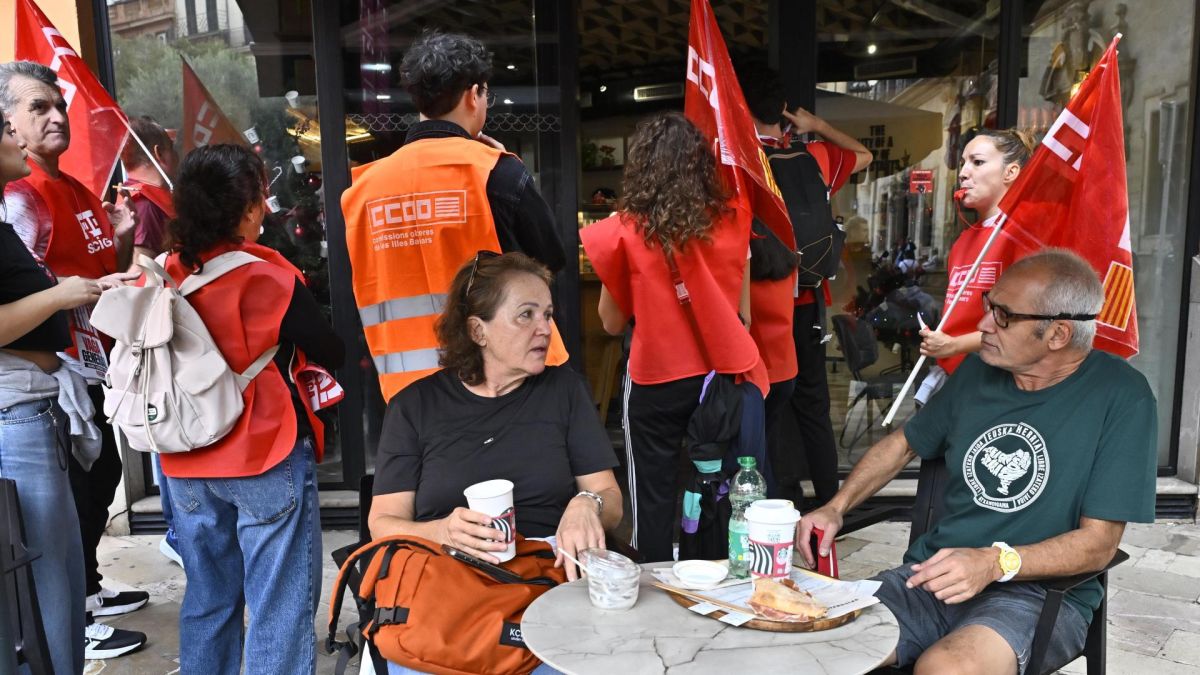
The strike in the Balearic Islands has had a significant impact on public transport, with a 100% turnout on trains and an 80% on urban buses, while commerce and hospitality have recorded low participation and have mostly operated normally. #HuelgaGeneral #Baleares #Transporte (translated)

www.lavanguardia.com
La huelga afecta al transporte en Baleares y pincha en el comercio y la hostelería
2739