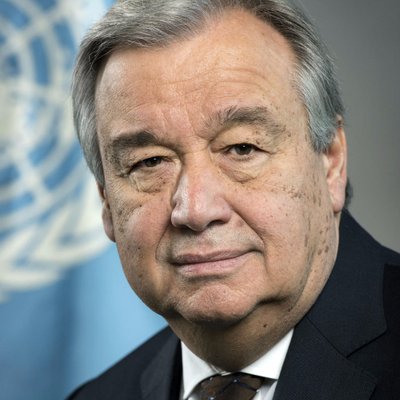
Secretary-General of the United Nations since 2017
"We have entered a new era of climate extremes," said António Guterres, the UN Secretary-General. #SchimbăriClimatice #ÎncălzireGlobală #COP31 (translated)
"We have entered a new era of climate extremes," said António Guterres, the UN Secretary-General. #SchimbăriClimatice #ÎncălzireGlobală #COP31 (translated)
"Each indicator tells us the same story. The heat trapped by greenhouse gases is reflected in the oceans, in the atmosphere, in the melting of ice, and in the rising sea levels," said John Kennedy, head of the climate information department of the WMO, at a press conference in Geneva. #Omenireaasăseasecure (translated)
"We have entered a new era of extreme climate phenomena," declared UN Secretary-General António Guterres. #SchimbăriClimatice #ÎncălzireaGlobală #FenomeneClimaticeExtreme (translated)

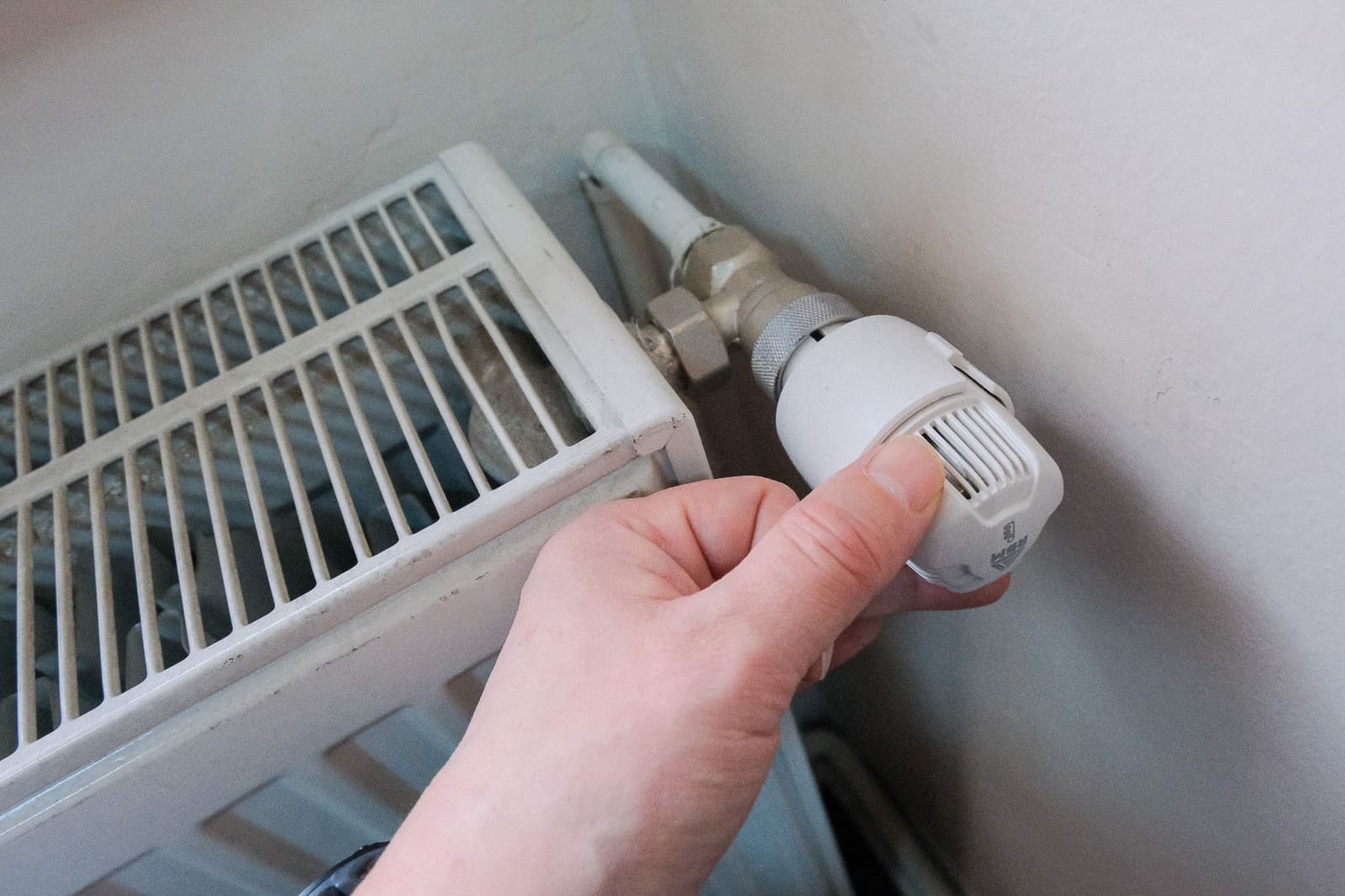
Romanians who need help to heat their homes in the cold season 2026-2027 must submit applications to the municipality by November 20 to receive support starting this month, according to the National Agency for Payments and Social Inspection. #ajutordeîncălzire #sprijinenergetic #România (translated)
"First of all, the Congress is pro-European. The Congress, during the Republican period, supported President Trump's initiatives, which do not lead to a warming of relations with Europe, but to a cooling of them. I saw President Trump declaring this morning: 'Europe is dying,' but Europe is not dying. Europe is an extraordinary economic power and represents the values that Trump has defied in the last two years," said Vladimir Tismăneanu. #Romania #Diplomatie #RelatiiInternationale (translated)

Almost 50 million Europeans cannot afford to heat their homes this winter, and Romania is facing a significant increase in the number of people affected by this problem. #gaznaturale #încălzire #România (translated)

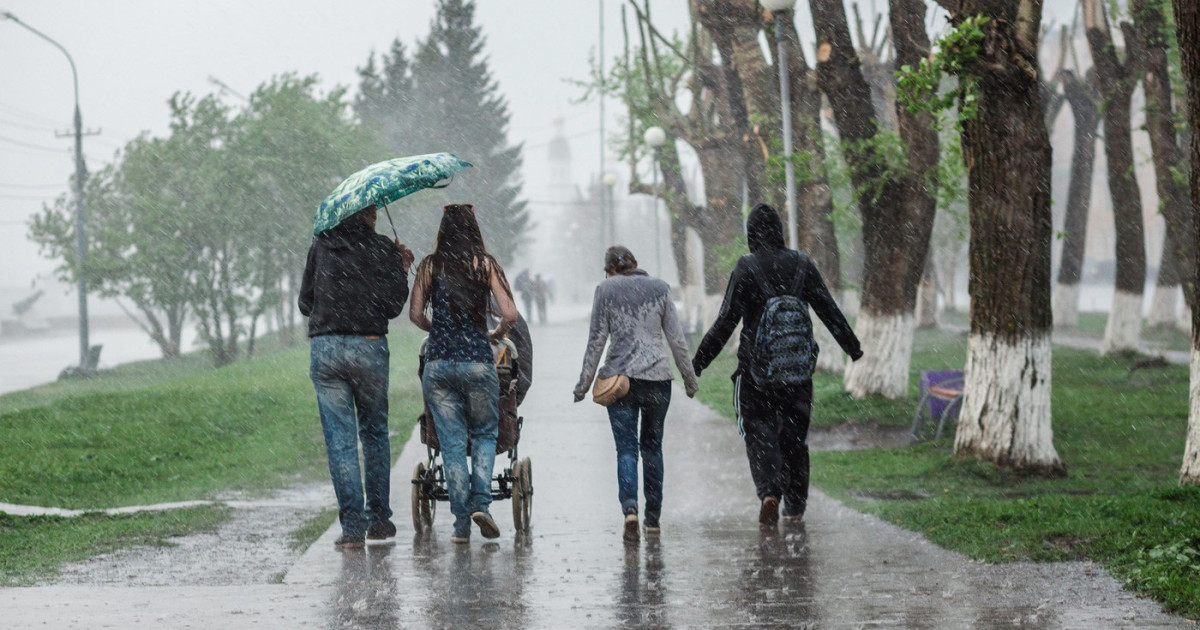
A Mediterranean cyclone is approaching Romania, bringing heavy rains, gusty winds, and a risk of floods, while climatologists warn about the intensification of these phenomena due to climate change. #CiclonMediteranean #VremeRea #ÎncălzireGlobală (translated)
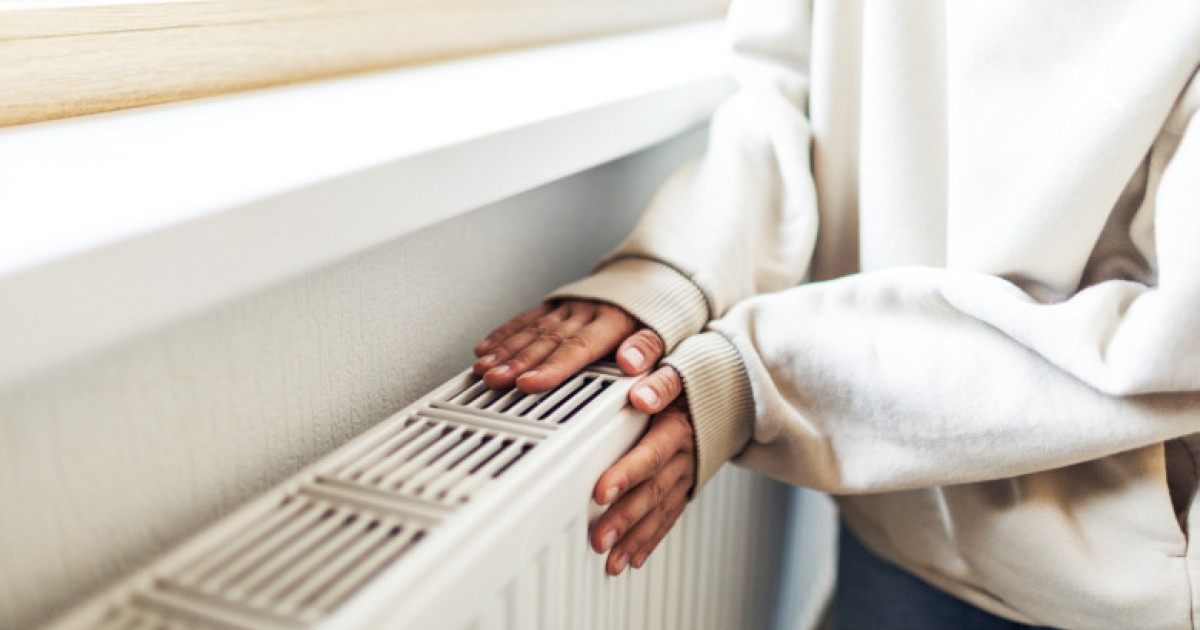
The price of a gigacalorie will decrease from November 1, 2026, due to the reduction of VAT from 21% to 11%, which will save Romanians approximately 30-35 lei for each gigacalorie consumed. #TVA #gigacalorie #încălzire (translated)
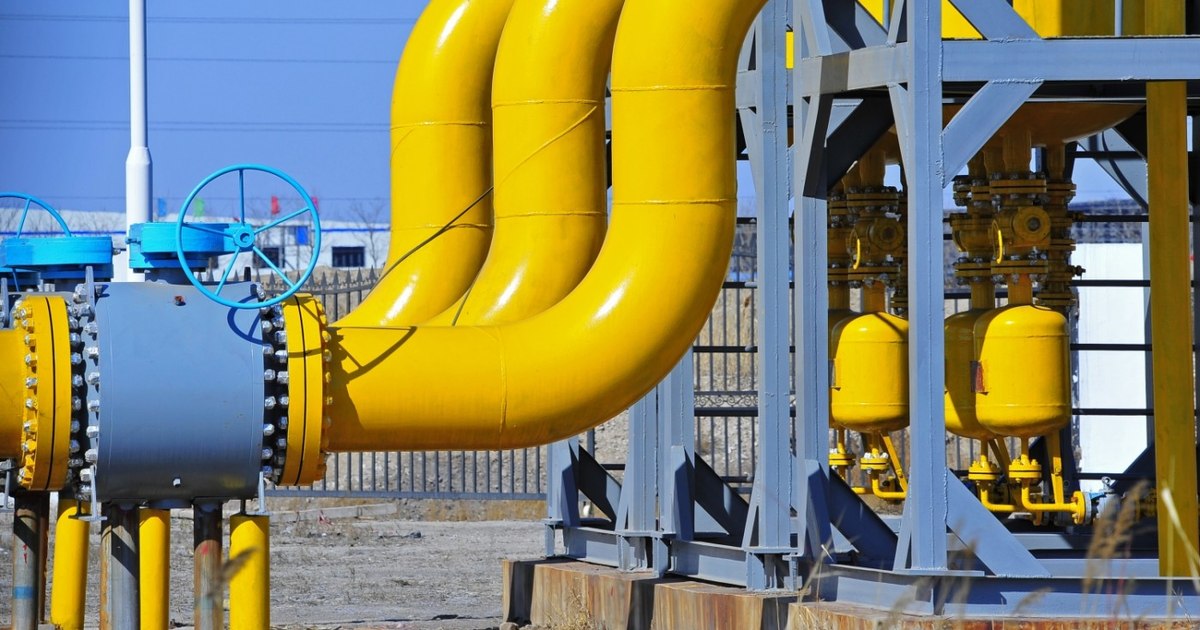
The price of gas in Europe has reached its highest level since 2022, exceeding 97 euros per megawatt-hour, in the context of stocks at a 17-year low and increased demand for heating, amid supply uncertainty. #gaze #energie #Europa (translated)
Don't change the time! Change the schedule, not the time! The biological rhythm is regulated by the Sun, not the clock. Time is not a work schedule that we can shift at will. Time is the measure by which we organize our lives, and nature has its own rhythm. The Earth does not change its rotation twice a year. The sun does not rise earlier because we decided to move the clock forward. Animals, birds, insects, and plants follow their biological rhythms related to light, darkness, and the natural succession of seasons. Humans are part of this nature. Our bodies have their own biological clock, fundamentally influenced by light. And when we officially move the clocks by one hour, we are not changing the course of nature, but rather asking humans to abruptly adapt to an administrative convention. Why do this every spring and reverse it every autumn? Is it natural to change the time or to adapt our schedules? Let's consider the majority of people: workers, farmers, students, teachers, parents, retirees, people who must adhere to a schedule set by others. They cannot always modify their schedules at will. They need to wake up at a certain hour, get to work, take a child to school, or comply with the public transport timetable. In contrast, there are people and organizations that have the opportunity to adapt their schedules based on the season, natural light, or the needs of their activities. If, for some people, changing their schedule is feasible, why impose the time change on everyone? Let's take a hypothetical example: if 10% of people have the freedom to adapt their schedule, is it fair to change the time for all those who do not have this freedom? Would it not be more logical to change the schedule where needed, rather than change the time by which the entire society organizes itself? Stores can modify their opening hours. Factories can adapt their shifts. Institutions can adjust their schedules, and schools and public transport can analyze timetables according to local conditions and people's needs. We do not all have to operate on the same schedule to live by the same time. Nature does not need our approval to follow its rhythm. In spring, the days lengthen. In autumn, the days shorten. This is the natural rhythm of the Earth, which we can observe without moving even a single clock hand. If we want to start activities earlier in summer, we can start sooner. If winter requires a different schedule, we can adapt it. But why change the official time, get used to a new convention, and then revert to the old one? Would it not be simpler to keep the same time all year round and organize our activities according to the season? I do not claim that all living beings measure time in hours and minutes. I assert something more important: their biological rhythms are linked to the natural cycle of light and darkness, not to the numbers we display on the clock. And humans should take this truth into account when organizing their lives. The economy must serve people, not people be permanently forced to adapt to the economy. One argument presented in favor of changing the time is the more efficient use of natural light or the reduction of energy consumption. But the actual effects depend on the country, season, population habits, and how energy is used. If we want to save energy, let's examine actual consumption. If we want more light during activities, let's adapt the schedules. If we want to improve work organization, let's change the timetables where possible. There is no need to change the time for the whole society to achieve flexibility in certain areas. The schedule is a tool we can adapt. The time should be a stable reference. We cannot stop the seasons. We cannot modify the Earth's rotation. We cannot ask nature to adapt to our clock. But we can organize our lives more wisely. Instead of moving the clock hands twice a year, we can learn to adapt our schedules to the reality around us. Instead of changing the time for everyone, we can allow each field to find the appropriate schedule, within the bounds of the law and with respect for people's rights. Let's keep the time stable and make the schedules flexible! Let's leave time in peace. Twice a year, millions of people are forced to change their clocks, schedules, and biological rhythms to adapt to an administrative decision. It is said that changing the time brings economic or energy benefits. However, in modern society, these advantages are increasingly contested, while the disadvantages are felt by nearly the entire population. People, animals, and plants do not live by the clock on the wall, but by the natural rhythms of the Earth. The human body is regulated by the alternation of light and darkness. When we artificially move the time forward or back, we disturb this balance. Many people sleep worse, feel more tired, and need days or weeks to readjust. Living beings do not change their schedules twice a year. Birds do not migrate by the clock, cows do not produce milk according to the official hour, and dogs do not understand why their owner takes them for a walk an hour earlier. Nature follows the sun, not administrative decisions. There is also a principle issue. For a relatively small percentage of people and activities that would benefit from more light in the evening, the schedule of the entire society is modified. About 90% of people are forced to adapt, even though they did not ask for this and do not gain direct advantages. It would be more logical for the sectors that need a different schedule to adapt it themselves. Stores can open earlier or later. Factories can modify their work shifts. Schools, institutions, and companies can adjust their schedules as needed. It is much easier for certain organizations to change the schedule in a targeted manner than to change the official time for the entire population. Moreover, modern technology has greatly diminished the argument for saving energy. Lighting now represents a smaller proportion of total consumption, while air conditioning, computers, and other equipment operate regardless of time changes. The time should serve people, not people be obliged to serve the time. A modern society can function efficiently without moving the clock hands twice a year. Stability, health, and respect for natural rhythms are stronger arguments than the tradition of a measure introduced in another era. Therefore, the most rational solution is to keep the same time throughout the year and adapt schedules where necessary, rather than changing the lifestyle rhythm of an entire population. Why should we keep the same time all year? Changing the time twice a year represents an artificial intervention in the natural rhythm of society. Although it was introduced with the intention of saving energy, numerous modern studies show that the benefits are minimal, while the social, medical, and economic costs are significant. 1. The biological rhythm is regulated by the Sun, not the clock. The human body operates according to an internal biological clock, synchronized with the natural alternation of day and night. Research in chronobiology shows that artificial changes in time disrupt sleep, concentration, and metabolism. In the days following the switch to summer time: - sleep disorders increase; - more traffic accidents occur; - productivity at work decreases; - there is an increase in the risk of heart attacks and other cardiovascular problems. In practice, millions of people are forced to suffer a slight "jet lag" without having traveled anywhere. 2. Nature does not change the time. Animals and plants regulate their activity according to light. Birds, insects, domesticated and wild animals do not change their schedules just because the government decides to move the clock forward by one hour. Farmers often observe that cows continue to adhere to their biological schedule regardless of the change in official time. The same happens with many other living beings. In reality, we are changing the clock display, not the position of the Sun in the sky. 3. Economic benefits are diminishing. Changing the time was introduced in an era when lighting consumed a significant proportion of the energy used by the population. Today: - lighting is much more energy-efficient; - the main consumption comes from air conditioning, heating, servers, computers, and appliances; - estimated savings are very low or even nonexistent in many states. In contrast, the economic costs are real: - employee productivity decreases after the time change; - absenteeism increases; - additional costs associated with accidents and medical problems arise; - computer and logistics systems need to be periodically adjusted. 4. It is unfair to change the schedule of all for the needs of a minority. If certain economic sectors find it useful to start activities earlier in summer, they can adapt their schedules. For example: - stores can operate from 07:00 to 21:00 instead of 08:00 to 22:00; - factories can alter shifts; - public institutions can temporarily adjust working hours; - schools and companies can decide locally what schedule is optimal. It is much simpler for 10% of organizations to change their schedule than for 100% of the population to change their biological clock. 5. Stability means efficiency. Transport, information systems, international economic activities, and public services function more smoothly when the official time remains constant. One hour throughout the year: - reduces scheduling errors; - simplifies transport and communications; - eliminates confusion regarding timetables; - provides predictability for citizens and companies. Conclusion The sun does not change its time. The Earth does not change its time. Nature does not change its time. Only humans move the clock hands and then endure the consequences of this decision. Instead of modifying the schedule of an entire society twice a year, it is more logical to keep the same time constantly and allow those fields that need a different schedule to adapt their programs individually. This way, natural biological rhythms are respected, economic costs are reduced, and the comfort of the majority of the population is increased. A modern society needs flexibility in scheduling, not the constant change of the clock. (translated)
The United Nations has warned that current global commitments to limit climate change are insufficient, projecting a warming of 2.8°C by 2100, stressing the need for immediate and drastic actions to avoid devastating consequences. (translated)
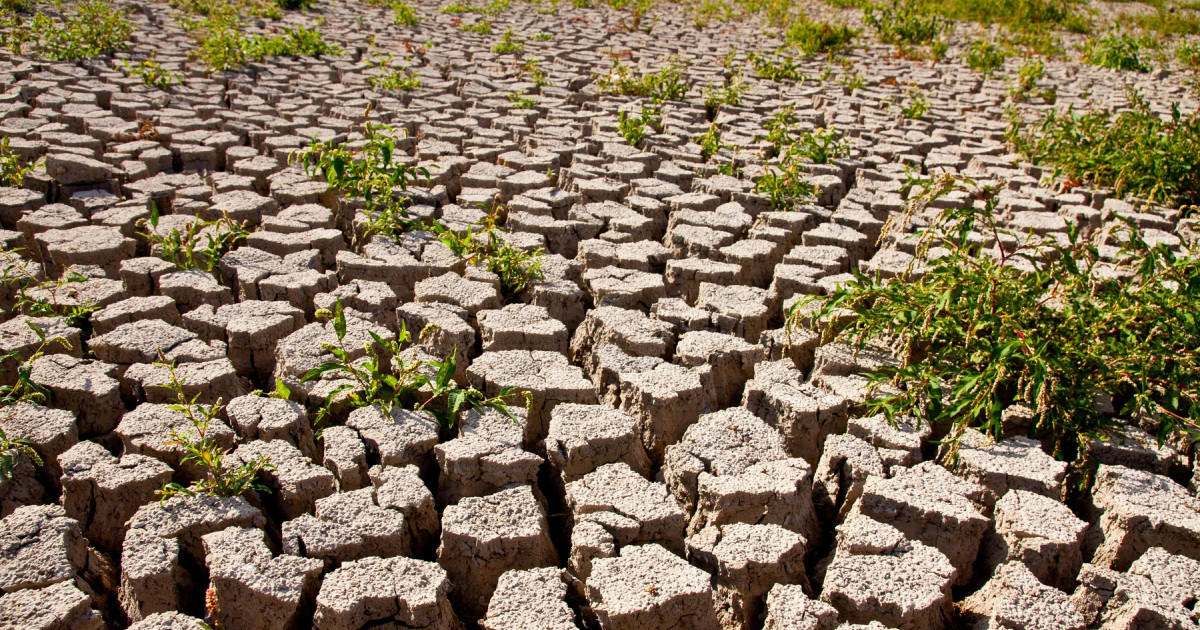
A UN report warns that the window for keeping global warming below 1.5°C has closed, calling for an urgent reduction of greenhouse gas emissions by 18% by 2030 in order to limit the effects of climate change. #SchimbăriClimatice #ÎncălzireGlobală #EmisiiGaze (translated)
Russia plans a massive campaign of missile, drone, and bomb attacks on the energy infrastructure of major Ukrainian cities this winter, aiming to destabilize the electricity and heating supply, according to an intercepted document. #Război #Ucraina #Putin (translated)

"The progress was blocked until the end. A shameful delaying tactic when we have no time to lose," said Stege. #SchimbăriClimatici #ÎncălzireGlobală #NegocieriInternaționale (translated)
The worldwide conference on climate change, attended by representatives from 195 countries, has been suspended indefinitely due to shortcomings in establishing deadlines for the publication of reports on global warming. #SchimbăriClimatici #ÎncălzireGlobală #NegocieriInternaționale (translated)

Direcția de Asistență Socială Brașov | Ajutorul pentru încălzirea locuinţei în sezonul rece 2026-2027 https://litera9.com/directia-de-asistenta-sociala-brasov-ajutorul-pentru-incalzirea-locuintei-in-sezonul-rece-2026-2027/
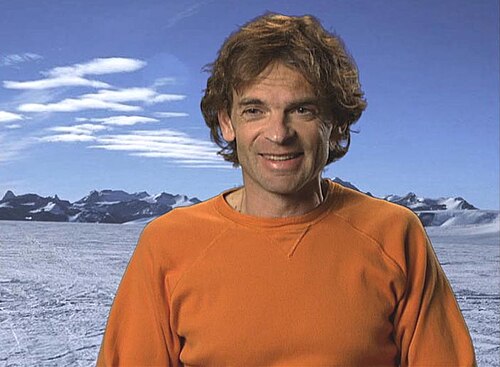
Our results show that, in the coming decades, the risk of flooding on coastlines and the number of people exposed could be greater than previously thought," said Eric Rignot, co-author of the study and professor at the University of California, Irvine. #GhețarulApocalipsei #încălzireglobală #schimbărichimatici (translated)
The Thwaites Glacier, also known as the "Doomsday Glacier," is melting much faster than scientists had estimated, contributing to sea level rise twice as much as previously thought, according to a new study. #GhețarulApocalipsei #încălzireglobală #schimbărichimatici (translated)
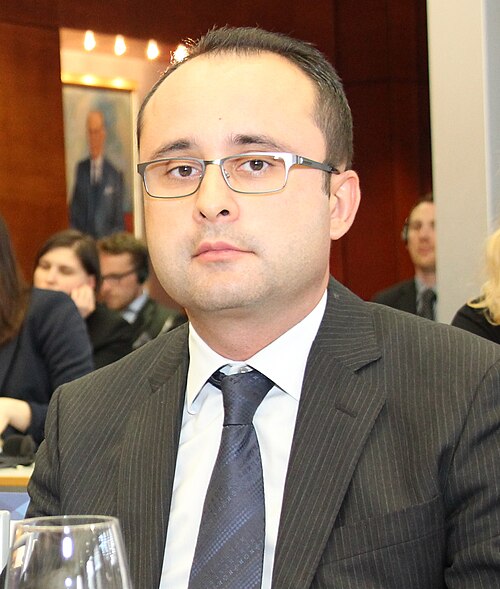
I believe there are strong arguments for the future Government, which will soon take office, to extend this protection scheme, this mechanism through which we have a regulated price for natural gas for household consumers and for centralized heating systems. The future Government should decide as soon as possible whether to extend the support scheme for gas for the population or prepare a similar mechanism so that suppliers can make their contracts for the next season, says Cristian Bușoi, Secretary of State at the Ministry of Energy. #energie #gaz #sprijincasnici (translated)
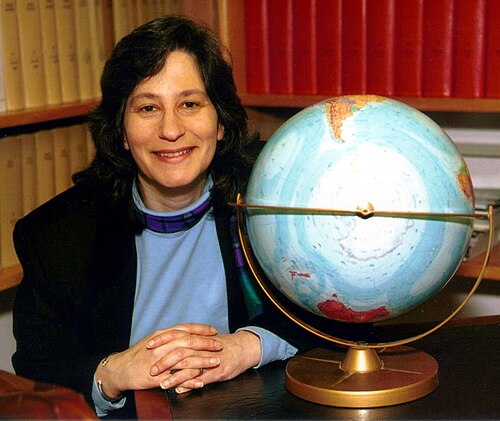
Numerous rigorous studies conducted by teams of researchers from around the world have strengthened the confidence in the reality and seriousness of human-caused climate change," said Professor Susan Solomon from the Massachusetts Institute of Technology (MIT). #schimbări_climatice #încălzire_globală #impact_uman (translated)





