BETA nonprofit public democratic european moderated

Search

#Balt
Postimees 49m

The Baltic states, Poland, and Finland submitted a letter to the President of the European Commission, Ursula von der Leyen, expressing concern over Russia's aggression and the security of the eastern border, demanding an additional investment of 115 billion dollars. (translated)
Balti riigid von der Leyenile: idapiiri julgeolek vajab 115 miljardit dollarit lisaraha

CIA boss Moscow trip was about Iran, not the Baltics, ex-Estonian president tells Euronews https://t.co/ueefAtUt7x #CIA #MoscowTrip #Iran #RU #IR #EE

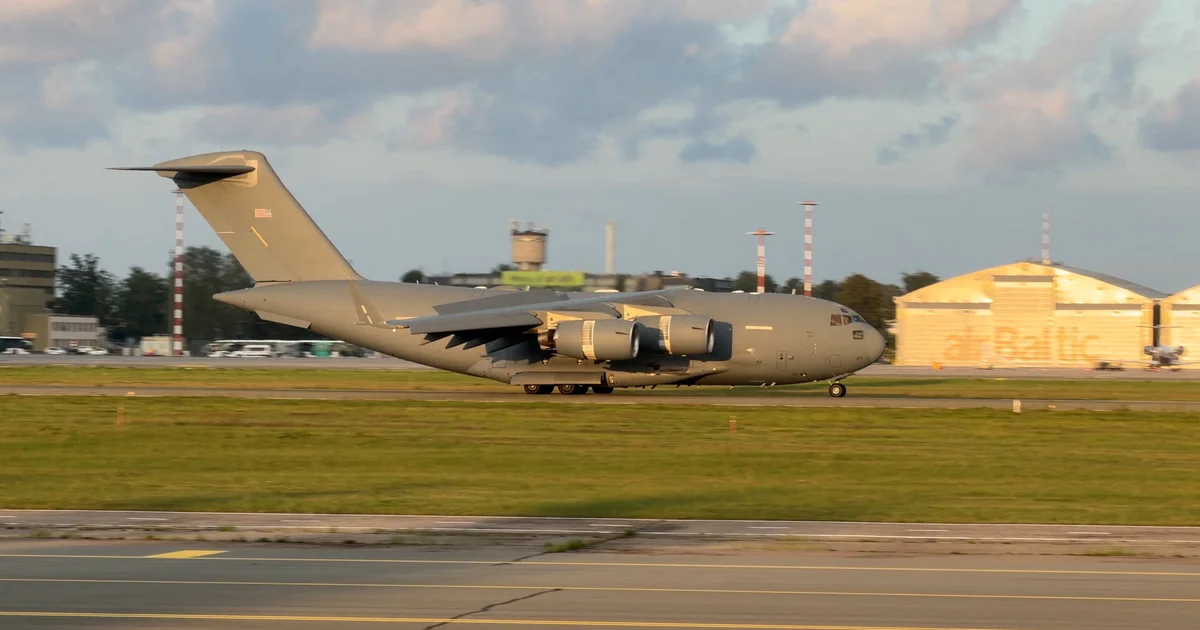
CIA-Chef Ratcliffe in Moskau: Warnung an Putin und was kann Europa? Die NATO flog in den letzten Tagen ein großes Militärmanöver, das viele überraschte. Es gab dazu keine große Ankündigung. Es gab keine Dramatisierung. Stattdessen teilte die NATO nur kurz, professionell und kühl mit: Standard. Normal. Routine. Doch das Paket dieser Übung war alles andere als normale Routine. Es war ein hochkomplexes Luft‑Boden‑Manöver direkt neben der russischen Exklave Kaliningrad. Mit militärischen Fähigkeiten, die man nur zeigt, wenn man der randeren Seite etwas sagen will. Über Nordpolen drehten technologisch fortgeschrittene NATO‑Flugzeuge Stadionrunden direkt neben der Grenze zu Kaliningrad. Präzise. Eng. Immer wieder. Sichtbar für jede russische Luftverteidigung. Sichtbar für jeden Analysten in russischen Streitkräften und Geheimdiensten. Mit eingeschalteten Transpondern sichtbar für die ganze Welt. Diese Flüge waren nicht nur eine Übung. Das war eine unmissverständliche Botschaft. Im Zentrum des Geschehens stand das neue amerikanische Flugzeug EA‑37B Compass Call.  Eine technologisch hochgerüstete Plattform für elektronischen Kampf. Damit kann man Kommunikation unmöglich machen. Damit kann man Radare blenden. Damit kann man Steuerungssysteme für Luftverteidigungsysteme und Raketen ausschalten. Mit der Compass Call zeigt die NATO, was sie in Kaliningrad könnte, wenn sie müsste. Begleitet wurde diese Plattform von Seefernaufkärern, auch aus Deutschland, und von Flugzeugen zur Luftraumüberwachung. Dazu kamen Systeme für Aufklärung und fliegende „Datenstaubsauger“, die alles erfassen, was funkt und sendet. Kampfjets sicherten die High-Tech-Flugzeuge ab und fliegende Tanker sorgten für die nötige Ausdauer. Polnische Bodentruppen waren in das Manöver eingebunden. Das war eine Luft‑Boden‑Integration, wie sie in einem echten Konflikt nötig wäre. Warum dieses Manöver? Warum diese Fähigkeiten? Warum diese Sichtbarkeit? Eine vor Kurzem öffentlich gewordene nachrichtendienstliche Einschätzung aus den USA beschreibt die Lage nüchtern. Russland testet Verwundbarkeiten und Reaktionen. Mit hybriden Operationen, mit Drohnenangriffen und auch mit Eskalationsoptionen im Baltikum. Die analytischen Einschätzung warnt vor begrenzten, aber strategisch bedeutsamen Angriffsszenarien gegen baltische Staaten. Es ist nicht die einzige Analyse der letzten Monate, die in diese Richtung zeigt. Die NATO‑Übung war die Antwort darauf. Es handelt sich um Abschreckung im klassischen Sinn. Man zeigt Stärke, bevor man sie braucht. Man demonstriert Fähigkeiten, bevor man sie einsetzen muss. Und dann landet fast gleichzeitig dazu eine C‑17 Militärmaschine der US Air Force in Moskau. An Bord: CIA‑Direktor John Ratcliffe. Vier Stunden im Kreml. Keine Fotos. Keine Statements. Keine Protokolle. Nur die Flugroute verrät die Bedeutung. Dieser Besuch erinnert an einen anderen Moment im Herbst 2022. CIA‑Direktor William Burns reist nach Moskau. Heimlich. Dringend. Er überbringt damals eine klare Warnung: Wenn Russland taktische Nuklearwaffen in der Ukraine einsetzt, wird es schwerwiegende Konsequenzen geben. Die Botschaft war hart und unmissverständlich. Und sie wirkte. Die Abschreckung funktionierte. Der aktuelle Besuch knüpft daran an. Er zeigt, dass die USA weiterhin bereit sind, Botschaften persönlich zu überbringen. Er zeigt, dass Washington noch da ist. Mit Fähigkeiten, die Europa noch nicht hat. Mit Autorität, die Europa noch nicht besitzt. Denn eine Ambivalenz bleibt und muss uns dringend zu denken geben. Die USA demonstrieren gerade in Europa Stärke und sagen doch seit Monaten gleichzeitig, dass sie sich mit militärischen Fähigkeiten aus Europa zurückziehen. Was Trump will, ist weniger Präsenz und weniger Engagement, daraus folgen künftig weniger Garantien. Dass das höhere Risiken für die europäische Sicherheit bedeutet, ist offensichtlich. Das führt zu einer logischen Frage. Wer in Europa hätte die Chuzpe, die Kaltschnäuzigkeit, die Erfahrung, um dem Kreml eine harte und unmissverständliche Botschaft zu überbringen? Wer könnte mit der gleichen Autorität auftreten wie Burns 2022 oder Ratcliffe heute? Wer könnte mit der gleichen militärischen Glaubwürdigkeit unterfüttern, was politisch gesagt wird? Europa hat diese Fähigkeiten nicht. Noch nicht. Denn die Botschaft über Kaliningrad wurde nicht nur diplomatisch überbracht. Sie wurde technisch überbracht. Durch eine fliegende Plattform, die Macht ausstrahlt. Durch Satelliten, Flugzeuge, Hochtechnologien, Abstandswaffen und Datenanalysen, die von der anderen Seite respektiert und vielleicht sogar gefürchtet werden. Europa braucht genau diese Werkzeuge. Und zwar schnell und vorrangig. Eine europäische Plattform für elektronischen Kampf. Abstandswaffen mit Reichweite und Präzision. Satellitenbasierte Aufklärung, die unabhängig macht. Echte Europäische Abschreckung, die nicht mehr aus Washington kommt. Dorthin muss das Geld für Verteidigung mit Priorität und in hoher Geschwindigkeit, auch aus dem deutschen Verteidigungshaushalt. Europa braucht militärische Fähigkeiten, die Botschaften tragen. Europa braucht Systeme, die Gegner beeindrucken. Es ist auch Technologieführerschaft, die Konflikte durch die Demonstration von Stärke und Überlegenheit letztlich verhindern kann. Die NATO‑Übung war überraschend, stark und klar. Das ist gut. Hoffentlich war sie für unsere Gegner abschreckend. Ein Anlass zur Beruhigung ist sie dennoch nicht. Denn Europa muss das, was wir heute sehen, so schnell wie möglich auch ohne die Amerikaner können. #NATO #Sicherheit #Europa

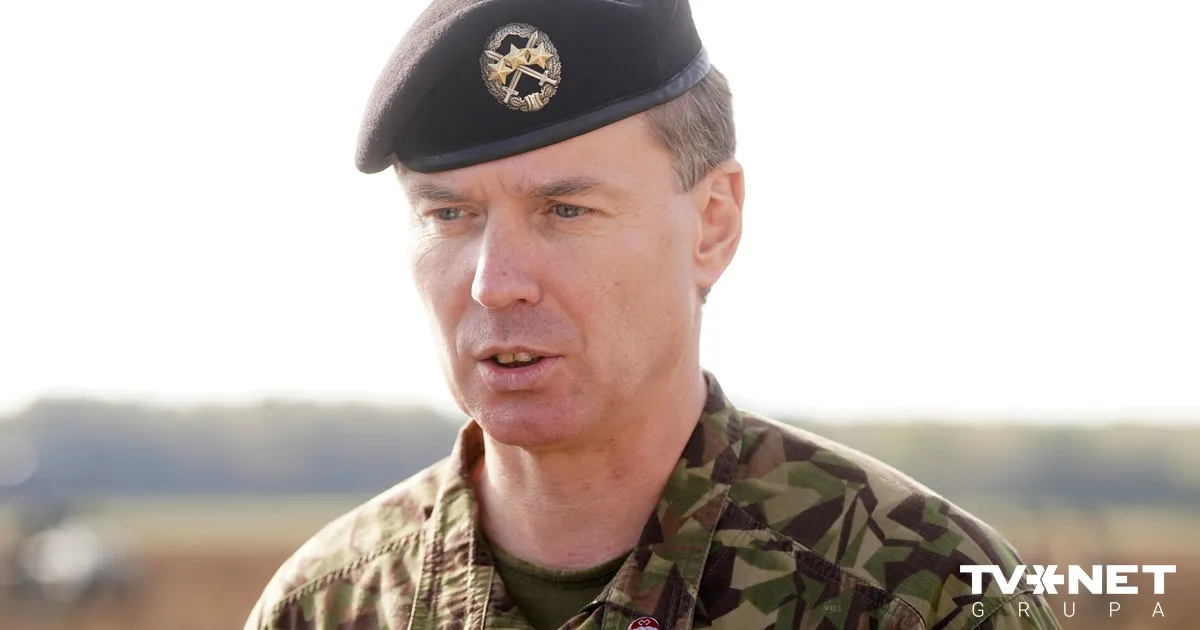
Pudāns indicated that the National Armed Forces, along with NATO, constantly monitor the airspace and are prepared to respond to possible hybrid provocations from Russia, while the US CIA Director John Ratcliffe warned Russian officials about the potential for conflict in the Baltic states. (translated)

Pudāns: NBS rēķinās ar iespējamām hibrīdām Krievijas provokācijām
ERR 2h

Kristi Raik emphasizes that the situation of Ukraine in 2021 and the current situation in the Baltic states are not comparable, as there is currently no evidence of preparations for a Russian attack, although future threats and psychological pressure should be taken seriously. (translated)

Raik: Ukraina 2021. aastal ja Balti riigid praegu pole võrreldavas olukorras

@LianaFix The US is not changing its (pivoting, pull-out) policy toward Europe. Its Big problems are in Iran. And what Russia is doing there. I doubt there was any discussion of "baltics". That was gaslighting by anonymous officials to avoid tough questions on Russia providing targeting #USPolicy #Russia #Iran #US #IR #RU

Delo 4h

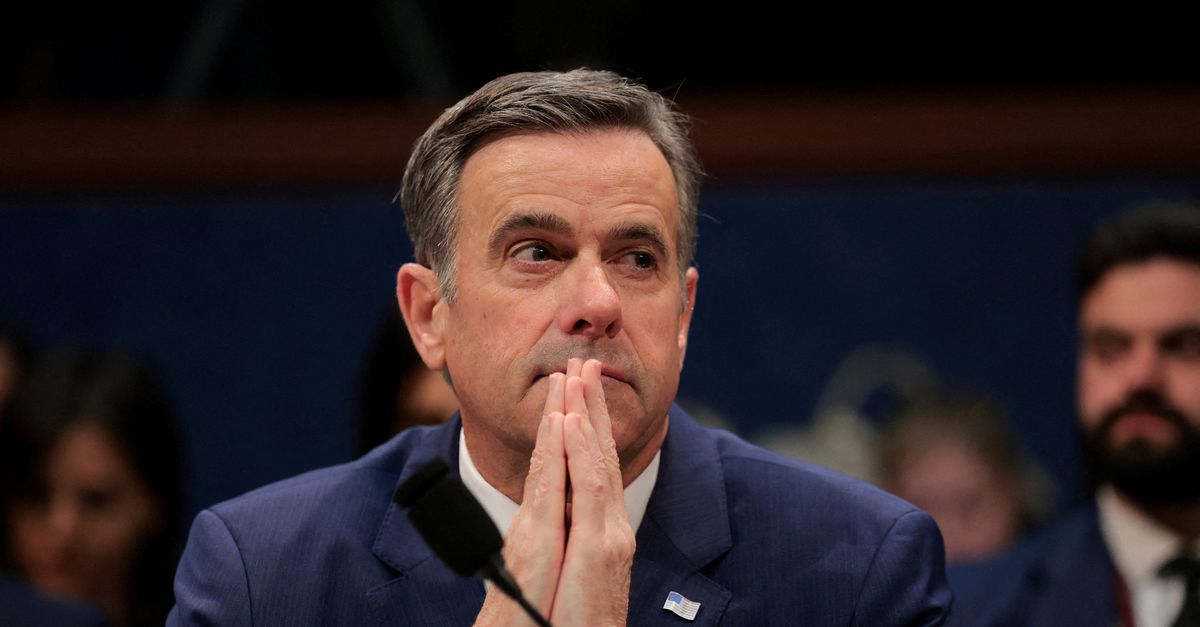
CIA Director John Ratcliffe, during an unannounced visit to Moscow, warned Russian representatives to refrain from escalating the conflict with the Baltic states and to limit military support to Iran, which has sparked numerous speculations about the purpose of his mission regarding the war in Ukraine and Russia's relations with Iran. (translated)

Ratcliffe v Moskvi: ostro opozorilo Rusiji glede baltskih držav in Irana

"Esiteks, see, mis oleks nagu käinud Balti riikide kohta, tuleb mõnelt anonüümselt ametnikult. Aga eks seda saab lähipäevadel kontrollida. Kui vaadata, mis on praegu USA suur probleem, siis see on Iraan, kus venelased on väga aktiivsed olnud ja annavad luureinformatsiooni Iraanile. Kui CIA direktor lendab Moskvasse esimest korda üle viie aasta, siis tundub, et loogisem oleks Iraani-mure. Ohuhinnang Balti riikidele pole muutunud!"

Ilves taunib anonüümsetel allikatel põhinevaid jutte Venemaa peatsest rünnakust
www.err.ee
ERR 4h

Former Estonian President Toomas Hendrik Ilves criticizes articles based on anonymous sources, which claim that Russia plans to attack the Baltic states, and emphasizes that the main concern of the USA is Iran, not European security. (translated)

Ilves taunib anonüümsetel allikatel põhinevaid jutte Venemaa peatsest rünnakust

Possible hybrid attacks by the Kremlin of Russia against European Union member states, especially the Baltic states, may aim to weaken support for Ukraine and provoke societies to demand government decisions to stop aid to Kyiv, says Andriy Kovalenko, spokesman for the National Security and Defense Council of Ukraine. (translated)

Ukraina: Kremlius gali rengti hibridinius išpuolius prieš kai kurias ES valstybes
ERR 5h

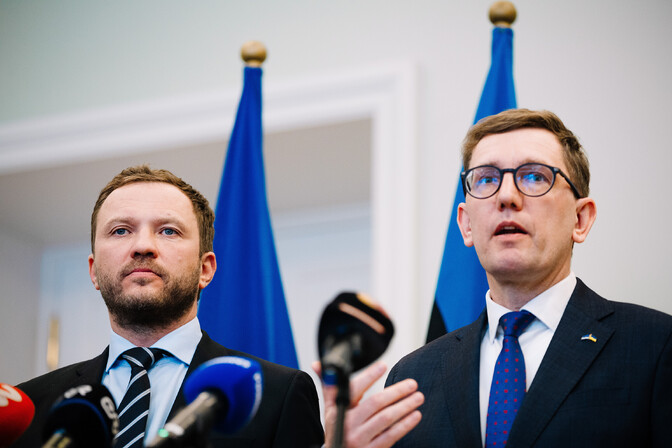
Estonian Prime Minister Kristen Michal and Foreign Minister Margus Tsahkna confirmed at a press conference that Estonia's threat assessment has not changed after rumors arose from the visit of the Director of the U.S. Central Intelligence Agency to Moscow, emphasizing the need to remain vigilant regarding Russian provocations, but NATO's unity and defense capability are strong. (translated)

Michal ja Tsahkna: ohuhinnang ei ole muutunud

CIA Director John Ratcliffe made a surprise trip to Moscow to warn Russia against escalating the conflict with the Baltic countries and NATO, but both the White House and the Kremlin denied the reasons for the visit, deeming them alarmist stories. (translated)

CIA avisou Rússia para não escalar conflito nos bálticos
E

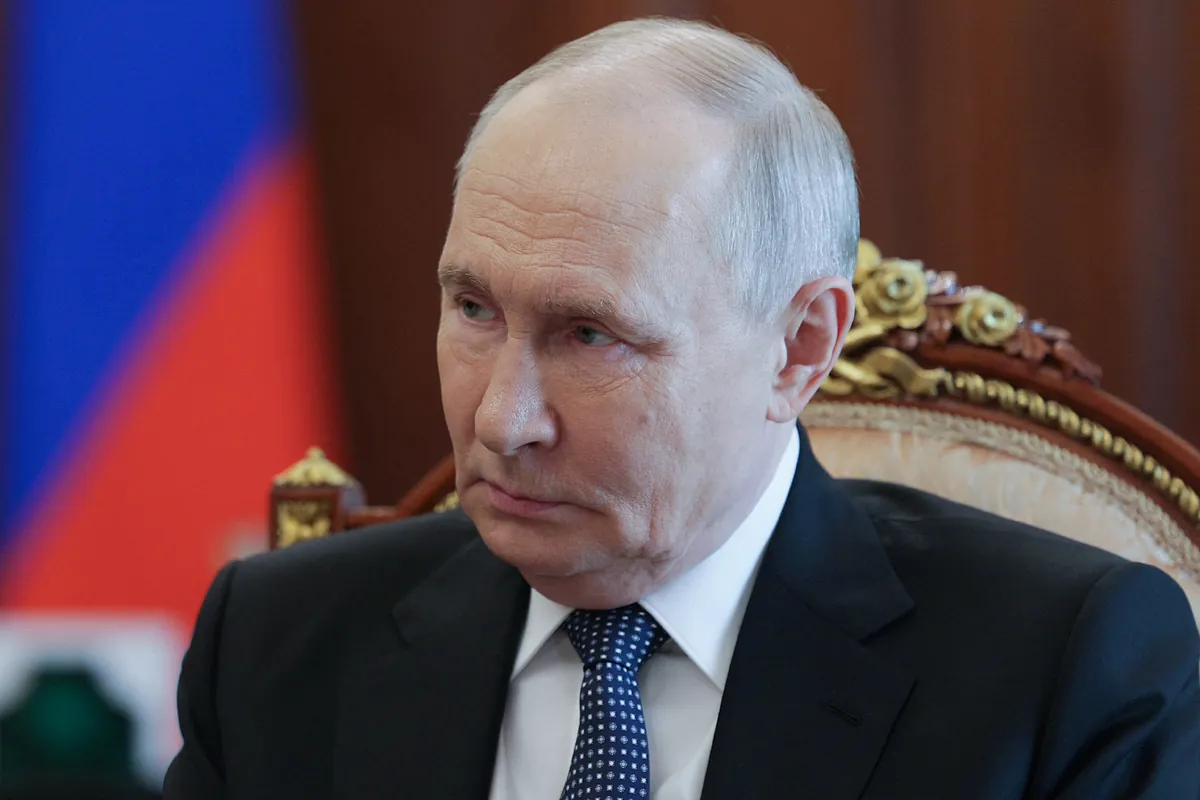
The CIA director, John Ratcliffe, unexpectedly traveled to Moscow to warn Putin about the consequences of a potential attack on a NATO country, noting that recent intelligence assessments suggest that Russia may be planning provocative actions against the Baltic nations. (translated)

El director de la CIA viajó a Moscú para advertir a Putin de que no ataque a ningún país de la OTAN, según el WSJ y CBS

Experts Maklakovs emphasizes that a direct invasion of NATO territory by Russia is currently unlikely, but this does not rule out the possibility of sabotage, cyberattacks, and hybrid operations, as well as pointing to the warnings from the US intelligence chief about a potential escalation of conflict with the Baltic states. (translated)

Maklakovs: Patlaban Krievijas tiešs konvencionāls iebrukums NATO teritorijā ir apšaubāms
NRC 6h

CIA Director John Ratcliffe recently visited Moscow to warn Russia not to attack NATO countries, with a focus on the Baltic states, and urged the halt of military and economic support to Iran, according to American media. (translated)

Amerikaanse media: ‘CIA-baas John Ratcliffe was in Moskou om Rusland te waarschuwen geen NAVO-landen aan te vallen’

Poetins plan om de Baltics aan te vallen is zo vergevorderd dat zelfs Washington hem persoonlijk moest vragen om het niet te doen. Daar waarschuwen we al 4 jaar voor. Ik hoop dat de afschrikking stevig genoeg is zodat hij het niet doet, maar ik heb mijn twijfels. #Poetin #Baltics #afschrikking

Voin vain kuvitella, miltä Baltiassa tuntuu lukea tällaisia otsikoita viikosta toiseen. Silti itsestäänselvyyksien aika Euroopan turvallisuudessa on ohi ja ikäviä asioita voi tapahtua. Niiden mahdollisuus on parempi tiedostaa kuin yrittää selittää pois. https://t.co/vDQiQ5hTdq #Eurooppa #Turvallisuus #Baltia

24.hu 9h

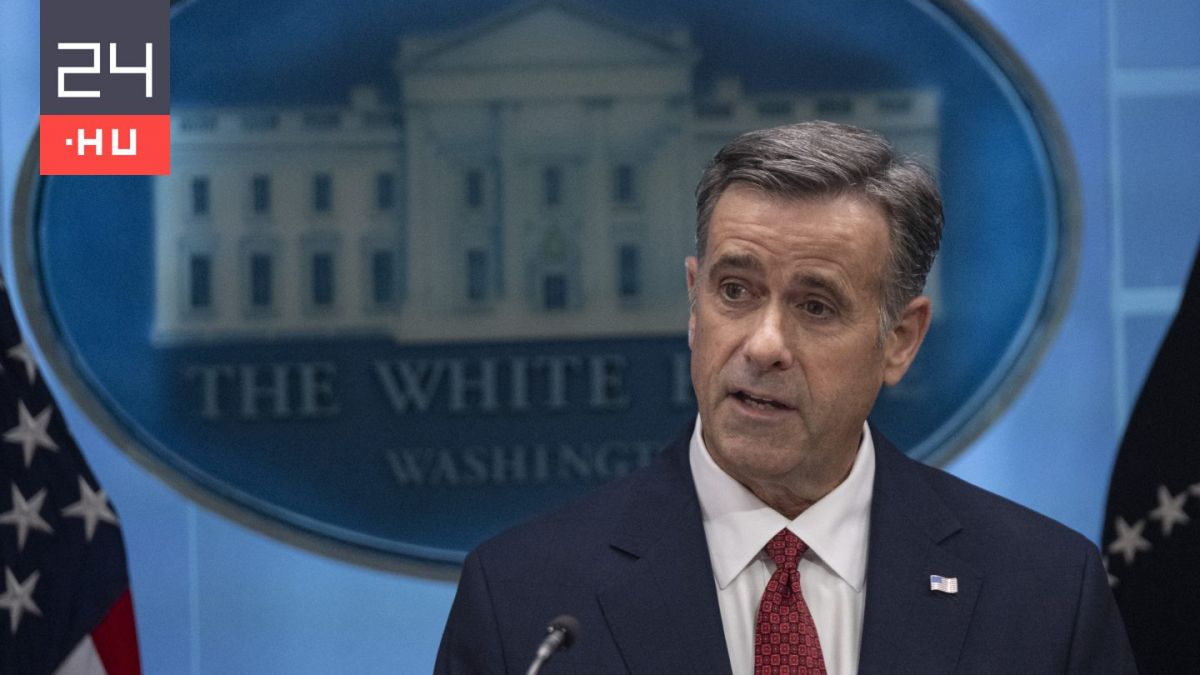
John Ratcliffe, the head of the CIA, traveled to Moscow without prior notice to warn the Russian leadership about the defense of the Baltic states, particularly Estonia, Latvia, and Lithuania, while the conclusion of the war in Ukraine and the reduction of military support to Iran also played a role in the discussions. (translated)

A balti államok miatt utazott Moszkvába a CIA vezetője

Il Wall Street Journal riferisce che il viaggio a sorpresa del capo della CIA a Mosca sarebbe stato effettuato per avvertire la Russia di non attaccare i Paesi della NATO. Secondo nuove valutazioni dell'intelligence statunitense, Putin potrebbe mettere alla prova la risposta dell'Alleanza con azioni limitate, come attacchi informatici o incursioni terrestri su piccola scala, soprattutto ai danni dei Paesi baltici. Washington teme inoltre che l'esaurimento degli arsenali occidentali di armi – dopo anni di sostegno all'Ucraina e i recenti scontri con l'Iran – possa influenzare i calcoli di Mosca #CIA #NATO #Russia