Italian entrepreneur
Roberto Lacorte: "The 24 Hours of Le Mans with my son would be a dream, we want to earn this opportunity." #CaffèRichiamato #Ocratossina #SicurezzaAlimentare (translated)
Roberto Lacorte: "The 24 Hours of Le Mans with my son would be a dream, we want to earn this opportunity." #CaffèRichiamato #Ocratossina #SicurezzaAlimentare (translated)

A study from the University of California reveals that our brain learns to appreciate foods like coffee, sugars, and fats through a slow-release dopaminergic system that links taste experiences to the caloric value of nutrients. #Dopamina #Cibo #Neurobiologia (translated)

𝗟𝗜𝗙𝗘 𝗢𝗙 𝗔 𝗠𝗢𝗗𝗘𝗥𝗡 𝗛𝗨𝗠𝗔𝗡 A perfect day in which human existence could also be simplified. We have chosen an example of Homo sapiens digitalis, a species endowed with an extraordinary ability: to complicate its existence through tools designed to simplify it. 𝗢𝗥𝗘 𝟬𝟲:𝟬𝟬 - 𝗧𝗛𝗘 𝗜𝗡𝗧𝗘𝗟𝗟𝗜𝗚𝗘𝗡𝗧 𝗔𝗟𝗔𝗥𝗠 The smartwatch vibrates. It has determined that this is the best time to wake the owner, having analyzed his sleep phases. The man opens his eyes and discovers that he has slept poorly: score 61 out of 100. Until that moment, he felt rested. Now he is tired. 𝗢𝗥𝗘 𝟬𝟳:𝟬𝟬 - 𝗧𝗛𝗘 𝗙𝗜𝗥𝗦𝗧 𝗖𝗢𝗡𝗦𝗨𝗟𝗧𝗔𝗧𝗜𝗢𝗡 Before even saying goodbye to his wife, he consults his smartphone. He checks notifications, messages, and weather forecasts. His wife asks him if he wants coffee. He doesn't respond: he is reading an article about the risks of caffeine. 𝗢𝗥𝗘 𝟬𝟴:𝟬𝟬 - 𝗧𝗛𝗘 𝗖𝗢𝗡𝗦𝗖IOUS 𝗖𝗔𝗟𝗢𝗥𝗜𝗘 𝗖𝗔𝗟𝗖𝗨𝗟𝗔𝗧𝗜𝗢𝗡 He photographs his plate to get an application to calculate the calories. He discovers that he has exceeded the recommended amount of sugar. He eliminates the jam, replaces the bread, and takes a supplement suggested by an influencer. It took him forty-five minutes to eat a breakfast that his grandfather finished in seven. 𝗢𝗥𝗘 𝟬𝟵:𝟬𝟬 - 𝗧𝗛𝗘 𝗔𝗦𝗦𝗜𝗦𝗧𝗘𝗗 𝗠𝗢𝗕𝗜𝗟𝗜𝗧𝗬 He gets in the car and sets the navigator to reach the office where he has worked for twelve years. The system proposes an alternative route to save three minutes. He follows it and gets stuck on a closed road for construction work. He curses technology and posts a negative review. 𝗢𝗥𝗘 𝟭𝟬:𝟬𝟬 - 𝗧𝗛𝗘 𝗣𝗥𝗢𝗗𝗨𝗖𝗧𝗜𝗩𝗜𝗧𝗬 He turns on the computer and asks artificial intelligence to summarize the received emails. He then asks it to prepare the replies. A colleague in the next office receives one of those emails and asks his AI to summarize it. Two machines communicate on behalf of two humans who could talk to each other across a corridor. 𝗢𝗥𝗘 𝟭𝟭:𝟬𝟬 - 𝗧𝗛𝗘 𝗠𝗘𝗘𝗧𝗜𝗡𝗚 He participates in a video conference with four colleagues sitting in the same building. One software records, another transcribes, and a third produces the summary. No one takes notes. At the end, everyone receives a document that no one reads, because each has already asked their AI to summarize the summary. 𝗢𝗥𝗘 𝟭𝟮:𝟬𝟬 - 𝗧𝗛𝗘 𝗦𝗖𝗜𝗘𝗡𝗧𝗜𝗙𝗜𝗖 𝗡𝗘𝗧𝗪𝗢𝗥𝗦𝗛𝗜𝗣 He consults an app to choose the restaurant with the best reviews. After twenty minutes, he finds the perfect one, but it's too far away. He orders through another application. A delivery person crosses half the city to deliver a salad that he could have purchased under the office. 𝗢𝗥𝗘 𝟭𝟯:𝟬𝟬 - 𝗧𝗛𝗘 𝗦𝗢𝗖𝗜𝗔𝗟𝗜𝗭𝗔𝗧𝗜𝗢𝗡 He opens Facebook. He scrolls through photographs of people he doesn't know, reads opinions from strangers, and participates in a discussion about contemporary loneliness. He insults a user who thinks differently. He receives three reactions and feels an immediate satisfaction. Finally, someone has noticed his existence. 𝗢𝗥𝗘 𝟭𝟰:𝟬𝟬 - 𝗧𝗛𝗘 𝗣𝗥𝗢𝗙𝗘𝗦𝗦𝗜𝗢𝗡𝗔𝗟 𝗨𝗣𝗗𝗔𝗧𝗘 He buys an online course on how to use artificial intelligence to increase productivity. The course teaches him to write instructions so the AI can work in his place. He does not finish the first lesson: he asks the AI to summarize the course. 𝗢𝗥𝗘 𝟭𝟱:𝟬𝟬 - 𝗧𝗛𝗘 𝗖𝗥𝗘𝗔𝗧𝗜𝗩𝗜𝗧𝗬 He has to write birthday wishes to a friend. He asks the AI for an original, warm, and spontaneous text. He copies it and sends it. The friend replies with a thank you generated by his own AI. Both are moved by the depth of the relationship. 𝗢𝗥𝗘 𝟭𝟲:𝟬𝟬 - 𝗧𝗛𝗘 𝗪𝗘𝗟𝗟𝗕𝗘𝗜𝗡𝗚 The smartwatch indicates that he has been sitting for too long. He gets up, takes two hundred steps around the desk, and sits back down. The device congratulates him. He has reached the first goal of the day. 𝗢𝗥𝗘 𝟭𝟭:𝟬𝟬 - 𝗧𝗛𝗘 𝗙𝗢𝗥𝗠𝗔𝗧𝗜𝗢𝗡 𝗢𝗙 𝗢𝗣𝗜𝗡𝗜𝗢𝗡 He reads the title of a scandalous political news story. He does not open the article: the title already contains all he considers necessary to know. He posts an indignant comment, complete with three exclamation points and four emojis. The algorithm interprets the behavior as interest and begins to suggest other similar news. After half an hour, he is convinced that the world is collapsing. 𝗢𝗥𝗘 𝟭𝟴:𝟬𝟬 - 𝗧𝗛𝗘 𝗛𝗘𝗔𝗟𝗧𝗛 𝗔𝗖𝗧𝗜𝗩𝗜𝗧𝗬 He enters the gym. He wears noise-canceling headphones so he doesn't hear the people around him. He follows the exercises suggested by an application and records every movement. In the end, he posts a photograph with the phrase "Take care of yourself." He spends twenty minutes checking how many appreciated the advice. 𝗢𝗥𝗘 𝟭𝟵:𝟬𝟬 - 𝗧𝗛𝗘 𝗥𝗘𝗧𝗨𝗥𝗡 𝗛𝗢𝗠𝗘 He returns home. His wife watches a video on her phone, his son plays on a console, his daughter participates in a video call. He sits on the sofa and opens Facebook. Perfect family harmony reigns: no one disturbs anyone. 𝗢𝗥𝗘 𝟮𝟬:𝟬𝟬 - 𝗧𝗛𝗘 𝗦𝗛𝗔𝗥𝗘𝗗 𝗗𝗜𝗡𝗡𝗘𝗥 The family gathers at the table. The father photographs the dish, the mother replies to a message, the son watches a video, and the daughter checks notifications. The father suggests spending more time together. Everyone agrees without taking their eyes off the screens. A WhatsApp group called "Our Family" is created. 𝗢𝗥𝗘 𝟮𝟭:𝟬𝟬 - 𝗧𝗛𝗘 𝗘𝗡𝗧𝗘𝗥𝗧𝗔𝗜𝗡𝗠𝗘𝗡𝗧 He decides to watch a movie. He opens Netflix, checks rankings, reads plots, watches trailers, and compares ratings. After forty-five minutes, he still hasn’t chosen anything. The system suggests a film he has already seen. He watches it again because at least he knows he likes it. 𝗢𝗥𝗘 𝟮𝟮:𝟬𝟬 - 𝗧𝗛𝗘 𝗦𝗘𝗡𝗧𝗜𝗠𝗘𝗡𝗧𝗔𝗟 𝗥𝗘𝗟𝗔𝗧𝗜𝗢𝗡𝗦𝗛𝗜𝗣 The couple finds themselves in the bedroom. Both are busy with their smartphones. He reads an article on how to improve couple communication. She watches a video on the signs that indicate a relationship in crisis. Neither has spoken a word to each other yet. 𝗢𝗥𝗘 𝟮𝟯:𝟬𝟬 - 𝗧𝗛𝗘 𝗠𝗘𝗗𝗜𝗧𝗔𝗧𝗜𝗢𝗡 He launches an application to relax. A synthetic voice invites him to clear his mind and distance himself from digital distractions. The phone vibrates: a notification reminds him to keep the daily meditation series active. He interrupts the meditation to check that he hasn't missed the reward. 𝗢𝗥𝗘 𝟬𝟬:𝟬𝟬 - 𝗧𝗛𝗘 𝗣𝗥𝗢𝗚𝗥𝗔𝗠𝗘𝗗 𝗥𝗘𝗦𝗧 He sets the alarm, activates sleep monitoring, checks the room temperature, and consults forecasts on sleep quality. The device suggests he sleep at least eight hours. He falls asleep at 00:47, worried about not reaching the goal. 𝗢𝗥𝗘 𝟬𝟭:𝟬𝟬 - 𝗧𝗛𝗘 𝗦𝗟𝗘𝗘𝗣 𝗠𝗢𝗡𝗜𝗧𝗢𝗥𝗜𝗡𝗚 The man sleeps. The smartwatch measures his heart rate, a sensor records his movements, and the smartphone synchronizes the data to the cloud. Even while he sleeps, he continues to produce information about himself. 𝗢𝗥𝗘 𝟬𝟮:𝟬𝟬 - 𝗧𝗛𝗘 𝗣𝗥𝗢𝗖𝗘𝗦𝗦𝗜𝗡𝗚 The systems process the collected information. They update statistics, synchronize devices, and prepare suggestions for the next day. The man does not know exactly what they are processing, but he has accepted all the terms of service. 𝗢𝗥𝗘 𝟬𝟯:𝟬𝟬 - 𝗧𝗛𝗘 𝗢𝗽𝗧𝗜𝗠𝗜𝗭𝗔𝗧𝗜𝗢𝗡 The advertising systems update interest profiles using the available signals. The man, who a few hours earlier had read an article on couple crises, might receive ads for relationship counseling. His concern has become a business opportunity. 𝗢𝗥𝗘 𝟬𝟰:𝟬𝟬 - 𝗧𝗛𝗘 𝗠𝗔𝗜𝗡𝗧𝗘𝗡𝗔𝗡𝗖𝗘 The smartphone downloads an update. It promises superior performance, increased security, and new features. Tomorrow, some icons will have changed position, and the man will have to relearn where to find what he needed. 𝗢𝗥𝗘 𝟬𝟱:𝟬𝟬 - 𝗧𝗛𝗘 𝗣𝗥𝗘𝗣𝗔𝗥𝗔𝗧𝗜𝗢𝗡 𝗙𝗢𝗥 𝗧𝗛𝗘 𝗡𝗘𝗫𝗧 𝗗𝗔𝗬 The digital assistant already has sufficient information to suggest appointments, activities, routes, news, purchases, and content to watch. The man continues to sleep. His next day has already been partially organized. 🐓🐓🐓 𝗢𝗥𝗘 𝟬𝟲:𝟬𝟬 - 𝗜𝗡 𝗧𝗛𝗘 𝗖𝗢𝗖𝗛𝗘 The rooster opens its eyes. It crows. The hens wake up. No one received a notification. No one accepted cookies. No one subscribed to a Premium subscription. And above all, no rooster has ever asked an algorithm which hen to court. ⚖️ 𝗝𝗨𝗗𝗚𝗘'𝗦 𝗥𝗨𝗟𝗜𝗡𝗚 𝗖𝗢𝗗𝗜𝗟𝗟𝗨𝗦 Having examined the behaviors of the two species and established that one has extremely advanced technologies to perform activities that the other performs without any assistance, the Court finds the intellectual superiority of the human to be insufficiently demonstrated. It therefore orders that, until further determination, the expression "chicken brain" constitutes an offense to the dignity of gallinaceous animals. 🐓🤣 𝗧𝗪𝗘𝗡𝗧𝗬-𝗙𝗢𝗨𝗥 𝗛𝗢𝗨𝗥𝗦 𝗢𝗙 𝗔𝗥𝗧𝗜𝗙𝗜𝗖𝗜𝗔𝗟 𝗜𝗡𝗧𝗘𝗟𝗟𝗜𝗚𝗘𝗡𝗖𝗘. 𝗜𝗩𝗜𝗡𝗚 𝗢𝗖𝗖𝗔𝗦𝗜𝗢𝗡𝗔𝗟 𝗧𝗥𝗔𝗖𝗘𝗦 𝗢𝗙 𝗛𝗨𝗠𝗔𝗡. Any reference to real persons is purely coincidental. Any spontaneous identification is the responsibility of the reader. 🤣🤣🤣 (translated)

Serena wrote that the morning coffee represented for her the chance to start over and wished everyone a good day. https://t.co/iAXfQVdRyG #Caffè #NuoviInizi #BuonaGiornata (translated)


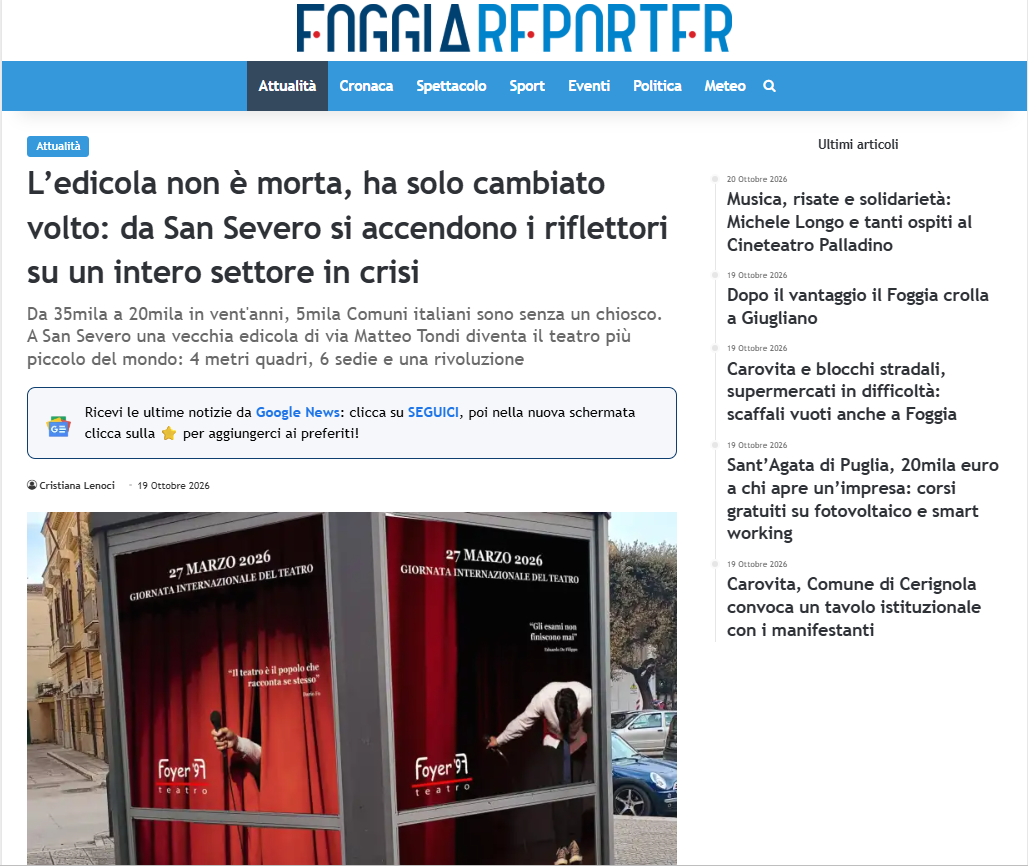
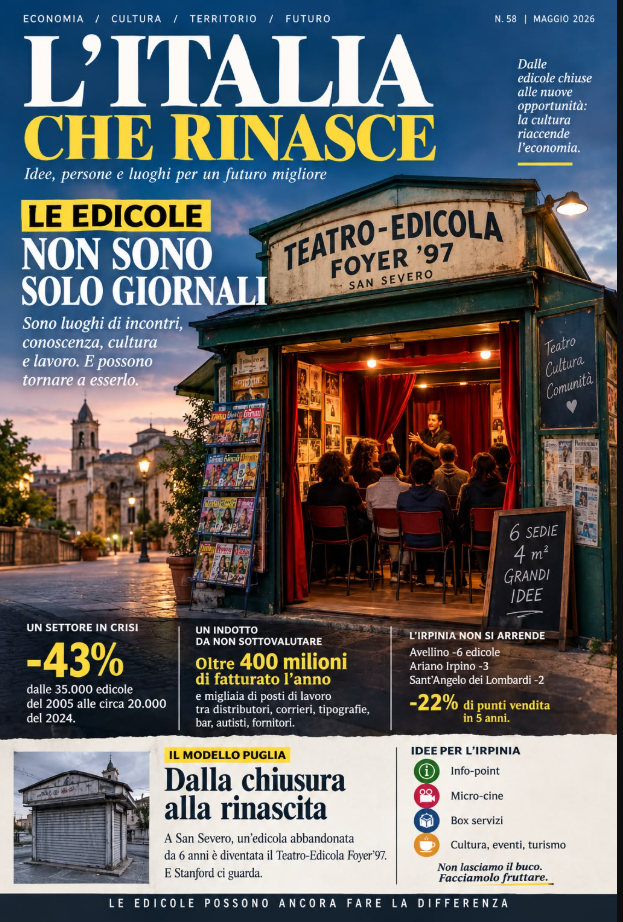
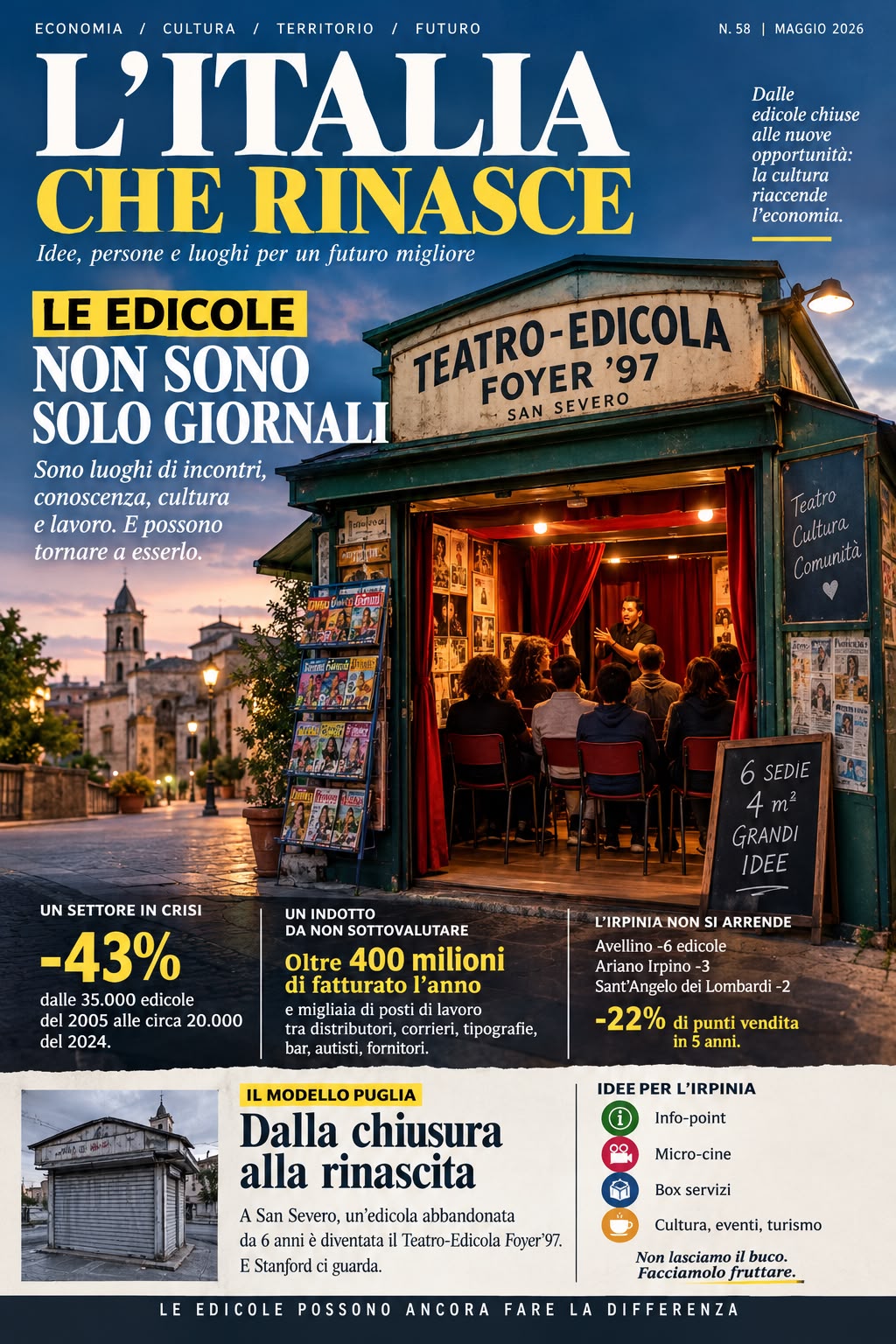
FOGGIA REPORTER: "THE NEWSSTAND IS NOT DEAD, IT HAS ONLY CHANGED ITS FACE: SAN SEVERO SHEDS LIGHT ON AN ENTIRE SECTOR IN CRISIS" by CRISTIANA LENOCI SOURCE: https://www.foggiareporter.it/ledicola-non-e-morta-ha-solo-cambiato-volto-da-san-severo-si-accendono-i-riflettori-su-un-intero-settore-in-crisi.html SAN SEVERO (FG) — From 35,000 to 20,000 in twenty years, 5,000 Italian municipalities are without a newsstand. In San Severo, an old newsstand on via Matteo Tondi becomes the smallest theater in the world: 4 square meters, 6 chairs, and a revolution. For sixty years, it was the place to pick up the newspaper, ask about the results of the game, leave keys with a neighbor. Then the shutter went down, the glass became opaque, the sign faded. This is how newsstands are ending in Italy today. But sometimes, this is how they are reborn. In San Severo, on via Matteo Tondi, an abandoned newsstand for six years became on March 27, 2026, World Theater Day, the Teatro Edicola Foyer ’97. Four square meters, six chairs, fifteen-minute shows. An idea by director and artistic director Francesco Gravino and his company Foyer ’97. They have called it “the smallest theater in the world,” and the news has circulated among international agencies, becoming a case study for the Stanford Social Innovation Review with the report “The Six-Seat Revolution.” An old newsstand that returns to being what it has always been: a place of knowledge, culture, and work. Only now it distributes stories instead of newspapers. A sector at risk of disappearing The story of San Severo sheds light on a silent hemorrhage. We had 35,000 newsstands in 2005, and we have about 20,000 in 2024: -43%. According to FENAGI data released in 2026, the points of sale in 2025 were about 19,500, but only 6,000 were exclusive traditional newsstands. The most painful statistic is geographic: nearly 5,000 Italian municipalities no longer have a newsstand. In two out of three municipalities, there is no longer a point of sale for newspapers and magazines. Other tallies, those from Sinagi, report a collapse from 38,000 exclusive newsstands to about 11,000 still active. In the last four years, from 2019 to 2023, almost 2,700 newsstands have disappeared, of which 2,327 were individual businesses. Rome lost 303, Turin 138, Milan 129. Isernia lost more than a third of its newsstands in four years. Why? Decline in paper sales, digital subscriptions, rising management costs, reduced profitability. In economics, it's called a "falling demand sector." On the street, it is simply called the end of a habit. Not just newspapers Yet the newsstand has never been only about newspapers. In the past, it was an information outpost, a reference point, the guardian of a neighborhood. It was self-employment, often familial, involving early mornings at 4 a.m. to be ready when the city wakes up. Today, those who resist reinvent themselves: local bookstore, service point, package pickup, ticket sales, coffee corner. Those who can't make it, close. The example of Foyer 97 in San Severo tells us one simple and uncomfortable truth: we cannot save all newsstands as newsstands. But we can save their essence. A 4-square-meter kiosk in Puglia becoming a theater reminds us that those few square meters are worth more than the rent they no longer pay. They are valuable because they are already where people pass by. They are already recognized as a public place. They are already culture, even when they no longer sell culture on paper. If newsstands stop selling newspapers, they do not necessarily have to stop selling knowledge. (translated)

Roberto Motta said that the PT had suggested that people search on Google and recommended looking for information about the cases of Alex Schomaker, Rhuan Maycon, Lucas Terra, João Hélio, Maria Cláudia Del’Isola, Felipe Caffé and Liana Friedenbach, Isabela Nardoni, Henri Borel and Tim Lopes. He stated that Brazil recorded more than 40,000 murders per year and that, during the first four terms of the PT, there had been 875,000 homicides. #Brasil #Violência #Homicídios (translated)
RADIO ARC 101:“EDICOLE, “RAZZE IN ESTINZIONE” COME I BAR: SOLDI PERSI E SPERANZE DA STANFORD” by NANDO SILVESTRI SOURCE: https://radioarc.it/edicole-razze-in-estinzione-come-i-bar-soldi-persi-e-speranze-da-stanford/ Le edicole sono un altro scrigno di umanità e conoscenza per molti versi simili ai bar, almeno per quanto concerne l’infausto epilogo che riguarda molte di esse. L’odore di carta stampata, di cartoncini colorati, copertine variopinte, buste a sorpresa e cellophane, era una melassa olfattiva che un tempo inebriava grandi e piccini e rappresentava, al contempo un’ ambita meta di passeggiate e pause giornaliere. Passare per l’edicola significava attingere alla conoscenza, allo svago, alla cultura, alla fantasia e alla creatività. Tutte prerogative perse a causa dei surrogati informi e amorfi diffusi dal web. E’ questo il motivo principale della chiusura cunulata e ricorrente di moltissime edicole italiane: in economia si parla di comparto a caduta della domanda. Ma non chiude solo un’edicola, chiude un pezzo di economia locale e nazionale. Da 35000 edicole nel 2005 a circa 20000 nel 2024: -43%. Con loro se ne va un fatturato diretto di oltre 400 milioni l’anno, ma il vero buco è l’indotto che non si calcola mai. Ogni edicola media in un paese generava distribuzione per 15000€/anno di margini per distributori locali, corrieri, tipografie. Inoltre, il cliente che comprava il giornale prendeva il caffè, il biglietto del pullman, la schedina. Write on Medium Si deve pensare che senza edicola, il cinema di paese perde il suo unico punto promo fisico, senza parlare delle perdite in materia di pubblicità. Quando chiude, non perde solo l’edicolante. Perde il bar, perde l’autista, perde il tipografo. In Irpinia negli ultimi 5 anni Avellino ha perso 6 edicole, Ariano Irpino 3, Sant’Angelo dei Lombardi 2. La perdita totale in Irpinia ammonta a circa il 22% di punti vendita. Tutto ciò significa che molte delle chiusure succitate hanno sottratto ai bar irpini diverse decine di clienti danneggiando lavoratori, distributori e fornitori. Sono posti di lavoro che non fanno notizia, ma esistono. Un altro duro colpo inferto all’economia locale e nazionale in nome di un finto progresso che favorisce quasi sempre gli affari dei faccendieri e dei soliti noti. Tuttavia, ciò che accade in Puglia, a pochi chilometri dall’Irpinia, apre scenari di rinnovamento basati proprio sulla riconversione delle edicole dismesse. Si tratta di prospettive talmente uniche ed innovative da aver suscitato l’interesse di tutto il mondo, in special modo dell’Università di Stanford. Si tratta di notizie di enorme portata che pochi notiziari hanno divulgato in nome di una perenne prelazione delle tecnologie sprezzanti di buonsenso, tradizioni e arte. A San Severo (Foggia), a 40 km dall’Alta Irpinia un’edicola abbandonata da 6 anni in via Matteo Tondi è diventata il 27 marzo 2026 il Teatro-Edicola Foyer’97: 6 sedie, 4mq, idea di Francesco Gavino. Gli apprezzati spettacoli di 10/15 minuti hanno incuriosito l’università di Stanford. La sua rivista accademica Stanford Social Innovation Review (SSIR), ha scelto il Teatro Edicola di San Severo come caso di studio internazionale con il reportage “The Six-Seat Revolution”. Perché Stanford ci guarda? Perché ha capito che quei 4 mq possono tornare a generare indotto. Difatti, 60 spettatori in un pomeriggio possono diventare 60 caffè al bar vicino. Con un biglietto simbolico di 5€ si parla di micro economia culturale. Senza contare l’indotto di turisti e giornalisti che arrivano e frequentano B&B e ristoranti. È il modello che serve all’Irpinia: non lasciare il buco, ma riconvertirlo virtuosamente. Ogni edicola chiusa può diventare info-point, micro-cine, box servizi. Altrimenti continuiamo a contare solo le saracinesche abbassate, senza contare i soldi che non girano più.

Marco M.M. observed that on social media people easily come to hate each other without knowing each other, transforming differences and misunderstood phrases into clashes aimed at humiliating the interlocutor and having the last word. He wondered if these discussions truly led to changing one's mind or to better understanding the issues, or if they primarily left behind anger and bitterness. According to Marco M.M., online tensions could also have repercussions on relationships with close people. He specified that the confrontation between different ideas was important, but he distinguished between discussing to understand and doing it to win: in the latter case, he wrote, there was a risk of forgetting that behind a profile was a person with their own history and fragility. He added that it was not necessary to agree or tolerate insults, nor to turn every difference into a battle. In his opinion, sometimes it was better to give up demonstrating that one was right and dedicate that time to people and important things. #dialogo #rispetto #socialmedia (translated)
Marco M.M. recounted that he had reflected on dawn while going to therapy and said that hospitalization had changed the way he viewed everyday moments. During the waiting and uncertainty in the hospital, he explained, seeing the morning light had become a small source of peace. He wrote that acts like waking up, walking, making coffee, or hugging a loved one might seem trivial, but took on a different value when there was fear of not being able to do them anymore. He specified that a dawn did not erase problems, but could offer a moment of tranquility. Marco M.M. said he wanted to remember not to take for granted the fact of being present and urged not to postpone a hug, a kind word, or a visit to a loved one. In his opinion, each dawn reminded that another day had begun to live. #Alba #Gratitudine #Vita (translated)
The outcome should be to "retain more value at origin," stated Andrea De Marco, Act Coffee Programme Manager of Unido, echoing the gap between overall production volumes and their impact on African economies. #Caffè #Cooperazione #Etiopia (translated)
A professional exchange program between Italy and six African countries aims to improve the coffee supply chain through the transfer of skills and greater workforce inclusion. #Caffè #Cooperazione #Etiopia (translated)
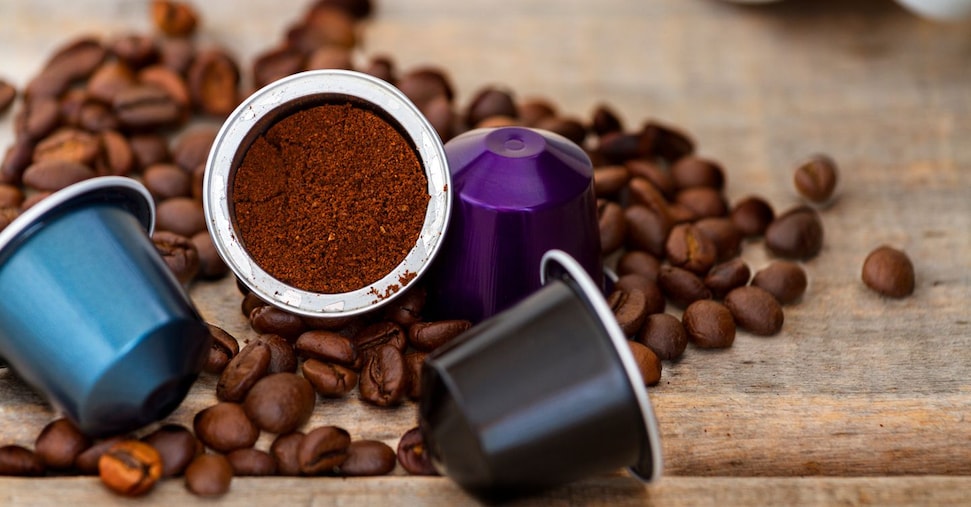

Teenagers continue to consume energy drinks despite the health risks associated with caffeine and government concerns about banning them. #EnergyDrink #Adolescenti #Salute (translated)

The author of the post described a scene in which Lin's boyfriend woke her up with a coffee while she was sleeping in the ward, after spending the night in the hospital. He wrote that a similar scene could not be replicated and associated the post with the hashtag #DocInYourHands4. #docnelletuemani4 https://t.co/caMBe18RWL #amore #caffe #ospedale (translated)


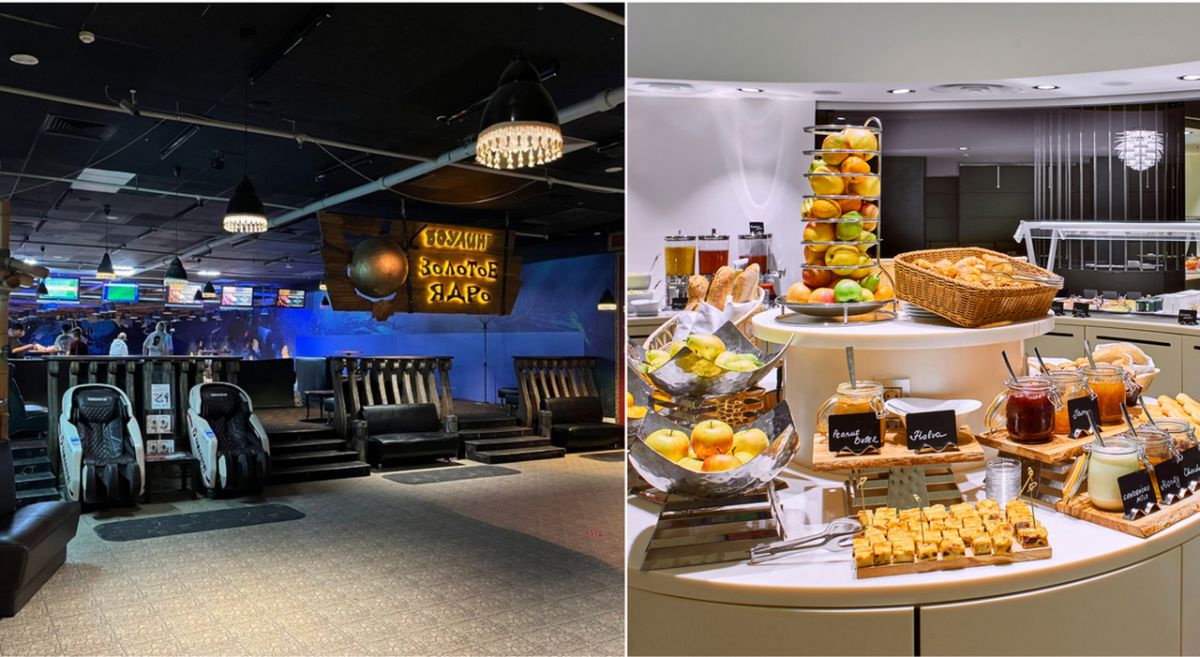
The economic crisis in Russia has led to the closure of numerous restaurants and cafes due to the surge in prices and the difficulty of obtaining Western products, with a significant reduction in the number of establishments in cities with over one million inhabitants. #RistorazioneRussia #CrisiEconomica #ChiusiRistoranti (translated)

Lola had written that Andreas, in the last hours, had seen Varsi being fed lunch by Valeria, drinking coffee with salt because, according to reports, it brought benefits, and wearing Valeria's bathrobe. He had commented that it was “all normal.” #gfvip https://t.co/tv3GLowdPR #gfvip #realitytv #celebrity (translated)


The author, who signed himself as "literally at the end of his rope," wondered if Varsi was a good salesman or if the inhabitants of the house were all incapable, while they were trying the coffee with salt. https://t.co/AIompK5CBr #vendita #caffè #business (translated)

The author recalled the crime in Turin, where a dealer had been killed in a professor's home after three days of consuming alcohol and crack, and the fears about the spread of fentanyl. In his opinion, the news of recent weeks showed that Italy had not yet addressed the issue of addiction. He added that he had discussed it in his Café. #droghe #Fentanyl #Italia #IT (translated)

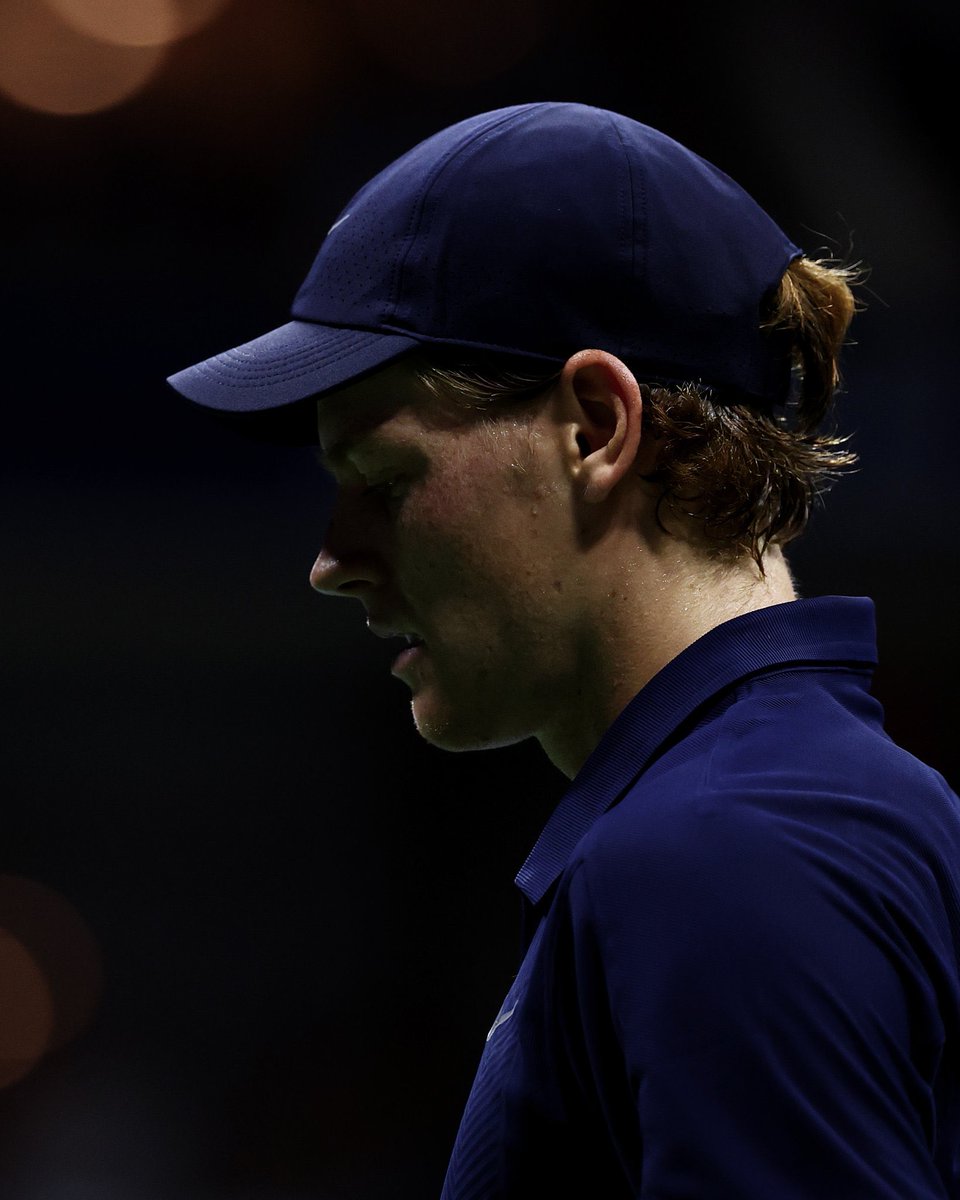
Eleonora Aloise criticized the communication management of Jannik Sinner, arguing that three months without information was too long and that fans were only asking for a bit of transparency, not intimate details or medical records. She wrote that what was known had come from leaked videos, gossip newsletters, occasional sources, and geolocations of restaurants. Aloise also contested the relentless defenses of the tennis player and the rhetoric that he owed nothing to anyone. She recalled that, in her opinion, millions of fans made sacrifices to buy tickets and criticized the tournaments that asked for a last-minute announcement of a withdrawal. She defined Sinner as a public figure and a multimillion-dollar business, as well as an important figure for fans, and argued that justifying him on every issue was not doing him any favors. According to Aloise, communication had dulled every nuance and prevented the complexity of the person from being told. She wrote that injuries happened and that it wasn't necessary to keep them secret. She concluded by saying that fans would welcome Sinner with open arms upon his return, but perhaps with less naïveté. #sinner #tennis #comunicazione #trasparenza #tennis (translated)

Study found that "caffeine activates a conserved cellular energy system involved in stress resistance, DNA repair, and growth. The discovery could help explain caffeine’s links to healthier aging" https://www.sciencedaily.com/releases/2026/09/260907201609.htm?utm_source=substack&utm_medium=email #aging #coffee #caffeine
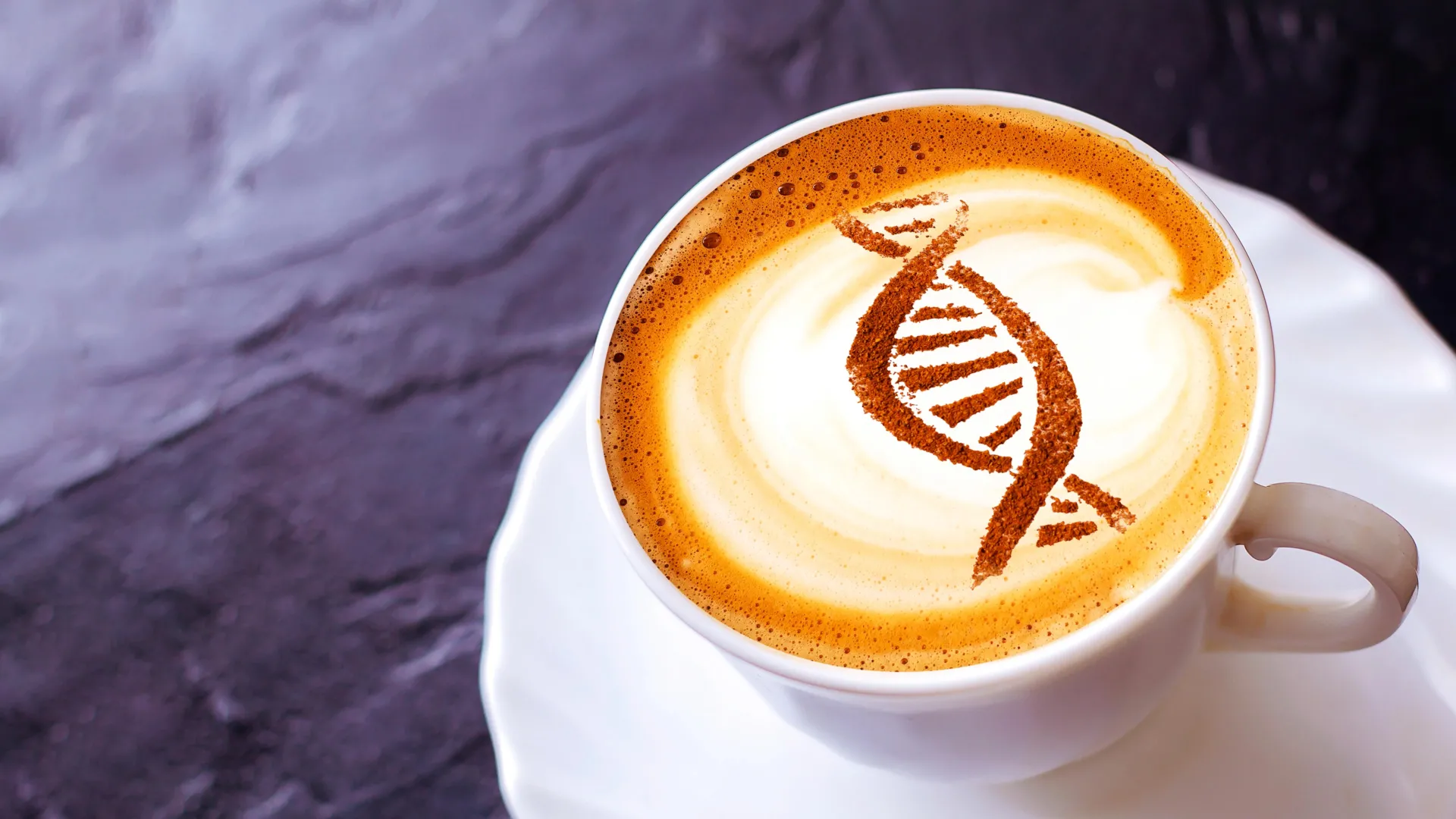

Today is the International Coffee Day, an event recognized by the United Nations to enhance the coffee sector and the 25 million producers who ensure its existence, in a critical moment for the sustainability of the supply chain. #GiornataInternazionaledelCaffè #CaffèSostenibile #Agricoltori (translated)