BETA nonprofit public democratic european moderated

Search

#Cambridge

- Summary info from the world 🌍. Saturday. - ⚖️Jakub Wiech serious accusations of plagiarism of the doctoral thesis. Up to 3 years in prison. Many affected. - 🍄Poles on mushroom picking - 🇵🇱 A Pole pays an average of 41,500 PLN in taxes - 🇺🇸 Xi returns from a visit with Trump at the White House - 🇺🇸Trump rejected the offer of 7 days of peace from Iran - 🇷🇺Trump wants Zelensky to go to Putin - 🇮🇹 Italy introduces a fuel price cap - 🐂 the percentage of bulls on the GPW is 60% - 🇺🇸 Trump to Xi: Iran's support "unacceptable" - 🇨🇳 Xi: "We do not help Iran" publicly - 🚢 only 9 ships passed through Hormuz yesterday - 🇮🇷 Iranian MFA: the US knows the conditions for opening Hormuz - 🚗Chinese cars flooding the 🇪🇺. The EU wants tariffs - 🏚️Mortgage rates in the US are already at 7% - 🗳️🇺🇸 Voter list verification in the USA - Facebook cheated. Cambridge Analytica scandal - ⚛️🇸🇦 The US helps the Saudis build nuclear - 🛡️🇹🇷🇵🇰🇸🇦 Turkey–Pakistan–Saudis pact test: an attack on one = an attack on all - 🚀🇸🇦 Riyadh shot down 6 missiles from Yemen - 💧🇵🇰 Pakistan: interference in the Indus River = an act of war - 🍟Russia 2x attacks on McDonald’s warehouse in Kyiv - 🇪🇹 Ethiopia: civil war, airports occupied - 🇾🇪 Yemen calls for mobilization against the Houthis - 🛢️🇮🇶 Iraq transports fuel to Syria by land route - 🚢Houthis: ships from Europe are protected. - ⚒️strikes in the Escondida copper mine in Chile - 🇩🇪 Bundestag: approval for fuel relief - 🇹🇼 Taiwan in fear after Xi's visit with Trump - 🐇Rabbit Day (Russian scientists crossed a rabbit with a mole. The animal is completely blind, but once it touches someone 🙃) (translated)

Meta has lost a lawsuit in the Cambridge Analytica scandal, as a jury found that the company deceived users about the protection of their data, which could lead to potential billion-dollar fines. (translated)
Cambridge-Analytica-Skandal: Meta verlor Prozess
P

The Return to Feudalism in 21st Century Garb A simple observer's viewpoint, with no claim to hold any absolute truth. The Veneer Cracks There is something strangely archaic about the world unfolding before our eyes, despite its satellites, artificial intelligence, and promises of infinite progress. Here and there, we witness heads of state behaving like feudal lords of another age, patiently nibbling away at the neighboring territory, redrawing borders through force rather than law, as if governing a nation mattered less than expanding one's fiefdom. No names need be mentioned here: current events provide plenty of illustration, and each reader will recognize, according to their own geography and moment of reading, the faces that embody this observation. But this return to the archaic is not confined to grand geopolitical stages. It also permeates the most ordinary daily life—that of social media, where anyone can pour out venom against another without filter, without form, and often without the slightest argument. The verbal jousting of yesteryear, with its codes, its rhetoric, its tacit limits, has given way to raw invective, snap judgment, instant condemnation. We no longer debate: we execute, verbally—and sometimes it doesn't stop at words. The Vanished Inhibition What strikes one, in this dual observation—macro-political and micro-social—is the lifting of an inhibition we thought firmly anchored. Centuries of cultural construction, education, philosophy, sometimes religion, had patiently shaped mechanisms of restraint: politeness as social ritual, argumentation as a mode of resolving disagreement, respect for one's opponent as the very foundation of democratic debate. This civilizational veneer, however fragile it always was, seemed to hold. Today it is cracking, and the question—which for me remains a simple hypothesis, not a certainty—is why. A convenient explanation would blame social media: anonymity, the distance of the screen, the instantaneousness of publication would favor verbal acting-out without the usual mediation of reflection. This is probably true, but likely insufficient. For technology here is only an accelerant, an amplifier—not necessarily a root cause. A Poorly Formatted Neocortex? The more unsettling hypothesis—and I frame it explicitly as hypothesis, not scientifically established fact—is that of a failure in the formation of moral judgment and tolerance toward otherness. The human brain possesses the neural structures enabling empathy, the distancing of impulsive reaction, the acceptance of difference—but these capacities are not innate in their full exercise: they must be built, educated, cultivated, like a muscle that needs patient training from childhood onward. If this education in otherness, nuance, and tolerance of disagreement erodes—for multiple and undoubtedly complex reasons that are not mine to settle here—then older reflexes resurface: instinctive distrust of the stranger outside the clan, the law of the strongest, the logic of territorial or symbolic predation. The other ceases to be a possible interlocutor and becomes once again a potential threat, unless they belong to my tribe, my clan, my party, my digital bubble. Two Scales, One Logic What is striking, in this deliberately provocative reading, is the structural similarity between these two scales. The leader who invades a neighbor in the name of a rediscovered greatness or a reinvented historical right, and the anonymous internet user who insults a stranger in the name of an unnegotiable conviction, may obey the same underlying grammar: that of territory to defend, clan to protect, the other to subdue or exclude rather than understand. The form has changed—satellites instead of horses, tweets instead of heralds—but the substance, in this reading that remains mine alone and commits no one else, seems strangely identical to that of feudal rivalries: the absence of a recognized third party, of an accepted common rule, of a respected arbitrating authority. Everyone becomes judge and party, lord of their own digital or territorial fiefdom. A Civilization on a Knife's Edge Norbert Elias, in his Civilizing Process, showed how Western societies had historically built, with remarkable slowness, an increasing control over impulses and direct violence, in favor of more sublimated forms of social regulation. What we may be observing today—and I stress again the conditional—is a form of regression in this process, or at least a fragilization of the veneer it had patiently laid down. Should we see this as an effect of great technological accelerations, which shake up our cognitive rhythms without leaving education time to adapt? A deeper crisis of the institutions tasked with transmitting these values of tolerance—school, family, religion, the rule of law? Or simply a cyclical movement of human history, where phases of policed civilization alternate with darker backlashes? I have no certain answer, and I would be wary of anyone claiming to hold one. In Conclusion, a Shared Concern This text is only a viewpoint, necessarily partial and subjective, on a world that sometimes seems to replay ancient logics in new clothing. Perhaps I am wrong to perceive a continuity between the feudal lord and the contemporary dictator, between the anonymous online insult and the absence of education in nuance. Perhaps these phenomena are unrelated, or too complex to be thus summarized. But if this reading, even partially, hits the mark, then the question that arises is less one of technological regulation—though necessary—than the far more arduous question of how to rebuild, generation after generation, this capacity to accept the other in their difference, to debate without destroying, to coexist without necessarily dominating. This undertaking, if it exists, will not be resolved by an algorithm nor by an international treaty. It plays out, patiently, in the most elementary education—the one that teaches a child that the other is not a threat, but a possibility. Bibliography Elias, N. (1939). Über den Prozess der Zivilisation [The Civilizing Process]. Oxford: Blackwell (Eng. trans. 1978-1982). Lorenz, K. (1963). Das sogenannte Böse [On Aggression]. London: Methuen (Eng. trans. 1966). Arendt, H. (1970). On Violence. New York: Harcourt, Brace & World. Han, B.-C. (2013). Im Schwarm [In the Swarm: Digital Prospects]. Cambridge, MA: MIT Press (Eng. trans. 2017).

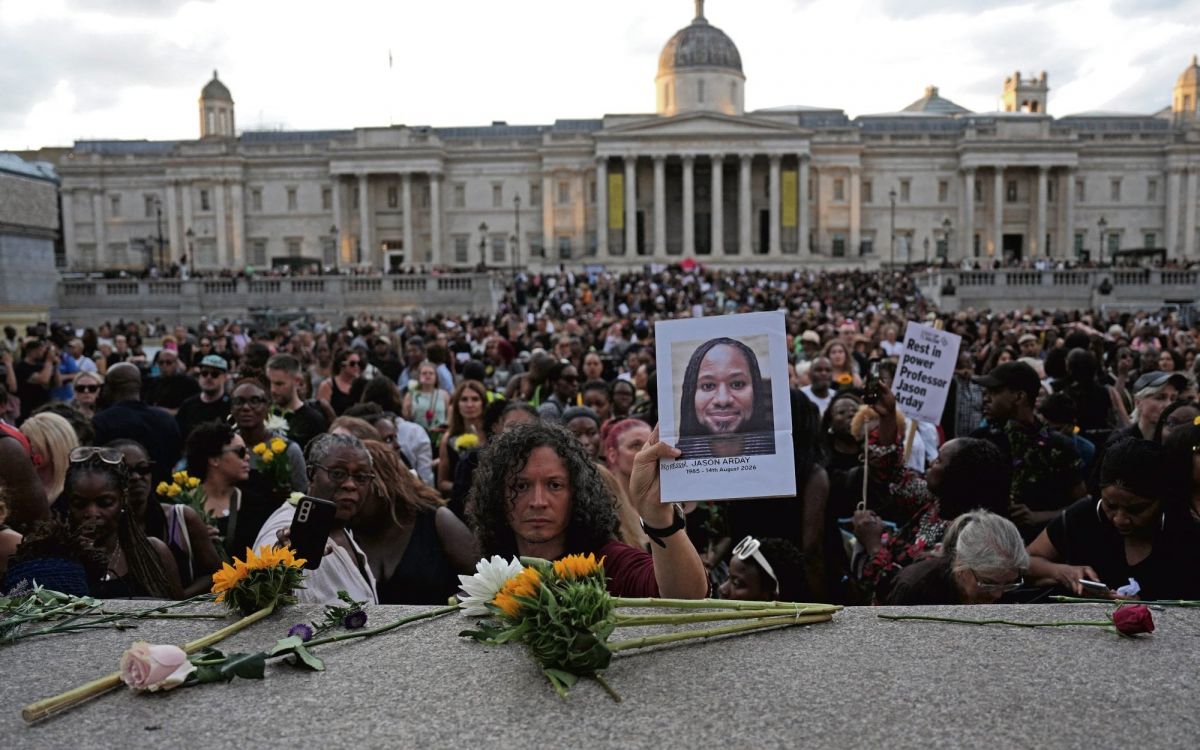
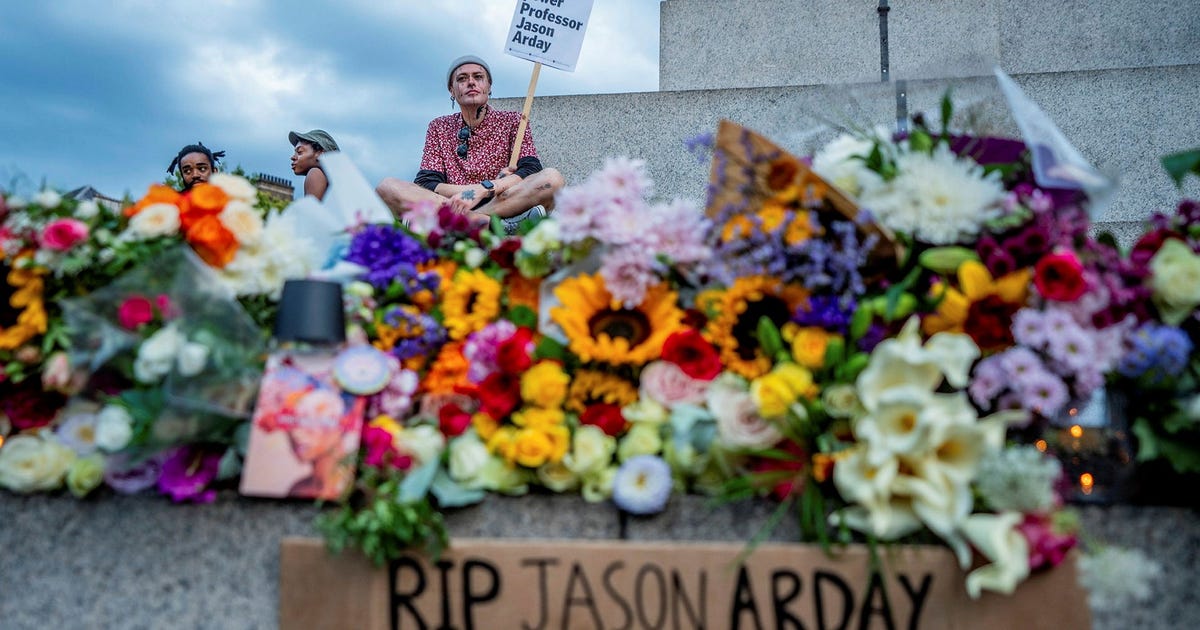
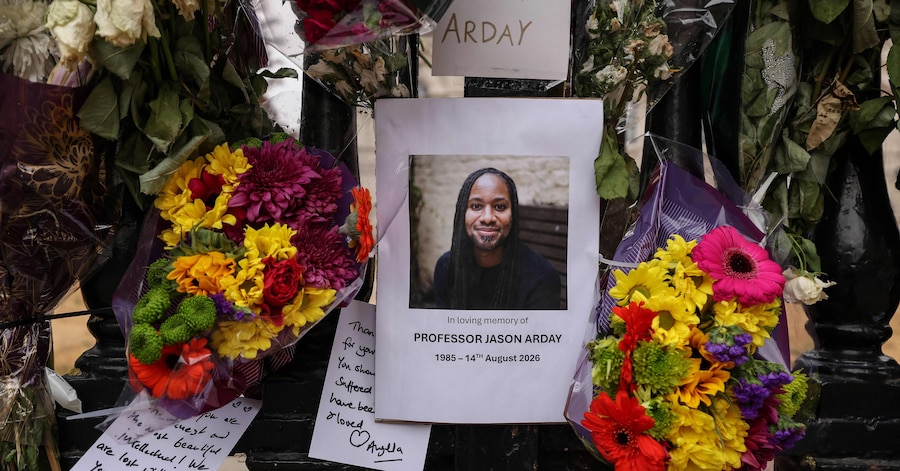
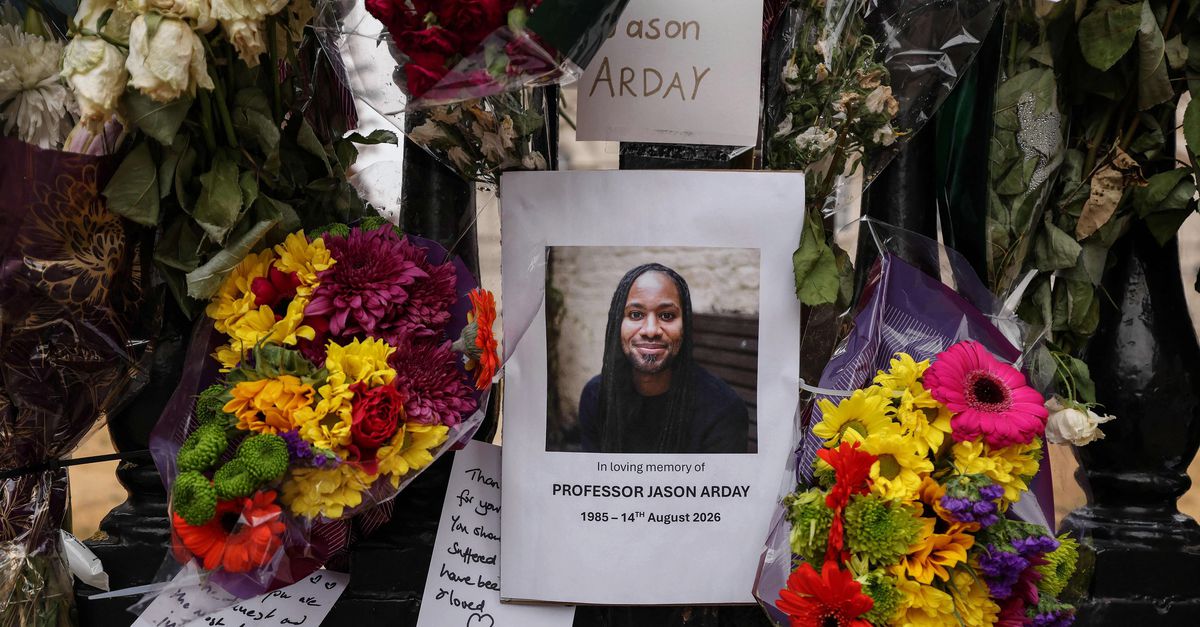
Popular sociologist Jason Arday, the youngest Black professor at the University of Cambridge, died under unexplained circumstances after public accusations of plagiarism and racism. (translated)

Ikar z Cambridge. Upadek i śmierć popularnego socjologa po zarzutach o plagiat

Suomi osaa, Suomi pystyy! ”Suomi on noussut maailman kakkoseksi kvantti­teknologiassa heti Cambridgen jälkeen.” Tähän on päästy kengännauhabudjeteilla. Ja siis olemme kakkosia maailmassa. Olemme laskemisen Supervaltio. Tekoälyn megatrendi pyyhkii yli ihmiskunnan. Tekoäly on laskentaa. https://t.co/C1hRn7EPYR #Suomi #teknologia #tekoäly

O que Flávio Dino está fazendo tem nome em inglês: filibustering. Trata-se de “discurso longo usado para atrasar ou impedir que uma nova lei seja feita”, segundo o dicionáro de Cambridge. Ou seja, é hábito de político, não de juiz. #política #filibustering #lei

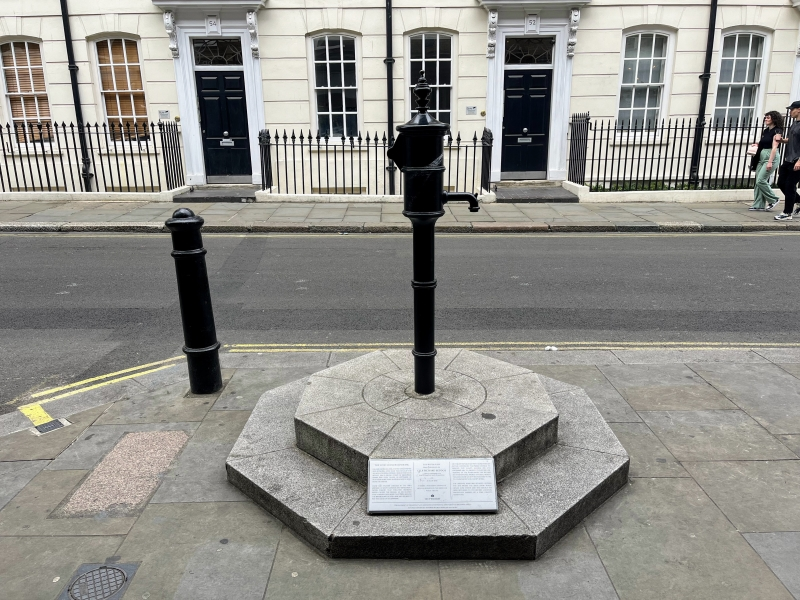
Epidemii cholery v londýnském Soho nezastavil lék. Osmého září 1854 z veřejné pumpy na Broad Street odmontovali rukojeť. Nešlo o žádný nový přípravek ani vakcínu. Byla to pouze lidská ruka, která obyvatelům odepřela přístup k vodě, již do té doby považovali za čistou. Lékaři tehdy věřili v teorii miasmat – zkaženého vzduchu, který podle nich stoupal z hnijících odpadků a hřbitovů. John Snow však věřil něčemu docela jinému: adresám mrtvých. Koncem srpna 1854 udeřila cholera v úzkém okruhu kolem Golden Square. První vlna přišla 31. srpna a hned 1. září dosáhl počet obětí 143. Ve čtvrti umíraly desítky lidí denně, celé rodiny prchaly. Snow, který v Soho bydlel a již v roce 1849 tvrdil, že se cholera šíří pitnou vodou, nikoli vzduchem, začal obcházet jednotlivé domy. Z matrik si vypsal adresy zemřelých a zanesl je do mapy. Každá čárka představovala jednoho mrtvého. Ohnisko se neúprosně sbíhalo k jedinému bodu: pumpě na rohu ulic Broad Street a Cambridge Street. Mapa, kterou později litografoval Charles Cheffins a kterou dnes uchovává Wellcome Collection (zřizovatel @ExploreWellcome), nebyla pouhou ilustrací. Byla pádným argumentem. K téměř všem úmrtím došlo v docházkové vzdálenosti od Broad Street. Deset obětí sice žilo blíže jiné pumpě, v pěti z těchto domácností však Snowovi potvrdili, že vodu stejně nosili z Broad Street, protože měla lepší chuť. Ještě výmluvnější byly výjimky. V chudobinci na Poland Street žilo 535 chovanců obklopených domy plnými umírajících. Zemřelo jich "jen" pět – měli totiž vlastní studnu. V pivovaru rodiny Hugginsových pracovalo přes sedmdesát mužů a těžkou choleru nedostal nikdo. Pili výhradně přidělené pivo a vodu z obecní pumpy nebrali. Sedmého září večer předstoupil Snow před farní radu svatého Jakuba. Radní jeho teorii příliš nevěřili, byli však natolik zoufalí, že se rozhodli návrh vyzkoušet. Osmého září rukojeť pumpy odmontovali. Zde končí oblíbená zkratka a začíná poctivější historický příběh. Sám Snow později zaznamenal, že počet nových nákaz klesal už před tímto zásahem. Lidé ze čtvrti utíkali a koncentrace patogenu ve studni již možná nebyla tak vysoká. Odstranění kliky tedy první vlnu „nezastavilo“ tak přímočaře, jak se později tradovalo. Zásadně však zabránilo vlně druhé. První nakaženou – pacientem nula – byla pětiměsíční Frances Lewisová, která žila v domě číslo 40 hned vedle pumpy. Dne 28. srpna dostala těžký průjem. Její matka Sarah máčela plenky v kbelíku a znečištěnou vodu vylévala do jímky před domem. Cihlovou vyzdívku studny přitom od této prosakující jímky dělil necelý metr. Osmého září, přesně v den, kdy rukojeť pumpy zmizela, onemocněl i otec, strážník Thomas Lewis. Pokud by pumpa zůstala v provozu, jeho nákaza by studnu znovu masivně kontaminovala. Zemřel 19. září, studna však byla tou dobou již vyřazena z provozu. Tyto souvislosti odhalil místní farář Henry Whitehead. Zpočátku Snowovým závěrům nevěřil, pak však prošel farnost důkladněji než kdokoli před ním a lékařovu teorii potvrdil. Právě on vypátral osud nemocného dítěte v sousedství pumpy. Snow původce nemoci na vlastní oči nespatřil. Téhož roku 1854 sice bakterii pod mikroskopem ve Florencii popsal anatom Filippo Pacini a pojmenoval ji Vibrio cholerae, vědecký svět jej však ignoroval. Robert Koch sklidil slávu až o tři desetiletí později. Snow pracoval bez znalosti mikrobiálního patogenu – pouze s mapou, výpověďmi svědků a statistickým srovnáním. Položil tím základy moderní epidemiologie: zdroj nákazy hledej podle toho, kdo onemocněl a kdo neonemocněl. Místní úřady po odeznění epidemie kliku na pumpu vrátily. Představa, že se lidé nakazili výkaly rozptýlenými v pitné vodě, pro ně byla příliš nepřijatelná. Snow zemřel v roce 1858 v pětačtyřiceti letech. Teprve další epidemie a budování moderní vodohospodářské infrastruktury mu daly plně za pravdu. Dnes nese Broad Street název Broadwick Street. Na chodníku stojí černá replika pumpy bez páky a naproti ní hostinec John Snow. Odkaz slavného lékaře udržuje The John Snow Society (@JohnSnowSociety). Záznamy na mapě z roku 1854 dodnes předávají stejné poselství: předsudek dokáže zdánlivě vysvětlit cokoli, teprve data však neomylně ukážou skutečný zdroj problému. Cholera přitom ze světa nezmizela. Pouze ustoupila do oblastí, kde schází přístup k nezávadné vodě. Světová zdravotnická organizace (@WHO) v roce 2026 nadále eviduje desítky tisíc případů měsíčně, především v Africe a na Blízkém východě. Princip jejího řešení přitom zůstává stejný jako tehdy v Soho: najít zdroj dříve, než převáží pohodlné domněnky. Osmého září 1854 se v Soho neodehrál medicínský zázrak. Stalo se něco mnohem střízlivějšího a trvalejšího: někdo odmontoval kliku pumpy, protože strohá data odporovala zažité teorii o jedovatých výparech. P.S.: Každý den publikuji alespoň jeden příběh o tom, jak zvídavost zvítězila nad zažitými představami. Pomozte tyto texty šířit – podpořte je lajkem, komentářem, sdílením, uložením či odběrem, ať vám neuniknou další pokračování. Kterou symbolickou „kliku“ byste dnes navrhovali odmontovat vy? #cholera #historie #epidemiologie

"That an unqualified fabulist like Jason Arday could rise to the very top of his profession was bad enough. That Cambridge then tried to cover it all up and threw around accusations of racism until the bitter end was worse still. But the collective canonization after his death, https://t.co/zUhtZycP3q #JasonArday #CambridgeUniversity #RacismAccusations #Thetweetdoesnotmentionanyspecificcountries.Therefore #therearenocountrycodestoreturn.

Until the fairy tale burst in Cambridge, one could think that corruption was limited to one institution or field. But the bizarre canonization of Jason Arday proves that the decay has spread much further. It also reinforces all the harmful dynamics that (translated)
ANSA.it 3w

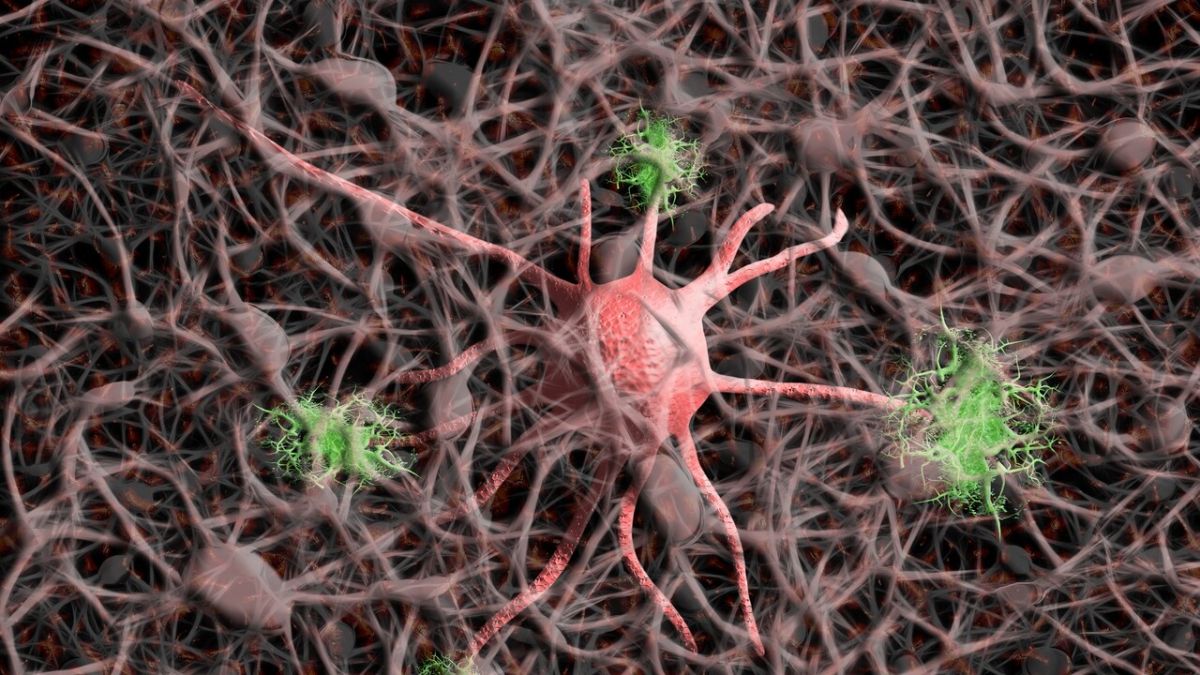
A recent study from the University of Cambridge and Oregon Health and Science University reveals that the antioxidants released by tumor cells prevent the activation of immune cells, suggesting a new therapeutic target for cancer treatment. (translated)

E' negli antiossidanti il segreto per sconfiggere i tumori

Cambridge University appointed former prosecutor Nazir Afzal to lead an inquiry into the death of Jason Arday, the academic who, after being accused of plagiarism, was found dead at his home. (translated)

Jason Arday. Cambridge escolhe ex-procurador para inquérito
Onet.pl 3w

Former astronomer from Cambridge, Martin Rees, emphasizes in his opinion that the Universe is dominated by mysterious dark matter, the study of which could shed new light on its structure and evolution. (translated)

Były astronom z Cambridge: Wszechświat rządzony jest przez tajemniczą siłę [OPINIA]

A study from the University of Cambridge published in Science identified the protein Prdx1 as a new therapeutic target for immunotherapy against cancer; by blocking its action, tumor cells can be attacked again by T lymphocytes. (translated)

La tattica del cancro per spegnere le difese: scoperto un nuovo bersaglio per l’immunoterapia. Lo studio su Science

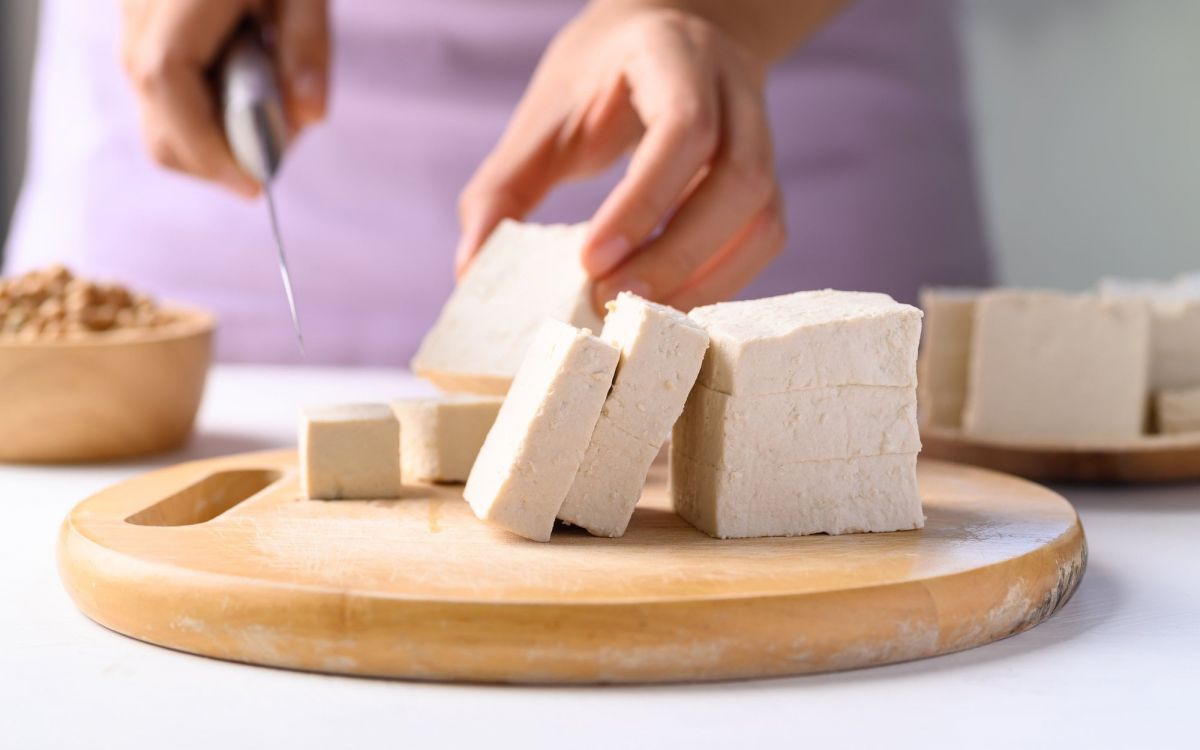
Researchers from the University of Cambridge announced that tofu is the best source of protein, both for humans and for the environment, and that dietitians should reconsider their eating habits, especially in the context of the carnivore diet. (translated)

Popularny mit żywnościowy upadł. Naukowcy znaleźli najlepsze źródło białka

In a recently published article, Gina Gustavsson discusses how ideas of racial hygiene and genetic determinism are making a comeback within elite circles, partly driven by tech moguls in Silicon Valley, in connection with the tragedy surrounding Cambridge researcher Jason Arday. (translated)

Gina Gustavsson: Idéer om rashygien gör comeback i finrummen – pådrivet av techmogulerna
La Libre.be Aug 26

The article addresses the controversy surrounding Nathan Cofnas, an American researcher suspended from the University of Ghent after accusing Jason Arday, the youngest Black professor at Cambridge, of plagiarism, raising questions about the boundary of academic freedom of expression in universities. (translated)

Mort de Jason Arday : où s’arrête la liberté d’expression des académiques dans nos universités ?
NRC Aug 24

Jason Arday, the young black professor at the University of Cambridge who ended up in a scandal surrounding plagiarism and fake research, was dehumanized and reduced by both his supporters and opponents to a symbol of the debates about diversity, equality, and inclusion, which ultimately led to his tragic suicide. (translated)

Jason Arday was treated as a symbol, not a man
Observador Aug 21

The article analyzes the case of the Sociology professor at the University of Cambridge, Jason Arday, who deceived academia with a resume full of lies, raising questions about whether universities are promoting fraud and mediocrity at the expense of the pursuit of true knowledge and criticism. (translated)

O que está a acontecer com as universidades? — Debate

Akateeminen vapaus Euroopassa 2026: Cambridgen yliopisto palkkaa plagiaristin ja valehtelijan professoriksi. Gentin yliopiston tutkija paljastaa valeet, jai yliopisto pistää kaverin hyllylle kostona ja varoituksena tuleville skandaalien paljastajille 🤯https://t.co/ogMI9nKeN6 #AkateeminenVapaus #Plagiointi #Skandaalit