BETA nonprofit public democratic european moderated

Search

#Caregiver

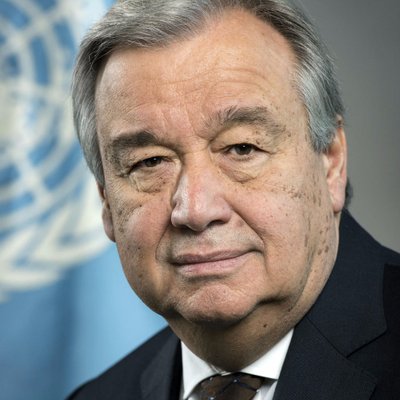
For too many people, growing older means facing insecurity & the risk of being left behind. Our elders are leaders & caregivers, playing a vital role in families, communities & economies. On this International Day of Older Persons, let's ensure longer lives are lived with #DíaInternacionalDeLasPersonasMayores #CuidadoDeMayores #EnvejecimientoSaludable #Therearenospecificcountriesmentionedinthetweetprovided.


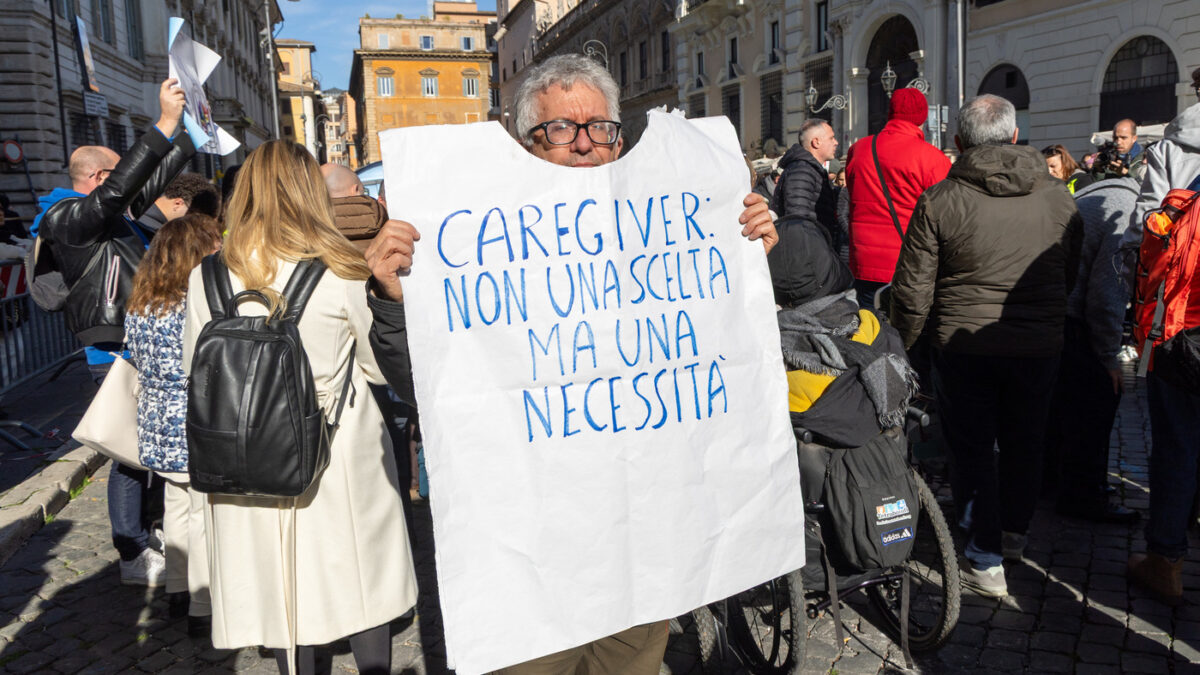
“l’impossibilità di aumentare la disponibilità finanziaria. Confido che se ne occuperà la prossima Legge di Bilancio”Si conferma essere però una legge, come spesso è stato evidenziato in maniera fortemente critica da organizzazioni degli stessi genitori caregiver conviventi, che non stanzia risorse adeguate rispetto al fabbisogno reale e anche le recenti modifiche non prevedono nessun incremento, come ha confermato lo stesso relatore della legge in Commissione Luciano Ciocchetti, deputato di Fratelli d’Italia, che ha dichiarato “l’impossibilità di aumentare la disponibilità finanziaria. Confido che se ne occuperà la prossima Legge di Bilancio”. #Caregiver #Disabilità #DirittiSociali

Ddl Caregiver, aumenta la platea di chi può ricevere aiuti ma i fondi restano gli stessi. Le associazioni: “Siamo oltre la beffa”
www.ilfattoquotidiano.it
N

"Si arriva a un contributo di 40 euro al mese, una presa in giro"Nicoletti di "Nessuno è escluso": "Si arriva a un contributo di 40 euro al mese, una presa in giro" #Caregiver #Disabilità #DirittiSociali

Ddl Caregiver, aumenta la platea di chi può ricevere aiuti ma i fondi restano gli stessi. Le associazioni: “Siamo oltre la beffa”
www.ilfattoquotidiano.it

Il disegno di legge sui caregiver aumenta il numero di beneficiari, ma le risorse finanziarie restano invariate e le associazioni esprimono forti critiche per il contributo ritenuto insufficiente. #Caregiver #Disabilità #DirittiSociali

Ddl Caregiver, aumenta la platea di chi può ricevere aiuti ma i fondi restano gli stessi. Le associazioni: “Siamo oltre la beffa”

Il M5S ha presentato i 20 punti di NOVA da portare al tavolo della coalizione progressista: 1. 🏥 SANITÀ: più fondi e personale per il SSN, stipendi più alti, tempi massimi per visite ed esami e maggiore coordinamento nazionale della sanità. 2. 💼 LAVORO: salario minimo legale, meno precarietà, riduzione dell’orario a parità di salario, diritto alla disconnessione, parità salariale e maggiori tutele per autonomi e famiglie. 3. 👵 PENSIONI: maggiore flessibilità per i lavori gravosi, contributi pensionistici per il lavoro di cura, ritorno di Opzione Donna e rafforzamento dell’APE sociale. 4. ♿ DISABILITÀ E CAREGIVER: sostegni alla vita indipendente, assistenti personali, reddito di cura e tutele previdenziali per chi assiste familiari. 5. 💶 FISCO ED ECONOMIA: meno tasse su lavoro e redditi medio-bassi, maggiore progressività dell’IRPEF, contributo sugli extraprofitti, contrasto alla speculazione e lotta all’evasione. 6. 🚜 AGRICOLTURA: contrasto ai prezzi sottocosto, caporalato e agromafie, sostegno alle filiere corte e alle nuove tecnologie e conversione degli allevamenti intensivi. 7. 🏭 IMPRESE E PMI: ritorno di Transizione 4.0, crediti d’imposta, meno burocrazia, più accesso al credito e sportello digitale unico per le imprese. 8. ⚖️ PUBBLICA AMMINISTRAZIONE E LEGALITÀ: rafforzamento di Corte dei conti e ANAC e reintroduzione dell’abuso d’ufficio con una formulazione più circoscritta. 9. ⚡ ENERGIA E BOLLETTE: IVA sui carburanti dal 22% al 10%, più rinnovabili, decoupling tra elettricità e gas, comunità energetiche e ricerca sulla fusione nucleare. 10. 🏠 CASA: piano nazionale per l’abitare, recupero degli immobili pubblici vuoti, più edilizia residenziale pubblica e sociale e sostegni contro sfratti e morosità incolpevole. 11. 🎓 SCUOLA, UNIVERSITÀ E RICERCA: asili nido gratuiti, scuole aperte, più investimenti negli edifici, più sostegno, educazione digitale e affettiva, più fondi per università e ricerca, borse di studio e alloggi per studenti. 12. 🌊 AMBIENTE E TERRITORIO: piano trentennale contro dissesto idrogeologico, rischio sismico ed erosione costiera, riduzione delle perdite idriche e interventi contro l’inquinamento. 13. 🌳 CONSUMO DI SUOLO E CITTÀ VERDI: stop al nuovo consumo di suolo, città spugna, rifugi climatici e 58,9 milioni di nuovi alberi. 14. 📱 INFORMAZIONE E DIGITALE: maggiore indipendenza della RAI, più poteri di vigilanza all’AGCOM, protezione dei minori sui social, contrasto ai deepfake sessuali e sviluppo di un’IA pubblica. 15. ⚖️ MAFIE, APPALTI E TRASPARENZA: più strumenti antimafia, tracciabilità negli appalti, tutela dei whistleblower, legge sul conflitto d’interessi, regolamentazione delle lobby e depenalizzazione della coltivazione domestica di cannabis per uso personale. 16. 👮 SICUREZZA: più organici e presìdi nei quartieri, videosorveglianza e illuminazione, insieme a investimenti in scuola, sport, servizi ed educatori di strada. 17. 🕊️ POLITICA ESTERA E DIFESA: sulla guerra in Ucraina, «continuare a inviare armi significa allontanare la pace» e «è necessaria una svolta negoziale che tuteli le ragioni del paese aggredito»; no a Rearm EU e all’aumento della spesa per la difesa al 5% del PIL in sede NATO; difesa comune europea; riconoscimento dello stato di palestina. 18. 🌍 IMMIGRAZIONE E INTEGRAZIONE: superamento della Bossi-Fini, del click day e del modello Albania, ingressi legati alla domanda di lavoro, Ius scholae, redistribuzione europea e corridoi umanitari. 19. 🗳️ DEMOCRAZIA E PARTECIPAZIONE: proposte di iniziativa popolare da discutere entro tempi certi, piattaforma pubblica di partecipazione, voto ai 16enni e ai fuori sede, voto elettronico e quorum referendario ridotto a un terzo. 20. 🏳️‍🌈 DIRITTI E PARI DIGNITÀ: matrimonio egualitario, legge contro l’omolesbobitransfobia, adozioni omogenitoriali, diritti digitali e legge sul fine vita. ⚠️ Nota: questo post è una sintesi realizzata con l’aiuto dell’IA a partire dal documento ufficiale. Alcuni punti sono stati necessariamente abbreviati e semplificati. Per conoscere le proposte nella loro formulazione completa e nel relativo contesto, si invita a consultare direttamente il documento originale. 📄 Documento completo: https://t.co/dmIbhlHYsB #M5S #Politica #Diritti

A
AD 2w

Nicolaas Veul deelt in zijn nieuwe documentaireserie '100 dagen in de gehandicaptenzorg' zijn indringende ervaringen en uitdagingen tijdens zijn drie maanden durende opname in een zorgpark, waar hij de onzichtbare wereld van mensen met ernstige beperkingen en hun caregivers blootlegt. #gehandicaptenzorg #documentaire #maatschappelijkevraag

Nicolaas Veul (42) over slopende dagen in gehandicaptenzorg: ‘Ik moest steeds huilen, ik wist niet waarom’
H

The Daycare Governance Model Something sinister is lurking behind the curtain of compassion. We have told ourselves that caring for others is the highest good, but there is a pathological side to it that we refuse to acknowledge. There is a phenomenon known as Munchausen syndrome by proxy. It is a form of child abuse in which a caregiver—typically the mother—fabricates or induces illness in someone under her care in order to gain attention or sympathy. The mother is not indifferent to the child’s well-being, and that is the most disturbing part. She is devoted to the child. Around the clock, she visibly tends to the infant’s needs. This is depicted in *The Sixth Sense*. A young boy who can see and speak to the dead is brought to the wake of a girl named Kyra. She leads him to a box containing a videotape. The tape shows Kyra’s mother quietly lacing her daughter’s food with poison, only to play the role of a saint at her bedside for the gathered relatives—absorbing their pity and praise for how selflessly she cared for her dying daughter. The town saw a devoted mother, but the reality was manufactured sickness. We have scaled this pathology up to the level of civilization. The will to care is one of the most powerful drives in women. Properly channeled, it is deeply necessary and virtuous. But as social institutions—therapy, academia, law, NGOs, and bureaucracies—are increasingly comprised of women, this instinct is redirected from individual children, where it can be extremely beneficial, toward society at large, where it becomes disastrous. I call this the daycare governance model. It has only three roles: infants to be protected, or the oppressed; caregivers to administer care, or the dissenters. The caretaking class, or its allies, gains power and influence by managing human suffering. They are rewarded with prestige, funding, and greater authority—all of which increase in proportion to the number of victims under their care. Those incentives resemble the logic of Munchausen syndrome by proxy: increasing the number of sick people under their supervision will, in the end, produce more sick people.

La Corte d'Appello di Bologna ha stabilito che un lavoratore può utilizzare i permessi della Legge 104 per assistere un familiare disabile anche se non è presente fisicamente per tutta la durata del permesso, dichiarando illegittimo il licenziamento di una donna vista al mare mentre era assente dal lavoro per assistenza. #Legge104 #Caregiver #PermessiRetribuiti

Legge 104, permesso per assistere la madre disabile ma va al mare. Incastrata dall'investigatore dell'azienda, per la Cassazione ha ragione lei

From my husband’s dementia journey comes a guide for caregivers—tools, resources, and lessons learned. 💜 #DementiaCare #CaregiverSupport https://t.co/36fAXyyax5 #DementiaCare #CaregiverSupport #DementiaAwareness #Nospecificcountriesarementionedinthetweet.Therefore #therearenocountrycodestoreturn.

“Ricordo il nome di tutte le donne che si sono ammazzate insieme al figlio disabile, sono stata tutte loro. È inevitabile, è capitato di pensarlo a tutte noi madri caregiver”. Fondatrice e portavoce di Tetrabondi Ets, che da anni promuove progetti e iniziative per costruire un approccio diverso alla disabilità, Valentina Perniciaro è diventata caregiver con la nascita del suo secondo figlio Sirio: “Sono uscita dal buio quando ho imparato a vedere un bambino dietro l’immagine che diagnosi, parole e sguardi avevano costruito. Ma fondamentale è stata anche l’energia di tutte quelle donne che come me erano da mesi nel reparto di terapia intensiva neonatale”. E pensando alla tragedia accaduta a Roma, dove Luca Abbasciano e Valentina Pambianco hanno ucciso la figlia Bianca e poi si sono tolti la vita, Valentina Perniciaro dice: “Bianca anche nella sua complessità avrebbe avuto diritto di frequentare la materna. Avrebbe fatto bene a tutti: agli altri bambini, a lei, ai suoi genitori. Avrebbe voluto dire concedere alla madre non solo magari di lavorare, ma anche il contatto con se stessa e con il mondo. Oggi lei e i suoi genitori sono al cimitero. Ed è una responsabilità collettiva”. Su Repubblica l’intervista di Alessia Candito #rep #disabilità #caregiver #maternità

In Italia 7 milioni di caregiver tengono in piedi gratuitamente una parte enorme del #welfare. Lo Stato risparmia, le famiglie pagano con il lavoro, la salute e la propria vita. Serve un vero Reddito di Cura, ora. https://t.co/lj6xX29Zp9 https://t.co/91A7duidAI #caregiver #RedditoDiCura #welfare #IT

La solitudine di chi si debba occupare di un figlio piccolo disabile in Italia è reale. Non parliamo della totale indifferenza del sistema per i cosiddetti caregiver dei genitori. In entrambi i casi: o hai soldi o sei condannato. Di *questo* dovremmo discutere ogni secondo, qui. #caregiver #disabilità #solidarietà

H
Sandfeen Aug 28

The Pathology Behind Compassion Something sinister can lurk behind compassion. Caring for others is noble, but when institutions are rewarded not for reducing suffering—only for managing it—care can become pathological. Munchausen syndrome by proxy shows the logic: a caregiver fabricates or induces illness in someone dependent on them to gain sympathy and attention. The caregiver looks devoted; the “sickness” is manufactured. In that sense, devotion can hide control. I call this the Daycare Governance model: society splits into infants to be protected (oppressed), caregivers who provide protection (allies), and predators to be removed (dissenters). Caretakers gain prestige, funding, and moral authority by managing suffering. Many may believe sincerely, yet incentives can overpower intentions—if status and resources grow with the number of “vulnerable” people, the system has reason to expand the victim class. It does so via concept creep (“trauma” broadens until ordinary difficulty counts), and by creating the perpetual patient, where normal sadness becomes pathology and struggle is rebranded as dysfunction. Care institutions and “victims” then reinforce each other. Dependency costs competence. True care prepares people to stand alone; pathological care keeps them dependent. Endless expansion of victimhood risks producing more dependency. We call it compassion—but compassion without boundaries can become control.

H
Sandfeen Aug 28

The Great Feminization, Measured Seventy-two percent of men under thirty hold a positive view of women; among women under thirty, 50% (a 22-point gap). Among women under twenty-five, the share is 35% (a 37-point gap). Where the manosphere and “toxic masculinity” dominate headlines, the data points elsewhere: young women increasingly sort men into the enemy column. The class divide is sharp. Among working-class young women, 61% view men positively; among professional-class women, 36%—a 25-point gap tied to exposure to universities, HR departments, media organizations, and NGOs. The pattern runs through institutional conditioning. Helen Andrews argued this in 2020: between 2015 and 2020 many Western institutions became majority-female, including the New York Times newsroom (2018), law schools (2016), medical schools and the college-educated workforce (2019). Affirmative-action mandates, discrimination settlements, and diversity requirements helped drive the shift. As institutions changed, so did missions: justice increasingly focused on protecting “oppressed” minorities; newsrooms shifted from reporting toward narrative enforcement; universities moved from arguing to “safe spaces.” The result is a “daycare governance model”: infants to be protected (the oppressed), caregivers to provide protection (the allies), and predators to be removed (the dissenters). Research shows the same frame in speech: FIRE’s 2026 college speech rankings found women less tolerant than men across ideologies, including less tolerance for their allies. A woman entering kindergarten in 2005 has spent twenty years inside this system—she didn’t invent it, she inherited it. The 35% figure suggests sorting into victim, ally, and predator, with no grey zones. Working-class women, less conditioned by these pipelines, still view men positively (61–36). None of this is entirely new; Gustave Le Bon described the mechanism in 1895.

H
Sandfeen Aug 28

Daycare Governance and the Tyranny of Compassion Something sinister can hide behind compassion. Caring is virtuous, but it becomes pathological when institutions gain power by expanding the number of people who need care. Munchausen syndrome by proxy shows how: a caregiver fabricates or induces illness in a dependent person, then gains sympathy by performing devotion. The sickness is manufactured, but the care is real. The claim: modern society can scale this into governance. Call it the daycare governance model: (1) victims to protect, (2) caregivers to provide protection, (3) dissenters to remove. Health, therapy, NGOs, academia, media, and bureaucracy gain prestige, funding, and moral authority by managing ever-expanding categories of suffering. It unfolds in two stages. First, the victim class expands: “trauma” drifts from specific, severe harms to everyday experiences, lowering the threshold for suffering until demand is nearly limitless. Second, the perpetual patient forms: ordinary difficulties are medicalized—strength as toxicity, sadness as disorder, restlessness as pathology—creating a cycle where caretakers and victims gain status or protection. This drives a crisis of competence. Victimhood can shield accountability, and institutions are rewarded for treating problems rather than eliminating the need for themselves. Plato warned against doing for people what they can do for themselves: removing every burden removes the reason to grow stronger. True care aims to make itself unnecessary. That’s the difference between a good mother and a poisoning one: one allows appropriate hardship to build independence; the other denies it. Failing to distinguish these forms of care makes the pathology hard to recognize—and easy to applaud.

H
Sandfeen Aug 28

The Victimhood Economy: Why Young People Prefer Socialism Western civilization is increasingly shaped by entitlement and a culture that rewards displays of victimhood. At elite universities, disability claims have risen: 18% of male and 22% of female undergraduates report a disability, and 54% of non-binary students, with higher rates at some wealthy schools than at community colleges. The issue isn’t genuine disability; it’s what happens when accommodations become status and advantage. Extra time, separate housing, and exemptions can turn diagnosis into leverage. When weakness is rewarded, some will learn to perform it. This matters because today’s students become tomorrow’s institutional elites. If grievance produces rewards, the lesson may spread into journalism, government, HR, academia, and business, letting beneficiaries inherit the power to expand the system. Research on victimhood signaling raises uncomfortable questions: people who habitually emphasize victim status, on average, show higher narcissism, Machiavellianism, and psychopathy—not to say genuinely suffering people are manipulative, but that systems rewarding victimhood create incentives for manipulators to exploit the category. Rob Henderson describes this as a status game: in elite institutions, grievance can become the currency of virtue signaling. For some, the rational strategy is to manufacture grievance and convert it into status. Nietzsche similarly argued that displays of helplessness can become covert power, while pity can create moral superiority for the caregiver. The danger isn’t compassion; it’s a culture that turns suffering into currency and teaches ambitious people that the easiest route to power is to claim they are powerless.

L'Alleanza contro la povertà avverte che l'estate rappresenta il periodo peggiore per i caregiver familiari in Italia, a causa dell'isolamento e della mancanza di servizi, con quasi il 30% delle famiglie con persone disabili a rischio di povertà estrema e la necessità urgente di misure legislative a sostegno di questi assistenti. #CaregiverFamiliare #Disabilità #Povertà

Caregiver familiari, l’estate è “il periodo peggiore per l’isolamento e la mancanza di servizi”. E quasi tre nuclei su 10 sono in condizioni di povertà

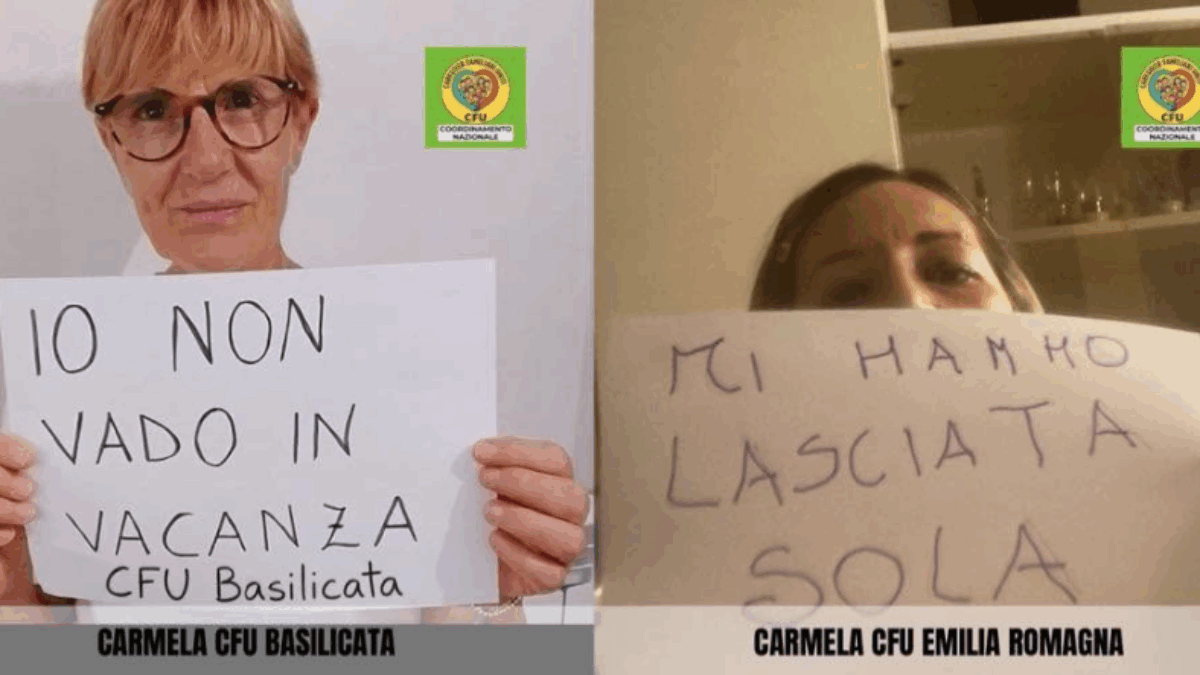
I caregiver familiari, soprattutto donne over 40, denunciano l'estenuante mancanza di diritti e supporto durante i mesi estivi, mentre il governo Meloni offre un aiuto considerato irrisorio, come evidenziato da un recente flashmob che mette in luce la loro situazione di isolamento e le difficoltà quotidiane nell'assistenza ai familiari con disabilità. #Caregiver #Diritti #VacanzeMancateCFU

“Per i caregiver familiari i mesi estivi sono estenuanti, lavoriamo il doppio senza diritti e senza poter staccare mai. L’aiuto del governo Meloni? Irrisorio”
ANSA.it Jul 20

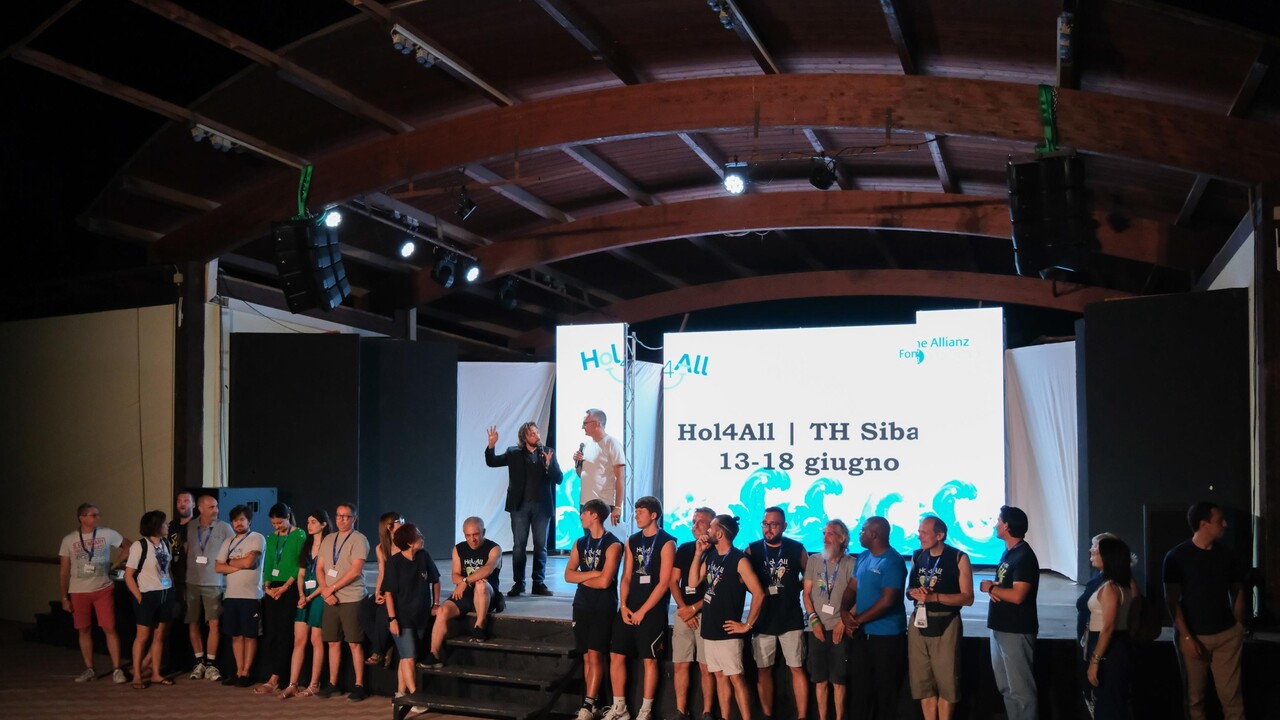
Il supporto ai genitori caregiver di bambini con malattie rare e disabilità complesse è essenziale per la loro salute mentale e fisica, e iniziative come il progetto Hol4All dimostrano come le vacanze strutturate possano ridurre significativamente lo stress e migliorare il benessere familiare. #RespiteCare #SaluteMentale #Inclusione

Genitori caregiver stressati come soldati in prima linea, 'serve la vacanza strutturata'

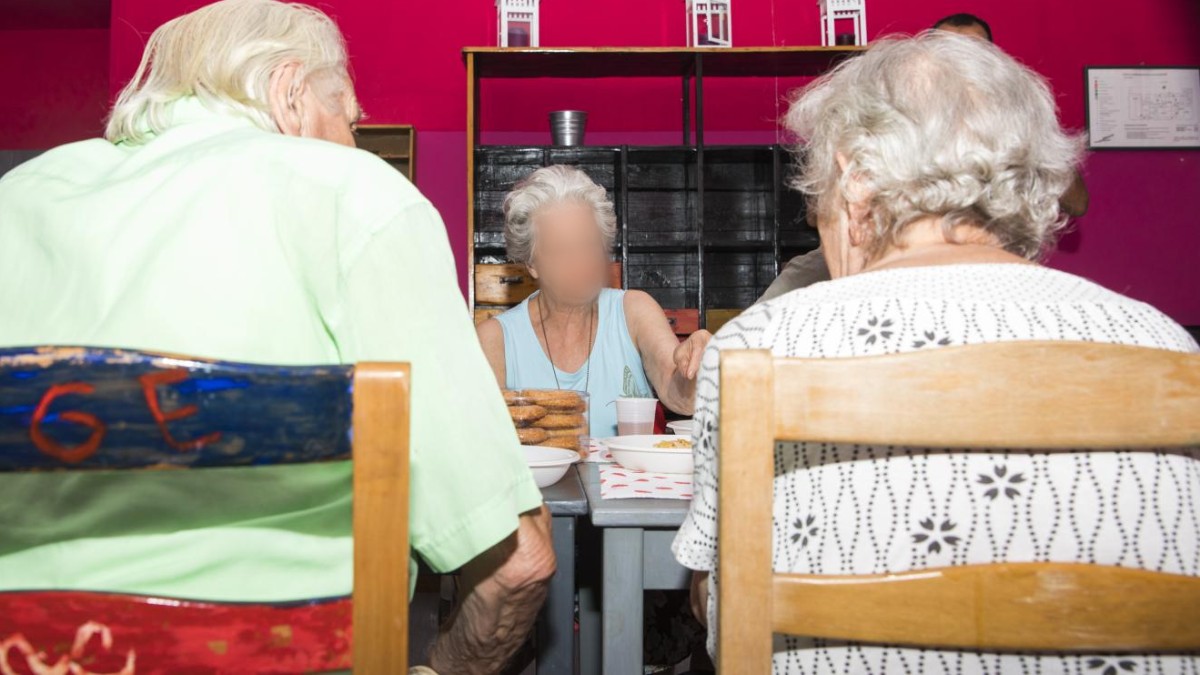
La Federazione Alzheimer Italia lancia un decalogo per aiutare i caregiver e le persone affette da demenza a gestire il calore estivo, evidenziando la necessità di maggiori servizi e sostegni strutturali, poiché in Italia oltre 1,4 milioni di persone convivono con questa malattia e 4 milioni di familiari affrontano quotidianamente le difficoltà dell'assistenza. #Alzheimer #Caregiver #EmergenzaCaldo

Alzheimer e caldo, l’allarme dei caregiver: “1,5 milioni di malati e 4 milioni di familiari lasciati soli. Servono più servizi e sostegni strutturali”