BETA nonprofit public democratic european moderated

Search

#Confinement

Bientôt le diesel à « 4 euros le litre » ?! Pourquoi ce scénario circule Pourquoi Macron ment effrontément quand il évoque uniquement des raisons extérieures Pourquoi laisser faire c’est une façon d’organiser, sans le dire, sans même avoir besoin de le décréter, un confinement #Diesel #Macron #Confinement #FR


AFRICA DAILY REPORT — 26 SEPTEMBER 2026 Major developments reported during the previous 24 hours. 1. DR CONGO — Ebola outbreak expands to two additional health zones Importance: 10/10 (Critical) WHO reported that the Bundibugyo Ebola outbreak has expanded to Bulu in Sud Ubangi and Dungu in Haut-Uélé, bringing the total to 63 affected health zones across seven provinces. As of 23 September, DRC had reported 7,890 confirmed cases and 3,799 deaths; the geographic expansion increases cross-border transmission risk. Source: https://www.who.int/emergencies/disease-outbreak-news/item/2026-DON618 2. ETHIOPIA — Heavy fighting continues in the north Fighting involving federal and Tigrayan forces has intensified, disrupting communications and raising concerns that the renewed conflict could spread beyond Tigray. Ethiopia's president has also accused unspecified external actors of interference as the 2022 peace framework comes under severe strain. Source: https://www.africanews.com/2026/09/25/ethiopian-president-warns-of-interference-amid-renewed-tigray-fighting/ 3. SUDAN–CHAD — Sudanese refugee arrivals accelerate sharply Importance: 9/10 (Very High) UNHCR says more than 55,000 Sudanese refugees have fled to eastern Chad this year, with arrivals through Adré and Tiné recently rising to more than 400 people per day — around 20 times the rate seen during previous months. Funding remains far below requirements, increasing pressure on shelter, water and protection services. Source: https://www.unhcr.ca/news/unhcr-in-its-fourth-year-sudan-conflict-drives-new-displacement-into-chad-as-funding-falls-short/ 4. DR CONGO — At least 41 killed in Lake Tanganyika boat disaster Importance: 8.5/10 (Very High) At least 41 people died after a vessel carrying roughly 100 passengers and cargo capsized on Lake Tanganyika while travelling from Kigoma, Tanzania, toward Kalemie in DRC. Forty-nine people were reported rescued while search operations continued. Source: https://www.aljazeera.com/news/2026/9/25/at-least-41-die-as-boat-capsizes-in-drcs-lake-tanganyika 5. ZIMBABWE–UNITED STATES — U.S. health funding set to end after talks collapse Importance: 8.5/10 (Very High) The United States is set to end health-programme funding for Zimbabwe at the end of September after negotiations over a new agreement failed, including disagreement over provisions concerning health data and biological samples. The change could affect HIV, tuberculosis and malaria programmes. Source: https://www.latimes.com/world-nation/story/2026-09-25/data-sharing-clause-derailed-u-s-zimbabwe-health-talks-now-all-funding-ends-this-month 6. SOUTH SUDAN — Kiir opens political dialogue ahead of December elections President Salva Kiir opened an inter-party dialogue in Juba after dissolving the transitional unity government. Elections are scheduled for 22 December and would be South Sudan's first national vote since independence, while opposition groups have raised concerns over the process, security and political conditions. Source: https://www.africanews.com/2026/09/25/south-sudan-kiir-opens-political-dialogue-ahead-of-december-elections/ 7. SENEGAL — First criminal charges filed over 2021–2024 political unrest Four people have become the first defendants charged in connection with violence during Senegal's political unrest between 2021 and 2024. The proceedings concern alleged unlawful confinement, abduction, torture and violence; the accused contest the allegations. Source: https://www.africanews.com/2026/09/25/senegal-lays-first-criminal-charges-over-political-unrest-between-2021-and-2024/ 8. ETHIOPIA–DJIBOUTI — $660 million petroleum pipeline announced Importance: 7.5/10 (High) Ethiopia, Djibouti and Dangote interests are backing a planned $660 million refined-petroleum pipeline. The 120-kilometre link between Damerjog port and Dewele is intended to lower logistics costs and strengthen fuel supply for landlocked Ethiopia. Source: https://www.africanews.com/2026/09/25/ethiopia-djibouti-and-dangote-to-build-660m-petroleum-pipeline/ 9. UGANDA–SOUTH SUDAN — New 400 kV cross-border electricity connection Importance: 7.5/10 (High) A planned Uganda–South Sudan power interconnection will establish roughly 299 kilometres of 400-kV double-circuit transmission infrastructure. The project is intended to connect South Sudan to the Eastern Africa Power Pool and create an export market for Uganda's surplus electricity. Source: https://www.ugandaradionetwork.net/story/new-400kv-cross-border-electricity-connection-to-serve-uganda-and-south-sudan 10. MOZAMBIQUE — Drug use rises as trafficking routes increasingly feed domestic consumption Importance: 7/10 (High) Mozambican officials say the country is increasingly becoming a consumer market as well as a transit route for illicit drugs. Government figures show drug-related hospital admissions rose 38% last year to more than 32,280, while authorities report growing concern about methamphetamine, cocaine and fentanyl flows. Source: https://www.africanews.com/2026/09/25/mozambique-faces-rising-drug-use-as-trafficking-routes-fuel-local-addiction/ #Africa #AfricaNews #TopNewsOfAfrica #DRCongo #Ebola #EbolaOutbreak #BundibugyoEbola #PublicHealth #HealthEmergency #WHO #CentralAfrica #Ethiopia #Djibouti #EthiopiaDjibouti #PetroleumPipeline #EnergyInfrastructure #FuelSecurity #Logistics #RegionalTrade #AfricanEconomy #Dangote #Tigray #NorthernEthiopia #EthiopiaConflict #ArmedConflict #SecurityCrisis #HornOfAfrica #RegionalSecurity #AfricanSecurity #Geopolitics #CrossBorderTrade #EnergySecurity #AfricaToday #wrldorg

Ebola disease caused by Bundibugyo virus - Democratic Republic of the Congo

♦️Les Français le critiquent, les politiques ne lui font aucun cadeau et les médias se délectent de le flinguer depuis qu’il est président, alors que jamais un président n’avait vécu autant de crises durant ses mandats : Crise des Gilets jaunes. Crise sanitaire. Confinement. Guerre en Ukraine. Crise énergétique. Guerre au Moyen-Orient. Mais il a malgré tout investi massivement dans les hôpitaux avec le Ségur de la santé. Il a redonné des moyens à la police. Il a doublé le budget de nos armées. Il a redonné du poids à la France partout dans le monde. Il a réenclenché un processus de réindustrialisation. Il a renationalisé EDF et relancé comme jamais l’investissement dans le nucléaire. Il a créé deux millions d’emplois dans le pays. Il a inscrit la France dans les nouvelles technologies. La France est le premier pays d’Europe en matière de création de start-up, d’IA et d’innovation technologique. Et malgré toutes ces crises, il a su protéger les Français. Les mêmes qui lui reprochent quoi ? La dette. Alors que personne ne comprend rien à cette dette, alors que 50 % de cette dette est la conséquence des déficits de la Sécurité sociale et des caisses de retraite, alors que tous les Français ont bénéficié et bénéficient encore de cette dette, parce qu’ils en sont les premiers bénéficiaires. Mais les marchands d’illusions vous promettent quoi ? Plus d’austérité, et vous irez vous plaindre que tout va bien ? Moins de dépenses, moins de fiscalité, moins de taxes, moins d’immigrés, plus de fragilité militaire et donc moins de sécurité. Et vous pensez une seconde que le monde va changer ? Les Français seront les premiers touchés, au premier chef ceux qui auront voté pour soutenir cette vague populiste et nationaliste. Le monde est devenu fou. Les peuples se laissent berner par des charlatans, par des bonimenteurs, par des manipulateurs des esprits. Ils le regretteront, comme ils ont conspué de Gaulle pour s’en revendiquer aujourd’hui. Le pire, en politique, n’est jamais derrière nous, mais toujours devant. Alors préparez-vous, parce qu’il arrive. #TAEM un jour, #TAEM toujours. #France #Macron #UE #Renaissance #France #Macron #innovation

Chaque jour, la dette devient plus pesante, les taux d’intérêt suivent une trajectoire écrasante pour nos finances publiques… Dans le même temps, une crise sociale s’installe, avec des Français contraints de respecter un « confinement énergétique » suite à l’explosion des prix https://t.co/cIBedEP20R #dette #criseéconomique #confinementénergétique #FR

« Confinement énergétique » : Macron y va à fond ! ⤵️ Restriction des déplacements, télétravail forcé, contrôles partout,… Alors que des pays asiatiques lancent cette semaine le « smart energy lockdown », Macron y va aussi à fond, sans le dire ! Alors même que des solutions #ConfinementÉnergétique #Macron #TransitionÉnergétique #FR #AS

J’appelle à baisser la TVA sur les carburants pour aider les Français. Elle doit passer de 20% à 5.5%. Ça ne peut plus durer. Des Français qui dépendent de leur voiture pour vivre et travailler sont dans une situation de “confinement énergétique”. https://t.co/oWhjR4VrMK #TVA #carburants #soutienAuxFrançais #FR

P

ET SI UNE PANNE D'INTERNET ÉTAIT NOTRE MEILLEUR AVENIR? Petite réflexion ironique sur ce qu'une coupure de réseau pourrait nous apprendre sur nous-mêmes Imaginez la scène. Une éruption solaire d'ampleur exceptionnelle, un cyberévénement majeur, ou plus prosaïquement une panne géante de satellites : internet s'effondre, les réseaux sociaux s'éteignent, les smartphones deviennent de simples cailloux lumineux inutiles. Combien de temps avant que nous redécouvrions... nos voisins ? Le laboratoire involontaire des catastrophes Ce n'est pas de la pure science-fiction. Les sociologues qui étudient les grandes pannes de courant, les catastrophes naturelles ou les confinements ont observé un phénomène récurrent et fascinant : dans les heures et les jours qui suivent, on assiste souvent à un regain spectaculaire de solidarité spontanée. On sort sur le pas de la porte. On demande à l'inconnu du dessus s'il a de la lumière. On partage sa réserve d'eau, ses bougies, ses informations. La queue à la boulangerie, d'ordinaire un non-lieu silencieux où chacun fixe son écran, redevient un espace de parole. C'est comme si, privés de l'alternative confortable du monde numérique, nous retrouvions d'un coup de vieux réflexes sociaux qu'on croyait éteints. Le lien ne serait donc pas mort — simplement mis en veille, faute d'être sollicité. Le confort comme ennemi du lien Il y a là un paradoxe cruel : ce n'est pas que nous ayons perdu la capacité de faire société, c'est que nous disposons en permanence d'une échappatoire plus simple. Pourquoi affronter l'inconfort d'une conversation avec un inconnu, le risque d'un silence gênant, l'effort d'une rencontre imprévisible, quand on peut se réfugier dans le flux rassurant et sans surprise de son fil d'actualité ? Le numérique n'a pas supprimé notre besoin de lien — il a simplement rendu son évitement extraordinairement facile. Et comme tout organe qu'on cesse de faire travailler, notre "muscle social" s'atrophie doucement, sans qu'on s'en aperçoive vraiment, jusqu'au jour où une panne généralisée nous oblige à le réactiver en urgence. Faut-il attendre le cataclysme ? Rassurons-nous : il existe heureusement des formes plus douces, et surtout volontaires, de reconnexion. On voit ainsi fleurir depuis quelques années les tiers-lieux, ces espaces hybrides entre café, bibliothèque et atelier partagé, conçus justement pour recréer du lien de proximité. Les jeux de société connaissent un retour en grâce inattendu chez les jeunes adultes. Les "digital detox", ces périodes volontaires de déconnexion, se multiplient, preuve que le besoin est bien identifié, même s'il reste difficile à satisfaire sans un minimum de contrainte extérieure. Bref c'est pas gagné! Il y a une forme d'humour noir à imaginer qu'il faille une catastrophe cosmique pour nous rendre notre humanité relationnelle. Mais peut-être n'avons-nous pas besoin d'attendre le soleil : il suffirait, plus modestement, de réapprendre à laisser volontairement notre téléphone dans notre poche, de temps en temps, pour voir si le monde autour de nous n'a pas, finalement, beaucoup plus à offrir que notre fil d'actualité. Une chose est sûre : en cas de panne générale, la boulangerie et le bistro du coin risquent de redevenir, l'espace d'un instant, le plus grand réseau social du quartier, à condition de se chauffer au bois.

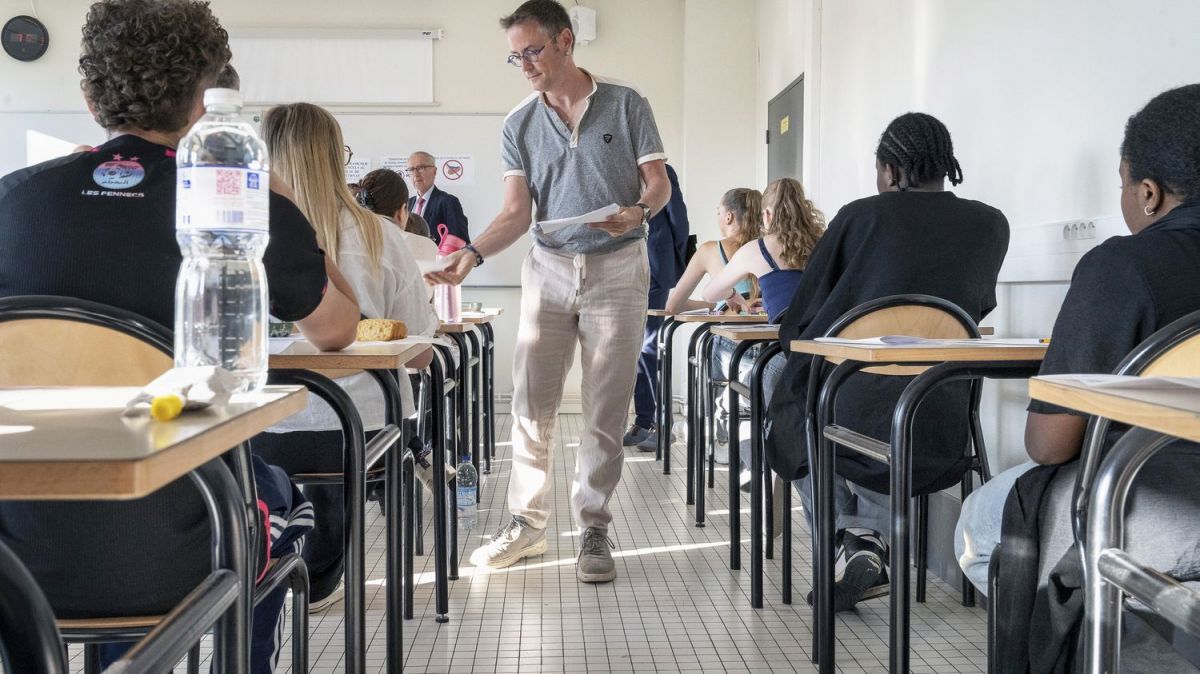
Après la publication du classement Pisa, des professeurs en France témoignent de la difficulté croissante pour les élèves de se concentrer en classe, mettant en lumière des problématiques telles que l'impact des nouvelles technologies, le manque d'effort, et les conséquences psychologiques des confinements liés à la pandémie. #ClassementPisa #Éducation #Société

"Ils ont du mal à suivre les cours pendant une heure" : après la publication du classement Pisa, des professeurs témoignent de la réalité observée en classe

Pas possible de dormir. Je crains le pire pour le classement PISA qui sortira dans la matinée. Pourrait-il être pire que celui réalisé dans la foulée des confinements Covid ? Il semblerait que ce soit le cas... Comment est-on arrivés là ? Quel enfer. #éducation #PISA #anxiété

Sarah Knafo Aug 30

Savez-vous que nous dépensons aujourd'hui 234 milliards d’euros de plus qu'en 2020, l'année du Covid et du « quoi qu'il en coûte » ? Sans crise sanitaire, sans confinement, sans chômage partiel. Retrouvez mon entretien aujourd'hui dans le JDD. https://t.co/5TeJw0rRmL #Economie #Covid19 #Finance #FR

Franceinfo Aug 20

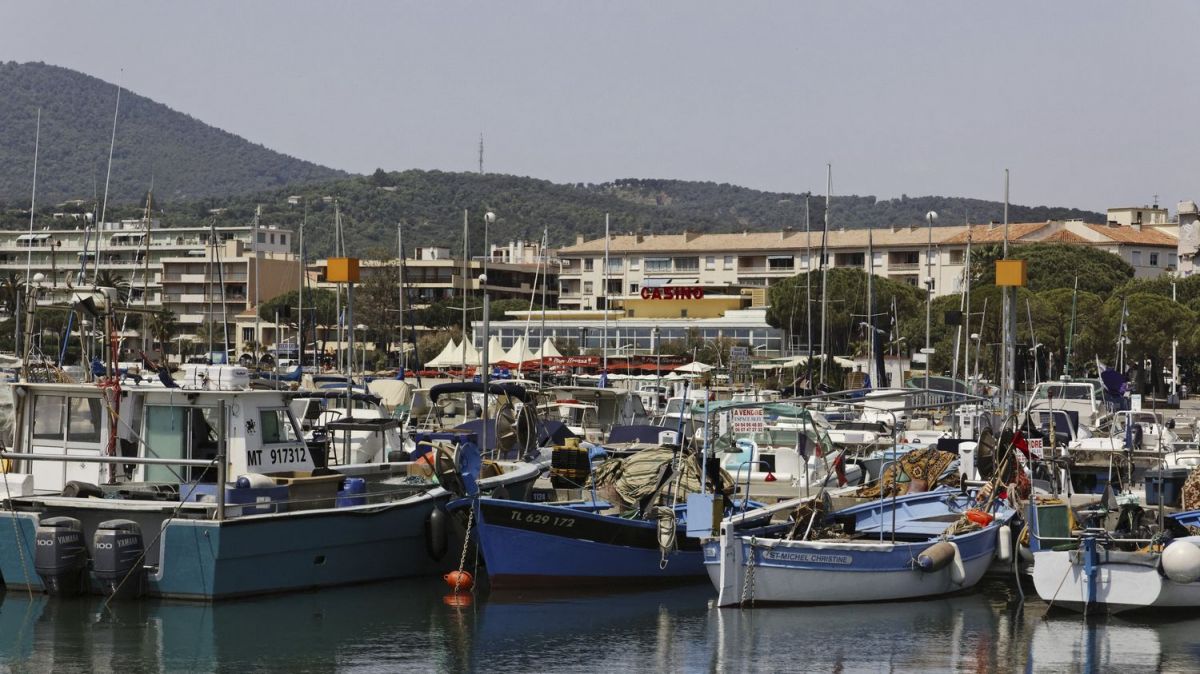
Une opération de déminage a été organisée à Sainte-Maxime en raison de la découverte d'un obus de la Seconde Guerre mondiale, nécessitant un confinement des riverains dans un périmètre de 800 mètres entre 6 heures et 9 heures du matin pour garantir la sécurité de la population. #Var #Démineurs #SecondeGuerreMondiale

Var : opération de déminage à Sainte-Maxime, après la découverte d'un obus datant de la Seconde Guerre mondiale
Franceinfo Aug 18

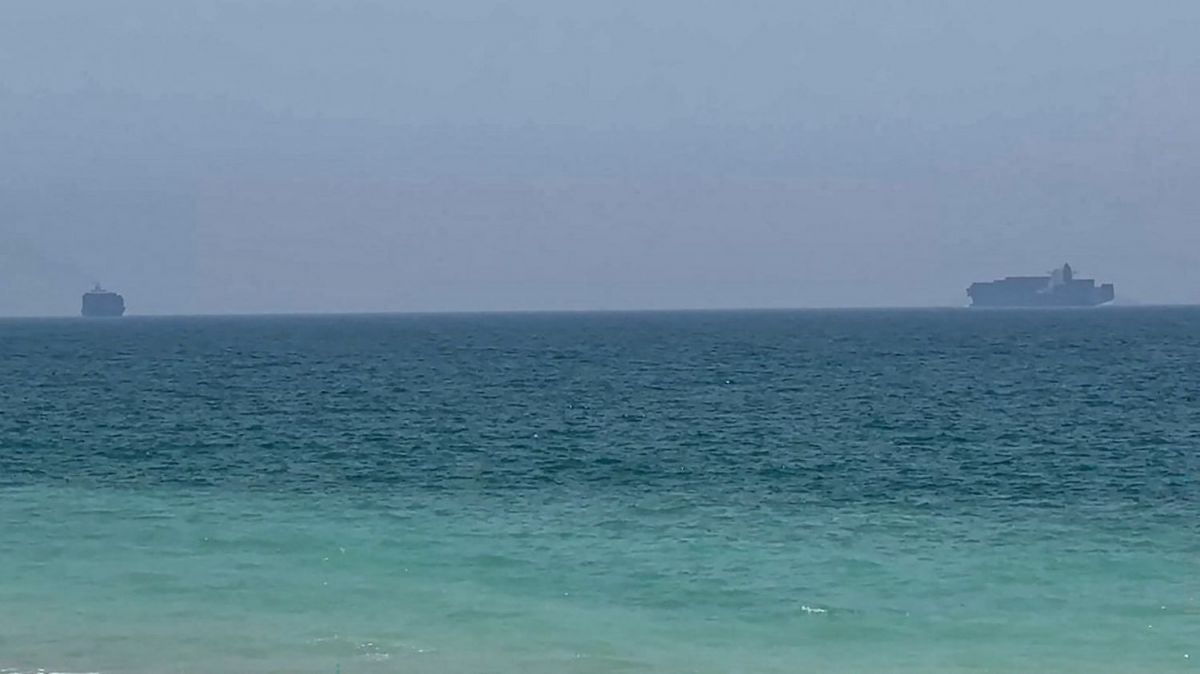
Les Émirats arabes unis accusent l'Iran d'avoir tiré deux missiles balistiques vers leur territoire, dont l'un est tombé dans leurs eaux territoriales et l'autre à l'extérieur, déclenchant des alertes et des mesures de confinement pour la population. #ÉmiratsArabesUnis #Iran #Missiles

Les Emirats arabes unis accusent l'Iran d'avoir tiré deux missiles vers leur territoire
L
Le Soir Aug 9

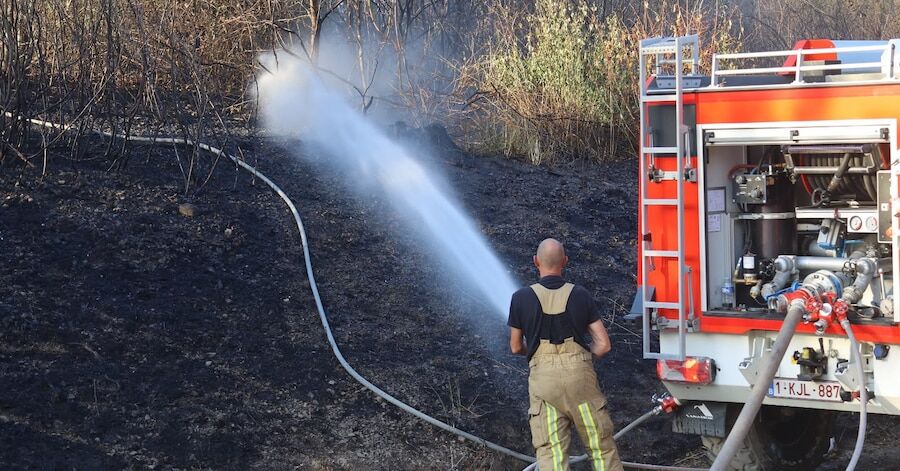
Un incendie dans la forêt du Claps dans la Drôme a déjà brûlé 370 hectares et menace jusqu'à 600 hectares, entraînant le confinement du village de Charens, sans évacuation pour l’instant, tandis que quatre pompiers ont été légèrement blessés. #Incendie #Drôme #Pompiers

France : le feu s’étend dans la Drôme, déjà 370 hectares brûlés
La Libre.be Aug 9

Un incendie s'est propagé dans la Drôme, brûlant 370 hectares et blessant légèrement quatre pompiers, tandis que les habitants du village de Charens ne sont pas menacés malgré une consigne de confinement en raison des fortes émanations de fumées. #Incendie #Drôme #Pompiers

Le feu s'étend dans la Drôme où 370 hectares ont été brûlés

« Petit à petit l’oiseau sur lui se chie ». Vous imaginez si il se fait condamné pour avoir imposé aux gens plein de merdes inutiles ? Confinement, masque, distanciation sociale... Et puis, après, on pourrait punir toutes les personnes qui ont fait ça partout dans le monde… 😀 #Liberté #Justice #SantéPublique

Franceinfo Aug 6

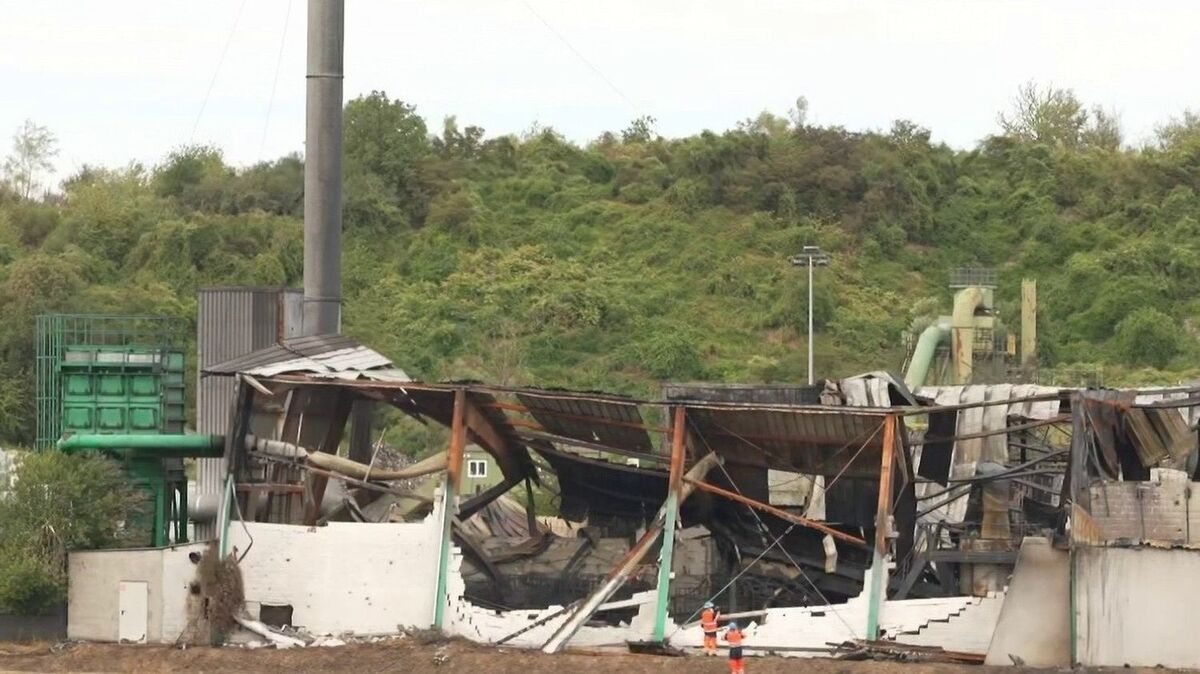
L'article examine un incendie survenu sur le site Seveso de Gandrange, où le système de sécurité incendie ne s'est pas déclenché en raison d'une maintenance, entraînant le confinement de 30 000 habitants et soulevant des inquiétudes quant à la sécurité des installations déjà jugée insuffisante. #Gandrange #Seveso #SécuritéIncendie

Que s'est-il vraiment passé sur le site Seveso de Gandrange, où le système de sécurité incendie ne s'est pas déclenché ?
BFMTV Aug 6

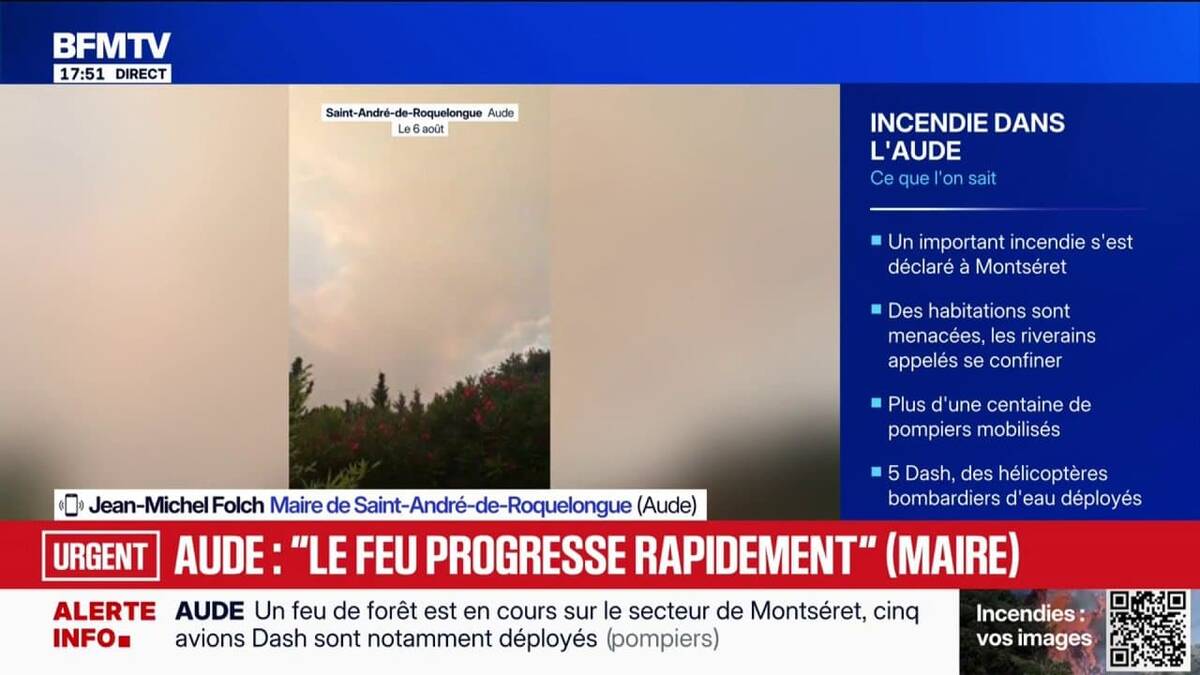
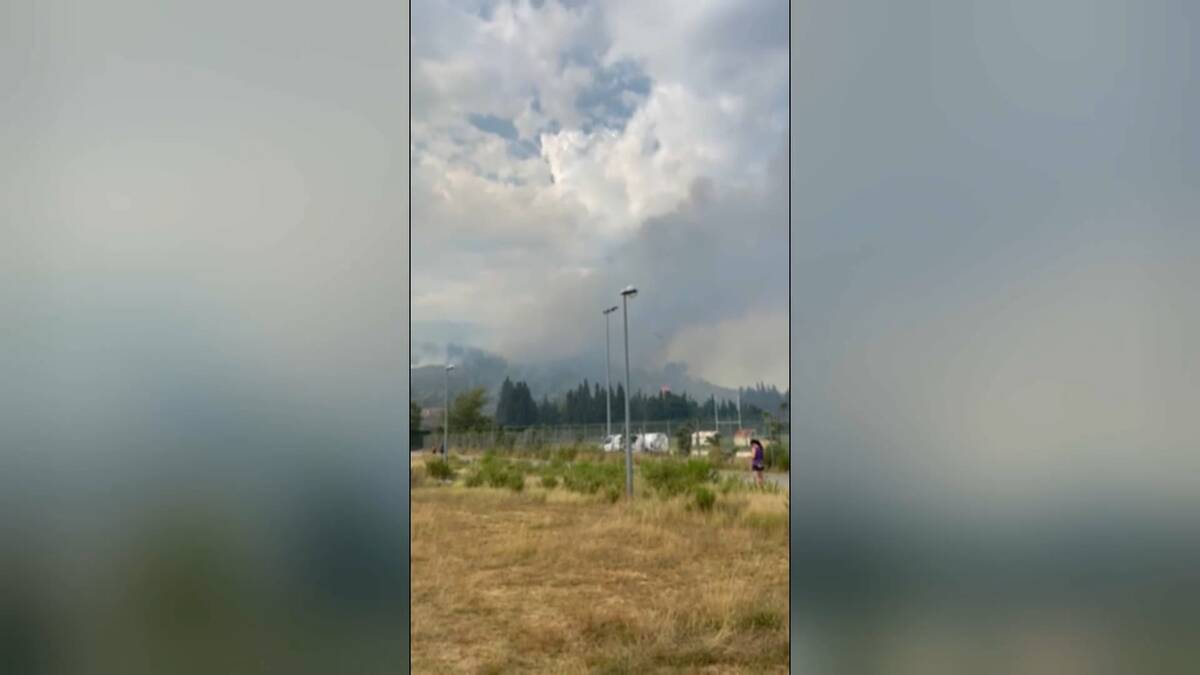
Un incendie s'est déclaré à Montséret dans l'Aude, mobilisant plus de cent pompiers et des moyens aériens, entraînant un appel au confinement des habitants en raison des fumées toxiques. #Incendie #Aude #Canicule

Incendie dans l'Aude: les habitants du secteur appelés à se confiner à cause des fumées
BFMTV Aug 6

Un incendie majeur a éclaté à Montséret dans l'Aude, entraînant l'activation d'une cellule de crise par la préfecture et la mise en confinement de 1.200 personnes, tandis que plus d'une centaine de pompiers, soutenus par des moyens aériens, sont mobilisés pour maîtriser les flammes menaçant le village de Saint-André-de-Roquelongue. #Incendie #Aude #Canicule

Incendie dans l'Aude: une cellule de crise activée par la préfecture, 1.200 personnes confinées
BFMTV Aug 6

Un incendie de végétation a éclaté à Montséret dans l'Aude, détruisant déjà 100 hectares, avec 250 pompiers mobilisés et 1.200 habitants appelés à se confiner pour se protéger des fumées menaçantes. #Incendie #Aude #Confinement

Un feu de végétation se déclare à Montséret dans l'Aude, déjà 100 hectares parcourus et 1.200 personnes appelées à se confiner
Tom Nesky Aug 6

Metaphysics of the Solitary Absolute: Philosophical and Legal Analysis of the Thesis of Solitary Amorality ​The Thesis of Solitary Amorality, formulated by Tom Nesky under the banner of the Axiom of Relationality of Law and Being, constitutes a radical challenge to classical and contemporary normative theories. Its central premise—stating that law, morality, and the category of crime are not inherent properties of reality, but artificial products of social relations—requires a rigorous deconstruction at the intersection of legal positivism, phenomenological existentialism, ontological anarchism, and monistic metaphysics. This paper attempts a systematic analysis of the intellectual pillars of this thesis, examining its internal coherence, genealogical roots, and consequences for the understanding of freedom and human subjectivity. ​The Systemic Construction of Crime vs. Pure Theory of Law ​The first pillar of the Thesis of Solitary Amorality, designated as Nullum Crimen Sine Systema, posits that law does not discover pre-legal categories of evil, but brings them into existence through the very act of establishing a boundary of permissibility. This assertion exhibits a profound convergence with 20th-century legal positivism, particularly with Hans Kelsen's Pure Theory of Law (Reine Rechtslehre). Kelsen advocated for a methodological purification of legal science from ethical, sociological, and political elements, defining law as a normative system founded upon a hypothetical basic norm (Grundnorm). ​In the Kelsenian view, the legal system functions as a coercive apparatus devoid of inherent moral value. A crucial point of intersection with Nesky's thesis is the elimination of the traditional dualism between acts that are inherently evil (mala in se) and acts prohibited merely by law (mala prohibita). Kelsen argued that an act becomes unlawful solely when a legal norm attaches state-enforced coercion to it. Unlawfulness is not an ontological property of the act, but the result of a relationship of normative imputation. This implies that the law does not penalize an act because it is intrinsically evil; rather, an act is considered evil solely because it has been subjected to systemic penalization. ​This clash became prominent during the debates surrounding the Nuremberg trials, where positions based on natural law and legal positivism collided. While prosecutors such as Robert Jackson invoked universal moral norms (mala in se) as the basis for punishing criminals despite the previously binding positive law of the Third Reich, Kelsen pointed out the theoretical inconsistency of such an approach. He argued that judging on the basis of retroactive law (ex post facto) constitutes a breach in the systemic coherence of positivism, even if it might be justified by political and historical necessity. ​Nesky's project imparts an existential dimension of oppression to this structure, bringing it close to the critique of the state formulated by Friedrich Nietzsche. Nietzsche famously described the state as "the coldest of all cold monsters," which devours the individual's singularity and imposes herd morality upon them. The gaze of the state, mediated through the Other, paralyzes the sovereignty of the individual and forces them to navigate within arbitrarily designated normative boundaries. Every stroke drawn across the chaos of reality establishes a boundary, and every boundary instantly creates the concept of its transgression. ​The Paradox of the Systemic Cage and the Limits of Ontological Anarchism ​The second pillar of the thesis—The Paradox of the Systemic Cage—points to the impossibility of escaping the system through rules alone. Every attempt to negate the existing order, from establishing anarchist structures to escaping into geographical isolation, immediately transforms into a new system whose primary imperative becomes the defense and maintenance of that very absence of rules. This process of structural looping finds its reflection in the current of ontological anarchism formulated by Hakim Bey (pseudonym of Peter Lamborn Wilson). ​Bey, drawing on a synthesis of Nietzscheanism, Situationist theory of the spectacle, and chaos esotericism, recognized that classical revolutions striving to overthrow the state inevitably reproduce structures of domination, becoming new forms of confinement. As an alternative, he proposed the concept of the Temporary Autonomous Zone (TAZ). TAZ is a tactic for creating temporary, non-hierarchical spaces that deliberately evade formal structures of state control. The key element of TAZ is its ephemerality: before the system can map, define, and absorb the autonomous zone, it must dissolve itself and relocate to another point in space-time. ​Attempts to transform TAZ into Permanent Autonomous Zones (PAZ) immediately encounter the paradox noted by Nesky. The need to defend and codify freedom within a lasting community gives rise to internal rules, mechanisms of exclusion, and hierarchy. For this reason, Murray Bookchin criticized ontological anarchism (calling it "lifestyle anarchism" or "bourgeois anarchism") for its lack of political realism and its flight from systemic struggle against capital and state in favor of aesthetic rebellion. The convergence of these perspectives demonstrates that freedom defined as reactive resistance to a system remains structurally determined by it. ​The Dissolution of the Relational Mirror: The Existential Gaze and the Collapse of Morality ​The third pillar of the thesis, designated as The Dissolution of the Mirror (L'Autre), posits that good and evil require the presence of an external witness and judge. This assertion represents a direct application of Jean-Paul Sartre's existential phenomenology, particularly his analysis of the Gaze (le look / le regard) and the relation to the Other (l'Autre) presented in Being and Nothingness. ​Sartre illustrates the constitutive role of the Other through an analysis of the voyeur's situation. At the moment of complete absorption in the act of peeping through a keyhole, the subject's consciousness is pre-reflective—the voyeur does not reflect on himself; his consciousness completely merges with the act being performed. Only the sudden sound of footsteps in the hallway shatters this unity. The voyeur realizes that he himself is seen, and is instantly paralyzed by shame. ​For Sartre, shame is not a purely internal emotion; it is shame of oneself before the Other. The Gaze of the Other objectifies the free subject (being-for-itself—pour-soi), freezing them into a specific role and moral evaluation (being-for-others—pour-autrui). As Ellie Anderson points out, Descartes' formula "I think, therefore I am" is replaced in Sartre by "I feel shame, therefore Others exist." The Gaze of the Other marks the birth of social morality, wherein the individual learns to view themselves from a third-person perspective. ​This existential dynamic corresponds to the Nietzschean genealogy of "bad conscience." Nietzsche demonstrates that morality and guilt are products of the forced internalization of human instincts that could no longer be discharged outwardly due to social barriers. Forced into the constraints of society, man turns against himself, creating an internal judge (conscience) modeled on the external tyrant. ​This vision also resonates with the classical theory of Thomas Hobbes. In Leviathan, Hobbes explicitly declares that in the state of nature, where there is no common power, there is no law, and where there is no law, no notion of injustice exists. Concepts of good, evil, justice, and property are attributes of man living in society, not in solitude. Removing the social fabric reverts the individual to a state in which theft and injury lose their raison d'être due to the absence of relational reference to the Other. #philosophy # metaphysics # thesis # morality