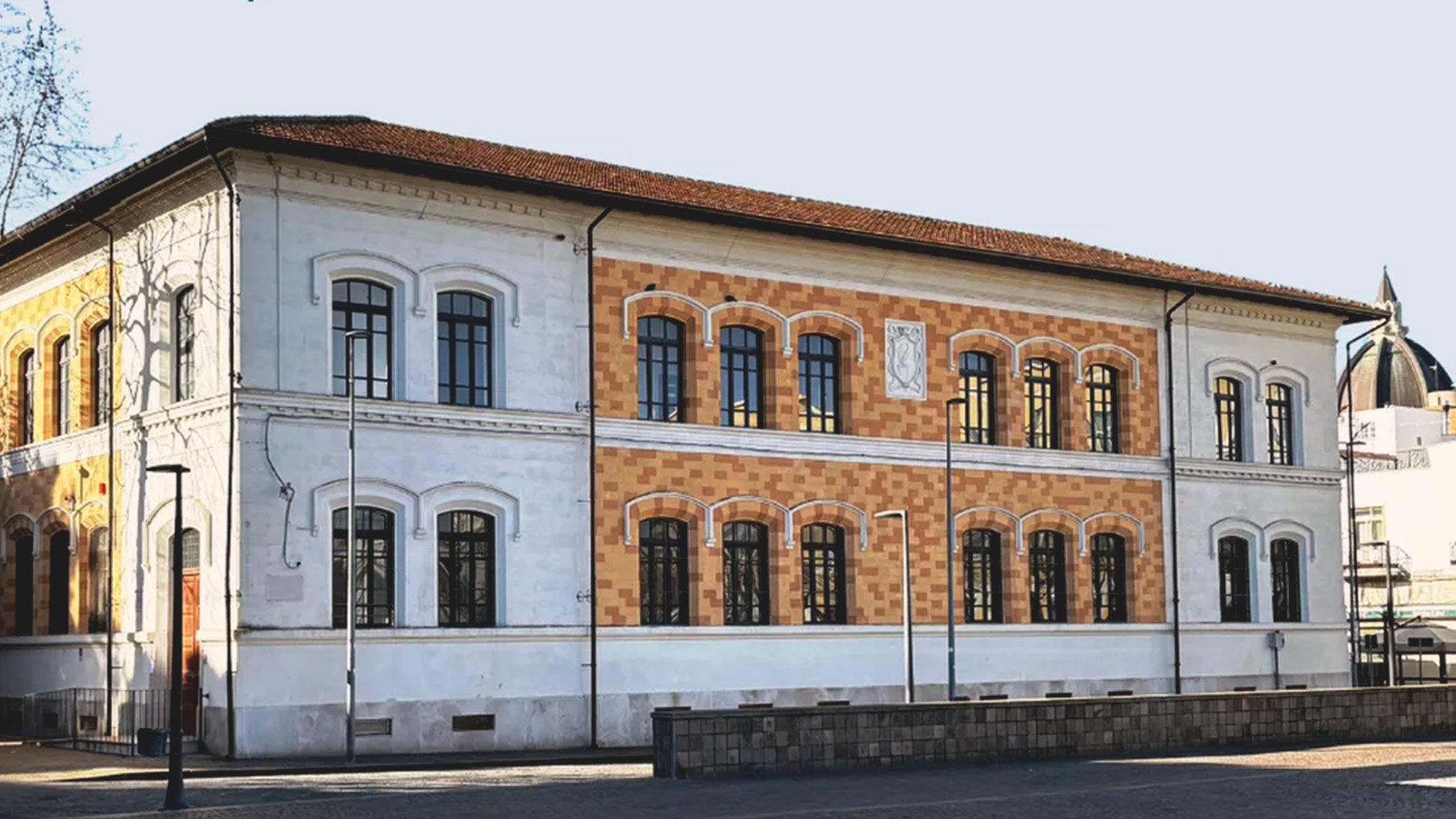
What if the health of a community began not in a clinic, but among the shelves of a library? Cerignola, 13 March 2026. A chain of hands crosses the town. From the old municipal library to the new home, created in renovated schools, the books pass from hand to hand. A man hands over a volume, a child receives it, an older person passes it on. It is not a move. It is a statement. The new Community Library, in a town of 57,700 people in the heart of Puglia, bears the name of Nicola Zingarelli, the founder of one of Italy’s best loved dictionaries. And it offers every user the use of that very dictionary. As a “Community Dictionary”. Here is the point that questions us, as lawyers and as citizens. In Italy many older people in the South and many migrants live every day in another language: dialect, language of origin, Romance variety. Law 482/1999 protects historic linguistic minorities, not these varieties. When a patient leaflet, an informed consent form, a prescription remain only half understood, the quality and safety of care suffer. Not through negligence. Through linguistic distance. The dictionary of the great philologist and member of the Accademia della Crusca from Cerignola, Nicola Zingarelli, does not translate dialects and does not replace interpreters and cultural mediators. To be clear: it is a monolingual dictionary of standard Italian. Its strength, in human rights terms, lies elsewhere. It removes economic and symbolic barriers to access to the standard language and creates what we have called a “common linguistic resource”: a common space where anyone, whatever their income and schooling, can check the meaning of a diagnosis, a prescription, an administrative form. This is what we mean by “public bibliotherapy”. The right to health, as interpreted by the Committee on Economic, Social and Cultural Rights in General Comment №14, includes the right to health information. General Comment №21 recalls that libraries are cultural institutions whose accessibility is a priority. Article 32 of the Constitution protects health as a fundamental right and a collective interest. Article 12 of the International Covenant on Economic, Social and Cultural Rights obliges States to guarantee services that are available, accessible, acceptable and of good quality, with accessibility expressly including information. Yet almost half of Europeans, according to a Council of Europe report of 2024, have limited health literacy. In Chisinau, on 26 March 2026, it was restated that this is a major obstacle to the implementation of Article 11 of the European Social Charter. To read, to understand, to choose: without these abilities, the right to health remains an abstract promise. Cerignola responds in a concrete way. And the first three months tell it with numbers, not with slogans: more than 7,500 new visitors, 526 new members, 1,293 participants in workshops. A Yale University study of 2016, on 3,635 participants over 50 followed for 12 years, observed that those who read books died on average 20 per cent less often than those who did not read. It is not proof that reading lengthens life. It is a powerful sign that reading contributes to health. Not every library is a clinic, nor do we want it to become one. But a boxed up collection, in transit, cannot be borrowed, consulted, shared. And an inaccessible collection does no good to anyone’s health. The human chain of Cerignola restored availability and accessibility, turning a stored inventory into a living public service. England has integrated social prescribing into its National Health Service since 2019. The UNESCO Manifesto for Public Libraries promotes them as social and health posts. When a library is forced to close, the question is not only cost. It is the legitimacy of a regressive measure, for which the State must bear the burden of proof. From here, four steps to ensure Cerignola does not remain an exception. First: integrate health literacy into national planning, with information in plain language and, where appropriate, in dialects and migrant languages, spread with the libraries. Second: recognize public libraries as infrastructure relevant to the right to health, with stable funding and a human rights impact assessment before every closure. Third: support the Coalition for Health Literacy and Human Rights and the Rome Declaration, which the Council of Europe will discuss in Rome on 4 December 2026, and measure health literacy with ISTAT data broken down by language and age. Fourth: evaluate community libraries with rigour, not by attendance but by health literacy and access to services. Rights, like the books of Cerignola, if they stay boxed up cure no one. They must come out of the boxes, pass from hand to hand, become an understood word. If you believe that a library can also be a health post, share this story. Cerignola has shown the way. Now it is up to the institutions to follow it. (translated)