WRLD

Search

#EPR2
BFMTV 6d

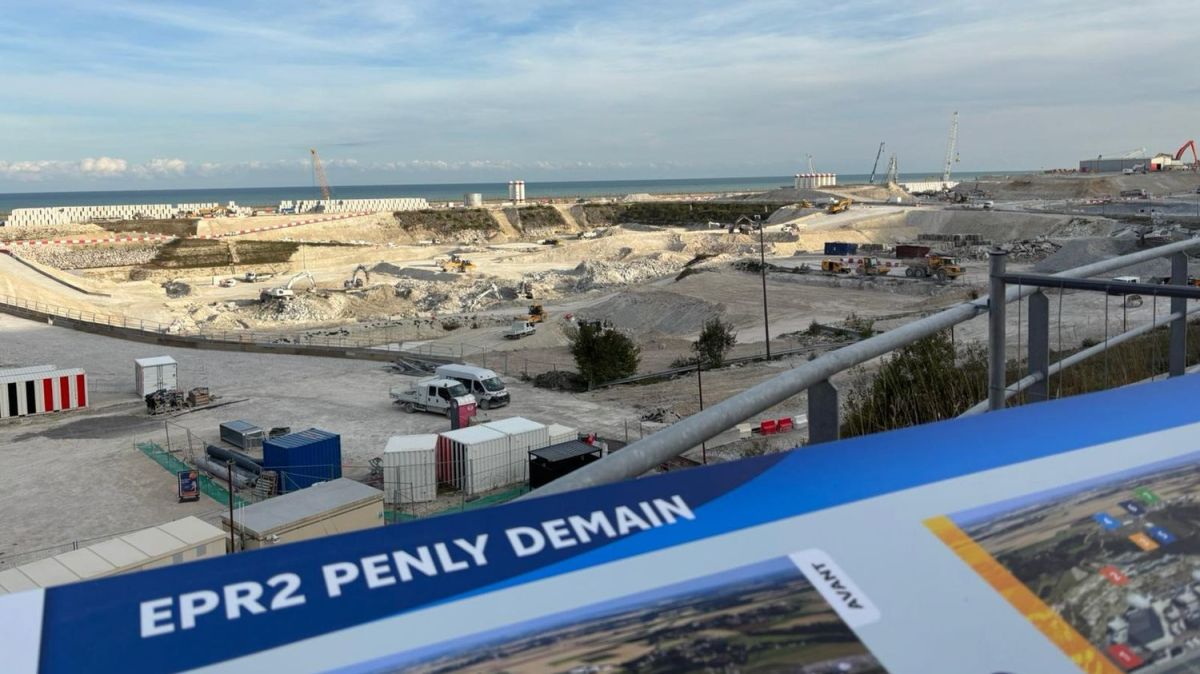
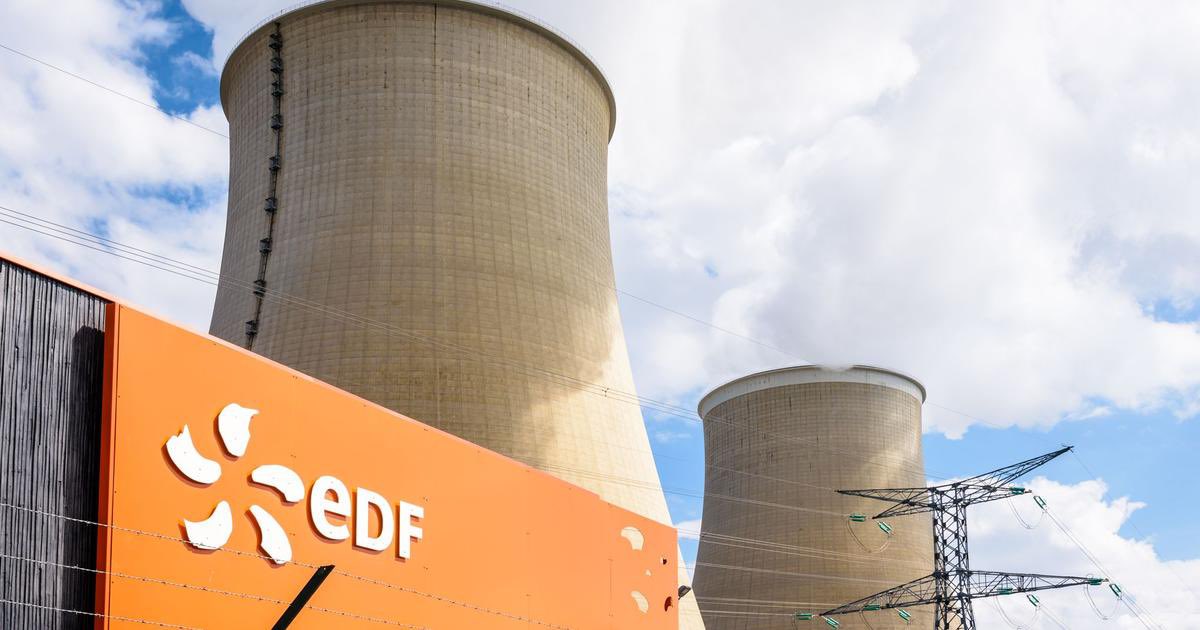
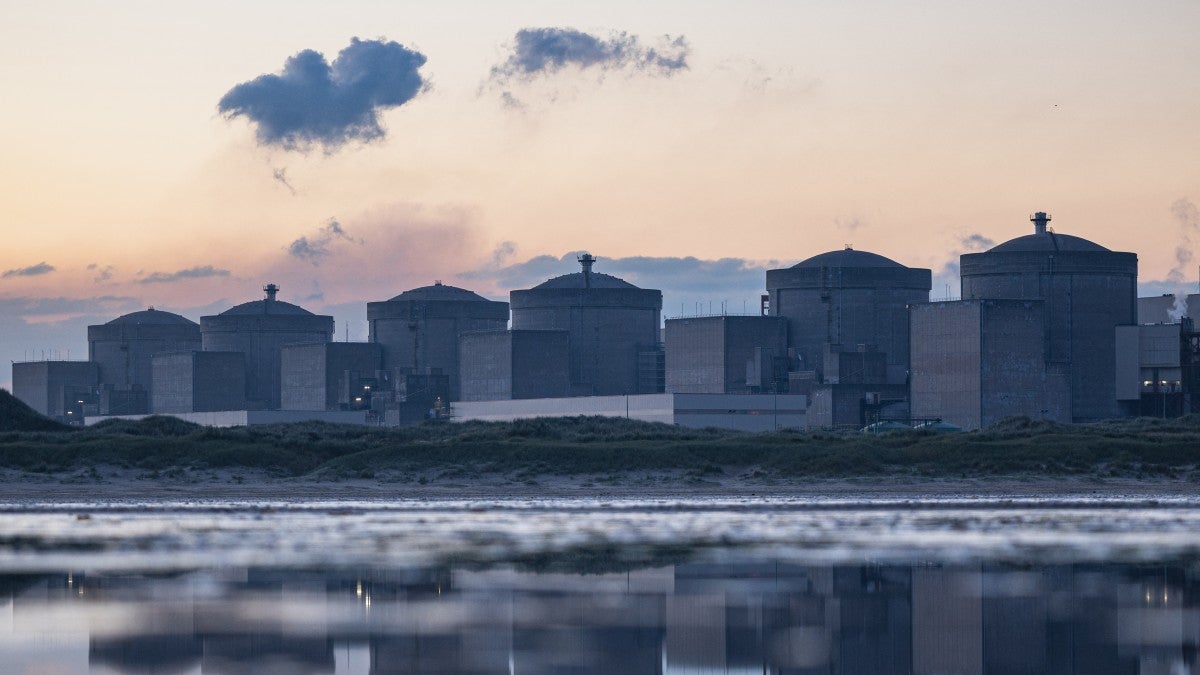
The Nuclear Safety and Radiation Protection Authority is asking EDF to prove the performance of its soil reinforcement solution before installing two EPR2 nuclear reactors in Gravelines, emphasizing the need for detailed studies to ensure compliance with safety requirements. #EDF #EPR2 #Gravelines (translated)
www.bfmtv.com
Le sol est meuble: EDF doit "démontrer ses performances" pour installer deux réacteurs nucléaires EPR2 à Gravelines

2946
L'Obs 1w

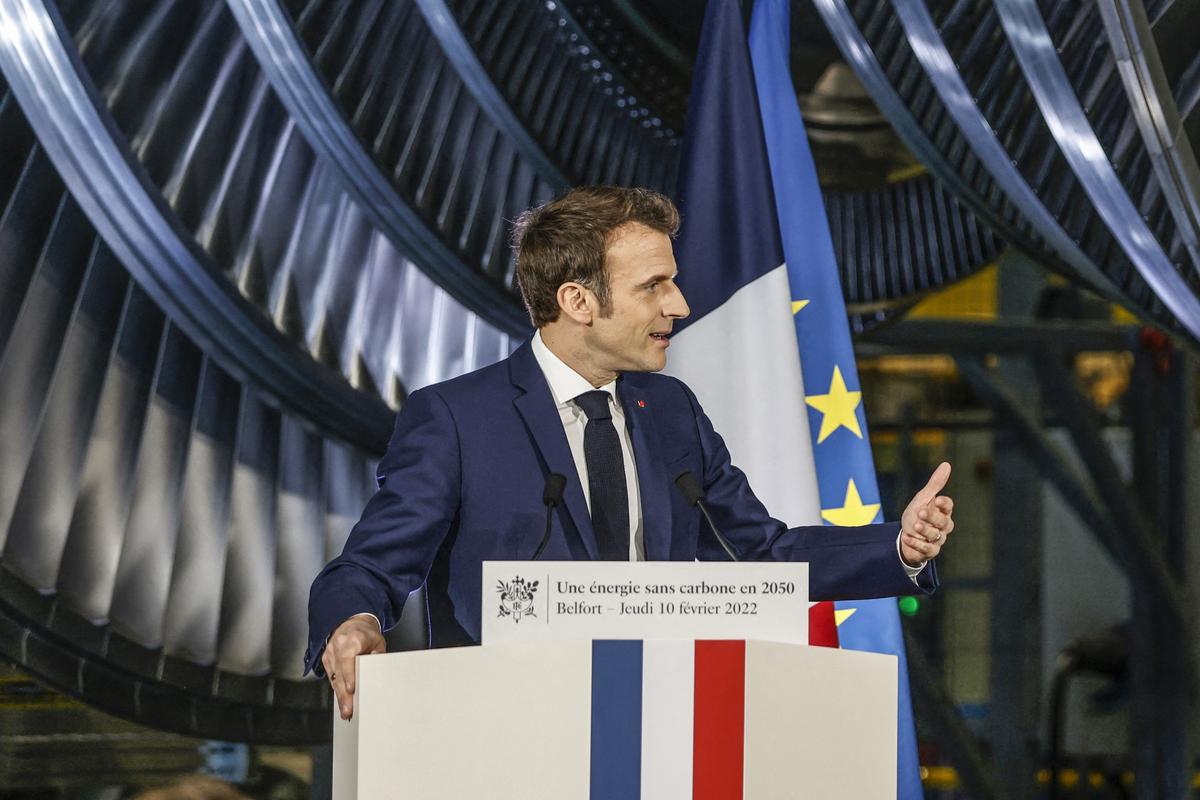
Five years after Macron's speech in Belfort, an analysis reveals that two of the key assumptions about the cost of new nuclear energy and battery storage have been invalidated by current realities, raising concerns about EDF's imminent decision on the EPR2. #Nucléaire #ÉnergiesRenouvelables #EDF (translated)

www.nouvelobs.com
Relance du nucléaire : « Cinq ans après le discours de Macron à Belfort, deux de ses principales hypothèses ont été démenties par les faits »
3081
Impact Wrld summary 2w

Impact reported that Jean-Luc Mélenchon unveiled a program for the 2027 presidential election featuring 1,069 measures, including 238 new ones. According to the report, he proposed to immediately raise the minimum wage (SMIC) to €1,700 net per month, to index salaries to inflation, and to increase housing assistance (APL) and the index point for civil servants by 10%. He also planned to establish a maximum salary gap of 1 to 20 within companies and a 32-hour work week for demanding or night jobs. Regarding pensions, the program aimed to gradually lower the retirement age to 60, with full benefits after 40 years of contributions, by first abolishing the reform raising it to 64. Impact also reported proposals for a pension at least equal to the revalued SMIC for a full career, considering the RSA to validate trimesters, and guaranteeing autonomy set at the poverty line, which is €1,337 for a single person. The program included the reinstatement of the wealth tax (ISF), a minimum 2% tax on assets of at least €100 million, a maximum inheritance of €12 million, and increasing the income tax brackets from 5 to 14. On security, Mélenchon proposed, according to Impact, to dismantle BAC and BRAV-M, to abolish IGPN and IGGN in favor of an independent authority, and to prohibit LBDs, tasers, de-escalation grenades, kettling during demonstrations, and widespread facial recognition. The program also planned the regularization of undocumented workers, students, and parents of schoolchildren, and aimed to make the 10-year residence permit the reference title. For housing, he proposed to construct 200,000 public housing units and 30,000 youth housing units each year for five years, to prohibit evictions without public rehousing, and to limit tourist rentals such as Airbnb to 60 days per year. In health, he planned for 100% reimbursement of prescribed care and the recruitment of 100,000 caregivers and doctors in hospitals, as well as 300,000 professionals in the medico-social sector and nursing homes (EHPAD). He also aimed to ensure access to a public health service within less than 30 minutes. In education, the program intended to make schooling compulsory until the age of 18, compared to 16 currently, reduce class sizes to below the European average of 19 students, and establish a nine-month ecological citizen service paid at the revalued SMIC before the age of 25. Regarding energy, it set a target of 100% renewable energies by 2060 at the latest and proposed to ban night flights between 11 p.m. and 6 a.m. Finally, Impact reported that Mélenchon advocated for a sixth Republic, withdrawal from NATO's integrated command, and disobedience to certain EU rules. He also proposed to recognize the massacre of Algerians on October 17, 1961, as a crime against the state, to ban artificial intelligences simulating emotional relationships, and to combat media concentration. #Mélanchon2027 #Élections #PolitiqueFrançaise (translated)

4021
Franceinfo 2w

French nuclear energy companies plan to hire more than 100,000 people over the next ten years to support the construction of new EPR2 reactors and to compensate for retirements, with a majority of hires targeting workers and technicians. #Nucléaire #Emploi #Energie (translated)

www.franceinfo.fr
Les industriels français de l'énergie nucléaire prévoient de recruter plus de 100 000 personnes dans les dix ans à venir
3334
N. Dupont-Aignan Wrld summary 4w
French politician (born 1961)

The author denounced what he presented as a new controversy surrounding the funding of the six future EPR2 reactors. He claimed that Brussels would want to impose more electrical interconnections with its neighbors on France and accused the European Commission of once again targeting a French asset, after the "disaster" of the ARENH. https://t.co/5gzLg75YsU #Energie #EPR2 #UnionEuropéenne #FR #BE #EU (translated)

3258
Fabien Bouglé Wrld summary Oct 26

Fabien Bouglé denounced what he termed the "blackmail" of the European Commission regarding the funding of EPRs and deemed the situation scandalous. He also mentioned the tense negotiations between EDF and Brussels on the funding of EPR2s. https://t.co/jdWTcuubCQ #Europe #Énergie #Scandale (translated)

3029
Florian Philippot Wrld summary Oct 17
French politician and official

The author described the situation as "cataclysmic" and stated that the European Commission firmly opposed the six new French EPR2 nuclear power plants, blocking the project for a year with no progress. He also accused Germany of exerting behind-the-scenes pressure to undermine the project and weaken it. https://t.co/C0gzBNc4sO #nucléaire #EPR2 #CommissionEuropéenne #FR #DE (translated)

3510
Janusz Piechociński Wrld summary Sep 6
Polish politician

Rząd francuski podjął decyzję o rozpoczęciu przygotowań do budowy dwóch nowych reaktorów atomowych typu EPR2 o mocy ok. 1600 MW każdy. #Francja #EPR2 #EnergiaAtomowa #FR

N. Dupont-Aignan Wrld summary Aug 2
French politician (born 1961)

Les EPR2, c’est vital. Pas pour « l’Europe ». Pour la France. Bruxelles ouvre une enquête sur les aides d’État ? Comme d’habitude, ils viennent nous freiner dès qu’on veut reconstruire quelque chose de sérieux. Le nucléaire français est l’un des derniers leviers de souveraineté #EPR2 #Nucléaire #Souveraineté #FR #EU

1310
BFMTV Aug 2

Bernard Fontana, le PDG d'EDF, exprime sa confiance dans le financement et le déploiement futur des réacteurs EPR2 en France, tout en soulignant l'importance de ces investissements pour la compétitivité et la stabilité du système électrique européen, tout en annonçant également des réinvestissements significatifs dans l'hydroélectricité. #EDF #Nucléaire #EPR2

www.bfmtv.com
"C'est dans l'intérêt de la France et de l'Europe": Bernard Fontana, PDG d'EDF, affiche sa confiance concernant les futurs réacteurs EPR2
16082
Florian Philippot Wrld summary Jul 4
French politician and official

Le nouveau programme nucléaire français bientôt empêché par Bruxelles ?! ⤵️ Ça en prend le chemin. Alors que le 1er avril dernier, la Commission européenne a annoncé l’ouverture d’une « enquête » sur la prochaine construction en France de 6 nouveaux réacteurs EPR2, voilà que ça https://t.co/lWHsEyLWdm #nucléaire #EPR2 #Bruxelles #FR #EU

120
Little Think Tank Wrld summary Jun 28

[ 🇫🇷 FRANCE ] 🔸 Malgré la canicule, les deux réacteurs de la centrale nucléaire de Civaux (Vienne) continuent de fonctionner normalement grâce à un système de refroidissement unique en France. Contrairement à d'autres centrales, où EDF a dû arrêter des réacteurs pour éviter de réchauffer excessivement les fleuves, Civaux rejette dans la Vienne une eau plus froide que celle prélevée grâce à deux grandes tours de refroidissement complétées par quatre tours aéroréfrigérantes. Même lorsque la Vienne dépasse 25°C, l'eau rejetée reste plus fraîche que celle du fleuve, ce qui permet à la centrale de respecter les limites environnementales fixées par l'ASNR sans réduire sa production. EDF prévoit de s'inspirer de cette technologie pour les futurs réacteurs EPR2 du Bugey et estime que ces adaptations sont devenues essentielles face au réchauffement climatique. Sans elles, les restrictions environnementales pourraient réduire la production nucléaire annuelle de 1,4 % d'ici 2035, contre 0,3 % aujourd'hui. #Nucléaire #Climat #Énergie

19982